

Free written scope consultation - allowances, timeline, and change-order rules on paper before a single trade is scheduled
Styles & brands we work with
- Kitchen remodeling
- Bathroom remodeling
- Home additions & ADU
- Roofing
- Windows & doors
- Driveway & pavers
- Fence
See the difference
 Before
 After
 Before
 After
 Before
 After
How Long Before You Can Drive on New Concrete in Fort Worth, TX?
The short answer: plan on 7 days before a car or light truck touches a standard concrete driveway, and 28 days before regular daily use. In a Fort Worth summer, though, that 7-day window has a catch. When the mercury sits above 95°F for a week, push the light-vehicle mark to 10 days and keep heavy loads off until day 28. The slab can feel hard enough to walk on in 24 hours and still be climbing toward full strength underneath. If you want a pour that’s cured right for North Texas heat, call Groundwork Construction Co. of Fort Worth at (855) 912-5373 for a free estimate.
Why Fort Worth Concrete Feels Hard Before It’s Ready
Somebody walks across their new driveway on day three, taps it with a boot heel, and figures it’s done. It’s not. Surface hardness and structural strength are two different things, and in Fort Worth they drift apart fast.
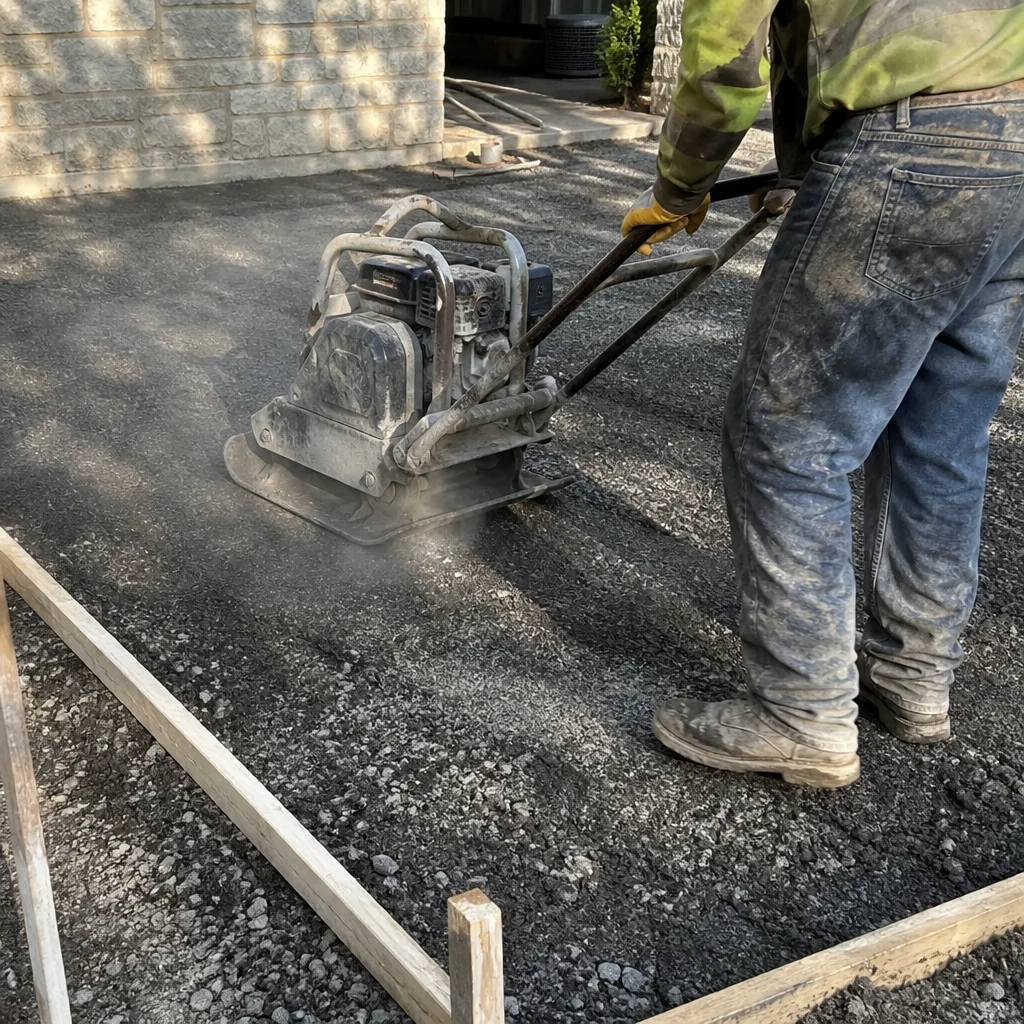
Concrete reaches about 70% of its 28-day design strength in the first 7 days under ideal, moist conditions. That “ideal” word is doing a lot of work here. When the ambient temperature is 100°F and the sun is bearing down on a fresh slab, the top dries out and firms up quickly while the interior keeps curing at a slower, moisture-dependent pace. So a driveway that feels rock-hard on day four is often still in the middle of its peak strength-gain phase. Parking a 5,000-pound truck on it too early leaves tire-impression ruts that never come out.
This is the part most homeowners never hear before the pour: North Texas heat accelerates the surface cure but can actually slow down deep strength gain if the slab isn’t kept moist. The heat pulls moisture out of the mix faster than the cement can use it.
A Fort Worth Curing Calendar, Season by Season
Generic “wait 7 days” advice was written for a temperate climate, not for a place where the slab sits in full afternoon sun for 10 hours. Here’s how we sequence it around North Texas conditions:
- Day 1 (24 hours): Foot traffic only, and it’s best to stay off it entirely. This is also when the slab should be under wet cure (more on that below).
- Day 7: Light vehicles (a passenger car or small pickup) can roll on in mild weather. Under normal spring and fall conditions in Fort Worth, this is a reasonable target.
- Day 10: The summer adjustment. If temperatures stayed above 95°F through the curing window, hold light vehicles until day 10. This is when tire ruts and surface scuffing become far less likely.
- Day 28: Full vehicle loads, regular use, heavy trucks, trailers. This is the standard design-strength milestone for a reason.
Watch the forecast, not just the calendar. A May pour that hits 88°F and settles back into the low 80s cures differently than a July pour that never drops below 95°F overnight. The high-water mark for trouble isn’t the peak daytime number; it’s when the nights stay warm and the slab never gets a real cooling break.
Wet Cure in a Fort Worth Summer: The 72-Hour Rule That Matters
Between May and September, wet curing with burlap or curing blankets for the first 72 hours is the standard that preserves surface integrity. Slabs that dry-cure in 100°F conditions lose surface density and commonly show scaling within two years. Scaling is that flaking, dusty top layer, and once it starts it doesn’t reverse.
This is a question homeowners should ask their contractor before the pour, not after: “How are you going to keep this slab wet for three days?” A crew that wets the surface once and drives off isn’t wet curing. Proper wet cure means keeping the burlap or blanket saturated, often misting or re-wetting through the hottest part of the day. On a big flat driveway in Fort Worth, that’s real labor, and it’s the difference between a surface that holds up through ten summers and one that starts dusting within 24 months.
What Happens If You Drive on It Too Soon
The consequences are specific, and they’re permanent:
- Tire-impression ruts. A parked truck’s weight concentrated on four contact patches pushes into concrete that hasn’t reached full strength. The impressions stay in the surface for the life of the driveway.
- Aggregate pop-out from point loads. Kickstands, jack stands, trailer hitches and even high-heeled boots concentrate force on a small area and can pop the top layer of aggregate loose.
- Hairline cracking from premature stress. Concrete that’s still building strength will crack under loads it would shrug off at 28 days. Some of that cracking shows up weeks later, which makes it easy to blame the wrong thing.
None of these are easy fixes. Ruts and pop-outs mean grinding and patching at best, replacement at worst.
When Curing Goes Wrong, It Shouldn’t Land on You
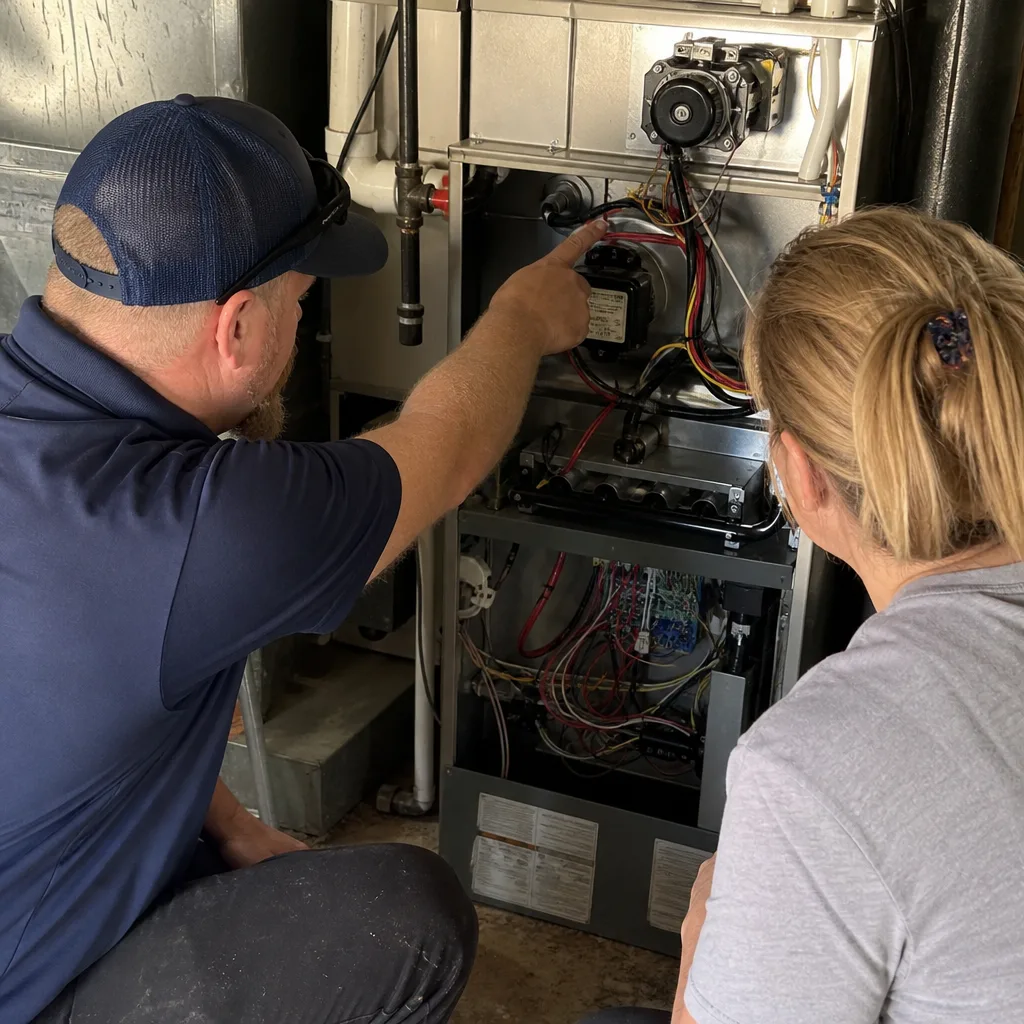
Here’s the assurance part. If surface scaling or cracking appears on a new pour that’s traceable to a curing or pour defect, the 730-Day Done Right Promise means Groundwork Construction Co. of Fort Worth comes back to make it right. That’s one of the longest workmanship guarantees in the residential construction space, and it means cure-related failures aren’t a “you should have waited longer” finger-point. If it’s on us, we fix it. If you’re planning a driveway and want to compare concrete against pavers before you commit, our Driveway & Pavers in Fort Worth page walks through both options.
What a Concrete Driveway Actually Costs in Fort Worth
Knowing the timeline is half the decision. Here’s what the numbers look like in this market, and how they stack against the alternatives:
| Project | Typical Fort Worth Range |
|---|---|
| Concrete driveway installation | $4,500 – $12,000 |
| Paver driveway installation | $7,000 – $18,000 |
| Asphalt driveway paving | $3,500 – $9,000 |
| Driveway replacement | $5,000 – $14,000 |
| Driveway sealing (after cure) | $250 – $700 |
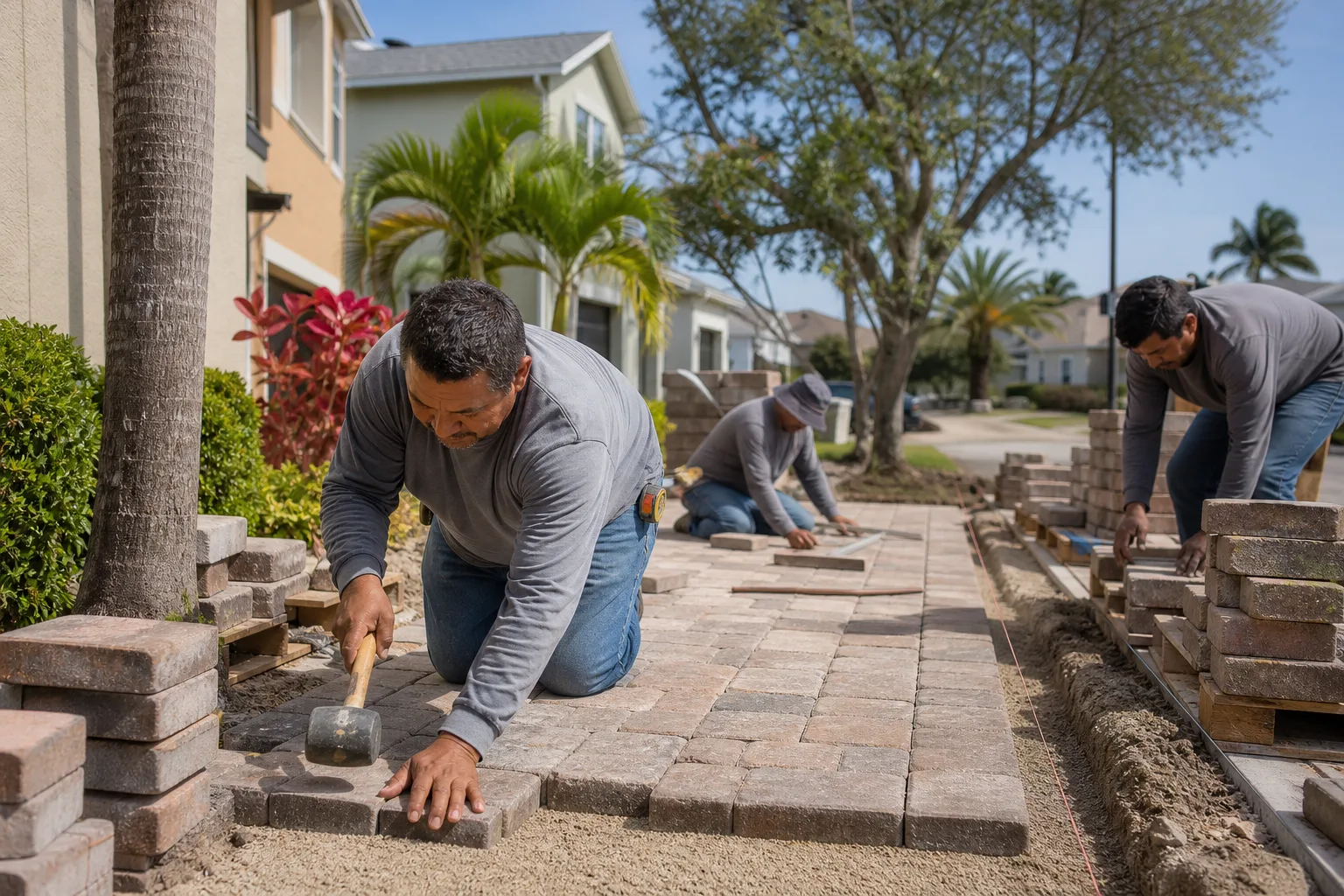
Plan on sealing only after the slab has fully cured (typically 28 to 90 days, and we’ll tell you which applies to your pour). Our Driveway & Pavers service covers both driveways and patios, so you can compare materials with one crew rather than three bids.
Groundwork offers upfront pricing, no surprises, paired with 0% financing for 18 months and $1,000 off projects over $10,000. A new driveway is a “wait and watch the weather” project in a way that most home improvements aren’t. Schedule it in the wrong month and you’re chasing the slab with a hose for three days. Call us and we’ll tell you the smart window to pour in Fort Worth.
Common Fort Worth Scenarios We See
A few situations come up over and over when homeowners call about a fresh slab:
- The Fairmount and Ryan Place bungalow block. Older lots with tight drive approaches mean a narrow pour that’s easy to overload too early, especially on a shared driveway. The district review overlay here can also add time before the pour even starts, which pushes the cure window deeper into summer.
- New construction out past Loop 820 toward Alliance and Walsh Ranch. Big driveways, hot exposure, and no shade. These slabs need aggressive wet cure and the 10-day light-vehicle rule more than almost anywhere in the city.
- The spring hail-and-heat double. A pour in late May can hit 90°F by afternoon and a storm that dumps two inches by evening. That swing is hard on the surface, and it’s why we watch the forecast hour by hour before placing concrete.
- The “I need to park my work truck tonight” case. We hear it every week. A loaded work truck on day 3 is how you get ruts. It waits, or the driveway doesn’t last.
FAQs
No. Three days is too early for any vehicle, even a small car, because the slab is still in its peak strength-gain phase and tire loads can leave permanent ruts. Foot traffic is fine at 24 hours; light vehicles wait until day 7 (day 10 in a Fort Worth summer that stayed above 95°F). Call (855) 912-5373 if you want us to check a specific pour.
About 28 days to reach design strength, even though it feels solid much sooner. Extreme heat accelerates the surface cure while slowing deep strength gain if the slab isn’t kept moist, so the full-cure window doesn’t shorten in a Fort Worth summer. It can stretch. For a free estimate on a new driveway, call (855) 912-5373.
Replacement is usually the only real fix for tire ruts and aggregate pop-out, and it runs $5,000 – $14,000 for driveway replacement in Fort Worth. Patching those defects rarely holds, and the surface keeps failing at the edges. Estimates are free, and we’ll tell you honestly whether a repair is worth it: (855) 912-5373.
Yes. Groundwork Construction Co. of Fort Worth answers calls with a live person 24/7, and our background-checked, uniformed technicians can assess a fresh pour within days. If scaling or cracking traces back to a curing or pour defect, the 730-Day Done Right Promise means we make it right. Call (855) 912-5373 for a no-pressure assessment.
Get Your Curing Timeline Right the First Time
If you’d rather have your pour or an existing driveway looked at, Groundwork Construction Co. of Fort Worth offers a no-pressure assessment in Fort Worth. Our technicians have up to 12 years of experience, pricing is upfront, and the 730-Day Done Right Promise is in writing. Call (855) 912-5373 for a free estimate.
Written by the team at Groundwork Construction Co. of Fort Worth, serving Fort Worth, TX.


