Free written scope consultation - allowances, timeline, and change-order rules on paper before a single trade is scheduled
Styles & brands we work with
- Kitchen remodeling
- Bathroom remodeling
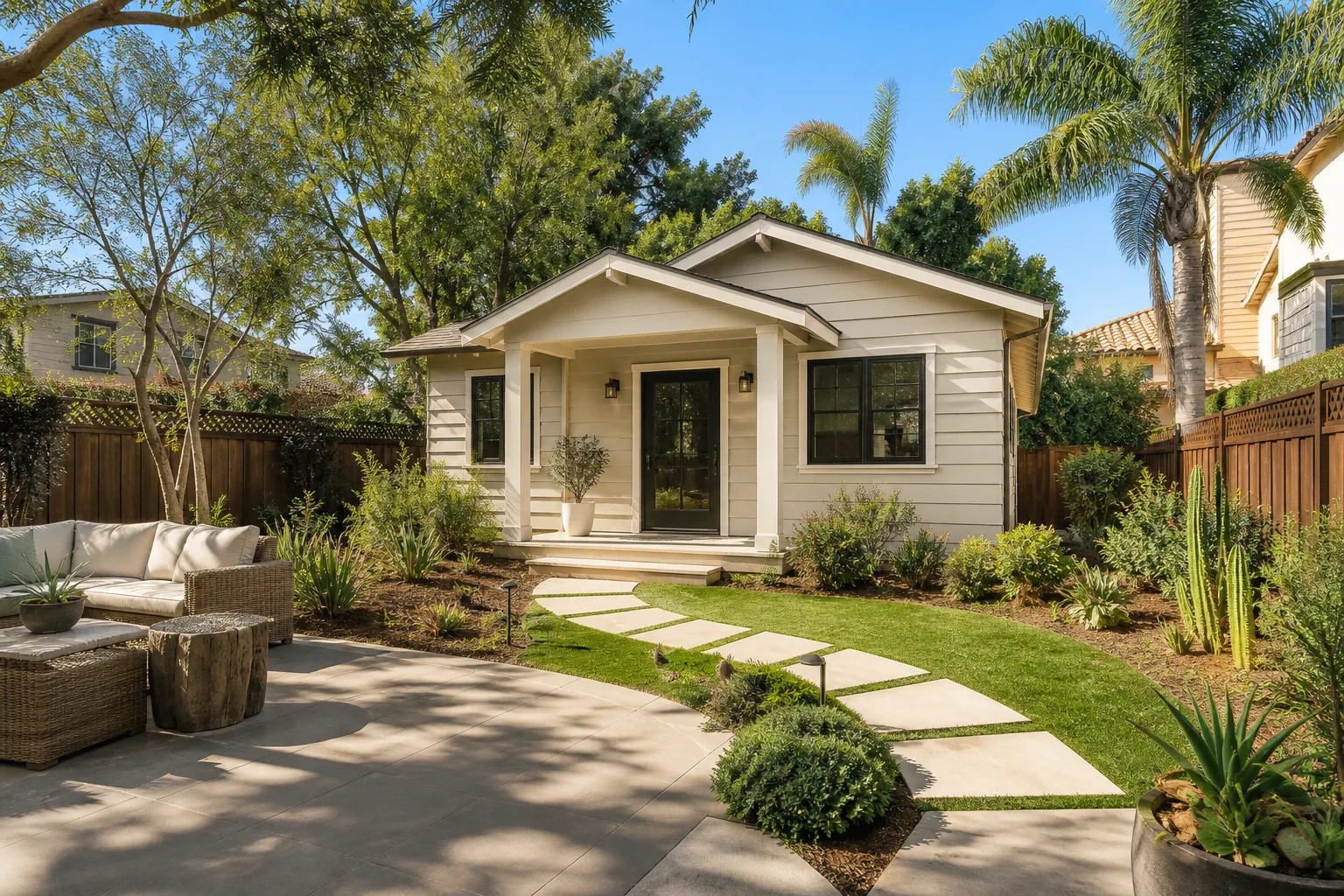
- Home additions & ADU
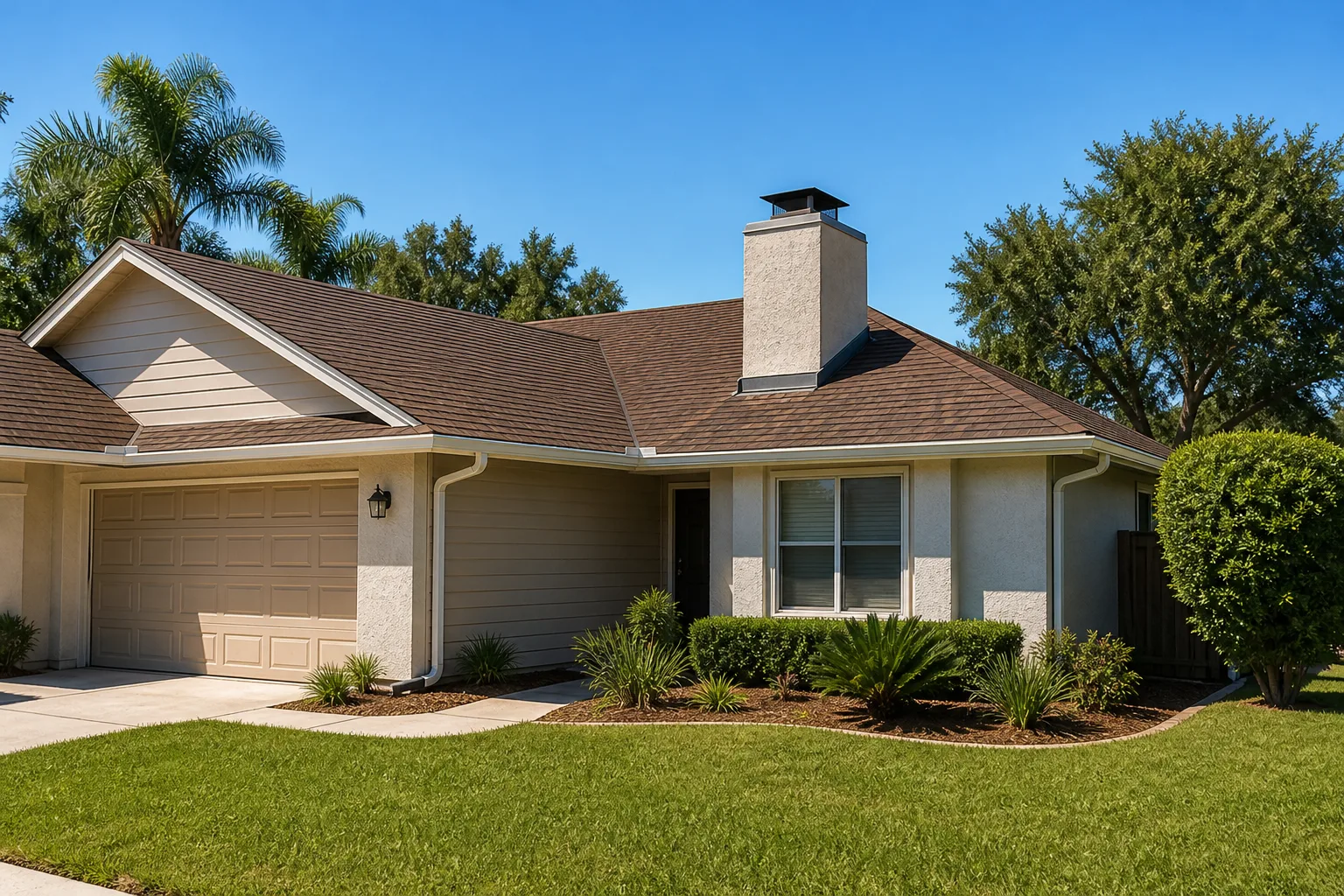
- Roofing
- Windows & doors
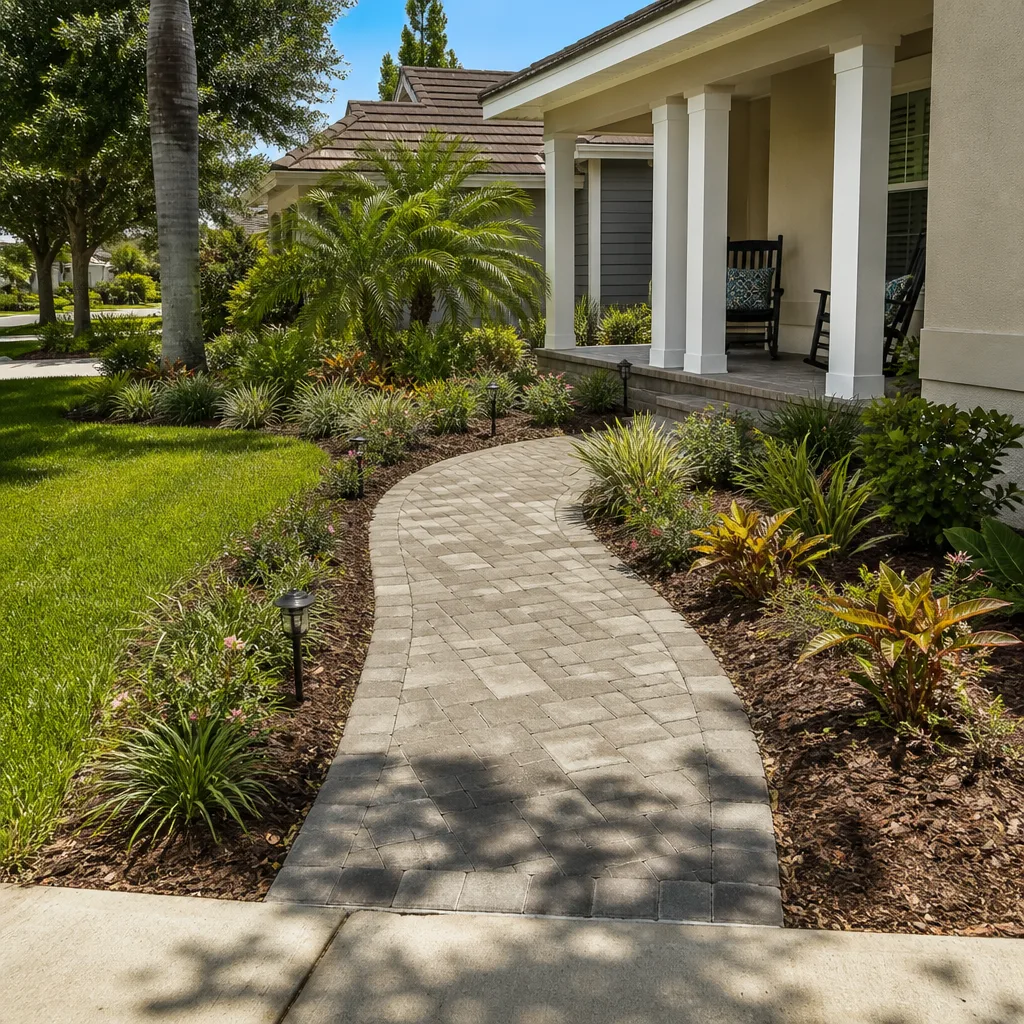
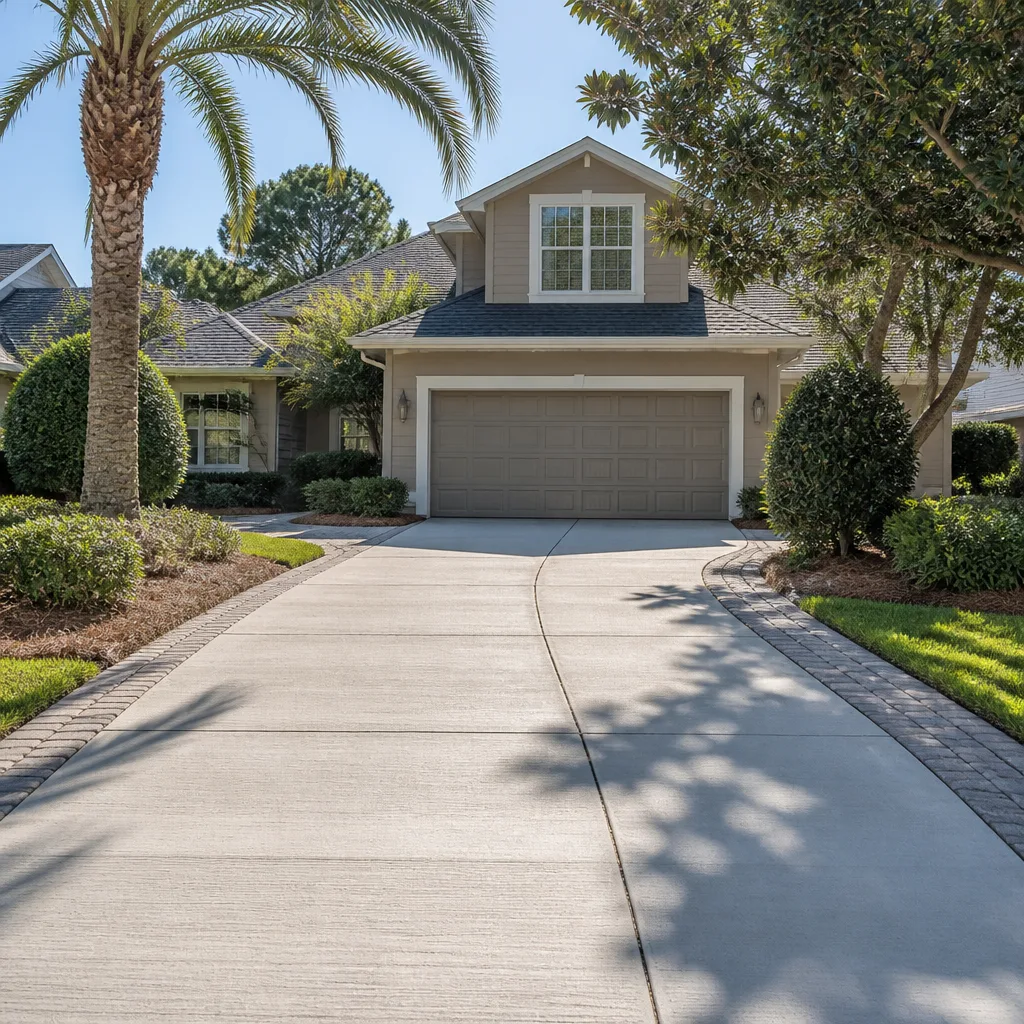
- Driveway & pavers
- Fence
See the difference
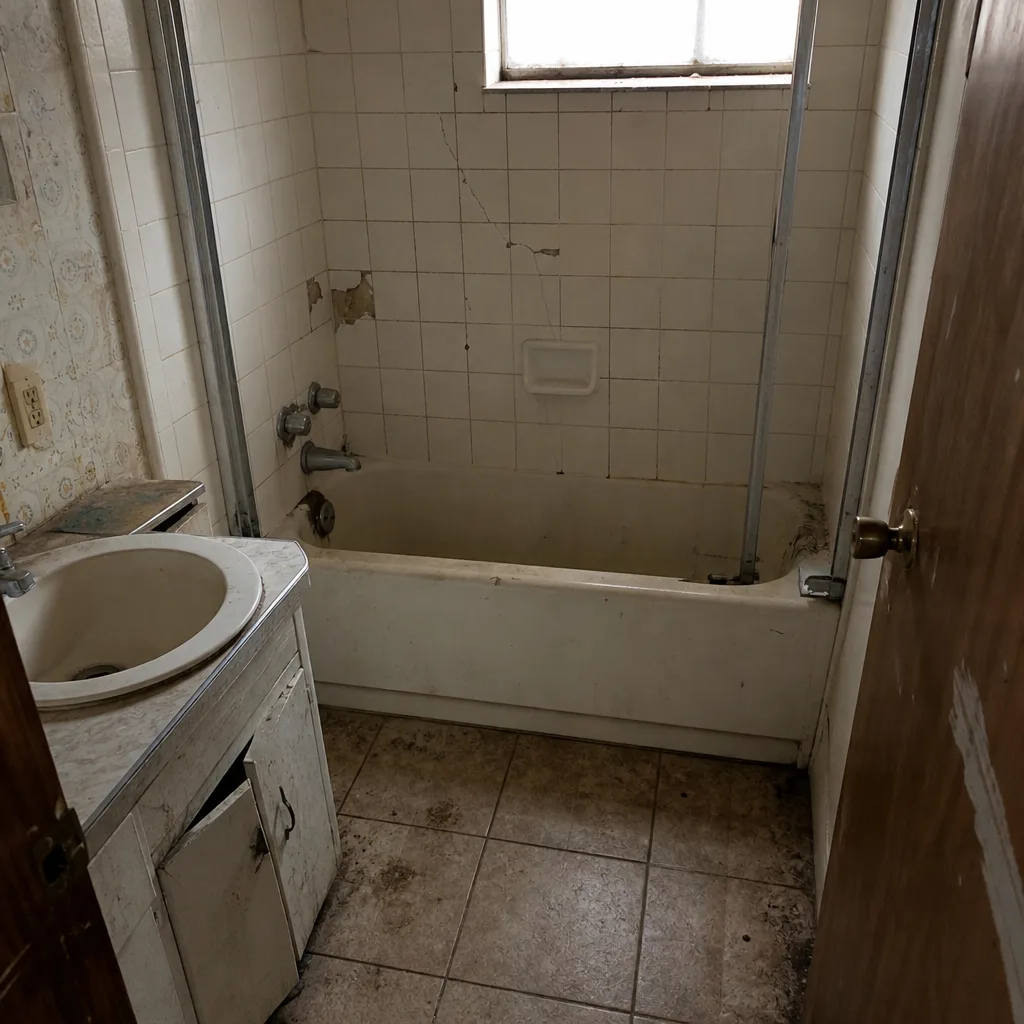 Before
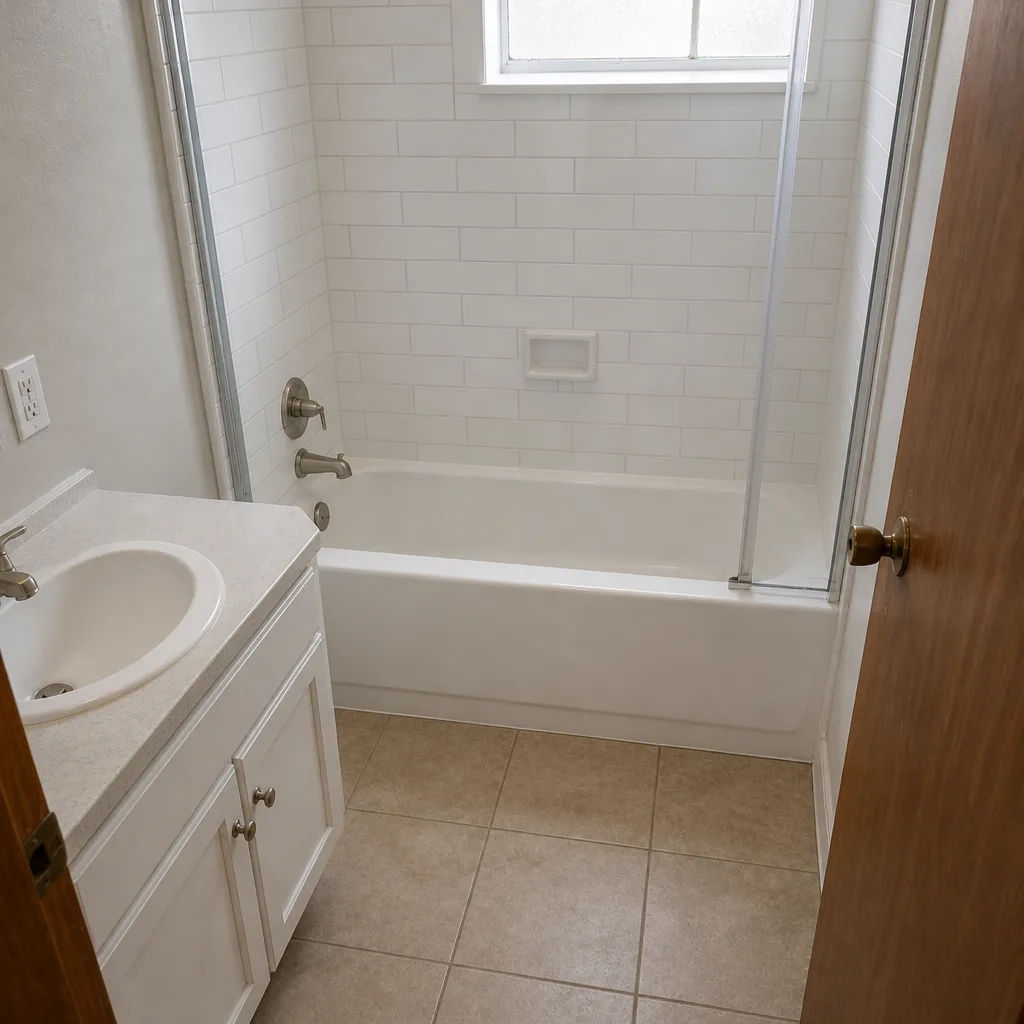 After
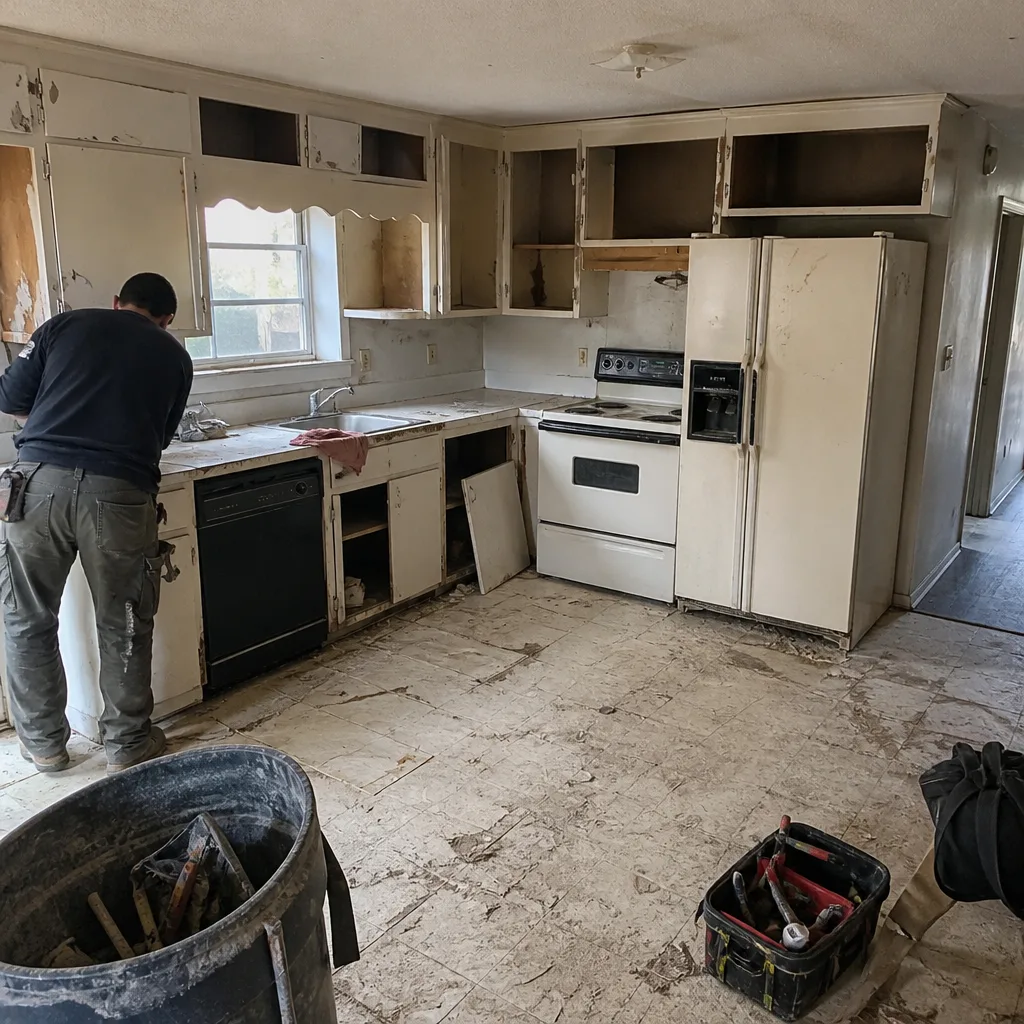 Before
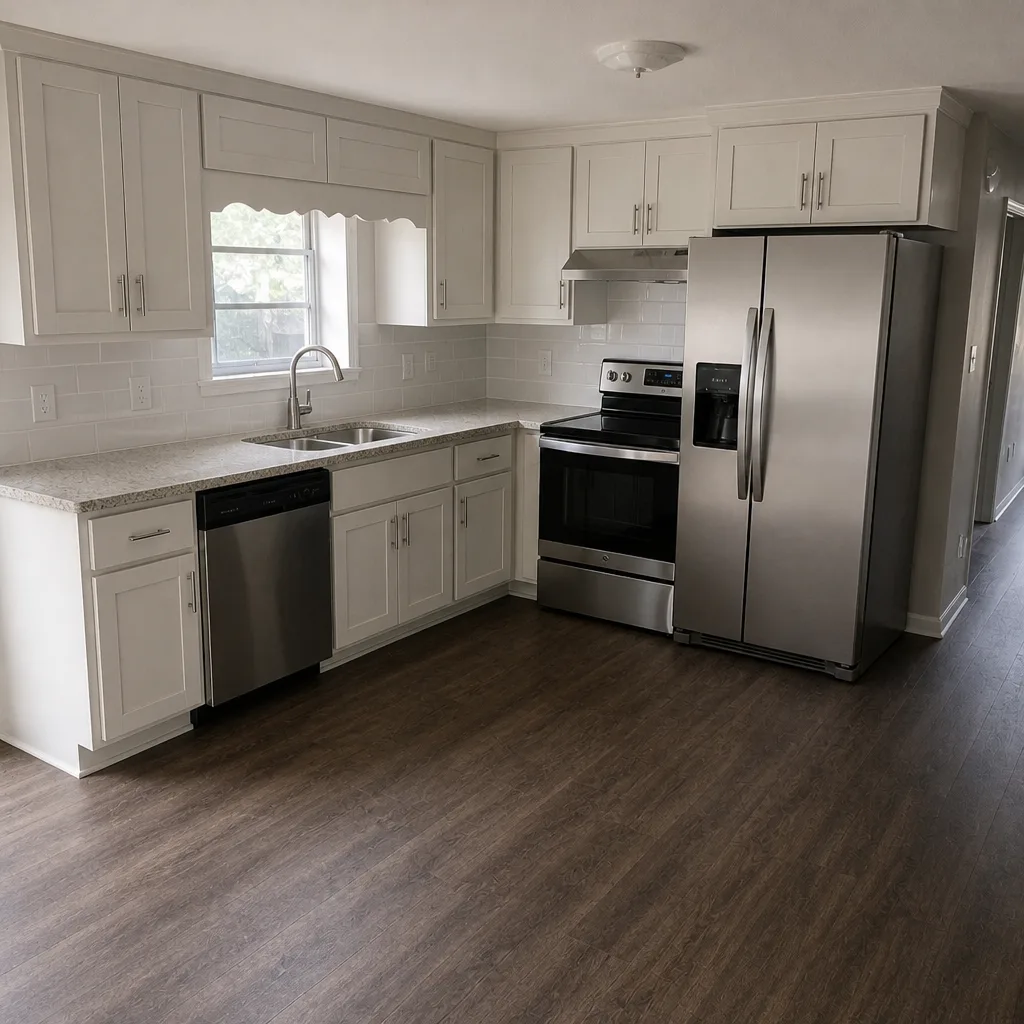 After
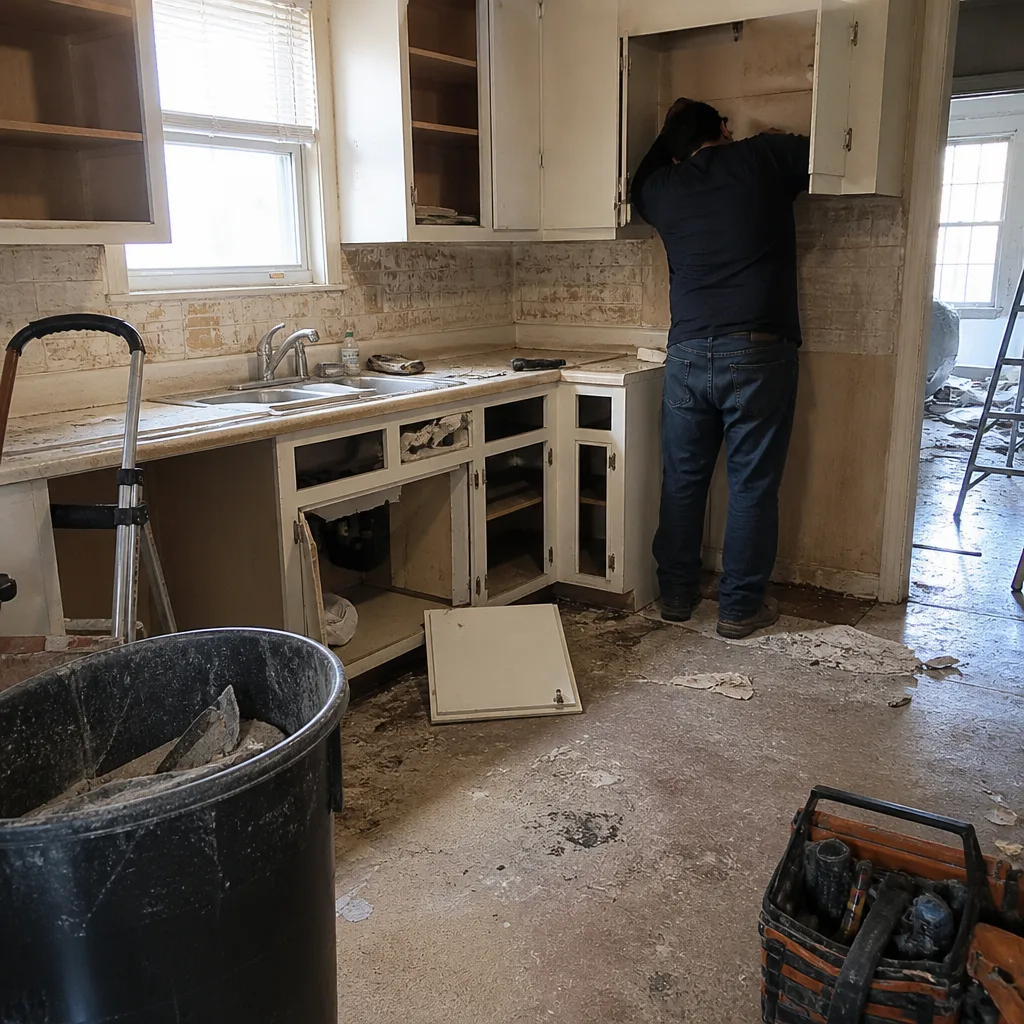 Before
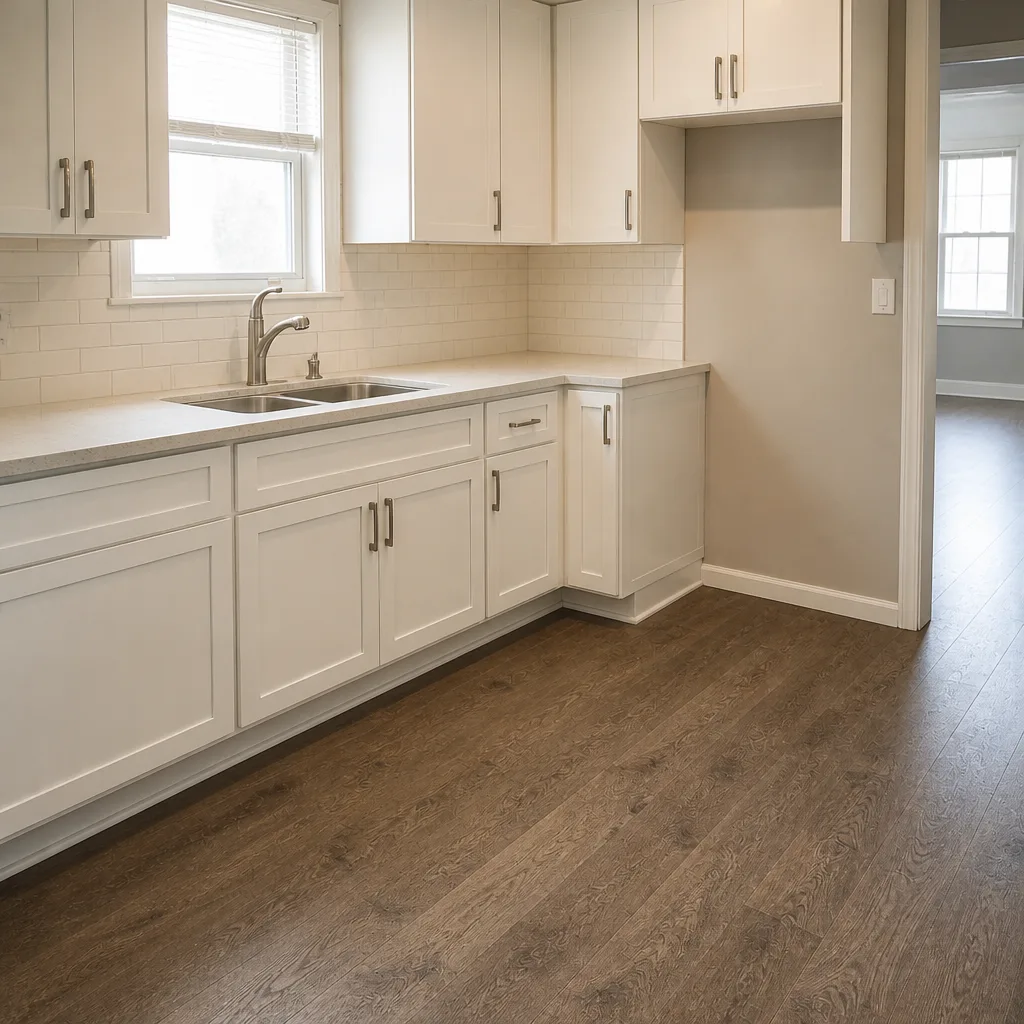 After
How Long Does a Paver Driveway Last in Fort Worth, TX?
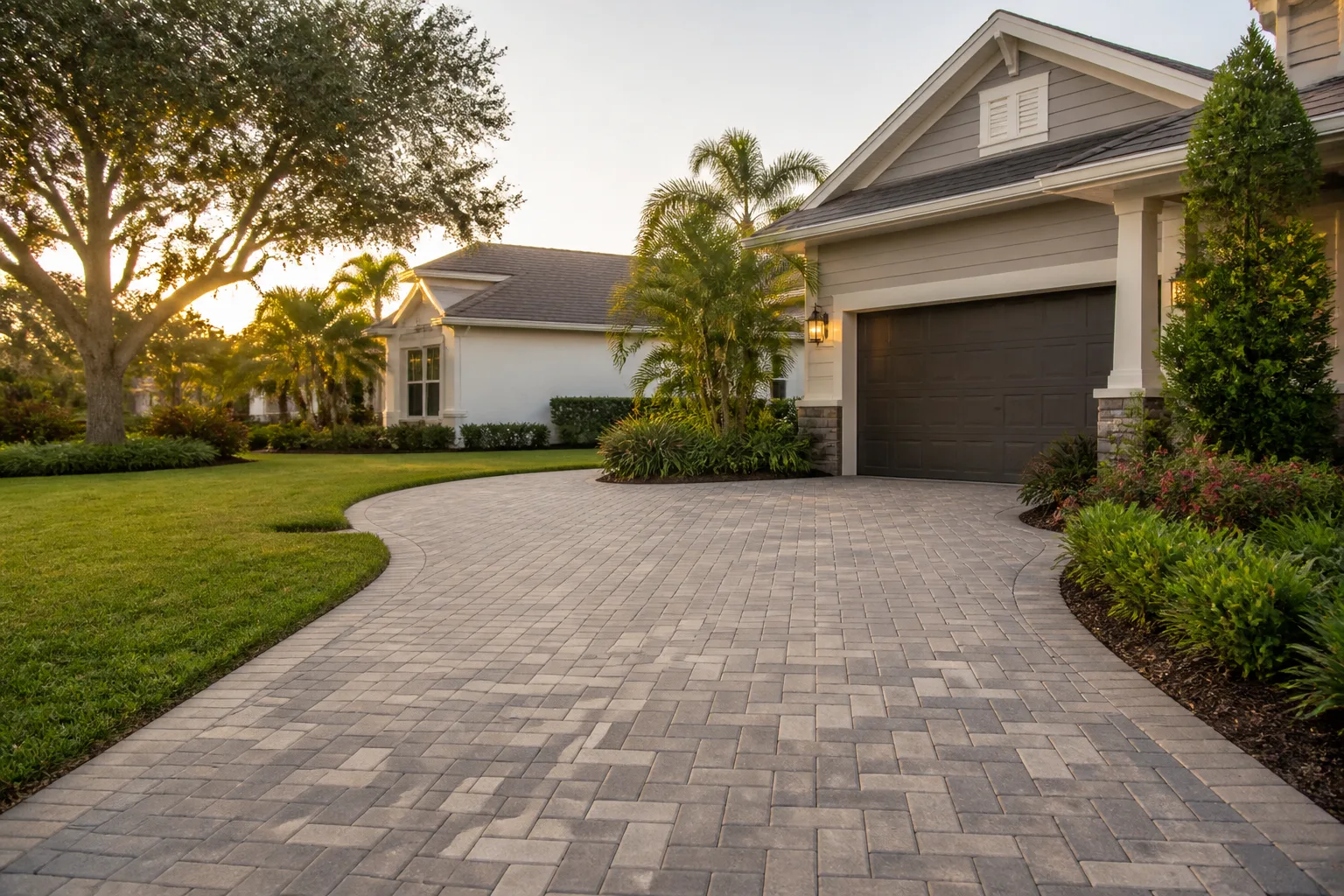
A paver driveway in Fort Worth lasts 30-50 years when it’s built over a properly compacted base with a geotextile fabric layer, and 5-8 years when it isn’t. The pavers themselves almost never fail first; the base over Fort Worth’s expansive black clay decides whether your driveway stays flat or turns into a trip hazard. Call (855) 912-5373 and we’ll walk your driveway and tell you which outcome you’re heading toward.
Key Takeaways
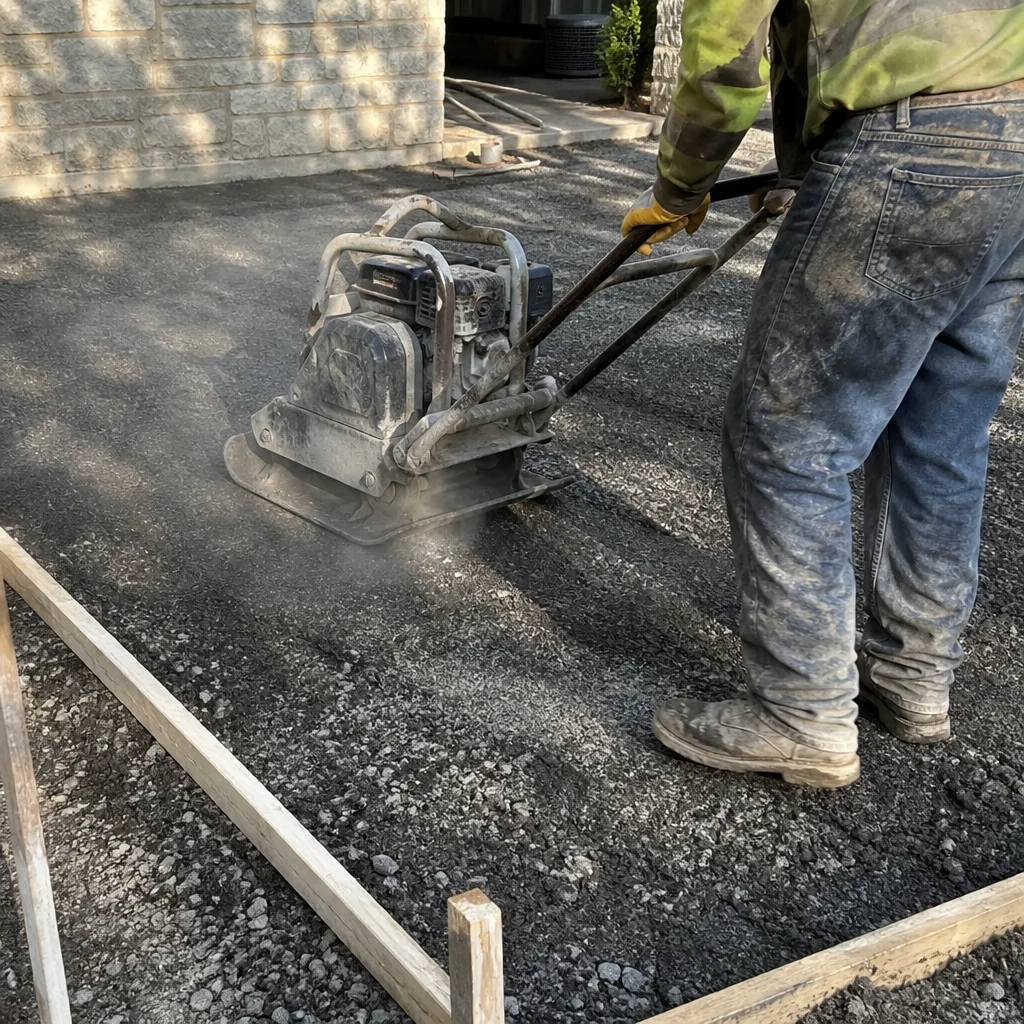
- The lifespan of a paver driveway is set before a single paver is laid: sub-base compaction depth, bedding sand type, and edge restraint anchoring.
- Fort Worth’s black clay shrinks and swells with every wet and dry cycle, and without a geotextile fabric layer, fine clay particles migrate up into the aggregate base and undermine compaction.
- Pavers can be reset individually after clay-heave movement; monolithic concrete cracks permanently. That’s the real maintenance difference between the two.
- Watch for uneven surface within two years, joint sand washing out after rain, and edge pavers rotating outward – all signs the base or restraint is failing.
Why the Base, Not the Paver, Decides How Long Your Driveway Lasts
A paver is a durable piece of concrete, clay, or stone. It will outlive most of us if it’s left alone. The failure you see in a sagging, rocking, puddling driveway isn’t the paver wearing out. It’s the ground giving way underneath, and in Fort Worth that ground is some of the most active soil in the country.
Three layers have to be right for the 30-50 year claim to hold:
- Sub-base compaction depth. For a residential driveway in North Texas, that’s typically 6 to 8 inches of crushed aggregate placed and compacted in lifts, not dumped in one pile. Compaction in lifts is the step shortcuts skip, and it’s the step you’ll never see after the pavers go down.
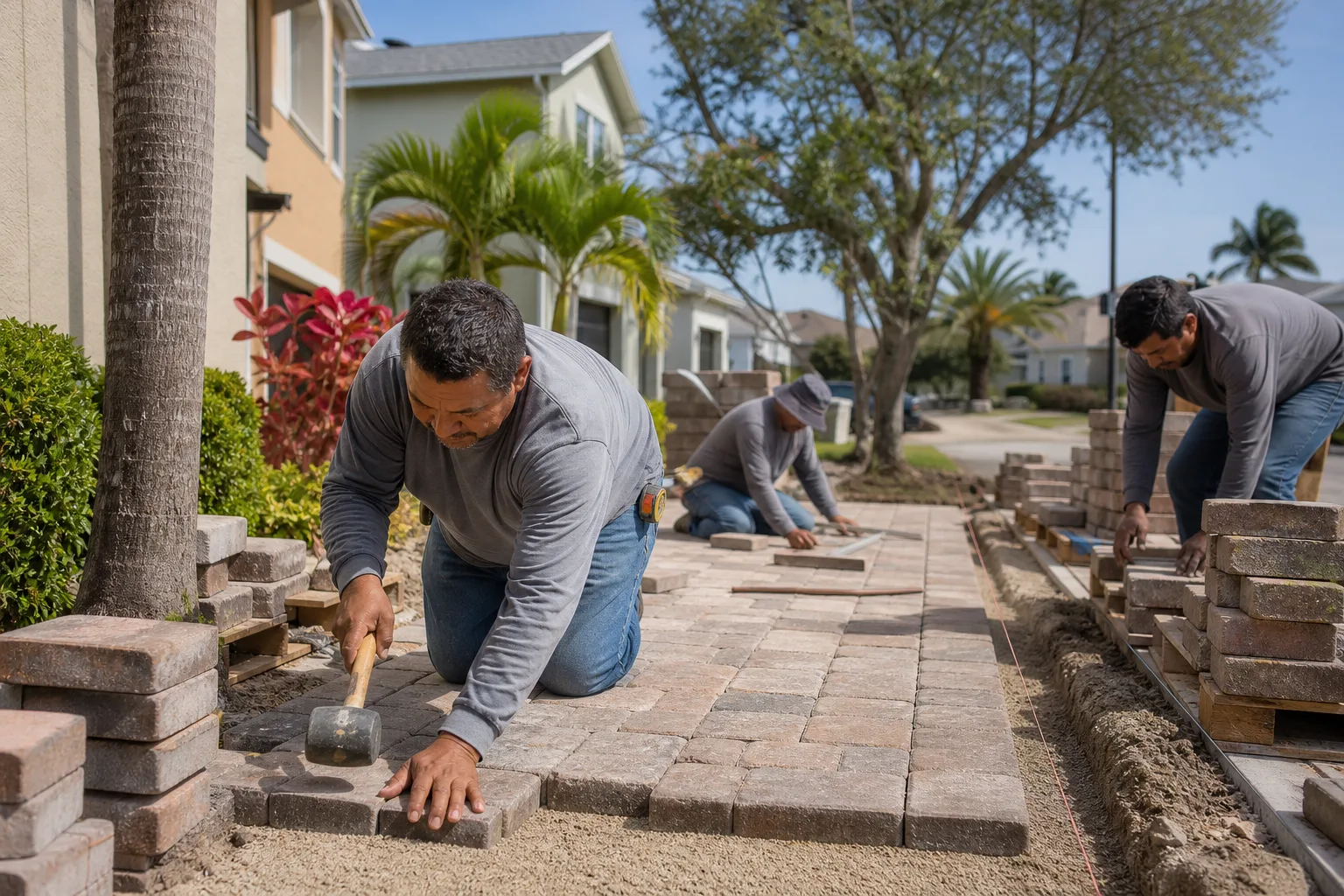
- Bedding sand type. A thin, uniform layer of washed concrete sand – not mason sand, not whatever was cheapest that week. The wrong sand holds moisture, moves, and lets pavers shift out of plane.
- Edge restraint anchoring. The edge is what holds every other paver in place. A restraint that’s spiked into loose soil rather than into the compacted base will creep outward season after season until the field loosens.
When all three are executed correctly, the driveway stays flat and drains. When any one is skipped, the pavers aren’t the problem – the foundation beneath them is.
What Fort Worth’s Black Clay Does to a Paver Driveway
North Texas black clay expands when it’s wet and contracts when it dries, and Fort Worth swings between those states all year. That movement is the single biggest local variable in how long a paver driveway holds up. Dallas deals with the same soil family, but Fort Worth’s mix of older bungalow blocks and fast new growth means crews here are constantly working around established trees, mature root systems, and driveways that were poured or laid decades ago without modern base prep.
Here’s the process most informational pages skip: without a geotextile fabric layer between the clay subgrade and the aggregate base, fine clay particles migrate upward into the gravel over time. Water moving through the soil carries those particles up, and the base slowly fills with clay. Compaction degrades, the surface starts to settle unevenly, and the pavers follow. The fabric is a separation barrier. It keeps the clay where it belongs and keeps the aggregate base doing its job. It’s also invisible in a finished driveway, which is exactly why you should ask about it before you sign.
Our technicians have up to 12 years of experience building and repairing pavers across Fort Worth, and the callbacks we see almost always trace back to a base that was rushed. If you’re comparing bids, see what our Driveway & Pavers work covers and ask every contractor the same three questions about base prep.
Paver Lifespan vs. Concrete Lifespan in Fort Worth Soil
This is the comparison that actually helps you decide. A concrete driveway handles Fort Worth clay differently than pavers, and the difference shows up in year five, not year one.
| Driveway type | Typical install cost in Fort Worth | How it handles clay movement |
|---|---|---|
| Paver driveway | $7,000-$18,000 | Individual pavers can be lifted and reset; the driveway can be restored to grade |
| Concrete driveway | $4,500-$12,000 | Cracks are permanent; repair means patching or replacing a section |
| Asphalt driveway | $3,500-$9,000 | Flexes with soil but needs periodic sealing and patching |
| Driveway replacement | $5,000-$14,000 | Applies to any material; the base is redone in the process |
| Driveway sealing | $250-$700 | Maintenance for paver and asphalt surfaces |
Concrete is cheaper up front and that’s a real advantage. But when clay heave cracks a poured slab, that crack is there for the life of the slab. A paver driveway costs more to install and gives you back the ability to fix localized movement without tearing out the whole field. If you’re planning a full replacement, that’s worth pricing side by side, and you can start with our Driveway & Pavers in Fort Worth page for the full scope.
Materials matter on the surface, too. We work with Belgard pavers and other proven lines, and we set those against a base built the way it has to be for the 30-plus-year number to mean anything. From foundation to finish line, the driveway is one system.
Why the 730-Day Done Right Promise Matters Most in the First Two Years
Early-life failures show up fast in Fort Worth. The first two years after installation are the period when the soil runs through its full shrink-swell cycle – dry it out in August, soak it in spring, repeat. If the base, bedding, or edge restraint was done wrong, this is when it announces itself.
The 730-Day Done Right Promise covers the most common early-life failures: edge restraint movement and joint sand loss. If it’s not done right, we make it right. That two-year window is deliberate. It captures the first two full Fort Worth shrink-swell cycles that stress-test an installation, so any weakness gets caught and corrected while it’s still a small fix.
We also arrive with background-checked, uniformed technicians on every job, and pricing that’s upfront – the number you see is the number you pay. If a large paver project is on the horizon, the standing offer of $1,000 off projects over $10,000 and 0% financing for 18 months makes the math easier to plan around. And when you call, a live person answers, 24/7 – no voicemail until Monday morning.
Signs Your Paver Driveway’s Lifespan Is Being Shortened
Use this as a maintenance checklist – these are the things you can actually watch for yourself over the life of the driveway.
- Uneven surface forming within two years. A dip, a hump, or a section that rocks underfoot points to base settlement, not normal wear. Call it in early rather than late.
- Joint sand washing out after rain. Some settling of sand is normal, but repeated washout after every storm means the joints aren’t staying filled, and unfilled joints let the pavers move.
- Edge pavers rotating or pushing outward. That’s edge restraint movement, and it’s the most common failure we see. Once the edge goes, the field follows.
- Water pooling in one spot. Standing water after a rain means the surface has lost its drainage slope – a base or grade problem.
- Weeds rooting deep in the joints. Surface weeds are cosmetic. Deep roots in loose joints suggest the joint sand has stopped doing its job.
Keep the joints topped off, seal on a sensible schedule, and address small movement while it’s small. That’s how a Fort Worth paver driveway reaches the top of its lifespan range instead of the bottom.
FAQs
A paver driveway typically lasts 30-50 years when it’s installed over a properly compacted base with a geotextile fabric separator, and 5-8 years when the base is inadequate. The paver material itself can last far longer than that – the base prep is what determines whether you get decades or just a few good years. If you’re not sure what’s under your existing driveway, call (855) 912-5373 for a free estimate and we’ll tell you straight.
No – laying pavers directly over cracked or settled concrete rarely lasts, because the clay movement that cracked the slab will keep moving under the new surface. For a paver driveway that holds up in Fort Worth’s clay, the old concrete comes out and the base gets rebuilt. It’s more work up front, but it’s the difference between a 40-year driveway and a short-lived one. Call us for a no-pressure assessment.
Dips that show up within two years almost always mean uneven base compaction or missing geotextile fabric that let fine clay migrate up into the gravel base. It’s not normal settling, and it’s not the pavers – it’s the sub-base. It can usually be corrected by lifting the affected pavers, rebuilding that section of base, and resetting. Call (855) 912-5373 and we’ll diagnose it in person – estimates are free.
Repair is almost always cheaper for localized problems – a section of settling, edge restraint movement, or joint sand loss can often be fixed without touching the rest of the field. Full replacement only makes sense when the base is failing across the whole driveway. Most repair work falls well below the $7,000-$18,000 range for a new paver driveway in Fort Worth. Call for an exact quote before you replace anything.
Get Your Fort Worth Driveway Assessed
If you’d rather have it looked at than guess, Groundwork Construction Co. of Fort Worth offers a no-pressure assessment in Fort Worth – call (855) 912-5373. We’ll tell you what’s under your driveway, what it can realistically last, and what it would take to make it last longer.
Written by the team at Groundwork Construction Co. of Fort Worth, serving Fort Worth, TX.