





Free written scope consultation - allowances, timeline, and change-order rules on paper before a single trade is scheduled
Styles & brands we work with
- Kitchen remodeling
- Bathroom remodeling
- Home additions & ADU
- Roofing
- Windows & doors
- Driveway & pavers
- Fence
See the difference
 Before
 After
 Before
 After
 Before
 After
How to Fix a Sinking Driveway in Fort Worth, TX
The fix for a sinking driveway in Fort Worth almost always starts below the concrete, not on top of it. You stabilize the soil and the sub-base first, then either lift the existing slabs or remove and re-pour them over a properly graded, stabilized fill. Skip that step and the same slab drops again within two to three years, because the black clay under most Fort Worth driveways keeps moving whether the surface looks fixed or not. If you want a straight read on which path your driveway actually needs, call (855) 912-5373 and we’ll walk the slab with you.
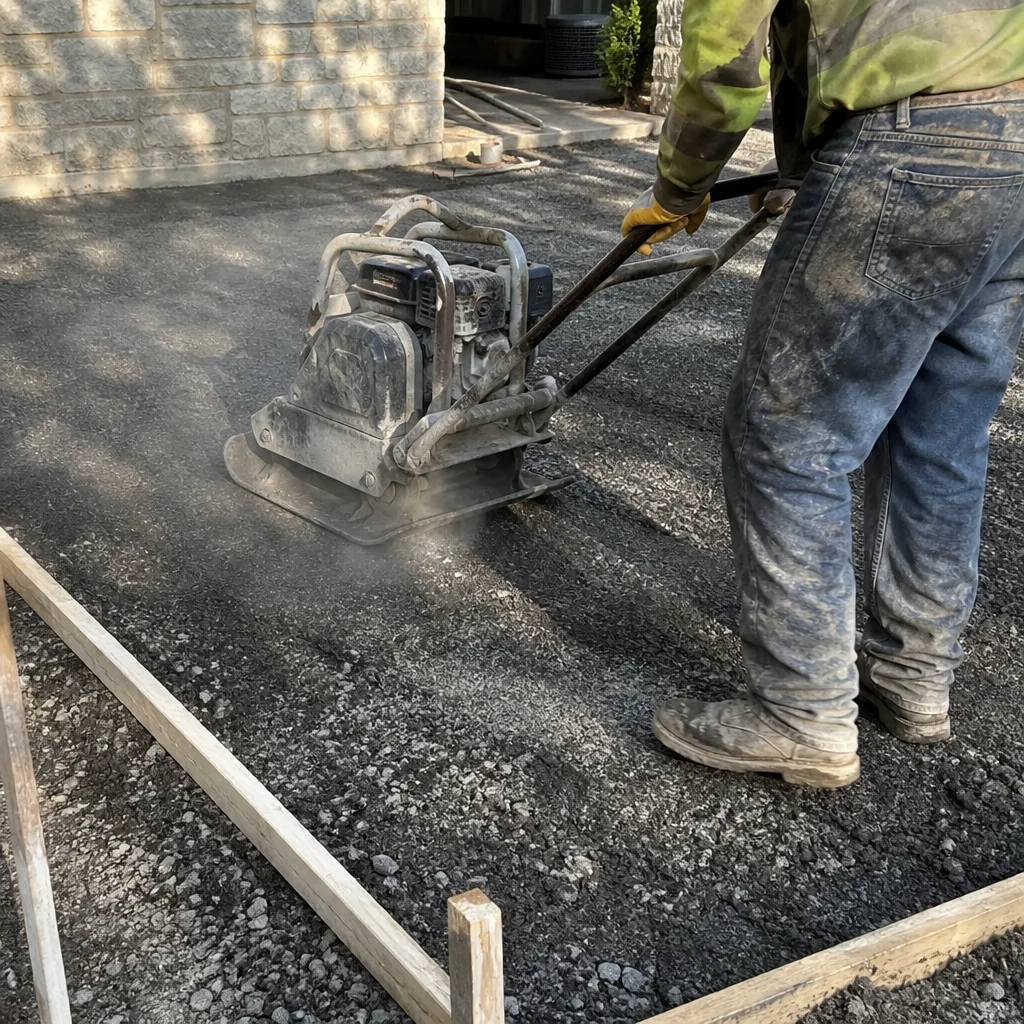
That’s the short answer. The longer one is about soil, drainage, and roots, and it’s why so many Fort Worth homeowners pay twice for the same repair.
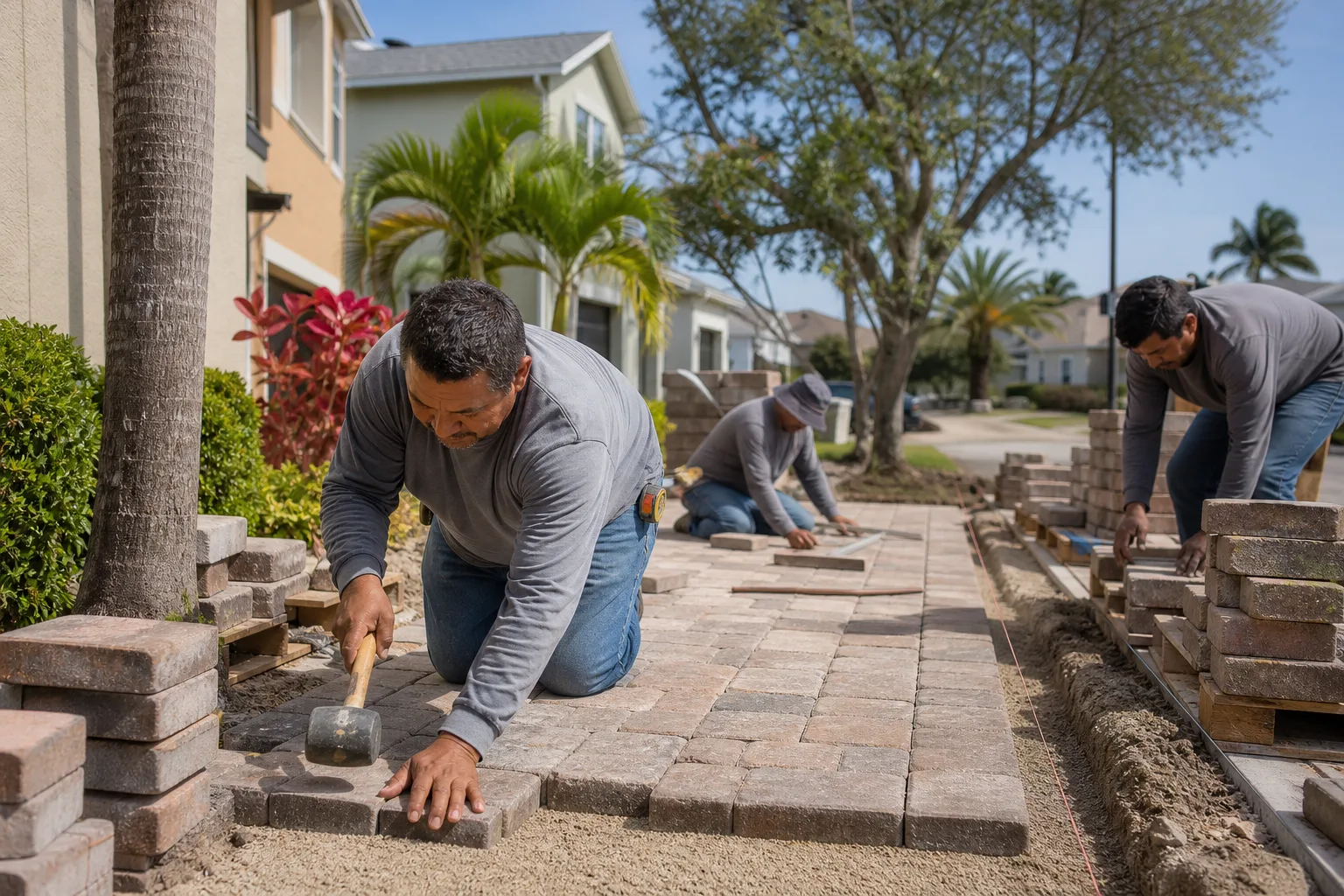
Why the ground under a Fort Worth driveway keeps moving
Most of Fort Worth sits on expansive Vertisol clay, the dark gumbo soil locals call black clay. It swells when it takes on water and shrinks hard when it dries. During a dry North Texas summer, that shrink can drop a slab by half an inch or more without a single crack appearing in the panel. The concrete didn’t fail. The ground beneath it did.
This is the part competitors gloss over. A driveway that sinks in Fort Worth is rarely a concrete-mix problem or a traffic-load problem. It’s a soil-moisture problem, and it repeats every drought cycle. Spring rains saturate the clay, summer heat pulls the water back out, and the slab rides that cycle up and down. Pour new concrete on the same untreated base and you’ve bought yourself a couple of seasons, not a fix.
Fort Worth’s flat topography makes it worse. Water doesn’t sheet away the way it does on a sloped lot. It pools against the slab edge, soaks into the clay, and sets up the next round of swelling. That’s a Fort Worth-specific detail worth knowing before anyone quotes you a repair.
What to look for before you spend a dollar
Mudjacking and polyurethane foam injection both get sold as one-call fixes, and both have a place. The question is whether either one is right for your slab. Here’s how the honest diagnostic sequence runs.
- Probe for voids. If there’s a hollow space under the slab, the sub-base has washed out or settled away. Pumping slurry or foam into a void without rebuilding the base just fills a hole that keeps growing.
- Check the drainage slope. On flat Fort Worth lots, a slab that’s lost its fall toward the street or alley will pool water and keep feeding the clay. No amount of lifting fixes bad drainage.
- Look at the trees. Mature live oaks and pecans are everywhere in older Fort Worth neighborhoods, and their roots run wide. On Fairmount and Ryan Place lots, roots from parkway trees regularly push under slabs and displace base material. Foam injection over a root-displaced base is a waste of money.
Groundwork Construction Co. of Fort Worth sends background-checked, uniformed technicians who test sub-base integrity before recommending anything. That matters, because the default answer from a sales-driven outfit is full replacement on every call. It shouldn’t be. Some slabs lift fine. Some need the base rebuilt. A few need to come out.

Lifting, injecting, or replacing: matching the method to the problem
Mudjacking pumps a cement-and-soil slurry under the slab and lifts it back to grade. It’s a legitimate short-term fix and usually the cheapest option. The catch: that slurry adds weight on the same unstable clay that caused the sink in the first place.
Polyurethane foam injection is lighter and cures fast, which makes it a better match for many Fort Worth slabs. It expands to fill voids and adds far less load. But it still can’t fix a washed-out sub-base or a base pushed around by roots. Both methods treat the symptom. Neither treats the soil.
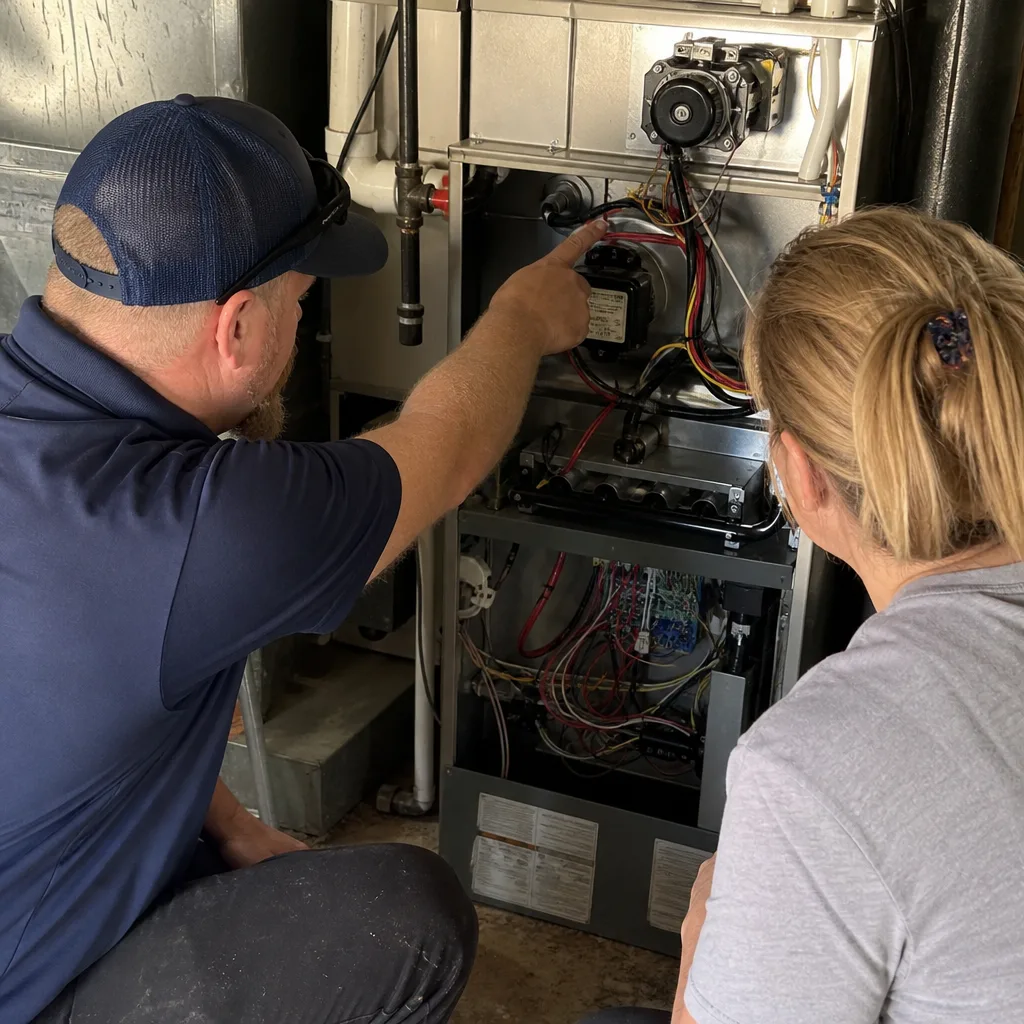
When sinking passes roughly 1.5 inches, or when it affects more than about a third of the driveway panel, resurfacing turns into a cosmetic cover-up. The honest answer at that point is removal, re-grading the base with a stabilized fill, and a fresh pour. It costs more up front. It also stops you from paying for the same repair a second time.
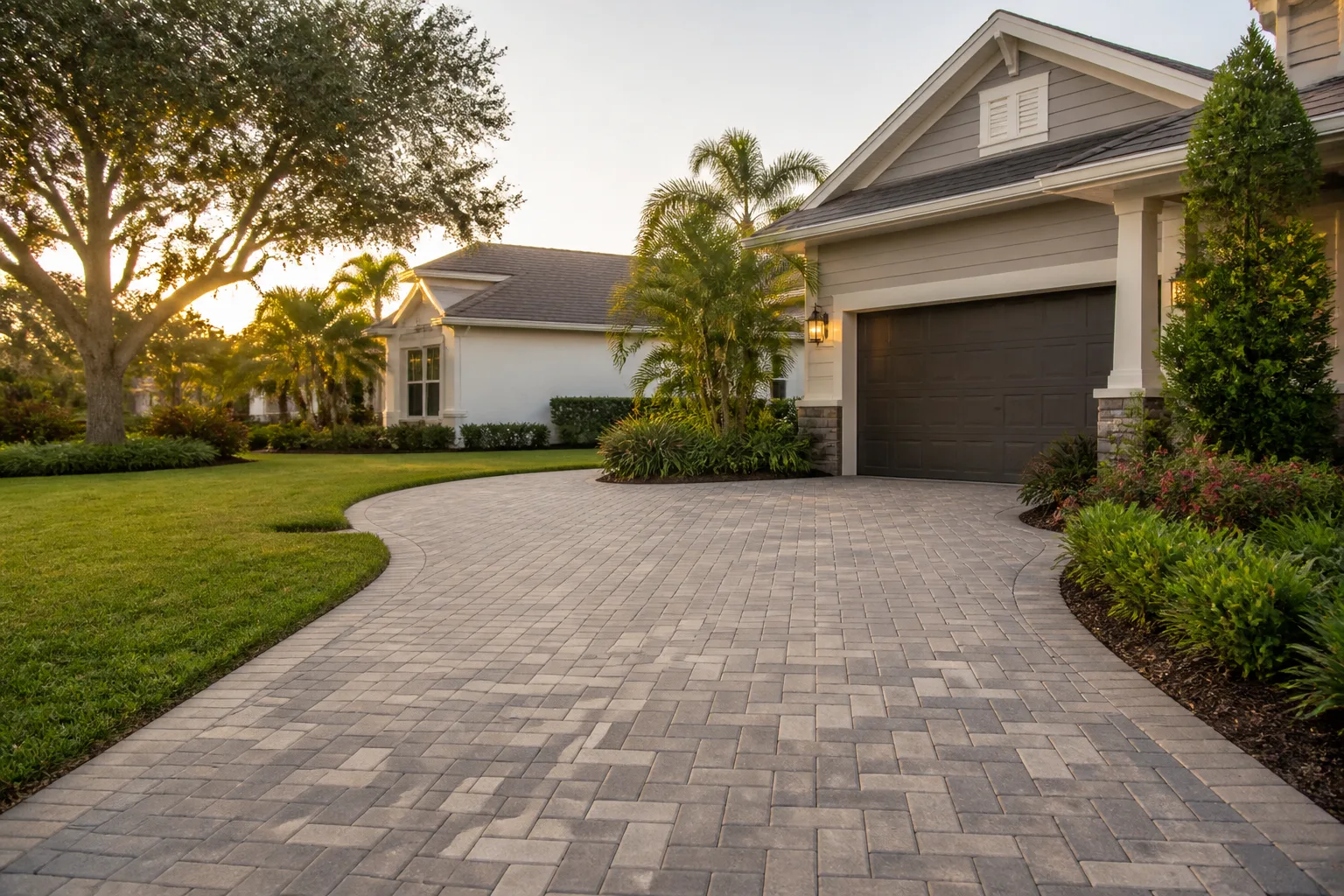
For homeowners weighing a full redo, our Driveway & Pavers in Fort Worth team can walk through paver options as well as concrete, and our broader Driveway & Pavers service covers everything from a single-panel lift to a full replacement. If you’re still sorting out the front of the house, our home page lays out the rest of what we handle.
What a sinking driveway fix costs in Fort Worth
Upfront pricing means the number you see is the number you pay. Here’s what the work typically runs in the Fort Worth market, so you can compare bids against something real.
| Scope of work | Typical Fort Worth range |
|---|---|
| Concrete driveway installation (full) | $4,500-$12,000 |
| Driveway replacement | $5,000-$14,000 |
| Paver driveway installation | $7,000-$18,000 |
| Asphalt driveway paving | $3,500-$9,000 |
| Driveway sealing | $250-$700 |
A targeted lift or injection job sits well below those replacement figures, which is why it’s worth making sure it’s the right call before you spend on a full pour. When a re-pour does make sense, the material choice matters. Paver systems from Tremron and Techo-Bloc handle soil movement with a bit more give than a rigid slab, and the joints flex instead of cracking. Premium materials backed by our 730-Day Done Right Promise mean the work is covered in writing, not just promised on the phone.
On larger projects, we offer no-hassle upfront pricing, 0% financing for 18 months, and $1,000 off projects over $10,000. Get your free project estimate and design consult before you commit to anything.
FAQs
Most Fort Worth driveway repairs fall between a few hundred dollars for a targeted lift and $14,000 for a full replacement, depending on how much of the slab has moved and what’s happening underneath. Call (855) 912-5373 for an exact quote; estimates are free and there’s no pressure.
Often, yes. If the slab is intact, the sub-base is sound, and the sinking is under about 1.5 inches, mudjacking or polyurethane foam injection can lift it back to grade. Once sinking passes that threshold or spreads across more than a third of the panel, replacement is the honest answer.
Because the repair treated the surface and left the soil alone. Fort Worth’s expansive black clay keeps swelling and shrinking through every wet-dry cycle, and roots from mature parkway trees keep pushing the base around. Fix the drainage and stabilize the base first, or the slab drops again within a couple of years.
Repair is cheaper up front, usually by several thousand dollars. But if the base has washed out or the sinking covers a large portion of the slab, paying for a lift now and a replacement later costs more than doing it once. Our technicians check sub-base integrity before recommending either path, so you get the call that actually fits your driveway.
Get your driveway looked at
If you’d rather have it looked at than guess from the curb, Groundwork Construction Co. of Fort Worth offers a no-pressure assessment in Fort Worth. Calls are answered by a live person, 24/7. Reach us at (855) 912-5373 for a free estimate and design consult. Our technicians have up to 12 years of experience, and every project is covered by our 730-Day Done Right Promise.
Written by the team at Groundwork Construction Co. of Fort Worth, serving Fort Worth, TX.


