Free written scope consultation - allowances, timeline, and change-order rules on paper before a single trade is scheduled
Styles & brands we work with
- Kitchen remodeling
- Bathroom remodeling
- Home additions & ADU
- Roofing
- Windows & doors
- Driveway & pavers
- Fence
See the difference
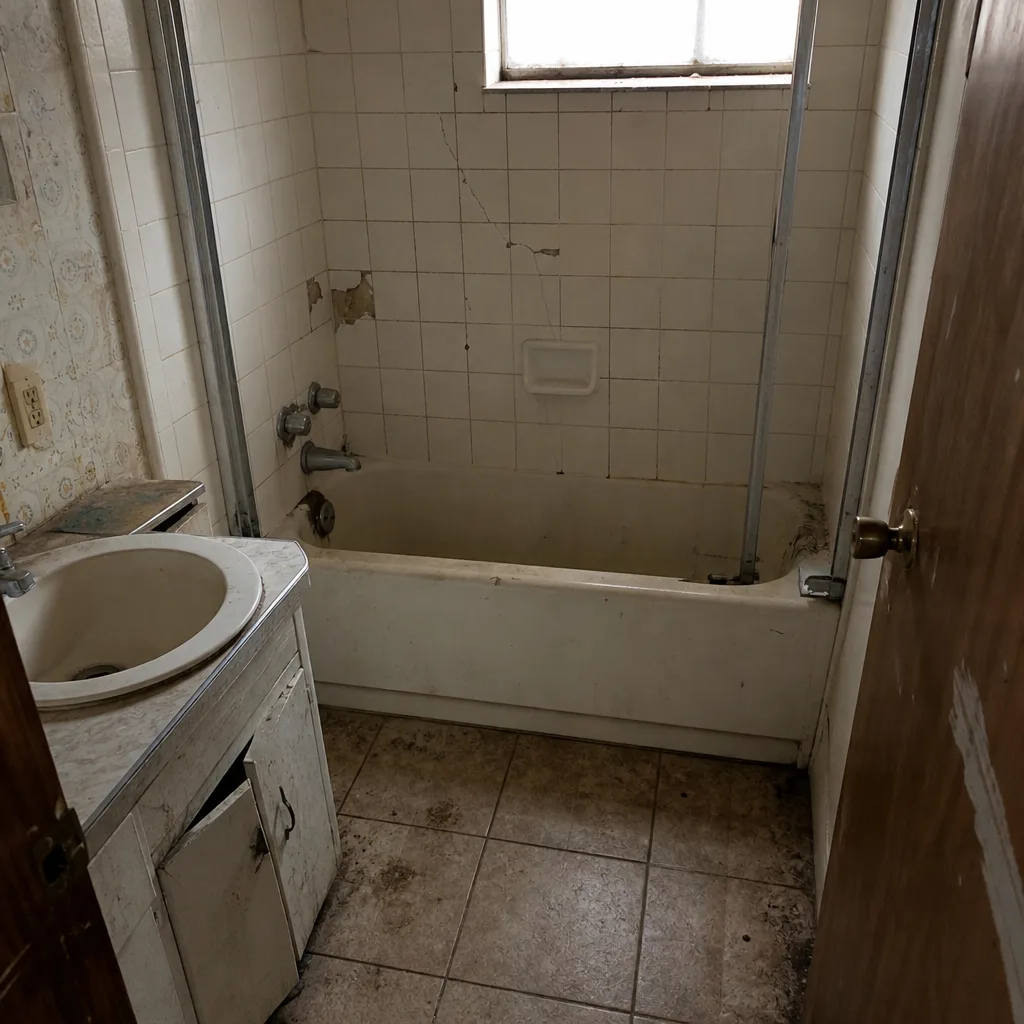 Before
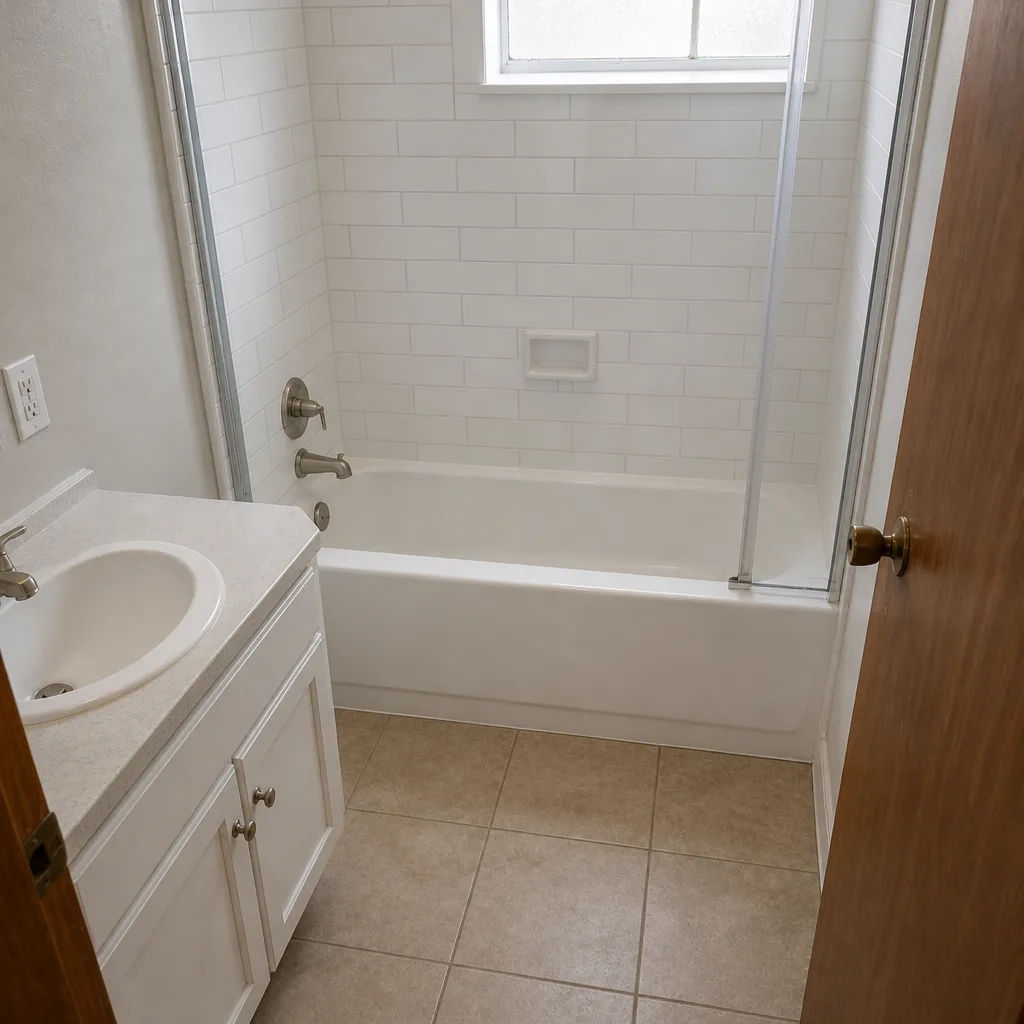 After
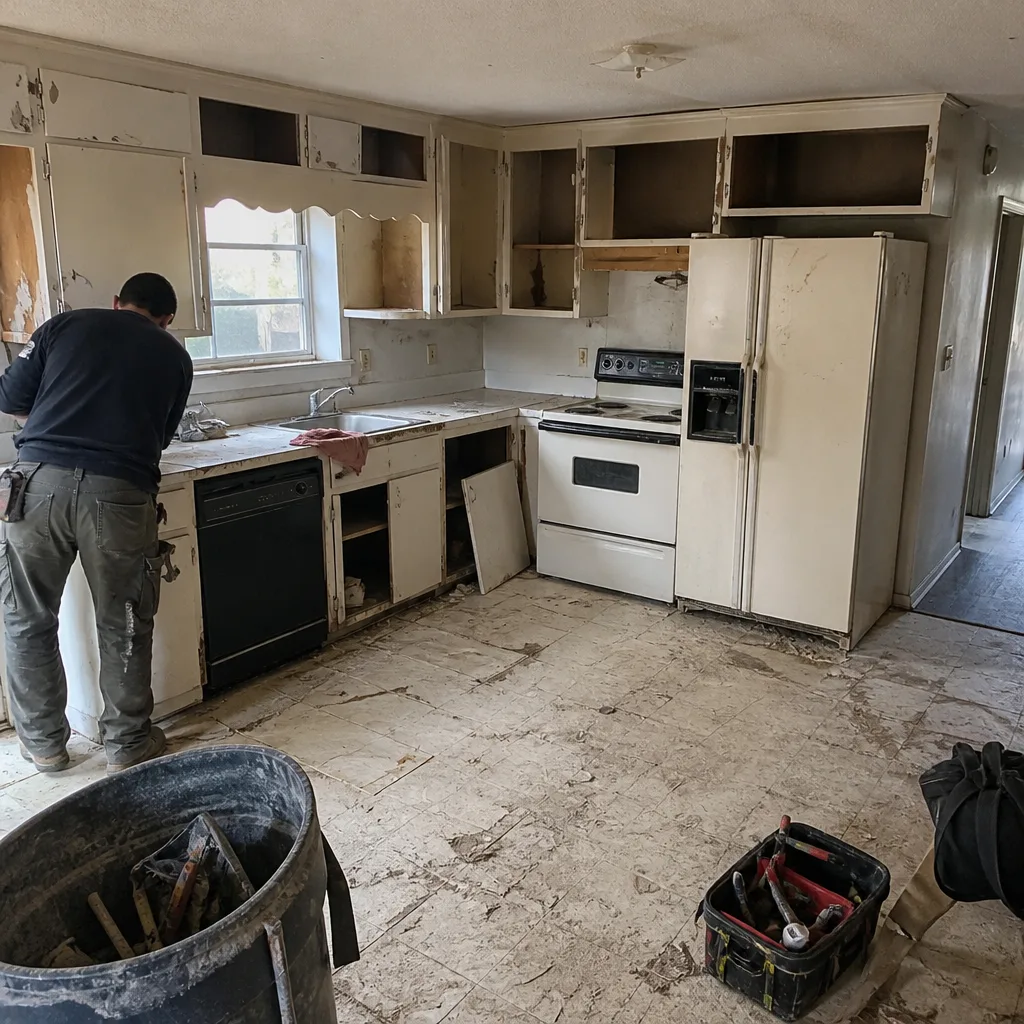 Before
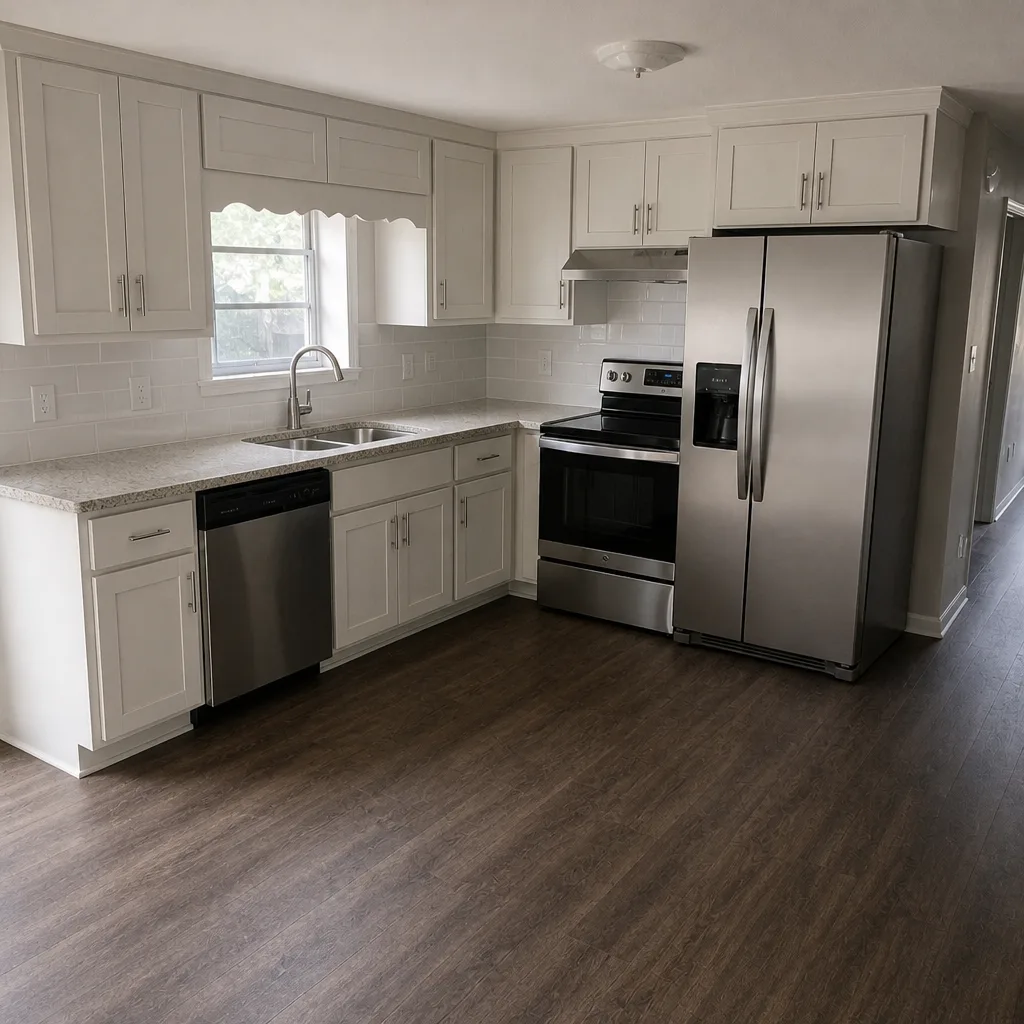 After
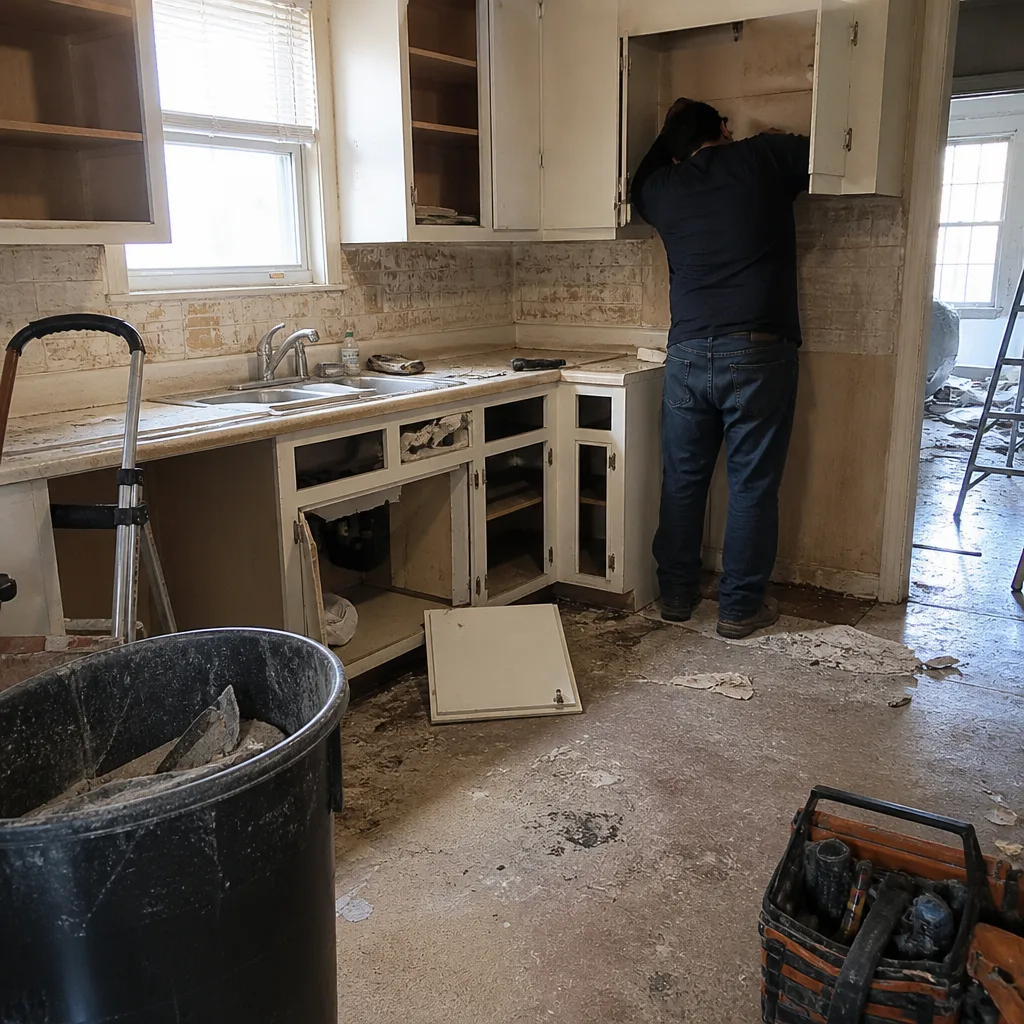 Before
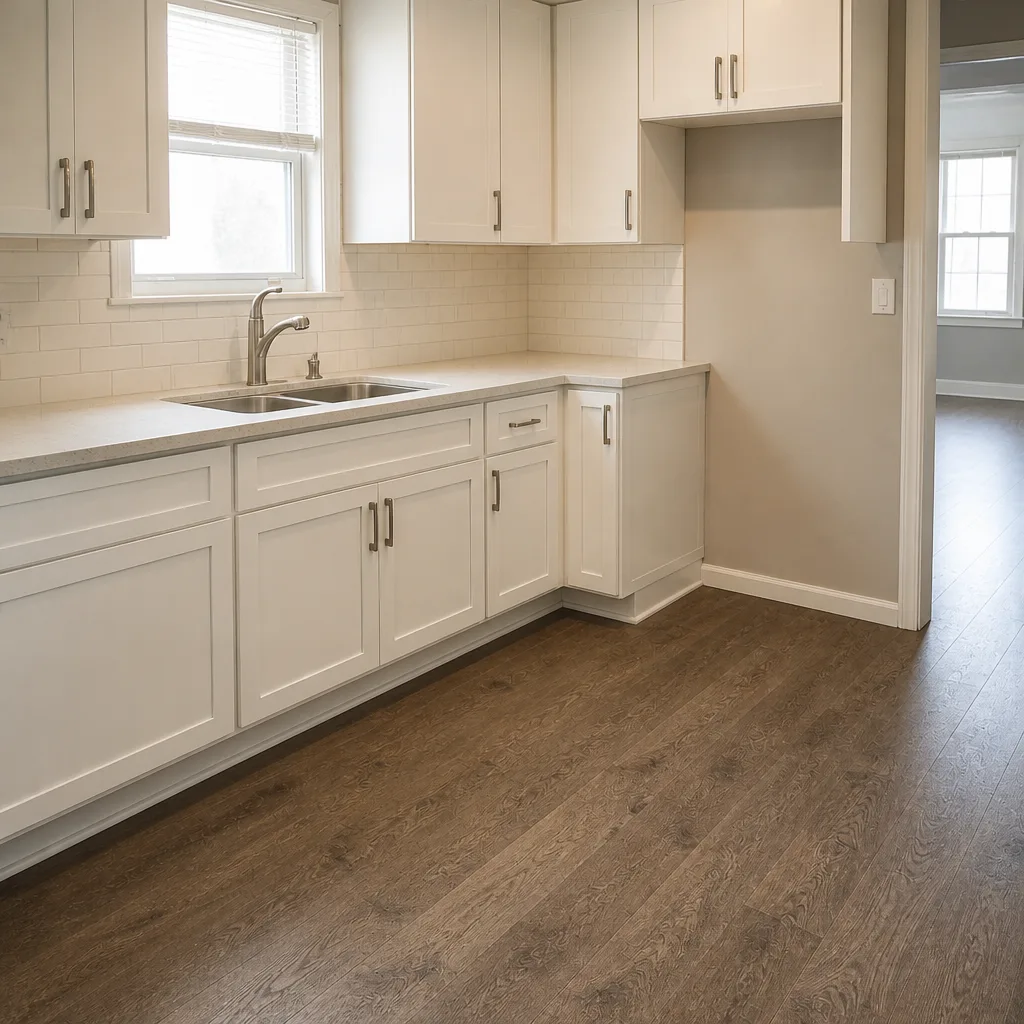 After
Paver Driveway Cost in Fort Worth, TX: What the Black Clay Actually Adds
A paver driveway in Fort Worth typically runs $7,000-$18,000, but that range hides the number that actually matters here: sub-base preparation. On Fort Worth’s expansive Blackland Prairie clay, the base course, geotextile fabric, and edge restraint can account for 35-45% of the total ticket before a single paver goes down. We build our quotes to reflect that from day one, and you can call (855) 912-5373 for a free estimate with the number spelled out upfront – no change order surprises after excavation starts.
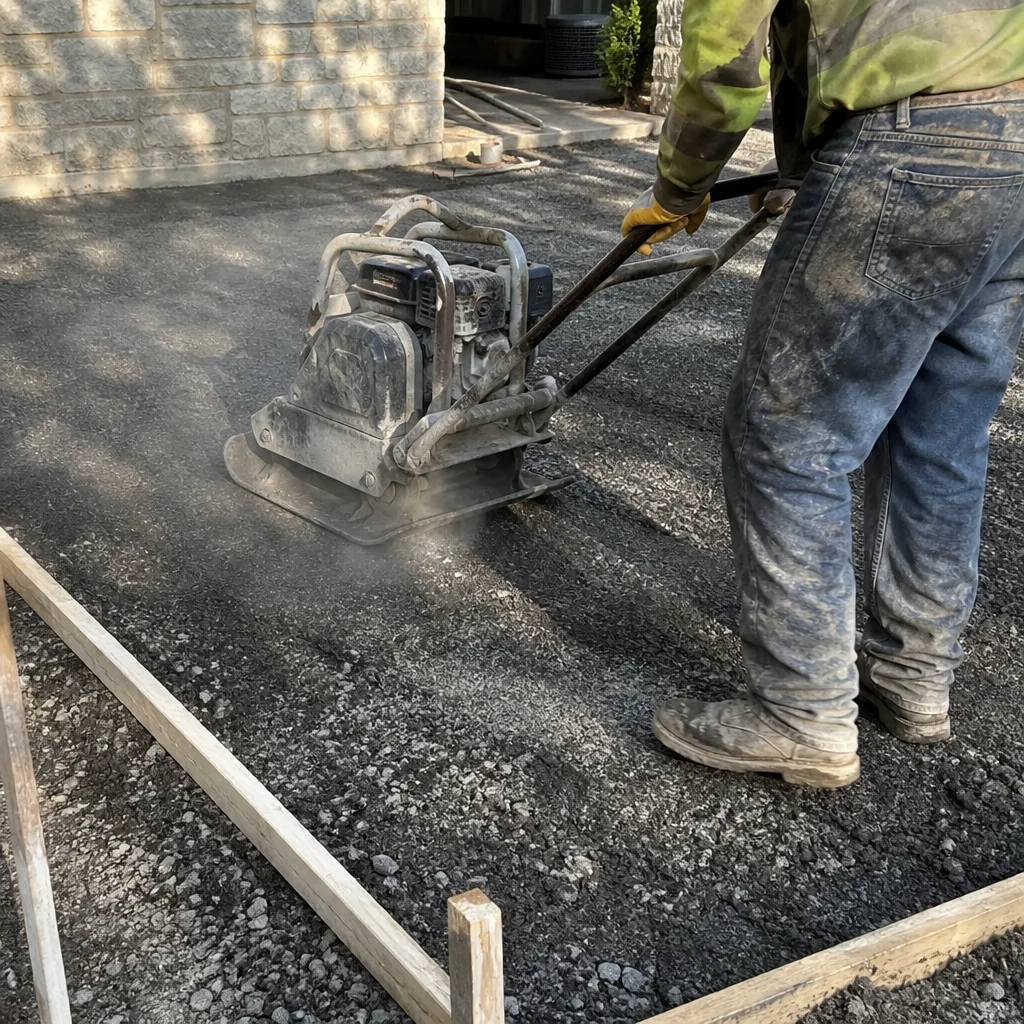
Most national cost guides assume 4-6 inches of compacted gravel under your pavers. That’s a mild-climate figure. Fort Worth’s clay swells when it’s wet and shrinks hard when the summer dry spell hits, and a shallow base sitting on that movement will rock, heave, and channel water within two to three seasons. We’ve torn out enough of those driveways to know the pattern, and the repair is never cheap.
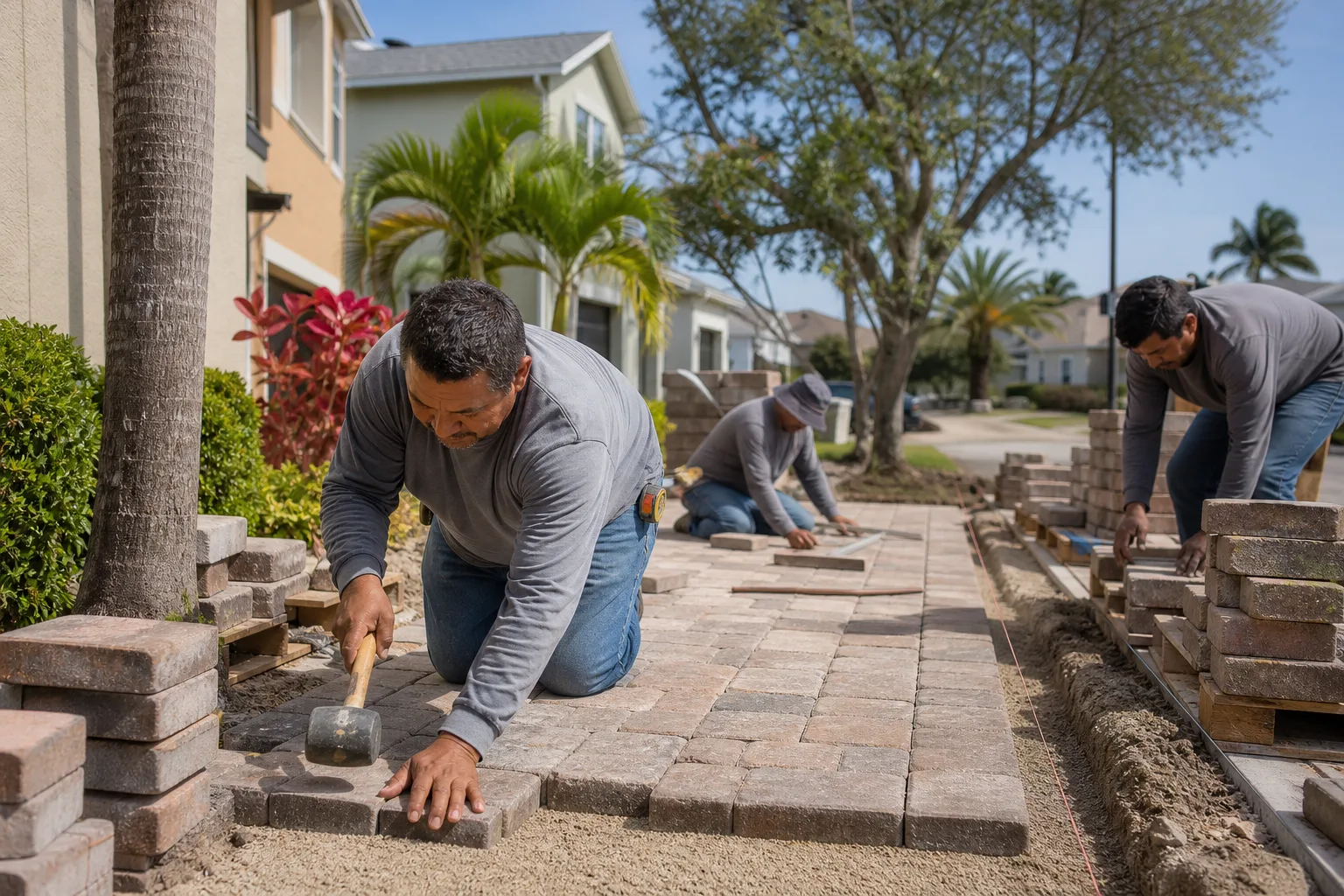
Why the Sub-Base Is the Real Cost Driver on Fort Worth Soil
Blackland Prairie clay is beautiful soil until you pour concrete or lay pavers on top of it. Here’s what the ground under your driveway actually needs on a Fort Worth lot, and why it changes the price:
- Excavation at 8-12 inches, not 4-6. The clay has to be removed to a depth that gets below the zone of seasonal movement. Deeper digging means more hauling, more disposal cost, and more labor hours.
- A geotextile fabric layer. This is the barrier that keeps clay fines from pumping up into the gravel base. Skip it on Fort Worth soil and your drainage layer clogs within a few wet winters – the base turns into a sponge and the pavers move.
- Crushed aggregate base, compacted in lifts. Not dumped and smoothed. Each lift gets compacted before the next goes down, or the whole assembly settles unevenly.
- Edge restraint built for lateral movement. Clay pushes sideways as it expands. An edge that can’t hold will let the field spread and open joints at the perimeter.
The cost of doing this correctly is real. A Fort Worth driveway with proper sub-base engineering typically lands $3,000-$5,500 higher than the same driveway built on stable soil. That’s the number a low-bid contractor leaves out of the quote and finds in a change order once the excavator hits clay.
Drainage Is a Cost Line, Not an Assumption
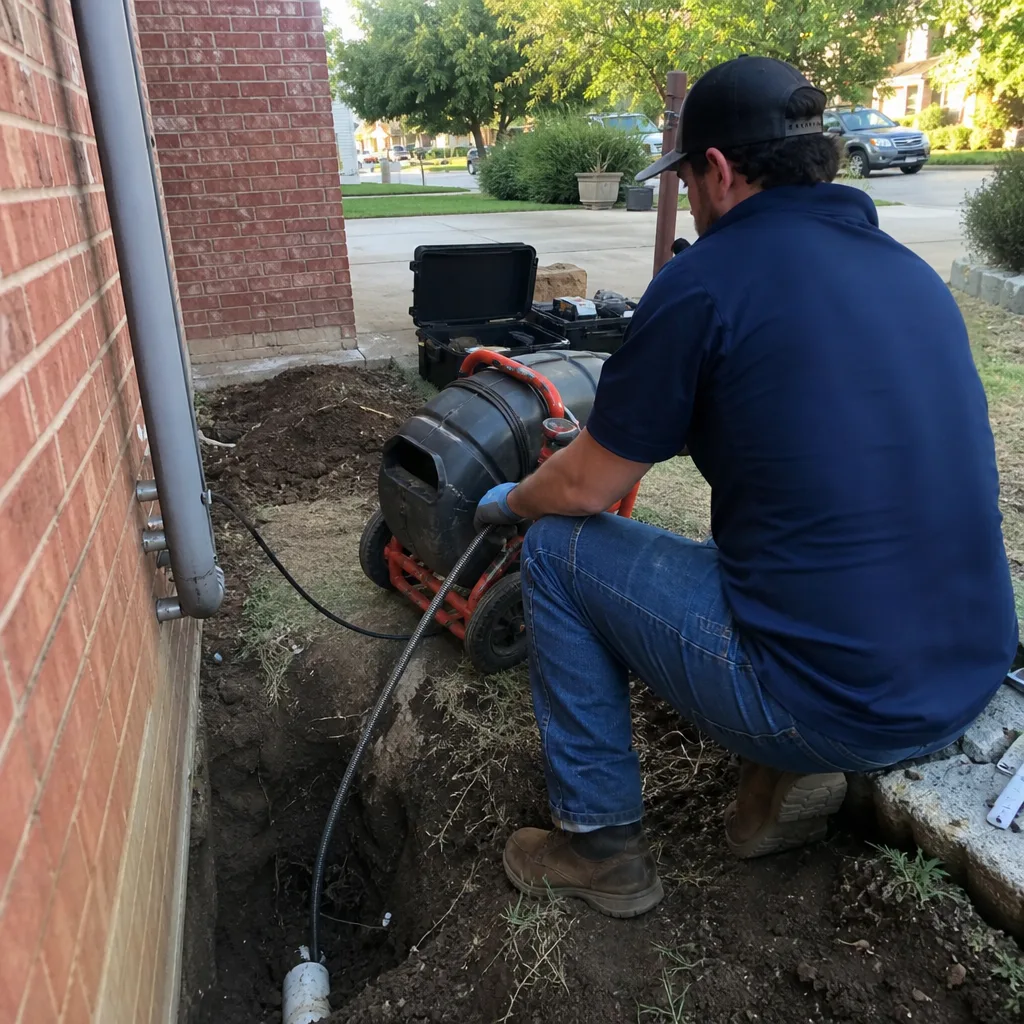
North Texas gets its rain in concentrated events – an inch and a half in an afternoon, not a gentle drizzle across three days. On a Fort Worth lot, a paver driveway without a designed crown and channel drainage will pool water against the garage slab or house foundation and undercut the base layer from below. Both are expensive to fix after the fact.
An honest Fort Worth paver quote includes a drainage plan: a slight crown so water sheds toward the street or a channel drain, slope worked away from the structure, and the grade calculated against your specific lot. Some Fort Worth properties – especially the older blocks with tight setbacks – need a channel drain or a dry well to handle the volume. That’s a line item. If a bid doesn’t have one, ask why.
You’ll see this most clearly in established neighborhoods where lots are graded tight. Newer construction out past Loop 820 often has more room to move water, but the clay engineering is identical. The lot changes the drainage design; it never removes the need for one.
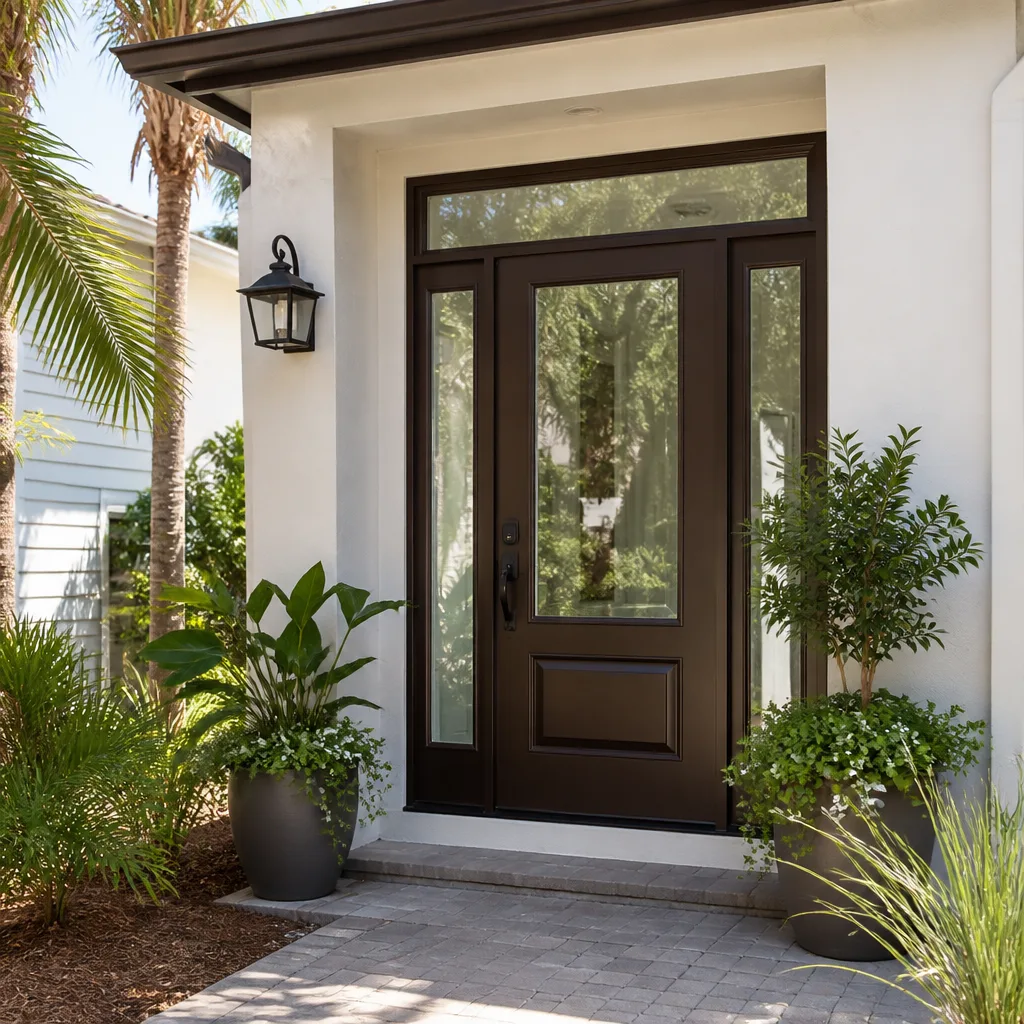
Which Pavers Handle Fort Worth’s Soil Movement?
Interlocking concrete pavers handle Fort Worth’s seasonal movement better than natural stone because the joint sand allows micro-adjustment – the field flexes rather than cracks. Natural stone is beautiful, but on clay it tends to telegraph every shift into a visible crack. For most Fort Worth driveways, concrete pavers are the more durable call.
The specification detail that affects cost is the joint sand: it needs to be polymeric, not standard sand. Fort Worth’s UV load, summer heat, and weed pressure will blow standard sand out of the joints within a couple of seasons. Polymeric sand locks in, resists washout, and holds up under the sun. It adds a modest amount to material cost and saves you a re-sanding job down the road.
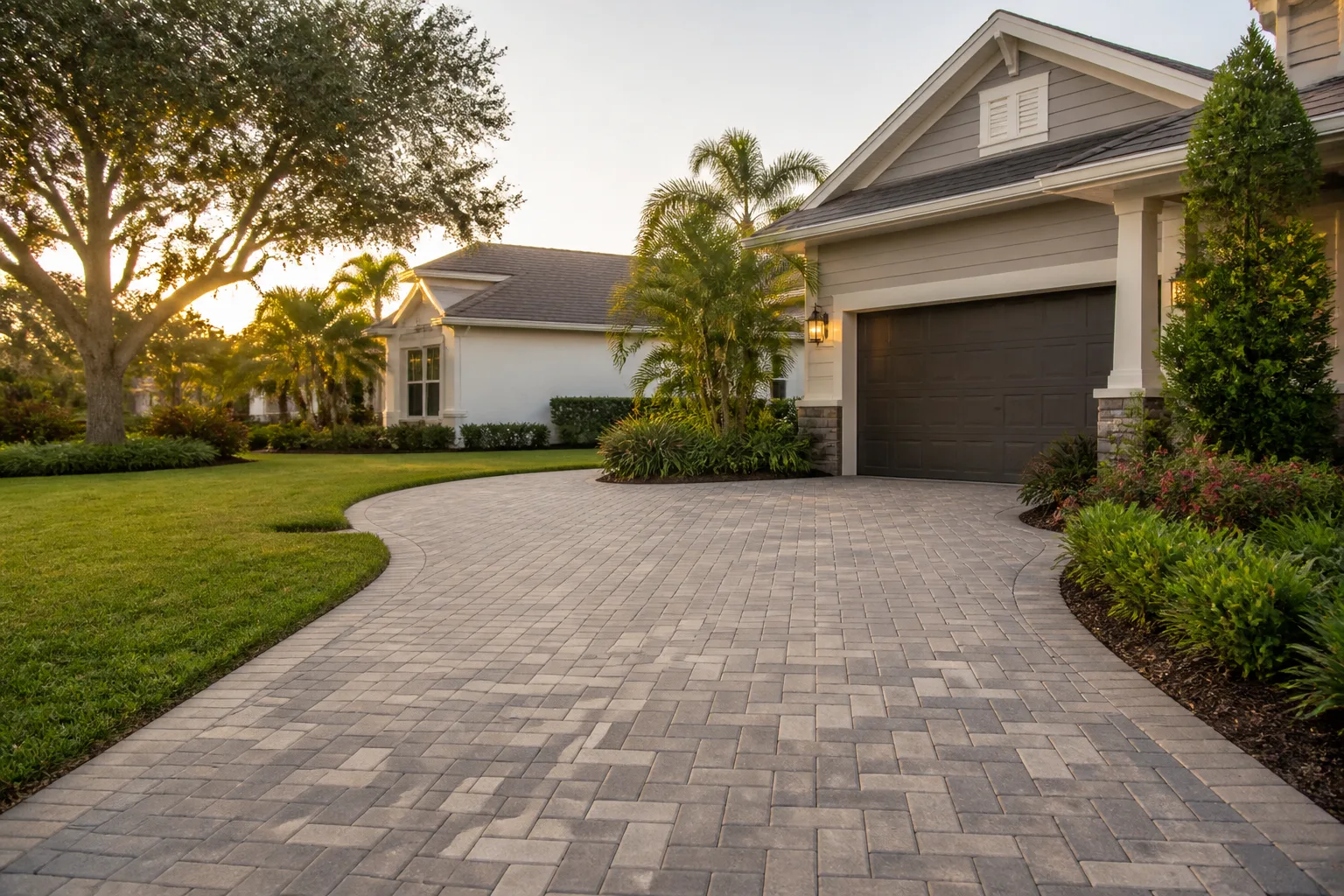
We work with Driveway & Pavers material lines we trust for this climate, including Belgard pavers and base systems sized for the job. Pick a paver that fits your home. Then let the base engineering carry the performance.
What a Fort Worth Paver Driveway Actually Costs
Here’s how the numbers break down for the Fort Worth market, with sub-base and drainage pulled out as separate line items. This is the structure our upfront pricing uses – the number you see is the number you pay.
| Line Item | Typical Fort Worth Range |
|---|---|
| Full paver driveway installation (installed) | $7,000-$18,000 |
| Sub-base preparation (excavation, geotextile fabric, compacted aggregate on black clay) | 35-45% of total project |
| Drainage design and materials (crown, channel drain, or dry well) | Quoted per lot |
| Polymeric joint sand (vs. standard sand) | Modest material premium |
| Paver driveway replacement (tear-out and rebuild) | $5,000-$14,000 |
| Paver patio installation (for comparison) | $3,500-$11,000 |
Every driveway is priced to the lot. A flat, well-drained site costs less than a site that needs significant excavation or a drainage solution. We give you the number upfront and stand behind it – and with 0% financing for 18 months plus $1,000 off projects over $10,000, the larger correct build is within reach.
Common Local Scenarios We See on Fort Worth Driveways
The problems show up in patterns. Here are the ones we run into most:
- The rocking field in an older block. A paver driveway installed a decade ago with a shallow base on clay, now shifting underfoot after each wet winter. The pavers themselves are usually fine. The base is what failed, and that’s what needs rebuilding.
- The pooled-water call in spring. After a heavy rain event, water sits against the garage slab because the original install never accounted for drainage. Fixing it means re-grading the base and adding a channel, not just replacing pavers.
- The sand washout. Standard joint sand blown out by UV and summer heat, weeds pushing through the gaps. Polymeric sand plus a proper edge restraint stops the cycle.
- The mid-project change order. A homeowner gets a low bid, the crew excavates, hits deeper clay and unstable subgrade than the bid assumed, and the price climbs. We build the sub-base into the quote so this doesn’t happen.
Fort Worth is a two-speed construction market – historic-district renovation on one permit, greenfield framing on the next – and that spread shapes what we see. Near Southside and Fairmount blocks have tight lots and older grading, while new builds out toward Alliance and Walsh Ranch start from raw clay. The paver engineering is the same; the drainage solution is always site-specific.
Why the 730-Day Done Right Promise Matters on a Paver Driveway
Paver driveway failures take time to show. Joint failure, paver rocking, and drainage channeling are the three signs that sub-base work was cut short, and they almost always surface within the first two to three seasonal soil-movement cycles – wet winter expansion, dry summer contraction.
Our 730-Day Done Right Promise covers those failure modes through two full Fort Worth soil-movement cycles. If it’s not done right, we make it right. That’s the window where defective installations reveal themselves, and it’s exactly why the guarantee runs as long as it does. It’s built to last, backed in writing.
We’ve been in business since 2014 and proudly serve local communities across our markets. Our technicians have up to 12 years of experience, and they’re background-checked and arrive in uniform on every job. Calls are answered by a live person 24/7, so you’re never waiting until Monday morning to reach someone.
FAQs
A paver driveway in Fort Worth typically costs $7,000-$18,000, with sub-base preparation accounting for 35-45% of the total on Blackland Prairie clay. The exact figure depends on your lot’s grading, drainage needs, and whether excavation runs deeper than expected. Call (855) 912-5373 for an exact quote – estimates are free and pricing is upfront.
Repair is usually cheaper when the pavers are sound and only the joint sand or a small section has failed. If the field is rocking or the base has settled, replacement is the smarter spend because patching over failed sub-base just buys you another two years. We’ll tell you honestly which one your driveway needs. Call (855) 912-5373 and we’ll take a look.
No – a proper Fort Worth paver driveway takes multiple days because of the excavation, base compaction, and geotextile work required on clay. The work that makes it last is the work that takes time. We’ll give you a realistic schedule upfront. Call (855) 912-5373 to get yours started.
It’s the soil. Fort Worth’s expansive black clay requires 8-12 inches of base course, a geotextile fabric layer, and edge restraint built for lateral movement – none of which national cost guides fully account for. Skipping that work is why some Fort Worth paver driveways fail early. Call (855) 912-5373 for a quote that includes the full sub-base from the start.
Get a Straight Number on Your Fort Worth Paver Driveway
Ready to price a paver driveway the right way – sub-base, drainage, and all? Call Groundwork Construction Co. of Fort Worth at (855) 912-5373 for a free estimate and design consult. Upfront pricing, no surprises, and a 730-Day Done Right Promise on every paver driveway we install in Fort Worth. Explore the full Driveway & Pavers in Fort Worth service, or learn more about our approach at Groundwork’s home page.
Written by the team at Groundwork Construction Co. of Fort Worth, serving Fort Worth, TX.
What Our Customers Say
"Found unpermitted work by the previous owner once he opened the wall. He stopped, explained the options and what each would cost, and let me decide rather than making it my emergency."
- Marco Castillo"The finished work is exactly what we wanted. It did run about three weeks over, mostly waiting on a cabinet delivery that was out of his hands, though I would have liked more updates during that stretch."
- Dev Sharma"The schedule he gave me at the start was accurate to within four days on a three month job. Anyone who has done a renovation knows how unusual that is."
- Laura Bennett