Last updated November 18, 2026







Free written scope consultation - allowances, timeline, and change-order rules on paper before a single trade is scheduled
Bathroom Remodeling Warning Signs Every Homeowner Should Know
The grout line that looks slightly discolored isn’t a cleaning problem. It’s often the first visible sign of a waterproofing failure that’s been soaking your subfloor for six months. That’s the thing about bathroom damage: it rarely announces itself. It whispers. A soft spot here, a faint musty smell there, a fan that sounds fine but isn’t actually moving air. By the time a Fort Worth homeowner calls us about a “small leak,” the repair has usually grown into a full tear-out. This guide teaches you to read your bathroom the way a contractor does, so you can catch the whisper before it becomes a shout.
Quick Answer
The most common bathroom remodeling warning signs are discolored or crumbling grout, soft or springy flooring near the toilet and shower, musty odors that return after cleaning, peeling paint or bubbling drywall on adjacent walls, and an exhaust fan that doesn’t hold a tissue against its grille. Any one of these means moisture is getting somewhere it shouldn’t. Two or more together usually means the waterproofing behind your tile has already failed.
Styles & brands we work with
- Kitchen remodeling
- Bathroom remodeling
- Home additions & ADU
- Roofing
- Windows & doors
- Driveway & pavers
- Fence
Table of Contents
- Why Bathroom Damage Whispers Instead of Shouting
- Surface Moisture vs. Moisture Behind Tile: How to Tell the Difference
- Soft or Springy Flooring Near the Toilet and Shower
- The Exhaust Fan Test: Is Your Ventilation Actually Keeping Up?
- Warning Signs a Previous Remodel Cut Corners on Waterproofing
- Which Warning Signs Need a Contractor This Week vs. Which Can Wait
- Fort Worth Climate Factors That Speed Up Bathroom Damage
- What a Proper Bathroom Remodel Does Differently
Why Bathroom Damage Whispers Instead of Shouting
Water is patient. A pinhole in a shower pan liner or a hairline crack in a grout joint doesn’t flood your floor. It seeps. And because it seeps slowly, the damage happens where you can’t see it: inside the wall cavity, under the subfloor, along the studs behind the tub surround. The visible evidence shows up weeks or months later, usually far from the actual source.
In our experience across Fort Worth, the pattern repeats with almost clockwork. A homeowner notices a faint smell in the guest bath and assumes it’s the drain. They pour in cleaner, the smell fades, and six weeks later it’s back. By the time we open the wall, the drywall backer has been wet long enough to crumble, and the bottom plate of the framing is soft. The cost of that fix is dramatically higher than it would have been at the first smell.
This is why learning to read the early signals matters so much. The goal isn’t to panic at every discolored grout line. It’s to know which signals mean “moisture is present” and which mean “moisture has been present long enough to cause structural damage.” Those are two very different conversations, and they carry two very different price tags.
Bathrooms are the most moisture-stressed rooms in any house. They combine constant humidity, direct water exposure, and tight construction that traps vapor. Compare that to a kitchen, where moisture is brief and ventilated, or a roof, which sheds water and dries quickly. A bathroom lives in a permanent state of managed wetness. When the management fails, decay starts immediately.
If you’re weighing a full bathroom renovation against a patch job, understanding where the moisture is coming from is the single most important decision you’ll make. Patch a cosmetic symptom over an active leak and you’ve just paid twice for the same problem.
Surface Moisture vs. Moisture Behind Tile: How to Tell the Difference
This is the distinction that separates a $200 cosmetic fix from a $12,000 tear-out, and most homeowners never learn it. Moisture on the surface of tile dries. Moisture behind tile doesn’t, because the waterproofing layer that should keep it out has failed or was never installed right.
Here’s how a contractor reads the difference:
Signs of surface moisture only
- White, powdery efflorescence on grout that wipes away easily
- Darker grout lines that lighten after a day of fan ventilation
- Mildew in caulk joints that returns only after showers
- Water beading on tile but no softness in the substrate
Surface moisture is a maintenance issue. Re-caulk, re-seal the grout, improve ventilation, and you’ve handled it.
Signs of moisture behind tile
- Tile that sounds hollow or “drums” when you tap it with a knuckle
- Grout that crumbles when you press it with a fingernail or screwdriver tip
- Bulging or loose tiles, even slightly proud of the surrounding plane
- Discoloration that spreads outward from a grout line in a dark halo pattern
- Softness in the wall when you press firmly near the bottom of the shower
Any of those behind-tile signals means water is trapped between the tile and the substrate. That’s a tear-out. There’s no product you can paint or spray on that fixes it. In Fort Worth homes built in the 1980s and 1990s, we regularly find shower pans that were built with greenboard drywall instead of a proper cement board and membrane system. Greenboard resists surface moisture but dissolves once water gets behind it. The damage starts on day one and shows up on year ten.
One quick test: tape a square of plastic wrap over a suspicious grout line and seal the edges with tape. Leave it for 24 hours. If condensation forms under the plastic, moisture is moving through the joint from behind. If the area stays dry, you’re probably looking at surface staining.
Soft or Springy Flooring Near the Toilet and Shower
A floor that gives slightly underfoot near the toilet base is not a “settling” issue. It’s a structural warning. The subfloor in a bathroom is typically plywood or OSB, and when it stays wet, it delaminates and loses strength. What you feel with your foot is wood that’s already cooked.
The stakes here are higher than most homeowners realize. The toilet flange sits on the subfloor. If the subfloor softens, the flange can drop, the wax ring loses its seal, and you get a slow leak into the ceiling below. Tile doesn’t like deflection, so a soft subfloor also cracks grout and pops tile, which then creates more water intrusion paths.
Here’s the urgency scale we use when we walk a Fort Worth bathroom:
- Slight flex near the toilet base with no visible cracks or staining: monitor for two to four weeks, address in a planned remodel cycle.
- Flex with visible staining on tile or grout, or a spongy feel across more than a square foot: schedule an inspection within the week. The subfloor is compromised and the wax seal may already be leaking.
- Any visible softness, a rocking toilet, or water staining on the ceiling below: call a contractor today. Active leaks compound daily, and we’ve seen subfloor rot turn into joist repairs when it ran unchecked for a season.
Water damage never shrinks. A $400 subfloor patch today is a $4,000 floor and joist repair six months from now, especially in older Fort Worth neighborhoods where plumbing and framing have both aged. If you’re already planning a fuller renovation, our team can fold that repair into the scope instead of doing it twice.
The Exhaust Fan Test: Is Your Ventilation Actually Keeping Up?
Most bathroom exhaust fans in Fort Worth homes are undersized or simply not working, and their owners never know. A fan can hum loudly and move almost no air. The motor spins, the blades turn, but the air it moves is a fraction of what the bathroom produces during a fifteen-minute shower.
The tissue test
- Turn the fan on and let it run for two minutes.
- Hold a single square of toilet paper up to the grille.
- If the fan can’t hold the tissue flat against the grille, it isn’t moving enough air for the room.
That test costs nothing and catches failing or undersized fans in seconds. We run it in every bathroom we inspect.
What an undersized fan does to your walls
- Paint peeling near the shower: moisture condensing on the ceiling and upper walls faster than the fan can clear it.
- Bubbling or bubbling-again drywall: the paper face of drywall lifts and softens when relative humidity stays high.
- Mildew on ceiling corners: the classic signature of warm moist air pooling where airflow is weakest.
- Musty smell returning within days of cleaning: humidity feeding mold in places you can’t see.
The fix is rarely glamorous. Replacing an undersized fan with a properly rated unit, and confirming the ducting actually exhausts to the outdoors rather than into the attic, usually solves the ventilation problem entirely. We regularly find fans vented straight into the attic insulation, which just relocates the moisture problem to your roof structure. If your bathroom is due for a full remodel, upgrading ventilation is one of the highest-value moves you can make.
Warning Signs a Previous Remodel Cut Corners on Waterproofing
If you’re buying a home or planning to remodel over existing work, this is the section to read twice. Bad waterproofing looks fine on day one. It only announces itself after years of slow failure, which means a flip or a hasty remodel can hide serious problems behind fresh tile.
Here’s what we look for when we suspect shortcut work:
- Missing floor tile lines or caulk along the shower perimeter: proper waterproofing shows in how the shower pan meets the wall. Sloppy or missing transitions suggest the depth behind them isn’t right either.
- Floors that flex right at the shower threshold: a properly built shower pan is solid. Any give suggests a shallow pan or missing pre-slope.
- Caulk everywhere instead of proper joints: caulk smeared over grout lines is a common cover-up for movement and moisture.
- No visible drainage slope or a shower that pools water: pooling on a properly sloped shower pan shouldn’t happen. If it does, the pan was built without a slope.
- Freshly painted walls with no ventilation upgrade: a paint job over an old, failing system hides the problem it’s meant to fix.
- Cheap tile underlayment: if the substrate is drywall or greenboard rather than cement board or a proper membrane system, the waterproofing is compromised before the first shower.
Before you buy a Fort Worth home, ask to run the shower for five minutes and watch how the water drains. Then check the ceiling below the bathroom for staining. Those two checks catch a surprising number of flipped bathrooms before you’re the one paying to fix them. If you’re remodeling over existing work, we recommend opening at least one wall or floor section to verify what’s actually behind the tile. It’s a small cost that prevents a very large surprise.
Which Warning Signs Need a Contractor This Week vs. Which Can Wait
Not every warning sign is an emergency, and treating them all the same wastes money. Here’s how we sort it.
Call a contractor this week
- Any soft or springy flooring near the toilet or shower
- Water staining on the ceiling of the room below a bathroom
- A shower pan that holds standing water
- A toilet that rocks or shows a wet ring at the base
- Active drips, running water sounds, or a water bill that jumped unexpectedly
- Grout that crumbles when touched
Monitor and fold into a planned remodel
- Mildew that returns slowly in caulk joints
- Efflorescence that wipes away easily
- A fan that passes the tissue test but feels weak
- Dull or dated finishes with no sign of moisture damage
- Peeling paint limited to a small area near the shower
The dividing line is whether water is currently getting somewhere it shouldn’t. Staining, softness, and rockiness are all active problems. Cosmetic wear and slow mildew are maintenance.
Fort Worth Climate Factors That Speed Up Bathroom Damage
Fort Worth’s climate is hard on bathrooms in ways that surprise homeowners relocating from drier parts of the country. Two factors matter most: the long humid summer and the clay soils under many of our neighborhoods.
Fort Worth summers push indoor humidity high for months. Air conditioning removes some of that moisture, but when the exhaust fan is undersized or a windowless bathroom has no way to dry out, walls and ceilings stay damp longer than they should. We routinely find mildew growing on the ceiling corners of second bathrooms in Fort Worth homes that never get direct sunlight. That’s a ventilation problem amplified by climate.
The clay soils around many Fort Worth neighborhoods matter too. Clay expands when wet and shrinks when dry, and the seasonal movement shows up as hairline cracks in tile and grout. Those cracks open the door to water intrusion behind the tile. If you’ve noticed cracking that seems to reappear after a wet spring, our team can inspect the whole home, including the exterior systems covered in Driveway & Pavers in Fort Worth, where the same soil movement drives cracks and settling.
Older Fort Worth housing stock, particularly in neighborhoods with homes from the 1970s through the 1990s, compounds the risk. Shower pans built with drywall backing, exhaust fans routed only to the attic, and plumbing that has aged past its expected service life all raise the probability of hidden moisture damage behind the tile. Local code requires that any permitted remodel pass inspection for waterproofing and ventilation, and we pull and pass every applicable permit so the work is verified before the walls close. A properly permitted remodel is often the fastest way to chase down a hidden problem before it becomes a major rebuild.
What a Proper Bathroom Remodel Does Differently
The flip side of every warning sign is the fix. A properly built bathroom tackles each of these failure points head-on, which is why understanding the warning signs makes the case for doing the remodel right the first time.
Here’s what we build in:
- A full waterproofing system: cement board, a bonded membrane, and a properly sloped shower pan, not greenboard and a prayer.
- Ventilation sized for the room: a fan rated for the bathroom’s square footage, ducted to the outdoors, verified with a tissue test before we close the wall.
- A solid subfloor: repair or replacement where rot is found, so tile has a stable base and the toilet seal holds.
- Premium fixtures from trusted brands: Kohler and other fixtures we specify come with their own warranties on top of ours, so the parts behind your wall are as reliable as the workmanship in front of it.
- A written workmanship promise: our 730-Day Done Right Promise covers the remodel for two full years, and a bathroom is exactly the kind of slow-failure room where that guarantee earns its keep.
We also fold adjacent work into one scope when homeowners are ready. If you’re already remodeling the bathroom, it’s often the right time to plan a larger renovation covered by our Home Additions & ADU in Fort Worth service, or to add outdoor privacy with Fence Installation in Fort Worth. One contractor, one schedule, one promise.
And when you’re ready to price anything we’ve talked about, start at Groundwork Construction Co. of Fort Worth home to see our full scope and how we work.
Common Mistakes to Avoid
- Treating discolored grout as a cleaning problem. If the stain comes back after cleaning, it’s moisture from behind the tile, not surface dirt. Re-sealing over a failing shower pan hides the problem and keeps the subfloor soaking.
- Painting over moisture damage. A fresh coat of paint is the fastest way to hide bubbling drywall and peeling ceiling paint without fixing the ventilation or leak causing them. The damage keeps growing behind the paint.
- Ignoring a fan that “sounds fine.” A noisy fan is not a working fan. Run the tissue test before you assume your ventilation is doing its job. In Fort Worth’s humid summers, a weak fan is a mold farm.
- Remodeling over existing work without opening it up. Tile over tile or new fixtures on old waterproofing are tempting cost savers and the most common source of repeat failures. Verify what’s behind the wall before you pay to cover it again.
- Waiting on a soft subfloor. Water damage doesn’t stall while you plan a remodel. A spongy floor near the toilet can go from a patch to a joist repair over a single wet season.
- Skipping permits to save time. An unpermitted bathroom remodel can hide waterproofing and ventilation defects that inspection would catch, and unpermitted work complicates the sale of the home. We pull and pass every applicable permit.
- Assuming the damage is contained to the bathroom. A slow shower leak shows up on the ceiling below or stains the wall of the adjacent room. Check both before you sign off on a diagnosis.
See the difference
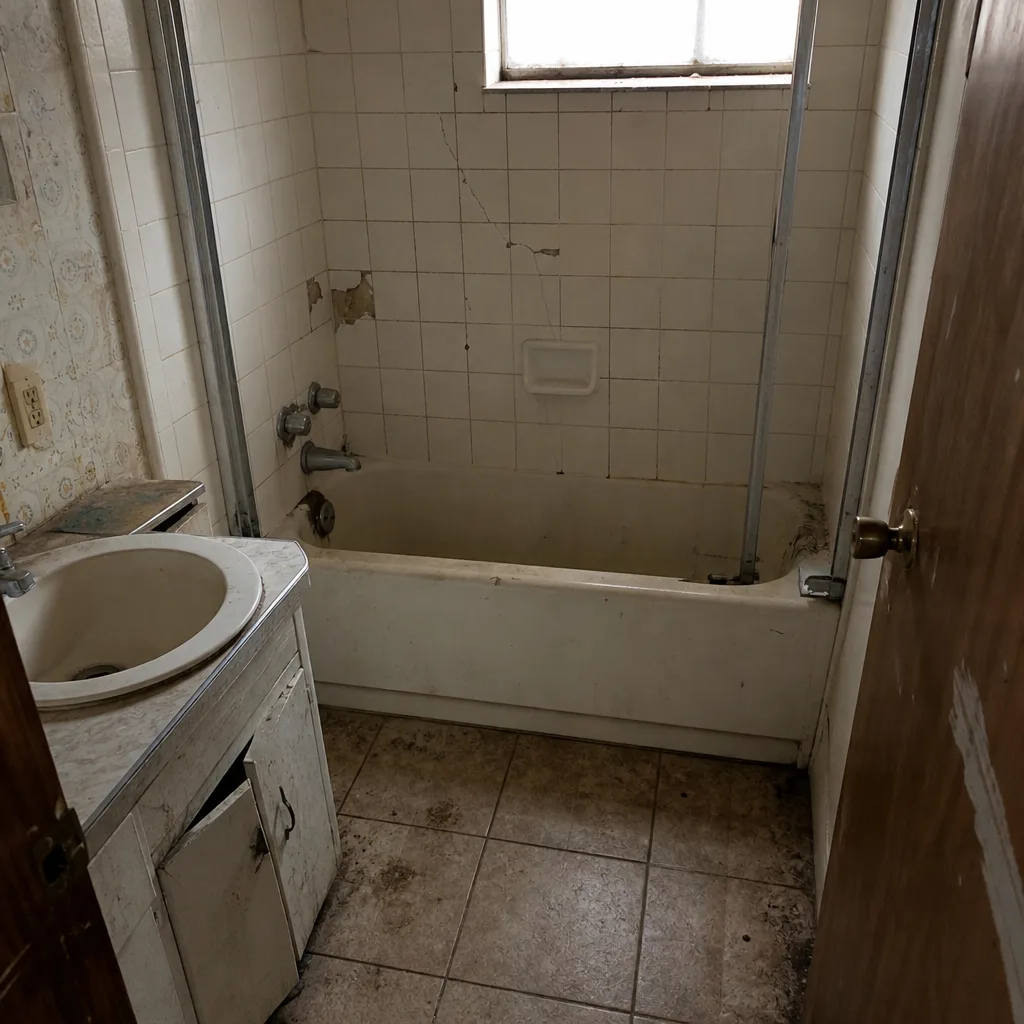 Before
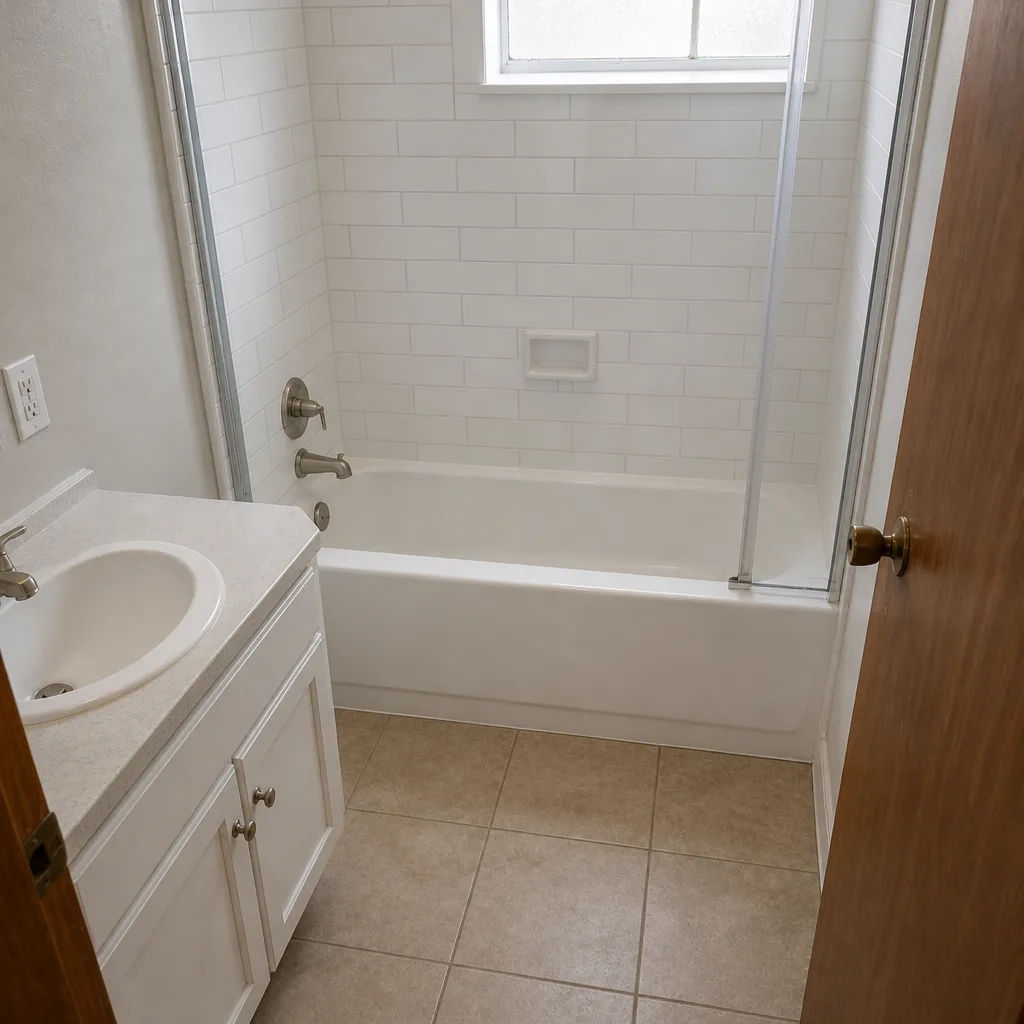 After
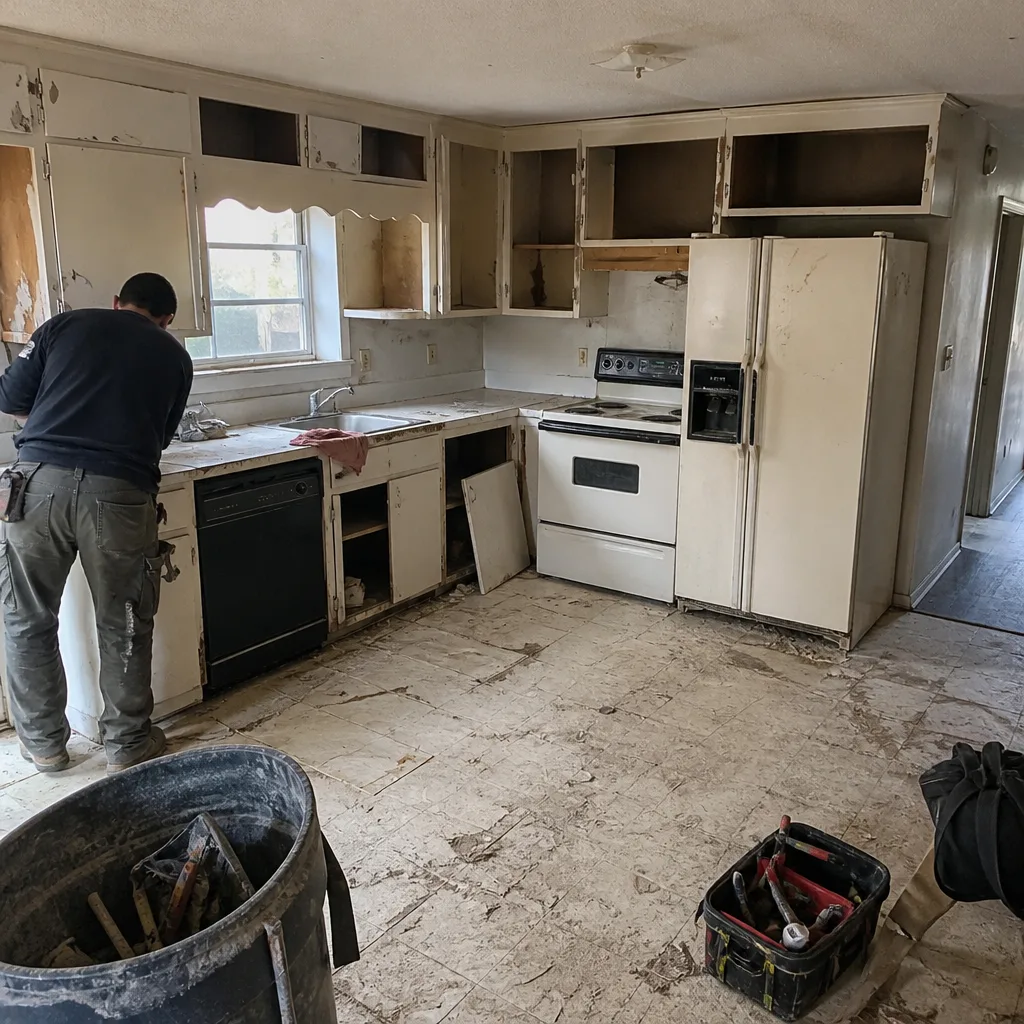 Before
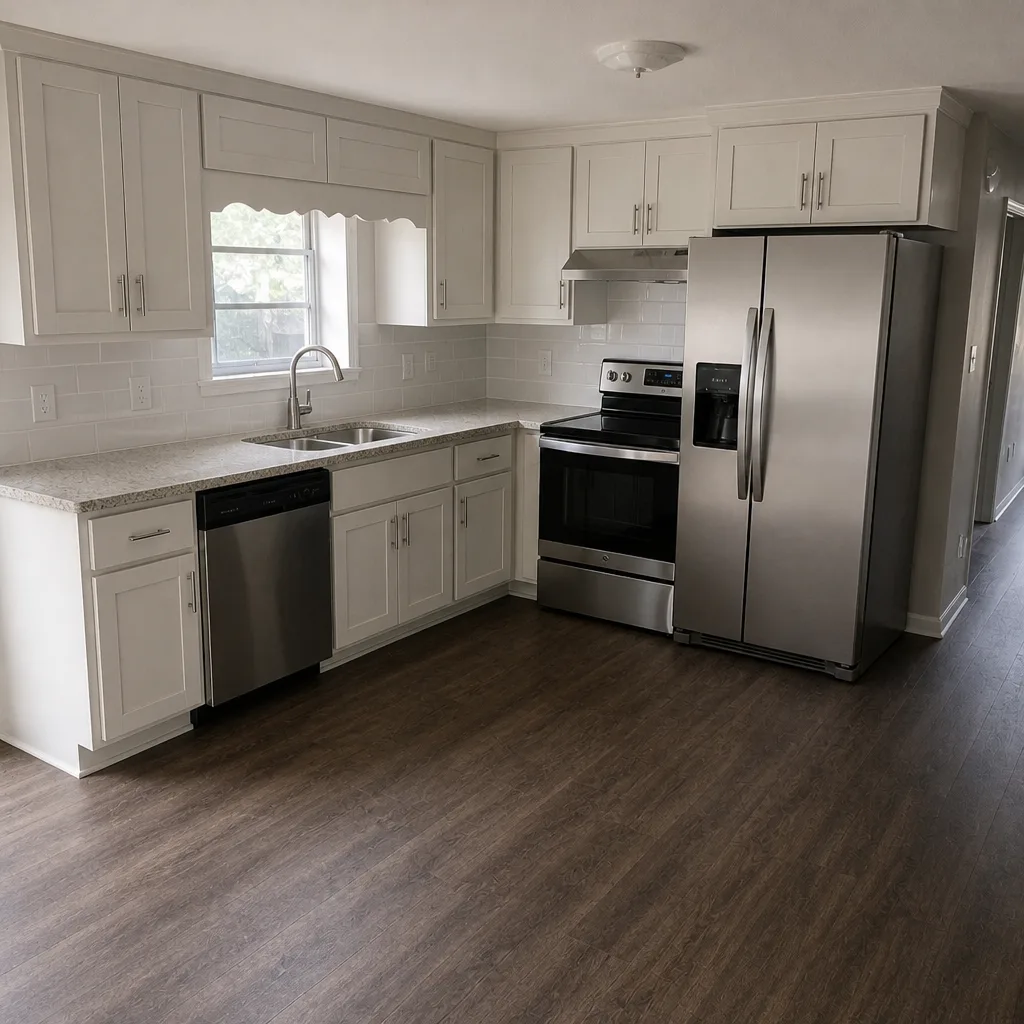 After
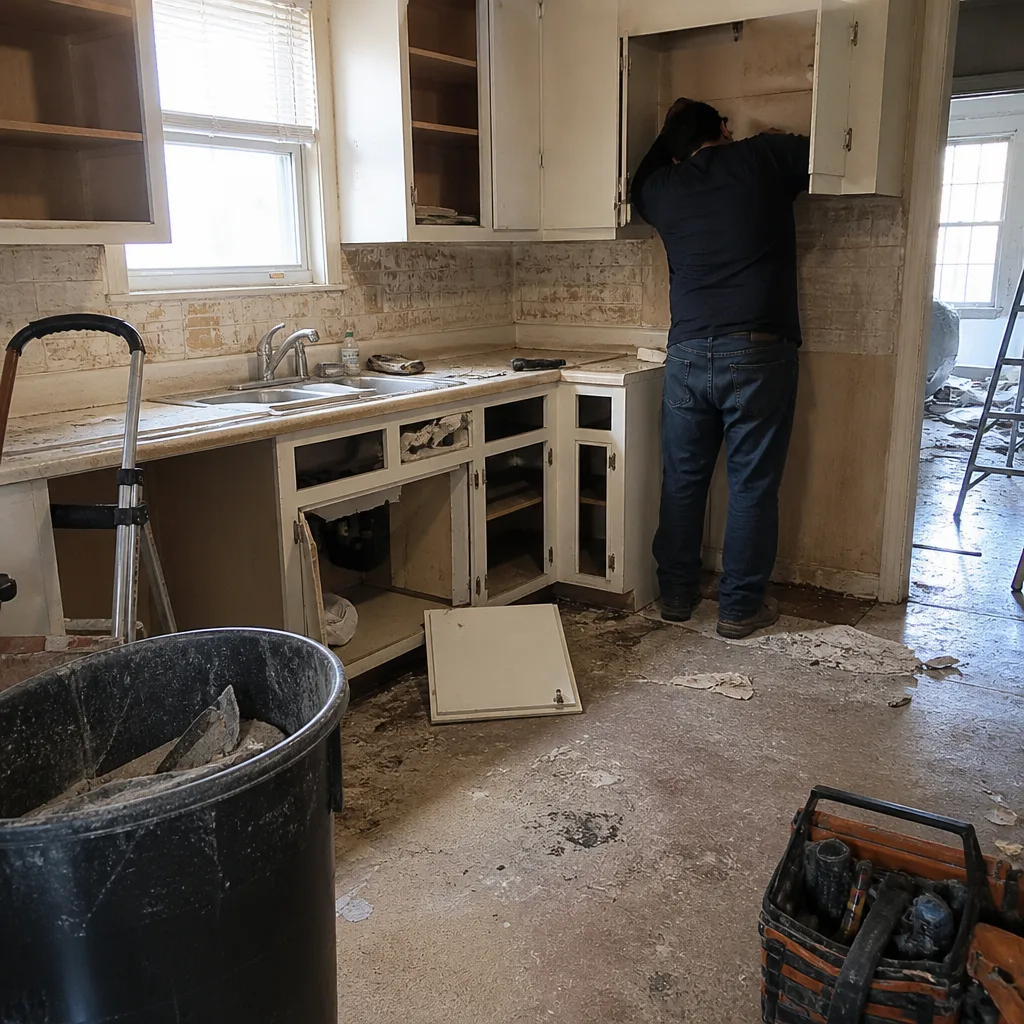 Before
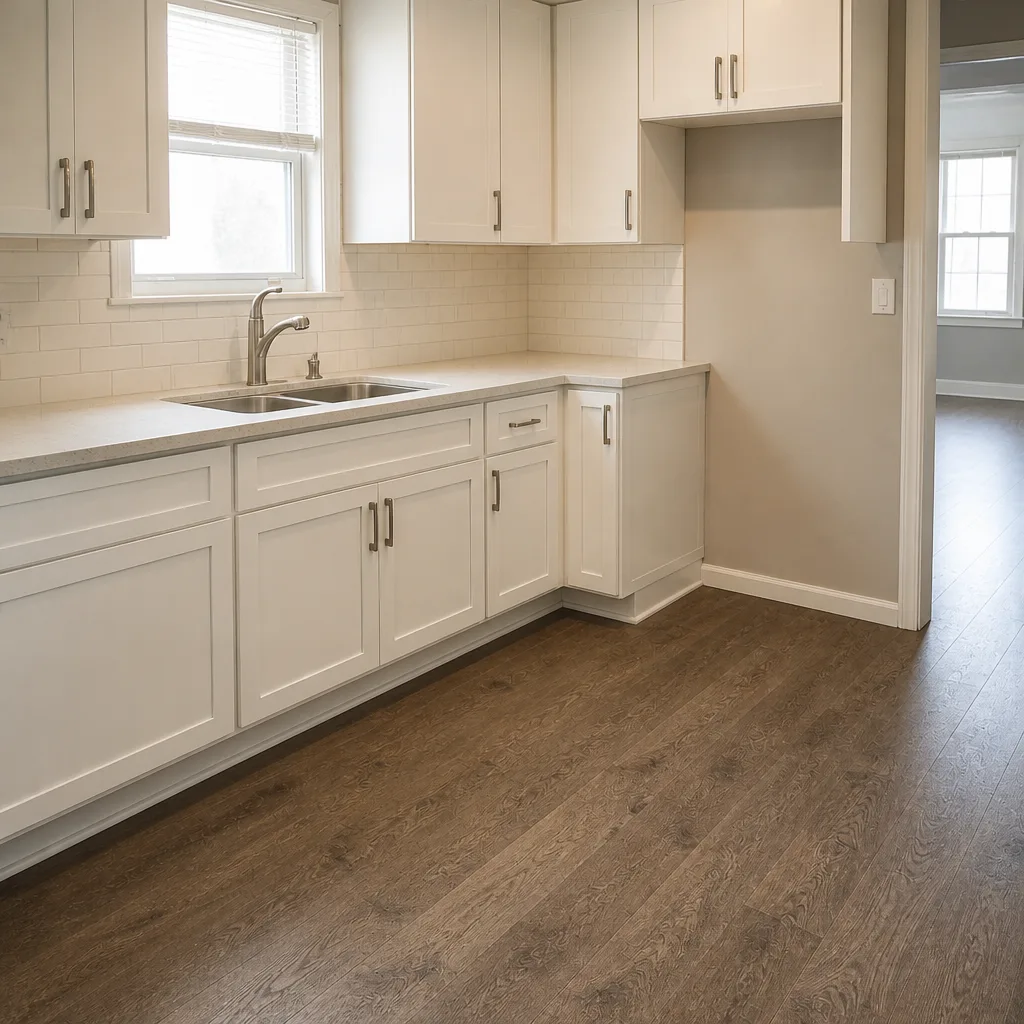 After
When to Call a Professional
Call us when you’ve found two or more warning signs together, when any sign involves active water or a soft subfloor, or when you’re planning a remodel and want the existing work verified before it’s covered. These inspections are free, and they prevent the six-figure surprise a hidden leak can cause. If you’ve been burned before by vague bids or a crew that disappeared mid-project, we run with a live person answering our phones 24/7 and upfront written pricing, the number you see is the number you pay. Call (855) 912-5373 for a free estimate, and we’ll walk your bathroom with the same checklist we’ve walked hundreds of Fort Worth bathrooms with.
Frequently Asked Questions
Not always. If the discoloration wipes away easily and doesn’t return, it’s surface staining and a good grout cleaning or re-seal solves it. If it returns within weeks, if the grout crumbles under a fingernail, or if there’s a halo pattern around a joint, the waterproofing is likely compromised. The return-after-cleaning pattern is the strongest single signal, and it’s worth a professional look.
Urgent. A soft or springy floor means the subfloor has already lost structural strength from water exposure, and the wax ring under the toilet may already be leaking into the space below. If you find softness, staining, or a rocking toilet, schedule an inspection within days rather than months. Call (855) 912-5373 for a free estimate and we’ll tell you exactly what we’re seeing.
Turn it on for two minutes and hold a single square of toilet paper against the grille. If the fan can’t hold the tissue flat, it’s undersized or failing and isn’t keeping up with the moisture the bathroom produces. In Fort Worth’s humid summers, a weak fan lets moisture accumulate on walls and ceilings faster than it can dry. Replacing it before a remodel is a small cost that prevents a large painting and drywall repair job.
We don’t recommend it unless the existing waterproofing has been verified. Tile over tile, or new fixtures on top of an old, failing shower pan, is the single most common cause of repeat bathroom failures we see. A small exploratory opening in one wall or floor section tells you what you’re covering up and costs a fraction of a second remodel. If you’re buying a Fort Worth home with a recent bathroom flip, have the system checked before closing.
Yes. Fort Worth’s long, humid summers keep indoor moisture levels high for months, and undersized exhaust fans that work in a drier climate don’t keep up here. Windowless bathrooms are the most vulnerable. Combine that with clay soil movement cracking tile and the older housing stock around Fort Worth, and the region produces moisture-related bathroom damage faster than many homeowners expect.
A cosmetic fix like re-grouting, re-caulking, or a fan upgrade runs a few hundred dollars. A waterproofing repair that requires opening a small section of wall or floor can run into the low thousands. A full tear-out to the studs is the high end. The earlier you catch a warning sign, the cheaper the repair. Book a free estimate at (855) 912-5373 and we’ll price the fix honestly, with upfront numbers and no change orders.
The Bottom Line
Bathroom damage doesn’t surprise a contractor, and it shouldn’t surprise you either. Learn the five signals that matter most: returning stains, soft flooring, a fan that fails the tissue test, crumbling grout, and moisture that shows behind tile. Those are your early warnings. Catch them when they’re quiet and you’ll spend hundreds. Miss them and you’ll spend thousands. If you’re unsure what you’re seeing, get a professional’s eyes on it before you decide. We offer free estimates in Fort Worth and an upfront written price so you know exactly what you’re facing. Call (855) 912-5373 to schedule your free estimate.
Written by the team at Groundwork Construction Co. of Fort Worth.