Last updated November 18, 2026
Free written scope consultation - allowances, timeline, and change-order rules on paper before a single trade is scheduled
Choosing the Right Construction Brand: A Buyer’s Guide for Fort Worth
Most contractors in Fort Worth list brand partners on their website. Almost none can tell you what those partnerships actually include. In our experience, about one in four “certified installer” logos we see displayed on Fort Worth contractor sites belongs to a program the contractor never actually completed. What most homeowners get is a preferred vendor relationship, meaning the contractor placed a single order with a distributor. What they think they’re getting is a manufacturer-backed warranty. Those are two very different things, and the gap between them is exactly where a warranty claim goes to die at year three, after a hailstorm reveals the install wasn’t to spec. This guide walks through what to verify before you sign, which materials truly earn a premium in the DFW climate, and the questions that separate a real brand partnership from a decal on a truck door.
Quick Answer
Choose a construction brand in Fort Worth by verifying three things: that the contractor is a certified installer in the manufacturer’s own online lookup tool (not just a logo on their homepage), that the material tier matches your exposure (premium matters for roofing and siding, less for interior millwork), and that the warranty is transferable and registered in writing at completion. A brand is only as good as the installer and the paperwork behind it.
Styles & brands we work with
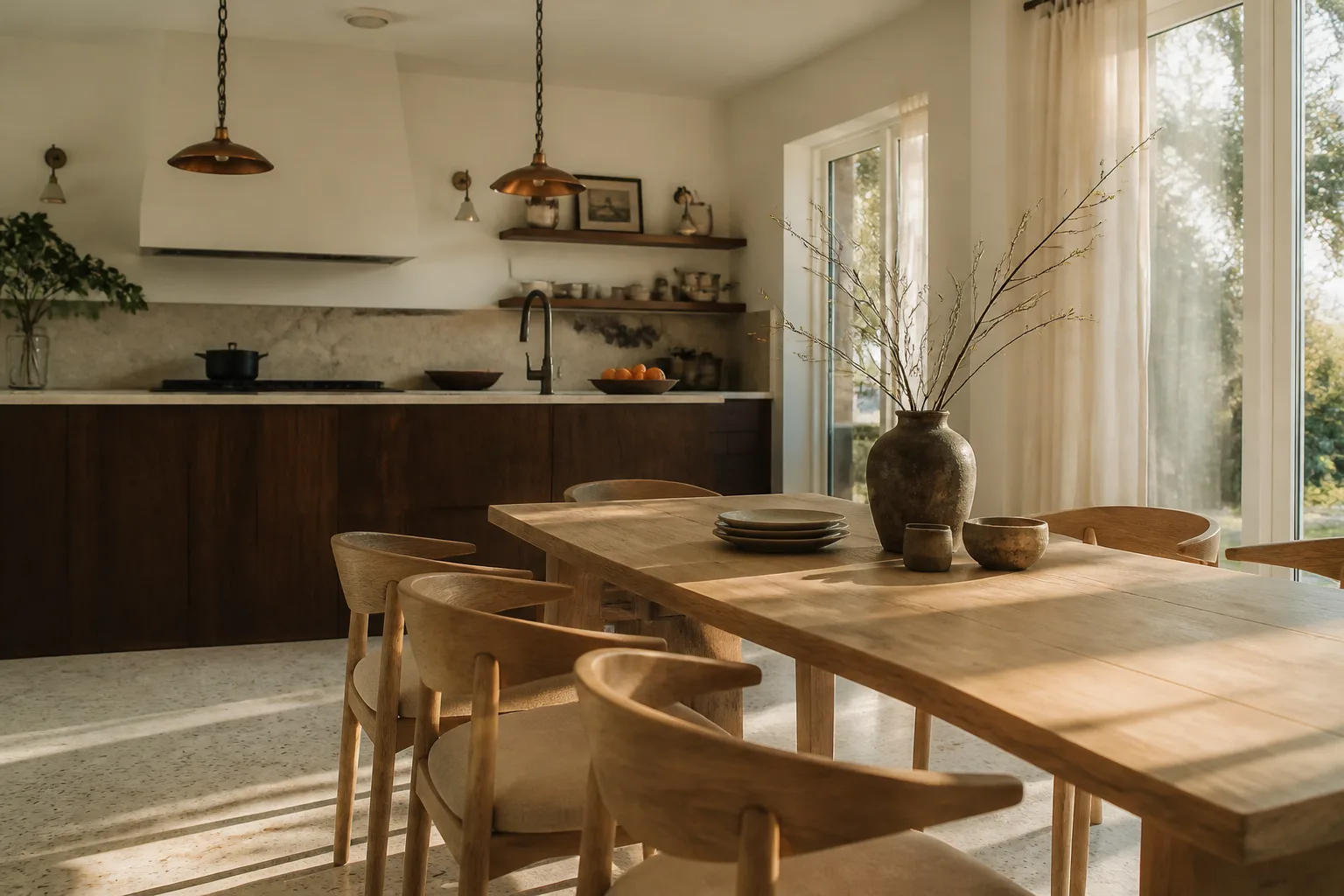
- Kitchen remodeling
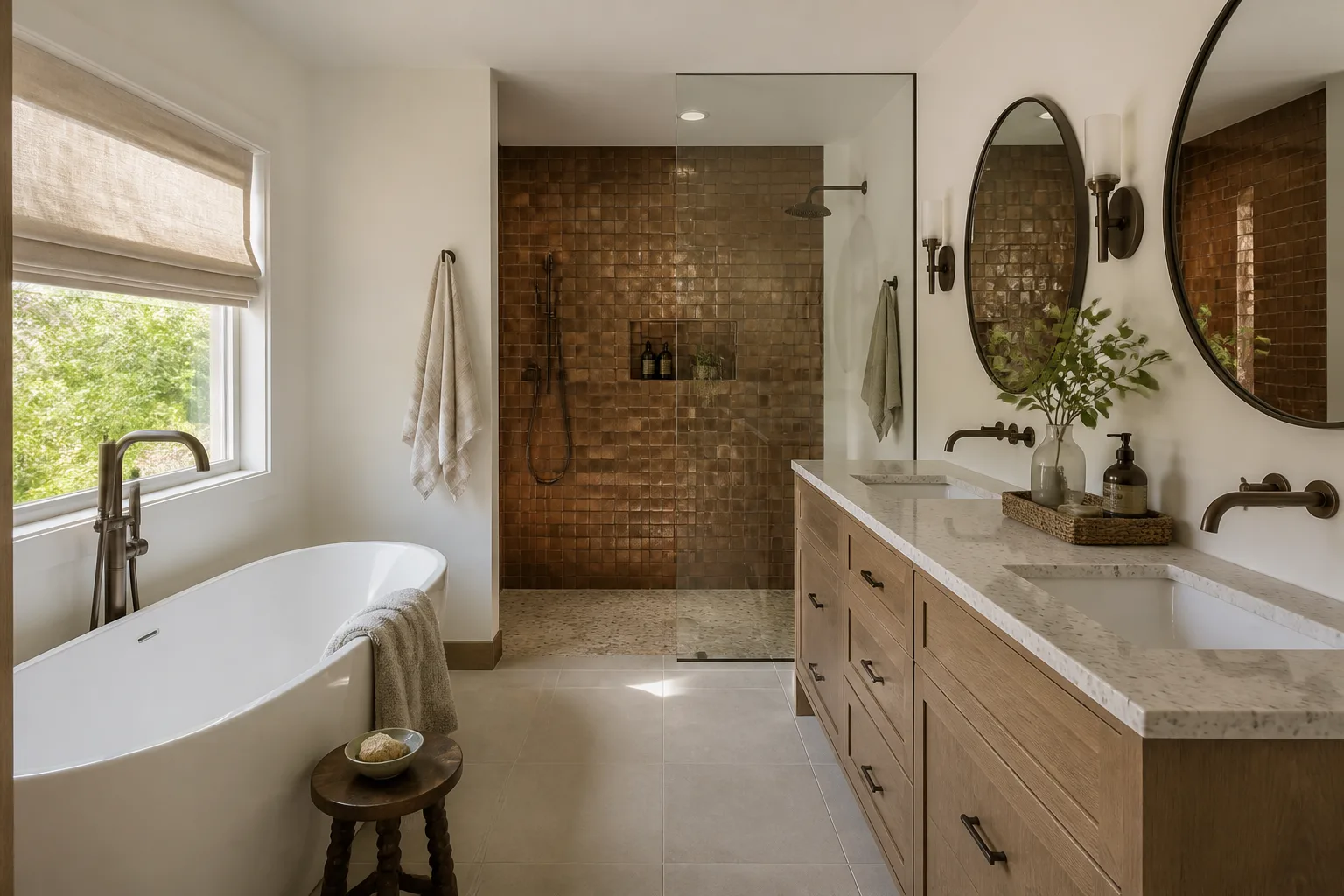
- Bathroom remodeling
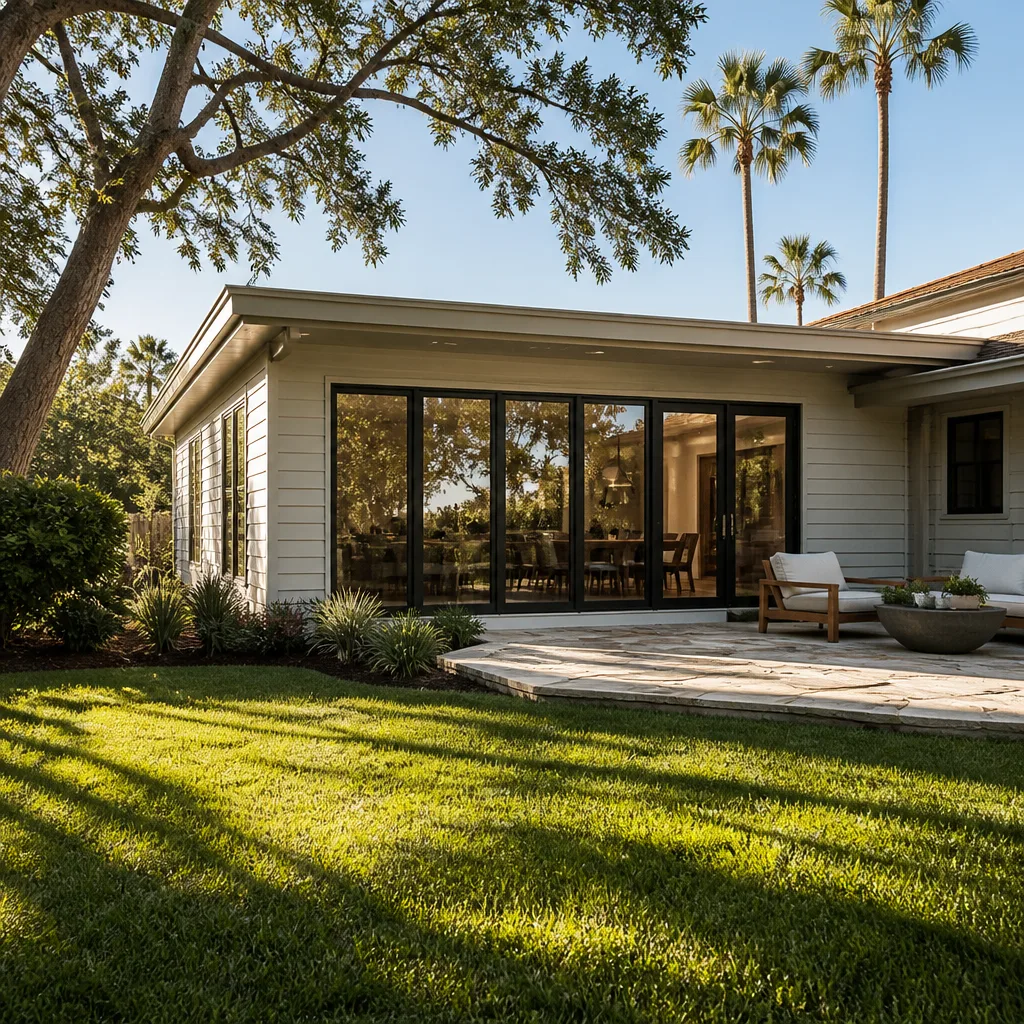
- Home additions & ADU
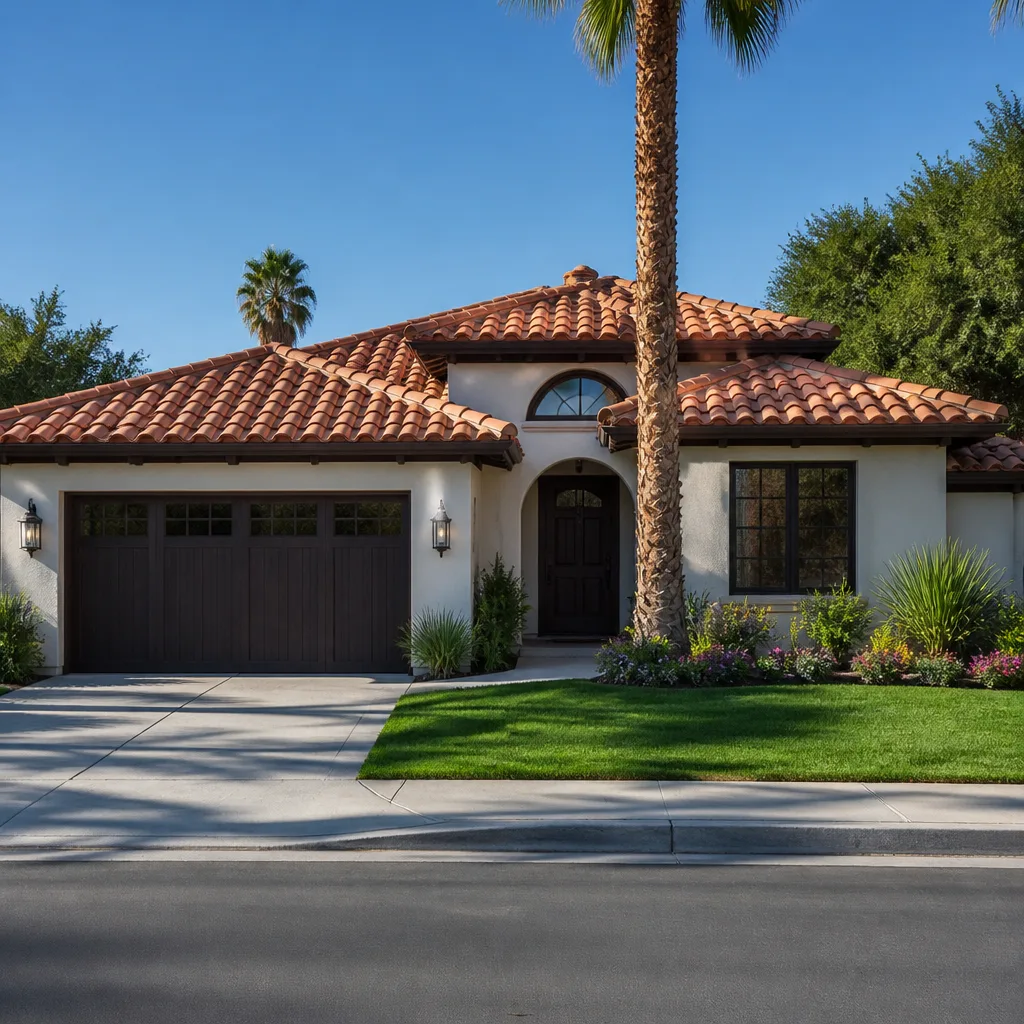
- Roofing
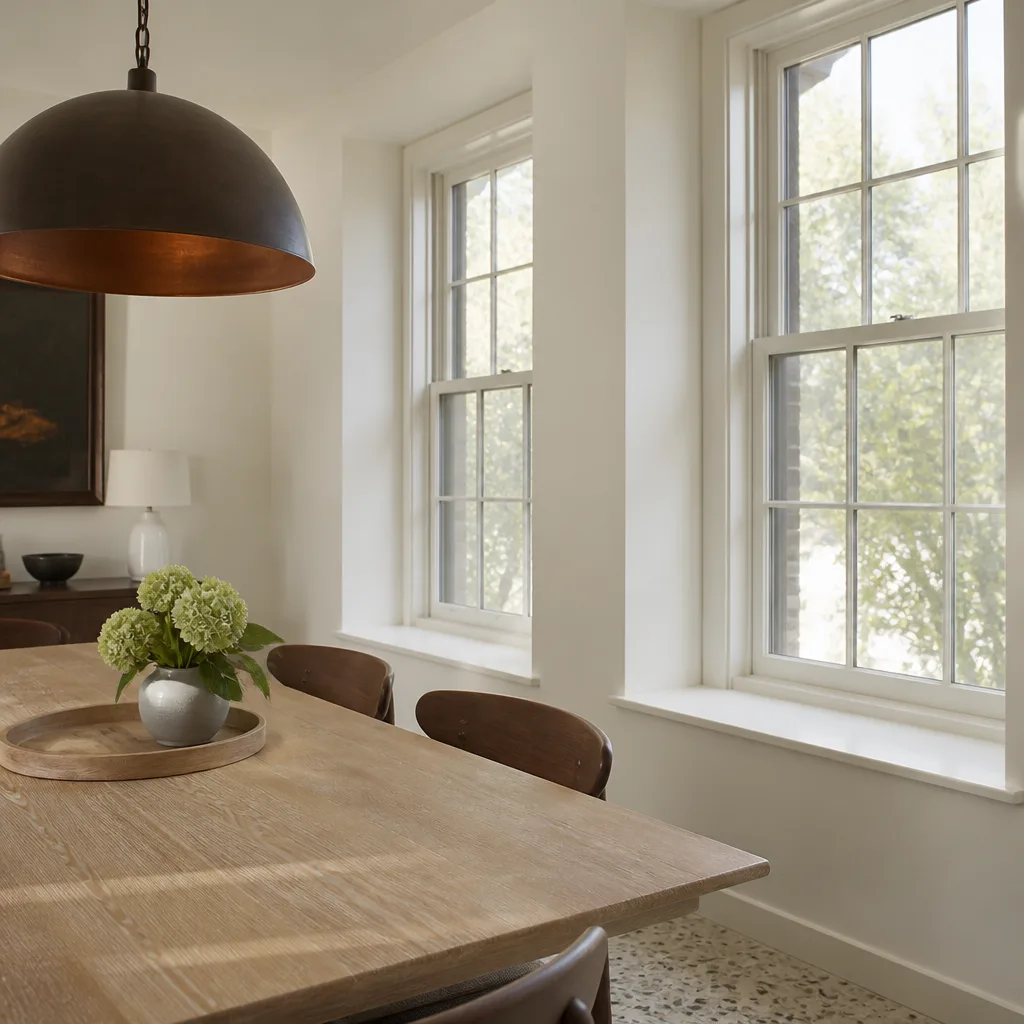
- Windows & doors
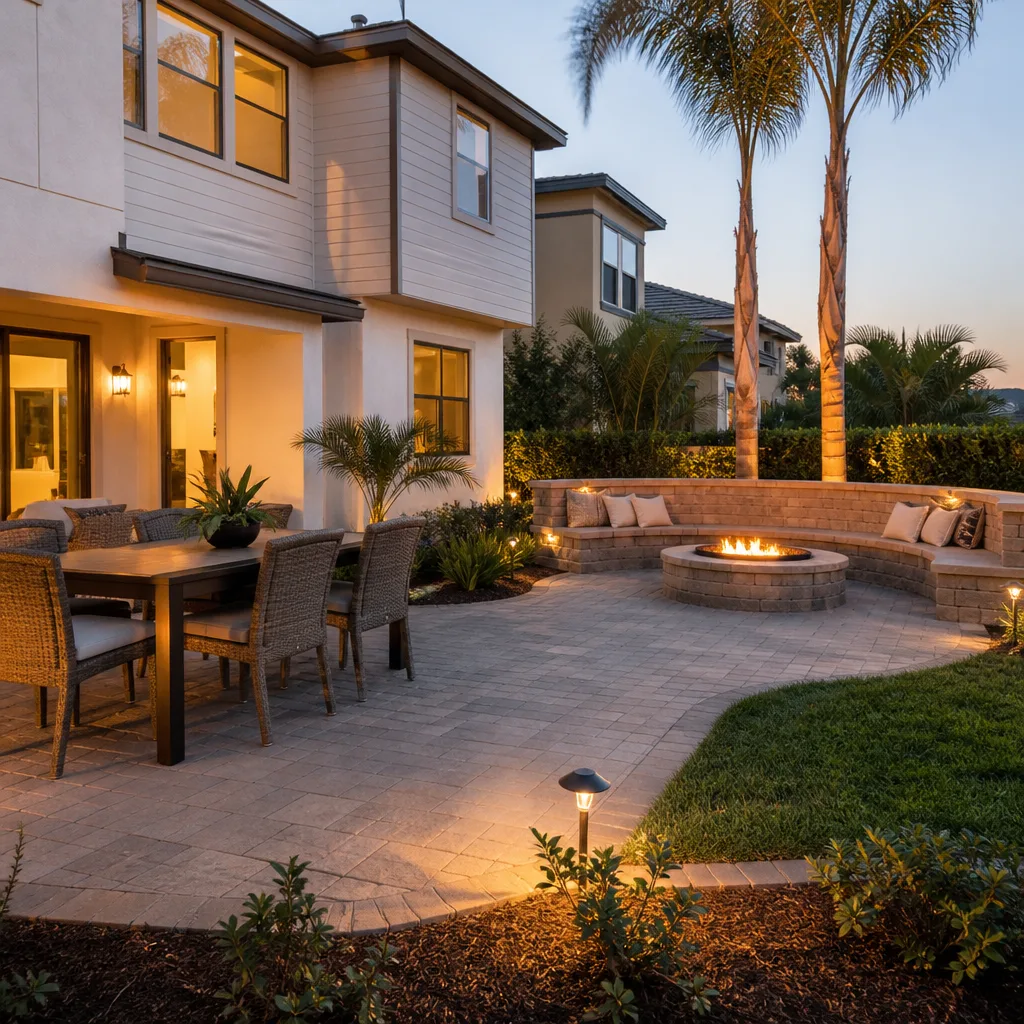
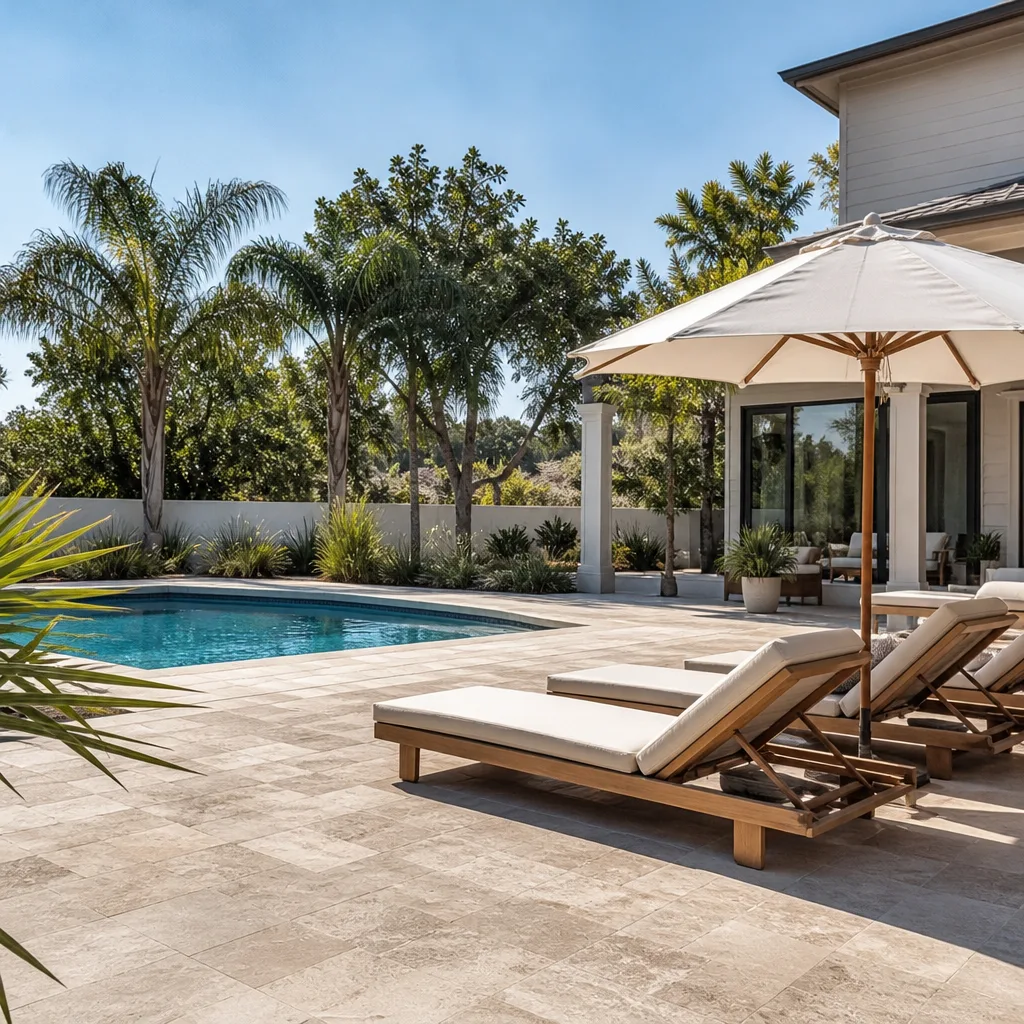
- Driveway & pavers
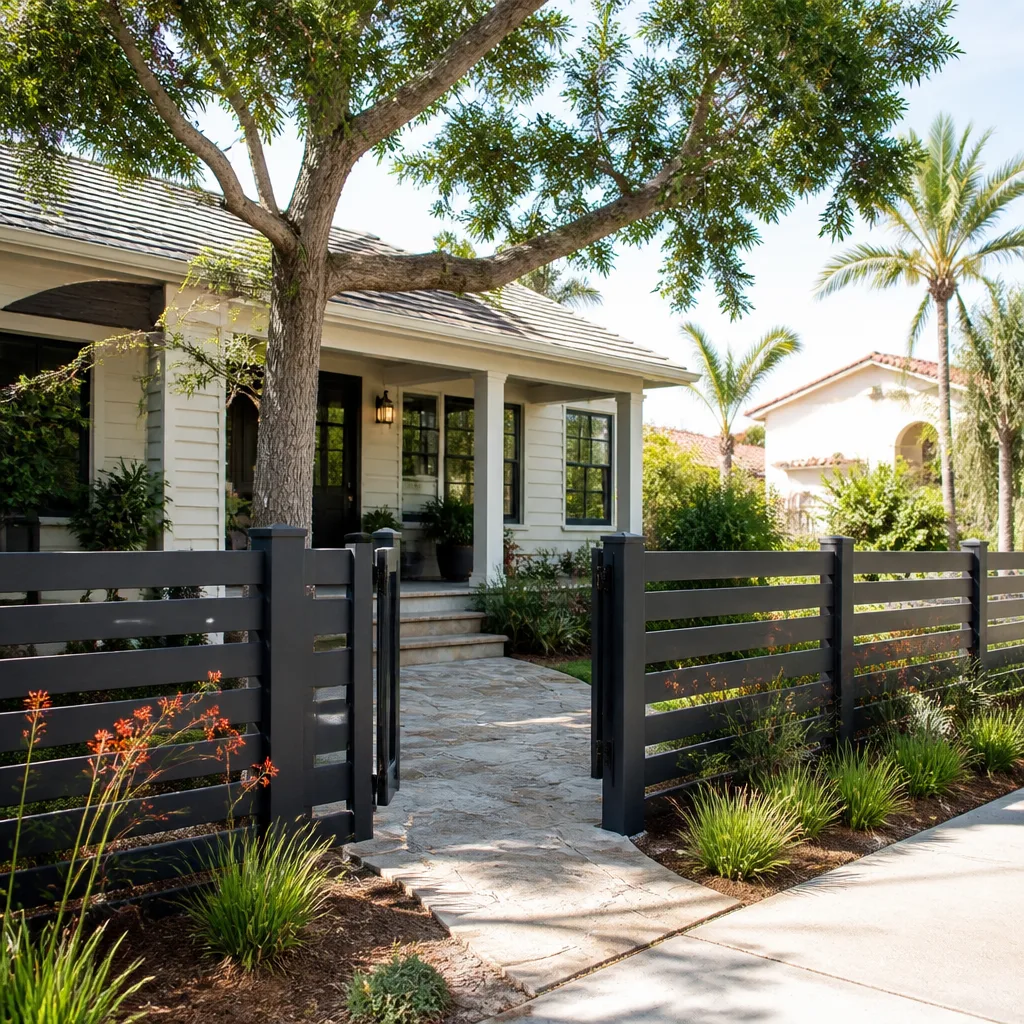
- Fence
Table of Contents
- Why the Brand Behind the Materials Matters in Fort Worth
- Certified Installer vs. Preferred Vendor: What the Difference Costs You
- How to Verify a Contractor’s Brand Certification in 90 Seconds
- Which Material Categories Actually Benefit From a Premium Brand in North Texas
- Manufacturer Warranty Transfer and Resale Value in Texas
- The Six Questions to Ask Every Fort Worth Contractor About Brand Partners
- Stock vs. Special-Order: What It Reveals About Reliability
- Registering Your Warranty at Project Completion
Why the Brand Behind the Materials Matters in Fort Worth
A construction material is a sum of two parts: the product and the installation. In Fort Worth’s climate, that split shows up fast. Our summers push attic temperatures past 140 degrees, our hail season runs roughly March through June with storms that can stack three separate insurance claims on the same roof in five years, and our shrink-swell clay soil shifts foundations and racks doors and windows out of square. A premium window installed with the wrong flashing is a leak. A mid-tier window installed correctly will outlast it. And a premium window installed correctly, backed by a manufacturer that honors its certified-installer warranty, gives you two claims to pursue instead of one: the manufacturer’s and the contractor’s.
The brand story is also a supply chain story. Fort Worth sits on the I-35 corridor and Hwy 170, with major distribution hubs nearby, so most brands are technically available. But “available” and “in stock, with a contractor who can pull warranty replacement parts in three days instead of three weeks” are different realities when your roof is open. When a well-known shingle manufacturer’s regional warehouse in the Metroplex stocks the exact color and profile you chose, a repair after a June hailstorm can happen the same week. When the contractor special-orders from a slow channel, you wait.
We’ve watched homeowners in Arlington Heights and Tanglewood re-roof with a well-known architectural shingle only to discover, at the first leak, that the installer wasn’t in the manufacturer’s certified program, which downgraded the eligible warranty from the top tier to the base tier. The product was fine. The paperwork wasn’t. That’s the trap this guide is built to catch.
Certified Installer vs. Preferred Vendor: What the Difference Costs You
This is the distinction that separates a real brand partnership from a logo. Both exist. Only one protects you at claim time. Here’s what each actually means.
A certified installer program
- The manufacturer trains the crew on installation specs and inspects a percentage of jobs.
- Certification is listed in the manufacturer’s public contractor directory and can be verified.
- The installer gains access to a higher warranty tier: longer coverage periods, labor included in some programs, and workmanship coverage backed in writing.
- The manufacturer stands behind the install, not just the product, and a claim against the install goes to the manufacturer directly.
A preferred vendor relationship
- The contractor buys the product from a distributor and may display the logo.
- No training, no inspection, no directory listing, no enhanced warranty.
- You get the product’s standard warranty only, which typically covers manufacturing defects (not install errors), often prorated, and often with exclusions that swallow the claim.
- The manufacturer will point you back to the contractor for anything installation-related.
In practical terms, on a Fort Worth roof replacement, the gap between the two can be the difference between a claim that pays for a full tear-off and one that pays for shingles only. On James Hardie fiber cement siding, which is a solid fit for North Texas heat and humidity, the certified program matters because install clearances and fastening patterns are what fail here, not the board itself. Ask any contractor to state, in writing, which program tier they hold and whether the specific product you’ve selected qualifies for the manufacturer’s higher warranty.
That standard is the one we build to. Groundwork Construction Co. of Fort Worth works only through verified brand partnerships, and every project is covered by our 730-Day Done Right Promise: if it isn’t done right, we make it right. Built to last, backed in writing. If a claim comes up at month 19, the phone doesn’t go quiet.
How to Verify a Contractor’s Brand Certification in 90 Seconds
You don’t have to take anyone’s word for it. Every major manufacturer publishes a searchable contractor directory, and looking up your contractor takes less time than reading their reviews. Follow the same steps for roofing, siding, windows, cabinetry, and pavers.
- Open the manufacturer’s website directly. Type the brand name into your browser. Don’t follow a link from the contractor’s site.
- Find their “Find a Contractor” or “Certified Installer” tool. It usually lives under a “Pro” or “Resources” tab.
- Search by ZIP code and business name. Enter your Fort Worth ZIP (76109, 76107, 76114, and 76179 all load the nearest results) and the contractor’s exact legal business name.
- Check the listing details. Look for the program level: “Certified,” “Master,” “All-Star,” or similar.
- Confirm the product line. Some certifications cover only certain product families. Make sure the exact shingle, siding, or window series you’ve chosen is on the list.
- Call the manufacturer if anything is unclear. Most have a consumer line that will confirm a contractor’s status in a few minutes.
Two warnings from what we’ve seen locally. First, the directory doesn’t go stale instantly; certification can lapse. Ask your contractor to confirm their program is current at the time of your bid, not at some earlier point. Second, at least one homeowner in Fort Worth’s Ryan Place neighborhood told us they checked the directory and found their contractor listed in a category that didn’t match their product, which is why step five matters. Wrong tier, wrong product, wrong warranty. Do the 90 seconds.
Which Material Categories Actually Benefit From a Premium Brand in North Texas
Not every line item deserves a brand upgrade. The smart money in Fort Worth is spent selectively. Here’s where premium brands genuinely outperform in the DFW climate, and where the mid-tier performs identically.
Where premium brands earn the price
- Roofing. DFW hail is the defining stressor. Premium asphalt shingle lines, with the higher impact rating and the top-tier warranty, hold up better against repeated strikes. On a roof that may see two or three storms in a decade, the cost per year of coverage is low.
- Windows and doors. Our summer sun and interior air conditioning push thermal cycling hard. Premium frames resist heat distortion and their insulating glass units hold their seal far longer. On a full window replacement in a Fort Worth home, the difference in thermal performance shows up on your electric bill by the second August.
- Siding. James Hardie fiber cement earns its premium in North Texas. It holds paint longer than wood, doesn’t feed termites, and handles our humidity and sun better than vinyl, which can warp under a west-facing afternoon sun.
- Exterior pavers. Pool decks, driveways, and patios that see hard summer sun and clay-soil movement need a paver with real structural strength and a manufacturer who backs the unit. Belgard pavers earn this category; thin or mid-tier units crack at the corners within a few seasons.
Where mid-tier is fine
- Interior millwork and trim. MDF or poplar trim, painted properly, performs just as well as premium trim in Fort Worth’s climate.
- Interior paint. Standard contractor-grade paint in a well-chosen sheen holds up; the brand tier doesn’t move the needle.
- Shelving and closet systems. The product is almost entirely covered by drywall in most homes; mid-tier hardware performs identically.
Where the brand matters less than the spec sheet
- Kitchen cabinetry. Brand matters (KraftMaid and Wellborn both make strong, humidity-tolerant boxes), but the plywood-box construction, full-extension soft-close drawers, and door joinery matter more than the logo. Choose the brand whose options fit your layout, then check the build spec.
- Countertops. Cambria quartz earns its reputation for stain and heat resistance in a busy Fort Worth kitchen. But a properly sealed mid-tier quartz performs nearly identically. The install and seam quality determine longevity far more than the brand.
Manufacturer Warranty Transfer and Resale Value in Texas
A warranty you can’t transfer is a warranty that dies when you sell. That matters in Fort Worth’s resale market, where a documented roof or window warranty moves a listing price by more than most sellers expect. Here’s what transfer actually means in Texas and how to keep it alive.
- Most roofing and siding brands allow a one-time transfer to a subsequent owner, usually within a defined window (often 30-90 days of sale), with a registration on the buyer’s part.
- Higher-tier warranties, meaning certified installer warranties, generally transfer with more value than base warranties, and some include labor coverage that carries through the transfer.
- Window warranties vary widely. Some brands transfer fully; others cap the transfer at a shortened term or exclude labor. Verify before you commit to the window series.
- Paver and hardscape warranties are usually transferable but require proof the units were installed to the manufacturer’s spec, which is another reason certified installers matter on exterior work.
- Cabinetry and countertop warranties are typically original-purchaser only, with some transferable on a case basis. Read the fine print before you count on a transfer for the resale value.
Registration is the whole ballgame. A warranty that isn’t registered isn’t a warranty you can enforce. The registration usually happens online, through the manufacturer’s portal, within a window after install (often 30-60 days), and requires the product’s serial or lot numbers, install dates, and often the installer’s certification number. Which brings up the next section. From foundation to finish line, the paperwork is part of the build, not a footnote. For a look at how that plays out on the full scope of an addition, see Home Additions & ADU in Fort Worth.
The Six Questions to Ask Every Fort Worth Contractor About Brand Partners
These questions are designed to expose the difference between a real partnership and a logo. Any contractor who answers all six clearly, in writing, is likely doing the work you’re paying for. One who hedges on three or more is a signal.
- Which programs do you hold, and at what tier? Get the program names and the tier. “Preferred” and “certified” are not the same. Ask for the directory link.
- Is there a volume threshold in your agreement that affects warranty coverage? Some programs only honor the higher warranty tier above certain annual volume with the manufacturer. If the contractor is close to a downgrade, the top-tier warranty may not apply by the time your job is complete.
- Do you have exclusivity with any brand? A contractor with exclusive brand relationships may not be able to quote the best product for your specific Fort Worth home. Steer toward the one who quotes the product, not the logo.
- What is your process for a warranty claim? Ask how long a claim takes, who calls the manufacturer (you or them), and whether they provide the certification number and install documentation you need. A vague answer here means you’ll be the one chasing it.
- Do you stock or special-order? For hail-season roofing, a contractor who stocks the shingle locally can repair in days. For special-order windows or cabinetry, ask the lead time and whether the manufacturer’s stock is at a nearby hub.
- Will you register the warranty with the manufacturer at completion? The answer must be yes, and it should be in the contract. Ask for the confirmation email at final walkthrough.
One more, off the list but worth it: ask whether the crews installing your product are the contractor’s own or subcontractors, and whether they’re background-checked and uniformed. At Groundwork, technicians on every project are background-checked and arrive in uniform, and our service line is answered by a live person 24/7, so a warranty question at year two gets a human, not voicemail. Our technicians bring up to 12 years of experience to the trades they work in, and no project leaves the schedule without a written line-item scope.
For exterior jobs like fences and driveways, the same questions apply to the hardscape and fencing brands. See Fence Installation in Fort Worth and Driveway & Pavers in Fort Worth for the local spec notes.
Stock vs. Special-Order: What It Reveals About Reliability
Supply chain questions read as inside baseball, but they’re actually the fastest way to figure out whether your contractor can deliver when Fort Worth’s weather doesn’t cooperate. A hail storm in Tarrant County can wipe out a full neighborhood’s roofs in an afternoon. The homeowner whose contractor has the shingle stacked locally gets their roof replaced in days; the homeowner whose contractor places a special order waits through the manufacturer’s post-storm allocation window.
Three things to know about how construction material supply works on the ground in Fort Worth:
- Roofing shingles, siding, and standard fence boards are stocked by distributors along the I-35 and Hwy 170 corridors. Any established contractor has access. Ask how fast they can source replacement in the middle of hail season.
- Windows, cabinetry, and specialty pavers are usually lead-time items, sometimes 4-12 weeks, depending on the series and the finish. Ask the specific lead time and how the manufacturer handles backorders. Some brands hold regional stock in the Metroplex; others ship from out of state.
- Brand partners who run regional distribution in the Metroplex (roofing manufacturers, fiber cement siding, and major paver lines all do) hold inventory closer to the job. That’s a different world from a brand whose nearest warehouse is in another state.
Ask any contractor to name the distributor they’ll buy from and how far it is from Fort Worth. If they can answer quickly and correctly, the supply chain works. If they can’t, you’ve learned something before the contract is signed. For a full-home example of how these supply decisions add up on a larger project, see the kitchen and addition work on our Groundwork Construction Co. of Fort Worth home page.
Registering Your Warranty at Project Completion
This is the step almost every homeowner skips, and it’s the one that separates a filled-out warranty from a decorative certificate. Here’s how to make sure the brand partnership you verified actually shows up as coverage.
- Get the install documentation from your contractor before final walkthrough. That includes product serial or lot numbers, install dates, and the installer’s certification number where applicable.
- Register online with the manufacturer directly. Each brand’s portal is different; roofing and siding usually have short windows (often 30-60 days from install) and require lot numbers, so don’t put it off.
- Confirm the registration by email. Get a copy of the confirmation. Screenshot it and file it with your closing documents.
- Note the transfer terms. If you plan to sell within five years, check whether the warranty transfers and what the buyer must do to activate it. Mention it in the listing.
- Set a reminder for any inspection the warranty requires. Some manufacturers require re-inspection at defined intervals; missing it can void a claim.
Contractors who care about their work build this into their final walkthrough. Ours does. We confirm the registration is complete before we hand over keys, and the 730-Day Done Right Promise sits on top of whatever the manufacturer covers. That matters in Fort Worth, where a five-year life on a roof between major hailstorms is normal, and a warranty claim at year three is the rule, not the exception.
Common Mistakes to Avoid
- Trusting a logo on a truck door. Certification is verified in the manufacturer’s own directory, not the contractor’s website. Spend the 90 seconds.
- Choosing the brand tier before checking the installer. A premium shingle installed by a non-certified crew produces a base-tier warranty. Wrong order of operations.
- Skipping the warranty registration window. Most manufacturers give you 30-60 days. A missed window means the warranty never activates, and your premium buys you nothing on resale.
- Assuming premium equals better everywhere. Interior millwork and standard paint are fine at mid-tier. Spend the brand premium on the categories Fort Worth’s climate stresses hardest: roofing, windows, siding, and pavers.
- Not asking about lead time during hail season. Post-storm allocation is real in Fort Worth. A contractor with regional distributor relationships moves faster than one sourcing from out of state.
- Ignoring the transfer clause. If you plan to sell within five years, the transferable warranty moves your listing price. Read the terms at bid time, not at sale.
- Not getting the certificate and confirmation in writing. Verbal “we’ll register it for you” promises disappear. Get the confirmation email before the final payment clears.
See the difference
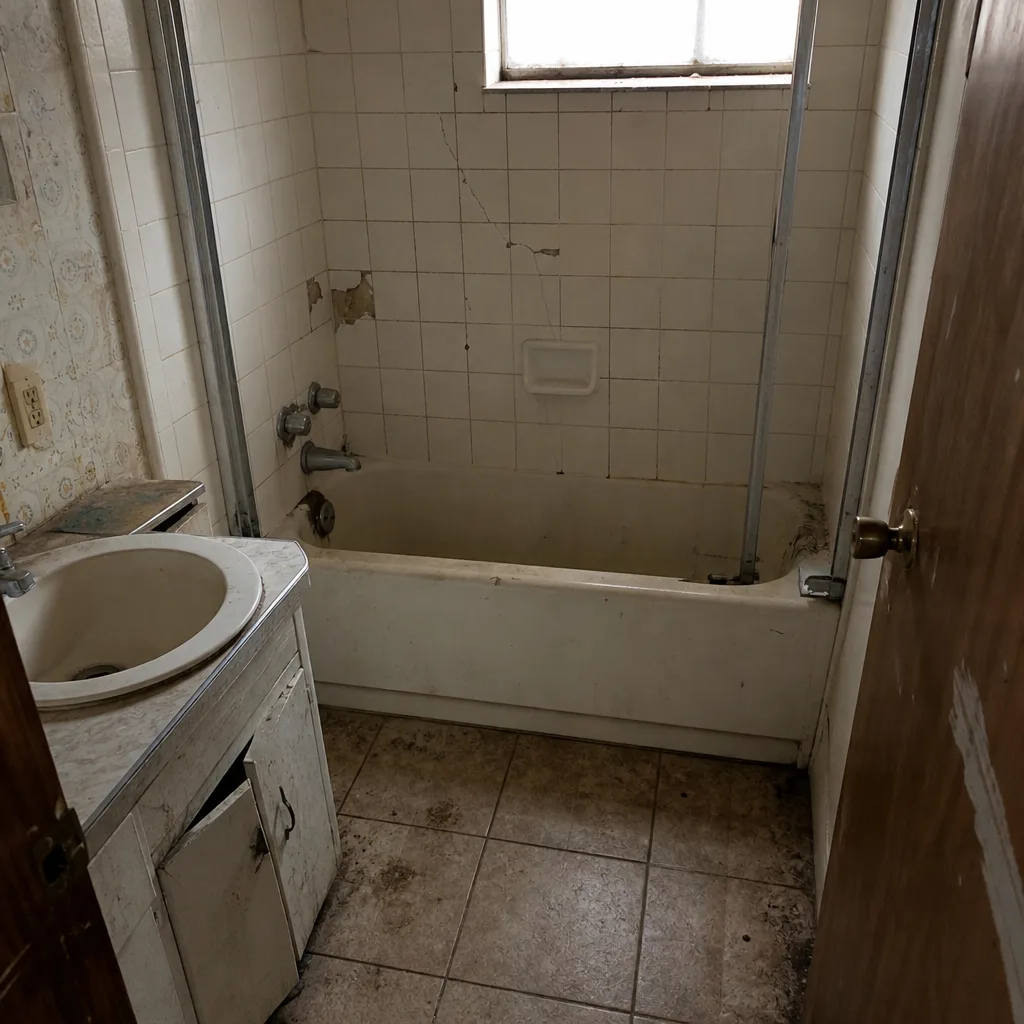 Before
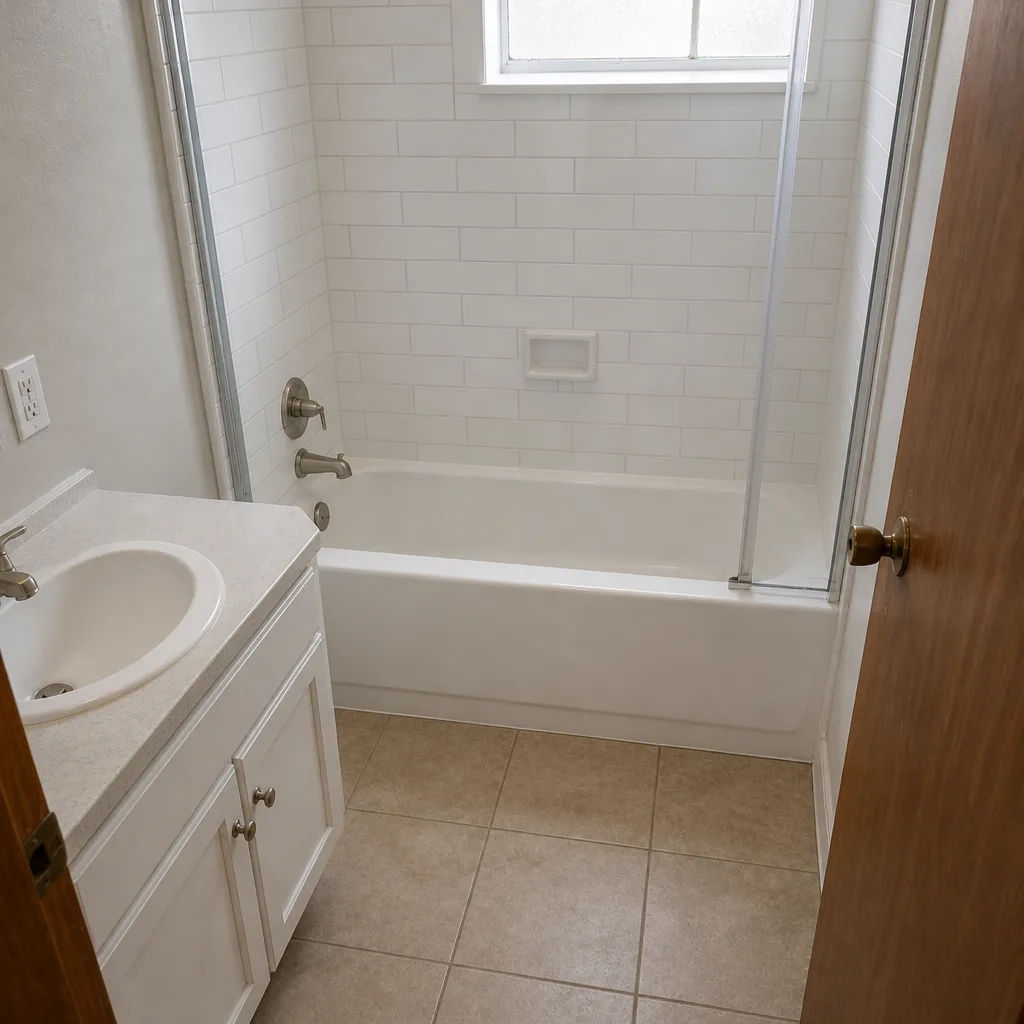 After
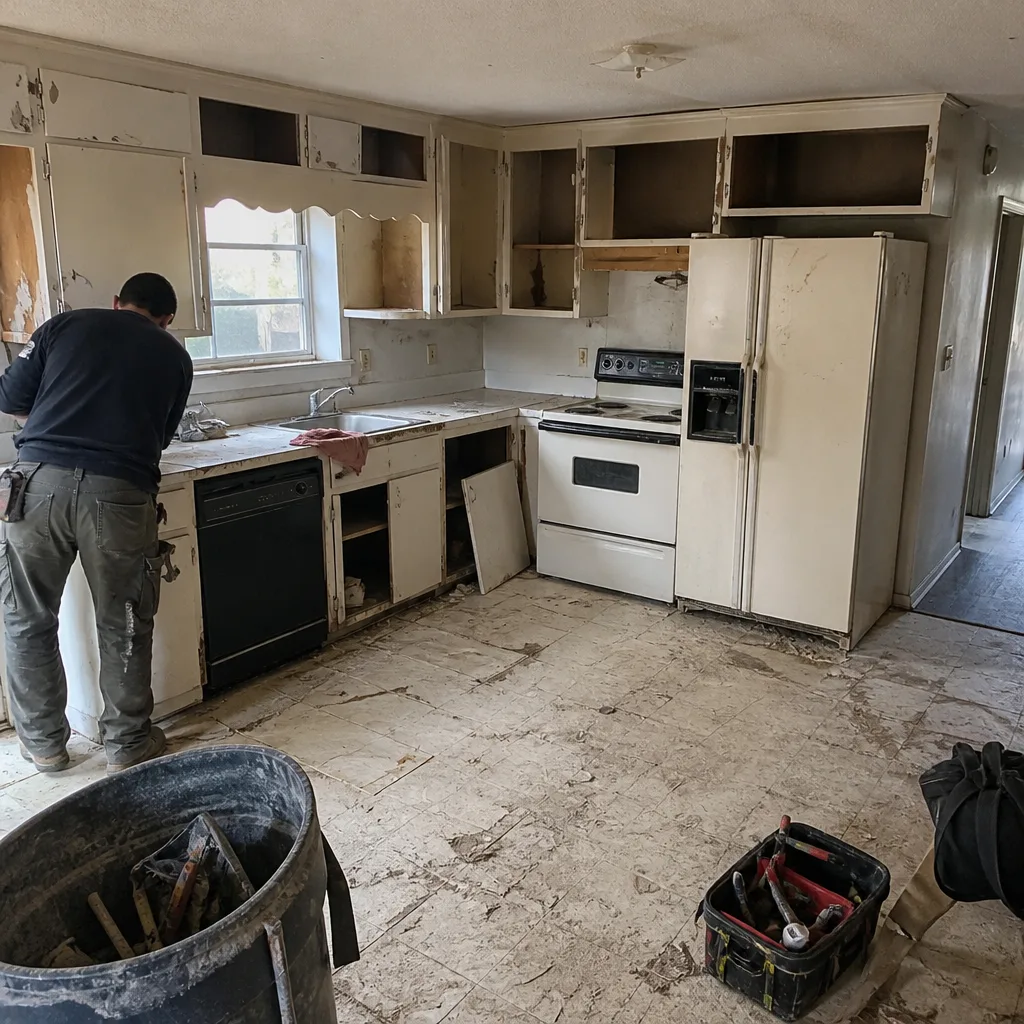 Before
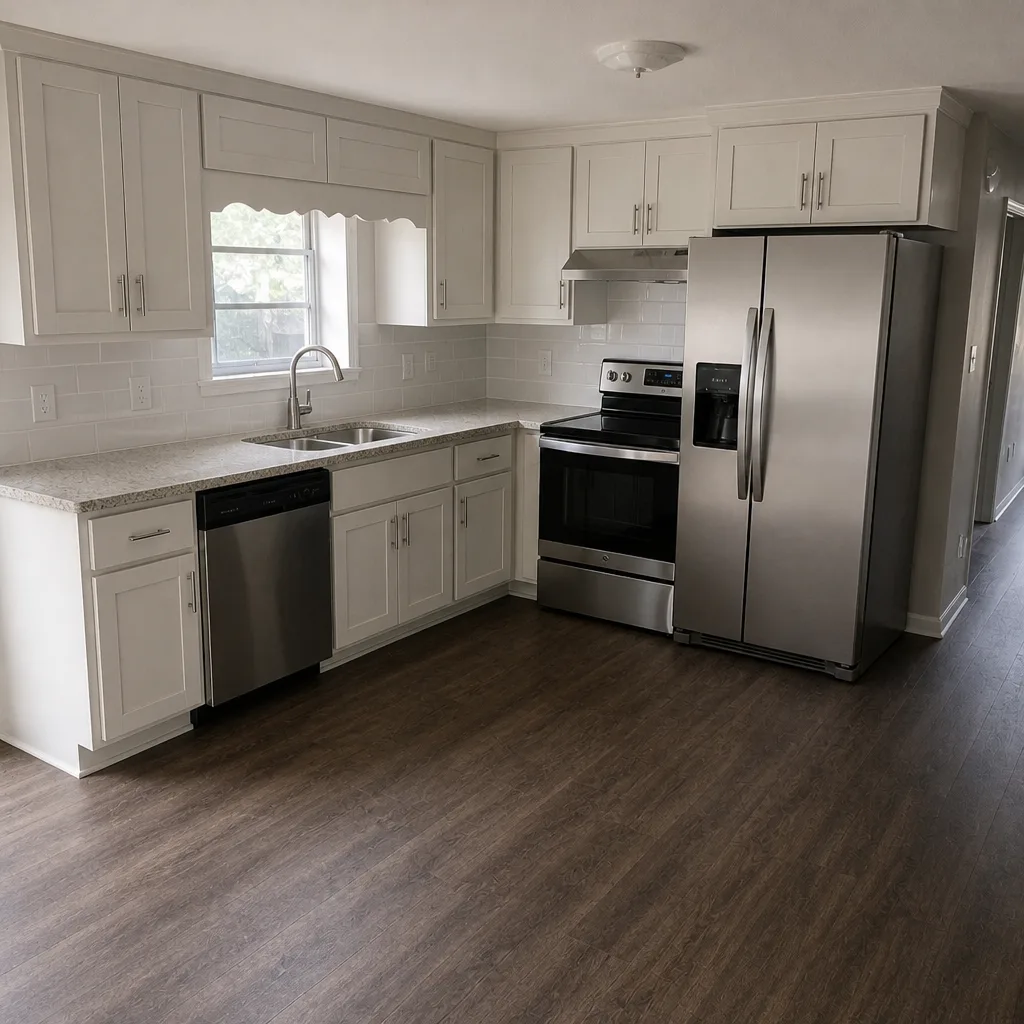 After
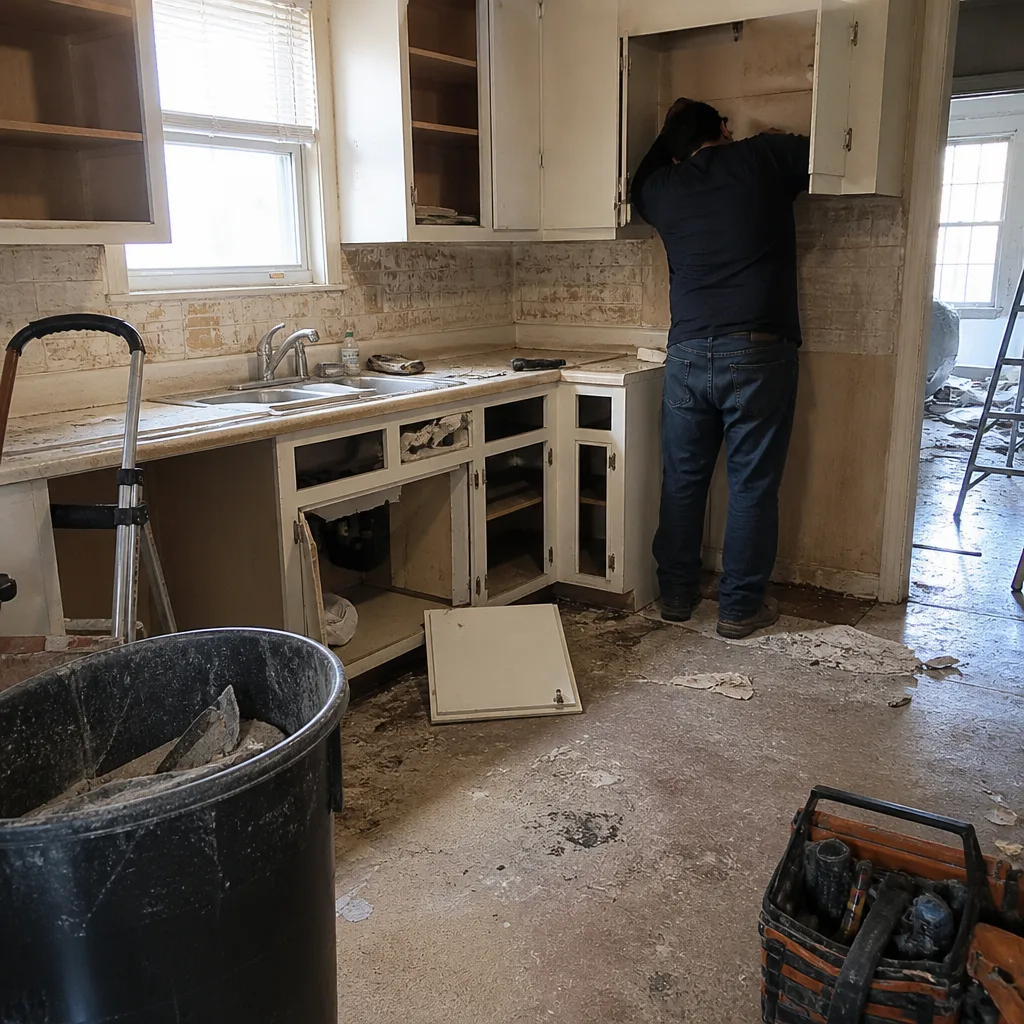 Before
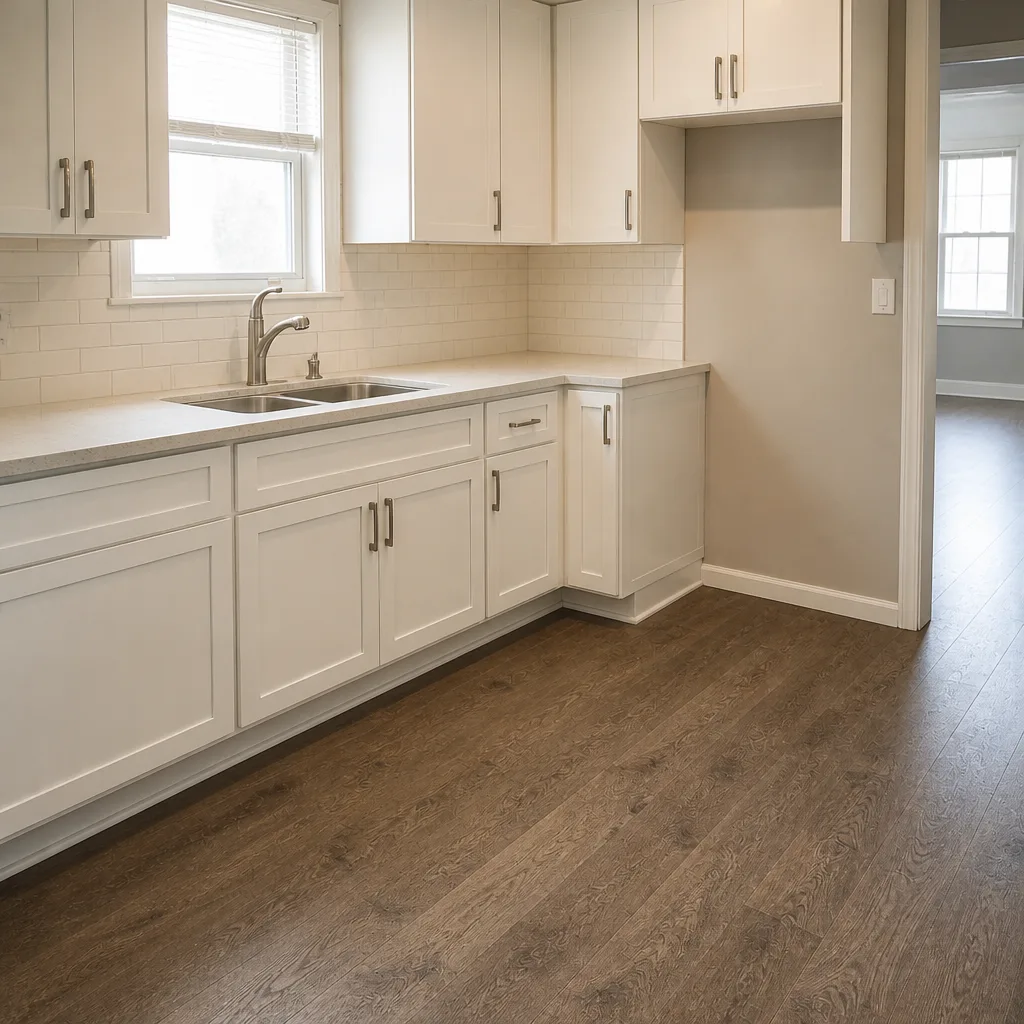 After
When to Call a Professional
Any roof, window, siding, or exterior paver decision is a professional call, not a DIY one. Heights, structural attachments, moisture barriers, and manufacturer-specific install specs are all places where a well-intentioned homeowner loses a warranty on day one. That applies across Fort Worth’s hail belt and its hot-summer exposure zones. Even the more decorative projects, like fences and driveways, are warranty-sensitive: the wrong setting or base prep voids paver and fence coverage immediately. Groundwork Construction Co. of Fort Worth offers free estimates in Fort Worth, with line-item pricing and no hidden change orders; call (855) 912-5373 to schedule yours, and we’ll walk through the brand tiers, the lead times, and the warranty that fits the project you actually need.
Frequently Asked Questions
A certified installer is a contractor the manufacturer has trained and re-certified on installation specifications, and the certification is listed in the manufacturer’s directory. The practical difference is that a certified install typically unlocks the manufacturer’s higher warranty tier, sometimes with labor covered, whereas a non-certified install leaves you with the base product warranty only. That’s the part that matters after hail season in Fort Worth. Call (855) 912-5373 and we can help you sort through the tiers for your specific product.
Look the contractor up directly in the manufacturer’s own “Find a Contractor” tool, using their exact business name and your Fort Worth ZIP code. It takes about 90 seconds and confirms the program tier and the product categories they’re covered for. Ask your contractor for their certification number in writing, and confirm they’ve been re-certified at bid time, since certifications can lapse quietly.
On most roofing, siding, and paver brands, yes, typically with a one-time transfer window (often 30-90 days from the sale) and a registration the buyer must complete. Windows and cabinetry vary widely; some transfer, some don’t. Confirm the transfer terms in writing when you accept the bid, especially if you plan to sell within five years, and confirm the registration was completed at project completion.
Roofing shingles, windows, fiber cement siding, and exterior pavers are the categories where a premium brand genuinely changes the long-term cost of ownership in Fort Worth. Our hail, summer heat, and clay soil stress those four hardest, and the difference in warranty tier between a certified install and a base install is where the real money lives. Interior millwork, standard paint, and closet systems are fine at mid-tier; save the upgrade budget for the exterior.
It can, but it shouldn’t change the price you pay after the contract. A premium shingle, siding line, or window series costs more upfront than mid-tier, and the difference is worth checking against the warranty tier and the expected lifespan. Groundwork quotes line-item pricing upfront, and the number you see is the number you pay, so the brand choice is yours to make before the contract, not after. Call (855) 912-5373 for a free estimate with a written brand-tier comparison.
Both, ideally: the contractor supplies the install documentation (serial or lot numbers, install date, certification number), and the homeowner completes the online registration within the manufacturer’s window, which is often 30-60 days. Ask for the confirmation email at final walkthrough and file it with your closing documents. On our projects we confirm the registration is complete before we hand over the keys.
The Bottom Line
In Fort Worth, the brand behind your construction materials is a real factor, but only when paired with a certified installer and a registered warranty. Verify the certification in the manufacturer’s own directory. Spend the premium on the categories our climate punishes hardest: roofing, windows, siding, and pavers. Get the warranty transfer terms in writing, and register it at completion. Anything short of that, and the brand name on the product is just a decal. Groundwork Construction Co. of Fort Worth builds to the checklist: verified brand partnerships, background-checked and uniformed technicians on every project, live person 24/7, upfront pricing with no surprises. From foundation to finish line, and backed by the 730-Day Done Right Promise. Call (855) 912-5373 to schedule your free estimate.
Written by the team at Groundwork Construction Co. of Fort Worth.