Last updated November 18, 2026

Free written scope consultation - allowances, timeline, and change-order rules on paper before a single trade is scheduled
DIY vs Professional Fence Installation: What’s Safe to Do Yourself
Thousands of homeowners install their own fence sections every year, and most of them do it well. The ones who end up paying a contractor to fix a failed fence usually did the same project, bought the same panels, and worked just as hard. What they skipped was the post-setting math: hole depth, concrete mix, and plumb tolerance. That’s about fifteen minutes of learning that separates a fence standing straight in ten years from one leaning into your neighbor’s yard by spring.
This guide maps where the skill and tool threshold sits for a Fort Worth homeowner, so you can make an honest call before you’re two days in with a truckload of lumber and a borrowed auger.
Quick Answer
Panel replacement, board swaps, hardware upgrades, staining, and minor gate adjustments are genuinely DIY-friendly and safe for a careful homeowner with basic tools. Post setting, gate framing, and full fence layout are where most DIY projects fail, because a few degrees of error compounds into a leaning or sagging fence within one or two Texas summers. If your project involves digging and setting new posts or hanging a wide gate, a professional install is usually the cheaper path once you count tools, time, and the chance of a redo.
Styles & brands we work with
- Kitchen remodeling
- Bathroom remodeling
- Home additions & ADU
- Roofing
- Windows & doors
- Driveway & pavers
- Fence
Table of Contents
- What’s Actually DIY-Friendly (and What Isn’t)
- Why Post Setting Decides Your Whole Fence
- The Fort Worth Permit Reality
- Gate Framing: Where Most DIY Fences Fail
- The Honest Cost Comparison: DIY vs Professional
- Tools and Skills Checklist Before You Commit
- Common Mistakes to Avoid
- When to Call a Professional
What’s Actually DIY-Friendly (and What Isn’t)
Not every fence task carries the same risk, and the DIY-viable range is wider than most homeowners expect. A board replacement that takes an afternoon is a completely different job from setting a line of new posts. The chart below sorts common tasks by honest skill level and tool requirement.
- Single board or picket replacement (beginner): hammer, pry bar, cordless drill. A damaged picket in a Fort Worth privacy fence is a thirty-minute job. Slide out the broken board, nail in the new one, match the stain if the fence is finished wood.
- Panel replacement on a panel fence (beginner to intermediate): drill, driver, pry bar. If the posts and rails are sound, swapping a full panel is well within reach. Touch up where the fasteners meet the wood so you don’t create a rust streak.
- Hardware swaps (beginner): screwdriver, adjustable wrench. Replacing gate hinges, latches, and drop rods is straightforward, but keep the gate supported when you pull the old hardware off or you’ll be juggling a 60-pound door on one hinge.
- Staining or sealing (beginner): pump sprayer, roller, brush. A Fort Worth fence takes a beating from UV and the occasional wet spring, so re-sealing every two to three years is real maintenance. This is the single best DIY task for extending the life of your fence.
- Minor gate adjustment (intermediate): wrench, screwdriver, possibly a turnbuckle. A sagging gate can often be fixed by tightening a hinge bolt or adding a diagonal brace. This is not the same as re-framing a gate that was built wrong.
- Post setting, gate framing, and full layout (professional): auger, concrete, level, string line, and a working knowledge of local setbacks. These are where the DIY-viable range ends.
If your fence is sound and you’re replacing a section or two, you’ll save real money. If you’re replacing the whole run and setting new posts, you’re in the project where the stakes jump.
Why Post Setting Decides Your Whole Fence
A fence is only as good as the posts holding it. Everything above ground – the panels, the boards, the stain – sits on the post foundation. Get the post wrong and it doesn’t matter how good your carpentry is; the fence will lean, sag, or fail. This is the single phase that separates a successful DIY project from an expensive call-back.
Here’s what a proper post set looks like:
- Hole depth: rule of thumb is one-third of the post’s above-ground height in the ground, plus a few inches of gravel at the bottom for drainage. For an 8-foot post with 6 feet above grade, that’s a hole roughly 3 feet deep. In Fort Worth’s black clay, going shallower is asking for heave damage.
- Hole width: roughly three times the post width. Too tight and there’s no room for concrete to grip. Too wide and you’re paying for extra bags you don’t need.
- Gravel base: 4 to 6 inches of crushed gravel at the bottom lets water drain away from the post foot instead of soaking it. This matters in Fort Worth, where a clay-heavy soil holds moisture against the wood.
- Concrete mix: fast-setting or standard bagged concrete mixed to the package ratio. Over-wet concrete weakens and won’t hold the post. Under-mixed concrete leaves dry pockets that never cure properly.
- Plumb tolerance: get the post plumb in both directions within 1/8 inch over 6 feet. Over a 40-foot fence run, small errors compound into a visible lean. Use a string line and check every post plumb as you set it, not after the concrete sets.
- Cure time: 24 to 48 hours before loading the post with panels or rails. Skip this and the post shifts as the fence weight goes on. There’s no shortcut here.
- Bracing: brace the post while the concrete cures. A post that moves one inch during curing will lean permanently, and the concrete won’t let you straighten it later.
We’ve seen the same pattern in Fort Worth’s older neighborhoods repeatedly – a homeowner sets posts with a garden hose, a bag of quick-set, and a level they don’t trust, and eighteen months later the fence is leaning. The post-setting phase is 15 minutes of learning and about a full day of labor. That’s the trade.
If you’re hiring this out, a professional install team will usually set posts, cure, and hang panels in a sequence that’s tuned to the season. Fort Worth summer heat dries concrete faster than winter, and an experienced crew adjusts mix and curing time accordingly. That’s experience worth paying for when the alternative is a redo. If you want a professional read on your fence line before you dig, fence installation in Fort Worth covers what a professional install includes from the ground up.
The Fort Worth Permit Reality
Fence permits in Fort Worth aren’t required for every project, but the rules matter more than most homeowners realize – and unpermitted work becomes a real problem at resale. Before you buy a single post, pull your property’s zoning designation and check whether your fence will sit on a lot line or in a front yard, since those trigger different review.
Here’s the honest picture for a Fort Worth residential project:
- Rear and side yard fences behind the front building line generally don’t require a permit for a standard wood privacy fence up to 6 feet tall, as long as the fence meets setback and height rules and doesn’t obstruct drainage or a utility easement.
- Front yard fences and fences in front of the building line are usually subject to a height limit (often 4 feet) and may require an administrative review, especially if they block sight lines at a corner lot.
- Fences over 6 feet tall in most residential zones need a permit or a variance. If your HOA allows 8-foot fences, ask whether the city does too, and keep the paperwork in your files.
- Corner lots and easements: Fort Worth has a lot of corner properties where a fence can’t block the sight triangle at the intersection. This is where homeowners most often hit a surprise.
- Historic districts: if your home is in a designated historic overlay, adding height or changing material may require a review from the historic preservation office.
What does an inspection mean for a DIY project? If your fence requires a permit, you’ll typically get a footer inspection before the fence goes up, or a final inspection after. The footer inspection is where a DIY install most often gets dinged – concrete not deep enough, no gravel base, post spacing out of spec. If the fence fails inspection, you’re pulling concrete and starting over.
The resale piece is the quiet one. An unpermitted fence usually isn’t going to kill a sale, but if a buyer’s inspector flags it and the buyer’s lender wants a clear title on the improvements, you’re the one chasing paperwork during what should be the easiest part of a closing. When you hire a contractor, the contractor pulls the permits and passes the inspections – and the paperwork is ready when you sell.
Gate Framing: Where Most DIY Fences Fail
Gates are the most common DIY failure point in fence installation, and the reason isn’t carpentry – it’s the post. A gate is a heavy, moving load sitting on two posts that have to be plumb and properly set. Most DIY gate failures start with a gate post that was set the same way as the rest of the fence line, when it should have been a heavier, deeper, more solid anchor.
What a proper gate layout requires:
- Gate posts sized for load: a gate post takes the weight of the gate plus the swing. A standard 4×4 post is usually inadequate for a gate wider than 3 feet. Most professional installs use 6×6 posts for the gate frame, and sometimes a 4×6 or a steel post depending on gate weight.
- Deeper holes for gate posts: a gate post typically needs 36 to 42 inches of embedment, plus a wider concrete collar. This is where DIY fences most often under-build.
- Diagonal bracing in the gate frame: a gate frame needs a diagonal member to resist racking. Skip the diagonal and the gate sags within a single Fort Worth summer.
- Square frame: measure corner to corner. If the diagonals aren’t equal, the gate won’t hang square and the latch won’t align. This is the first thing an experienced installer checks.
- Hinge placement and swing direction: hinges go on the post side, gate swings inward or outward based on layout, and the gate needs clearance at the bottom for grade and drainage. Fort Worth yards often slope, and a gate that clears 1 inch at the top can drag on the ground at the bottom of the swing.
- Latch alignment: a gate that closes but doesn’t latch is a security problem, especially on a yard with a dog or kids. Fix the post alignment, not the latch.
We’ve seen Fort Worth homeowners spend a weekend on a gate that binds or drags by the second month. The gate itself is often built fine; the post underneath wasn’t set to carry the load. If you’re installing a gate on a new fence run, the gate is the one part of the project where pulling in a professional around the frame is worth the call.
The Honest Cost Comparison: DIY vs Professional
The DIY cost advantage is real, but it shrinks faster than homeowners expect once you count tools, time, permit, and the chance of a redo. Here’s a realistic line-item comparison for a standard Fort Worth privacy fence – roughly 150 linear feet with one gate, standard 6-foot cedar or pine privacy style.
- Materials, DIY: $3,000 to $4,500 depending on wood grade, post count, and concrete. Materials are the same either way; the contractor buys at a brand-account price, but the gap is narrower than most assume.
- Materials, professional: $3,000 to $4,500 for the same materials. Quality contractors price material honestly – the savings, if any, come from trade pricing and won’t show up as a dramatic number in the bid.
- Tool cost, DIY: $300 to $900 if you don’t own a post-hole auger, a rotary hammer, a heavy-duty level, and a string line. You can rent, but you’re paying for the days you keep the rental.
- Labor, DIY: 3 to 5 full days for an experienced DIYer on a 150-foot run, more if you’re learning as you go. Add in curing time for the concrete.
- Labor, professional: included in the install bid. A professional crew typically completes a 150-foot Fort Worth privacy fence in one to three days, depending on site access and gate complexity.
- Permit cost: $0 if no permit is required; typically a low three-figure fee if one is. The professional pulls it as part of the install.
- Disposal: a haul-away fee of $150 to $400 for an old fence. DIYers often skip this and end up with a pile in the yard that never gets moved.
- Redo risk: the hidden line item. A gate redo runs $400 to $1,200 in Fort Worth for professional re-framing and post work. A full fence redo runs the entire project again.
The realistic DIY total on a 150-foot fence with one gate is somewhere in the $3,500 to $5,500 range once tools and disposal are counted. A professional install for the same fence typically runs $5,500 to $9,000 depending on material grade and gate complexity. The gap is real – but it’s usually hundreds, not thousands, and it assumes your first attempt works.
The question to ask yourself honestly: if it doesn’t work, what’s the cost to fix it? In Fort Worth’s clay soil, a redo means pulling concrete from a set post, which is a full afternoon per problem post. That’s when the professional bid starts looking like the cheaper option. If you’re also considering hardscape or a driveway refresh alongside the fence, driveway & pavers in Fort Worth covers what a combined project scope looks like.
Tools and Skills Checklist Before You Commit
Before you commit to a full DIY fence install, run this checklist honestly. If you can’t answer yes to most of these, you’re in the project where the call-back risk is high.
- I own or can rent a post-hole auger and have some experience operating one. Hand-digging 20-plus post holes in Fort Worth clay is a weekend of work on its own and rarely goes well.
- I have a reliable level and a string line and know how to use them across a 100-foot run. Checking plumb on a single post is easy; keeping a whole fence line straight is the skill.
- I know the setback and height rules on my property and have checked whether my project requires a permit.
- I’ve read the concrete mixing directions and have a plan for curing before loading the posts.
- I have a helper for the days I’m setting posts and hanging panels. Fence panels are 6 to 8 feet wide and awkward alone; a second set of hands shortens the job by a full day.
- I have a plan for the old fence – haul-away, dumpster, or a friend’s truck.
- I understand my gate will need a heavier post, and I’m prepared to build it that way.
- I’ve got two full weekends or more available and I’m not squeezing this between work and a vacation.
If you check six of eight, you can probably handle it. If you check three, the honest call is that you’re buying an education, not saving money.
Fence Style and Material Choices for Fort Worth
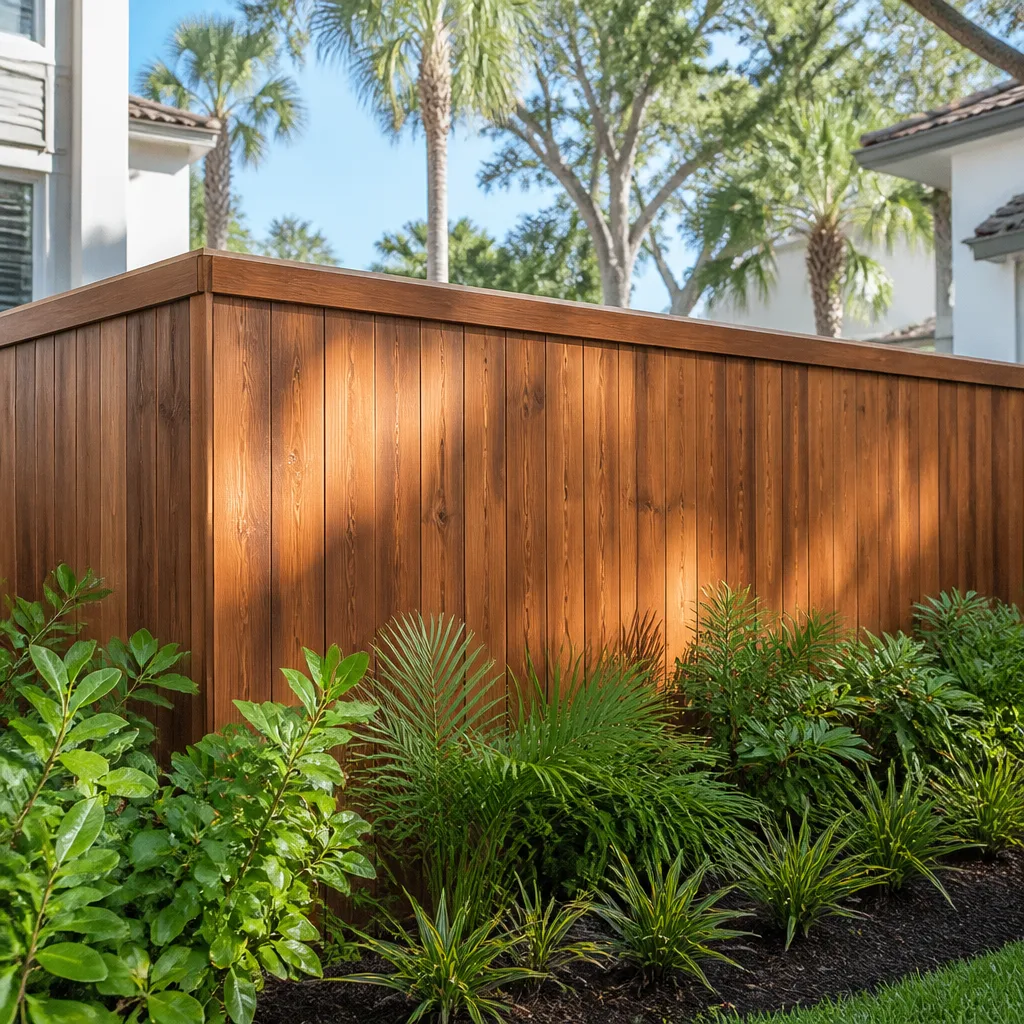
What material you choose affects how much of the project is DIY-viable. Cedar privacy fencing is the most common residential choice in Fort Worth, and it’s the most forgiving for a first-time installer because boards are light enough to handle one at a time. Ornamental steel and aluminum – brands like Ameristar and Jerith – are less DIY-friendly, because panel sections arrive pre-assembled and heavy, and post mounting is usually a bolted steel base rather than a concrete-set wood post.
Composite and vinyl panels are middle ground: lighter than steel, pre-assembled so you’re not nailing individual boards, but the post systems are proprietary and don’t always play well with a DIY install if you’re buying from a big-box retailer. Barrette and Master Halco both make pre-assembled panel systems that work well, but you want to match the panel brand to the post system the manufacturer specifies, or you’ll be drilling extra holes and fighting warranty terms. If you’re mixing brands to save money, check that the manufacturer’s warranty still covers you – many don’t if components are mismatched.
Wood is still the DIY sweet spot. If your heart is set on ornamental steel or a high-end composite, the material cost already pushes the project into a range where professional install is the natural call.
How Fort Worth Climate Affects Your Fence Decision
Fort Worth’s weather is not neutral to your fence. The black clay soil expands when wet and contracts when dry, which means a post set in dry summer conditions and then hit with fall rain can shift if the concrete isn’t deep enough to resist the movement. This is one reason post depth and gravel drainage matter more here than in a sandier soil – and one reason DIY post-setting gets Fort Worth homeowners in particular.
UV is the other factor. North Texas sun bleaches and dries out a wood fence faster than most of the country, which is why we recommend re-sealing every two to three years. A DIY project that skips the sealing step ages visibly by year four. If your fence is already several years old and you’re considering a partial replacement, sealing the remaining sections is worth the weekend.
Wind matters too. Fort Worth gets periodic straight-line wind events and hail, and a fence with a gate that wasn’t properly braced tends to be the first thing to go. If your neighborhood has been hit recently, spot-check gate posts before the next season. For broader structural planning around your home – including fencing built as part of an addition or ADU – home additions & ADU in Fort Worth covers how fence lines get planned into larger projects.
See the difference
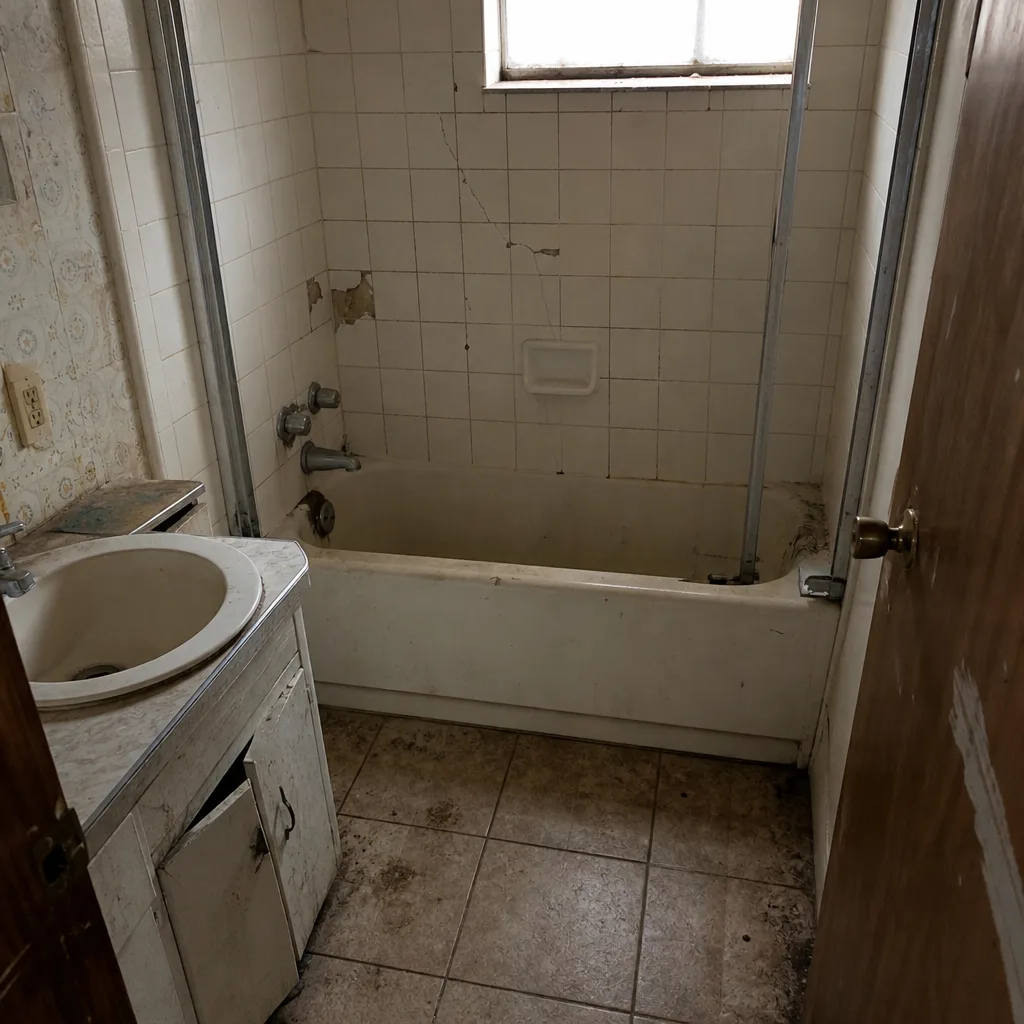 Before
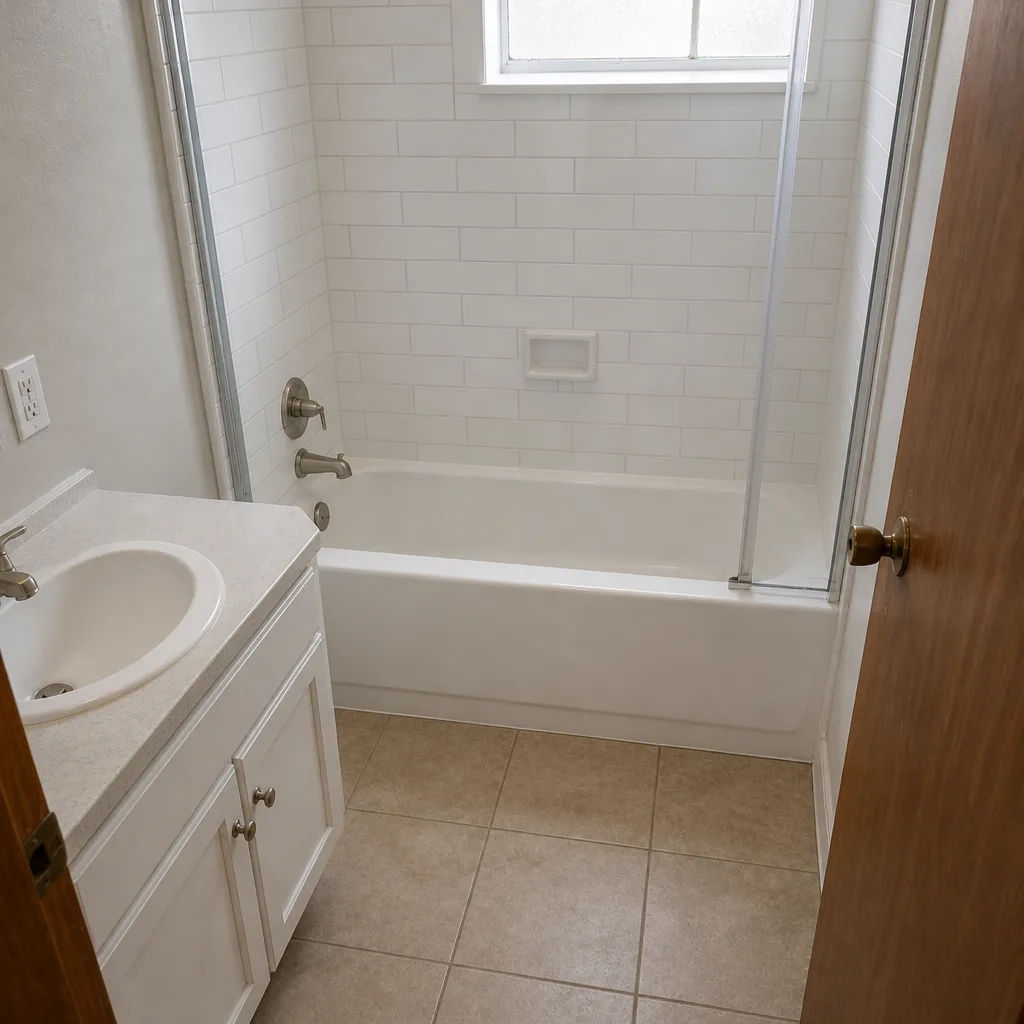 After
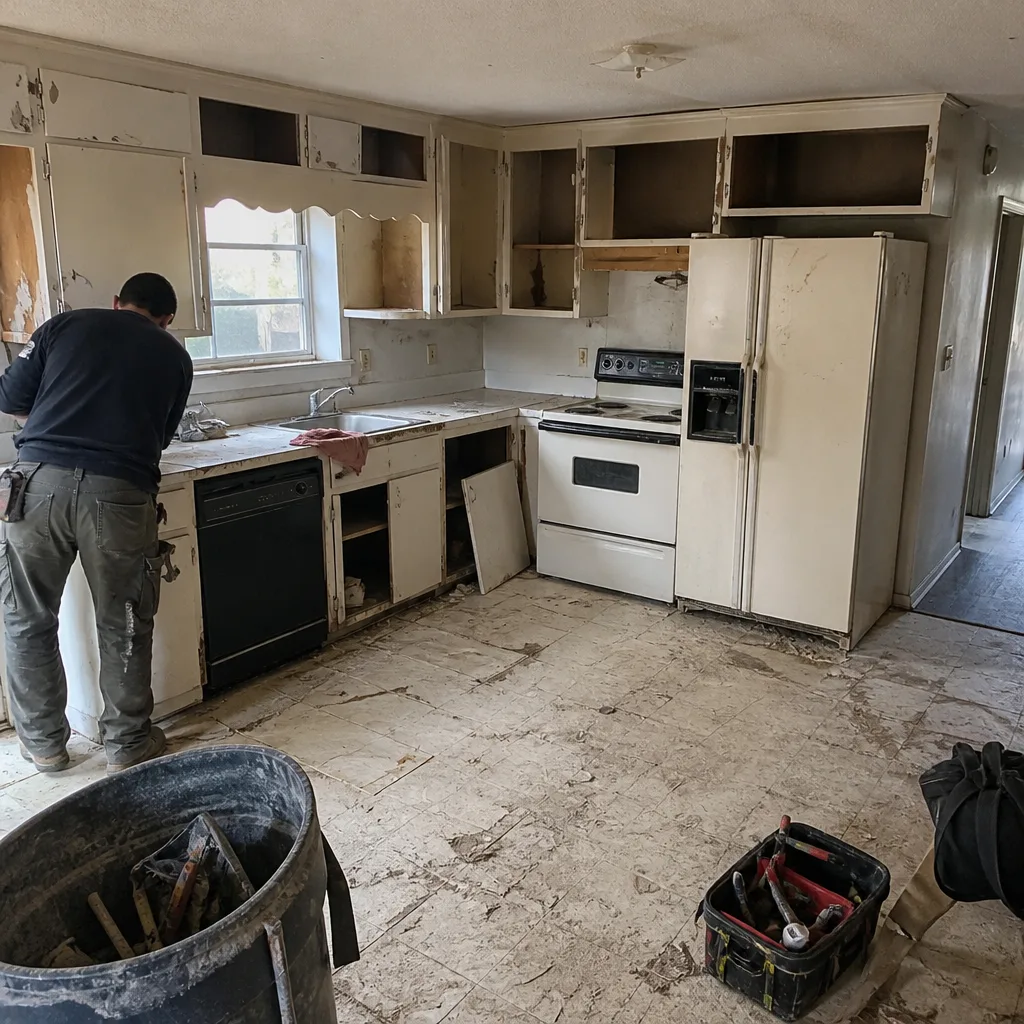 Before
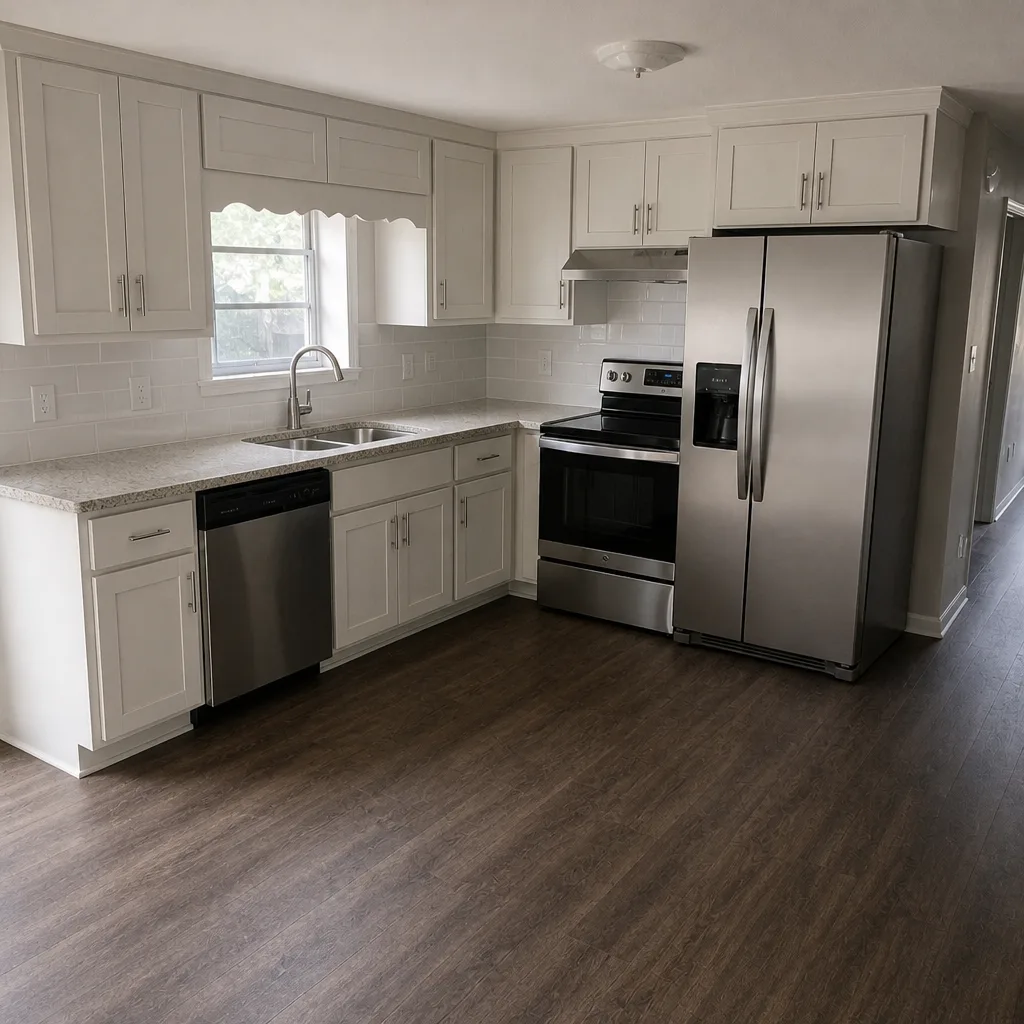 After
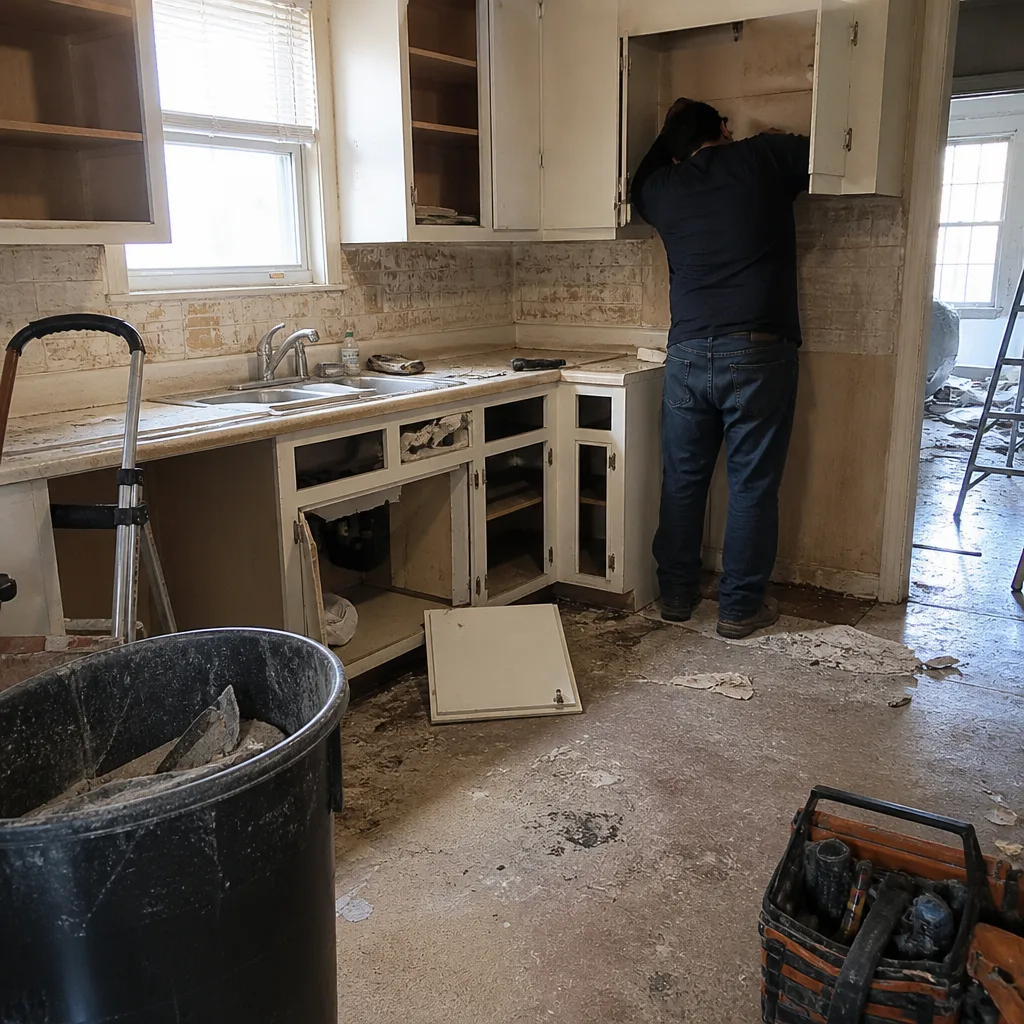 Before
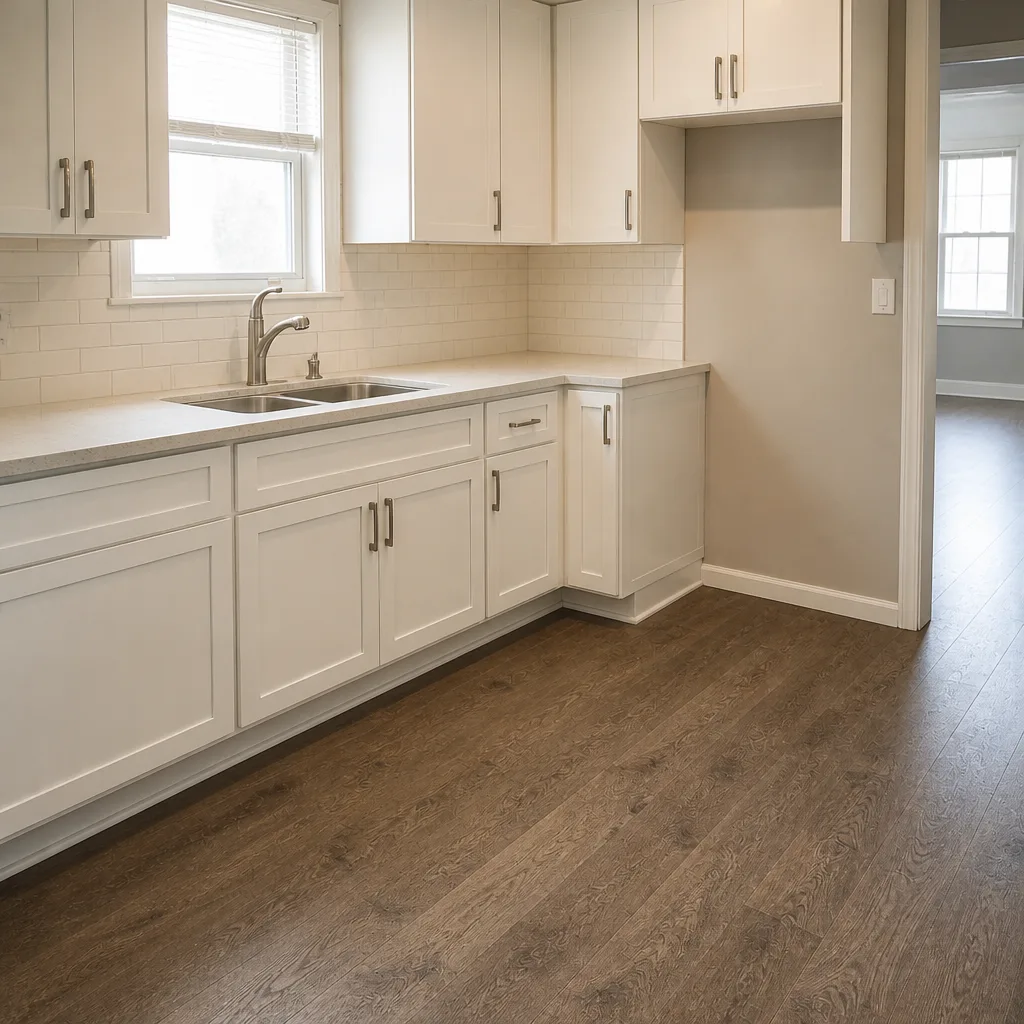 After
Common Mistakes to Avoid
- Setting posts too shallow. In Fort Worth clay, a post set 18 inches deep will heave within a couple of seasons. One-third of the above-ground height is the floor, not the ceiling.
- Skipping the gravel base. Concrete sitting directly on clay traps moisture against the post foot. A few inches of crushed gravel at the base extends post life by years.
- Using the same post size for the gate. A 4×4 gate post in a moving-load position is the most common DIY failure we see. Gate posts need to be heavier.
- Loading the fence before the concrete cures. Twenty-four to forty-eight hours of patience is the difference between a fence that stays plumb and one that leans before the stain dries.
- Not checking the property line. A Fort Worth fence built even a few inches onto a neighbor’s lot is a dispute waiting to happen, and re-surveying after the fact is a real cost.
- Ignoring the corner-lot sight triangle. Corner properties have height limits near the intersection that catch DIYers off guard; check before you buy material.
- Skipping the permit and hoping. Unpermitted work usually doesn’t stop a sale, but it slows one down, and the cost of pulling permits after the fact is higher than pulling them up front.
- Not staining on schedule. A fence installed perfectly and never sealed will look tired in four or five years in Fort Worth. Sealing is the cheapest insurance you’ll buy.
When to Call a Professional
Call a professional when the project involves new post setting across more than a handful of posts, gate framing, a fence in a historic overlay or on a corner lot, or any project where pulling a permit is part of the deal. Also call when the yard has grade changes, drainage channels, or a pool enclosure, since each of those adds structural complexity that a first-time install often gets wrong. And call when the DIY math no longer works – if your tool rental and time estimate push the DIY total to within a few hundred dollars of a professional bid, the warranty and the paperwork are worth the difference.
Groundwork Construction Co. of Fort Worth offers free estimates in Fort Worth – call (855) 912-5373. We answer the phone with a live person around the clock, quote upfront pricing with no change orders after the fact, and every install is covered by our 730-Day Done Right Promise. If it’s not done right, we make it right. Brand partners on fence projects include Barrette, Master Halco, and Ameristar; material selection is part of the estimate.
Frequently Asked Questions
Yes, and many homeowners do – but the DIY-viable range depends on the task. Board replacement, panel swaps, staining, and minor gate adjustments are all reasonable for a careful homeowner with basic tools. Full fence installs that involve setting new posts or hanging gates are where most DIY failures happen, and those are the phases worth hiring out. Call (855) 912-5373 for a free estimate if you want a professional read on your project.
Often not, if it’s a standard rear or side yard fence up to 6 feet tall within setback rules. Front yard fences, fences over 6 feet, corner lots, and historic districts are more likely to require a permit or administrative review. Check your property’s zoning before you buy material – the surprise cost of an unpermitted fence is higher than the permit. Call (855) 912-5373 for a free estimate and we’ll walk through the permit picture for your address.
A standard 150-foot privacy fence with one gate in Fort Worth typically runs $5,500 to $9,000 depending on material grade, site access, gate complexity, and whether a permit is required. Higher-end materials like ornamental steel or composite run higher. Upfront pricing is part of the estimate – the number you see is the number you pay. Call (855) 912-5373 for an exact quote on your fence line.
Rule of thumb is one-third of the post’s above-ground height in the ground, plus 4 to 6 inches of gravel base. For a 6-foot fence on an 8-foot post, that’s about 3 feet of embedment. Gate posts typically need more – 36 to 42 inches. Fort Worth’s black clay makes shallower holes risky, and short posts are the number one cause of a leaning fence. Call (855) 912-5373 if you’d rather have a professional set the line.
Sometimes, yes. If the gate is sagging due to a loose hinge or a missing diagonal brace, tightening hardware or adding a turnbuckle plus a brace is a straightforward fix. If the gate post itself has shifted or was set too shallow, the fix is re-setting the post, which is rarely a DIY-friendly job. A free estimate from Groundwork will tell you which problem you have – call (855) 912-5373.
Usually yes, modestly – a solid fence improves privacy, security, and curb appeal, and buyers value a fence that’s straight, permitted, and clearly maintained. The bigger value driver is that a professionally installed fence with a workmanship warranty passes a buyer’s inspection without issue, which keeps a closing on schedule. A fence that’s visibly leaning or unpermitted is a question at inspection, not an asset. Call (855) 912-5373 for a free estimate if you’re planning a pre-sale fence replacement.
The Bottom Line
The DIY-viable range in fence installation is wider than most home projects, but it stops at post setting and gate framing. Panel swaps, board replacement, hardware, staining, and minor adjustments are within reach for a careful homeowner – and a good use of a weekend. Full installs that involve new posts and a gate are where a fifteen-minute gap in knowledge turns into a leaning fence, a sagging gate, and a call-back that costs more than the original quote. If you’re in that project, an honest estimate is the better first step than a tool rental. Fort Worth clay is real, permits matter more than most homeowners realize, and a straight fence is mostly a geometry problem, not a carpentry one.
Call Groundwork Construction Co. of Fort Worth at (855) 912-5373 for a free estimate. We answer the phone with a live person any hour of the day, quote upfront pricing with no surprises, and back every fence install with the 730-Day Done Right Promise. From foundation to finish line, we handle the layout, the permits, the inspections, and the install – and we walk the finished fence with you before we call it done.
Written by the team at Groundwork Construction Co. of Fort Worth.