Last updated November 18, 2026





Free written scope consultation - allowances, timeline, and change-order rules on paper before a single trade is scheduled
DIY vs Professional Windows & Doors: What’s Safe to Do Yourself
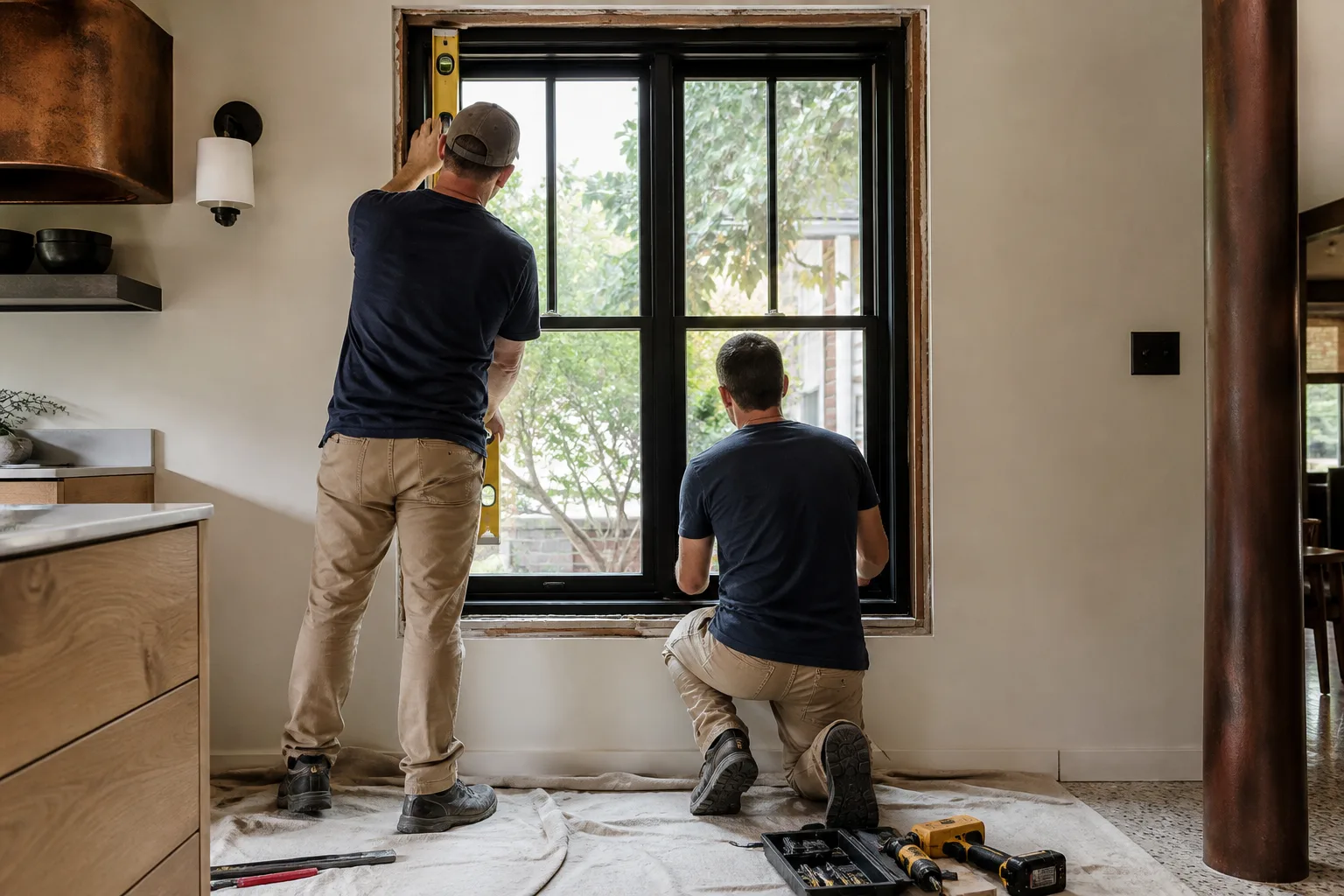
A replacement window install looks like a Saturday project on video: pull the old sash, slide the new unit in, caulk, done. What the video skips is the flashing detail, the taped sill pan, the shimmed frame that keeps the unit square so the sash seals. Skip that and water gets behind the wall cavity. It doesn’t leak the week you install it. It leaks two winters later, four rooms away, when the subfloor around a hallway closet turns soft under your shoe. In Fort Worth, where summer storms dump rain sideways and clay soil shifts under every slab, that timeline can compress fast. This guide sorts window and door work task by task – what you can safely handle, what voids a warranty, and what belongs in the hands of a pro.
Quick Answer
Weatherstripping, door hardware, screen repair, and basic caulking are safe DIY jobs. Full window replacement, door frame reconstruction, and any work that disturbs exterior sheathing or flashing are professional work. In Fort Worth, a full window replacement generally requires a permit, and a DIY installation that fails inspection or leaks can void the manufacturer’s warranty on products that otherwise carry 20+ years of coverage.
Styles & brands we work with
- Kitchen remodeling
- Bathroom remodeling
- Home additions & ADU
- Roofing
- Windows & doors
- Driveway & pavers
- Fence
Table of Contents
- What window and door work is actually safe to do yourself?
- What window and door work should always go to a professional?
- Insert replacement vs. full-frame: which one changes the DIY question?
- Do you need a Fort Worth permit for window replacement?
- How does DIY installation void a window warranty?
- How do you hire a pro for the technical work and do the rest yourself?
- Common Mistakes to Avoid
- When to Call a Professional
What window and door work is actually safe to do yourself?
Plenty of it. The line is drawn at anything that could let water into the wall assembly or change the structural opening. Everything that lives on the surface of an existing, working unit is fair game for a careful homeowner with a few basic tools. These are the jobs we see homeowners handle well – and the ones where the worst-case outcome is a $30 part and another trip to the hardware store, not a rotted wall.
- Weatherstripping a door. Peeling adhesive-backed foam or felt weatherstripping and pressing on a fresh strip is a 20-minute job. It’s the single most cost-effective door repair there is, and it directly cuts the summer cooling bill in a Fort Worth house where the back door faces west.
- Replacing door hardware. Knobs, deadbolts, strike plates, and hinges swap out with a screwdriver. A new deadbolt on an exterior door is a reasonable DIY upgrade.
- Screen repair. Re-screening a window or sliding door with a spline roller and a new roll of mesh is a weekend afternoon. The frames pop out, the mesh rolls in.
- Door sweeps and thresholds. Replacing a worn door sweep keeps insects out and stops the gap that lets hot air in. Thresholds are adjustable with a screwdriver on most doors.
- Caulking exterior trim around an existing window. Re-caulking the joint between the window frame and the siding – without removing anything – is basic maintenance. Use a paintable exterior caulk rated for the temperature swings.
- Lubricating and adjusting window tracks and locking hardware. A sticky sliding window often just needs the track cleaned and a silicone-based lubricant applied. Locks and latches tighten with a screwdriver.
One caution on caulking: if the existing caulk line is pulling open and you can see daylight or a gap behind it, that’s not a maintenance problem – that’s a symptom of water getting in. Caulking over it hides the problem for one season and traps moisture behind the new bead. Call someone before you seal it.
What window and door work should always go to a professional?
This is where a lot of homeowner projects go sideways. Anything that involves opening the wall, cutting structural framing, or rebuilding the waterproofing layer of the exterior assembly belongs to a licensed crew. Not because the work is beyond your intelligence – because the failure mode is invisible and expensive. In our experience across Fort Worth, the calls that start with “I installed it myself and now the drywall’s soft” almost always trace back to flashing.
- Full window replacement (removing the entire existing unit including the frame). Replacing a window in an exterior wall means removing the existing unit and sealing the rough opening with a properly lapped water-resistive barrier, a sloped sill pan, and self-adhering flashing. The flashing must lap in the correct sequence: the sill first, then the sides, then the head. Do it backwards and water wicks in behind the siding.
- Door frame reconstruction or moving a door. Widening an opening, reframing a damaged door jamb, or moving a door means cutting into the wall and possibly the header. This is structural work.
- Anything that disturbs exterior sheathing. The moment you cut or remove sheathing, you own the waterproofing and the structural load path behind it. This is not a homeowner task.
- Framing, header work, or load-bearing wall changes. A window in a load-bearing wall is not a swap – it’s a framing project. In Fort Worth’s older neighborhoods, half the walls you open have conditions nobody expected.
- Sliding door replacement or patio door conversion. Sliding doors are large, heavy, and carry substantial water exposure at the threshold. A poorly set door pan floods the floor below it.
We’ve pulled plenty of Fort Worth units where a previous homeowner installed a window without flashing and the sheathing behind the trim was rotted through. That repair cost more than the original window install would have. If the task touches the wall assembly, it’s pro territory.
Insert replacement vs. full-frame: which one changes the DIY question?
This decision trips up homeowners more than almost any other part of window shopping, and it directly affects whether DIY is even on the table. An insert replacement window (sometimes called a pocket replacement) drops into the existing window frame without removing it. It’s smaller by design, because it nests inside the old frame, which means you lose some visible glass area – typically half an inch to an inch of glass on each side. The existing frame and exterior trim stay untouched. That’s faster and cheaper, and it’s the right choice when the old frame is square and sound.
A full-frame replacement removes everything: window, frame, exterior trim, and in some cases the surrounding siding. The new unit goes in against the rough opening, with a fresh water-resistive barrier, sill pan, and flashing. You get the full glass area back, but the work is significantly more involved and there’s more opportunity for water to get in if any layer is done wrong.
Here’s where it connects to the DIY question. An insert replacement is occasionally within reach of a very confident, very careful homeowner on a ground-floor window – though the waterproofing at the exterior still matters. A full-frame replacement is never a DIY job, because you’re rebuilding the weather barrier around the opening. The only real reason to DIY an insert is to save on labor, and the labor is the cheaper part. The value in the job is in the flashing, taping, and sealing work that makes the window actually perform for 20 years.
On the product side, the two biggest levers in performance are the glass package and the installation detail. We specify Andersen and Marvin units for most Fort Worth work because their warranty language is clear about what installation conditions keep the coverage intact. Every product in a curated lineup like that – the same discipline that puts James Hardie on a siding job – keeps the manufacturer and the installer accountable to the same standard.
Do you need a Fort Worth permit for window replacement?
In most cases, yes. The City of Fort Worth’s Development Services department treats full window replacement as a building permit item, because it involves altering the building envelope and individual openings. Weatherstripping, hardware, screens, and caulking on existing units typically do not require a permit. The dividing line is whether you’re opening the wall or changing the size or location of the opening.
Here’s what the permit covers and why it matters:
- Envelope and egress compliance. A permit inspection confirms the new windows meet energy code for the Fort Worth climate zone and that any bedroom windows still meet egress requirements (the opening size a person could actually escape through in a fire).
- Structural framing if applicable. If any framing is altered, the inspection confirms the opening was framed correctly.
- Installation conformance to manufacturer specs. The inspector is looking at the same flashing and sealing detail the manufacturer’s warranty depends on.
The liability exposure of skipping the permit is real and it runs in both directions. If a later buyer’s home inspection or appraiser flags unpermitted work, the sale can stall or the buyer can demand a price concession that dwarfs what the permit would have cost. If a window leaks and the insurance claim turns on whether the work was permitted and inspected, that’s a hard place to be. On top of that, Fort Worth code enforcement can require you to open up the work for inspection after the fact – which means partially disassembling a finished wall.
We pull permits on Fort Worth window jobs and pass inspection before final walkthrough. Not as a marketing line – as the thing that keeps the work legal and the warranty intact. If your contractor offers to skip the permit to save you money, that’s a red flag, not a discount.
How does DIY installation void a window warranty?
Reliably. This is the part of DIY window work that surprises homeowners the most: a window that carries a 20+ year manufacturer warranty against seal failure will not be covered if the failure traces back to how it was installed. The manufacturer isn’t grading your workmanship on purpose – they’re distinguishing between product defects and installation defects. The product warranty covers the first; the installer covers the second. When a homeowner does the install, the manufacturer covers the product defect and the homeowner covers the installation, and when the two overlap, the claim gets denied.
The most common warranty denial we see on DIY installs:
- Glass seal failure caused by a non-square or improperly shimmed frame. The glass sealant depot relies on the frame staying square. Distort it during install and the sealant fails early – visible as cloudiness between the panes. The manufacturer calls it installation error.
- Water intrusion behind the flashing. Moisture that gets behind a poorly detailed flashing layer voids the water intrusion warranty, because the manufacturer never had a chance to do their part right.
- Failure to follow published install specs. Manufacturers publish install instructions that specify shim placement, fastener spacing, and flashing membrane. Deviating from them is a documented warranty void.
- Missing nail fin or improper nail fin attachment. On a full-frame install, the nail fin is the anchor and the flashing base. Fasten it wrong and the whole envelope story falls apart.
What you keep with a professional install: the manufacturer warranty stays intact, and you add the workmanship warranty on top. Every project we complete is covered by the 730-Day Done Right Promise – if it’s not done right, we make it right. That’s two layers of coverage, versus a single product warranty that a DIY install puts at risk. Built to last, backed in writing – that’s the whole point of going with a pro, not about who can hold a caulk gun.
How do you hire a pro for the technical work and do the rest yourself?
This is the smartest cost-control move in window and door work, and almost nobody talks about it. The technical installation is the expensive, risky half. The prep and cleanup around it is labor you can absolutely do yourself, which shortens the pro’s time on site and trims the bill without touching the part that matters. On a Fort Worth window project, we’ve seen homeowners cut meaningful cost by taking the surface work off the crew’s plate.
Here’s the split that works:
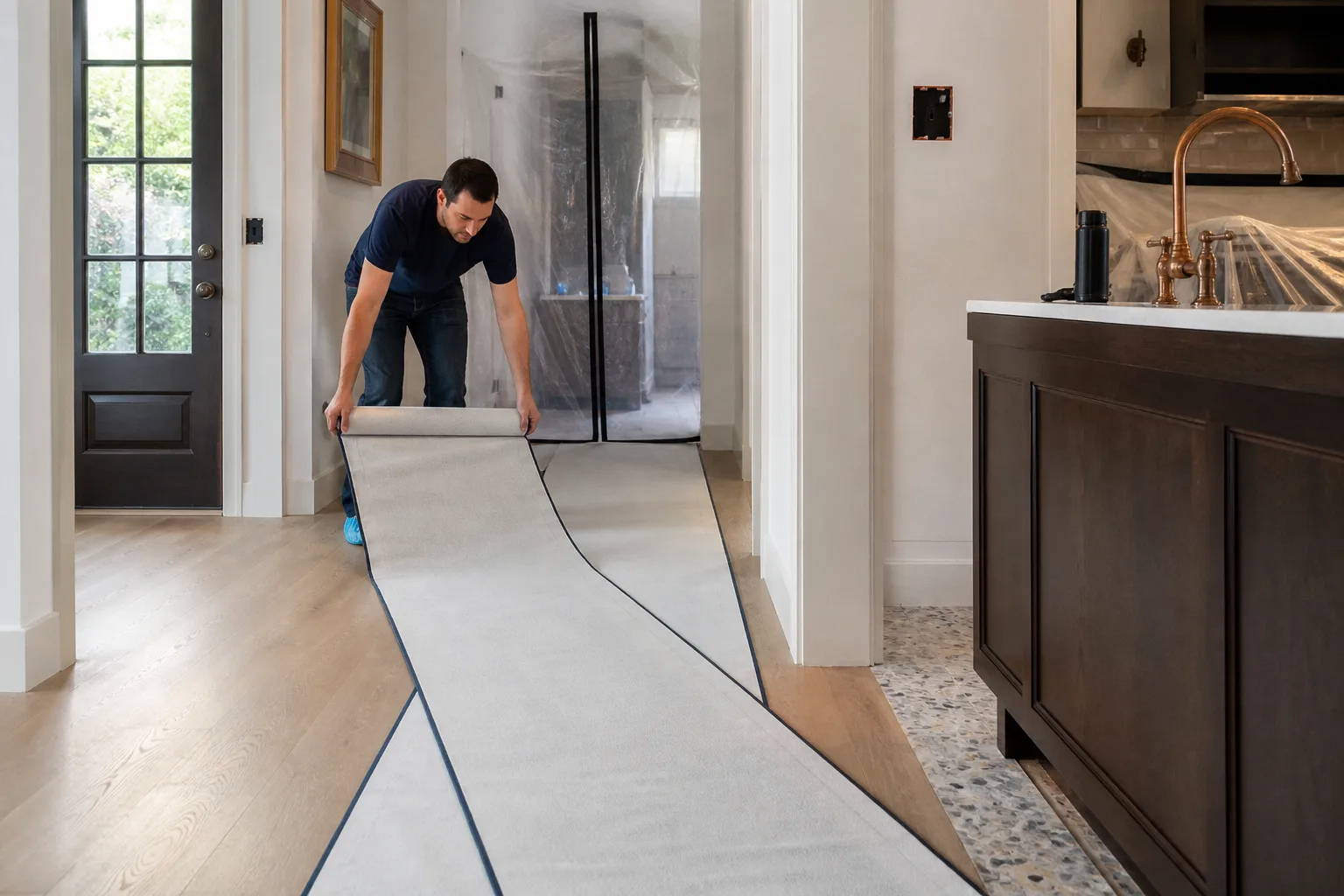
- Clear the work area inside and out. Move furniture, take down curtains and blinds, and clear the outside approach. A crew that doesn’t have to move a sofa and a bookshelf saves an hour per window.
- Remove old treatments and hardware. Pull blinds, curtains, valances, and tension rods yourself before the crew arrives. Handle any door hardware you’re planning to replace yourself – the crew removes the old unit, you install the new knob.
- Do any interior trim or painting you’re confident about. If you’re re-caulking and painting interior trim after install, that’s a reasonable DIY job. The window itself is the pro’s work.
- Haul away or dispose of debris. Most crews will haul off the old windows, but if you have a truck and a dump run in your week, clear that fee off the invoice.
- Re-screen and re-weatherstrip after install. Surface work on a freshly installed window is fine – it’s the structural work that needs to be first.
What you shouldn’t do: supply your own material to save money. Buying a window direct and asking a crew to install it usually means the builder can’t warranty the installation beyond their labor, and the manufacturer may consider a homeowner-supplied product an untested install. There’s a reason we prefer to spec Andersen or Marvin and warranty the install as a package. The margin you save on buying your own window rarely covers the headache of a warranty dispute two years later.
For the outside of the project, we won’t outsource the trim and give you a mismatched look. On a recent Fort Worth project we tied the window replacement into new siding work with James Hardie, and the result reads as one facade instead of a window retrofit sitting on top of old siding. That’s the advantage of hiring one partner for the envelope.
Common Mistakes to Avoid
- Caulking over a compromised flashing detail. If water is already getting behind the siding around a window, a fresh bead of caulk just traps the moisture. Fix the flashing, don’t seal over it.
- Skipping the Fort Worth permit to save the fee. A later home sale, insurance claim, or code enforcement visit can turn a small savings into a large expense. Permits exist to document the work was done right.
- Buying a window direct and having a crew install it. This severs the warranty story. The builder can’t stand behind the product they didn’t supply, and the manufacturer often considers it an untested install.
- Not accounting for the load-bearing wall question. In Fort Worth’s older neighborhoods, window openings in load-bearing walls need a header inspection before any swap. We’ve seen homeowners discover mid-install that the wall wasn’t framed the way the drawing said.
- Replacing the window without replacing the water-resistive barrier around the opening. On a full-frame replacement, the WRB behind the new flashing matters as much as the flashing itself. Don’t skip it.
- Hiring a crew that offers to “skip the inspection.” If a Fort Worth contractor suggests skipping the city inspection, that’s a reason to look elsewhere. The inspection is there to protect you, not slow the job down.
- Doing interior trim restoration yourself when you’re not confident with it. We’re all for the hybrid approach on prep and cleanup. But if the trim work reads as a DIY patch job on a five-figure project, it undercuts the whole investment.
When to Call a Professional
Call a pro if any of the following is true: you’re replacing a full window or a sliding door; you’re touching the wall, framing, sheathing, or flashing; you’re not certain your window opening is in a load-bearing wall; you’re seeing water intrusion or soft drywall around an existing window; or you’re replacing multiple windows across the house. Those are all jobs where the downside of getting it wrong is measured in thousands, not hundreds. Groundwork Construction Co. of Fort Worth offers free estimates in Fort Worth – call (855) 912-5373 and we’ll look at the work, explain what needs a permit, and quote you the job in writing before anyone touches your wall.
See the difference
 Before
 After
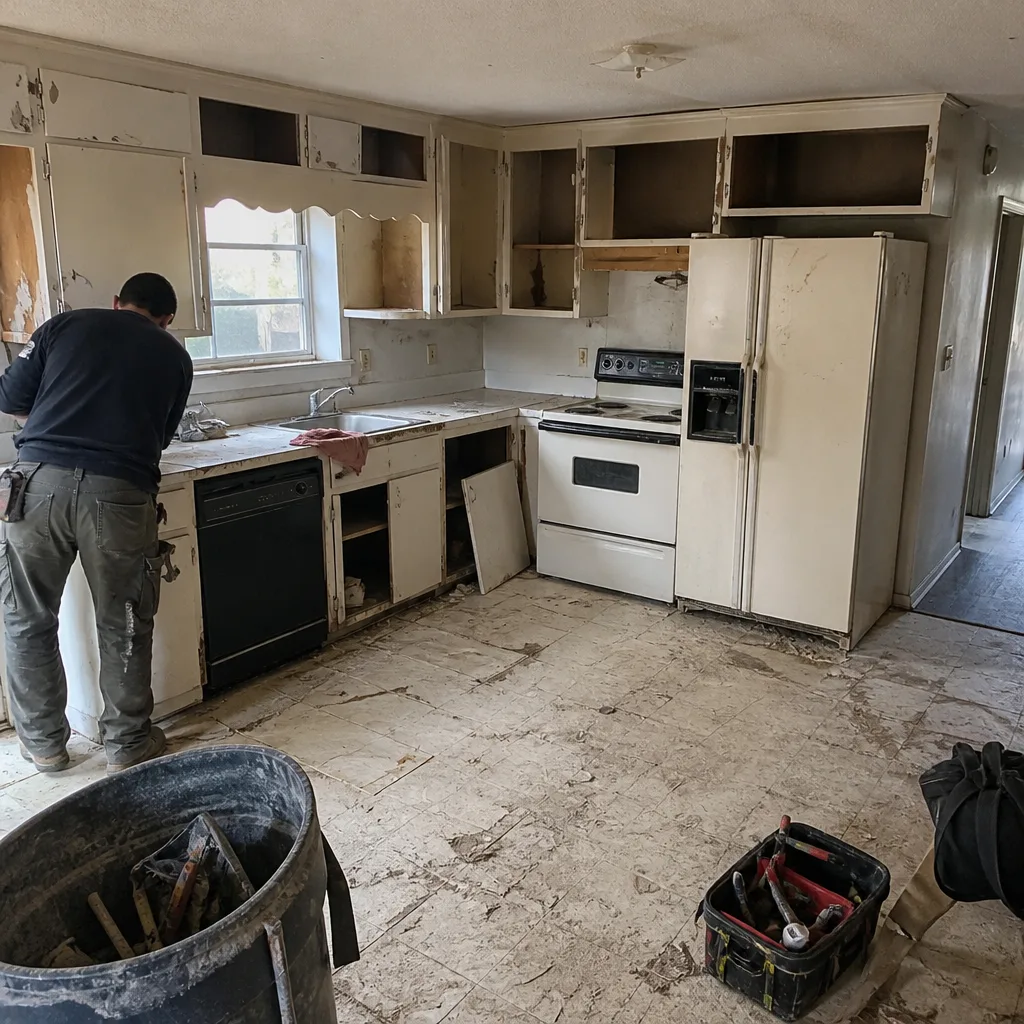 Before
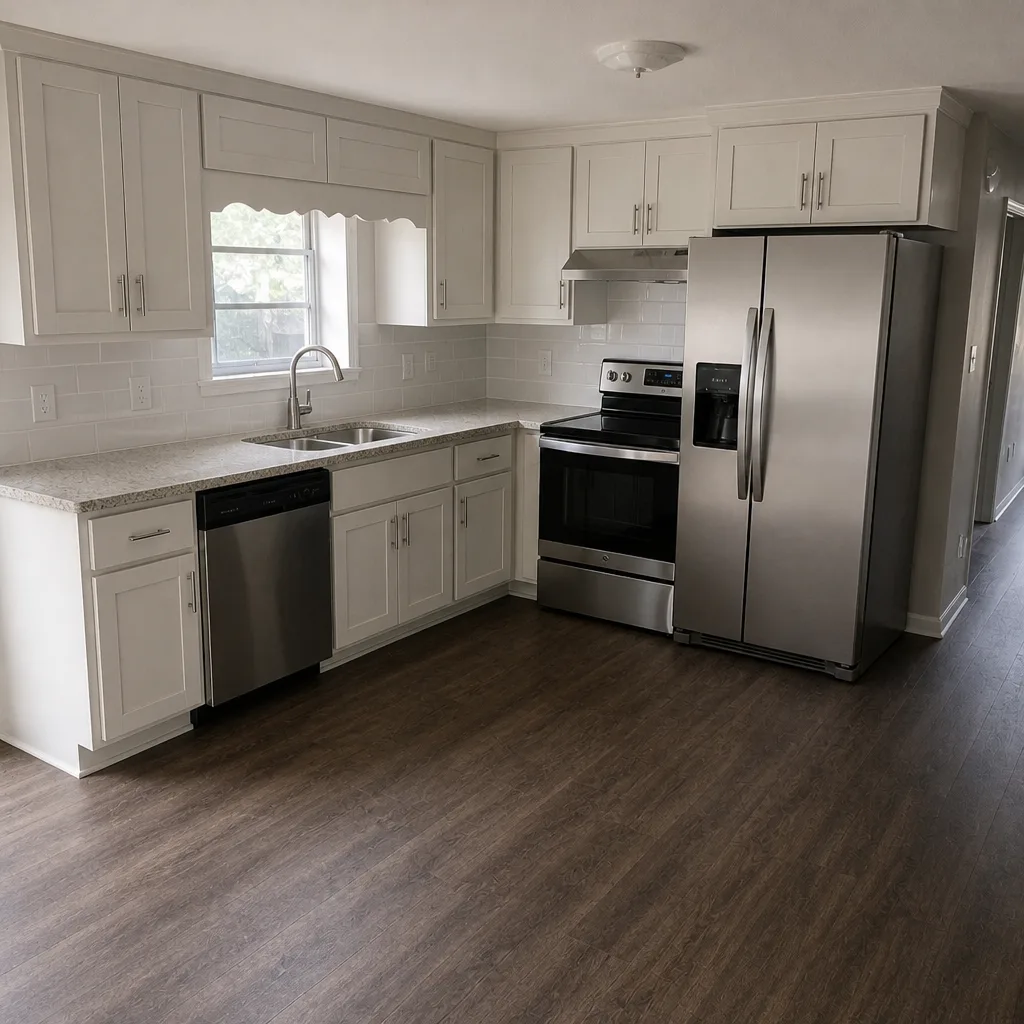 After
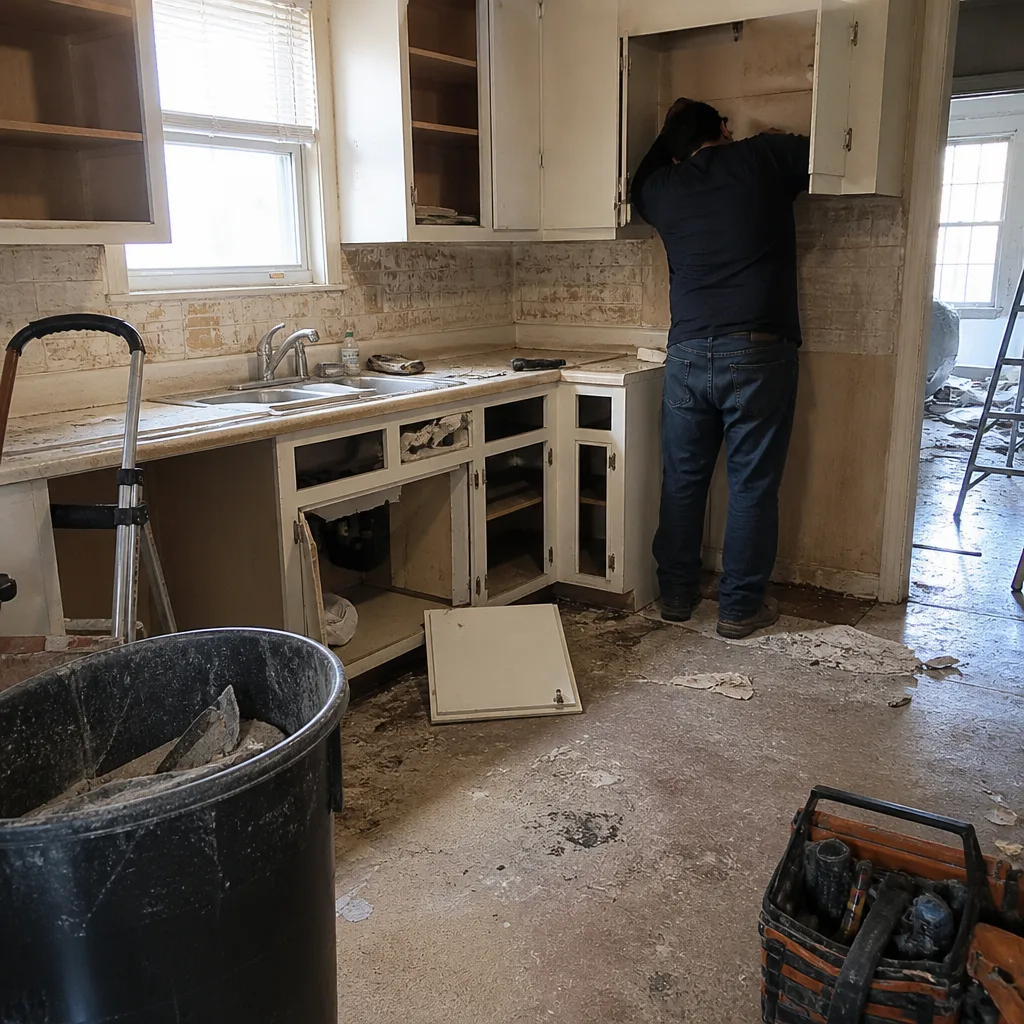 Before
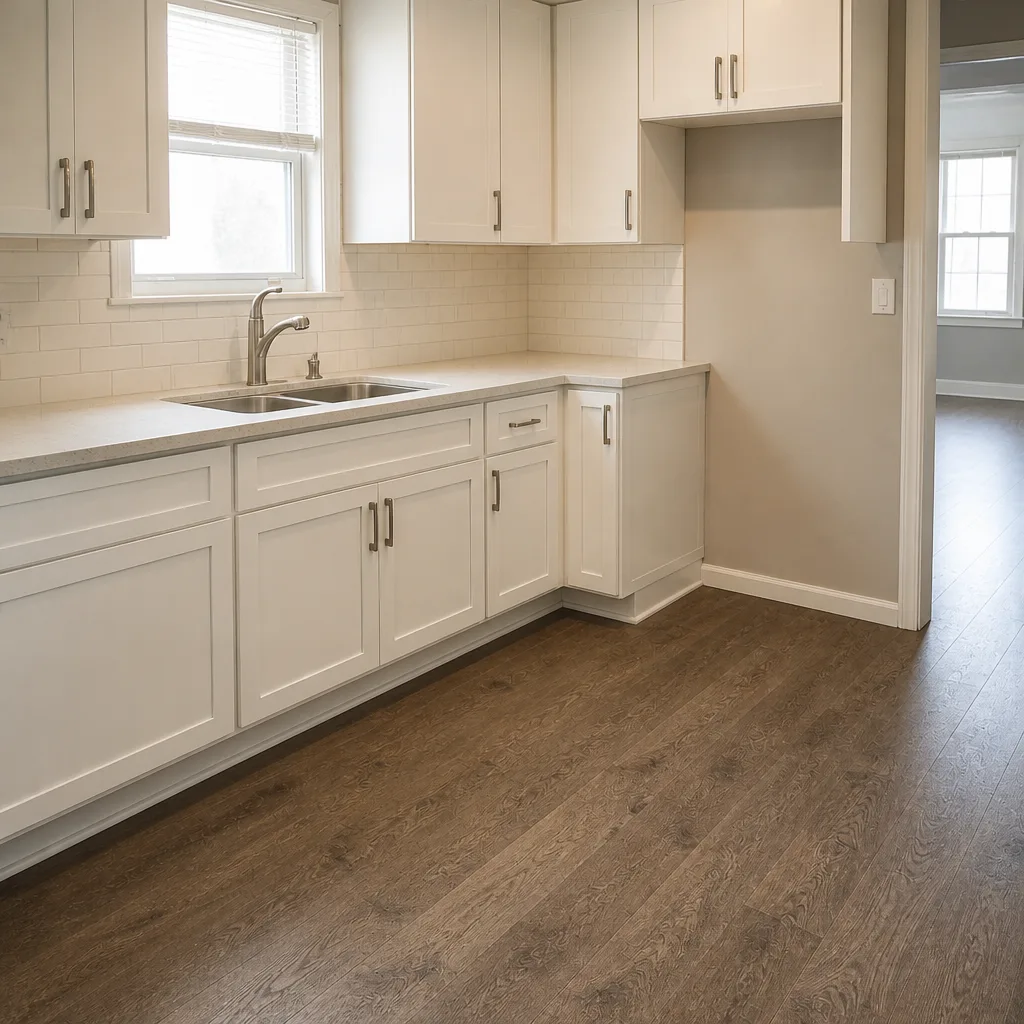 After
Frequently Asked Questions

Legally, you can pull your own permit as a homeowner in Fort Worth for a window replacement on your primary residence. Practically, full window replacement involves redoing the flashing and water-resistive barrier around the opening, and getting that wrong leads to water damage two to three years later that costs more than the install would have. On a ground-floor insert replacement where you’re careful, some homeowners do attempt it; on a full-frame replacement or a window in a load-bearing wall, use a professional.
A typical vinyl insert replacement window in Fort Worth runs roughly $350 to $700 per window installed, while a full-frame replacement or a larger window typically runs $600 to $1,200 per window depending on size and product. The cost of a professional install is the taping, flashing, and sealing work – the part that makes the window perform. Call (855) 912-5373 for an exact quote; estimates are free and itemized in writing.
Very often, yes. Manufacturer warranties cover product defects, not installation errors – so if the failure traces to a non-square frame, improper shimming, or missing flashing, the claim gets denied. Even if you didn’t cause the defect, a manufacturer can decline a claim if the install deviates from their published instructions. A professional install keeps the manufacturer warranty intact and adds the workmanship warranty on top.
Usually, yes. Full window replacement generally requires a building permit through Fort Worth’s Development Services department because it alters the building envelope. Weatherstripping, hardware, screens, and caulking on existing units typically do not require a permit. If your contractor offers to skip the permit, that’s a warning sign – the permit protects you.
Weatherstripping, door hardware (knobs, deadbolts, sweeps), screen repair, threshold adjustment, and re-caulking existing exterior trim are all reasonable DIY jobs with worst-case outcomes measured in tens of dollars. If the task involves removing or cutting the wall, replacing a full window, or rebuilding a door frame, it’s professional work. Call us if you’re uncertain – a free estimate will tell you what’s DIYable and what isn’t.
Handle the surface work yourself: clear furniture and old treatments, take down blinds, install new door hardware post-install, and do any interior trim painting you’re confident with. That shortens the pro’s time on site. Groundwork Construction Co. of Fort Worth also offers 0% financing for 18 months and $1,000 off projects over $10,000 – which can make a multi-window replacement more accessible without compromising on the install. Call (855) 912-5373 to talk through the numbers.
The Bottom Line
Weatherstripping, hardware, screens, and caulking are yours to handle. Full window replacement, door frame work, anything that touches the sheathing or flashing, and any job that alters a load-bearing wall belongs to a professional – both because that’s where the real performance lives and because the permits and warranties back that up. The hybrid approach gets you the best of both: do the prep, cleanup, and surface work yourself; hire a pro for the technical half. That keeps the Fort Worth permit legal, keeps the manufacturer warranty intact, and puts the workmanship on the line for two years through the 730-Day Done Right Promise. For a no-pressure look at your project, explore our Groundwork Construction Co. of Fort Worth home to see how we handle the trades that tie into window and door work – from Fence Installation in Fort Worth to Driveway & Pavers in Fort Worth and Home Additions & ADU in Fort Worth.
Ready to Talk Through Your Project?
Call Groundwork Construction Co. of Fort Worth at (855) 912-5373 for a free, no-pressure estimate. Our technicians have up to 12 years of experience, we pull permits and pass inspection on every Fort Worth job, and we answer every call with a live person, 24/7 – no voicemail, no waiting until Monday. We’ll look at the work, tell you honestly what’s DIY-able, and quote the rest in writing with upfront pricing and no surprises.
Written by the team at Groundwork Construction Co. of Fort Worth.