Last updated November 18, 2026

Free written scope consultation - allowances, timeline, and change-order rules on paper before a single trade is scheduled
Driveway & Pavers Maintenance Checklist for Fort Worth Homeowners
A single August heat wave can expand a concrete paver joint by 3mm. Small enough to ignore. Large enough to let grass roots in. By the following spring, that driveway needs re-sanding at minimum and releveling at worst. We’ve watched this exact sequence play out on driveways all over Fort Worth: not because the pavers were cheap, but because nobody inspected the joints after the summer or after the first freeze. This guide covers the real Fort Worth maintenance calendar, how to tell clay heave from settling from drainage failure, the correct polymeric sand process for North Texas humidity, and the benchmarks that tell you when normal aging has crossed into callback territory.
Quick Answer
Fort Worth paver driveways need four touchpoints per year: a post-summer joint sand inspection in September, a sealing window in October before the first freeze, a post-freeze check in January or February, and a spring drainage review in March. Skip any of those and clay soil movement plus DFW’s UV load will accelerate joint failure, weed intrusion, and edge creep faster than in almost any other U.S. climate. Properly maintained, a paver driveway in Fort Worth should hold its original grade and joint density for 15 to 25 years.
Styles & brands we work with
- Kitchen remodeling
- Bathroom remodeling
- Home additions & ADU
- Roofing
- Windows & doors
- Driveway & pavers
- Fence
Table of Contents
- The Fort Worth Climate Calendar for Paver Driveways
- Clay Soil Heave vs. Settling vs. Drainage Failure: Telling Them Apart
- The Right Way to Re-Sand Joints in North Texas Humidity
- When and How to Seal Pavers in Fort Worth
- Which Cleaners Damage Paver Sealant in High-UV Environments
- What a Properly Installed Paver Driveway Looks Like After 5 Years
- Your Seasonal Inspection Checklist, Month by Month
- Repair Signals: When Maintenance Stops Being Enough
The Fort Worth Climate Calendar for Paver Driveways
Most paver maintenance advice online is written for a mild, wet climate. Fort Worth is neither. Our summers push surface temperatures on a west-facing driveway past 140°F, our winter freezes arrive fast and thaw fast, and our clay soil expands and contracts with every wet-dry swing. That combination means paver maintenance here is not a “when you think about it” chore. It’s a calendar.
Here’s what we tell every Fort Worth homeowner after a new installation or a maintenance reset:
- Late September, post-summer inspection. Walk the driveway and check for sand depth in the joints. DFW’s summer UV cycle expands joints and loosens the polymeric sand binder more than any other season. Any joint that’s more than 1/4 inch below the paver chamfer needs topping off.
- October, sealing window. Sealant needs 48 to 72 hours of 50°F-or-above temperatures with no rain to cure. October in Fort Worth typically gives you a two-to-three-week window that fits. Push it into November and you gamble on a cold front; push it into September and you’re sealing over a still-expanding surface.
- First deep freeze, post-freeze check. Typically late December through early February. Any joint that cracked or lifted during the freeze needs sand refill and a compaction check before the next rain.
- March, drainage and edge review. Spring storms in Tarrant County can dump two inches in a couple of hours. Check that water still sheds toward the street or a drain, that edge restraints haven’t crept, and that no grass has rooted into a joint from the winter.
Spring is too late to catch winter damage because the freeze damage has already compromised the joint base by the time the weeds show up. The inspection that matters is the one in January, not the one in April. We see more driveway repairs in Fort Worth triggered by skipped January inspections than by any other single cause.
Clay Soil Heave vs. Settling vs. Drainage Failure: Telling Them Apart
Three different problems. One identical symptom from the driver’s seat: a driveway that’s no longer flat. Homeowners call us constantly because a paver section near the garage has lifted or a run near the street looks wavy. The fix for each is completely different, and guessing wrong is expensive.
Clay soil heave
Heave is a rise. Fort Worth sits on expansive clay that swells when it absorbs water and shrinks when it dries. If a section of your driveway has pushed upward – typically a 3-to-8-foot stretch, often near a downspout, a low spot, or the garage slab – that’s the clay beneath the base pushing up after a wet cycle. Heave tends to be seasonal, meaning it looks worst after a wet spring and better by late summer. Don’t confuse it with settling.
Settling
Settling is a dip. It usually traces back to base compaction, poor subgrade prep at installation, or a slow leak from an irrigation line under the driveway. Settling does not reverse with the seasons; if a section dips in March and dips the same amount in September, the ground has moved and stays moved. Re-sanding won’t fix it. The area needs to be lifted, base re-compacted, and pavers reset.
Drainage failure
Drainage failure looks like ponding, joint sand washing out at the low edge, or efflorescence streaks only in one zone. The pavers themselves may be flat and correctly set – the problem is slope, an undersized drain, or a downspout dumping onto the drive. This is the easiest of the three to diagnose (check the slope with a two-foot level after a rain, not before) and the cheapest to correct if it’s caught early.
Here’s the point. All three problems show up as “my driveway looks off.” Only one requires re-lifting pavers. If you’re in the Ridglea or Westover Hills area and your driveway has shifted seasonally, heave is a likely suspect. If you’re in a newer development out toward Aledo or Haslet and the dip never reverses, that’s settling. If you’re seeing water where you didn’t see it before, that’s drainage. A contractor who diagnoses without checking which of the three they’re looking at will sell you the wrong repair.
The Right Way to Re-Sand Joints in North Texas Humidity
Most polymeric sand guides were written for the Pacific Northwest or the Northeast. They say “sweep it in, mist lightly, done.” That approach in a Fort Worth July produces mud in the joints that never fully cures, and a muddy joint fails by October. Here’s the process we use in DFW, and the reasons behind each step.
- Do it in the morning on a dry, 70-85°F day. Above 85°F, the sand begins to skin over before you finish sweeping. In North Texas, that means you re-sand in September or early October, not in the middle of August.
- Clean the joints down to 1/8 inch below the paver surface. A shop vac with a narrow nozzle and a stiff wire brush gets it done. Any old sand residue left in the joint stops the new polymeric binder from locking to the paver walls.
- Dry-fit the sweep, don’t pre-wet. Pour the polymeric sand, sweep it into the joints with a soft push broom (not stiff – stiff brooms gouge joints), and vibrate it down with a plate compactor set on low. Most DIY guides skip the vibration step. In Fort Worth clay, that step is what prevents the sand from settling 1/2 inch the first time it rains.
- Two-light-mist hydration, not a soak. Once the joints are full and the pavers are swept clean, mist with a fine spray until the sand darkens – light enough that you see the color change, not enough to pool water. Wait 10 minutes. Mist again. That’s it.
- Let it cure 24 hours before walking on it, 48 before driving. Humidity matters here. A dry October day in Fort Worth cures in 24; a humid late-September day needs the full 48. Don’t shortcut this – the additives in polymeric sand are moisture-activated, and too much water in high humidity kills the binder.
Polymeric sand typically reapplication interval in Forth Worth is every 2 to 4 years depending on traffic, tree cover, and how well the original installation was compacted. If your driveway is under oak canopy in Arlington Heights, expect the shorter end of that range – leaf litter and shade both slow drainage and speed joint failure.
When and How to Seal Pavers in Fort Worth
October is the sealing window in Fort Worth. That’s not a rough guess – it’s the only month where 48-to-72-hour cure temperatures reliably hold above 50°F, rain frequency is low, and the pavers have finished their summer expansion cycle. Seal in July and the pavers will still be expanding under the sealant; seal in December and you gamble on a cold front killing the cure. If you had a new driveway installed in the spring, the earliest sealant window is the following October.
Two sealant types dominate the residential market:
- Penetrating sealers soak into the paver surface and don’t build a film. They leave a natural look, don’t yellow under UV, and are easier to touch up. Most Fort Worth homeowners should use a penetrating sealer unless they specifically want a wet-look finish.
- Film-forming sealers build a visible sheen and can trap moisture if applied to a still-curing driveway or in high humidity. In DFW’s UV load, film sealers need re-application every 2 to 3 years and will yellow if the wrong product is used on a light-colored paver.
Sealing does not fix a bad joint. It locks the joint in. If you seal a driveway with 1/2-inch-deep joints, the sealant bridges them and the next freeze cracks the bridge. Clean, re-sand, then seal. Always in that order.
Which Cleaners Damage Paver Sealant in High-UV Environments
Fort Worth’s UV index regularly runs 10 or 11 in June and July. That’s not a small detail for cleaning – high UV accelerates sealant breakdown, and some homeowners make the mistake of fighting the resulting haze with cleaners that strip the sealant entirely. Here’s the short list of what not to use on a sealed paver driveway in DFW:
- Bleach-based deck washes. They strip the sealer aggressively and leave streaks on both concrete pavers and clay pavers. Skip them.
- High-pressure washing above 2,500 PSI. Above that threshold, you’re embedding sand out of joints and lifting sealer at the edges. A 1,500-2,000 PSI unit with a 25-degree tip is the ceiling.
- Muriatic acid in any concentration. It etches pavers, kills the sealant, and the runoff is a code issue in many Tarrant County municipalities. This is not a homeowner product.
- Citrus-based “green” degreasers in summer. They’re fine in winter, but in high-UV summer, they can interact with UV-degraded sealer and leave a milky haze that’s expensive to remove.
What works in Fort Worth: a pH-neutral paver cleaner diluted per the manufacturer’s instruction, a 25-degree pressure tip at 1,500-1,800 PSI, and a light soft-brush agitation on oil or rust spots. That’s it. Rinse thoroughly and let the surface dry 48 hours before assessing whether you need to seal again. Efflorescence – the white haze that shows up on paver surfaces – is a mineral salt migrating out of the base, not dirt. A pH-neutral cleaner won’t remove it; a specific efflorescence remover will. Don’t confuse the two, and don’t seal over efflorescence. You’ll trap it in.
What a Properly Installed Paver Driveway Looks Like After 5 Years
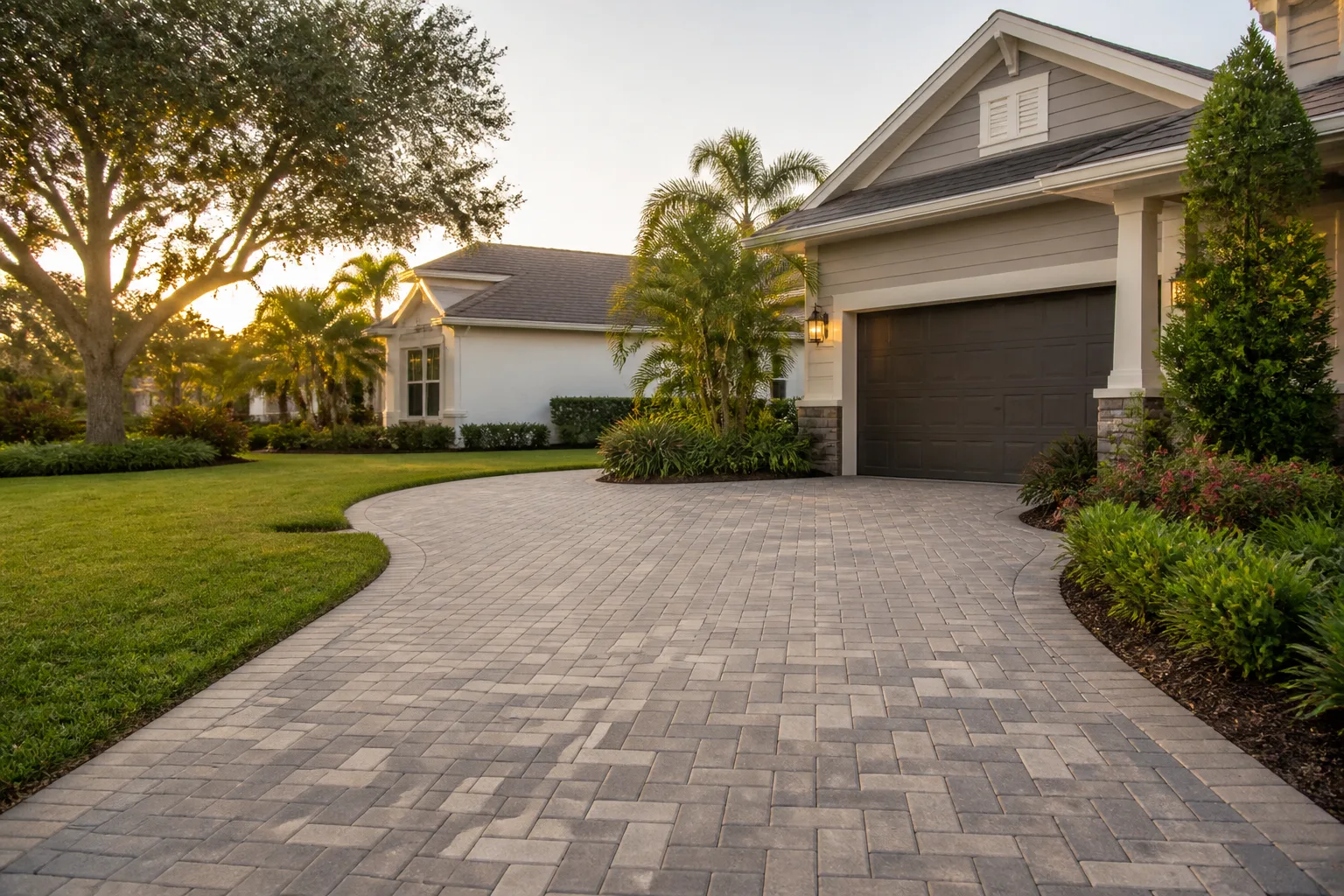
Homeowners often ask us what “normal” looks like so they know when normal aging has crossed into callback territory. Here’s the baseline from driveways we’ve inspected and from installations we stand behind under the 730-Day Done Right Promise. A five-year-old driveway in Fort Worth – installed correctly, maintained per the calendar above – should show:
- Joint depth: sand sitting 1/16 to 1/8 inch below the paver chamfer, consistent across the driveway. If you’re topping off more than once a year, the sand base under the joint is failing.
- Grade: the same slope it had at installation. A two-foot level laid mid-drive should show 2-3% fall toward the street or a drain. If that number has grown or shrunk by more than 1/2 percent, something under the pavers has moved.
- Surface: light, even color, some edge-chamfer wear where tires track, no color leaching. A slight darkening near the garage or a downspout is normal; streaks that persist in January are not.
- Edge restraints: intact and locked. If you can wiggle the pavers at the driveway’s street edge by hand, the restraint has failed and needs resetting before the pavers spread.
- Weeds: zero to two small spots across the whole drive. More than that, the joint sand is gone in more places than you can see.
- Efflorescence: none persistent. If you’re seeing white haze every spring, the subgrade is wicking moisture and the installation drainage needs review.
If your five-year-old driveway is missing three or more of these benchmarks, the problem isn’t maintenance. It’s installation. That’s the point at which a callback to the original contractor is warranted – or, if the original contractor is gone, an inspection and repair plan from a Fort Worth team that will stand behind the correction. This is also where cheap “installer specials” turn into expensive fixes later, which is why we only work with brand partners like Belgard on the paver side and why our installations are backed in writing.
Your Seasonal Inspection Checklist, Month by Month
Print this. Keep it in the garage. It’s the checklist we walk through on our own Fort Worth driveway maintenance calls.
- March: Walk the driveway after a rain. Check for ponding. Check edge restraints at the street. Remove any weeds by the root, not by pinching the top.
- April-May: Look at the joint depth along the tire tracks. This is where the first sand loss shows up. Top off with matching polymeric sand, not generic silica.
- June-August: Don’t seal. Don’t pressure-wash above 2,000 PSI. Light cleaning only. Watch for sealant haze on west-facing sections – that’s UV wear, and it’s the signal that a re-seal is due.
- September: Full post-summer inspection. Joint sand depth, edge restraints, and any new cracks or lippage. Line up your re-sanding and sealing for the next 4-6 weeks.
- October: The sealing window. Re-sand if needed, seal, and cure 48-72 hours. Re-sand before sealing, never after.
- November: Confirm the driveway sheds water away from the garage and that downspouts are discharging away from the drive, not onto it.
- December-February: First deep freeze inspection. Any lifted, cracked, or hollow-sounding pavers – log them now, don’t fix them in freezing weather. Schedule the correction for March.
Repair Signals: When Maintenance Stops Being Enough
Some problems aren’t maintenance. They’re repair. The signs that a Fort Worth driveway has crossed that line:
- Paver movement underfoot. If a paver rocks when you step on it, the base has failed under that paver, and re-sanding won’t fix the movement.
- Lippage over 1/4 inch. Trip hazard and a sign that a section has heaved or settled beyond the point where a simple re-level will hold.
- Edge spread. If the pavers are pushing out toward the street or the garage slab, the edge restraint has failed. This is the number one cause of “my driveway is getting wider” and it’s fixable – but it needs to happen before the pavers crack under a car’s weight.
- Recurring winter heave in the same zone every year. Seasonal swelling that returns to flat in the summer is nuisance. Swelling that stays high year over year has crossed into repair.
- Efflorescence that returns every spring no matter what you do. That’s a drainage or subgrade problem, not a surface stain.
Repair costs range widely depending on scope. Local and sectional repairs on a Fort Worth paver driveway typically run $450-$1,800 for a re-lift and re-set of a defined area; a full re-sand and re-seal runs $1.20-$2.50 per square foot; and a full driveway replacement runs far higher. What matters is making sure a contractor diagnoses which of those you actually need – heave, settling, or drainage – before quoting. We give written line-item quotes on every job for exactly that reason. If you’re pricing a broader paver project, the Driveway & Pavers in Fort Worth page covers installation scope and material options in more detail.
Common Mistakes to Avoid
- Sealing in August. The pavers are still expanding under the sealer, and the sealant will craze by the first freeze. October in Fort Worth, not August.
- Misting polymeric sand like the YouTube videos show. Those videos were filmed in Oregon. Two light mists, not a soak. In DFW humidity, extra water produces mud that never cures.
- Treating heave and settling as the same problem. Heave needs a different fix than settling, and a contractor who doesn’t check which is which will sell you the wrong one. Insist on diagnosis first.
- Pressure-washing above 2,500 PSI. It embeds the joint sand and lifts the sealer at edges. Half the “my pavers look old” complaints we see in Fort Worth start with an over-aggressive pressure-wash.
- Skipping the January freeze inspection. The freeze damage is invisible in April and expensive by May. One walk in January saves hundreds in the spring.
- Sealing efflorescence. The white haze looks like a stain. It’s a mineral. Sealing traps it in permanently.
- Re-sanding without cleaning the joint first. New polymeric sand won’t bond to old sand residue. The joint looks fine for two months and then fails.
If you’re thinking about other outdoor upgrades that share the same maintenance calendar – fence line, outbuildings, storm drainage around an addition – the Groundwork Construction Co. of Fort Worth home page touches all seven of our service lines, and the Fence Installation in Fort Worth and Home Additions & ADU in Fort Worth pages go deeper on those adjacent projects, since they often get planned alongside a driveway re-do. If a detached garage or backyard structure is on your list, companies like Abodu and Cover make prefab ADU options worth pricing, though routing drainage from those structures onto an existing driveway is exactly the kind of thing that needs to be planned before the pavers go down.
See the difference
 Before
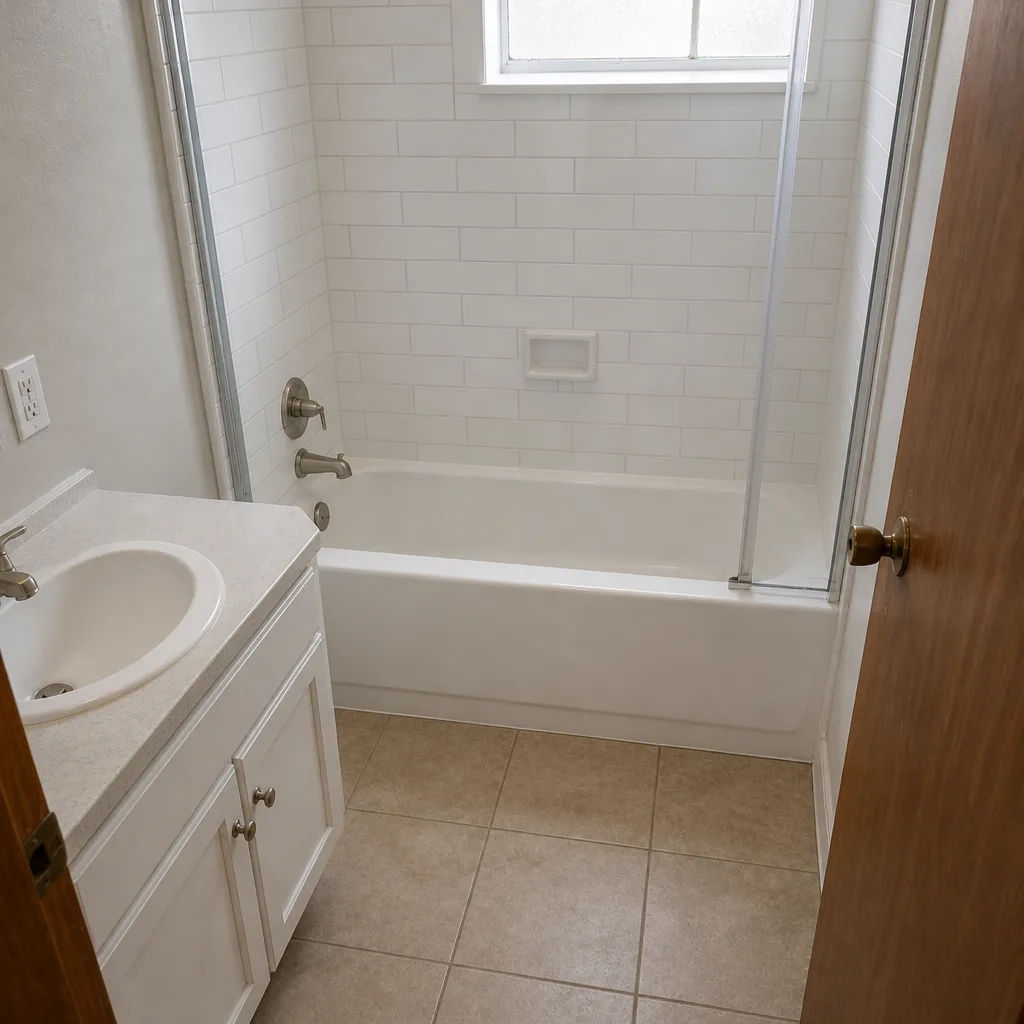 After
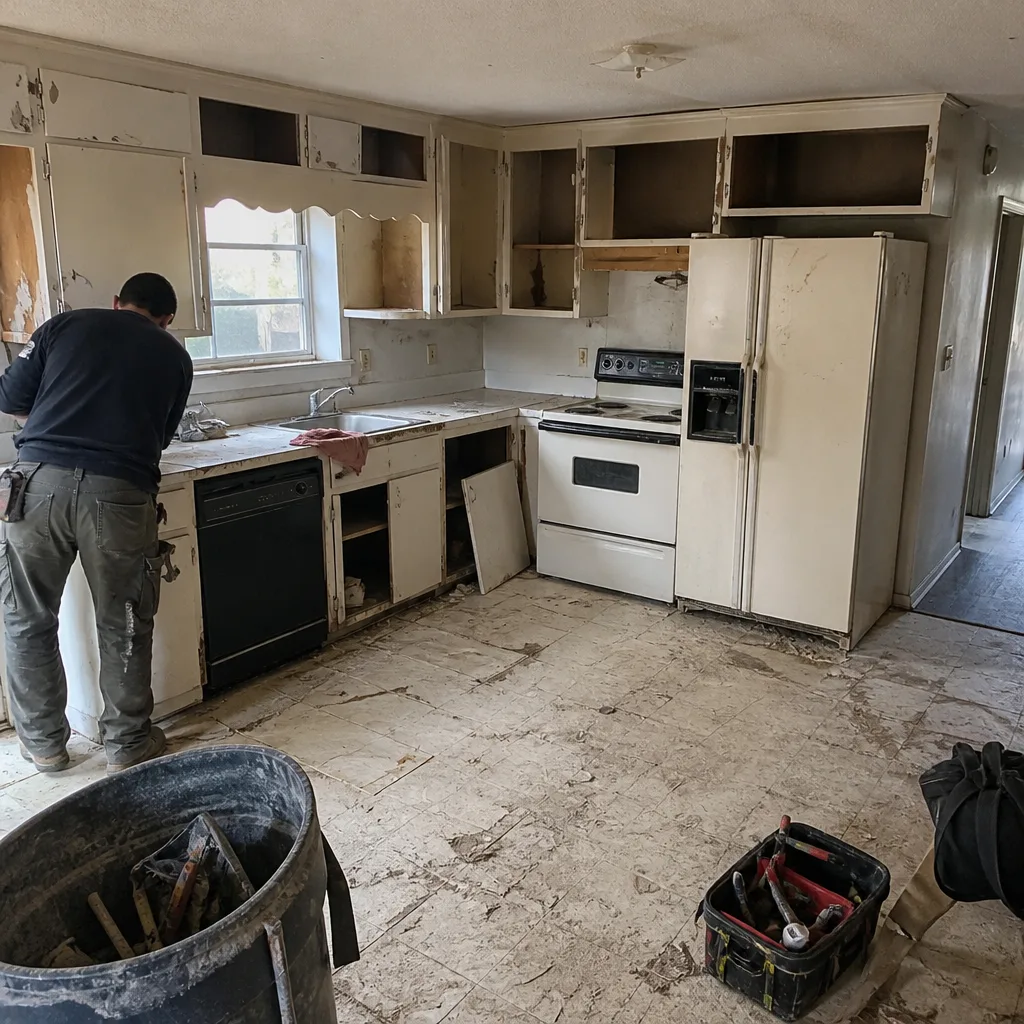 Before
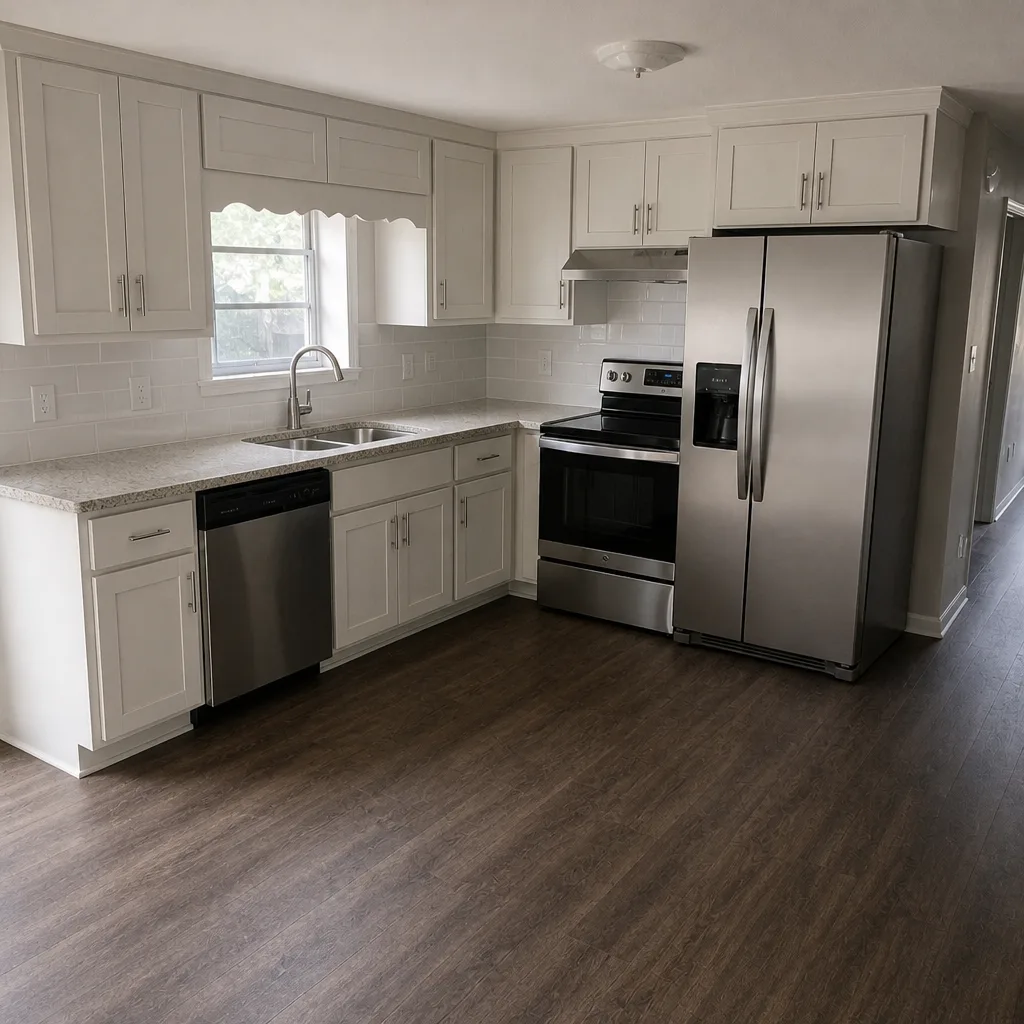 After
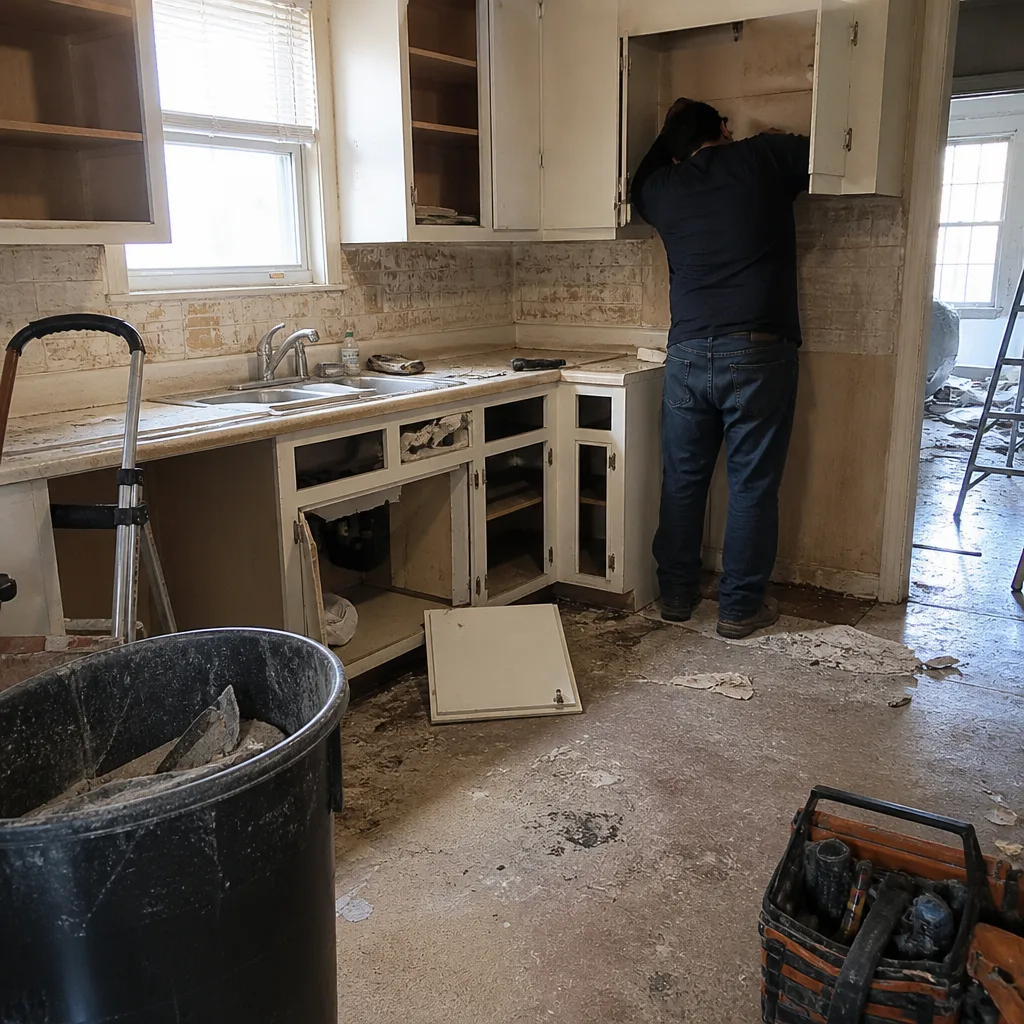 Before
 After
When to Call a Professional
Call a professional when you see any of the following: paver movement underfoot, lippage over 1/4 inch, edge restraints that wiggle, recurring heave in the same zone every winter, or efflorescence that returns every spring no matter what cleaner you try. Also call if the driveway is over 15 years old and has never been re-sanded or sealed – at that point a full inspection and maintenance reset pauses a much larger repair. Groundwork Construction Co. of Fort Worth offers free estimates in Fort Worth. Call (855) 912-5373 and we’ll walk the driveway with you, diagnose which of the three problems you’re actually looking at, and give you a written line-item quote. Live person on every call, 24/7. Upfront pricing, no surprises – the number you see is the number you pay.
Frequently Asked Questions
Every 2 to 4 years for most Fort Worth driveways, with a partial top-off every September and after the first deep freeze. Driveways under heavy oak canopy or with high traffic volume need re-sanding closer to the 2-year end. If you’re re-sanding more than once a year, the joint base is failing and needs inspection – call (855) 912-5373 for a free estimate on the diagnosis.
October. That’s the month when Fort Worth reliably holds 48-72 hours of 50°F-and-above temperatures with no rain, and the pavers have finished their summer expansion cycle. Sealing in August traps expansion; sealing in December risks a cold front killing the cure. Call (855) 912-5373 to schedule a free estimate – we’ll confirm the sealing window for your specific driveway.
Heave pushes pavers up and reverses with the seasons; settling dips them down and stays down year-round. Test it by walking the same section in March and again in September – if the rise has come and gone, that’s heave from Fort Worth’s expansive clay. If the dip is the same both times, that’s settling. Call (855) 912-5373 for a free estimate – the two need different fixes, and guessing wrong is expensive.
Yes, at 1,500-2,000 PSI with a 25-degree tip. Above 2,500 PSI you’ll embed the joint sand and lift the sealant at the edges, which is the fastest way to make a Fort Worth driveway look old. Never use muriatic acid. Use a pH-neutral paver cleaner and let the surface dry 48 hours before deciding whether to re-seal. Call (855) 912-5373 for a free estimate if the driveway needs more than a wash and re-seal.
15 to 25 years with proper maintenance, and often longer on a well-compacted base with correct drainage. The failure mode in Fort Worth is not the paver – it’s the joint sand and the edge restraint. Keep the joints full, keep the edges locked, and keep water shedding toward the street, and the pavers themselves will outlast the driveway’s other components. Call (855) 912-5373 for a free estimate if the driveway is over 15 years old and has never had a maintenance reset.
Yes, when the scope requires it. Driveway replacement that affects the right-of-way or the street cut typically requires a permit through the City of Fort Worth, and new driveway approaches in the public right-of-way do as well. We pull permits and pass inspections on every job where they apply, and we handle the scheduling and inspection walkthroughs so you don’t have to. Call (855) 912-5373 for a free estimate – we’ll tell you upfront what permitting your specific project needs.
No. Our quotes are written line-item and fixed. If scope changes because we open up the base and find a condition nobody could see from the surface – like failed subgrade or a broken irrigation line – we stop, walk you through it, and re-quote before doing anything. The 730-Day Done Right Promise covers the workmanship, and the number you see is the number you pay. Call (855) 912-5373 for a free estimate with no-hassle upfront pricing.
The Bottom Line
Fort Worth paver driveways fail from skipped seasonal maintenance, not from bad materials. The calendar is straightforward: post-summer inspection in September, sealing window in October, freeze check in January, drainage review in March. Diagnose heave, settling, and drainage failure before quoting a fix – they look identical and need different solutions. Re-sand with the correct North Texas polymeric sand process (two light mists, not a soak), skip the acid and high-pressure blasts, and know your five-year benchmarks so you can tell normal aging from a callback. Do those four things and the driveway that needs a re-sand in year 4 won’t need a replacement in year 12. The 730-Day Done Right Promise, upfront pricing, live person on every call 24/7, and background-checked uniformed technicians on every project are the standards we hold on every Fort Worth job.
If your driveway is ready for a free estimate, call (855) 912-5373 today. We’ll walk the driveway with you, diagnose what’s actually going on, and give you a written line-item quote with no surprises. Ask about 0% financing for 18 months and the $1,000 off projects over $10,000 while you’re on the call – both are standing offers, not seasonal specials.
Written by the team at Groundwork Construction Co. of Fort Worth.