Last updated November 18, 2026
Free written scope consultation - allowances, timeline, and change-order rules on paper before a single trade is scheduled
DIY vs Professional Home Additions & ADU: What’s Safe to Do Yourself
Most homeowners who ask us about DIY additions are perfectly capable people. They can run a miter saw, they’ve tiled a backsplash, and they’re wondering where the line actually sits. Here’s the part that surprises them: in Fort Worth, that line isn’t drawn around skill. It’s drawn around permits, licensed trades, and what gets disclosed when you sell. Unpermitted work becomes a defect on a seller’s disclosure, and it can stall or kill a closing years after the project is finished. Decisions you make with a hammer this spring follow the deed into every future transaction. This guide separates the finish work you can genuinely handle from the structural, mechanical, and envelope work that will cost you far more than you save.
Quick Answer
You can safely DIY the finish work in an addition or ADU: painting, cabinet installation, interior trim, non-structural shelving, and landscaping. You should not DIY anything structural, electrical, plumbing, HVAC, or tied to the building envelope (framing, foundation, roofing, windows and doors, waterproofing) because Texas law requires licensed trades for those systems, and unpermitted or unlicensed work can void warranties, fail inspection, and create a disclosed defect that follows the property.
Styles & brands we work with
- Kitchen remodeling
- Bathroom remodeling
- Home additions & ADU
- Roofing
- Windows & doors
- Driveway & pavers
- Fence
Table of Contents
- Where Texas Draws the Legal Line
- What Owner-Builder Status Actually Permits
- The Genuinely Safe DIY Scope
- The Warranty Voiding Trap
- Fort Worth Inspection Reality
- A Real Cost-Benefit Framework
- Sequencing DIY Around a Professional Build
- Common Mistakes to Avoid
- When to Call a Professional
- Frequently Asked Questions
Where Texas Draws the Legal Line
Texas doesn’t license general contractors statewide, and that fact gets misread constantly. People hear “no GC license required” and assume the whole project is open season. It isn’t. The state licenses the individual trades, and Fort Worth issues permits against those licensed trades for anything that touches structure or a building system. The general contractor role is unlicensed; the plumber, electrician, and HVAC technician working under it are not.
Here’s the practical breakdown of what legally requires a licensed professional in Fort Worth:
- Structural work – foundation, framing, load-bearing modifications, and shear wall details all require engineered plans and permitted inspection. This isn’t a licensing question so much as a design and inspection question.
- Electrical – any new circuit, panel work, or wiring in an addition or ADU requires a licensed electrician and a permit. The permit is pulled by the licensed contractor, not the homeowner.
- Plumbing – new supply lines, drain lines, gas lines, and fixture rough-in all require a licensed plumber. Gas work in particular creates a real safety hazard if it’s done wrong, and it’s a hard line.
- HVAC – sizing, ductwork, and refrigerant lines for a new conditioned space require a licensed HVAC contractor. An undersized system is a common and expensive failure we see in Fort Worth additions.
- Building envelope – roofing, waterproofing, flashing, exterior windows and doors. This one is less about licensing and more about inspection and warranty. Envelope failures don’t show up for two or three years, and by then the water has been inside the wall for a while.
Notice what’s not on that list: paint, finish carpentry, cabinetry, flooring, landscaping. There’s real room to work. The trick is staying inside it.
What Owner-Builder Status Actually Permits
Owner-builder status is a real thing in Texas, and it gives homeowners more latitude than most people realize. If you own the property, you can pull certain permits in your own name and act as your own general contractor for the project. You can hire and schedule your own subs, manage the budget, and coordinate the trades. Some homeowners genuinely do this successfully on additions.
What owner-builder status does not do is bypass the licensed trades. You can be your own GC, but you still cannot personally perform electrical, plumbing, HVAC, or structural work that requires a license, and you still cannot sign off on those inspections yourself. You’re the general contractor, not the electrician. That’s the whole distinction.
We’ve watched this play out dozens of times across Fort Worth. Owner-builder projects go sideways in three predictable ways:
- Scheduling collapse. A licensed electrician has his own jobs stacked up. If you’re calling him cold, you’re going to the back of the line behind contractors he works with every week. We’ve seen owner-builder additions in Fort Worth sit three weeks waiting on a rough electrical inspection slot.
- Inspection re-work. The electrical rough-in fails because the homeowner specified the wrong box count or the wrong circuit layout. The fix is easy; the rescheduling isn’t, and every trade behind it slides.
- Warranty exposure. If a sub you hired yourself installs something wrong, the warranty conversation is between you and that sub. When a general contractor is on the project, that conversation is between the homeowner and the GC, and the GC carries it.
Owner-builder status works best for homeowners who genuinely have the time to manage it, a reliable bench of subs, and the flexibility to absorb a few weeks of delay. It’s not a shortcut. It’s a different job.
The Genuinely Safe DIY Scope
This is the part of the conversation most contractors skip, and we’re not going to skip it. There is real, meaningful finish work on an addition or ADU that you can do yourself, do well, and save money on – as long as it’s sequenced correctly and stays inside the walls and floors the licensed trades have already closed out.
The work that’s genuinely safe to DIY:
- Interior painting. Walls, ceilings, trim – all of it. On a $60,000 addition, painting runs somewhere in the $4,500 to $9,000 range in the Fort Worth market depending on square footage and ceiling height. This is one of the largest single finish line items, and it’s one of the easiest to handle yourself if you’re willing to put in a few weekends.
- Cabinet installation. If the cabinets are already delivered and the walls are already finished, hanging them is finish work. This assumes the layout has been designed, the blocking is in place, and the electrical rough-in (for under-cabinet lighting) is already complete. Cabinet install on a mid-size kitchen runs $2,800 to $5,500 in labor.
- Interior finish trim. Baseboard, crown, door casing, and window trim. This is detail work where patience beats speed, and a homeowner willing to spend the time often does it as well as a trim carpenter. Interior trim labor on a 400-square-foot addition typically runs $1,200 to $2,400.
- Non-structural shelving and closet systems. Closet organizers, garage shelving, floating shelves that attach to finished drywall or into blocking. No framing, no anchors into anything questionable.
- Landscaping and yard restoration. Sod, beds, mulch, shrubs – anything that doesn’t touch drainage or grading against the foundation. On a Fort Worth ADU, landscape restoration can run $1,500 to $4,000, and it’s a DIY-friendly line item for anyone willing to do the work.
Notice what all of these have in common: none of them touch the building envelope, the structure, or a permitted system. That’s the test to use when you’re wondering about something that isn’t on the list. If the work is inside the finished envelope, aft of the trades, and doesn’t affect a warranty on a covered system, it’s probably fine. If any of those three fail, call a professional.
The Warranty Voiding Trap
This is where a “cheap” DIY save turns into a full replacement three years down the road, and it’s the trap most homeowners don’t see until it’s sprung.
Most manufacturer warranties on products installed in a new addition or ADU – roofing, windows, siding, HVAC equipment, waterproofing – contain language that voids coverage if the product was installed by someone who isn’t a licensed or authorized professional. GAF and Owens Corning roof warranties are the classic example. The homeowner version of those warranties is dramatically shorter than the contractor version, and if the roof is installed by an unlicensed party, some of the coverage goes away entirely. The same dynamic shows up with window and door manufacturers like Andersen and Marvin, with exterior siding, and with waterproofing membranes in wet areas. The warranty exists only as long as the installation was done to the manufacturer’s specification by someone who was accountable to it.
Here’s what that means on real numbers. A Fort Worth homeowner we worked with replaced a 12-by-20 section of roof on an addition himself to save about $2,400. The underlayment was installed without the manufacturer’s specified lapping over the ice-and-water barrier. Two seasons later, water got behind the wall during a hail-driven rainstorm and rotted out the sheathing and a section of interior drywall. The repair came to $11,400, the manufacturer denied the claim because the installation wasn’t by a licensed contractor, and the homeowner’s policy declined to cover it because the failure traced to improper installation. That’s a $9,000 net loss on a $2,400 “save.”
The pattern repeats across systems. Save $1,200 wiring outlets yourself and void the electrical warranty on a $2,800 line item. Save $800 installing a mini-split and void the equipment warranty. Save $1,500 installing vinyl or composite fencing and lose the manufacturer’s material coverage. On a project with a five-figure or six-figure budget, the potential warranty loss dwarfs the labor you’d save.
One thing worth being clear about: the 730-Day Done Right Promise that covers Groundwork construction work applies to work we perform and professionally install. It doesn’t extend to finish work you handle yourself after our portion closes out. That’s true of every contractor, and it’s worth knowing up front so you can plan the DIY scope deliberately rather than discovering the boundary mid-project.
Fort Worth Inspection Reality
Fort Worth’s permitting process for additions and ADUs runs through multiple inspection phases, and each phase requires specific sign-offs. The most common source of delay we see is a homeowner who does the DIY portion at the wrong phase and then can’t get past an inspection.
Here are the inspection phases and who has to sign off on each:
- Foundation inspection. Passed before the slab pour. The contractor, not the homeowner, signs off.
- Rough framing and structural. Framing, sheathing, and shear wall nailing are inspected before insulation and drywall. The framing has to match engineered plans. No owner-builder DIY here – this inspection is where framing shortcuts get caught.
- Rough electrical, plumbing, and mechanical. Each is a separate inspection, and each is signed by the licensed trade that installed it. This is a hard line in Fort Worth – a licensed electrician signs the electrical rough; the homeowner cannot.
- Insulation and weather barrier. Inspected before drywall. This is where envelope failures show up if the installation was sloppy.
- Final building inspection. Everything is inspected together. If the finish work (interior trim, painting, fixtures) is in place and something in the finished work is wrong, the inspector can’t verify what’s behind it.
- Certificate of Occupancy (CO). The CO is issued only after all prior inspections pass. Until the CO issues, the addition or ADU is legally unusable – and it can’t be financed, appraised, or sold as livable square footage.
This is the Fort Worth-specific reality that matters most: if a DIY mistake on a permitted system causes an inspection to fail, the CO timeline moves, and every trade and every subsequent inspection slot moves with it. On a nine-month addition, a two-week CO delay is two weeks of extra carrying costs on construction financing, two weeks of not being able to move in, and on a rental ADU, two weeks of lost rental income. That’s real money even when the re-work itself was small.
Which is the reason we recommend – and every honest contractor should – that the DIY scope be sequenced after final inspection and CO. The finishes you want to do yourself go in after the professional portion is signed off. That way, if you take longer than expected on the paint or the trim, you’re not holding up the CO.
A Real Cost-Benefit Framework
Here’s how the numbers actually break down. We’ve worked with enough Fort Worth homeowners on additions and ADUs to see the patterns, and the DIY savings are not distributed evenly across a project. They cluster in a few categories and evaporate in others.
A typical 400-square-foot addition or ADU in Fort Worth lands somewhere in the $155,000 to $240,000 range depending on foundation type, site conditions, and finish level. Here’s where the DIY line items sit within that:
- Interior painting. Professional cost typically $4,500 to $9,000. DIY savings if you do it yourself: $3,600 to $7,200 (the paint itself still costs you). Savings are real and risk is low.
- Cabinet installation (mid-size kitchen or ADU kitchenette). Professional labor $2,800 to $5,500. DIY savings $2,200 to $4,400. Savings are real; risk is moderate (a bad cabinet install shows, but doesn’t fail inspection).
- Interior finish trim. Professional labor $1,200 to $2,400. DIY savings $1,000 to $2,000. Savings are real; risk is low.
- Landscape restoration. Professional $1,500 to $4,000. DIY savings $1,200 to $3,200. Savings are real; risk is low.
- Electrical (outlets, fixtures, panel). Professional $4,200 to $8,500. DIY savings would be $3,500 to $7,000 if it were legal to do yourself – it isn’t. Realistic DIY savings: $0.
- Plumbing. Professional $5,800 to $11,200. Realistic DIY savings: $0.
- HVAC. Professional $8,500 to $16,500. Realistic DIY savings: $0.
- Roofing. Professional $6,500 to $13,500. Realistic DIY savings: $0 (and the warranty dynamic above).
- Foundation and framing. Professional $38,000 to $72,000. Realistic DIY savings: $0.
What that framework shows: the total realistic DIY savings on a $200,000 addition in Fort Worth is somewhere between $8,000 and $16,800, almost all of it sitting in painting, cabinetry, trim, and landscaping. The structural, mechanical, electrical, and plumbing systems – roughly $65,000 to $115,000 of the project – have no legal DIY path, and attempting one carries warranty exposure and inspection risk disproportionate to any dollar amount saved.
The Fort Worth homeowners who get the most out of DIY are the ones who deliberately scope it: “We’ll do the paint, we’ll do the landscaping, and we’ll let the trades handle the rest.” That’s a meaningful save on a project they’d otherwise have to finance the full amount of, and it carries none of the warranty or inspection risk. The ones who get burned are the ones who try to save on systems that are legally locked. That’s where the money disappears.
Sequencing DIY Around a Professional Build
The most important thing about DIY on a permitted project isn’t which tasks you handle – it’s when you handle them. Sequence wrongly and you’ll hold up inspections, delay the CO, and end up doing the work twice because trades have to come back through. Sequence correctly and the DIY runs in parallel with the professional close-out in a way that actually saves you time and money.
Here’s the sequence that works:
- Site and foundation (professional). Nothing DIY happens until the foundation is poured and inspected.
- Framing and structural (professional). The framing inspection has to pass before any interior work begins.
- Rough electrical, plumbing, mechanical (professional). Each trade installs and passes their inspection separately. No DIY overlap here.
- Insulation, weather barrier, drywall (professional). Drywall goes up, finishes are taped and floated.
- Final building inspection (professional). Everything gets inspected. The structure and systems are signed off.
- Certificate of Occupancy issued. The addition or ADU is legally usable.
- DIY begins. Now paint, cabinet install, trim, and landscaping can happen without any risk of holding up the CO.
There’s one exception to that sequence worth knowing. Landscape restoration can genuinely run in parallel with the closing phases of a professional build, because it doesn’t affect any inspection. If you want to start the landscape work while the interior finishes are still going in, we’ve never seen that cause a problem. Just make sure you’re not disturbing drainage or grading against the foundation.
When the project is scoped up front with a professional, the contractor can sequence the finish-work close-out so the DIY lines don’t bottleneck anything. That’s a planning conversation, not a change order. It’s a good thing to raise in the initial design consult, when the schedule is still flexible.
Common Mistakes to Avoid
- Starting a permitted system before checking whether it’s permissible. We’ve seen Fort Worth homeowners rough in for under-cabinet lighting themselves and then discover at inspection that any new circuit requires a licensed electrician. The fix is cheap. The CO delay is not.
- Declaring DIY after the professional portion closes out. Telling the contractor mid-project that you want to take over electrical to “save a few grand” usually means redoing the rough-in to satisfy an inspector. It sounds like savings. It’s re-work.
- Treating the manufacturer warranty as automatic. It isn’t. A roof, window, or siding warranty only exists if the installation followed the manufacturer’s spec by a licensed party. Save $1,200 on labor, lose $8,000 on a warranty claim – the math rarely works.
- Ignoring the Fort Worth climate reality on the DIY work. North Texas humidity and summer heat are hard on anything painted or installed outdoors. Exterior paint projects need to be done at the right time of year and with the right substrate prep, or they peel within a couple of seasons. Paint at the wrong temperature in August and you’ll be recoating by the following summer.
- Skipping the CO before moving furniture in. It’s tempting – the space is finished, the drywall is up, why wait? Because occupying an addition or ADU before CO is a permit violation, and it lands on the seller’s disclosure when you list the property. Wait for the CO.
- Assuming the DIY savings scale with the project size. They don’t. On a $200,000 project the realistic save is $8,000 to $16,800. On a $400,000 project, it’s the same range, because the systems that aren’t DIY-able grow with the project and the finish items don’t proportionally.
- Doing the DIY scope without telling the GC. The contractor needs to know what’s yours and what’s theirs, because it affects the warranty, the schedule, and the final close-out walkthrough. Surprise DIY is a bad surprise for everyone.
When to Call a Professional
Call a professional the moment the work touches structure, a permitted system, or the building envelope – full stop. In Fort Worth, that means framing and foundation, electrical, plumbing, HVAC, roofing, waterproofing, exterior windows and doors, and anything that requires an inspection. Call a professional if you’re not certain what the permit requires. Call a professional if the warranty on a covered material is at stake. Call a professional if a DIY mistake would delay your CO and cost more in carrying costs than the labor save.
Groundwork Construction Co. of Fort Worth handles the full scope from foundation to finish line – permits pulled, inspections passed, licensed trades scheduled, and a 730-Day Done Right Promise behind every project. Our technicians have up to 12 years of experience, arrive uniformed and background-checked, and answer to a written warranty most contractors won’t match. We work with a curated portfolio of top-tier material brands on every project – KraftMaid and Cambria in kitchens, GAF and Owens Corning on roofs, Andersen and Marvin on windows, Master Halco and Ameristar on fence lines – so material choice is about quality, not availability.
Groundwork Construction Co. of Fort Worth offers free estimates in Fort Worth – call (855) 912-5373. Live person, 24/7. Upfront pricing with no surprises. And for the finish work you’re planning to handle yourself, we’ll scope it into the schedule so it doesn’t hold up the close-out.
Frequently Asked Questions
Yes – if you own the property, Texas allows owner-builder status, which means you can pull permits in your name and manage the project as the general contractor. You still cannot personally perform electrical, plumbing, HVAC, or structural work that requires a license, and you still cannot sign off on those inspections yourself. Owner-builder status changes who’s coordinating the project. It doesn’t change who’s licensed. Call (855) 912-5373 if you want to talk through what owner-builder status would look like on your specific project – the free estimate will include a scope breakdown.
Often, yes – most manufacturer warranties on roofing, windows, siding, HVAC equipment, and waterproofing require installation by a licensed or authorized professional to keep the coverage. GAF, Owens Corning, Andersen, and Marvin warranties all hinge on proper installation by a licensed party. If you install building-envelope materials yourself, you typically drop to the homeowner version of the warranty, which is dramatically shorter, or void coverage entirely. Call (855) 912-5373 to talk through which materials on your project carry this kind of warranty exposure.
Between $8,000 and $16,800, concentrated in painting, cabinetry, interior trim, and landscaping. Those four categories are the genuinely DIY-friendly items on a project of that size, and the savings are real because the labor hours are real. The structural, mechanical, electrical, and plumbing systems – roughly $65,000 to $115,000 of the project – have no legal DIY path, so no savings there. Call (855) 912-5373 for a line-item scope of your project with the DIY-eligible work separated out.
The inspection fails, the trade has to come back and re-do or repair the work, and every inspection slot behind it slides – which pushes the Certificate of Occupancy. On a nine-month addition, a two-week CO delay is roughly two weeks of construction loan interest plus two weeks of rent you’re not collecting if the unit is a rental ADU. The size of the re-work rarely matches the size of the delay, and the delay is where the cost lives. Call (855) 912-5373 for a Fort Worth inspection sequence mapped to your specific project.
Yes, as long as the electrical rough-in for under-cabinet lighting and outlets is already complete and the blocking is in the walls. Hanging boxes on finished walls is finish work, not structural work. The failure mode to avoid is installing cabinets before the electrical inspection, then having to pull them back off to open the wall. Do the cabinet install after final inspection and CO. Call (855) 912-5373 for a sequencing plan if you’re not sure of the order.
No – roofing is genuinely dangerous work (fall risk, heat exposure in a Texas summer) and it triggers the warranty issue at the same time. A Fort Worth homeowner who saved $2,400 on a roofing labor bill by installing it himself ended up paying $11,400 in repairs two seasons later when the underlayment failed and the manufacturer declined the claim because the installation wasn’t licensed. The labor save is real but the risk is not proportionate to it. Call (855) 912-5373 for a roofing scope on your Fort Worth addition.
The Bottom Line
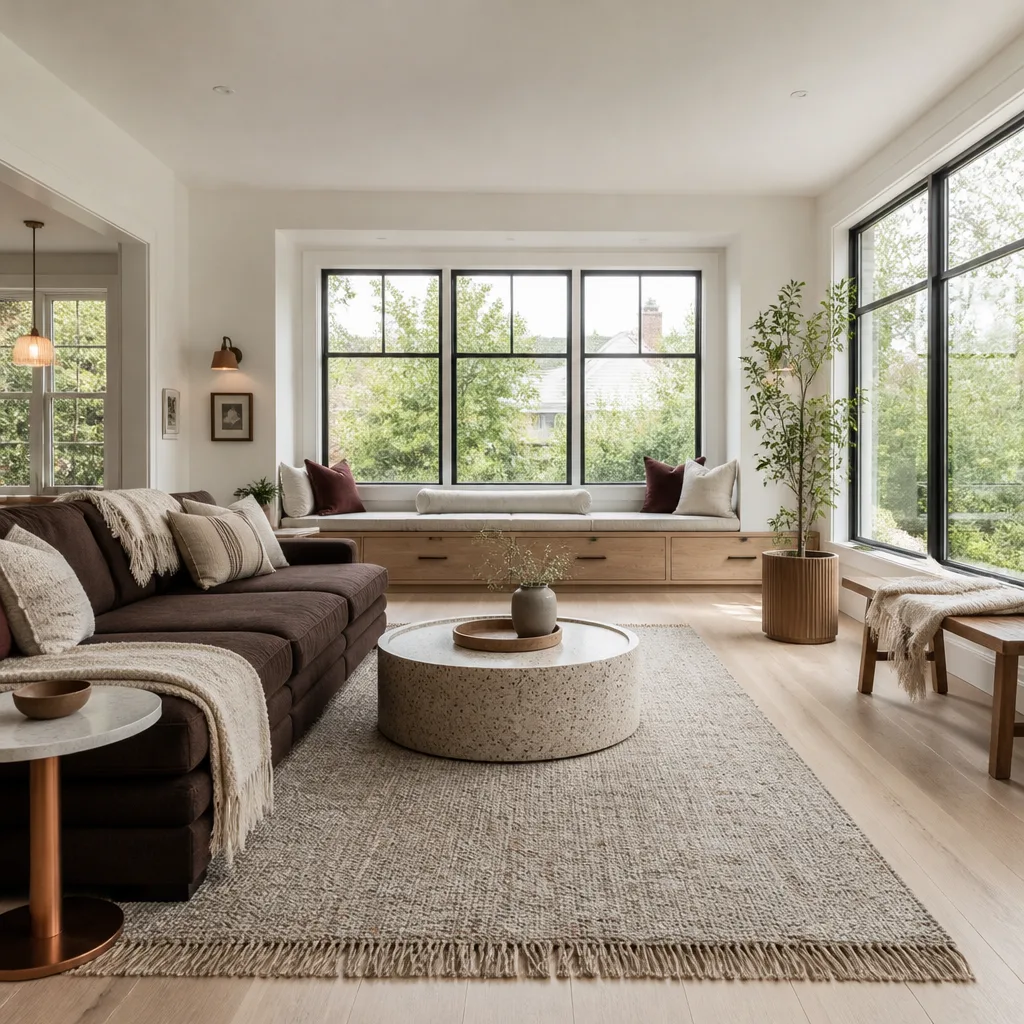
DIY is genuinely a good idea on a Fort Worth addition or ADU – within limits. The finish work (painting, cabinetry, trim, shelving, landscaping) is yours to take if you want it, and the savings are real money. The structural, mechanical, electrical, plumbing, and building envelope work isn’t yours to take, because Texas law, Fort Worth inspections, and the manufacturer warranties all draw that line for you. Owner-builder status gives you latitude to run the project without changing who’s licensed. The professional-to-DIY handoff, sequenced after the CO, is the arrangement that actually saves money without creating a defect that follows the deed.
If you’re planning an addition or ADU in Fort Worth, call Groundwork Construction Co. of Fort Worth at (855) 912-5373 for a free estimate and design consult. We’ll scope the project clearly, break out the DIY-eligible work honestly, and back the whole thing with our 730-Day Done Right Promise. Live person, 24/7. Upfront pricing, no surprises. $1,000 off projects over $10,000, plus 0% financing for 18 months. Explore our Groundwork Construction Co. of Fort Worth home page for a full view of what we do, or see the Home Additions & ADU in Fort Worth service in detail. If your project includes yard work, our Fence Installation in Fort Worth and Driveway & Pavers in Fort Worth teams can fold exterior flatwork into the schedule.
Written by the team at Groundwork Construction Co. of Fort Worth.
See the difference
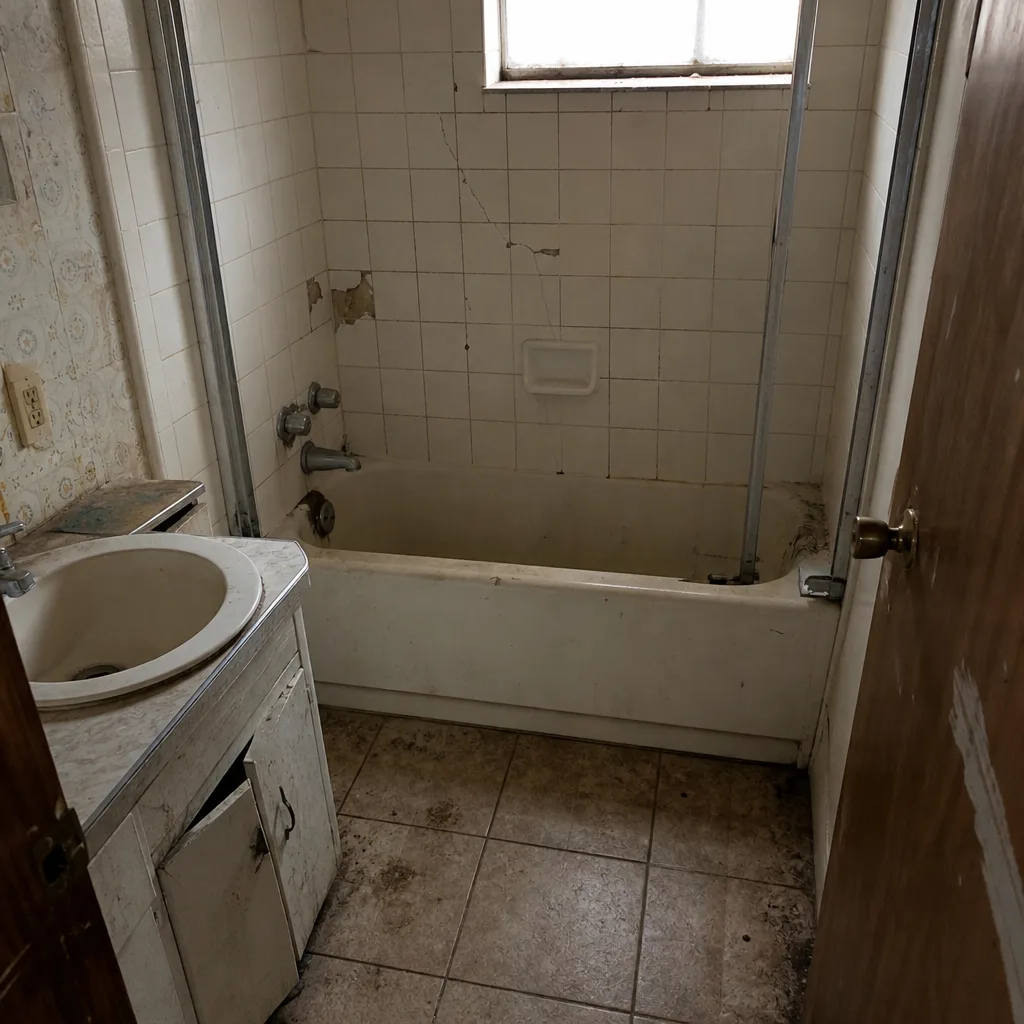 Before
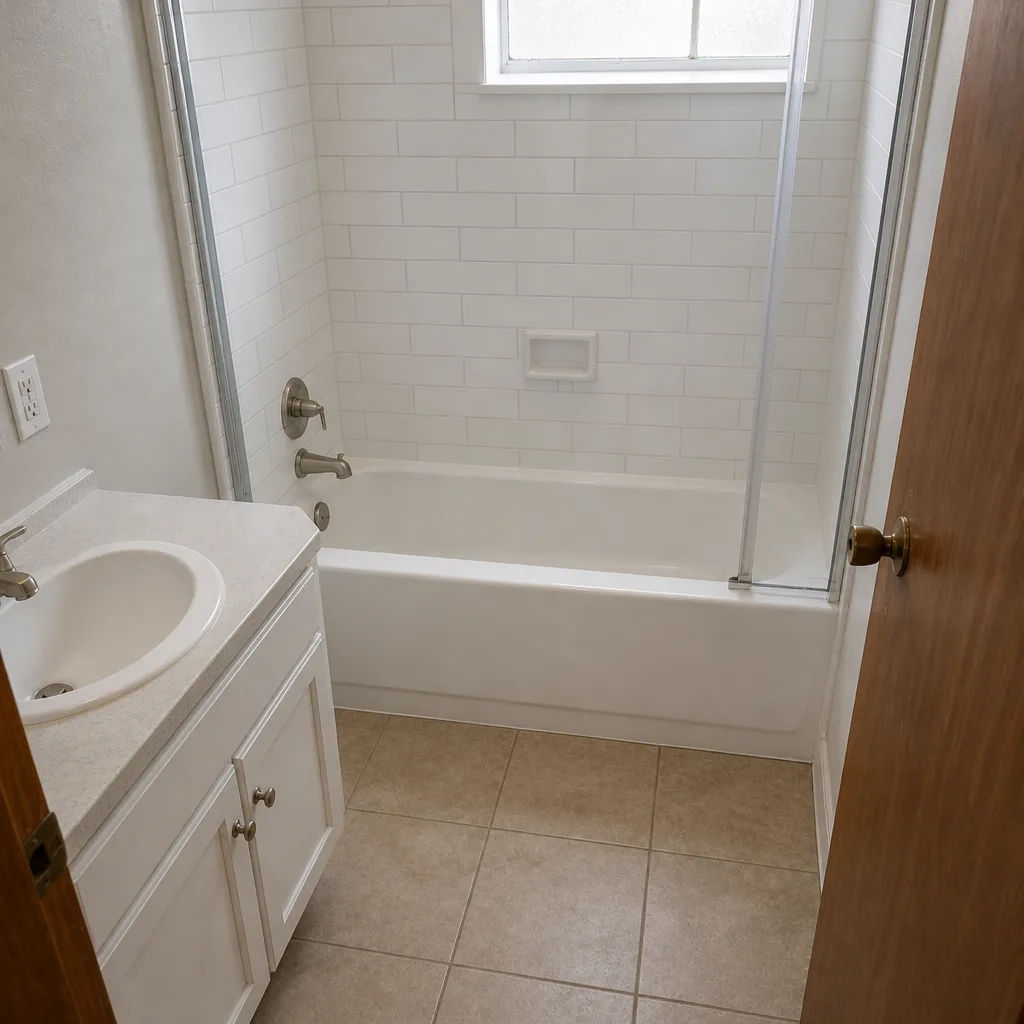 After
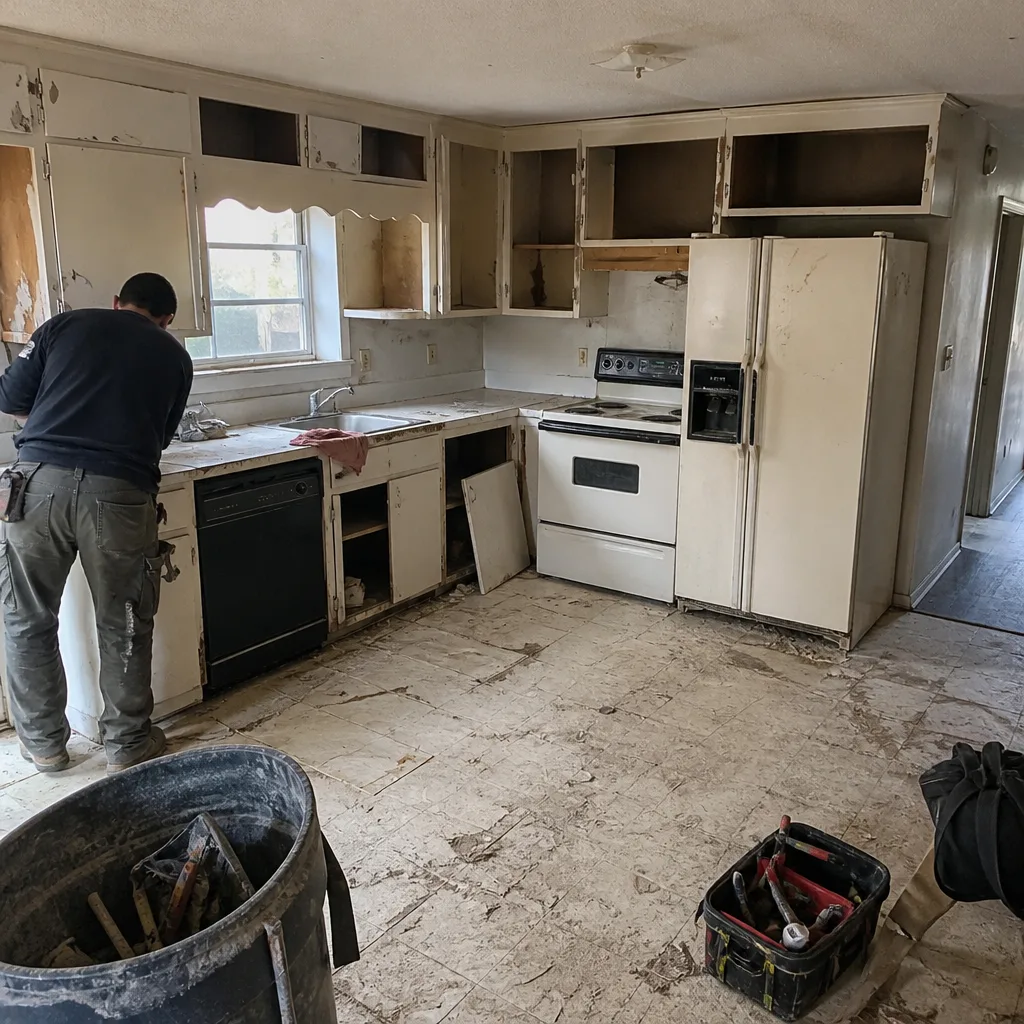 Before
 After
 Before
 After