
Free written scope consultation - allowances, timeline, and change-order rules on paper before a single trade is scheduled
Styles & brands we work with
- Kitchen remodeling
- Bathroom remodeling
- Home additions & ADU
- Roofing
- Windows & doors
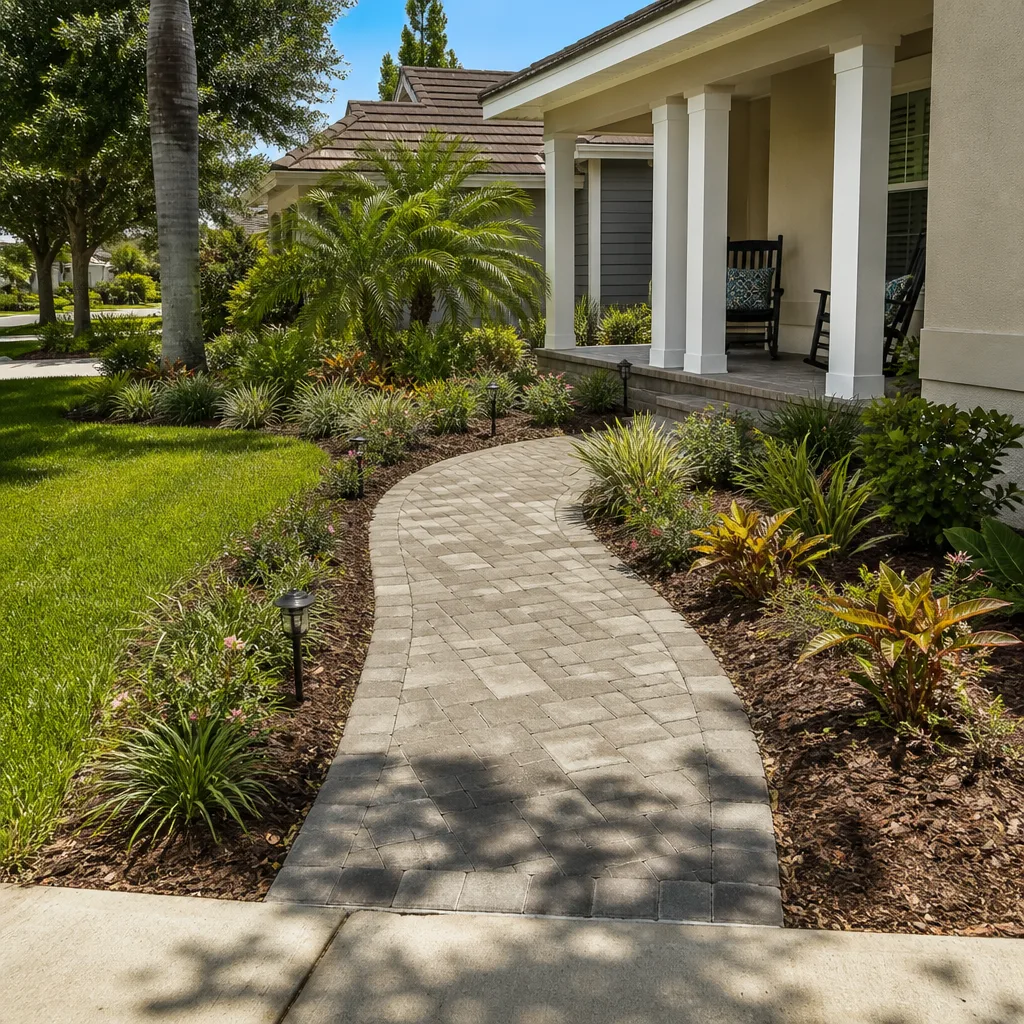
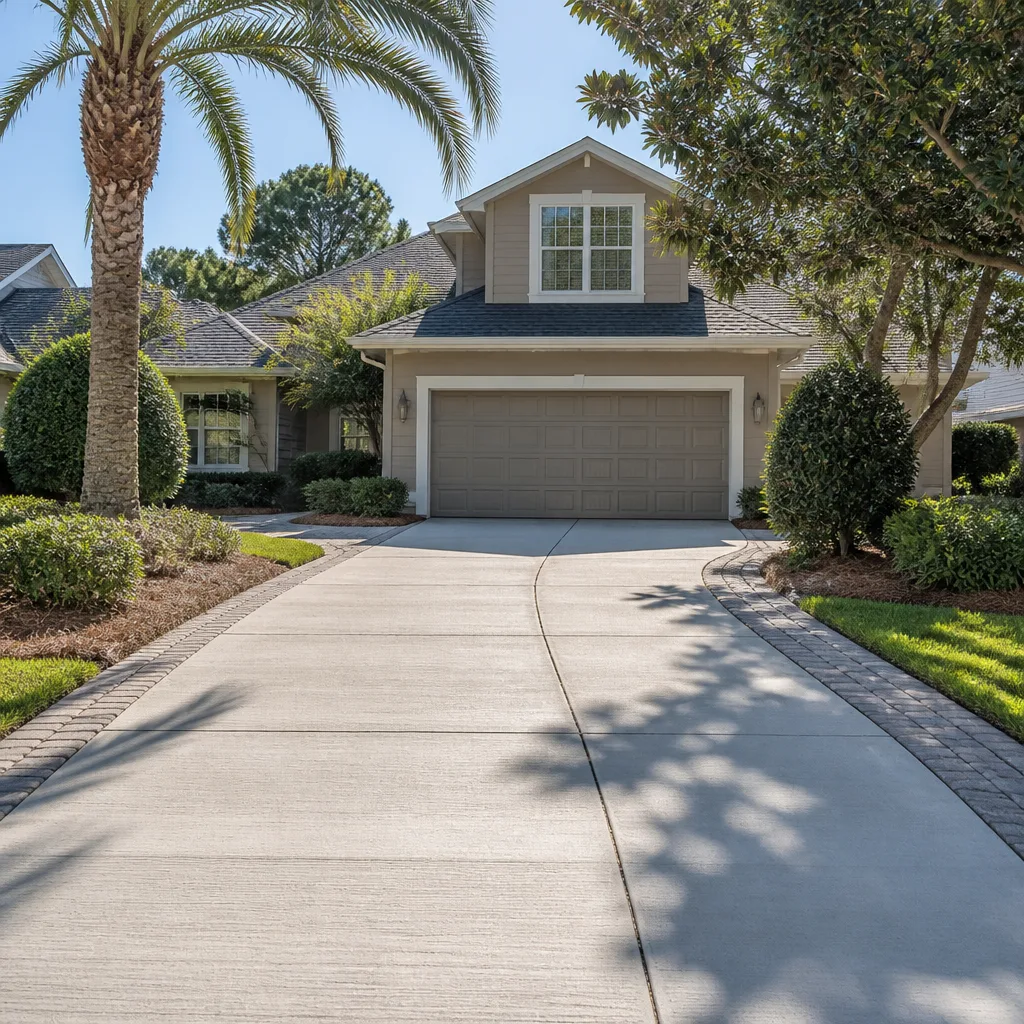
- Driveway & pavers
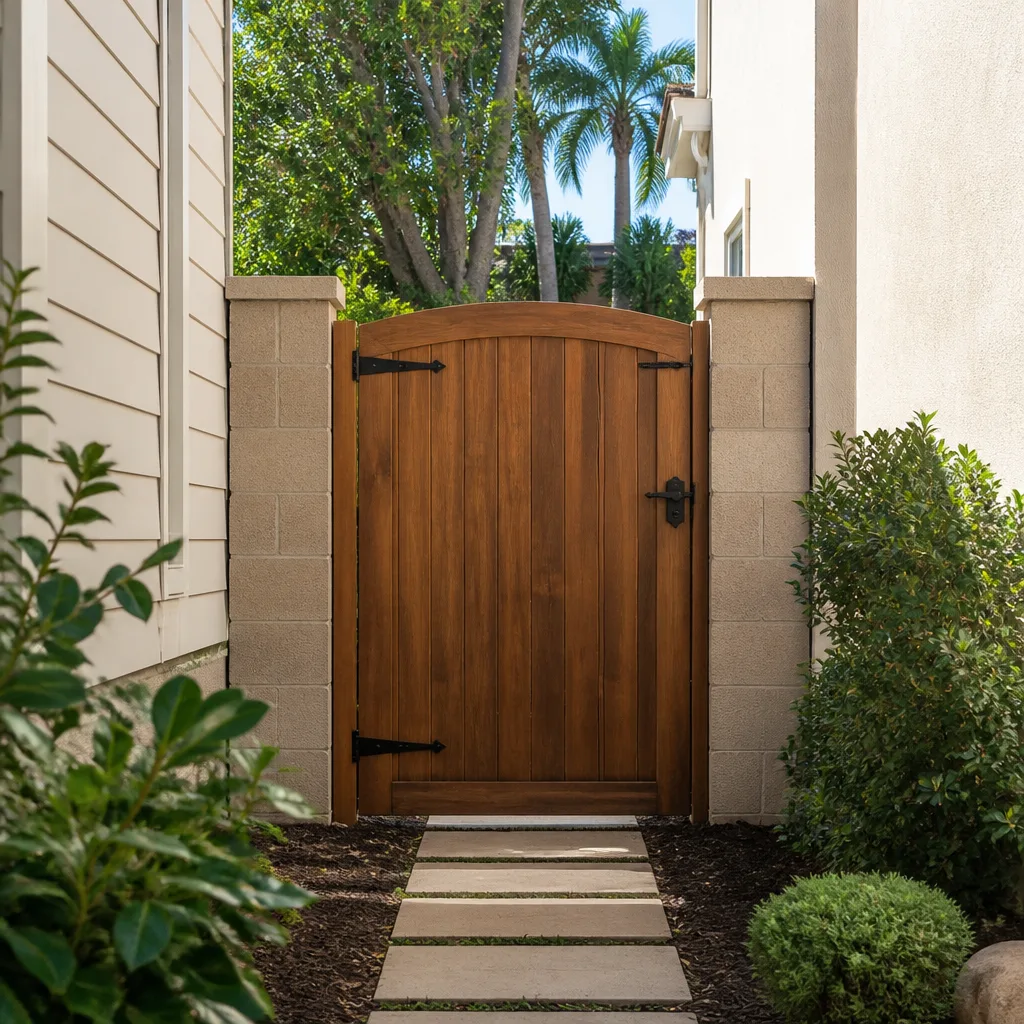
- Fence
See the difference
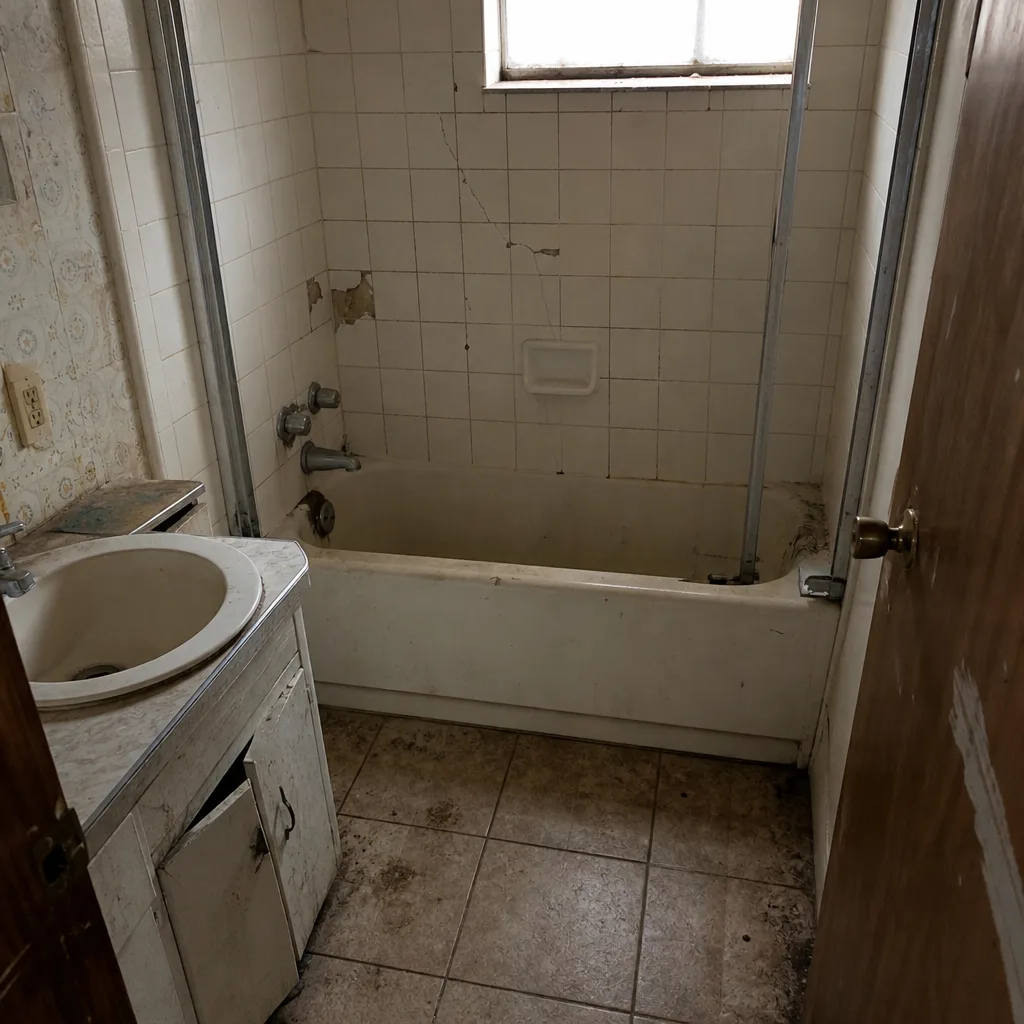 Before
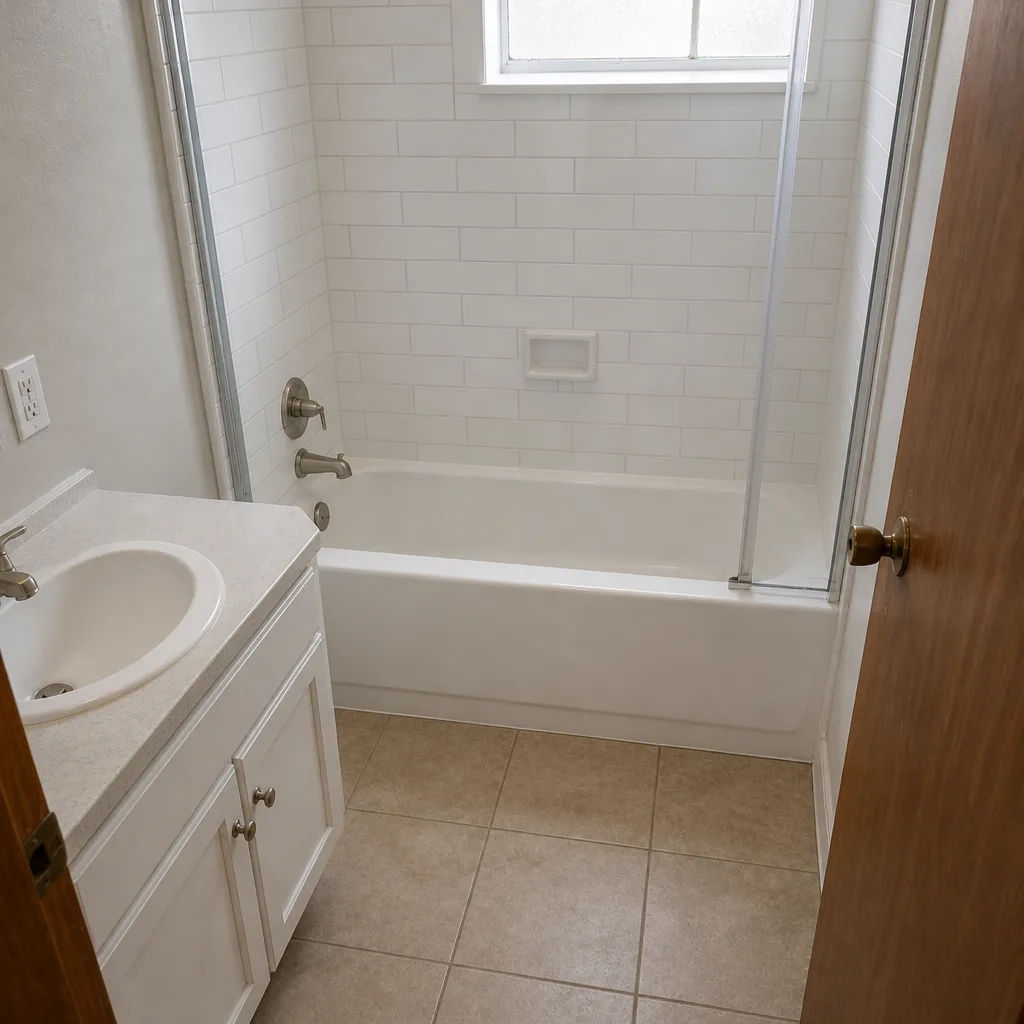 After
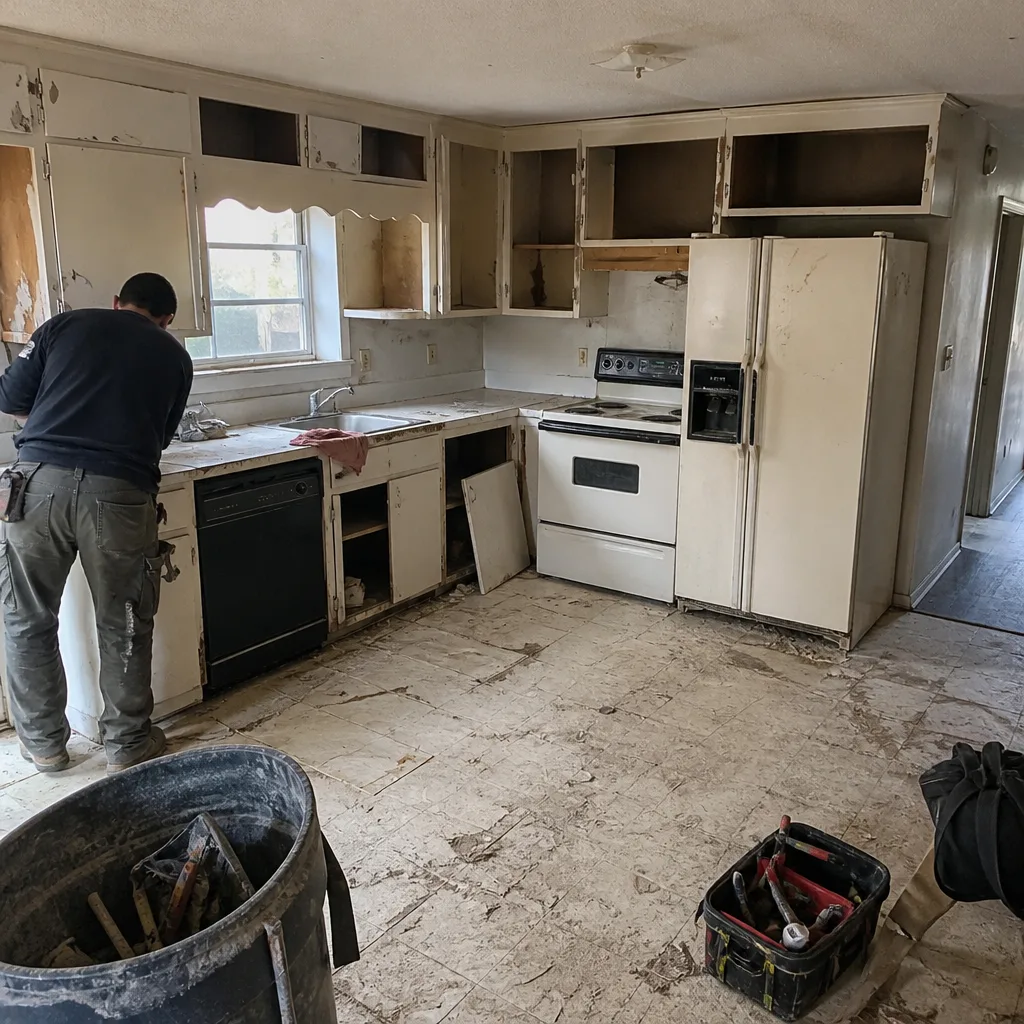 Before
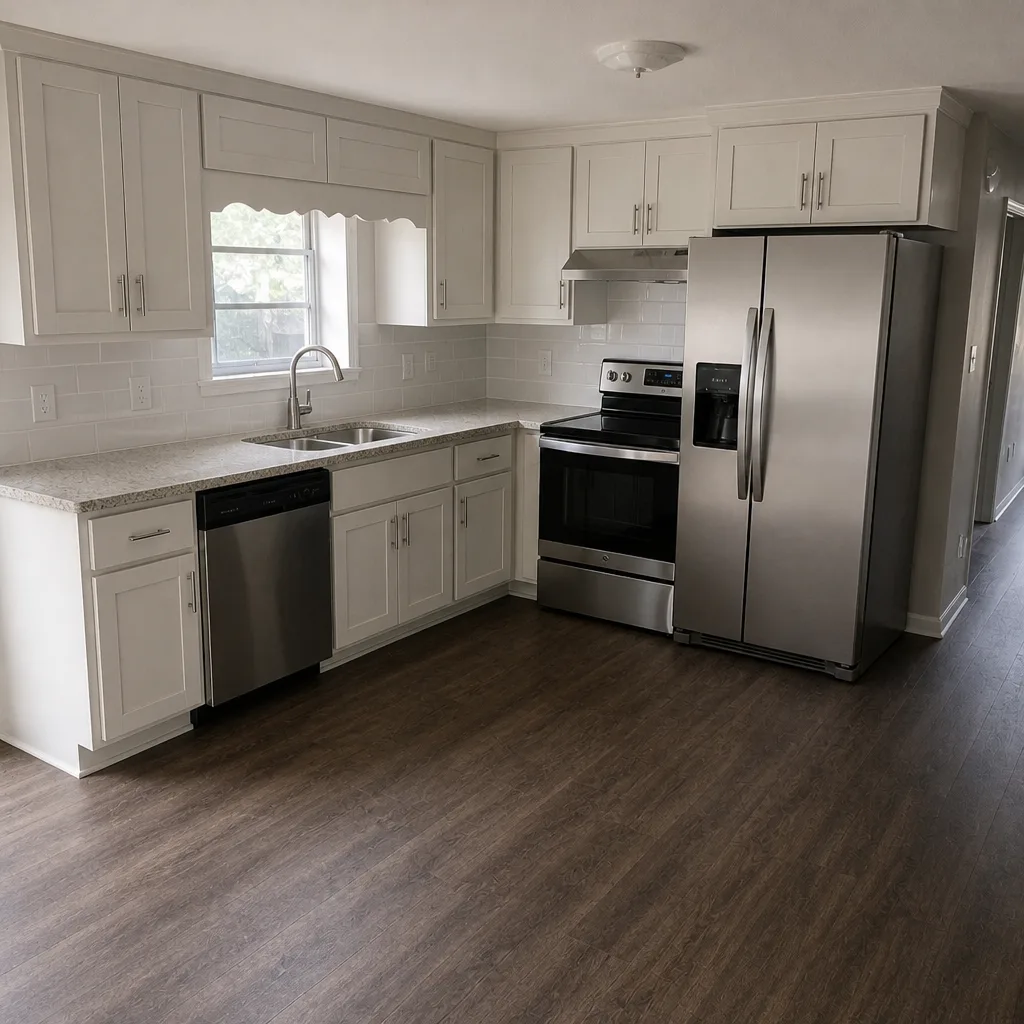 After
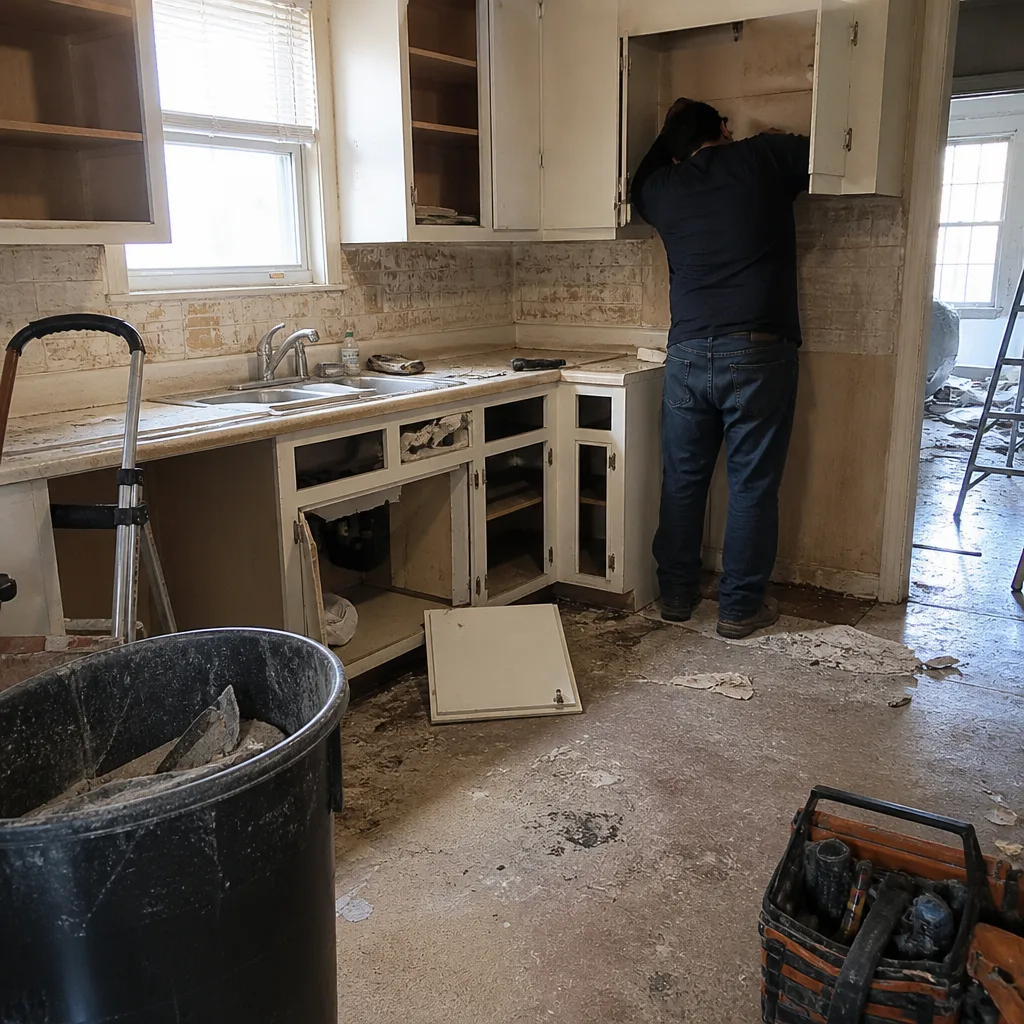 Before
 After
Stamped Concrete vs Pavers in Fort Worth, TX: Which One Survives Black Clay?
Choose pavers over stamped concrete on any Fort Worth lot with expansive black clay soil and full North Texas sun exposure – which is most of them. Pick stamped concrete only when you want the lowest upfront cost, your slab sits on engineered fill with proven drainage, and you accept resealing every 2-3 years. The reason is simple: stamped concrete is decorative concrete underneath, and decorative doesn’t change the physics of what happens when Fort Worth clay pushes up from below. A crack running through a stamped cobblestone pattern can’t be hidden. A cracked paver lifts out and gets replaced. Call (855) 912-5373 and we’ll tell you which one your specific lot actually wants.
Why Fort Worth Soil Is the Whole Argument
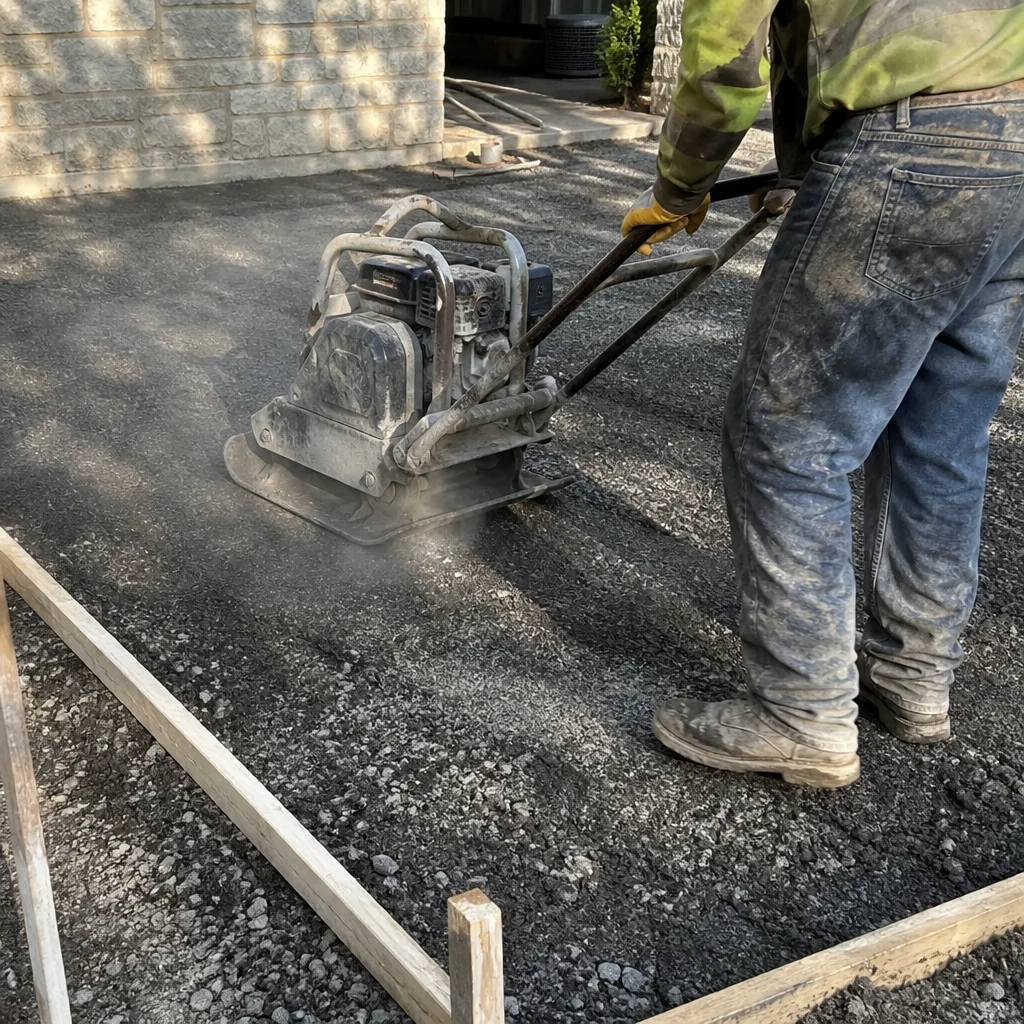
Fort Worth sits on some of the most active expansive clay in the country. The frost line here is shallow, so foundations get engineered for soil movement rather than freeze depth – and the same ground that heaves under a house does the same thing under a driveway or patio. Summer heat pulls moisture out of the clay and it shrinks. A wet spring sends it swelling back. That cycle runs every single year, and it’s harder on flat work near mature trees, on lots with poor grading, and in older neighborhoods where drainage was never designed for today’s runoff.
Stamped concrete is poured as one continuous slab. That’s exactly what makes it look good on day one, and exactly what makes it fail later. When the clay moves, the slab moves with it, and a hairline crack that would be invisible on broom-finished concrete turns into a jagged line slicing across your stamped slate or cobblestone pattern. There’s no way to make that repair disappear. The affected section gets cut out and repoured, and the new color never quite matches the old, especially after a few summers of UV have faded the original pour.
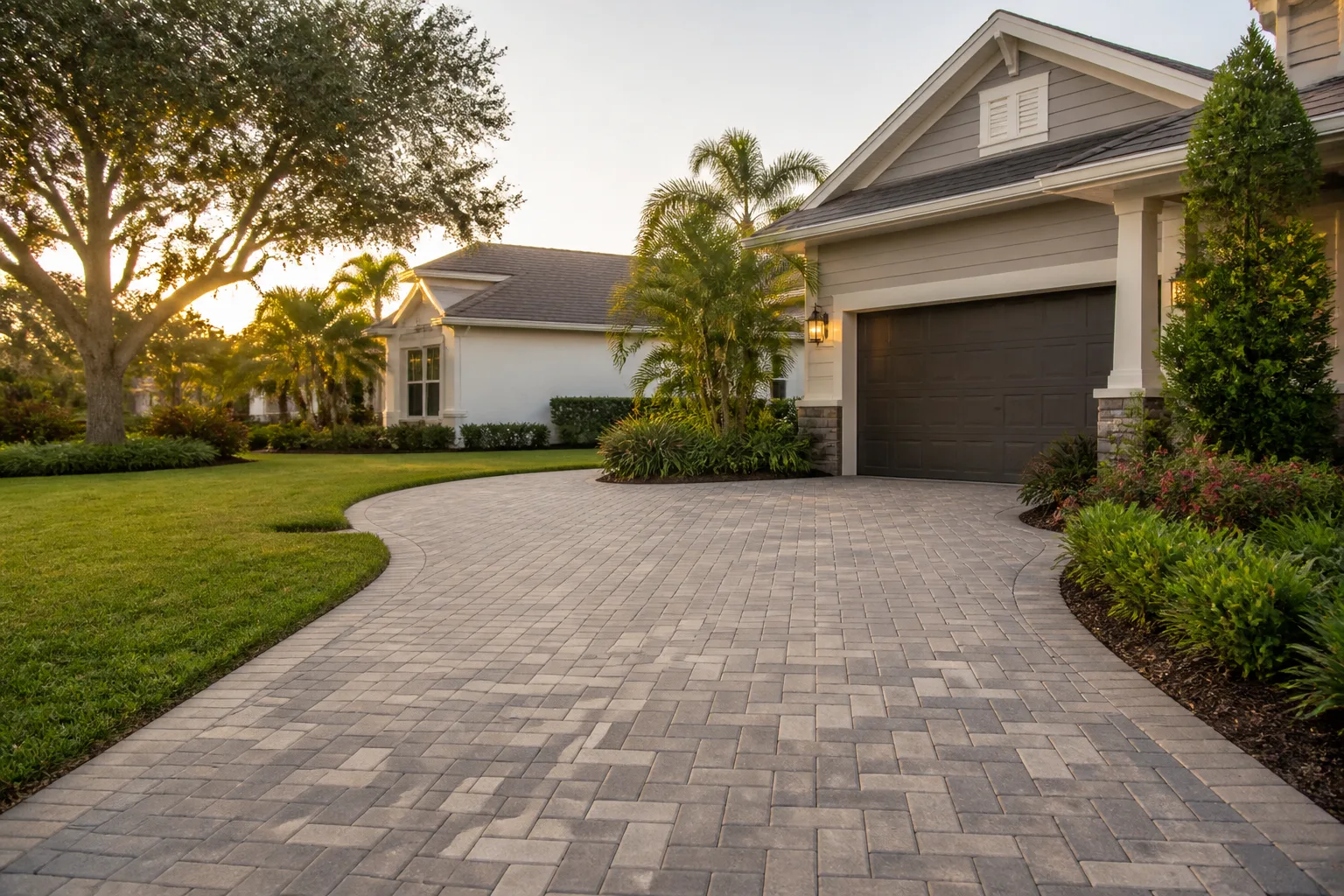
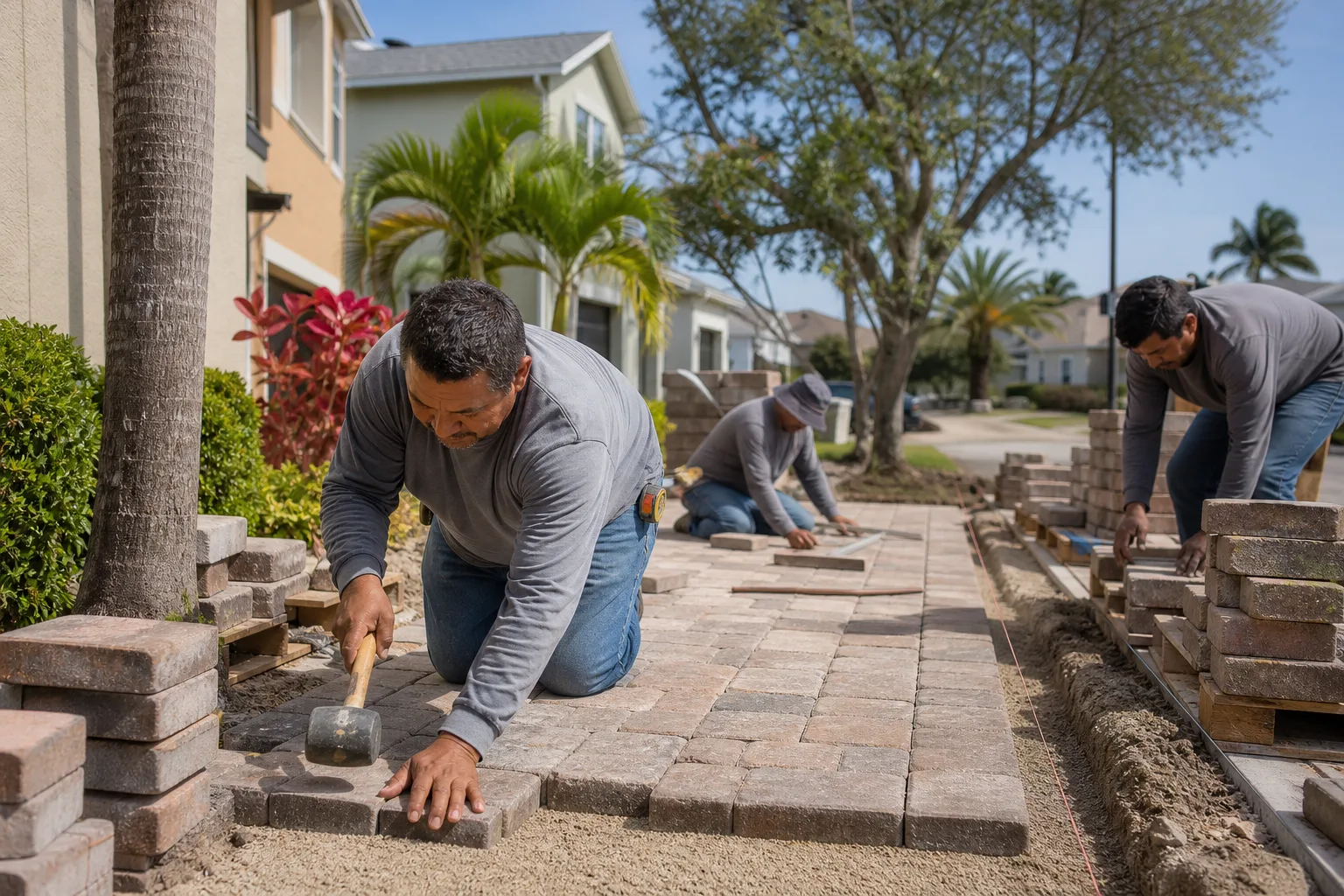
Pavers behave differently because they’re a system, not a slab. Each unit sits in a bedding layer with joint sand between them, so the surface flexes slightly as the soil moves instead of fighting it. When one paver cracks or a corner settles, that unit comes out and a new one goes in. Manufacturers hold dye lots for years, and once a replacement paver has weathered a season, it’s typically undetectable. That repairability is the reason pavers carry lower long-term risk on soil-active Fort Worth lots.
Where this shows up first in Fort Worth
- Fairmount and Ryan Place: mature trees, aging drainage, and pier-and-beam era lots where the ground has been working for a century. Flat work here moves early.
- Near Southside: tight lots with limited runoff, where a heaved slab has nowhere to drain and cracks along the low edge first.
- Northwest growth past Loop 820: newer fill and freshly graded pads that haven’t finished settling. First two summers are the tell.
- Historic overlay blocks around the Stockyards: design review adds a step most homeowners don’t expect, and it changes which material you should pick (more on that below).
The Hidden Cost Nobody Puts in the Upfront Quote
Stamped concrete wins the first price check almost every time. It shouldn’t win the ten-year check. In North Texas UV, a stamped surface needs a fresh coat of sealer every 2-3 years to hold its color and stop surface scaling. Skip it and the pattern fades, the surface chalks, and the whole decorative investment starts looking tired. That reseal is a recurring bill that never appears in the number you compared at the kitchen table. Pavers don’t need sealing at all – just occasional joint sand replenishment, which is a fraction of the cost and something a homeowner can often handle.
Here’s how the two options price out for typical Fort Worth projects, using our standing market ranges:
| Project | Stamped Concrete | Pavers |
|---|---|---|
| Driveway | Roughly the concrete driveway band, $4,500-$12,000, plus decorative premium | $7,000-$18,000 |
| Patio | Comparable base concrete plus stamping upcharge | $3,500-$11,000 |
| Reseal / maintenance | Every 2-3 years, ongoing | Joint sand only, minimal |
| Cracked unit repair | Section cut-out and repour, color match never perfect | Single paver swap, typically undetectable |
Notice the driveway line. A straight concrete driveway in Fort Worth runs $4,500-$12,000, and stamping adds a decorative premium on top. Paver driveways run $7,000-$18,000. The gap looks wide until you add a decade of resealing and one or two crack repairs to the stamped side. For a deeper look at how those driveway numbers break down by material and layout, see our Driveway & Pavers in Fort Worth page – it walks through the same soil logic we use on every estimate.
When Stamped Concrete Is the Right Call
We install both, and we’re not going to pretend stamped concrete has no place. It’s the better pick when:
- Upfront budget is the binding constraint and you’re planning to sell within a few years.
- The slab sits on engineered fill with verified positive drainage – not raw Fort Worth clay.
- The area is small and shaded, like a covered patio where UV fade and soil cycling are less aggressive.
- You want a specific look that pavers can’t replicate cheaply, like a large-format seamless finish.
If any of those describe your lot, stamped concrete can work well. If none do, pavers are the smarter spend, and we’ll say so before you sign anything. We use top-tier materials either way – Cambridge Pavers and Oldcastle on the paver side, Quikrete mixes on the concrete side – and back the work with our 730-Day Done Right Promise. If it’s not done right, we make it right, and that guarantee covers both options equally.
Historic districts change the answer
One Fort Worth wrinkle most comparison articles skip: if your property falls inside a design-review overlay, stamped concrete imitating period brick is not the same as actual period-appropriate material in the eyes of a Historic Preservation Officer. A stamped surface that mimics 1920s brick pavers is still concrete, and reviewers know it. Real pavers in the correct profile are far more likely to clear design review than a stamped imitation. If your lot is in Fairmount, Ryan Place, or the Stockyards area, sort out the overlay question before you pick a material, because it can overrule everything else on this page.
What Actually Decides It on Your Lot
Three things drive the recommendation on any given Fort Worth property, and they’re the same three we check on every estimate:
- Soil and drainage. Where does water go when it leaves the roof? A lot that ponds at the slab edge will crack stamped concrete first.
- Tree proximity. Roots under flat work move the ground whether it’s poured or laid.
- How long you’re staying. Ten years or more favors pavers on maintenance math. A short horizon can favor stamped.
Our technicians have up to 12 years of experience reading exactly these conditions, and the estimate is free. You’ll get upfront pricing with no surprises – the number you see is the number you pay – plus 0% financing for 18 months and $1,000 off projects over $10,000 if the scope grows. From foundation to finish line, we handle the grading, the base, and the finish as one job, which matters more on clay than most homeowners realize. You can see the full range of what we build on our Driveway & Pavers service page and our home page.
FAQs
Pavers are better for most Fort Worth lots because they tolerate expansive black clay movement and can be repaired one unit at a time. Stamped concrete is only the better choice when you want the lowest upfront cost, have engineered fill with good drainage, and accept resealing every 2-3 years. Call (855) 912-5373 for a free assessment of your specific lot.
For a driveway, expect roughly $4,500-$12,000 for concrete before the stamping premium, versus $7,000-$18,000 for pavers. Patios run $3,500-$11,000 in pavers. The upfront gap narrows once you factor in stamped concrete resealing every few years and the risk of a section repour after a crack. Estimates are free – call (855) 912-5373 for an exact number.
No – a crack through a stamped pattern can’t be made to disappear. The affected section has to be cut out and repoured, and the new color almost never matches after UV weathering. That’s the core reason pavers carry lower long-term risk: a single cracked paver lifts out and a matching replacement goes in, typically undetectable after a season of weathering.
Yes – in North Texas’s UV environment, stamped concrete should be resealed every 2-3 years to prevent color fade and surface scaling. That recurring cost is rarely included in the initial price comparison. Pavers need only occasional joint sand replenishment and no sealing at all. Call (855) 912-5373 to talk through the maintenance math for your property.
If you’d rather have it looked at, Groundwork Construction Co. of Fort Worth offers a no-pressure assessment in Fort Worth – call (855) 912-5373 for a free estimate. We’ll walk your lot, check the soil and drainage, and tell you straight which material fits.
Written by the team at Groundwork Construction Co. of Fort Worth, serving Fort Worth, TX.