Free written scope consultation - allowances, timeline, and change-order rules on paper before a single trade is scheduled
Styles & brands we work with
- Kitchen remodeling
- Bathroom remodeling
- Home additions & ADU
- Roofing
- Windows & doors
- Driveway & pavers
- Fence
See the difference
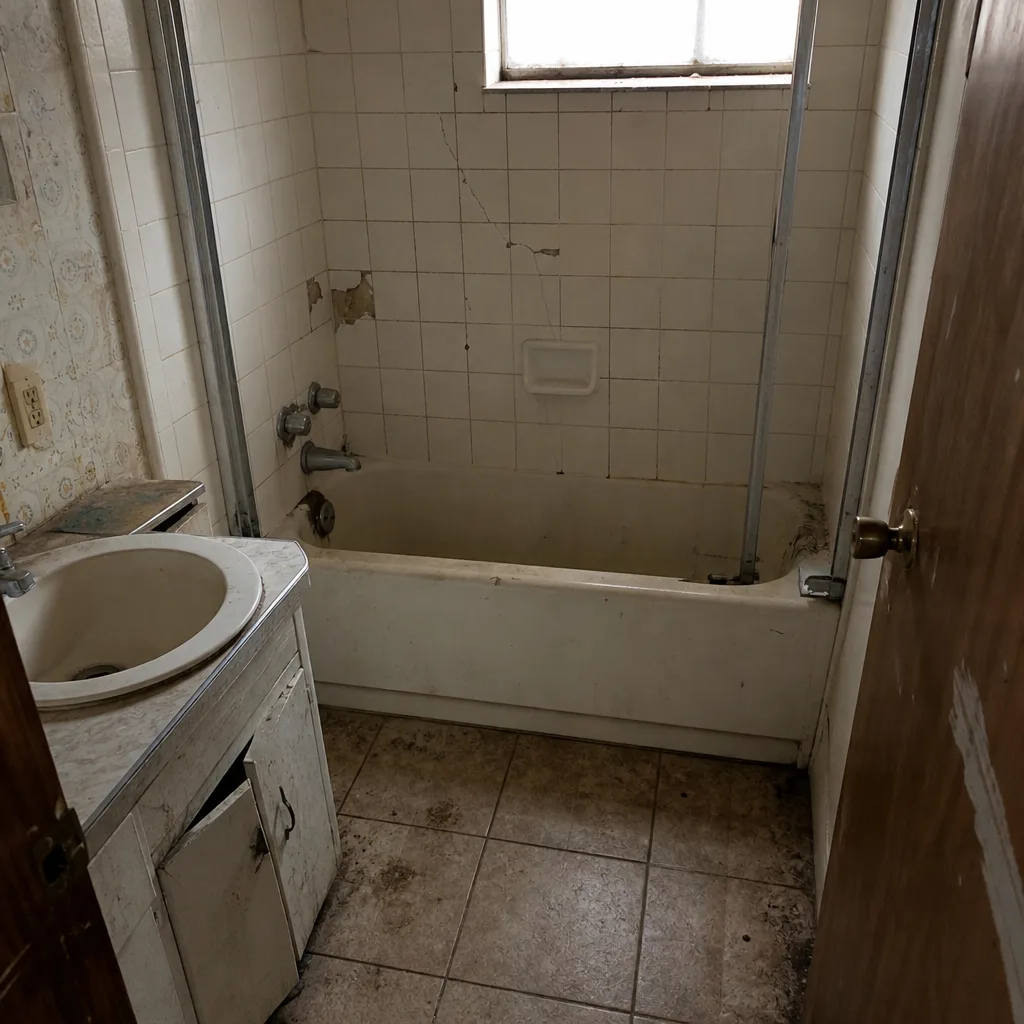 Before
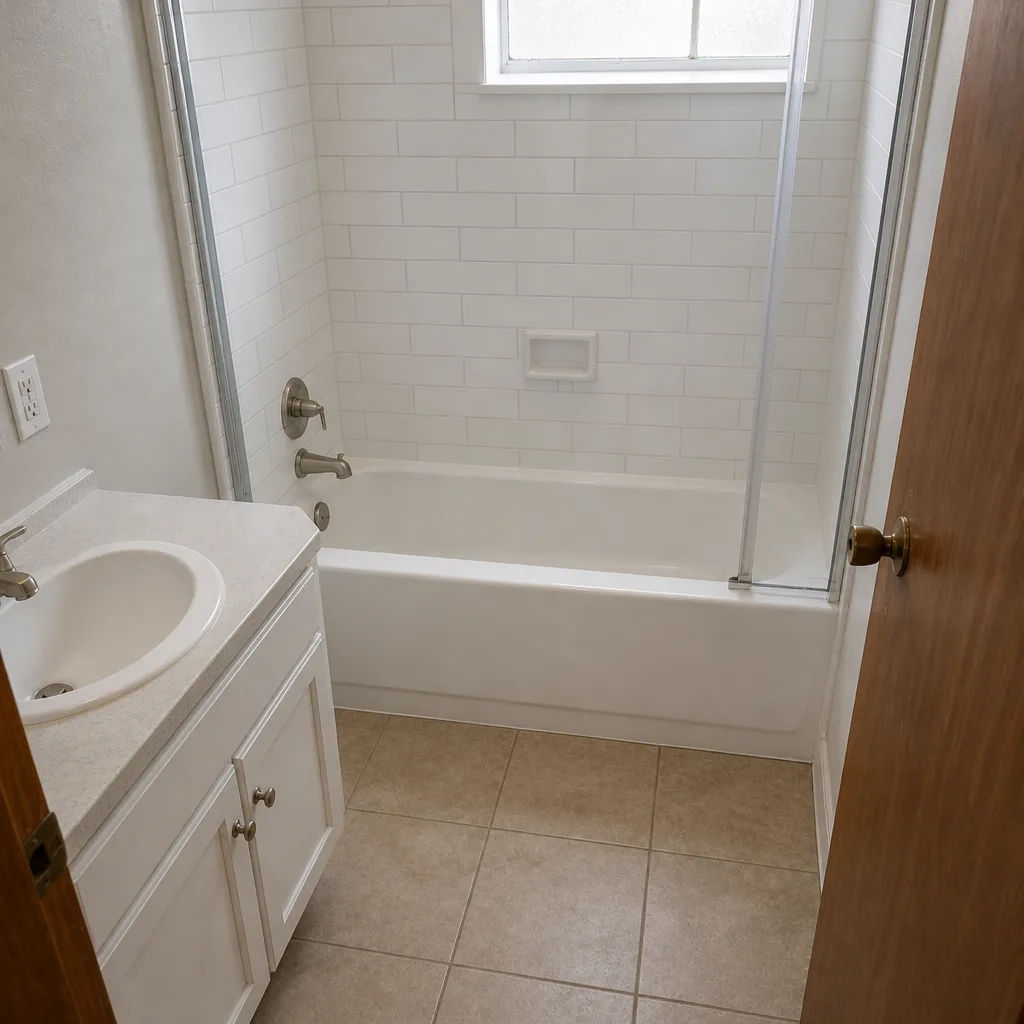 After
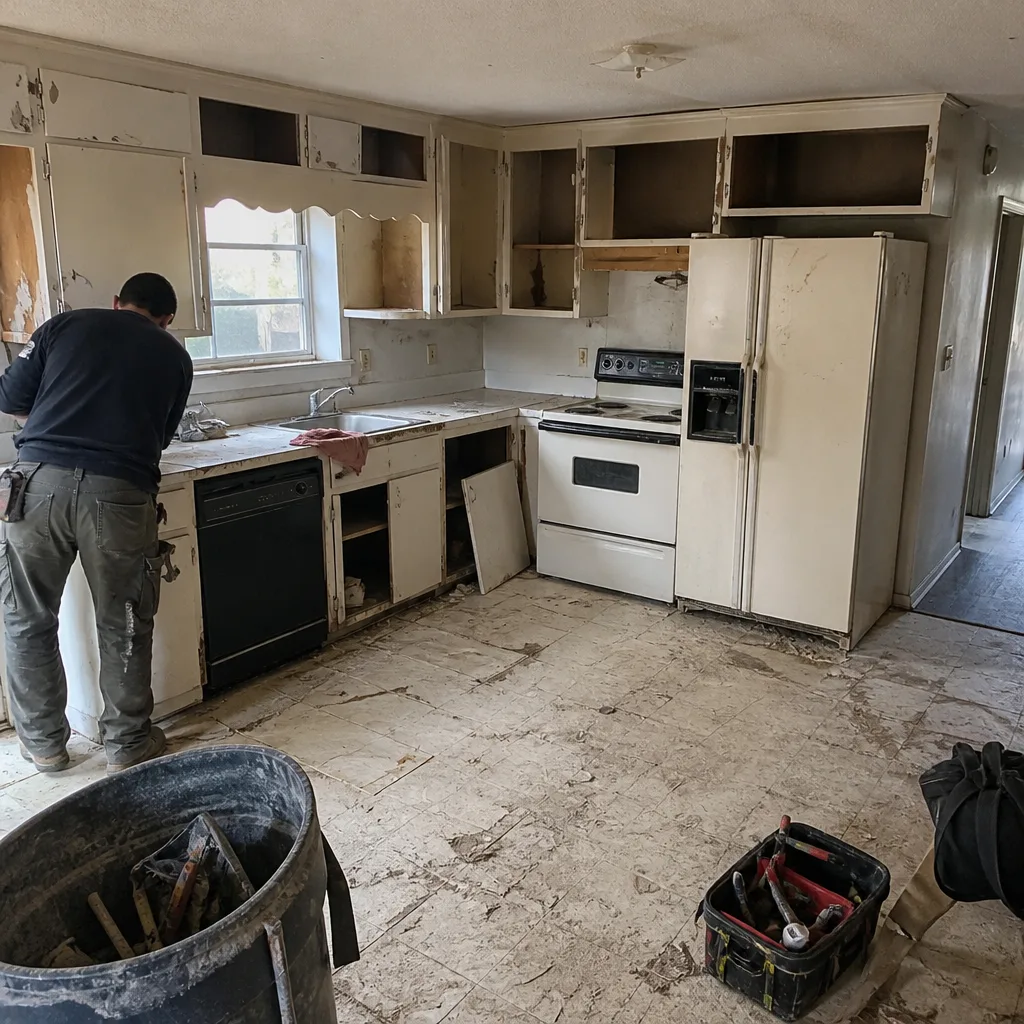 Before
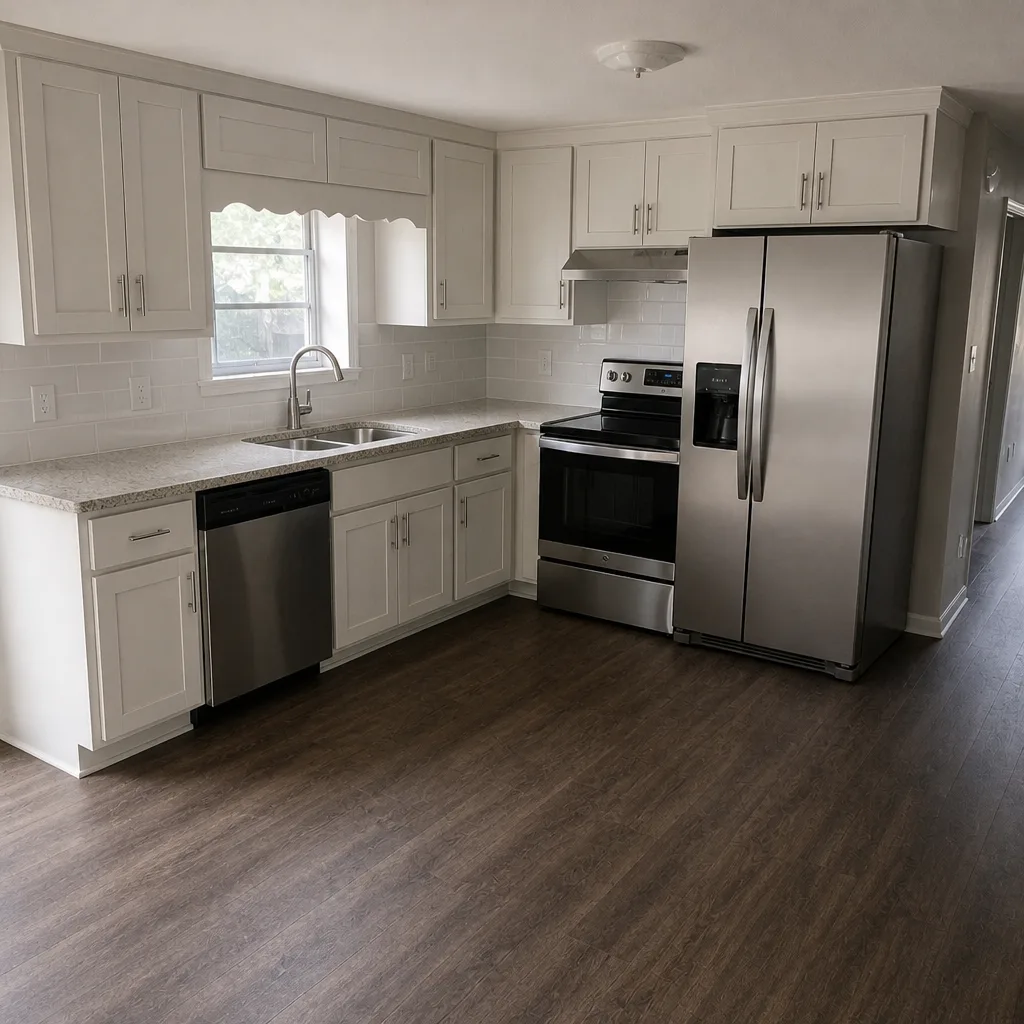 After
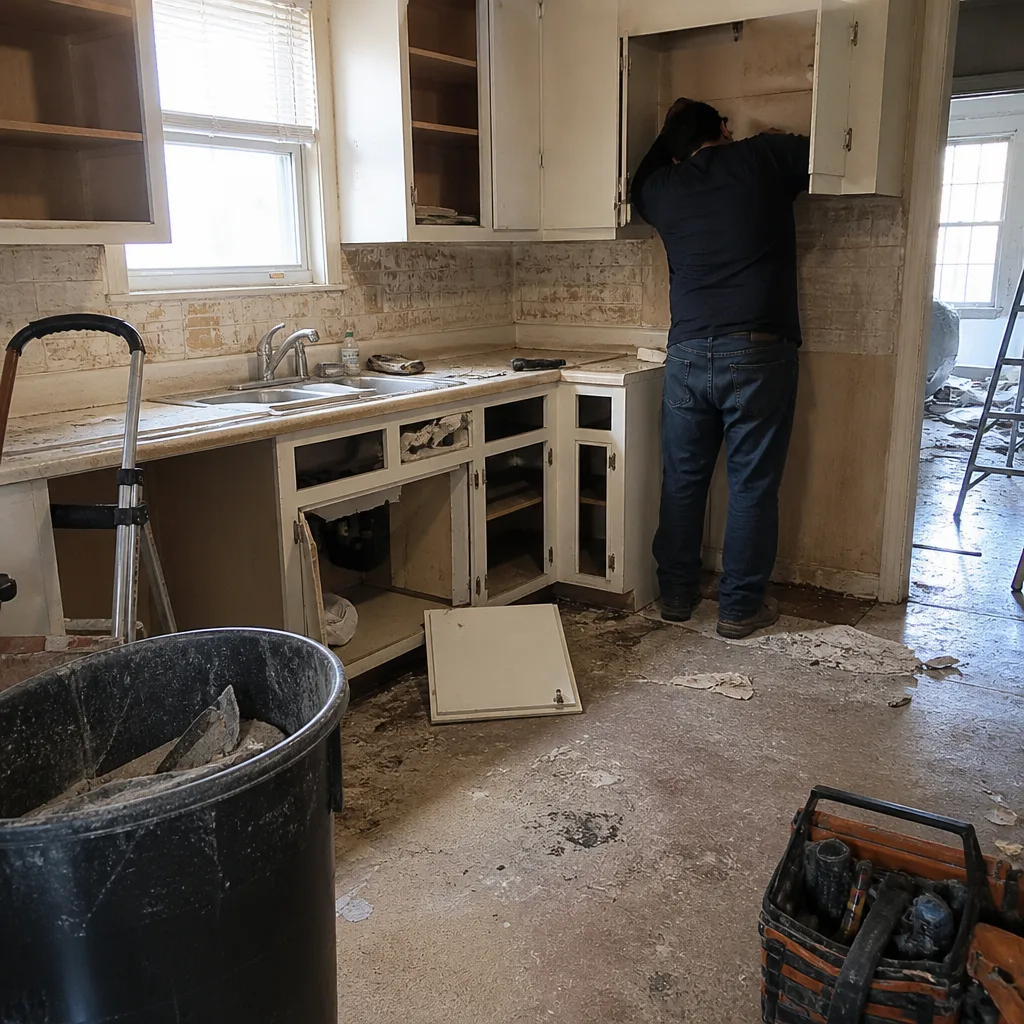 Before
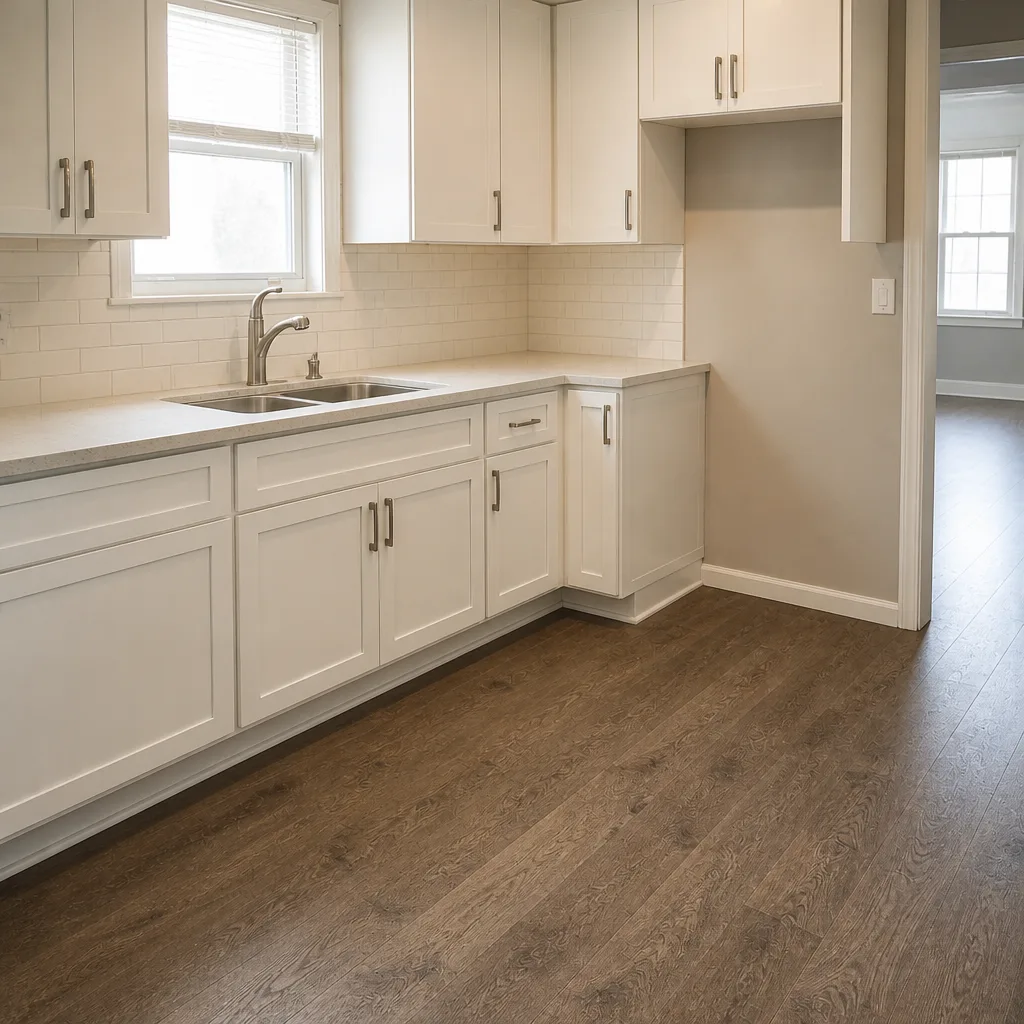 After
When to Seal a New Asphalt Driveway in Fort Worth, TX
Wait at least 60 days after a peak-summer pour and 90 days or more after a wet-spring pour before sealing new asphalt in Fort Worth. The national 90-day rule is a floor built for temperate climates, not a ceiling. Our asphalt paving range in Fort Worth runs $3,500-$9,000, and sealing typically adds $250-$700 later. Get the timing wrong and you trap moisture the black clay is still releasing, which shows up as bubbling or delamination within a season. Call (855) 912-5373 for an exact schedule for your pour.
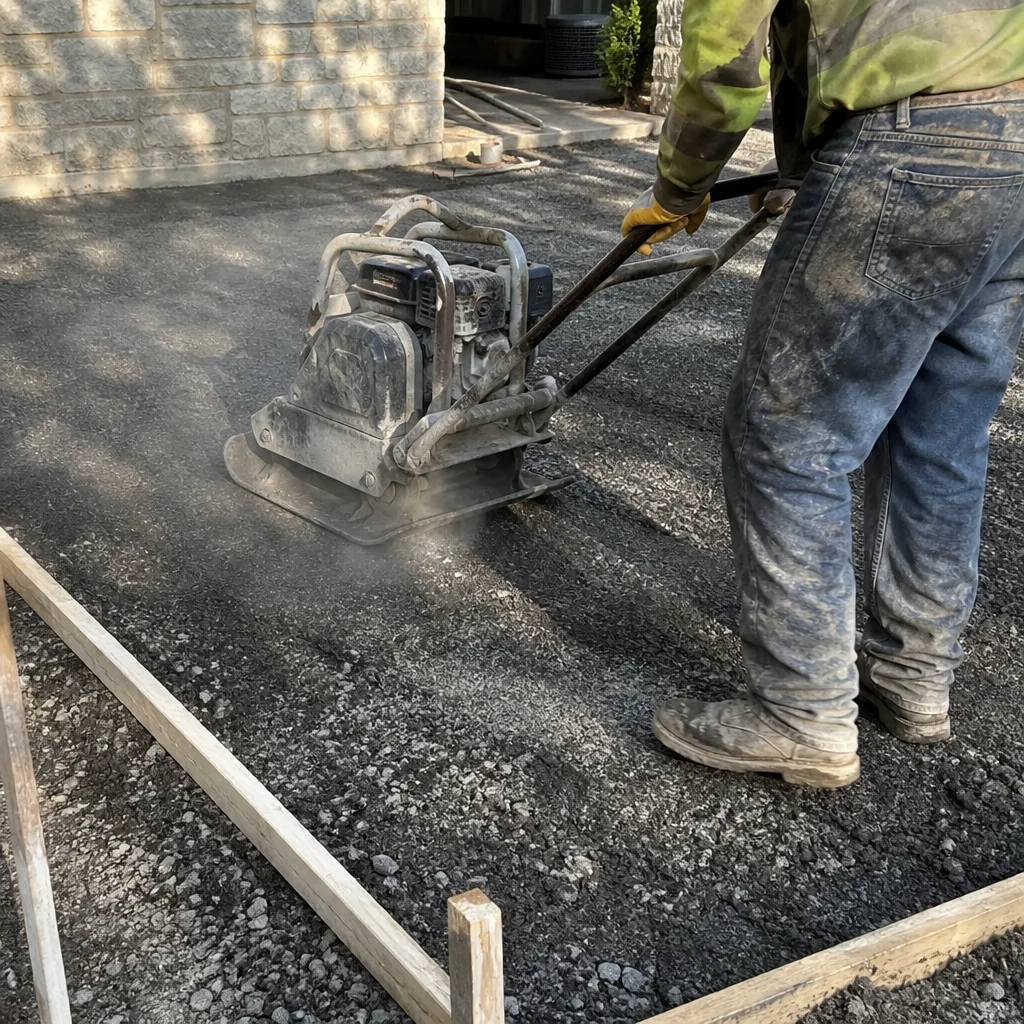
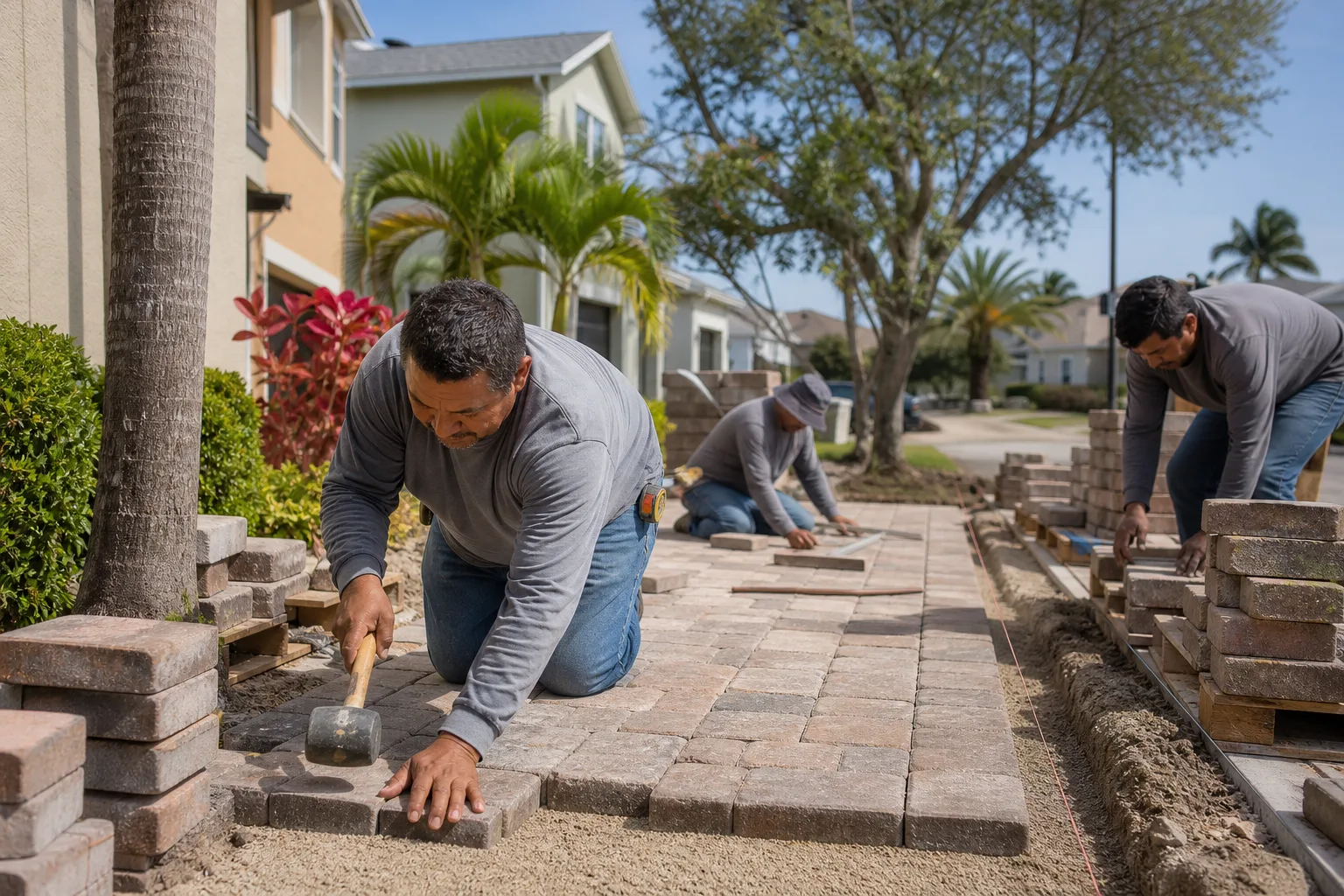
Why the 90-day rule breaks down in Fort Worth’s black clay
Fort Worth summers cure asphalt fast. Pavement temperature at 2 p.m. on a July afternoon pushes past 130°F, and that heat drives the light oils out of fresh asphalt quickly. The surface hardens and skins over long before the substrate underneath has finished moving. And that substrate is the real story here.
The expansive black clay under most of Fort Worth swells when it absorbs water and shrinks as it dries. After a wet spring or a heavy summer rain that rehydrates soil that had baked dry, the clay keeps settling and shifting under your new driveway for weeks. Seal that surface too early and you don’t just protect soft asphalt – you lock vapor under a plastic skin while the ground below is still on the move. The result is bubbling, blisters, and peeling edges, usually right where a seam or a low spot collects water.
We’ve watched this play out across the city. In the older blocks of Fairmount and Ryan Place, where mature live oaks shade the driveways and hold moisture in the soil longer, a driveway poured in a damp April can still be off-gassing in late June. Out past Loop 820 toward Alliance and Walsh Ranch, the newer slab-on-grade lots cure differently – faster on top, but the engineered fill underneath can settle unevenly through that first summer.
The test any Fort Worth homeowner can run before sealing
Forget the calendar for a minute. Press the edge of a quarter into the asphalt at 2 p.m. on a day when the air is around 95°F. If the coin leaves a visible impression, the surface is still too soft. Sealing now would seal in that deformation, not protect against it. When the quarter leaves no mark and the surface feels hard and even, you’re closer to ready.
A few more signals that the driveway is genuinely cured and ready:
- Color shift: fresh asphalt goes from jet black to a soft dark gray as it cures. If it’s still uniformly pitch black, it’s early.
- No tacky spots: run a hand across the surface on a warm afternoon – cured asphalt feels dry to the touch.
- Soil has seen a dry-wet cycle: at minimum, the ground should have gone through one full soak and dry-out before you seal. In Fort Worth that often means waiting through a spring rain and a stretch of dry heat.
- No visible settling: check for dips near the apron, along the edges, and where the driveway meets the street. Low spots that hold water are a sign the clay is still moving.
Timing by season, in plain terms:
| Season poured | Earliest seal window | What to watch |
|---|---|---|
| Peak summer (June-August) | Around 60 days | Fast oxidation on top; still confirm substrate is stable |
| Spring (March-May) | 90 days or later | High soil moisture, hail season, wet clay still settling |
| Fall (September-November) | 90-120 days | Cooler temps slow curing; don’t seal into a cold snap |
| Winter (December-February) | 90 days plus a dry-wet cycle | Slow cure, and the soil needs to stabilize before sealing |
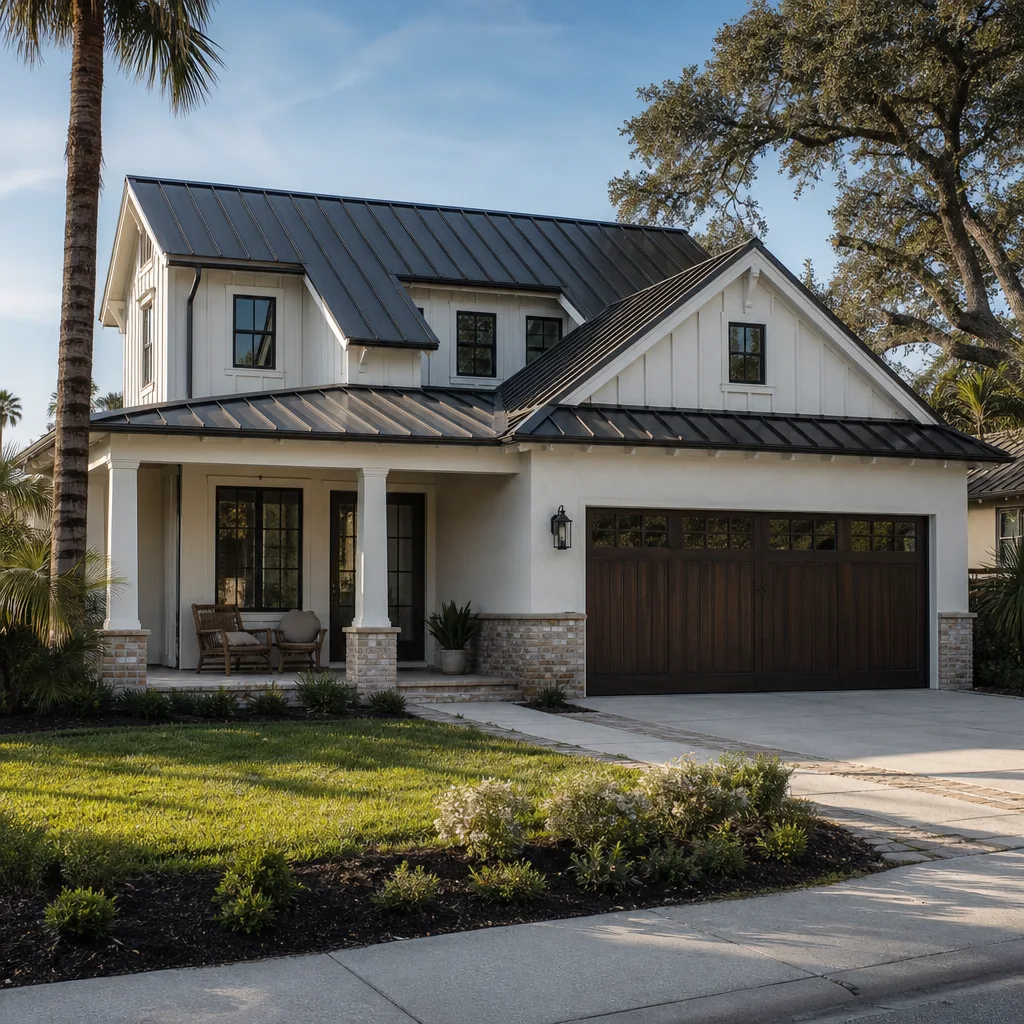
The spring hail dilemma: seal before storm season or wait?
This is the question we hear most from March through May. Homeowners want the driveway sealed before hail and straight-line wind season roll through, and the instinct is understandable. But a driveway poured in February shouldn’t be sealed until the soil underneath has been through at least one dry-wet cycle. Sealing early to beat a storm you’re worried about is how you end up resealing a bubbling surface in the fall.
Here’s the practical trade-off. A properly cured, unsealed asphalt driveway handles a normal North Texas hail event better than you might expect – asphalt has some give, and small hail rarely does more than cosmetic speckling. What it can’t tolerate is a sealer applied over soft, still-settling pavement with trapped vapor underneath. If hail is your concern, the real protection is a quality install with proper base preparation in the first place, not a rushed seal coat.
If you’re weighing seal timing against a full replacement, a driveway replacement in Fort Worth runs $5,000-$14,000, so it’s worth getting the schedule right the first time. And if you’re considering pavers instead, our guide to Driveway & Pavers in Fort Worth covers how that material handles the same clay and climate.
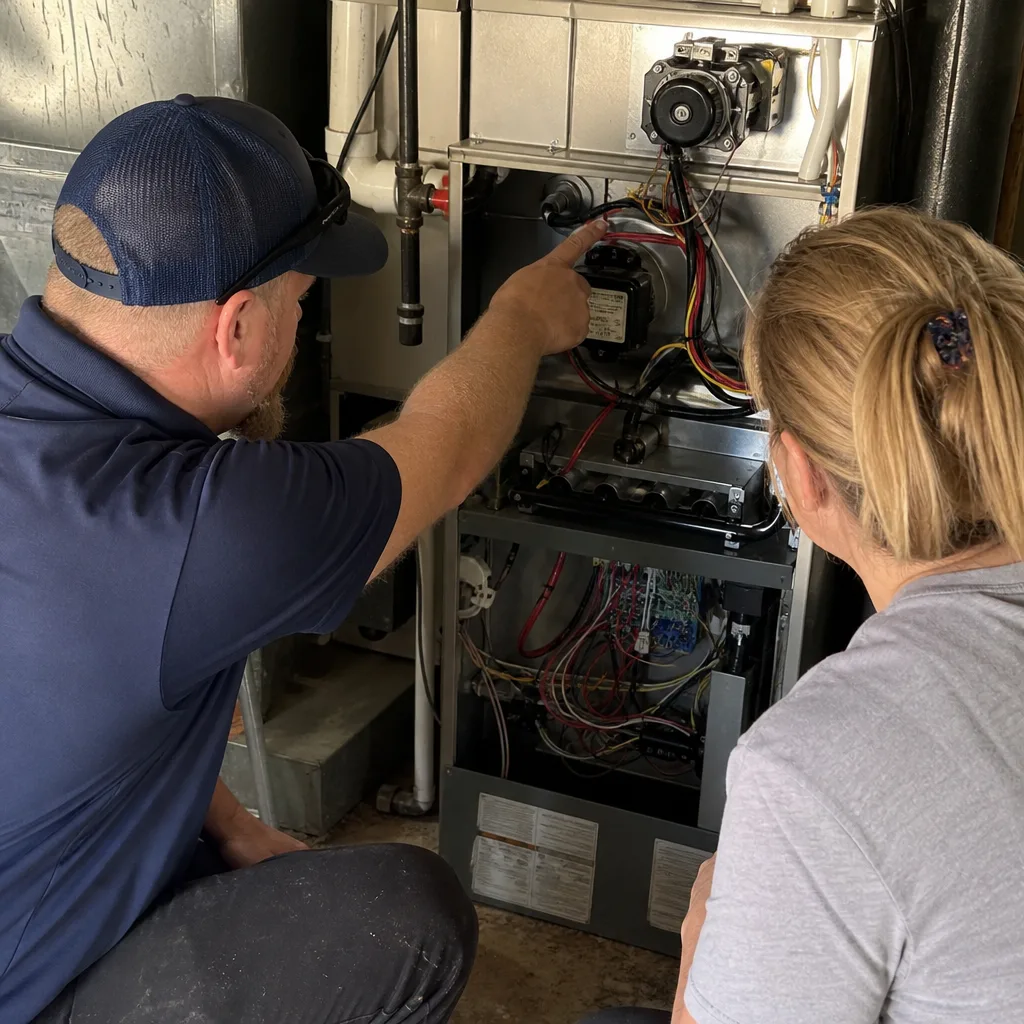
What sealing actually protects against – and what it doesn’t
A seal coat is a thin protective film that slows oxidation from UV, sheds water, and helps resist stains and minor surface damage. It is not a fix for structural problems, and it does nothing for a driveway whose base is failing. If you see alligator cracking, wide transverse cracks, or a section that’s sunk, sealing will not save it – the base needs attention first.
Once your driveway has cured and been sealed properly, resealing every two to three years keeps it protected. In Fort Worth’s sun and heat, driveways exposed to full afternoon sun often want resealing closer to the two-year mark, while shaded driveways under mature trees can stretch toward three. Sealing itself is a modest line item at $250-$700, and it’s the cheapest maintenance you can do to protect a $3,500-$9,000 investment.
A lot of the Driveway & Pavers work we coordinate comes down to base prep and drainage, whether it’s asphalt, poured concrete, or pavers. We’ve seen gorgeous installs fail inside two years because the grading pushed water against the slab instead of away from it, and the black clay did the rest.
Why the warranty window matters more than the seal date
Most contractors disappear before the first crack shows up. Our 730-Day Done Right Promise covers the full driveway install for two full years – long enough to watch how it behaves through not one but two Fort Worth summers, both with their own clay movement and heat cycles. If the surface settles or cracks before it should, we come back and make it right. That’s the difference between a warranty you can hold someone to and one buried in fine print.
We back that promise with background-checked, uniformed technicians on every job, calls answered by a live person around the clock, and upfront pricing where the number you see is the number you pay. Our technicians have up to 12 years of experience reading local soils and drainage. Financing is available at 0% for 18 months, and projects over $10,000 get $1,000 off. Groundwork Construction Co. of Fort Worth coordinates the work with independent local professionals who do the install, and we stand behind the result in writing.
FAQs
No. Thirty days is too soon for a Fort Worth driveway, even one poured in the hottest part of summer. The surface may look and feel hard, but the black clay underneath is still settling, and a sealer applied this early traps moisture that’s still escaping from the soil, which leads to bubbling and peeling. The shortest window we’d ever recommend locally is about 60 days, and that’s only for a peak-summer pour with confirmed soil stability. Call (855) 912-5373 and we’ll help you read your specific driveway.
Yes, a lot. A driveway poured in July in Fort Worth can often be sealed around 60 days because the heat drives oxidation and curing faster. A driveway poured in a wet spring needs 90 days or longer, because soil moisture is high and the clay needs a dry-wet cycle before it stabilizes. Sealing a spring pour on a summer calendar is one of the most common causes of failed seal coats in North Texas.
You can trap vapor under the sealer while the ground below is still releasing moisture, which causes bubbling, blisters, and delamination – often within the first season. In Fort Worth’s black clay, that risk is higher than in sandier soils. If a driveway gets sealed while it’s still soft, you also seal in deformations like tire ruts and low spots instead of protecting against them. Fixing a failed seal usually means stripping it and resealing, which is money spent twice. Call (855) 912-5373 for a free assessment before you buy a bucket of sealer.
Driveway sealing in Fort Worth typically runs $250-$700, depending on the square footage, the number of cracks to fill, and whether it’s a first seal or a reseal. That’s a small number next to an asphalt install at $3,500-$9,000, which is exactly why the timing matters – a premature seal is a wasted $250-$700 plus a second coat later. Estimates are free, so call (855) 912-5373 for an exact quote on your driveway.
Get the timing right the first time
If you’d rather have it looked at, Groundwork Construction Co. of Fort Worth offers a no-pressure assessment in Fort Worth – call (855) 912-5373. We’ll tell you whether your driveway is ready to seal or needs more time, based on the pour date, the soil, and what the surface is actually doing.
Written by the team at Groundwork Construction Co. of Fort Worth, serving Fort Worth, TX.