Free written scope consultation - allowances, timeline, and change-order rules on paper before a single trade is scheduled
Styles & brands we work with
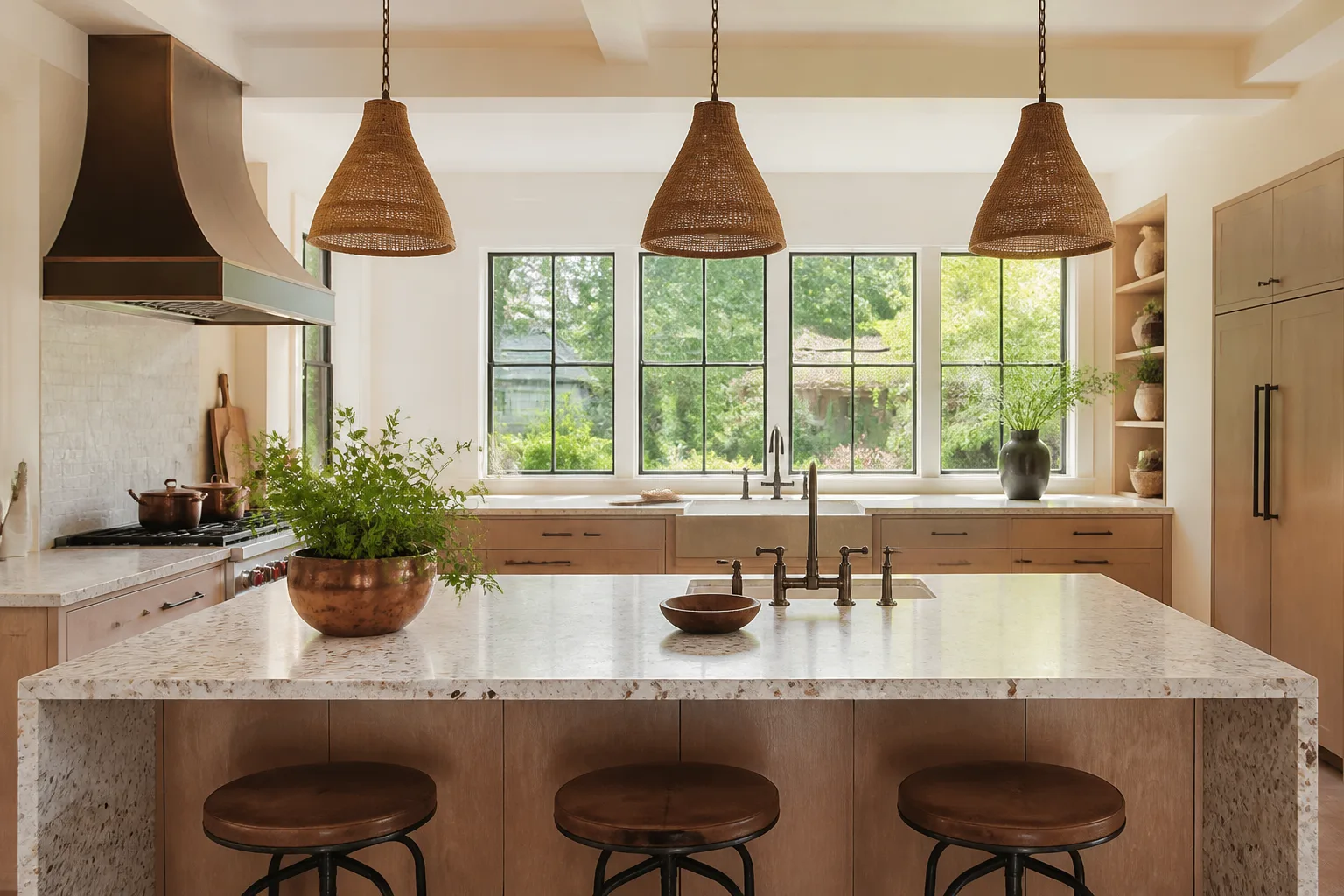
- Kitchen remodeling
- Bathroom remodeling
- Home additions & ADU
- Roofing
- Windows & doors
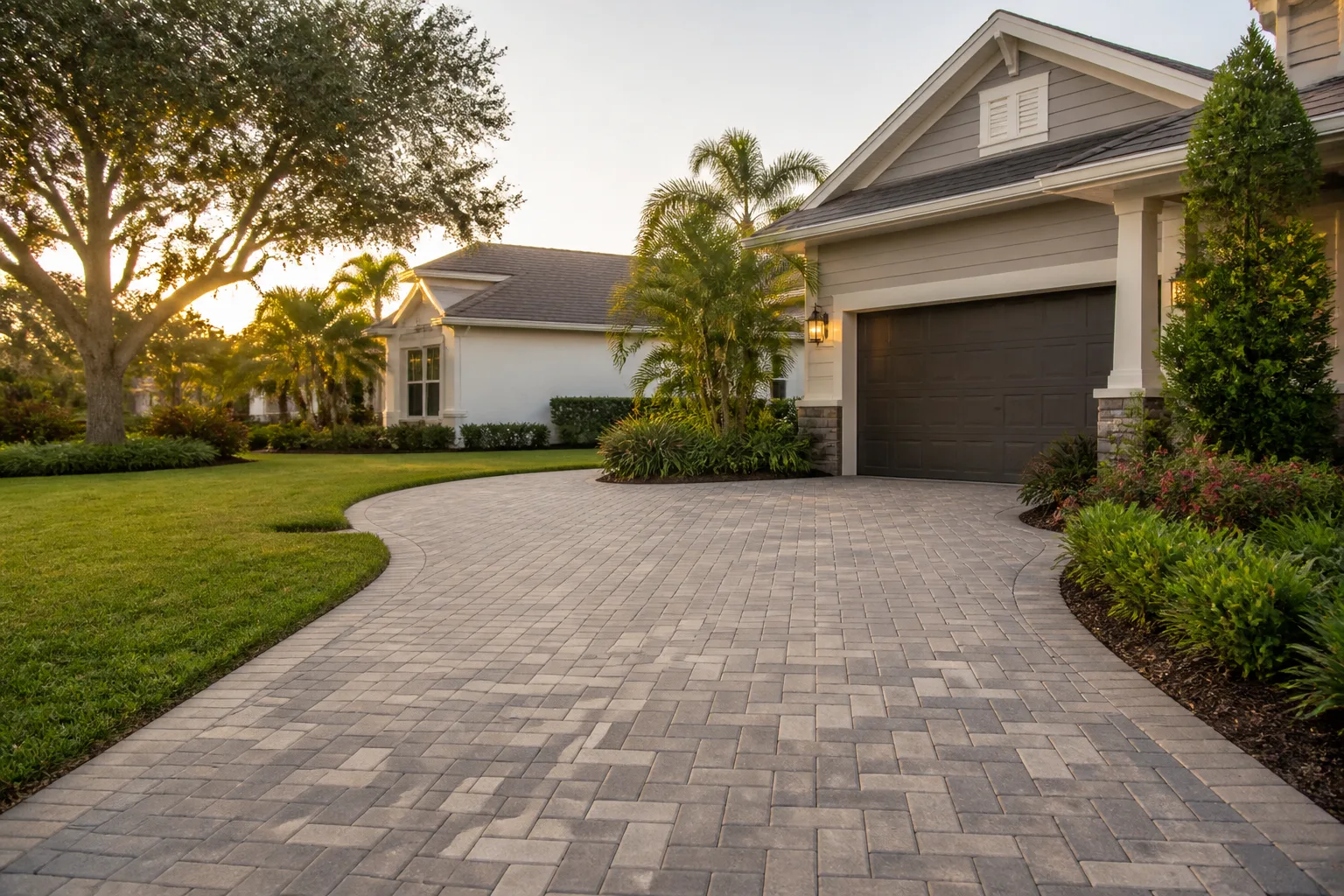
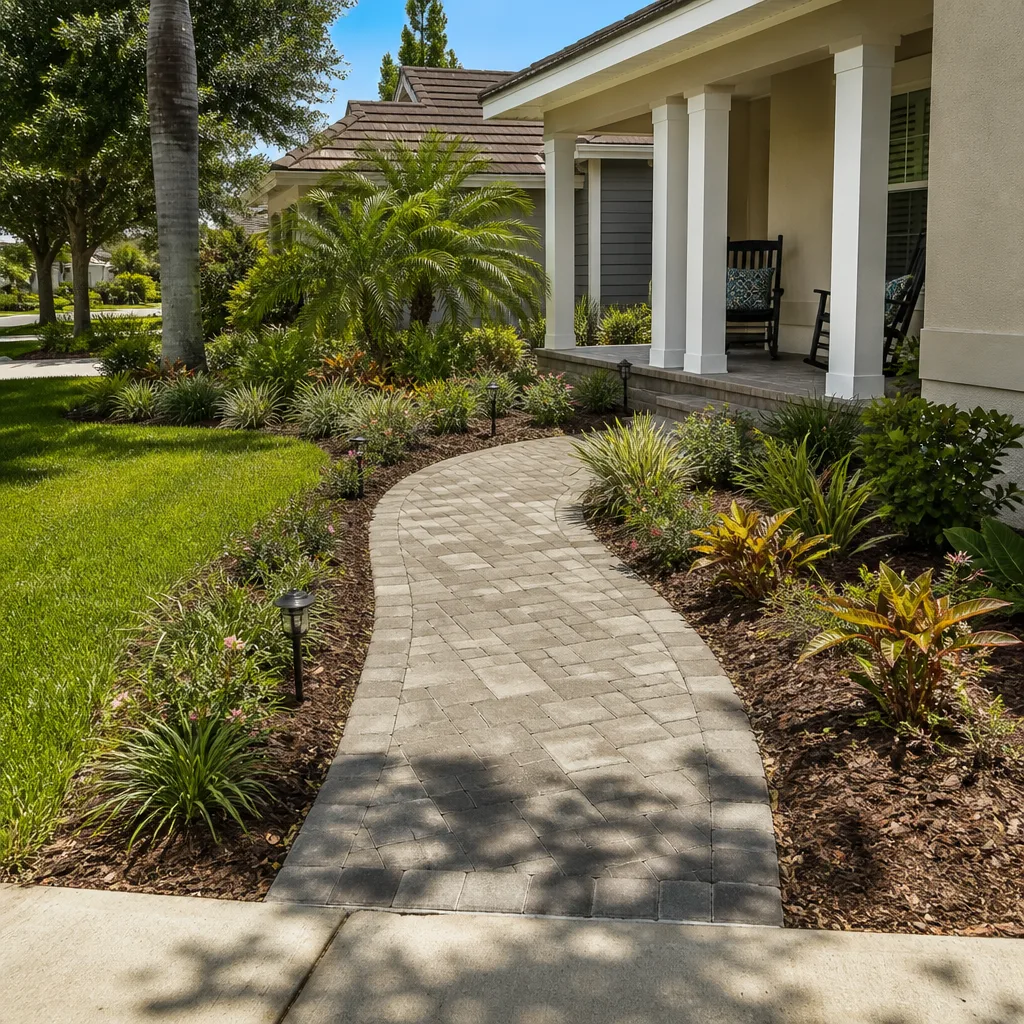
- Driveway & pavers
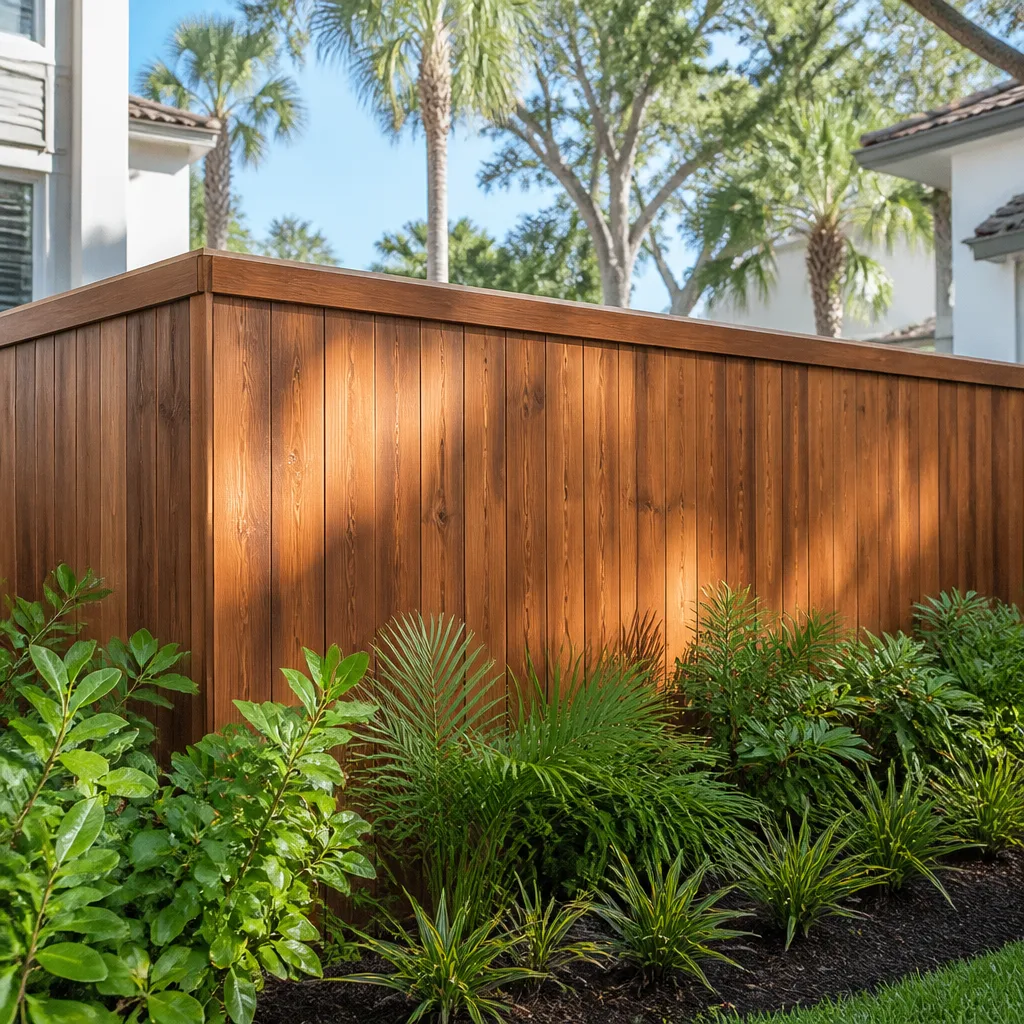
- Fence
See the difference
 Before
 After
 Before
 After
 Before
 After
Driveway Sealing Cost in Fort Worth, TX: What You’ll Actually Pay, and Why the Sealer Matters More Than the Schedule
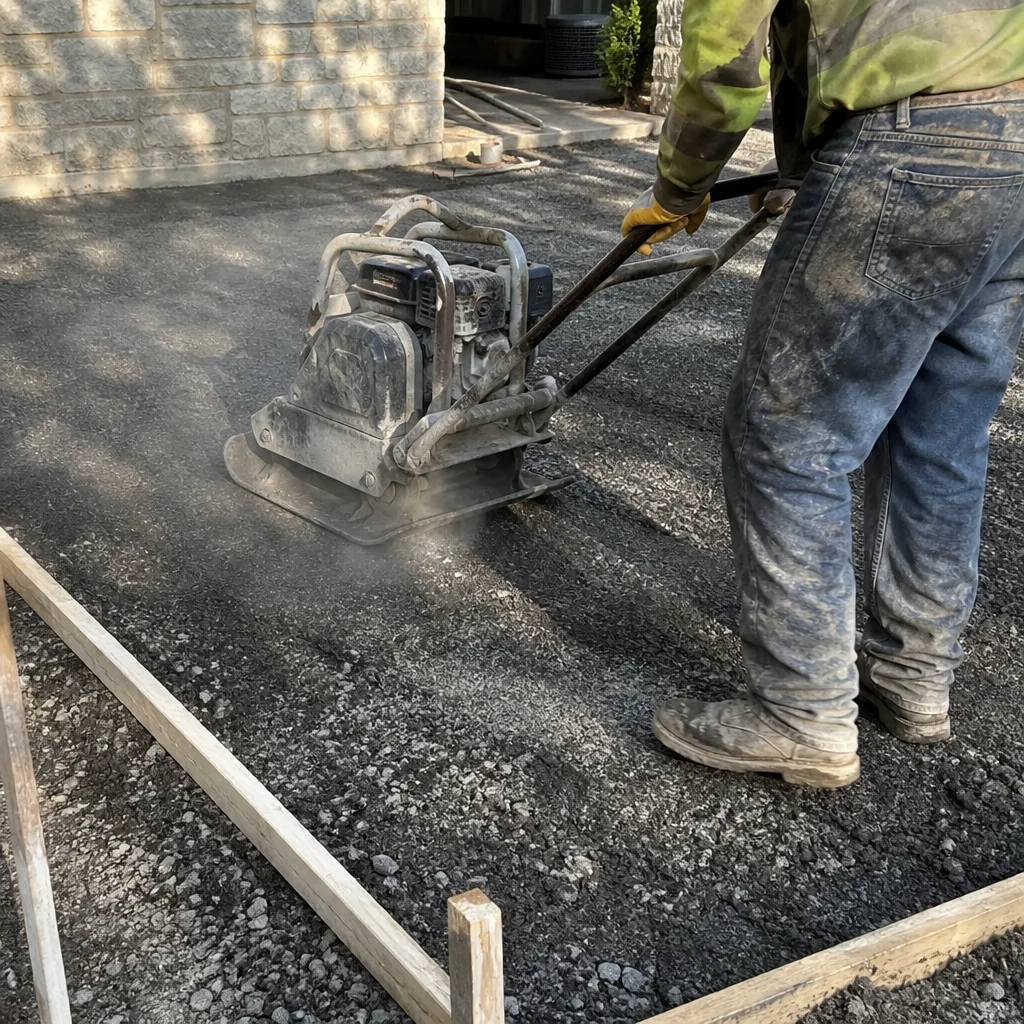
Driveway sealing in Fort Worth typically runs $250 to $700 for a standard 500 to 700 sq ft residential driveway, all-in – prep, cleaning, crack routing, and sealer. The number you pay depends far less on the applicator’s hourly rate than on which sealer gets rolled onto your slab. A film-forming acrylic that costs pennies per square foot and a penetrating silane/siloxane product that addresses Fort Worth’s clay-soil moisture problem are not the same job, and they never will be. Call (855) 912-5373 for a free estimate and a straight answer on which your driveway needs.
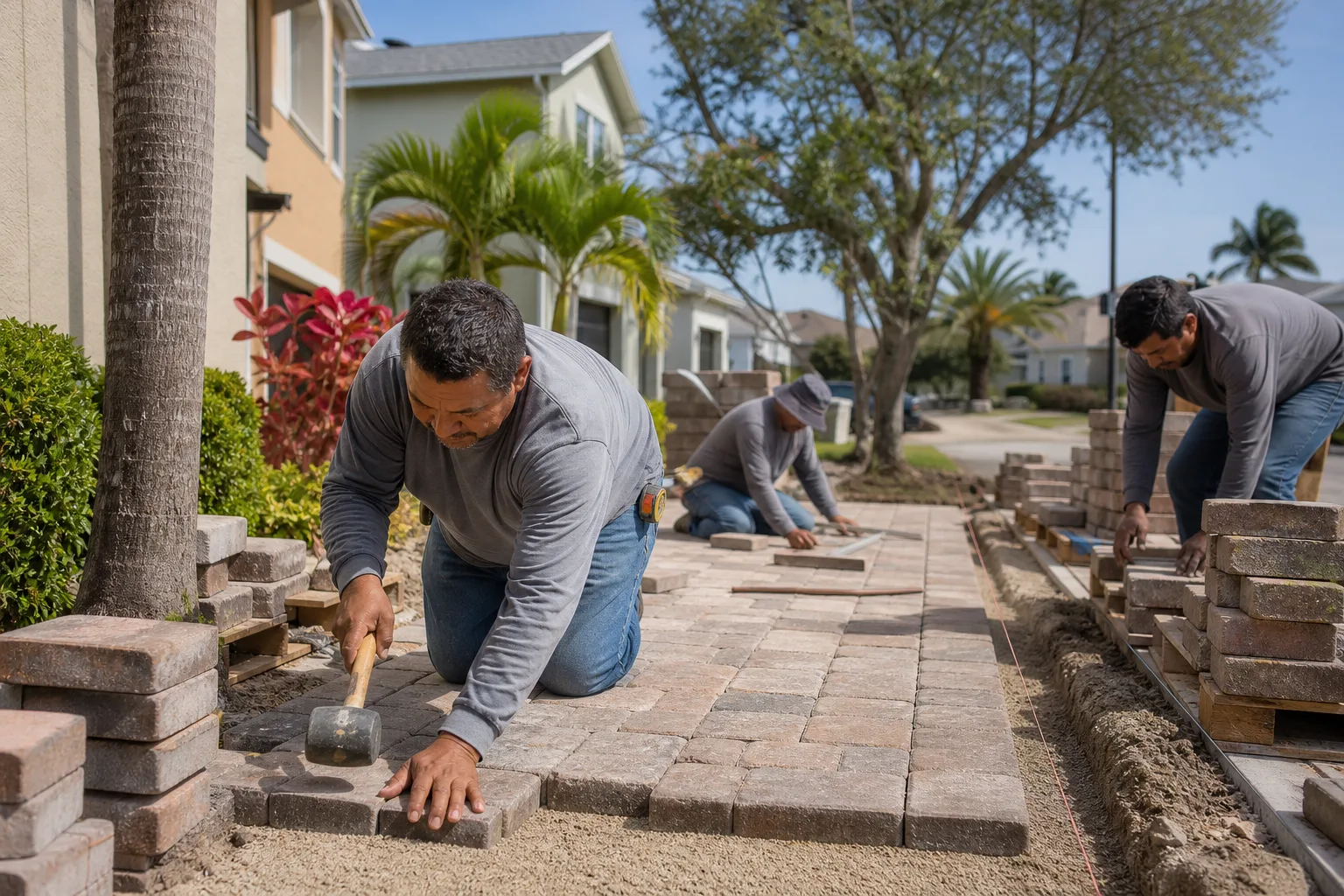
Fort Worth driveways get hit from two directions at once
Most of the country deals with one failure mode. Here we deal with two. From above, a North Texas summer pushes surface temperatures on a dark driveway well past 140°F and hammers the slab with a UV index that ranks among the harshest in the country for weeks at a stretch. From below, the expansive black clay soils that define this region swell and shrink with every wet-dry cycle, and that movement works moisture into the slab from the edges inward. A hairline crack at the joint starts as a cosmetic nothing in April. By the next August, it’s a channel for clay moisture to travel under the slab, where it accelerates heave and the kind of shifting that eventually telegraphs up into the surface.
That two-front attack is why driveway sealing in Fort Worth isn’t optional maintenance you get to around to when the budget permits. It’s the only thing standing between your slab and a moisture cycle it can’t win. A $0.30 per square foot film-forming sealer addresses neither front. It sits on top, protects color for a season or two, and fails. Here’s what actually holds up.
Penetrating vs. film-forming sealers: what the label won’t tell you
Walk into any big-box store in Fort Worth and you’ll find shelves of acrylic and epoxy-based sealers marketed as “wet look” or “gloss finish.” Those are film-forming products. Spend ten minutes on a job site and you’ll learn what matters here: film-forming sealers protect the appearance of the surface. Penetrating sealers – silane and siloxane chemistries – soak into the concrete pores and chemically repel water from the inside, which is exactly the failure mode this region creates. They don’t change the look of your driveway, and that’s the point.
- Film-forming (acrylic/epoxy): Sits on the surface, provides color enhancement and a sheen, protects against staining and surface wear. Repels water at the top but does nothing about moisture wicking up from the clay below. Degrades fast under Fort Worth’s UV load.
- Penetrating (silane/siloxane): Absorbs into the concrete and blocks liquid water intrusion at the pore level while still letting the slab breathe – critical when clay soils are pushing moisture from underneath. No sheen change. Far longer service life in this climate.
- What most homeowners unknowingly buy: The acrylic, because it’s cheaper, it’s on the shelf, and the label says “sealer.” The product that protects color is not the product that protects the slab from clay movement.
Which one you need depends on your driveway and your goal. If color is the priority – say on a decorative stamped surface finished with Cambridge Pavers or an Oldcastle paver border – a film-forming topcoat has a role. If the priority is stopping clay moisture intrusion and slowing edge-crack propagation, penetrating is the honest answer. A crew that shows up to seal your driveway should be able to tell you which product they’re applying and why, before the first roller hits the concrete. If they can’t, that’s already a lower-tier job.

Why the “recoat every 3 years” rule from up north becomes a 2-year schedule here
The recoat intervals published by most sealer manufacturers are written for a temperate climate with milder summers. They don’t survive contact with North Texas. Acrylic film-forming sealers that hold three years in cooler, lower-UV regions routinely show wear, chalking, and surface breakdown after 18 to 24 months on a Fort Worth driveway that faces west or south into full afternoon sun. The sealer isn’t defective. It’s just being asked to do its job in a climate that degrades it significantly faster.
That timeline is the honest one. A homeowner who was told “you’re good for five years” on an acrylic sealer is going to find out otherwise before year three. Penetrating sealers are more forgiving here, but they still want attention every 2 to 3 years in our conditions, and the actual interval depends on how much direct sun the slab takes, how much foot and vehicle traffic it sees, and whether the edges have been maintained.
For comparison, our crews in the Fairmount and Ryan Place blocks regularly work on older slabs where the driveway edge has been neglected for years – and the resulting spalling and joint opening is a much bigger line item than a sealing cycle would’ve been. Fort Worth’s historic districts also mean exterior work can bump into design review, so scheduling early beats scrambling; that’s a different conversation, but it’s the same principle: the cost of proactive maintenance beats the cost of repair every time.
Edge sealing and crack routing: the steps the low bid skips
Here’s the operator detail that separates a real sealing job from a hose-and-roller pass: the failure almost always starts at the edge. The perimeter of your driveway is where the slab meets soil, and it’s the entry point for clay moisture during the wet season. Cracks radiating from edge joints are the textbook symptom of moisture migration and early heave. A sealing job that rolls sealer over the surface without routing and filling those cracks, and without sealing the edge, is protecting the part of the driveway that wasn’t failing.
Before any sealer goes down on a Groundwork job, the pre-seal inspection covers:
- Edge-by-edge check for open joints and separation from the soil
- Crack routing – cleaning out the crack channel before filling, not just topping it
- Sounding the surface for hollow or delaminating areas that would trap sealer
- Evaluating oil, rust, or efflorescence staining that needs addressed before sealing, or the sealer locks it in
- A recommended product call (penetrating vs. film-forming) based on the actual slab and your goals, with the product named on the bid
That’s the difference between a $250 quick pass and a $500 sealing job you don’t have to think about. Ask any contractor what their bid includes before you compare quotes. If prep isn’t on the line items, the price is telling you what’s missing. More on our approach lives on the Driveway & Pavers in Fort Worth page.
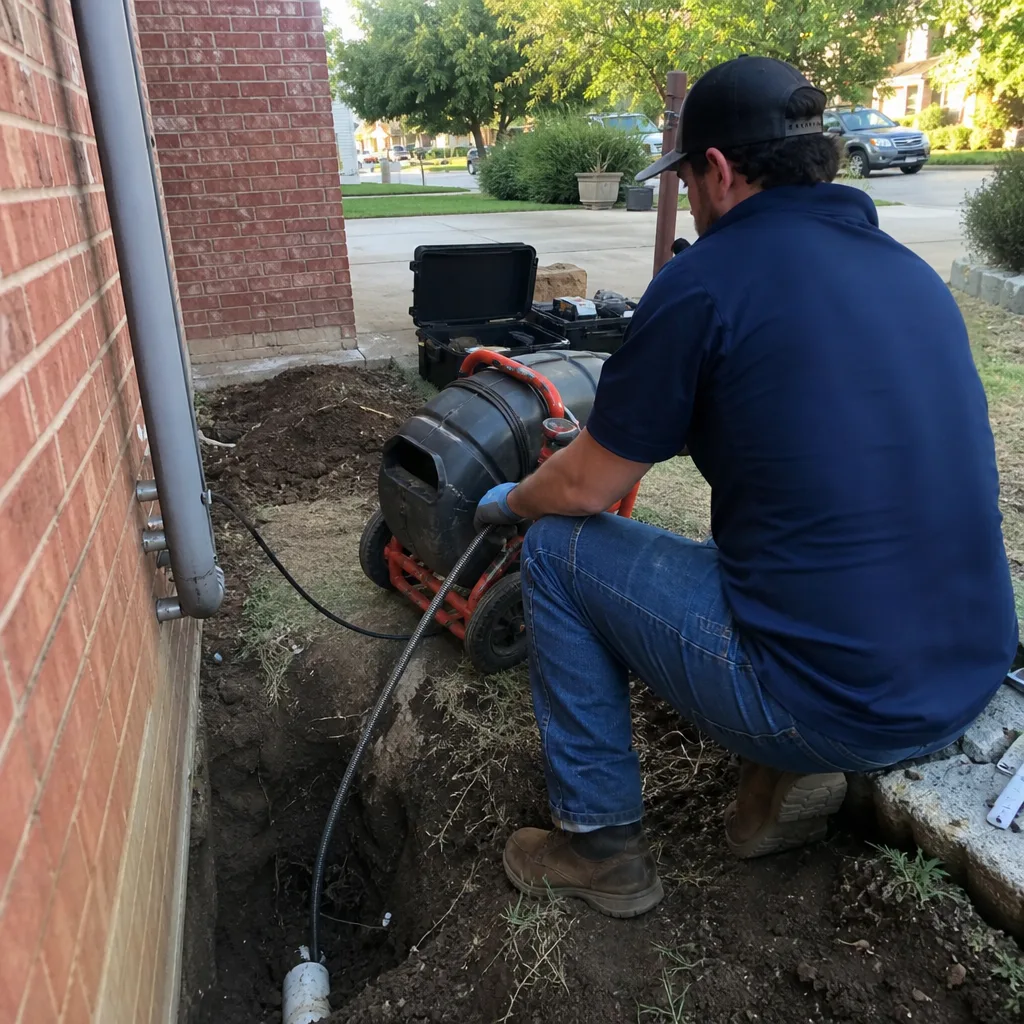
What does driveway sealing cost in Fort Worth? Line by line
Here’s the honest breakdown for a standard 500 to 700 sq ft residential Fort Worth driveway. A low bid is often low because half of these lines aren’t in it.
| Line item | Fort Worth price range |
|---|---|
| Power wash and surface prep | $75-$150 |
| Crack routing and fill | $50-$150 |
| Edge sealing (perimeter joints) | $40-$100 |
| Sealer material (grade-dependent) | $60-$200 |
| Application labor | $75-$150 |
| Total – standard 500-700 sq ft driveway | $250-$700 |
A $199 quote that comes in below the low end is almost certainly surface-only – no routing, no edge work, cheap film-forming material. That’s a fine service for a different climate. It’s the wrong one for a clay-soil slab in Fort Worth. For reference on the broader range of driveway work we handle, see our main Driveway & Pavers page.
The 730-Day Done Right Promise on sealing work
Most contractors won’t warranty a sealing job at all. The typical line is “sealing is maintenance, not a structural repair” – and they walk. That leaves you holding the bag if the sealer starts peeling or delaminating in the first season. Groundwork stands behind sealing with the same 730-Day Done Right Promise we put on every project: if the finished surface shows premature delamination or failure within that window, we come back and make it right. A penetrating sealer that beads water in year one should still be repelling it in year two, and if it isn’t, that’s our problem to solve.
Backing a guarantee that long means we spec quality products, not the cheapest thing at the distributor. Groundwork’s 730-Day Done Right Promise is one of the longest workmanship guarantees in the residential space, and it holds here just as it does on a kitchen or roof project. Pair that with upfront pricing – the number on the estimate is the number you pay – and you’re not gambling on a job you can’t evaluate after the fact.
Why call Groundwork Construction Co. of Fort Worth for sealing
We aren’t a drive-by sealing operation. Our technicians have up to 12 years of experience and arrive background-checked and in uniform. Calls are answered by a live person 24/7 – no voicemail, no waiting until Monday. We serve homeowners across Fort Worth with the same standard we bring to kitchen remodels and roofing, because a driveway that performs is part of the same envelope as the rest of the house.
If your Fort Worth driveway is overdue, the smarter move is a free estimate and a real conversation about which sealer the slab actually needs. Financing is available at 0% for 18 months, and projects over $10,000 get $1,000 off – though most sealing jobs don’t get near that threshold. The point is the same: clear pricing, no surprise line items after the fact. Call (855) 912-5373 and we’ll walk the slab, quote it up front, and tell you the truth about the product.
FAQs
Driveway sealing in Fort Worth typically costs $250 to $700 for a standard 500 to 700 sq ft driveway, including prep, cleaning, crack fill, and application. The high end of that range reflects penetrating silane/siloxane products, which cost more upfront but address the clay-soil moisture problem film-forming acrylic sealers don’t. Call (855) 912-5373 for an exact quote – estimates are free.
Self-sealing can cost $80 to $150 in material for a small driveway, but it usually skips the prep and edge work that determine whether the job actually holds. Crack routing and edge sealing aren’t optional in Fort Worth’s clay soil, and they’re the steps most DIY jobs miss. The real question isn’t material cost versus labor – it’s whether the protection you’re paying for actually protects against the failure mode this region creates. A free estimate from (855) 912-5373 will tell you what yours actually needs.
Plan on every 2 to 3 years in Fort Worth, not the 3 to 5 years many manufacturers publish for milder climates. A west- or south-facing slab in full afternoon sun will degrade acrylic sealer faster, sometimes in as little as 18 to 24 months. Penetrating sealers hold longer but still want attention on the shorter North Texas interval. Call (855) 912-5373 and we’ll walk the slab and give you an honest timeline.
Often yes – sealing is a single-visit job in most cases, and we schedule walk-throughs quickly. The slab needs to be clean and dry and the weather needs to cooperate, so timing depends on conditions, not on how far out the calendar is. Call (855) 912-5373 and we’ll find a slot.
Ready to protect the slab before the next clay cycle starts working on it? Call Groundwork Construction Co. of Fort Worth at (855) 912-5373 for a free, upfront-priced estimate – a live person answers, day or night.
Written by the team at Groundwork Construction Co. of Fort Worth, serving Fort Worth, TX.
What Our Customers Say
"Found unpermitted work by the previous owner once he opened the wall. He stopped, explained the options and what each would cost, and let me decide rather than making it my emergency."
- Marco Castillo"The finished work is exactly what we wanted. It did run about three weeks over, mostly waiting on a cabinet delivery that was out of his hands, though I would have liked more updates during that stretch."
- Dev Sharma"The schedule he gave me at the start was accurate to within four days on a three month job. Anyone who has done a renovation knows how unusual that is."
- Laura Bennett