
Free written scope consultation - allowances, timeline, and change-order rules on paper before a single trade is scheduled
Styles & brands we work with
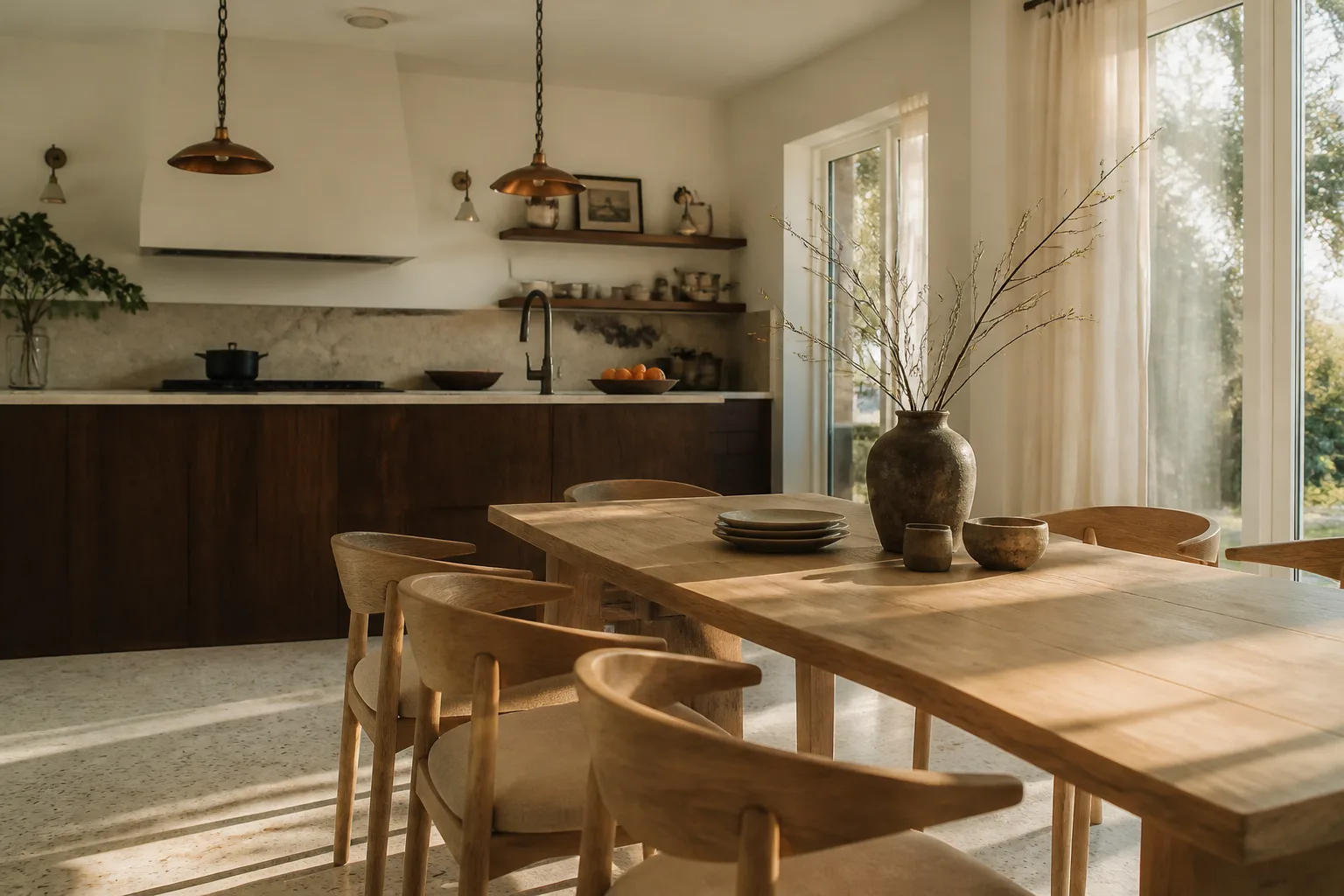
- Kitchen remodeling
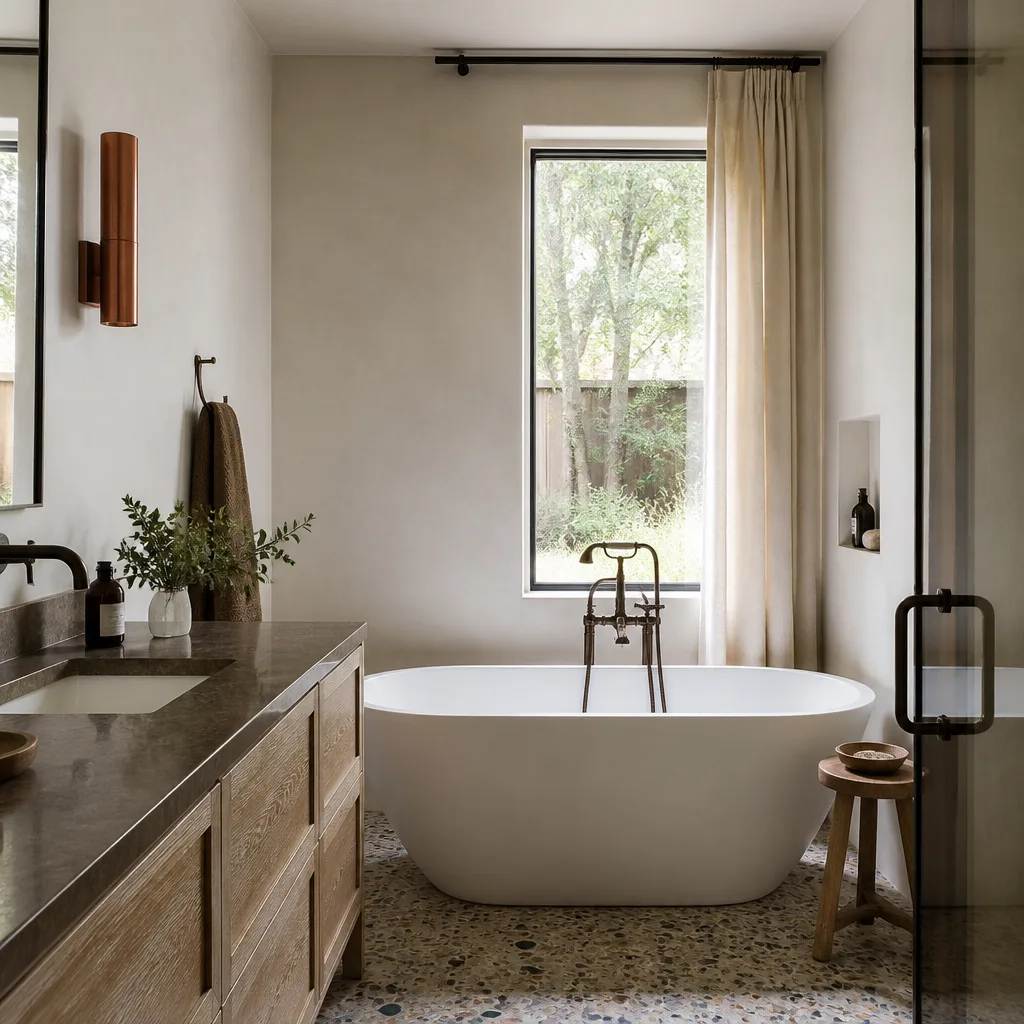
- Bathroom remodeling
- Home additions & ADU
- Roofing
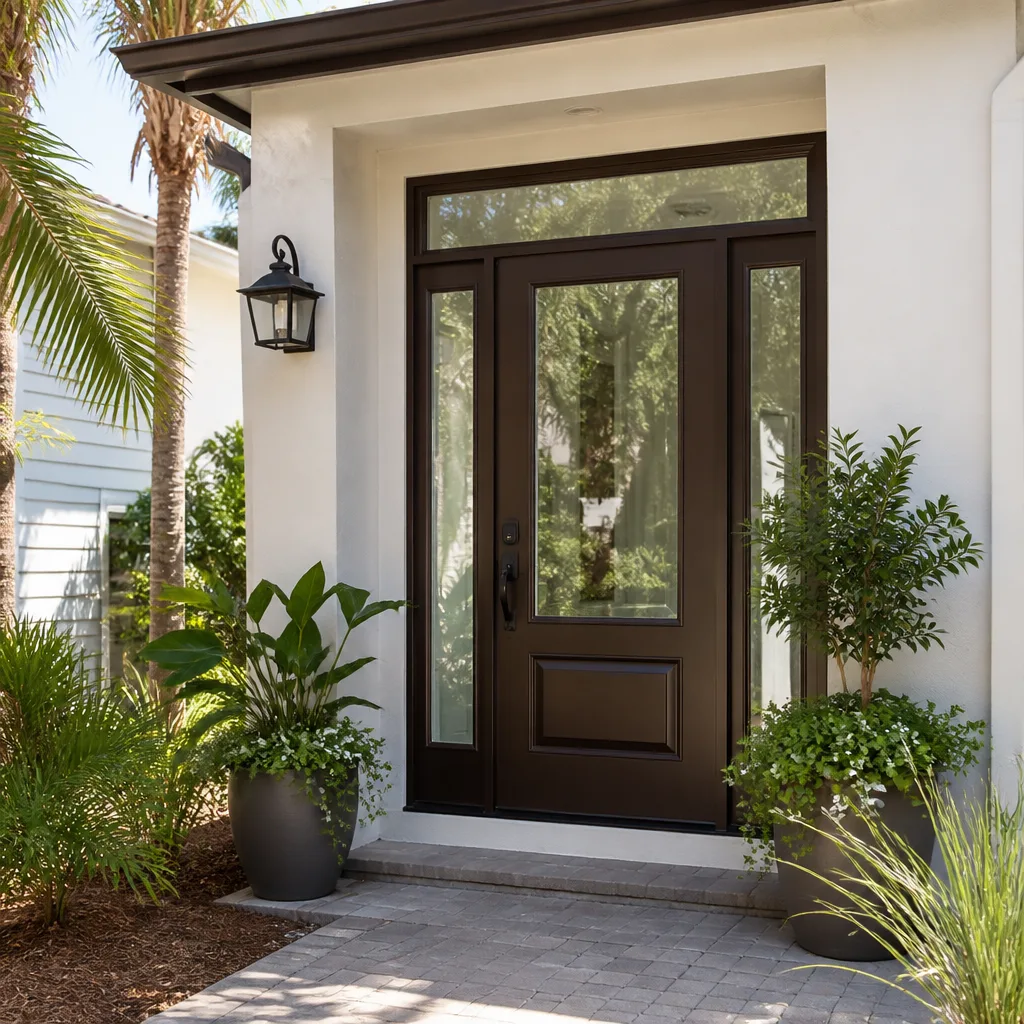
- Windows & doors
- Driveway & pavers
- Fence
See the difference
 Before
 After
 Before
 After
 Before
 After
How Long Does a Metal Roof Last in Fort Worth, TX?
A metal roof in Fort Worth typically lasts 35 to 55 years, but that spread comes down almost entirely to installation quality and material spec, not the word “metal” on the bid. A properly installed 24-gauge standing-seam steel roof with a Kynar 500 finish runs closer to 45 to 55 years here before coating renewal. A 26-gauge Galvalume panel in a high-UV zone lands nearer 35 to 45. The category label tells you very little. What matters is how the installer handled Fort Worth’s specific failure points. Call (855) 912-5373 for a straight answer on your roof.
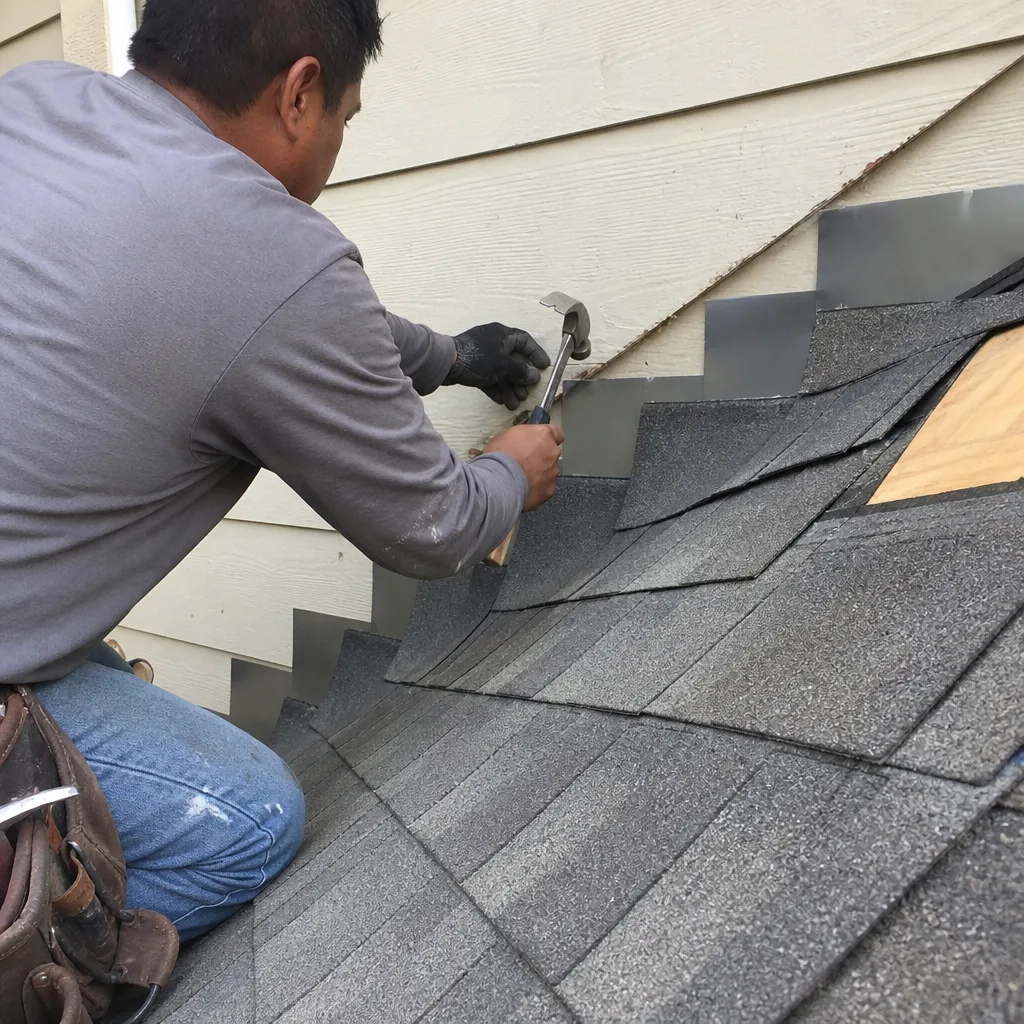
A metal roof installed in Denver and one installed in Fort Worth start aging differently on day one. Denver sits at altitude with cold winters and short, intense sun. Fort Worth hands a roof long stretches of high heat, punishing UV, and alkaline clay soil runoff. That combination writes a failure sequence you don’t see in a manufacturer’s spec sheet, and knowing the sequence is how you pick a roofer who’ll actually get you to the far end of that lifespan range.
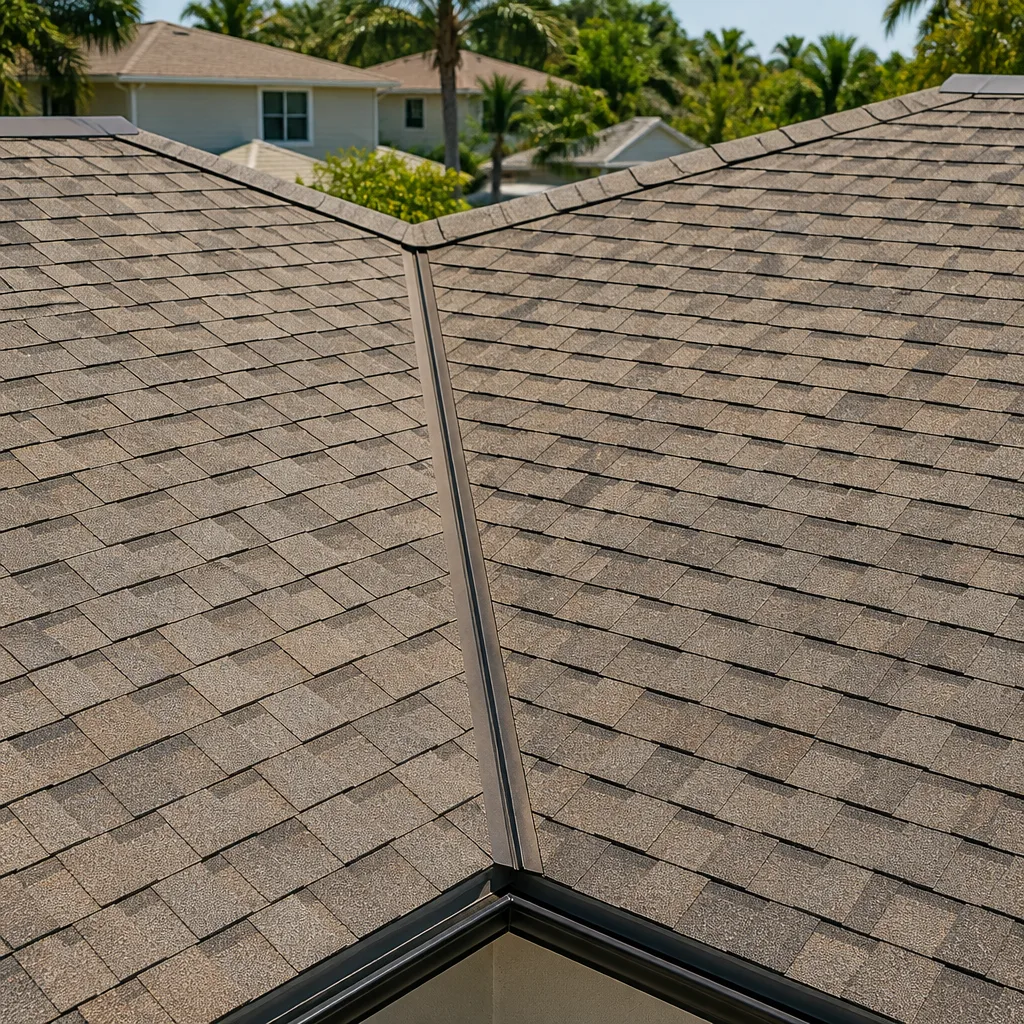
What Actually Wears Out a Metal Roof in Fort Worth?
Three things, and they show up in a predictable order. Miss any one of them during installation and the “40 to 70 year” number on the brochure becomes a 20-year roof.
- UV-driven paint oxidation. Fort Worth’s south-facing slopes get some of the most intense sun exposure in the continental U.S. The first thing to fade is the coating, not the steel. Once a finish chalks and dulls, the panel underneath starts to bare and oxidize.
- Thermal expansion at the seams and ridge. A Fort Worth attic routinely hits 130°F or higher in July. A 40-foot steel panel expands nearly 3/8 inch lengthwise in that heat and contracts again overnight. Over thousands of cycles, a system that can’t absorb the movement will find a weak spot.
- Flashing corrosion accelerated by clay soil. The region’s expansive black clay carries a high-pH chemistry in runoff. Wherever dissimilar metals touch (aluminum flashing against a steel panel, steel screws through a copper valley) that runoff speeds up galvanic corrosion. This is the failure nobody sees until it’s leaking.
Notice what’s not on that list: hail damage to the panel itself. Hail is real in North Texas and it drives plenty of roofing calls, but a metal roof handles hail far better than asphalt shingles do. The slow killers are sun, movement, and soil chemistry.
What Should You Look For in a Metal Roof Installer in Fort Worth?
Ask about coating grade first. Most homeowners never do, and it’s the single biggest predictor of how the roof looks and performs in year 25. Kynar 500 and other PVDF paint systems (the grade Groundwork Construction Co. of Fort Worth specifies on steel panels) hold color and resist chalking roughly 30 to 40% longer than standard polyester coatings under Texas sun. A roofer who can’t tell you which coating they’re using isn’t quoting you a real spec.
Then ask how the system handles movement. Concealed-fastener standing seam with floating clips lets the panel expand and contract without stressing a single fastener. Exposed-fastener panels are cheaper up front, and they work the screws loose over 10 to 15 years. Those loosened screws create leak points that never show from the ground. You find them when a ceiling stains in a storm.
Finally, ask how they handle metal-to-metal contact at every penetration and flashing. A good installer matches metal families (aluminum to aluminum, steel to steel, and separates incompatible metals with an isolation barrier) so clay-soil runoff can’t set up a corrosion cell. It’s a detail that costs almost nothing at install and a lot to fix later.
Quick spec checklist
- Coating: PVDF / Kynar 500 finish, not a bare polyester
- Panel gauge: 24-gauge steel for the longest service life, 26-gauge for budget builds
- Fastening: concealed floating clips on standing seam, not exposed screws
- Flashing: matched metal families at every penetration, isolation barriers where metals differ
- Warranty: the finish warranty and the workmanship warranty, read separately
That last item matters more than most people think. Metal roof problems (a loose clip, a seam that didn’t weld clean, a flashing detail that was rushed) often don’t surface in the first rain. They show up in year two or three, after a few full expansion cycles. Our Roofing projects are backed by the 730-Day Done Right Promise, which gives you 24 months after install to flag any workmanship-driven performance issue while it’s still our problem to solve, not a warranty fight. Upfront pricing means the number you see is the number you pay, and every technician who shows up is background-checked and in uniform.
Metal Roof Costs and Lifespan in Fort Worth: What to Expect
Lifespan and price move together, and the gauge and coating you choose drives both. Here’s how the numbers land for Fort Worth homeowners.
| Spec | Realistic service life in Fort Worth | Typical installed cost |
|---|---|---|
| 24-gauge standing seam, Kynar 500 finish | 45 to 55 years (coating renewal at the high end) | $15,000 to $40,000 |
| 26-gauge Galvalume, high-UV exposure zone | 35 to 45 years | Lower end of $15,000 to $40,000 |
| Full metal roof replacement | Full system swap | $15,000 to $40,000 |
| Repair of an existing metal roof | Extends life of existing panels | $400 to $1,800 |
| Full asphalt shingle replacement (for comparison) | Shorter cycle, replaced more often | $8,000 to $20,000 |
The math favors metal over the long haul in this climate. An asphalt roof you replace three times over 50 years costs more than one standing-seam install that’s still going. Paired with 0% financing for 18 months and $1,000 off projects over $10,000, the up-front gap gets a lot easier to close.
Fort Worth’s housing stock adds a wrinkle. Crews here toggle between lead-paint-era remodels in Fairmount and Ryan Place, where a porch rebuild can stall in a design-review overlay, and slab-on-grade new construction out past Loop 820. A metal roof on a century-old bungalow and one on a Walsh Ranch custom build need different flashing details and different decking prep. A roofer who only works new subdivisions will guess on the old ones. You can see how we approach the market on our Fort Worth service area page.
Can You Make a Metal Roof Last Longer?
Yes, and most of the work happens at install, not after. But a few maintenance habits stretch the coating life you’ve already paid for. Rinse the roof and gutters once a year to clear the alkaline clay dust that runoff leaves behind. Keep tree limbs off the panels so organic debris doesn’t hold moisture against the finish. And after any major hail event (North Texas gets its share), have the seams and flashing checked before you assume the roof is fine because nothing’s leaking yet. A quick inspection costs far less than discovering a loosened clip a season later.
Our technicians bring up to 12 years of experience to every roof we assess, and we partner with GAF and CertainTeed on the roofing side so you’re choosing quality, not just whatever’s in stock that week. From foundation to finish line, one contractor handles the job. If you’d rather have a professional look at your existing roof or price a metal upgrade, we’ll give you a no-pressure assessment and a clear number.
FAQs
A metal roof in Fort Worth lasts 35 to 55 years, while an asphalt shingle roof typically needs replacing every 15 to 20 years in this heat and hail climate. You’ll likely replace three shingle roofs in the time one standing-seam metal roof keeps going. Call (855) 912-5373 for a side-by-side estimate on your home.
Hail rarely ruins a metal roof, though it can dent 26-gauge panels and ding the finish on a cheaper coating. The bigger storm risk here is straight-line wind lifting a poorly fastened panel. That’s why concealed floating clips matter more than raw gauge in a storm-prone market. We’ll check seams and fasteners after any major hail event; estimates are free.
Repair is cheaper when the damage is localized (a flashing failure or a few loose fasteners) and runs $400 to $1,800. Replacement makes more sense when the coating has failed across large sections or corrosion has reached the fasteners, and a full metal roof install runs $15,000 to $40,000. We’ll tell you which one your roof actually needs, with upfront pricing and no surprises. Call (855) 912-5373 for an exact quote.
Yes, and a properly vented metal roof sheds heat well, but the design has to allow for expansion. A Fort Worth attic over 130°F pushes a 40-foot panel to expand nearly 3/8 inch, and a floating-clip system absorbs that movement instead of fighting it. Ask any installer how their system handles that expansion before you sign. We’re happy to walk you through it.
Get a Clear Answer on Your Roof
If you’d rather have it looked at, Groundwork Construction Co. of Fort Worth offers a no-pressure assessment in Fort Worth. Call (855) 912-5373 and a live person answers, day or night, to price your metal roof and put the real lifespan in writing.
Written by the team at Groundwork Construction Co. of Fort Worth, serving Fort Worth, TX.


