
Free written scope consultation - allowances, timeline, and change-order rules on paper before a single trade is scheduled
Styles & brands we work with
- Kitchen remodeling
- Bathroom remodeling
- Home additions & ADU
- Roofing
- Windows & doors
- Driveway & pavers
- Fence
See the difference
 Before
 After
 Before
 After
 Before
 After
How Long Does a Roof Last in Fort Worth, TX? Real Numbers, Not the Label on the Bundle
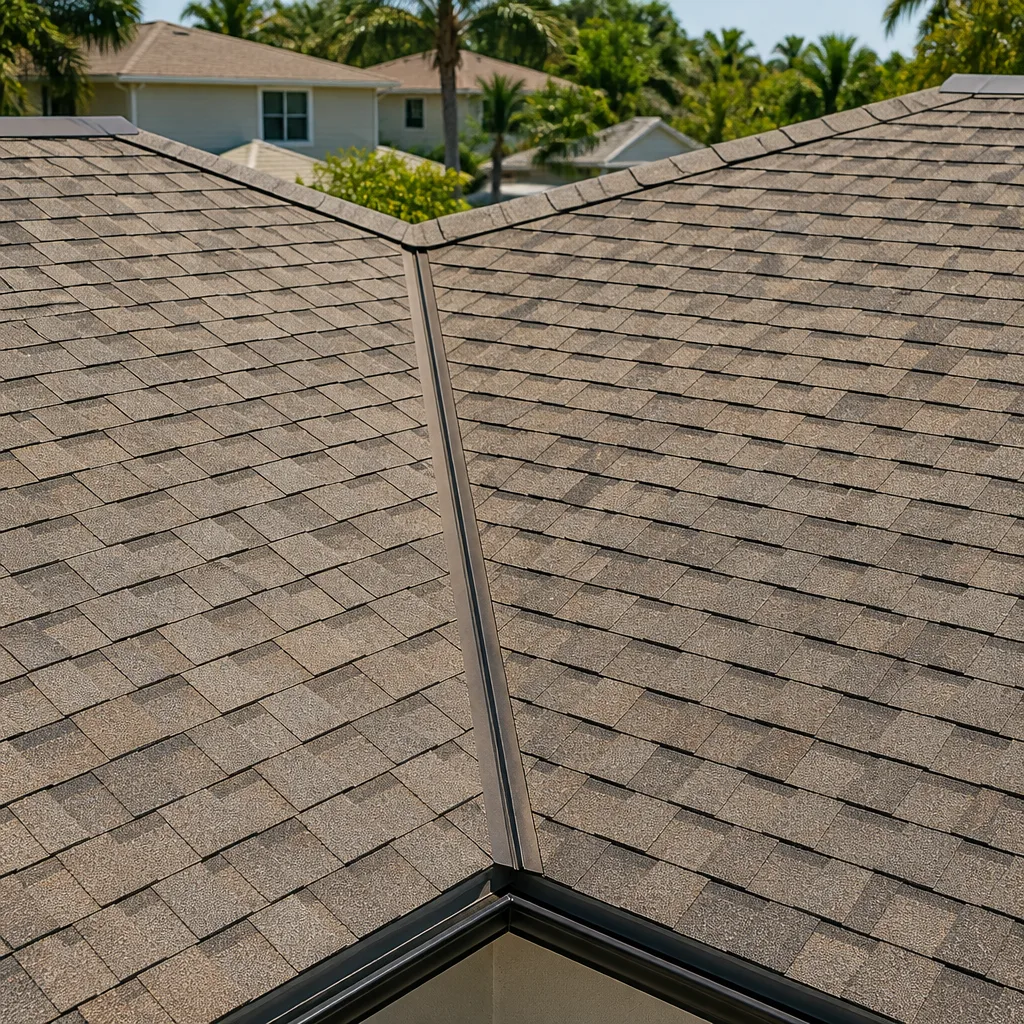
In Fort Worth, the honest answer is shorter than the label: a “25-year” architectural shingle usually gives you 17 to 20 years, a 3-tab rated for 20 typically makes it 10 to 15, and standing-seam metal is the one product that mostly holds its stated lifespan at 40-plus years. National lifespan charts assume a temperate climate. Tarrant County is not that climate. The gap between the printed number and what your roof actually gets is the whole story, and it’s worth understanding before you spend $8,000 to $20,000 on a replacement.
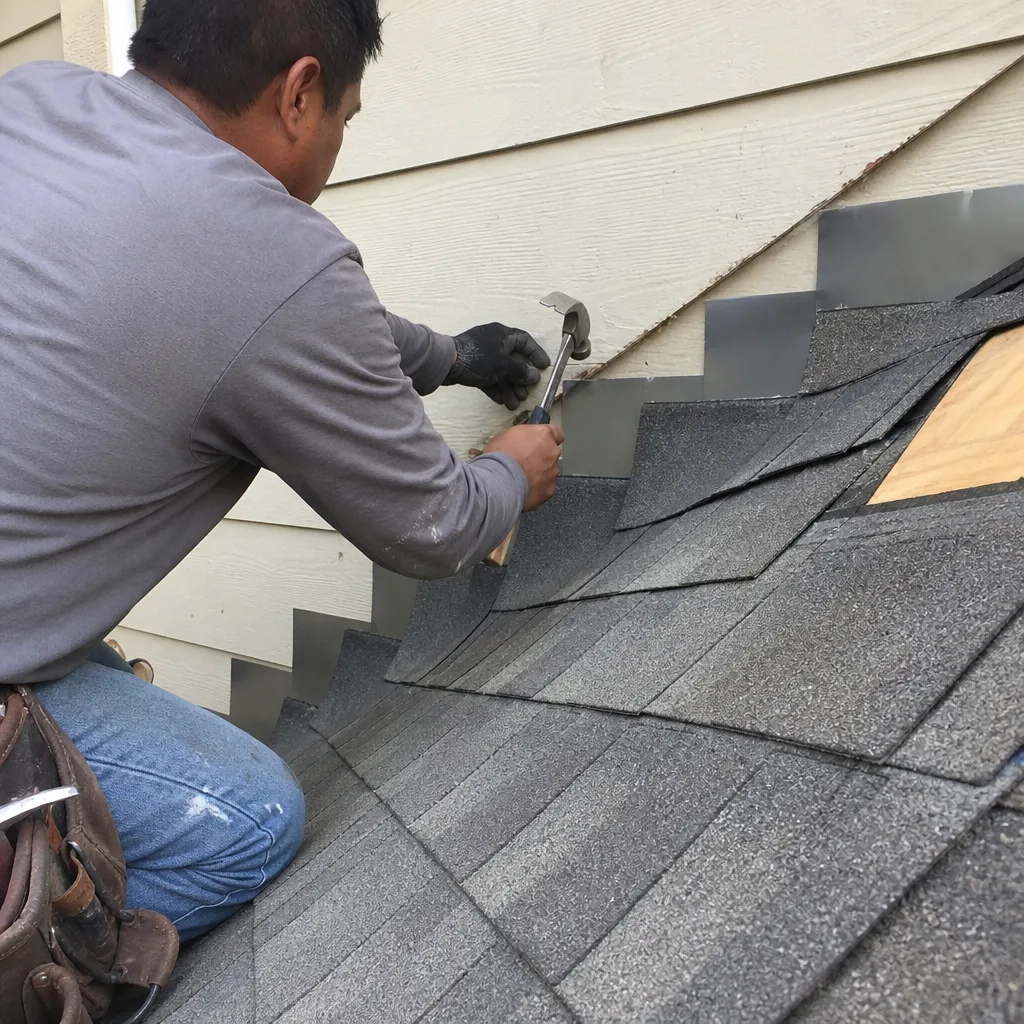
We’re Groundwork Construction Co. of Fort Worth, and we put roofs on in this heat and this hail all year. If you want a real read on your own roof, call (855) 912-5373 - a live person answers, day or night.
Why the Label and the Weather Disagree
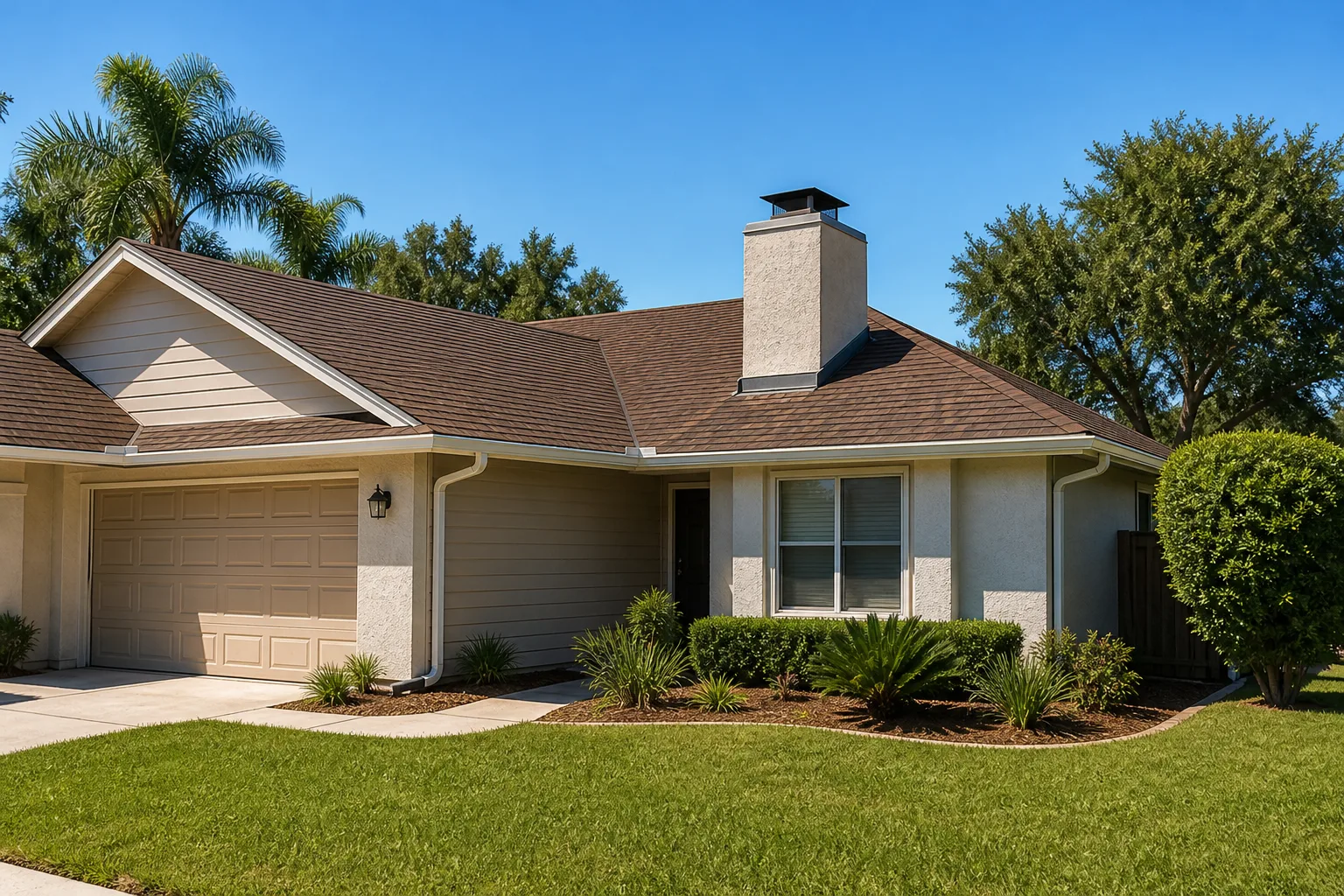
Roof shingle lifespans are tested against a temperate-climate baseline. Fort Worth asks the material to do more than that baseline ever models, and it does it in a few specific ways.
Thermal cycling is the big one. A dark asphalt roof surface here can climb past 160°F on an August afternoon. Then a January cold front drops an ice event on it, sometimes more than once in a winter, swinging the material 20°F to 110°F and back. Each swing hardens the asphalt a little more. After fifteen or so summers, the mat has lost the flexibility it was sold with, and that brittleness is what makes the next hail event crack shingles instead of bouncing off them.
Add the UV load (North Texas sun is relentless from May through September) and the spring hail corridor, and you have a product aging faster than the warranty table prices in. That’s not a knock on the manufacturers. It’s just arithmetic.
The Fort Worth-Adjusted Lifespan Table
Here’s what we actually see on Fort Worth roofs, next to what the packaging claims. Use this instead of a national chart:
| Roof Type | Stated Lifespan | Real Fort Worth Lifespan |
|---|---|---|
| 3-tab asphalt shingle | 20 years | 10-15 years |
| Architectural asphalt shingle | 25-30 years | 17-20 years |
| Class 4 impact-resistant shingle | 30 years | 20-25 years |
| Standing-seam metal | 40-plus years | 40-plus years (least climate-degraded) |
| Concrete tile | 50 years | 25-30 years, with underlayment replacement at 15-20 |
Notice the metal line: it’s the only product where the Fort Worth climate barely dents the stated number. Metal handles UV, heat cycling, and hail better than anything asphalt-based. If you’re planning to stay in the house for the long run, that math is worth running. Metal roof installation in Fort Worth runs $15,000 to $40,000, so it’s a bigger check than a shingle replacement. Spread across 40 years without a second tear-off, though, it often comes out ahead.
The Underlayment Half-Life (the Part Nobody Tells You)
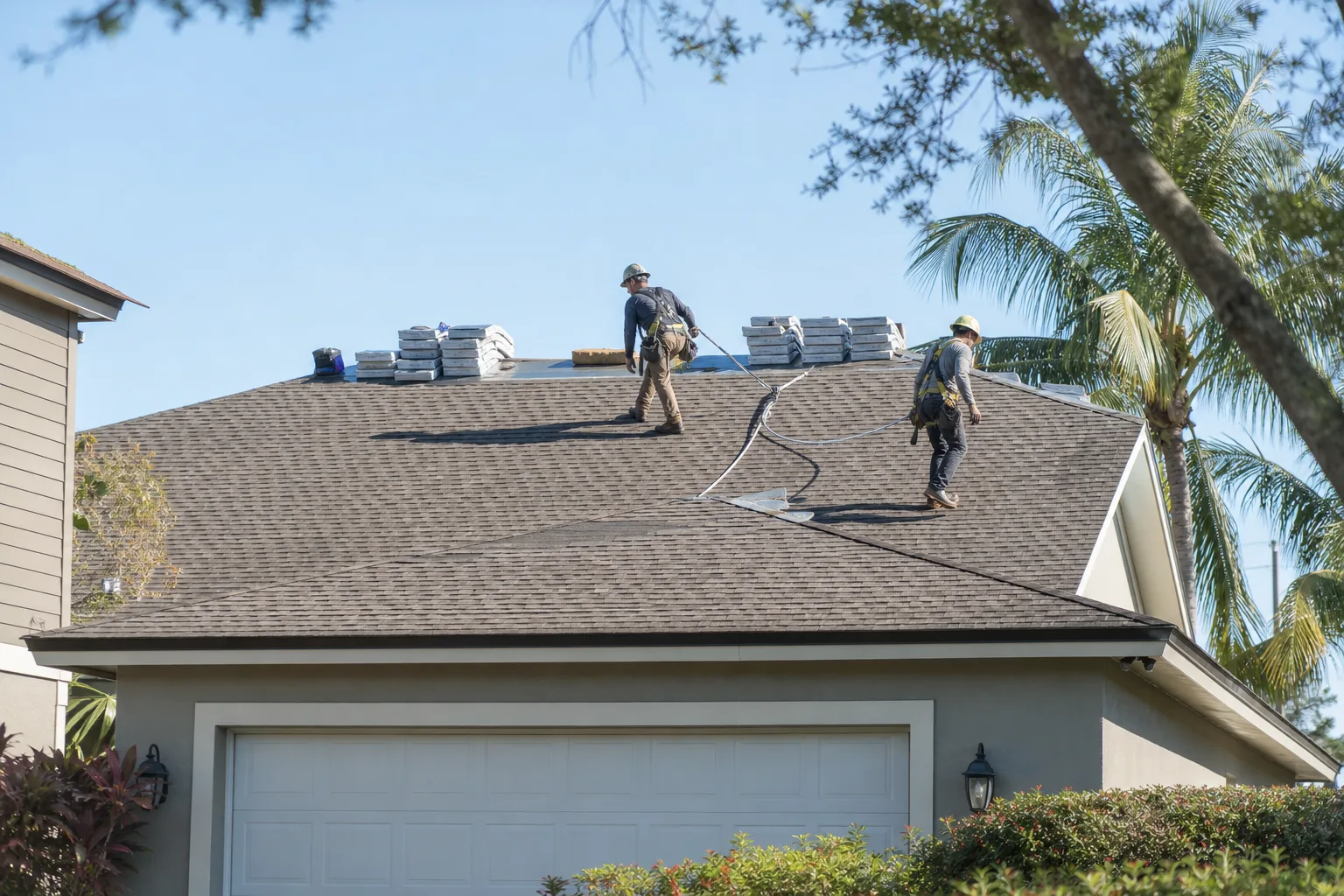
Here’s the detail that catches Fort Worth homeowners off guard: the underlayment usually fails before the shingle does.
Under that visible layer of shingles sits a felt or synthetic sheet that sheds the water getting past the shingles. In our heat, that sheet cooks. By the time it’s fifteen to twenty years old, it’s dried out and cracking, and it starts letting water through. The shingle on top might still look perfectly fine from the ground. So your first leak shows up years before your roof looks worn, and it usually shows up as a ceiling stain in a hallway, not a missing shingle.
That failure point is inspectable. A technician on the roof can check underlayment condition at the valleys and penetrations without tearing anything off. That’s one reason we push for an inspection around year twelve to fifteen rather than waiting for the stain. If you’re not sure where your roof stands, our Roofing team can look at it and tell you straight.
How Product Choice Changes the Curve
Not every shingle ages the same, and the difference shows up in the Fort Worth hail corridor. GAF and Owens Corning both build Class 4 impact-resistant lines with documented performance data in NOAA hail zones. That means the rating was earned against real hail impact, not just a lab number. In a city that sees spring hail most years, a Class 4 line buys you real years over a standard architectural shingle, and some carriers discount your premium for it.
Standing-seam metal and concrete tile round out the long-horizon options. Concrete tile gets a bad reputation here for one reason: the tile itself lasts, but the underlayment underneath it doesn’t. Plan on replacing that underlayment every 15 to 20 years, or the tile becomes a leaky roof that still looks new.
What This Means for Fairmount, Ryan Place, and the Rest of Fort Worth
Fort Worth’s housing stock spreads the lifespan question across a wide range. Early-1900s Craftsman and bungalow blocks in Fairmount and Ryan Place sit on pier-and-beam foundations with true-dimension lumber, and plenty of those roofs are on their third or fourth covering. A re-roof there runs into design-review overlays the historic districts carry, so even a straightforward tear-off can stall on district review. Meanwhile, brand-new tract housing pushing past Loop 820 toward Alliance and Walsh Ranch is going on its first roof with a builder-grade shingle that’s already aging in the sun.
The practical takeaway is the same for both: know your real lifespan number, not the package number. If your home is past year fifteen and you’re not sure, that’s the moment to look.
Where the 730-Day Done Right Promise Fits
A roof’s lifespan is a product curve, but the first couple of years are about the installation. Flashing at the valleys, nail placement, ridge venting, ice-and-water at the eaves: get those wrong and the roof fails early no matter what shingle you bought.
That’s the window our 730-Day Done Right Promise covers. If something fails in the first two years because of how it was installed, we make it right, in writing. Material brands like GAF and Owens Corning back the product. Our technicians, who carry up to 12 years of experience, back the work. Between the two, you’re covered at both ends of the curve.
FAQs
An architectural shingle roof in Fort Worth typically lasts 17 to 20 years, even though the product is rated for 25 to 30. The shorter real-world number comes from UV load, the 20°F-to-110°F thermal swing, and spring hail. If you’re weighing a replacement, call (855) 912-5373 for a free estimate and we’ll give you the number for your specific roof.
Yes. Hail doesn’t just cause visible damage, it ages the shingle by knocking loose the granules that protect the asphalt from UV. Every storm strips a little more of that protective layer, so a roof that’s seen several hail seasons wears faster than one that hasn’t. A Class 4 impact-resistant shingle, like the GAF and Owens Corning lines, handles that better. Call us to find out whether your roof has taken hail damage worth documenting.
Around year 12 to 15, and after any significant hail event. That’s when the underlayment starts failing, which means a leak can show up before the shingles look worn. An inspection catches it early. Call (855) 912-5373 and we’ll schedule a look.
Roof replacement in Fort Worth runs $8,000 to $20,000 for asphalt, and metal roof installation runs $15,000 to $40,000. Small repairs usually run $400 to $1,800, and tile roof repair $600 to $2,500. Pricing is upfront, and the number you see is the number you pay. Call (855) 912-5373 for an exact quote.
Get a Straight Answer on Your Roof
If the printed lifespan on your shingle bundle and the real number don’t line up, you’re not imagining it. If you’d rather have it looked at, Groundwork Construction Co. of Fort Worth offers a no-pressure assessment in Fort Worth. Call (855) 912-5373, and we’ll tell you where your roof actually stands. You can also see the full scope of what we do on our home page and our Fort Worth service area page.
Written by the team at Groundwork Construction Co. of Fort Worth, serving Fort Worth, TX.


