


Free written scope consultation - allowances, timeline, and change-order rules on paper before a single trade is scheduled
Styles & brands we work with
- Kitchen remodeling
- Bathroom remodeling
- Home additions & ADU
- Roofing
- Windows & doors
- Driveway & pavers
- Fence
See the difference
 Before
 After
 Before
 After
 Before
 After
How Long Does a Tile Roof Last in Fort Worth, TX? The Tile Lasts a Century, the Underlayment Doesn’t
A clay tile roof in Fort Worth lasts 75 to 100 years if the tile itself is the only thing you’re counting. The waterproofing system under it, though, lasts 20 to 30. That gap is the part nobody quotes you upfront, and it’s the number that actually decides how long your roof performs. Here’s the short version: tile is a 100-year skin sitting on a 20-30 year membrane. When the membrane goes, the tile comes off and goes back on, at roughly 60-70% of a full re-roof cost.
Fort Worth sits in a climate that punishes both layers differently. Long, hot North Texas summers bake the underlayment from underneath. Spring hail pounds the tile from above. And the expansive black clay soils under most of the city keep the deck moving just enough that any weak lap in the felt gives up sooner than the manufacturer’s label suggests. That’s why the honest answer to “how long does a tile roof last” depends less on the tile and more on what’s holding it up.
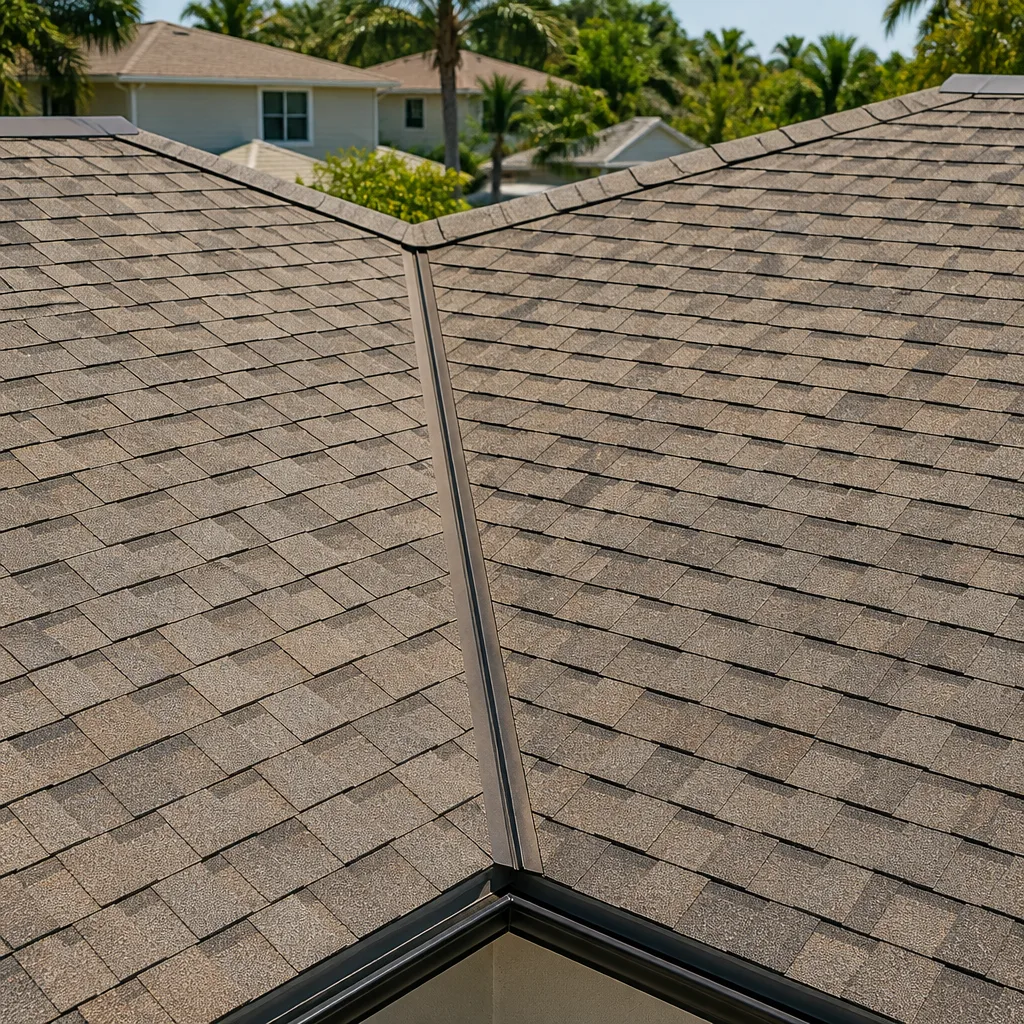
The Tile Isn’t the Problem. The Layer You Never See Is.
Standard #30 felt underlayment under tile dries out and turns brittle in 15-20 years in this heat. It happens quietly. The tile above looks fine, the roof doesn’t leak, and then one spring storm finds a hairline crack and the whole system tells on itself at once. Premium synthetic underlayment, the spec our crews use on tile jobs, is rated for 50+ years. Same tile on top. Two very different roofs underneath.
We see this constant in far-west Fort Worth, where the custom-home corridors pushed out toward Alliance and Walsh Ranch were built in a wave through the mid-2000s. Those tile roofs are now 15-20 years old. A lot of the homeowners aren’t being told that the next service interval is already arriving, and that the work coming isn’t a patch, it’s a lift-and-reset. Every neighborhood has a season for this. That corridor is walking into it right now.
What actually determines how long your tile roof lasts:
- The underlayment spec. #30 felt (15-20 years) versus premium synthetic (50+ years) is the single largest variable, and it’s invisible once the tile is down.
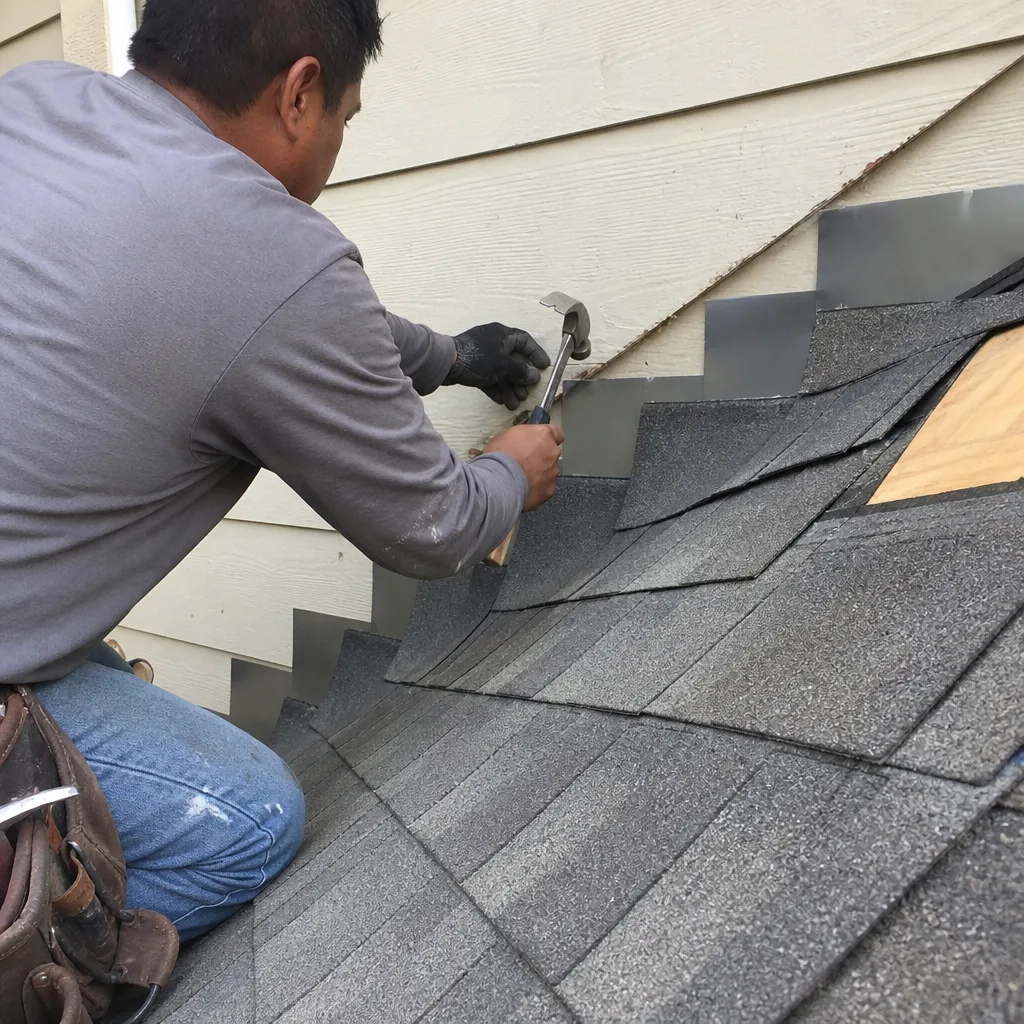
- Flashing condition. Cracked or rusted step flashing channels water straight to the deck. It’s a $200-500 fix that, ignored, becomes a deck repair in the thousands.
- Hail damage caught fast. A cracked tile left alone wet-cycles the underlayment under it. That’s how a $400 tile swap becomes a $15,000+ deck repair.
- Deck and battens. If the deck has soft spots from a prior leak, the new underlayment has nothing solid to sit on, and it fails early no matter the spec.
Here’s the part we always explain before we touch a tile roof: removing and re-setting every tile to reach the underlayment is the bulk of the labor. The tile is expensive, but it isn’t what you’re paying for on an underlayment job. You’re paying to carefully pull, stack, inspect, and re-nail it. That’s why the lift-and-reset runs 60-70% of a full re-roof, not 20%.
What to Ask Before Any Tile Roof Job
Residential and commercial tile roofs both fail at the same joint, so the questions are the same. Ask what underlayment spec is being installed, in writing. Ask whether flashing is included or an add-on. Ask for the tile inspection line item, so you know how many cracked tiles are being replaced and at what price. A lump-sum bid that hides all three is the bid that finds surprises halfway through.
Groundwork Construction Co. of Fort Worth prices tile work upfront and line by line, so you see the underlayment spec, the tile count, and the flashing as separate numbers. What it costs looks roughly like this in Fort Worth today:
| Service | Typical Fort Worth Range |
|---|---|
| Tile roof repair (cracked tiles, spot flashing) | $600 - $2,500 |
| General roof repair | $400 - $1,800 |
| Full roof replacement (tile, with underlayment) | $8,000 - $20,000 |
| Metal roof installation (comparison) | $15,000 - $40,000 |
The number you see is the number you pay. No buried line items, no surprise hammer-in-the-middle invoice. On larger replacement scopes, 0% financing for 18 months and $1,000 off projects over $10,000 are both available. Our tile crews run on GAF and CertainTeed material systems for the underlayment and flashing, and the tile itself is typically already on the roof. If you’re evaluating the whole exterior at once, the broader window and door side of the job sits on our Roofing and window pages, and the rest of what we build is indexed from our home page.
One local piece worth knowing: Fort Worth is a two-speed building town. On one permit you’re repairing a 1920s bungalow in Fairmount or Ryan Place, old-growth pier-and-beam and true-dimension lumber, and the next day you’re on a slab-on-grade custom build past Loop 820. Tile roofs on the newer custom side rarely have deck issues, while tile roofs on the older stock in near-south and east-side brick ranches usually do, and that changes the cost. The Fort Worth service area page lists how we work across these zones.
The Maintenance Side Nobody Tells You About
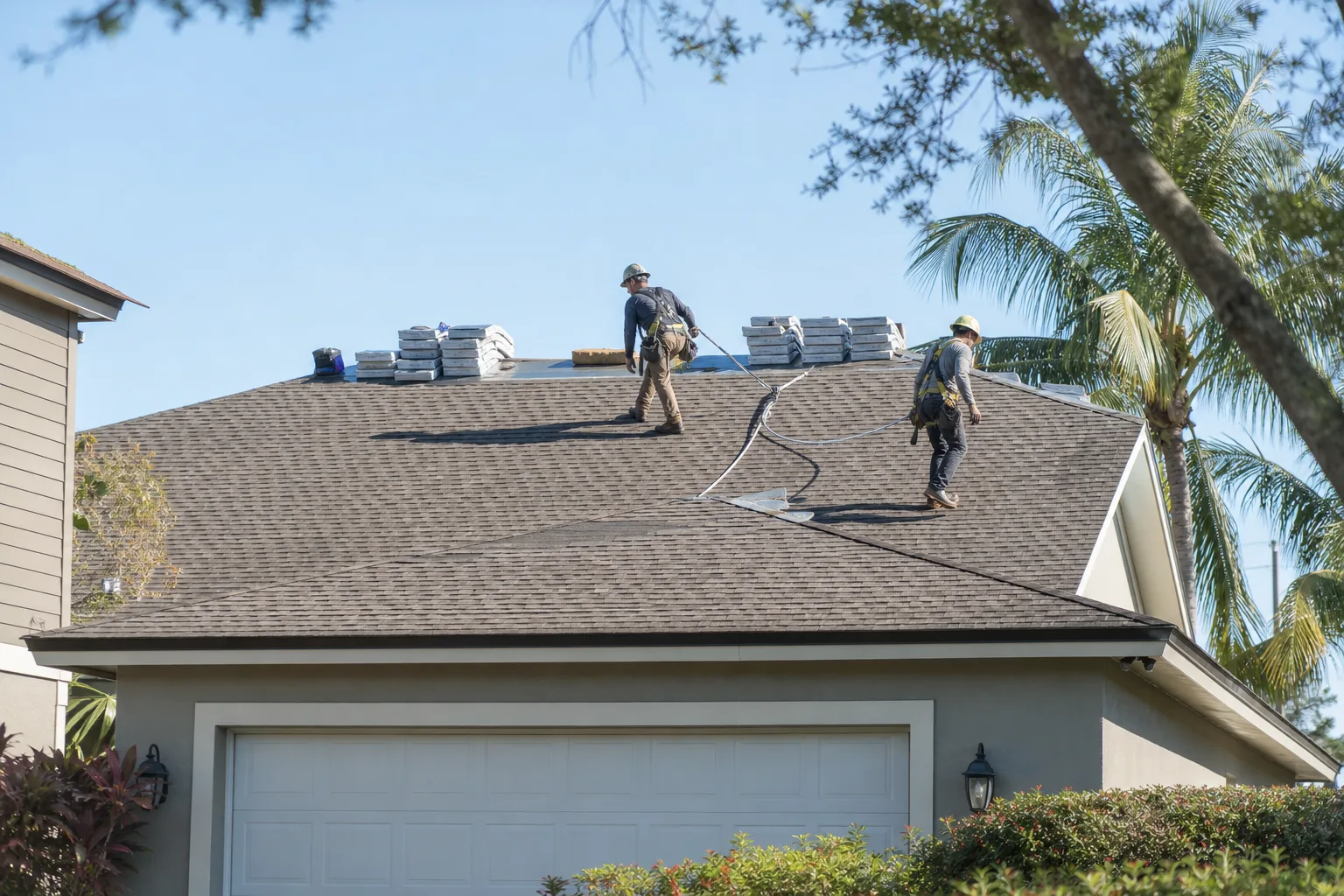
Concrete tile in Fort Worth fades and grows moss and algae faster than clay, because the humid spring keeps the surface damp just long enough for growth to get a foothold. Clay resists this better and holds its color longer. So a tile roof’s “lifespan” is partly a maintenance story: an annual look at the tile surface and a fast response to any cracked piece is what keeps the underlayment from doing the failing. We usually recommend a roof check after each hail season, before the summer heat locks everything in.
Our technicians have up to 12 years of experience across tile and underlayment work. Every tile installation we do is covered by the 730-Day Done Right Promise, which carries the workmanship through the first two full wet seasons, the highest-risk window for underlayment lap sealing. Built to last, backed in writing. If it isn’t done right, we make it right.
FAQs
Clay tile itself lasts 75-100 years, but the underlayment beneath it lasts 20-30, so the practical lifespan of the waterproofing system is closer to 25 years in Fort Worth heat. The tile often gets reused when the underlayment is replaced, which is why a lift-and-reset runs 60-70% of a full re-roof rather than the full price.
Tile roof repair in Fort Worth typically runs $600-$2,500, depending on how many tiles are cracked and whether flashing is involved. A single cracked tile caught in spring hail season is one of the cheapest fixes there is, and waiting turns it into an underlayment failure. Call (855) 912-5373 for a free estimate, and we’ll price the tile count and flashing as separate line items.
Yes. A cracked tile channels water directly to the underlayment beneath it, and once that membrane is wet-cycling, it fails fast, turning a $400 tile replacement into a $15,000+ deck repair. The roof often stays dry-looking until the failure is already deep. That’s why hail-season checks matter more than leak calls.
Repair is cheaper if the underlayment is still sound and only a few tiles and flashing are involved ($400-$2,500). Once the underlayment itself is aging out, a lift-and-reset of the existing tile at 60-70% of a full replacement is the honest path, and it preserves the tile. Call us for a no-pressure assessment.
Want a Straight Answer on Your Tile Roof?
If you’d rather have it looked at, Groundwork Construction Co. of Fort Worth offers a no-pressure assessment in Fort Worth. Our trained crews will tell you plainly whether your tile has years left or the underlayment is the real story, with the number in writing before any work starts. Call (855) 912-5373 for a free estimate, and we’ll walk the roof with you.
Written by the team at Groundwork Construction Co. of Fort Worth, serving Fort Worth, TX.


