Last updated November 18, 2026



Free written scope consultation - allowances, timeline, and change-order rules on paper before a single trade is scheduled
Home Additions & ADU Warning Signs Every Homeowner Should Know
The most expensive addition mistake in Fort Worth right now isn’t a bad contractor. It’s a good-sounding contractor who underbids to win the job and counts on change orders to make it profitable. The warning signs appear in the contract long before the first shovel hits the ground: a soil report that’s missing, a permit fee that isn’t itemized, a payment schedule tied to dates instead of inspections. In our experience, the homeowners who get burned aren’t careless. They’re the ones who didn’t know what a complete bid looks like. This guide walks through the specific red flags to check before you sign anything on a Fort Worth addition or ADU.
Quick Answer
The biggest warning signs on a Fort Worth home addition or ADU are: a bid that’s missing soil engineering, permit fees, temporary utilities, or debris removal; a payment schedule tied to calendar dates instead of inspection milestones; a contractor who asks you to pull an owner-builder permit in your own name; and any request for additional cash mid-project justified by vague “unforeseen conditions.” A reputable contractor will put every line item in writing, name the licensed subcontractors, and pull their own permits. If a bid looks too low compared to the others, it usually is.
Styles & brands we work with
- Kitchen remodeling
- Bathroom remodeling
- Home additions & ADU
- Roofing
- Windows & doors
- Driveway & pavers
- Fence
Table of Contents
- The Low-Bid Trap in Today’s Fort Worth Market
- What a Legitimate Fort Worth Construction Contract Must Include
- The Unlicensed Engineering Red Flag
- The Mid-Project Cash Demand Pattern
- The Permit-in-Your-Name Scam
- Red Flags You Can Spot in the First Meeting
- ADU-Specific Warning Signs
- How to Vet an Addition Contractor Before You Sign
The Low-Bid Trap in Today’s Fort Worth Market
A bid that comes in 15% below the others on the same scope of work is not a bargain. It’s a pricing strategy. The low-bid contractor wins by removing line items the homeowner doesn’t know to look for, then adds them back as change orders once the foundation is in and you’re already committed. You can’t easily fire a contractor mid-build in Fort Worth without paying twice, and they know it.
These are the four line items most commonly left out of a Fort Worth addition bid to make the number look competitive:
- Soil engineering. Fort Worth sits on a mix of clay and shrink-swell soils that are hard on foundations, especially in older neighborhoods like Ryan Place and Mistletoe Heights. A proper bid includes a geotechnical report and a foundation design from an engineer. If that line is missing, you’ll absorb it later.
- Permit fees. The City of Fort Worth charges permit and plan review fees that scale with the size and value of the addition. These should be itemized as pass-through or included in the total. A bid that says “permits not included” is telling you something.
- Temporary utility connections. Additions and detached ADUs often require temporary power, water, or sewer tie-ins during construction. It’s a real cost, usually a few thousand dollars, and it disappears from low bids.
- Debris removal and dumpster rental. A 600-square-foot addition generates an enormous amount of waste. Multiple dumpster pulls over the course of the build add up. If it’s not in the bid, you’ll be renting dumpsters yourself.
We’ve seen all four dropped from a single bid, which is how a $190,000 job becomes a $225,000 job by month four. When you compare bids, ask each contractor for the same line-item breakdown and put them side by side. Any contractor who can’t produce a line-item bid isn’t bidding; they’re guessing.
What a Legitimate Fort Worth Construction Contract Must Include
A construction contract for a Fort Worth addition should read more like a schedule of responsibilities than a handshake in writing. The document protects both sides. Ours run 10 to 25 pages depending on scope, and every page exists because something on it can go wrong. If a contractor hands you a two-page proposal with a signature line, slow down.
These are the elements a legitimate contract must contain:
- A named list of licensed subcontractors. Addition work pulls in electrical, plumbing, HVAC, framing, and roofing trades. Each subcontractor should be listed by company, with license numbers where required by the State of Texas, and confirmation that each carries its own insurance. If the general contractor can’t or won’t name the subs, ask why.
- A lien waiver schedule. In Texas, subcontractors and suppliers have rights to file a mechanic’s lien against your property if they aren’t paid. A proper contract includes conditional lien waivers collected from each sub at each payment milestone, so you aren’t left holding the bag for a general contractor who didn’t pay a framer.
- Payment tied to inspection milestones, not calendar dates. Payments should release when a specific inspection passes. Foundation inspection passed, draw one. Framing inspection passed, draw two. Not “second payment due April 15.” Calendar-based payments put your money out the door before the work is verified. Milestone-based payments tie the contractor’s cash flow to the quality of the work.
- Explicit material specifications by brand and grade. Not “windows” but “Therma-Tru fiberglass entry door, model specified” or “Mr-Glass vinyl windows, R-value specified.” Not “roofing” but “GAF Timberline HDZ shingles.” When materials are named by brand and grade, the contractor can’t quietly substitute down-market materials when lumber prices spike. Our own projects draw from a curated set of brand partners across every trade, and the brand and grade appear in the contract, not just the sales pitch.
- A written change order process. Every change – even small ones – should trigger a written change order with a cost, a timeline impact, and both signatures. No verbal changes. No “we’ll handle it later.”
- The 730-Day Done Right Promise. Not every contractor offers a warranty this long, but every contractor should offer a warranty in writing, with what’s covered and what isn’t spelled out on paper. If a workmanship issue appears at month 30, you want to know exactly who pays to fix it.
Read the contract at least twice, on paper, before signing. Ask for any line to be explained. A contractor who gets defensive when you ask questions is showing you how the rest of the job will go.
The Unlicensed Engineering Red Flag
Additions over a certain size in Fort Worth require engineered drawings stamped by a licensed professional engineer, and that stamp covers the foundation design and the structural framing. Any contractor who tells you a stamped set isn’t necessary is either wrong about the code or counting on you not to check.
Here’s why this matters so much in Fort Worth specifically. The soil across much of Tarrant County is expansive clay that holds water, swells, and then shrinks when it dries out through our summer heat. A foundation that’s fine in one part of the country is not fine here. An engineer who specializes in North Texas soils will design a foundation for that site, considering the moisture content of the soil, the presence of mature trees, and the drainage patterns of the lot. A contractor without stamped drawings is either building to a generic spec or borrowing a foundation design from a different project.
How to spot this red flag:
- The contractor says “engineering is included” but no engineer’s name, seal, or firm appears anywhere in the bid or contract. Engineering must be a separate, traceable line item with a licensed professional attached.
- The bid shows a flat foundation number (“slab: $18/sq ft”) with no mention of soil testing or a geotech report.
- The contractor offers to “waive” the engineering cost to keep the bid competitive. There is no such thing. The drawings are either done or they aren’t.
- You’re shown a stamped drawing from a previous job and told it applies. It doesn’t. Every site is different.
Ask for the name of the engineer and the firm, and verify their license with the Texas Board of Professional Engineers and Land Surveyors. A legitimate contractor hands you this without hesitation.
The Mid-Project Cash Demand Pattern
The single most damaging thing a contractor can do on a large Fort Worth addition is manufacture a mid-project cash demand that you can’t refuse without stopping the work. It’s rarely obvious. It usually looks like a reasonable request at an unreasonable moment, delivered when the framing is up, the roof is on, and the house is wide open to the weather.
Three patterns to watch for:
- “Material costs went up.” Lumber, roofing, and fixtures fluctuate, but by the time a contract is signed, materials are usually locked with the contractor’s supplier. A sudden material cost increase claim should be challenged in writing, with receipts, and reviewed against the contract’s material specification clauses. If the contract names specific brands and grades, the contractor carries the risk of a price movement, not you.
- “Unforeseen conditions.” Sometimes real. Often not. A genuine unforeseen condition is something a reasonable contractor couldn’t have discovered before the build, like a buried cistern under the demo footprint or a previously undisclosed foundation issue. A framing issue caused by the contractor’s own measurement error is not unforeseen. Ask for photo documentation, an engineer’s note, and a written change order tied to the condition – and hold the original contract scope lines to scrutiny.
- “We need the next draw early to pay the subs.” This is a cash-flow problem at the contractor’s business, not yours. It’s how contractors go under mid-project with your money in their account. Payment should follow inspection, not precede it.
The contract language that protects you against all three: change orders in writing only, priced before work proceeds, with both signatures; material price risk assigned to the contractor once the contract is signed; and payment milestones tied to inspection passes with lien waivers collected at each draw. Add a clause that ties final payment to the certificate of occupancy and final walkthrough, and you’ve closed the biggest door.
The Permit-in-Your-Name Scam
If a contractor asks you to pull the permit in your own name as an owner-builder, they’re not doing you a favor. They’re shifting liability onto you and off of themselves, and a reputable contractor won’t ask.
Here’s the difference. A contractor permit puts the licensed contractor on the permit as the responsible party. If something goes wrong – a failed inspection, a stop-work order, a code violation, an injury on site – the contractor is the accountable party. An owner-builder permit puts you on the permit as the builder of record. You are the responsible party. You are legally acting as your own general contractor, whether you intended to or not.
What this means practically:
- If the work fails inspection, the correction responsibility runs to you.
- If the contractor’s insurance lapses or a subcontractor gets hurt, the exposure on an owner-builder permit is different from the exposure on a contractor permit.
- When you sell the home, an owner-builder addition can complicate a buyer’s inspection and, in some cases, trigger disclosure requirements about unpermitted work – even if the work was actually permitted and inspected.
- It can void portions of the contractor’s warranty obligations, because the contractor can argue they were working under your direction as your employee or agent.
In Fort Worth, a contractor who builds additions regularly should be pulling permits in their own name with the City of Fort Worth Development Services Department, without discussion. If you’re being asked to pull an owner-builder permit on a project you’re not building yourself, walk. It’s that simple.
Red Flags You Can Spot in the First Meeting
Most of the following are visible before anyone signs anything. We’ve learned to spot them in competitors because our customers tell us they heard them somewhere else first. None of these is automatically a dealbreaker, but two or more together is a strong signal.
- No references from projects in the last 12 months. A contractor with an active addition practice has recent projects within a short drive of your house. Ask for three addresses you can drive past.
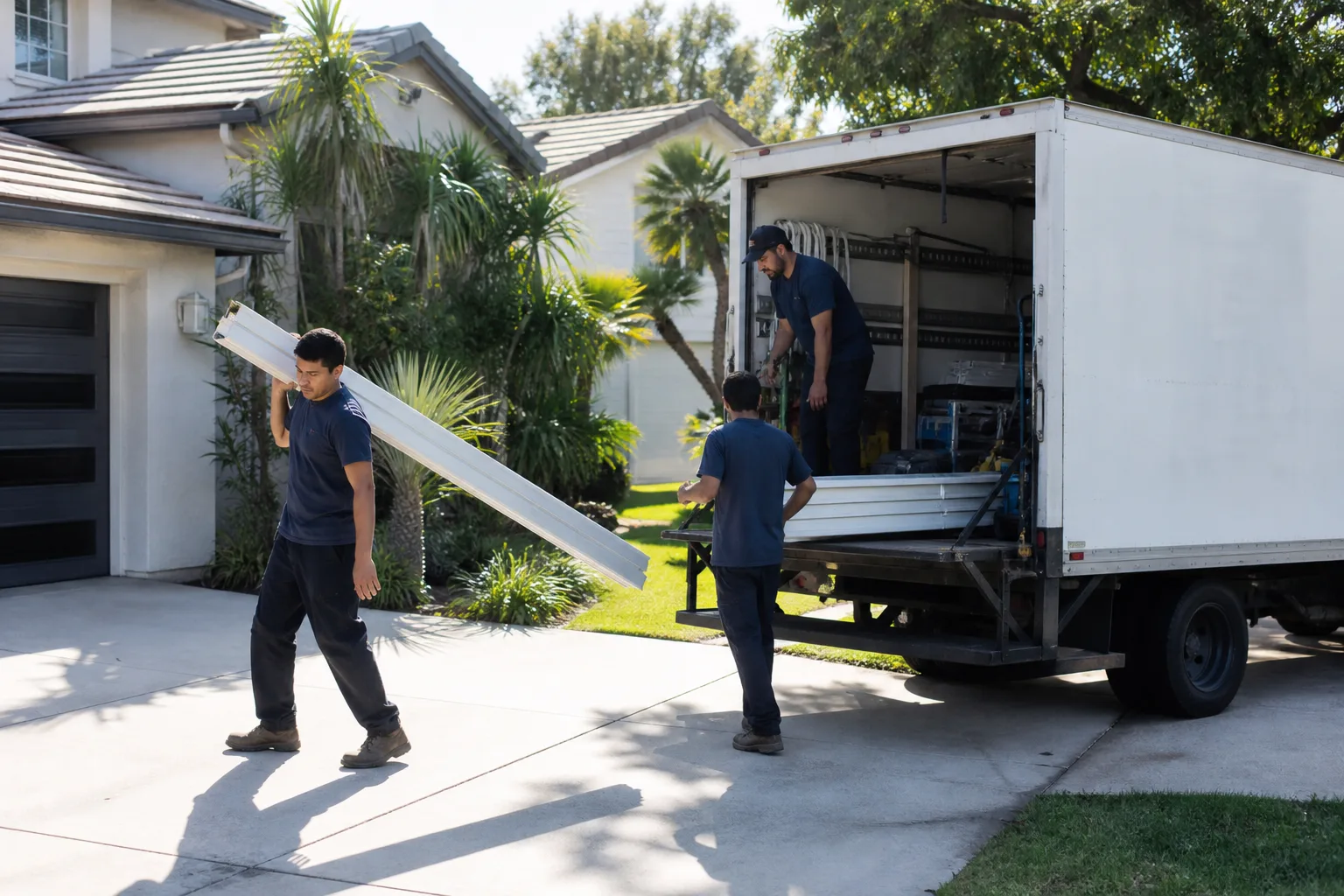
- A crew in unmarked vans. Every technician on a professional job should be identifiable. Our own crews are background-checked and arrive in uniform, and every project has a named site supervisor. If you can’t tell who’s at your house, that’s a problem.
- No permit number on the bid. A real addition bid lists the permit number for the plan review or an itemized permit fee amount. The city’s development services portal allows you to look up the permit. If there’s no number, there’s no permit yet.
- Pressure to sign “today only” pricing. Real pricing doesn’t expire at 5 p.m. A contractor pushing a same-day decision is selling, not building.
- No written scope. If the bid says “addition, approximately 600 sq ft, all-inclusive – $X,” you can’t tell what you’re buying. Ask for the scope broken into phases: site prep, foundation, framing, rough-in, insulation, drywall, finishes, final inspection.
- No line for debris removal and site cleanup. Covered above, but it’s one of the most common omissions and one of the ones that bites immediately.
- Payment requested in advance of work. A deposit for materials is normal. A 40% payment on day one with nothing but a handshake is not. Typical is a 10% deposit with draws tied to inspections.
For the broader scope of what addition work actually involves in Fort Worth, our page on Home Additions & ADU in Fort Worth walks through the phases and what to expect at each one.
ADU-Specific Warning Signs
Accessory dwelling units carry their own set of warning signs on top of the addition ones, because an ADU is a second full residence with its own utilities, its own address, and its own code path. The contractors who get into trouble on ADUs are the ones who treat them like a shed with plumbing.
Red flags specific to ADUs in Fort Worth:
- No conversation about zoning and lot coverage. Fort Worth allows ADUs in many residential zones, but setbacks, lot coverage, and the allowable size of a detached unit vary by zoning district. A contractor who starts talking about floor plans before they’ve asked for your lot’s zoning classification is skipping the step that determines whether you can build at all.
- No utility plan. An ADU needs its own electrical service or a sub-panel, its own water, its own sewer or septic connection (depending on location), and its own HVAC. A bid that says “utilities included” without an itemized breakdown is missing something, and what’s missing is often the most expensive part.
- No fire separation disclosure. For detached ADUs on residential lots, the setbacks between the ADU and the primary residence are governed by fire separation requirements. For attached or above-garage ADUs, the fire-rated assembly requirements are specific. If neither of those has come up, the drawings aren’t finished.
- Garage-conversion ADUs “with no permit needed.” Wrong. A garage conversion to habitable space involves the same permitting, inspection, and engineering requirements as any other addition. A contractor willing to skip that is offering you a project you’ll have to disclose at sale and possibly unwind.
- Ignoring the address and meter requirements. A legitimate ADU will need its own address for emergency services and its own utility metering if you plan to rent it. A bid that doesn’t mention either is incomplete.
- No conversation about drainage. Fort Worth sits in a region with periodic flash flooding concerns, and the flat lots in neighborhoods like Wedgwood and Tanglewood can carry water toward the house during heavy rain. An ADU changes how water moves across your lot. A qualified contractor factors grading and drainage into the site plan before the slab is poured.
An ADU is a 1,000-square-foot, $200K-plus investment on average, and there is very little room for “we’ll figure that out later.” If the contractor hasn’t answered these questions before the contract is signed, they won’t have answers after it either.
How to Vet an Addition Contractor Before You Sign
Vetting a contractor for an addition or ADU is a short process if you know what to ask. Ask the questions in this order, and don’t let a friendly conversation substitute for the answers.
- Ask for their license and insurance certificate. Verify the license number with the appropriate Texas licensing body. Ask for the certificate of insurance directly from their carrier, not from the contractor. Confirm both general liability and workers’ comp.
- Ask for three references from projects finished in the last 18 months, with addresses you can drive past. Ask those neighbors about the change order experience, not just the finished product.
- Ask to see a redacted sample of a signed contract. If they won’t share one, that tells you as much as the contract itself would.
- Ask for a line-item bid on your specific project, with soil engineering, permit fees, temporary utilities, and debris removal on separate lines. Compare the line items across bids, not the totals.
- Ask how payment is structured. The answer should reference inspections, not dates.
- Ask for the name of the engineer who will stamp the drawings and the firm they work for. Verify the license.
- Ask who pulls permits. The answer should be “we do,” and it should be true.
- Ask what the warranty looks like in writing. Ours is the 730-Day Done Right Promise – if it’s not done right, we make it right – and it’s spelled out on paper, not just in a brochure.
None of these questions is unusual. A contractor who’s built additions in Fort Worth will have answers ready.
Common Mistakes to Avoid
- Comparing bids on total price instead of line items. Two bids $30,000 apart often have the same end cost once the missing items are added back. Always compare line items, not totals.
- Signing a permit application you don’t understand. If the permit type says “owner-builder,” ask why. You should not be the responsible party on an addition you’re not building yourself.
- Accepting a verbal change order. Any change, in either direction, needs a written change order with both signatures. No exceptions, even for a $400 detail. The “small favor” is how the pattern starts.
- Assuming Fort Worth soil is normal. The expansive clay in neighborhoods from Ryan Place to Ridglea Hills means foundation engineering isn’t optional. It’s the single most important structural decision on your addition, and it starts with the geotech report.
- Allowing the contractor to be the only record of what was agreed. Keep your own copies of the contract, the drawings, the engineering, the permits, and every change order. Buy a binder and put everything in it. In a dispute, documentation is the whole game.
- Not driving past references. A finished addition that looks good in photos can look very different in person. Ask the neighbors at a reference address how the contractor handled problems, not just how the project turned out.
- Skipping the lien waiver conversation. The lien waiver schedule protects you from paying twice for the same work. Ask for it at the contract stage, and collect waivers at every draw.
See the difference
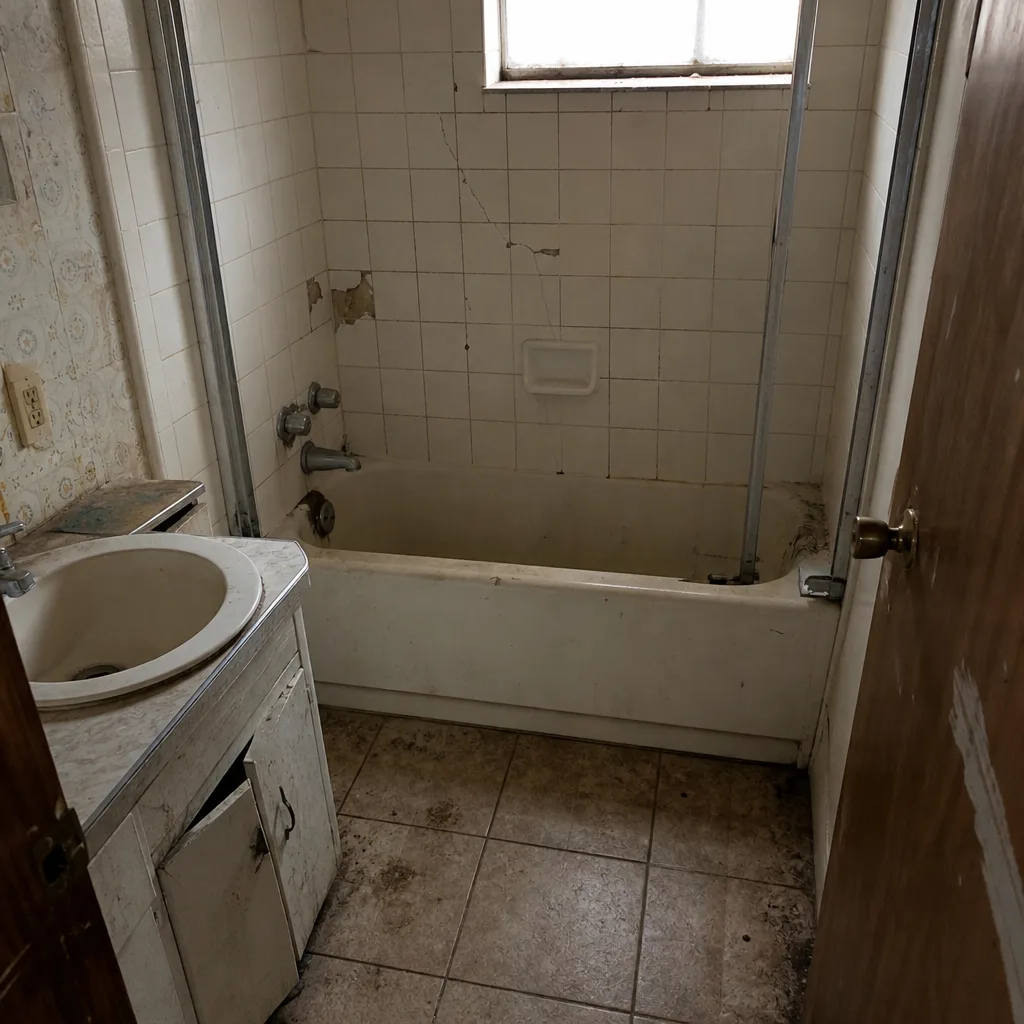 Before
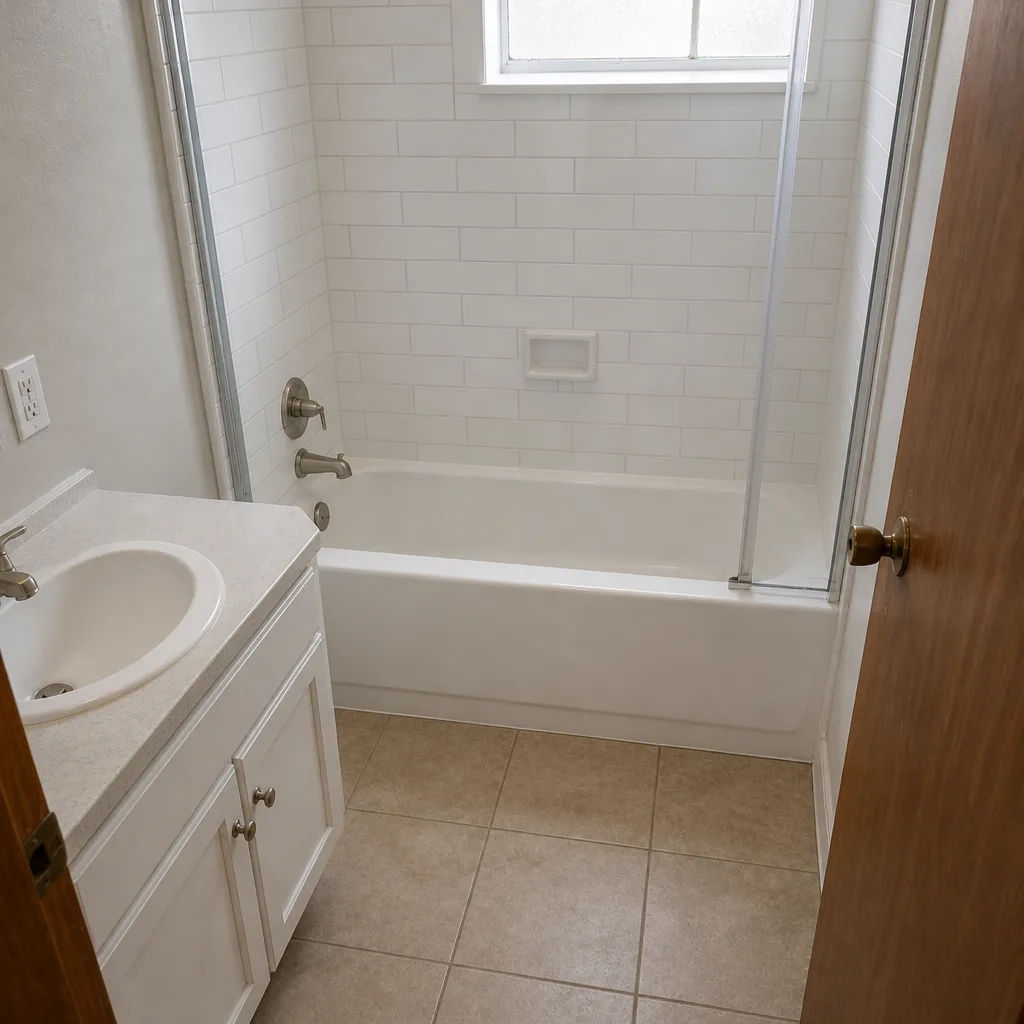 After
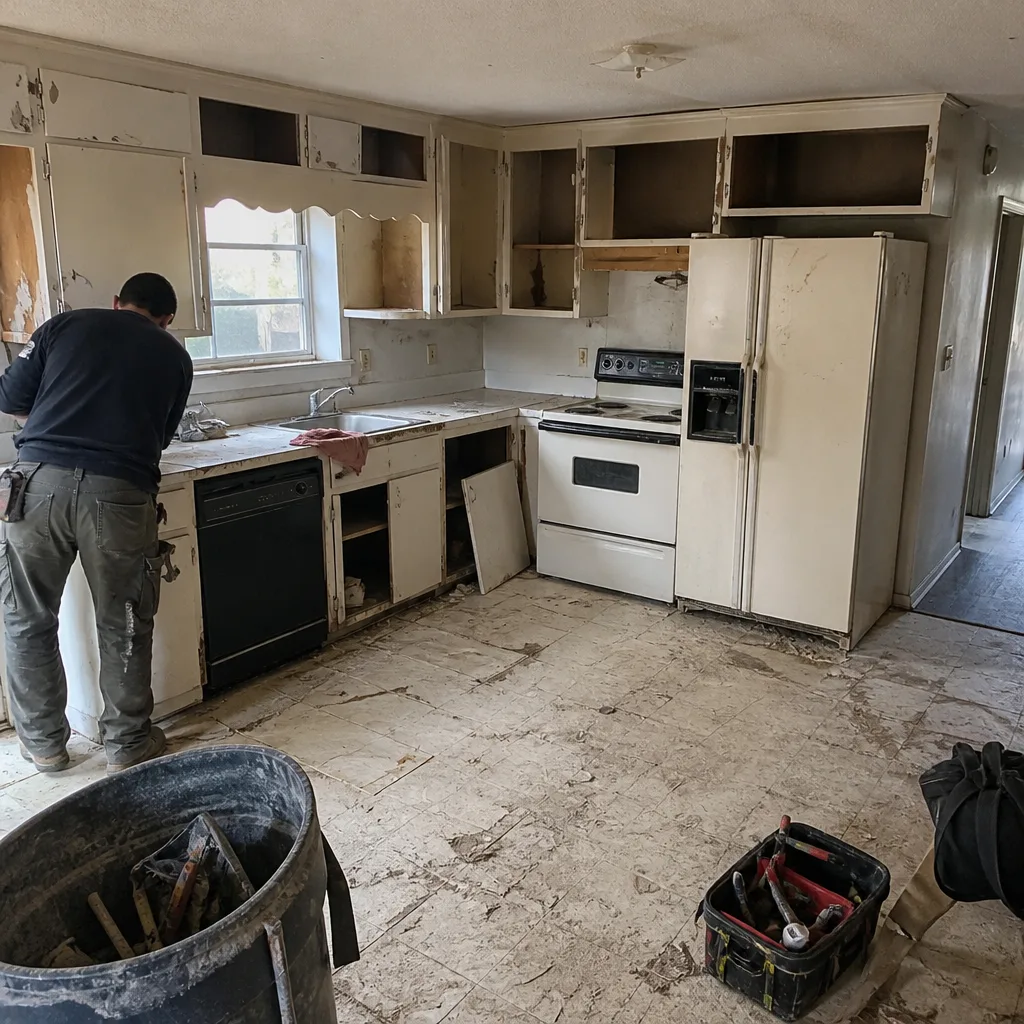 Before
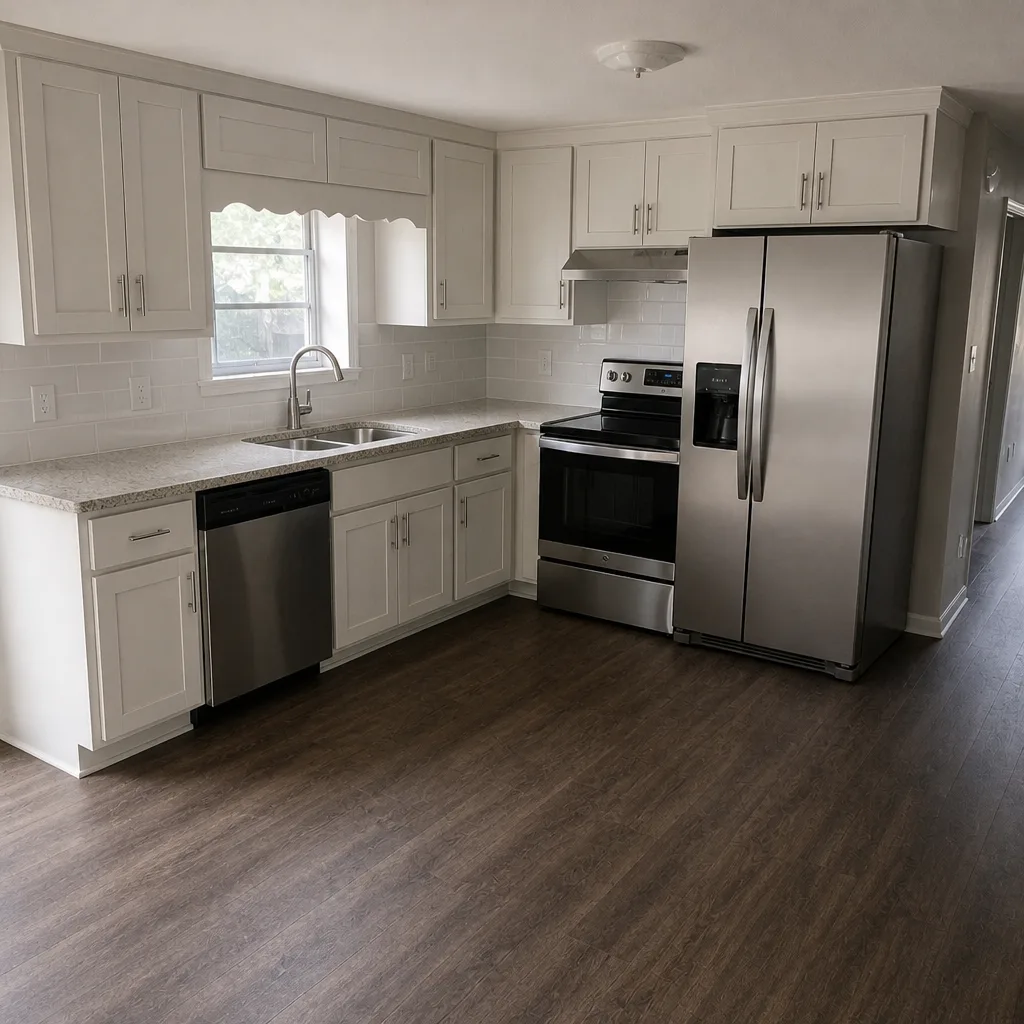 After
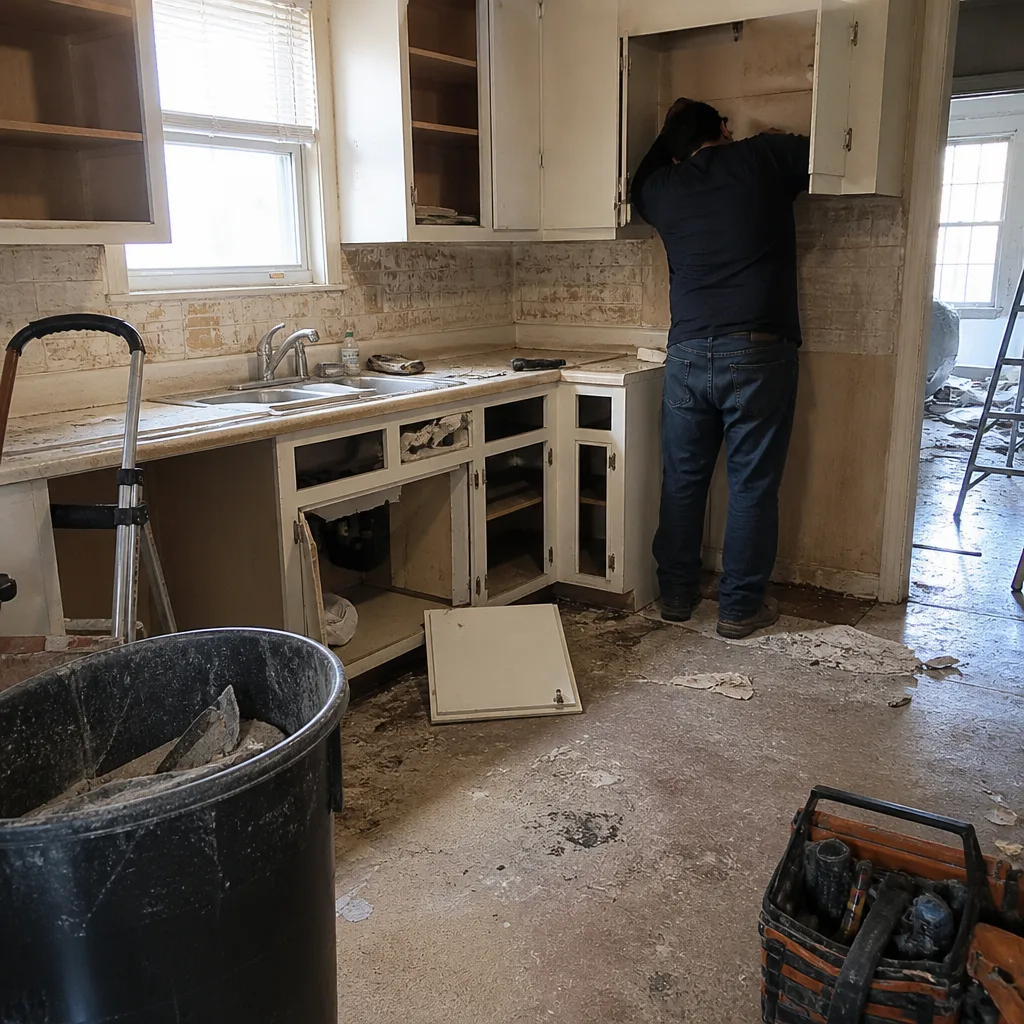 Before
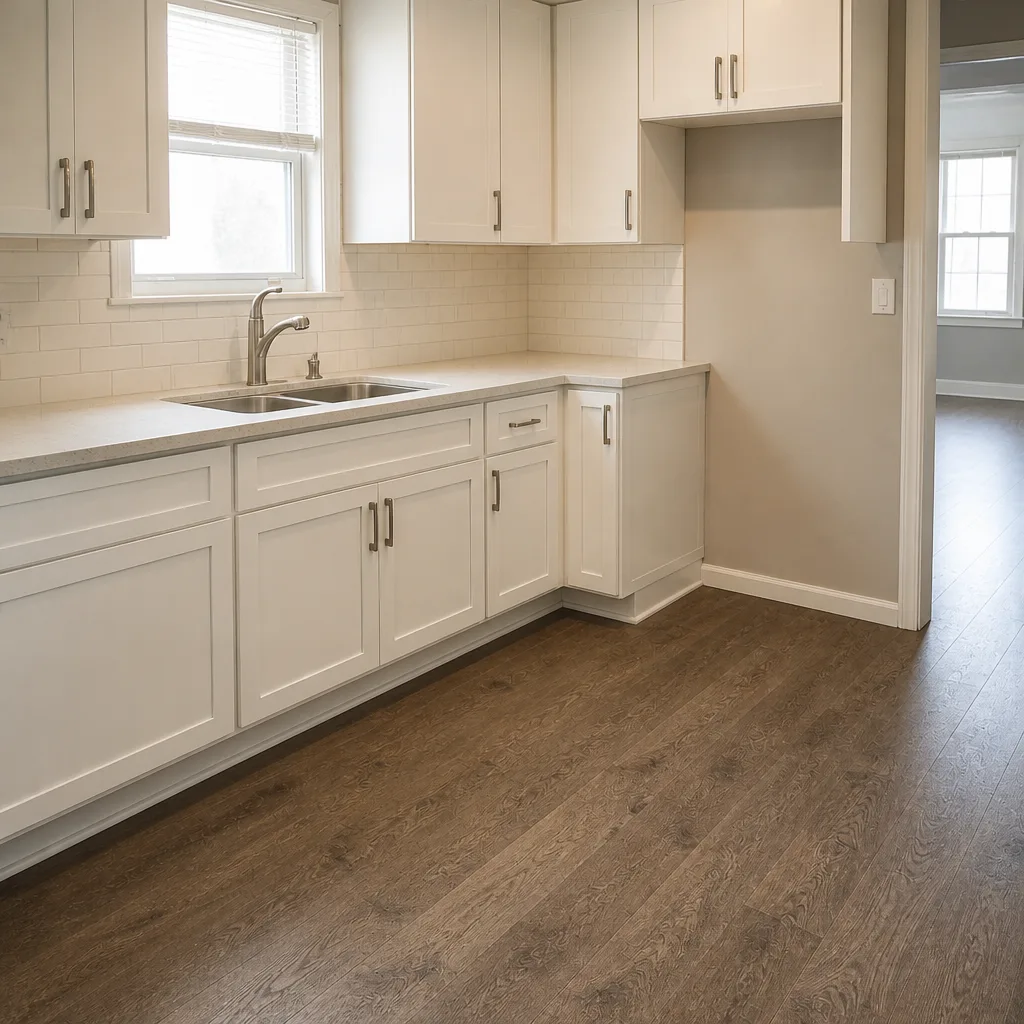 After
When to Call a Professional
You need a professional on an addition or ADU the moment you’re past the sketching-on-napkins stage. Specifically, call a professional if any of these apply: you’re planning a project over a few hundred square feet, you’re planning a detached or attached ADU, you’re in a Fort Worth neighborhood with older homes where previous unpermitted work might be under the current structure, you’re using an owner-builder permit that a previous contractor talked you into, or you’re being asked for an early payment to “keep things rolling.” Those are all moments when a second opinion is worth much more than it costs.
Groundwork Construction Co. of Fort Worth offers free estimates in Fort Worth, and our estimates are line-item bids with soil engineering, permits, and debris removal included. Call (855) 912-5373 and we’ll walk through your project with you, answer the questions above, and give you a bid you can compare directly against the others. Live person, 24/7 – the number you see is the number to call.
Frequently Asked Questions

Most Fort Worth home additions fall between $180 and $300 per square foot for standard construction, which puts a 600-square-foot addition in the $110,000 to $180,000 range depending on finishes, structural complexity, and foundation requirements. Garage conversions and ADUs often land higher because of the separate utilities. Call (855) 912-5373 for a free line-item estimate specific to your project – estimates are free and there’s no pressure to sign.
Yes. Every habitable addition to a single-family home in Fort Worth requires a building permit and plan review through the City of Fort Worth Development Services Department, and additions above a certain square footage require engineered drawings stamped by a licensed professional engineer. The only time you don’t need a permit is for minor cosmetic work – paint, surfaces, non-structural finishes. Anything that changes the footprint, framing, or utilities requires one.
Your contractor should pull the permit in their own name as the licensed contractor of record. If a contractor asks you to pull an owner-builder permit, that shifts the legal responsibility onto you and voids most of the protections a contractor permit provides. A reputable contractor in Fort Worth pulls their own permits and lists the number on the bid.
It shouldn’t. The two things that legitimately cause a price change are written change orders signed by both parties for work you’ve requested, and genuine unforeseen conditions discovered during demolition with photo documentation and an engineer’s note. Both should be documented before work proceeds. A competent contractor doesn’t come back to you for “material price increases” after the contract is signed – those are absorbed into their bid.
A typical ground-up addition of 500 to 800 square feet takes four to seven months from contract to certificate of occupancy, depending on permit review times, weather during the framing phase, and the finish schedule. ADUs run six to nine months because of the separate utilities and their own permitting. Anyone quoting three months for a full addition is overpromising.
The 730-Day Done Right Promise is our written workmanship guarantee: if a workmanship defect appears in the first 730 days after your project is complete, we make it right. It’s one of the longest workmanship guarantees in the residential construction space, and it’s in writing so you can verify exactly what’s covered before you sign. We also offer 0% financing for 18 months and $1,000 off projects over $10,000. Call (855) 912-5373 to learn more.
The Bottom Line
The warning signs on a Fort Worth addition or ADU are specific and learnable, and they show up in the contract long before they show up on the job site. A bid that’s missing soil engineering, permit fees, temporary utilities, or debris removal isn’t a bargain – it’s a change order waiting to happen. A payment schedule tied to dates instead of inspections is a cash-flow sleight of hand. A request for an owner-builder permit shifts liability onto you. A mid-project cash demand with receipts is a business in trouble. Read every line, compare line items instead of totals, verify the engineer and the permits, and hold the contractor to a written change order process. If you want a straight second opinion on a bid you’re holding, call us.
Groundwork Construction Co. of Fort Worth offers free estimates for home additions and ADUs across Fort Worth. Our bids are line-item, our permits are pulled in our name, our technicians are background-checked and arrive in uniform, and every project is backed by the 730-Day Done Right Promise. Call (855) 912-5373 and we’ll answer live – any hour, any day.
You can also see what else we build on our Groundwork Construction Co. of Fort Worth home, our Driveway & Pavers in Fort Worth page, and our Fence Installation in Fort Worth page.
Written by the team at Groundwork Construction Co. of Fort Worth.