Last updated November 18, 2026



Free written scope consultation - allowances, timeline, and change-order rules on paper before a single trade is scheduled
How Long Does Fence Installation Take? Timelines and What to Expect
Here’s the number that surprises most homeowners: the crew is usually on your property for one to three days. The full project from handshake to final walkthrough can run three to six weeks. The gap between those two numbers is where fence timelines quietly fall apart, because almost nobody explains it before you sign. That gap is permits, utility locates, material lead times, and concrete cure time – the invisible prep that decides whether your fence goes up smoothly or sits in a standoff. In this guide we walk through the real sequence for fence installation in Fort Worth, phase by phase, so you can read a schedule and know whether it’s honest.
Quick Answer
A typical residential fence installation takes one to three days of on-site work, but the full project timeline runs two to six weeks once you count HOA approval, permit review, the required 811 utility locate, material lead times, and concrete cure time before panels or pickets go up. Wood privacy fences, vinyl, and ornamental steel land in that range; simple chain link can move faster, and complex iron or gate work can push longer. Cold, wet weather and Fort Worth’s expansive clay soil both affect how long posts need to set.
Styles & brands we work with
- Kitchen remodeling
- Bathroom remodeling
- Home additions & ADU
- Roofing
- Windows & doors
- Driveway & pavers
- Fence
Table of Contents
- Why the Install Day Is the Shortest Part
- The Real Phases of a Fence Project, Step by Step
- How Fort Worth’s Clay Soil Changes Cure Time
- Timelines by Fence Type: Wood, Chain Link, Iron, Vinyl
- Legitimate Delays vs. Contractor Excuses
- What to Get in Writing Before Demo Begins
- Common Mistakes to Avoid
- When to Call a Professional
Why the Install Day Is the Shortest Part
The installation itself is fast because it’s the visible, practiced part. A two-person crew setting posts and hanging panels on a standard 150-foot residential lot can knock out a wood privacy fence in a day or two. If that’s all a contractor quotes you, they’re telling you the easy truth and skipping the hard one. The clock that actually matters starts weeks earlier, and it doesn’t move at the crew’s pace – it moves at the speed of your city, your HOA, and the utility companies.
Think of it in three buckets: approvals, readiness, and build.
- Approvals cover HOA architectural review and city permit review, if either applies to your lot.
- Readiness covers the utility locate, material ordering and delivery, and scheduling the crew.
- Build covers demo of the old fence, post-setting, cure time, and panel installation.
The approvals and readiness buckets run on other people’s timelines. That’s why a fence project quoted as “a couple days” can feel like a month. In our experience across Fort Worth, the homeowners who stay calm are the ones who were shown the whole calendar before the first post was dug – not just the two days of hammering.
The Real Phases of a Fence Project, Step by Step
Here is the full sequence, in order, with the ranges we see on typical residential jobs. Every project is different, but this is the honest map.
- Design and property line confirmation (1-3 days). This is where we confirm your lot lines using your survey and settle fence height, material, and gate placement. If you don’t have a current survey, that can add a step and a few days.
- HOA architectural approval (0-3 weeks). If you live in a community with an architectural review committee, most require submission before work starts. Review cycles vary widely – some are quick, some meet monthly. Plan for weeks, not days.
- City permit review (0-2 weeks). Not every Fort Worth fence needs a permit, but height, corner-lot sight lines, and front-yard rules do come into play. We pull permits when they’re required and build inspections into the schedule rather than around them.
- 811 utility locate (2-3 business days minimum). Texas law requires anyone digging to have underground utilities marked first. This step is not optional and cannot be skipped or rushed. It’s also why we never set a post the day after a handshake.
- Material ordering and delivery (3 days to several weeks). Stock items like standard chain link move fast. Specific cedar profiles, certain vinyl colors, and ornamental steel can be backordered. This is often the biggest hidden variable.
- Demo and post-setting (1-2 days). The old fence comes down and new posts go in the ground, set in concrete.
- Concrete cure (24-48 hours minimum). Panels and pickets go up after the concrete has set enough to hold the post plumb. Rushing this is how posts lean within a year.
- Panel and gate installation (1-2 days). Hanging panels, pickets, rails, and gates, plus cleanup and haul-away.
- Final inspection (0-2 weeks, if required). If your jurisdiction requires an inspection, the fence stands until it passes.
Add those phases up and you get the real number: two to six weeks from decision to finished fence, with the actual build compressed into a few days. For a fuller look at the scope and materials we install, see our page on Fence Installation in Fort Worth.
How Fort Worth’s Clay Soil Changes Cure Time
Fort Worth sits on some of the most active expansive clay in the country. That’s not trivia – it changes how fence posts behave. Expansive clay swells when it takes on water and shrinks when it dries, which means your post holes aren’t sitting in stable ground. They’re sitting in soil that moves with the seasons. This is why post depth, hole width, and concrete curing decisions matter more here than in places with sandy or rocky soil, where drainage is better and movement is more predictable.
What that means for your timeline:
- Concrete needs its full cure here. A 24 to 48 hour minimum before panels go on is a baseline, not a suggestion. In hotter stretches, concrete sets faster but can dry out and weaken; in wet weeks, it can take longer to reach strength. We adjust, and we don’t hang panels early.
- Drainage and slope matter. Fort Worth clay holds water. A fence line that traps water against post bases will push the posts around over the years. Getting the grade right during the build adds planning time, not labor time, but it’s part of the job.
- Neighborhood variation is real. Soil conditions and lot grading differ from one part of the metro to another. In older Fort Worth neighborhoods, mature trees and their roots complicate digging and can add a day to post-setting.
None of this is a reason to be nervous. It’s a reason to expect a contractor who talks about curing like it matters – because here, it does.
Timelines by Fence Type: Wood, Chain Link, Iron, Vinyl
Every fence style has its own pace. Here’s a realistic side-by-side for a typical residential lot in Fort Worth.
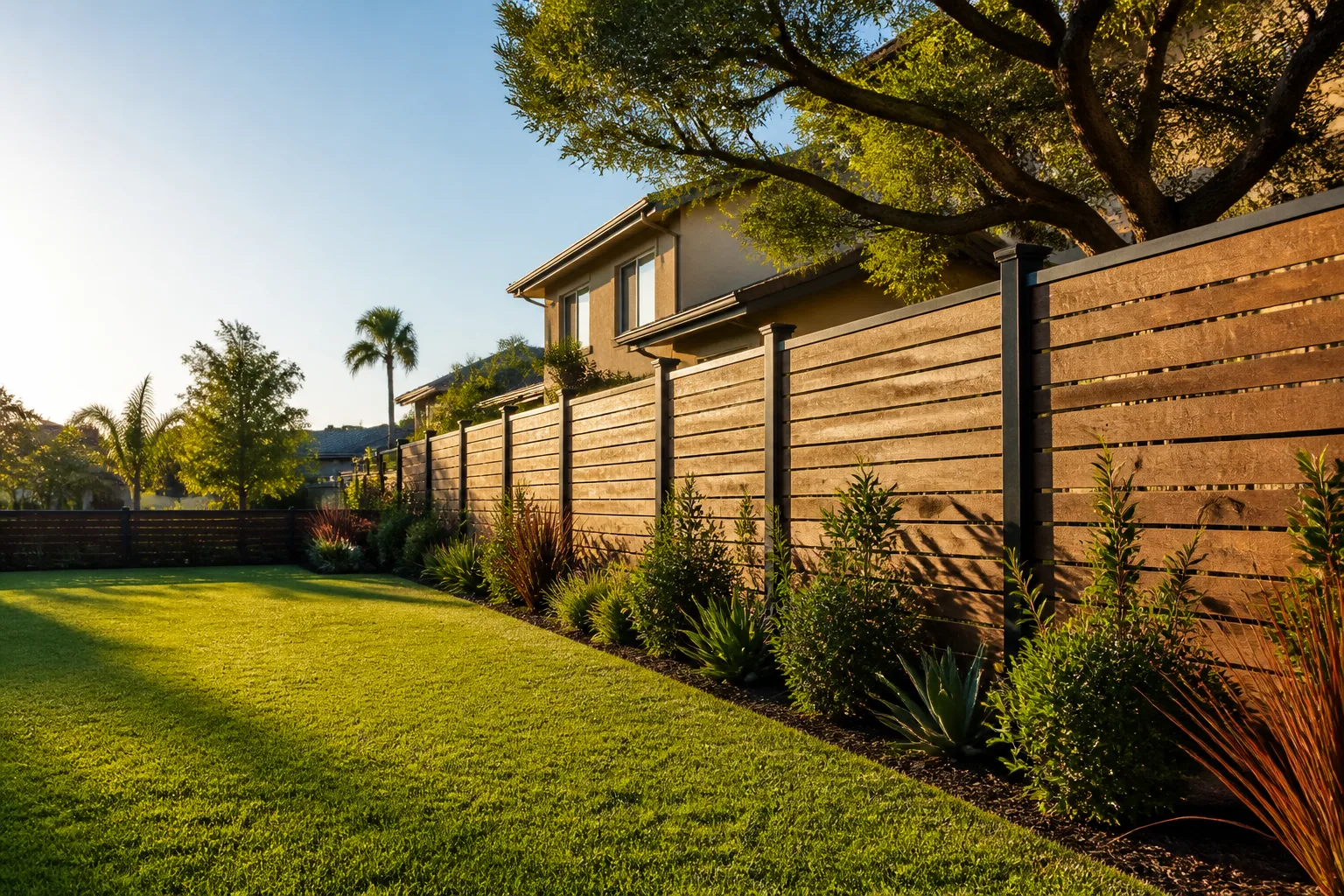
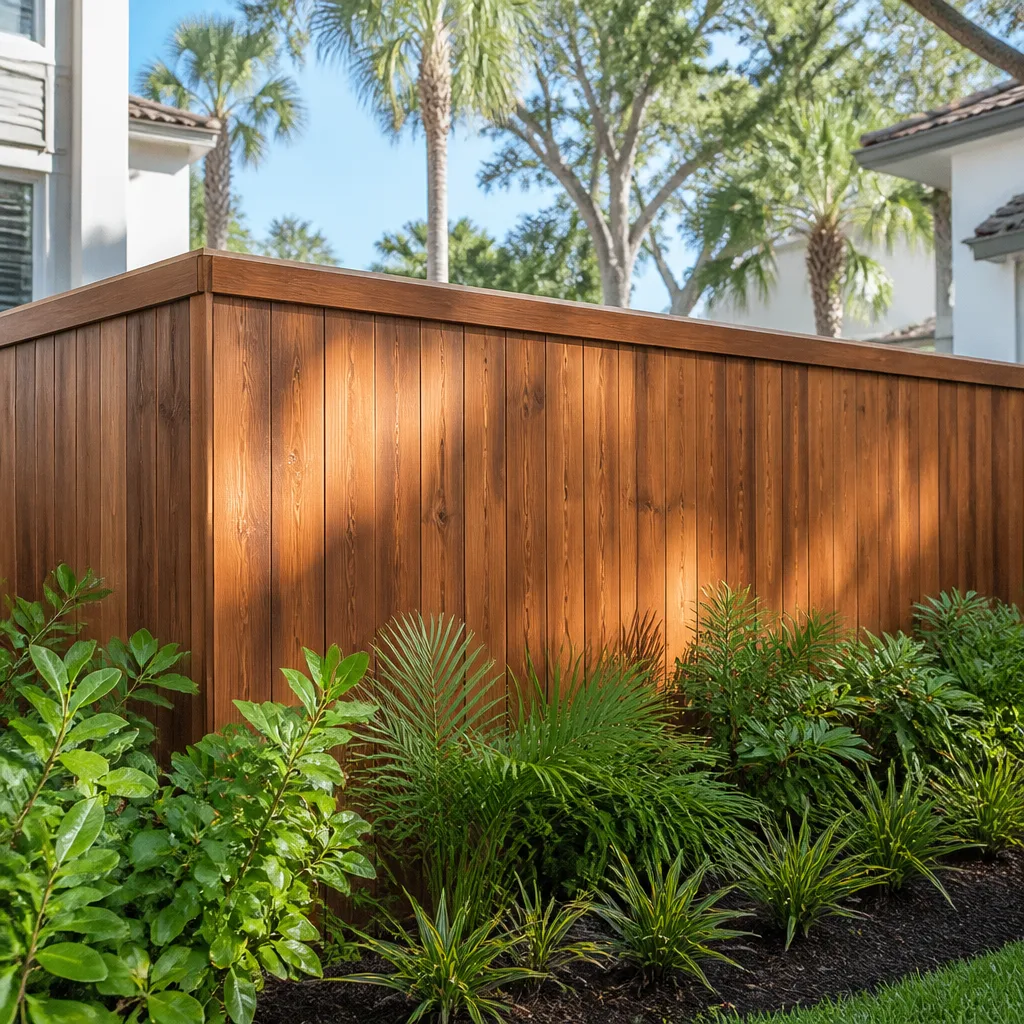
- Wood privacy fence: Build time of 1-2 days, plus the 24-48 hour cure before panels. Full project typically three to five weeks once approvals, locate, and material lead time are included. Cedar availability can stretch the timeline if a specific profile is backordered.
- Chain link: The fastest option. On-site work can be a single day in many cases, and full project often runs two to four weeks. Stock materials and simpler installation make it the least delay-prone choice.
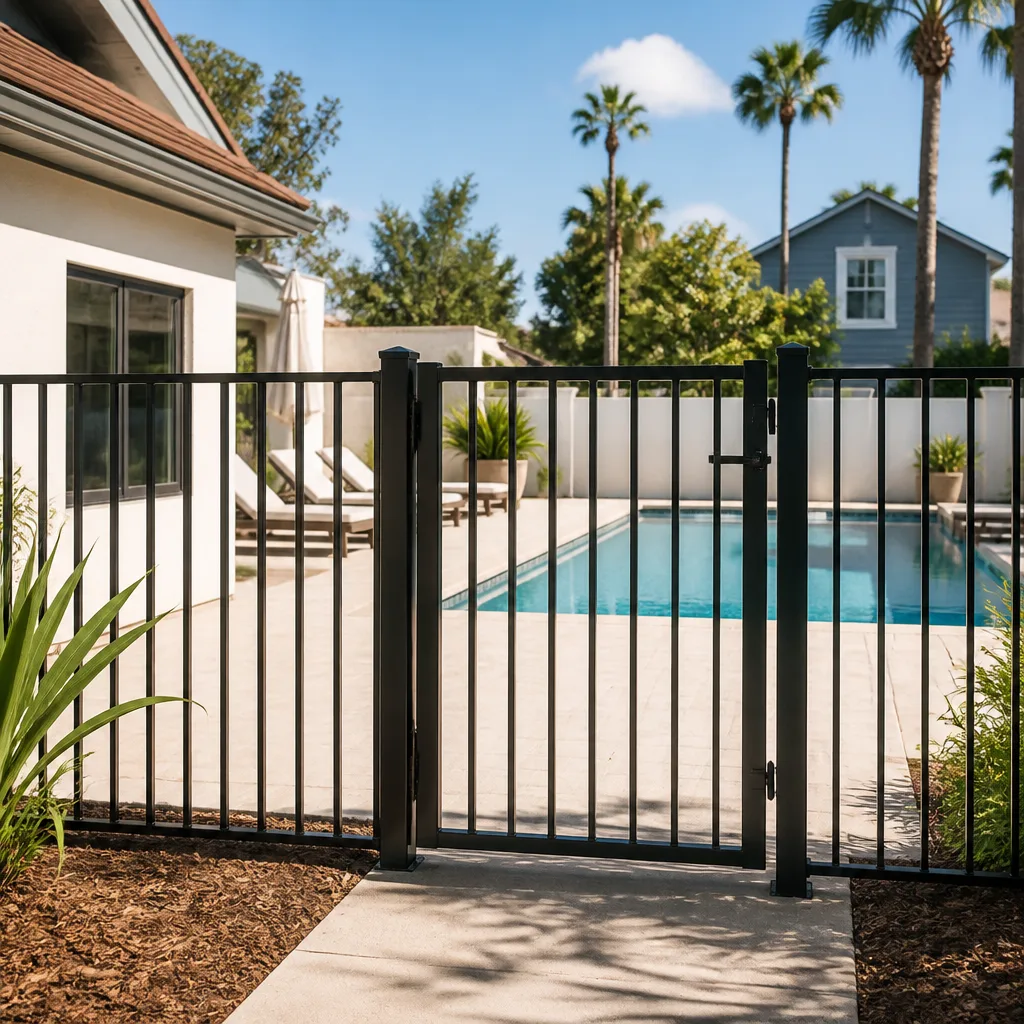
- Iron and ornamental steel: Build time of 2-4 days, with more time spent on layout, footings for heavier posts, and gate hardware. Full project often four to six weeks, and specialty or powder-coated finishes can add material lead time.
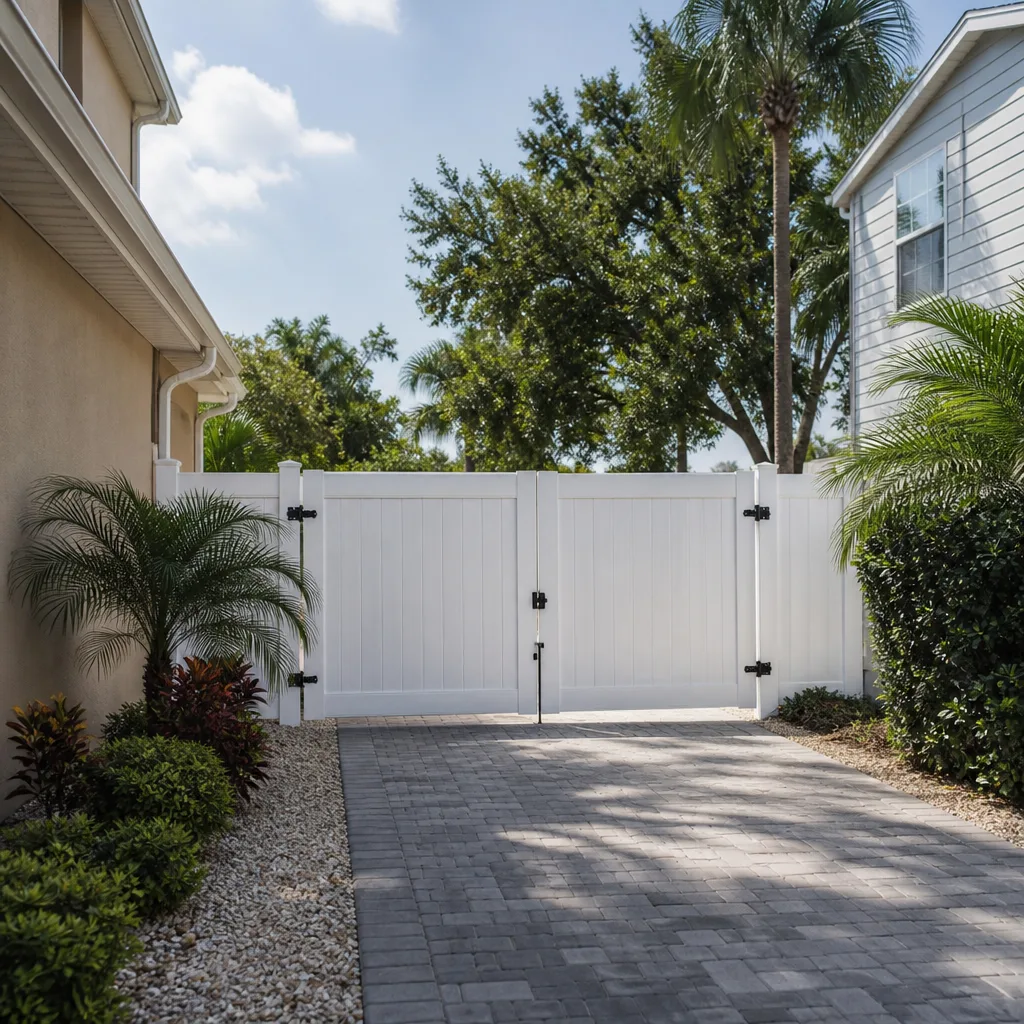
- Vinyl: Build time of 1-3 days, with panels assembled on-site or as pre-built sections depending on the style. Full project typically three to five weeks. Color selection drives lead time more than any other factor – a specialty color can add weeks, while standard white or tan moves faster.
The pattern holds: install day is short across the board. What differs is material lead time and how much detail goes into the footing work. If you’re also planning exterior updates around the fence, our Groundwork Construction Co. of Fort Worth home page covers the full-scope services we offer.
Legitimate Delays vs. Contractor Excuses
Delays happen on real jobs. The trick is knowing which ones are the weather and which ones are the crew. Here’s the honest split.
Delays that are real
- Weather holds. Heavy rain makes trenching and post-setting unsafe and can wash out fresh footings. In Fort Worth, a wet spring can push several jobs at once, and a good contractor reschedules openly.
- Utility conflicts. If the 811 locate marks a line running through your fence line, the post placement has to change, or the utility company has to be involved. That’s real, and it protects you.
- Material backorders. Cedar and specialty vinyl do run short. A contractor who tells you the truth about a backordered cedar picket is doing their job; one who promises a date they can’t control isn’t.
- HOA or permit review taking longer than expected. Usually out of the contractor’s control, and something a good one will flag before submitting.
Delays that are excuses
- “We’ll get to it.” Vague scheduling with no date in writing usually means your job is a fill-in between bigger ones.
- “We’re waiting on the city” with no permit number or contact to show you.
- Material delays that keep moving. One backorder is real. Three shifting order dates is a pattern.
- No one can tell you who’s coming or when. A real crew has a schedule and a way to reach you.
Our customers get a live person on the phone 24/7 – so a week’s worth of radio silence isn’t a delay, it’s a red flag. Calls answered by a real human, any hour, is a brand commitment, not a perk.
What to Get in Writing Before Demo Begins
Verbal timelines aren’t timelines. They’re hopes. Before your old fence comes down, get the important things on paper. A written line-item scope and schedule protects both sides, and it makes the difference between “the crew will get there when they can” and a plan you can hold someone to.
At minimum, ask for these in writing:
- The full phase schedule with target dates – not just the install days, but HOA and permit submissions, the utility locate date, material delivery, post-setting, cure window, and panel installation.
- Material specs – species and grade of wood, panel style and color, post size and footing detail, and gate hardware.
- Permit responsibility – who pulls the permit, who pays for it, and that the work will pass inspection if required.
- The utility locate – confirmation that 811 will be called and marking will be completed before digging.
- Warranty in writing – not a handshake. Ours is the 730-Day Done Right Promise: if it’s not done right, we make it right, backed in writing for two years from completion.
- Change-order process – how extra work gets priced and approved, so your number doesn’t drift once the fence is going up.
- Cleanup and haul-away – what happens to the old fence and debris, and whether it’s included.
Upfront pricing with no surprises starts with the paperwork, not the punch list. If you’re also handling exterior hardscape, our Driveway & Pavers in Fort Worth page shows how we sequence outdoor projects so they don’t collide with the fence schedule.
Common Mistakes to Avoid
- Signing before the utility locate is scheduled. Texas law requires 811 marking before any digging, and skipping or faking it puts gas and water lines at risk. A contractor who waves this off isn’t protecting you.
- Believing a two-day promise. The install may be two days; the project isn’t. If the written schedule stops at “install day,” you’re missing the phases that actually move.
- Skipping the survey. Setting a fence on a neighbor’s line is a boundary dispute you don’t want. Confirm property lines before the design is finalized.
- Assuming your HOA doesn’t matter. Many Fort Worth-area communities restrict fence height, color, and material, and a fence built without approval can be ordered down. Get the approval in writing first.
- Rushing the concrete. Panels hung before the concrete reaches strength are how posts lean later. The 24-48 hour cure exists for a reason, especially in Fort Worth’s clay.
- Picking a specialty vinyl color on a deadline. A standard color can ship quickly; a specialty one can add weeks. If timing matters, factor lead time into the color choice.
- Taking a verbal warranty. “We’ll take care of you” isn’t a warranty. Get the terms, the length, and the coverage in the contract.
When to Call a Professional
Some fence work benefits from a professional even if you’re handy. Call a pro when any of these apply: your fence line crosses or runs near underground utilities, your lot has a slope or drainage problem, your property line is uncertain, your community requires HOA or permit approval, or you’re installing ornamental iron or heavy gates that need solid footings. Expansive clay soil and the required utility locate both make post-setting here riskier than a weekend project elsewhere. Groundwork Construction Co. of Fort Worth offers free estimates in Fort Worth – call (855) 912-5373 to schedule yours. You’ll get upfront pricing and a written schedule that includes every phase, not just the install days.
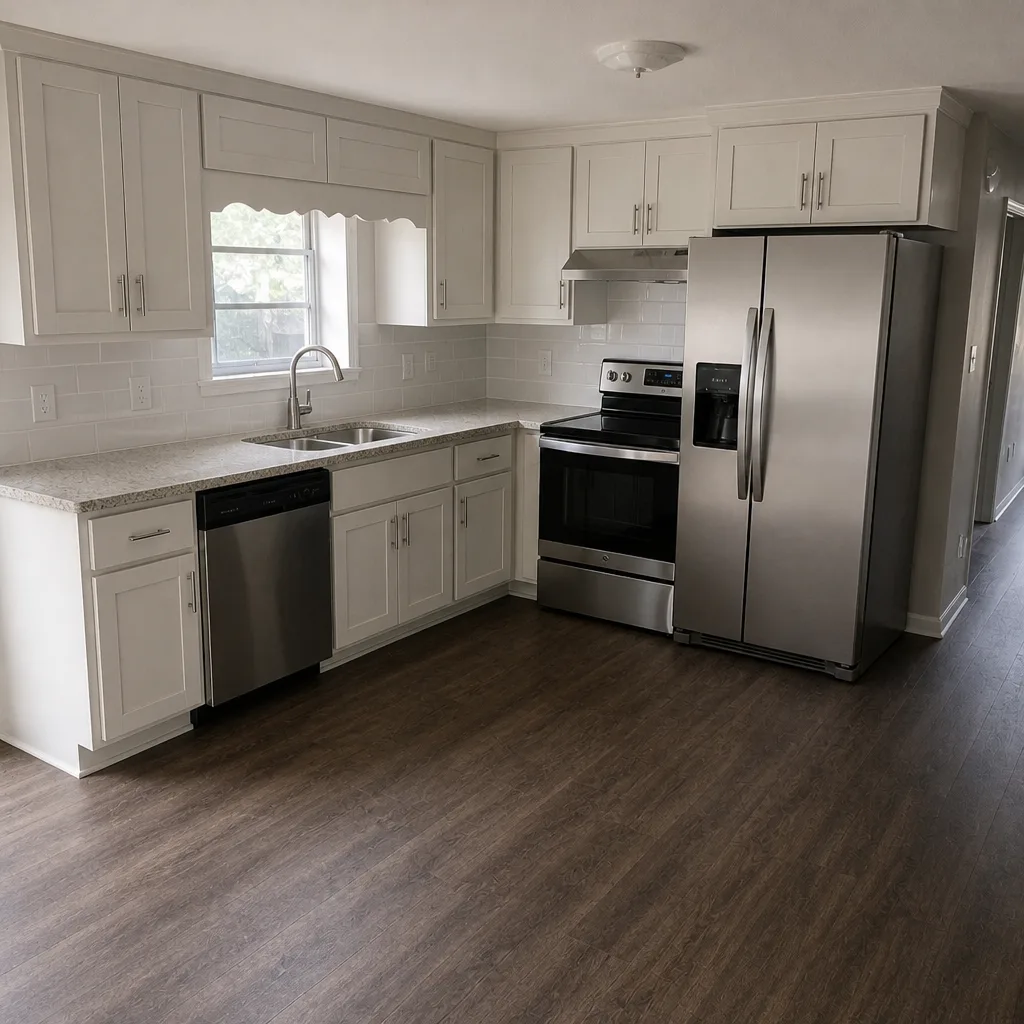
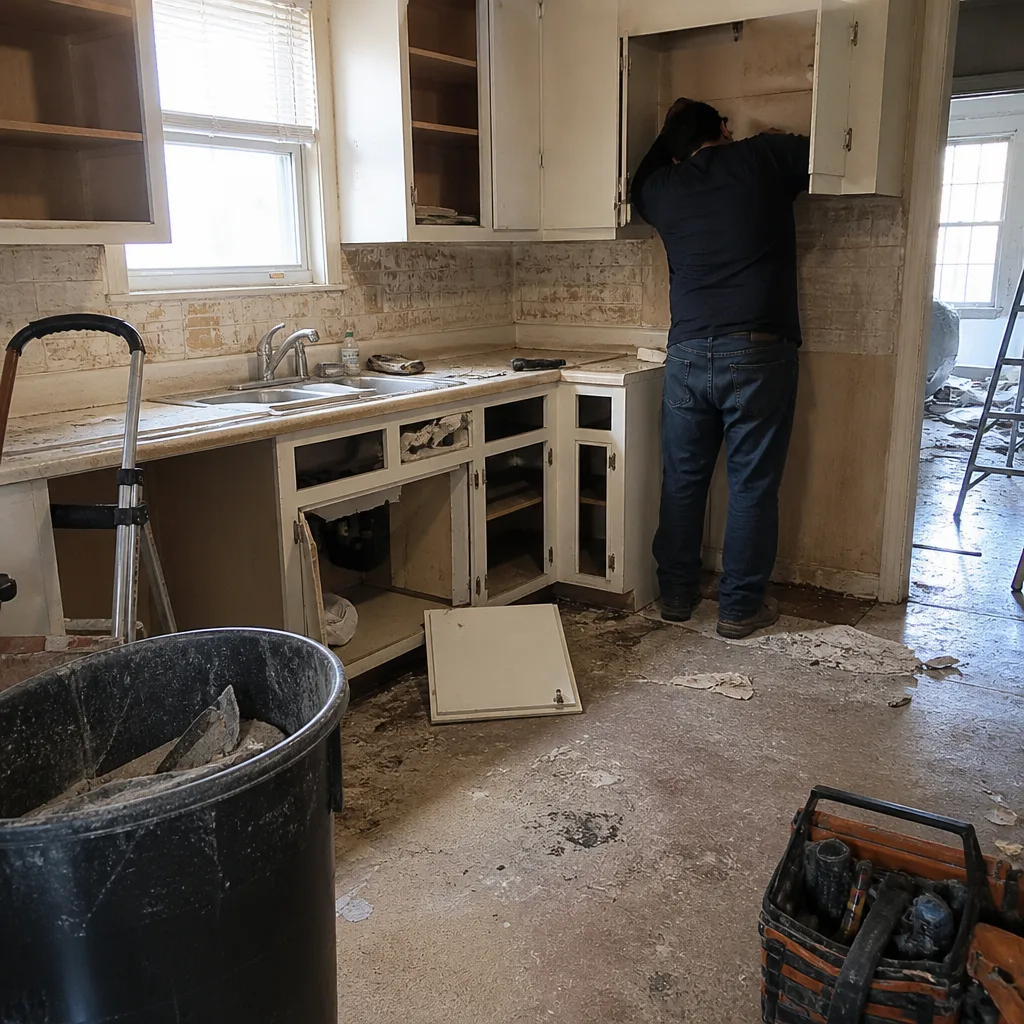
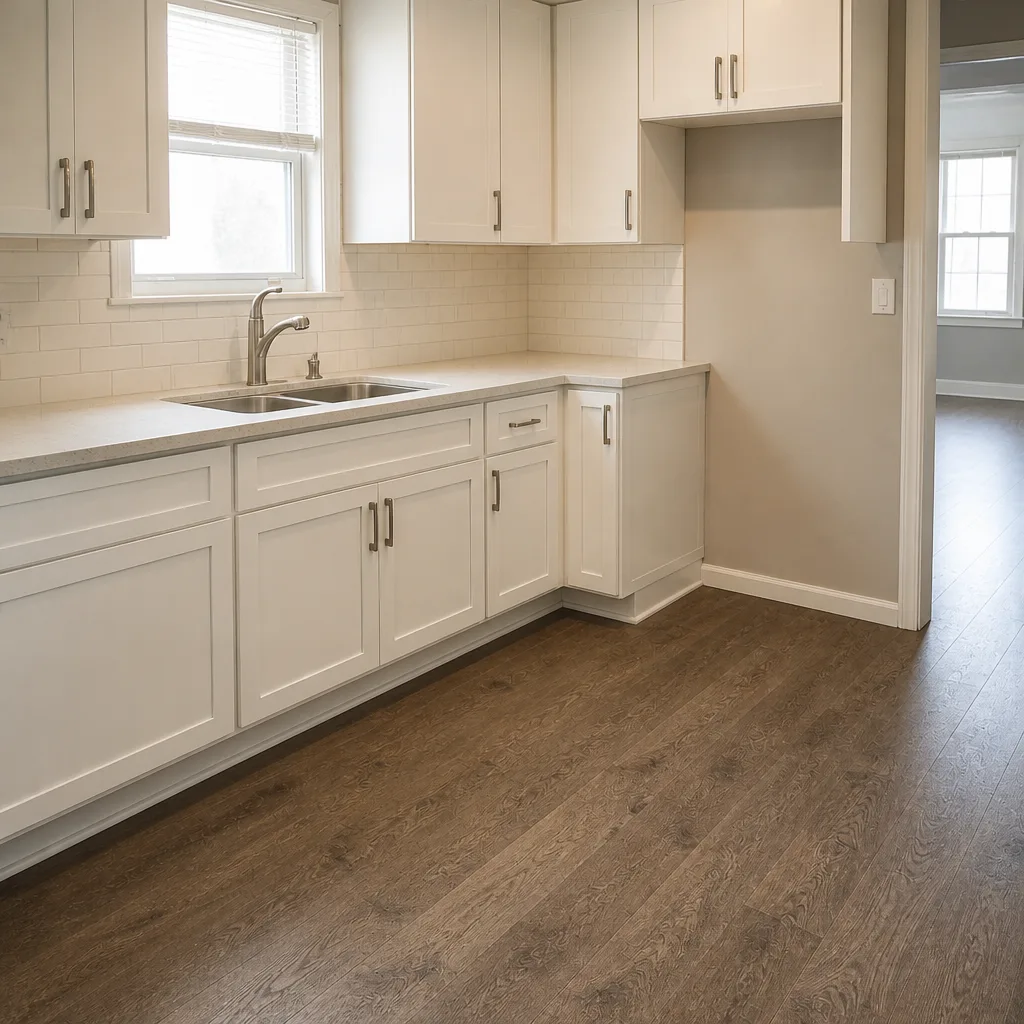
See the difference
 Before
 After
 Before
 After
 Before
 After
Frequently Asked Questions
On-site installation takes one to three days for most residential fences, but the full project from decision to finished fence typically runs two to six weeks once you include HOA or permit approval, the 811 utility locate, material lead time, and concrete cure. Wood privacy, vinyl, and ornamental steel all land in that range. Call (855) 912-5373 for an exact quote – estimates are free.
The build itself can be one or two days on a standard lot, but the full project cannot be done in a day because the utility locate, concrete cure, and approvals all take real time. Any contractor promising a same-day finished fence is skipping steps that protect your property. Call (855) 912-5373 for a written schedule that shows every phase.
Not every residential fence needs a city permit, but height, corner-lot sight lines, front-yard rules, and HOA restrictions often apply, so it depends on your lot and community. We pull permits when they’re required and build inspections into the schedule. Call (855) 912-5373 to find out what your specific property needs.
Concrete needs 24 to 48 hours minimum to set enough to hold a post plumb before panels go on, and in Fort Worth’s expansive clay, rushing it is how posts end up leaning within a year. The cure time is part of the plan, not a delay. Call (855) 912-5373 to talk through your project’s footing and cure schedule.
The most common real causes are weather holds, utility conflicts found during the 811 locate, and backordered cedar or specialty vinyl colors. Those are legitimate. Endless “we’ll get to it” scheduling with no dates in writing is not a delay, it’s an excuse. Call (855) 912-5373 for a contractor who puts the schedule in writing.
It shouldn’t. With upfront pricing and a written line-item scope, the number you see is the number you pay, and any added work goes through a written change-order process you approve first. If an estimate was verbal and vague, expect the price to move. Call (855) 912-5373 for a fixed, written estimate – and ask about our $1,000 off projects over $10,000 and 0% financing for 18 months.
The Bottom Line
Fence installation timelines blow up on the prep work, almost never on the build. A real project runs two to six weeks from decision to finished fence: HOA and permit approvals, the required 811 utility locate, material lead time, then a fast build with a 24-48 hour cure before panels go up. Fort Worth’s expansive clay makes curing and footing detail more important than in sandier ground, and the good contractors plan for it. Get the full phase schedule, material specs, permit responsibility, and a written warranty before demo begins. Then ask a simple question: can this contractor show me a live person on the phone when things get tight? We can – call (855) 912-5373 for a free estimate, and see our Home Additions & ADU in Fort Worth page if your outdoor plans run bigger than a fence line.
Groundwork Construction Co. of Fort Worth brings a 730-Day Done Right Promise, background-checked uniformed technicians, and no-hassle upfront pricing to every fence project, backed by top-tier material partners like James Hardie, Belgard, and Andersen across the trades we offer. Our technicians have up to 12 years of experience, and every fence we install is built to last and backed in writing.
Call (855) 912-5373 today to schedule your free estimate in Fort Worth. A live person answers, 24/7.
Written by the team at Groundwork Construction Co. of Fort Worth.