
Last updated November 18, 2026






Free written scope consultation - allowances, timeline, and change-order rules on paper before a single trade is scheduled
How to Hire a Construction Contractor in Fort Worth: A Step-by-Step Guide
Texas does not require a general contractor’s license at the state level. That single fact reshapes everything about hiring a builder in Fort Worth, because it means the person who signs your contract has no state-issued credential to lose if they walk off the job. Most homeowners who get burned weren’t tricked by a con artist. They were working with a licensed, insured contractor who had no written mechanism to be held to what they promised. This guide walks through scope accountability in plain terms: how to read a contractor’s permit history through the city’s public records, the six contract clauses worth refusing to sign without, and how to test whether a warranty is real. By the end you’ll know exactly which questions to ask on a Fort Worth job site.
Quick Answer
Hiring a construction contractor in Fort Worth means verifying three things the state doesn’t verify for you: permit records through the city’s public portal, a written scope with change order limits and a milestone-based draw schedule, and a warranty backed by enforceable language instead of a verbal promise. Licensed trade contractors (electricians, plumbers, roofers registered with the state) carry credentials you can check, but a general contractor’s accountability comes almost entirely from the paperwork you make them sign. Get those three pieces right and you’ve removed most of the risk from a Fort Worth remodel before a single nail is driven.
Styles & brands we work with
- Kitchen remodeling
- Bathroom remodeling
- Home additions & ADU
- Roofing
- Windows & doors
- Driveway & pavers
- Fence
Table of Contents
- Licensed Trade Contractor vs. Licensed GC in Texas
- How to Read a Fort Worth Contractor’s Permit History
- Six Contract Clauses Fort Worth Homeowners Should Refuse to Sign Without
- Why “We’ll Handle the Permits” Must Be Verified
- How to Test Whether a Warranty Is Actually Backed
- A Step-by-Step Vetting Process for Fort Worth Homeowners
- Why Scope Accountability Beats Background Checks
- When to Call a Professional
Licensed Trade Contractor vs. Licensed GC in Texas
Fort Worth homeowners frequently ask to see a “general contractor’s license.” There isn’t one, and the sooner you understand why, the better your vetting gets. Texas regulates trades, not general contracting. Electricians, plumbers, HVAC technicians, and in some cases roofers hold state licenses or registrations with the Texas Department of Licensing and Regulation. Those are individual credentials tied to a specific trade, a specific exam, and a specific complaint process.
A general contractor in Fort Worth is a project manager and business entity. There’s no state exam, no state board to file a complaint with, no license number to look up. What a GC brings is scheduling, subcontractor coordination, material procurement, and contractual responsibility for the whole job. That’s genuinely valuable on a kitchen remodel or a home addition. But it also means the only accountability mechanism you have is the contract, the permit record, and whatever warranty language they put in writing.
What this distinction changes
- Trade licenses protect the sub-work. Ask for the electrician’s and plumber’s license numbers separately. Those you can verify.
- The GC’s track record lives in public records. Permit history through the city is the closest thing to a license you’ll find.
- Insurance is your backstop. General liability and workers’ comp certificates in the company’s legal name matter far more than a fictional GC license.
- The written contract is the credential. In Fort Worth, a contractor’s paperwork quality predicts their behavior on the job better than anything they tell you at the estimate.
When we walk into a Fort Worth home that somebody else left half-finished, the story is almost always the same: a handshake scope, no draw schedule, no change order language. The original contractor wasn’t unlicensed or uninsured. They just had no mechanism forcing them to finish what they started. That’s the gap a real construction partner closes, and it’s why Groundwork Construction Co. of Fort Worth home puts scope, price, and warranty in writing before work begins.
How to Read a Fort Worth Contractor’s Permit History
Fort Worth runs its permitting through the city’s online development services portal, and you don’t need an account to browse. This is the single most underused vetting tool available to homeowners, and it tells you more than any review site. Pull the contractor’s permit history and you’ll see what they actually build, how often they pull permits, and whether inspection records show clean final sign-offs or repeated failed inspections.
What a healthy permit history looks like
- Permits pulled consistently across their active years, not clustered into one suspicious burst.
- Inspections passing on the first or second try, with final approvals recorded on most projects.
- Permit types that match what they claim to do. A roofer with 40 roofing permits and zero remodeling permits is a roofer, not a remodeler.
- Contractor name on the permit matching the company name on your estimate.
- Recent activity within the last 18 months. A history that stops in 2022 could mean they’ve moved on, changed names, or lost standing.
Red flags worth taking seriously
- Pages of open permits that never received final inspection. Open permits can follow the property and complicate your future sale.
- Repeated “failed” inspection results on the same project phase, which points to work being done without proper oversight.
- Contractor listed on permits under a different business name than the one on your bid.
- Large projects with no permits at all. In Fort Worth, a kitchen remodel with moved plumbing or new electrical requires permits, full stop.
Cross-reference the history against the neighborhoods where they’ve worked. A contractor with ten completed jobs in Ridglea and Aledo has real experience with the older housing stock and pier-and-beam foundations common west of downtown. One with all their activity in newly built far-north subdivisions is learning a different kind of construction entirely.
Six Contract Clauses Fort Worth Homeowners Should Refuse to Sign Without
This is where Fort Worth homeowners gain the most leverage and where most contracts fall apart. A vague bid isn’t the problem. The problem is a signed contract that lets the contractor change the scope, the price, or the timeline without your signature. Six clauses belong in every residential construction contract. If they’re missing, you’re the one absorbing the risk.
- A written change order authorization limit. The contract should state that no work outside the written scope can proceed without your signed approval, and that change orders above a set dollar amount require written authorization before any work happens. Without this, a contractor can perform “extra” work and bill you for it at the end.
- A draw schedule tied to milestones, not calendar dates. Payments should release when specific work is completed and inspected, not when a month passes. Rough framing done, drywall hung, cabinets installed, final walkthrough passed. Each draw releases against verification, never against a scheduled date.
- A defined dispute resolution process. Name the forum upfront: mediation first, then arbitration or a specified court, and which county governs. Ambiguous dispute language in a Fort Worth contract means you litigate in the contractor’s home jurisdiction, which may be three counties away.
- A completion deadline with a specific remedy. “Project to be completed by [date], with a defined per-day credit or penalty for delays beyond contractor-caused hold-ups” gives the timeline teeth. Weather and owner-caused delays get carved out. Everything else is on the contractor.
- A lien waiver clause. Every subcontractor and material supplier has the right to file a mechanic’s lien against your Fort Worth property if the GC doesn’t pay them. Require conditional lien waivers with each draw and a final unconditional waiver at completion. This keeps you from paying twice.
- The warranty in specific written terms. The length, what it covers (workmanship versus materials), what voids it, and the contractor’s process for honoring a claim. “One-year warranty” alone tells you almost nothing.
Any contractor who resists these clauses is telling you where their priorities sit. The 730-Day Done Right Promise we back every project with sounds bold, but it’s really just a warranty clause with a long tail. If it’s not done right, we make it right, in writing. That’s the standard, and it’s the reason the language survives past the walkthrough. Whether you hire us or someone else, refuse to sign a Fort Worth contract without those six elements present.
Why “We’ll Handle the Permits” Must Be Verified
“We’ll handle the permits” is the most repeated, least verified promise in Fort Worth construction. It means nothing on its own. What matters is whether a permit application was actually filed with the City of Fort Worth in the name of the property owner, whether the permit was issued, and whether inspections are being scheduled. Homeowners have handed over deposits for Fort Worth projects where the only permits pulled were for the demolition phase.
How to confirm permits were actually filed in your name
- Ask for the permit application number within 48 hours of signing. If they can’t provide one, the application hasn’t been filed.
- Look up the permit on the city’s online development portal yourself. The applicant and property owner should both be listed.
- Confirm the permit is issued, not just applied for. Work beginning before permit issuance is a code violation on your property, not theirs.
- Ask when the first inspection is scheduled. The inspection schedule is a public record and confirms work is moving through proper channels.
- Get the final inspection certificate at completion. An unclosed permit is a lingering liability if you sell your Fort Worth home.
Fort Worth’s building codes align with the state-adopted International Residential Code, with local amendments on things like foundation requirements for our expansive clay soils. On older homes in Mistletoe Heights and Ryan Place, that often means a structural engineer’s report before a home addition permit can move forward. Any contractor who resists pulling permits is skipping a step that exists to protect you, and the city’s inspectors are the closest thing Texas has to third-party quality control on your build.
For projects like a home addition or ADU in Fort Worth, the permit path is more complex than a remodel and involves zoning review, setback checks, and possibly a lot coverage analysis. When we quote an ADU project, the permit plan review is priced into the scope from the start, not discovered later as an add-on. The city records each step, and so should the contract.
How to Test Whether a Warranty Is Actually Backed
A warranty is a piece of paper, and the question that matters is what happens to that paper when you have a claim. Most homeowners never test this until something fails. You can test it before you sign. The method is uncomplicated: ask the contractor to explain, in writing, exactly how a claim is filed, how it gets resolved, and what happens if they disagree that the problem is warranty-related.
Four questions that separate real warranties from words
- “Who do I call to file a claim, and can that number be written into the contract?” A warranty with no claims process is decoration.
- “What’s the maximum time from claim to response?” “As quickly as possible” is not an answer. A real warranty names a window.
- “What voids the warranty?” Every warranty has exclusions. A contractor who claims theirs has none is either inexperienced or dishonest.
- “Is the warranty transferable if I sell my Fort Worth home?” A transferable warranty is worth real money at resale. One that dies with the original owner is worth less.
Then use their own language. Ask them to put the warranty paragraph in the contract with specific coverage terms and response times, and watch how they react. A contractor confident in their workmanship will welcome the specificity. One who hedges tells you everything. The 730-Day Done Right Promise runs past the point most warranties expire, which means a Fort Worth project finished in spring is still covered the following year and the year after. Backed in writing, from foundation to finish line.
A Step-by-Step Vetting Process for Fort Worth Homeowners
Working in a market without GC licensing means you build your own vetting system. Here’s the process we’d follow if we were hiring a contractor ourselves, from first phone call to signed contract. Expect the whole thing to take two to three weeks, and don’t let anyone rush you past it.
- Get three bids, in writing, on the same scope. Hand every contractor the identical written description of the work. If the bids come back describing completely different scopes, that’s a warning sign, not a pricing signal.
- Check insurance certificates directly. Ask for the certificate of insurance listing general liability and workers’ comp coverage, and call the carrier to confirm the policy is active. A certificate the contractor printed themselves proves nothing.
- Pull the permit history from the city portal. Review open permits, failed inspections, and whether the contractor name matches the entity on your bid.
- Ask for the specific subcontractors. Fort Worth GCs work with a stable bench of licensed electricians and plumbers. Ask which ones your job will use and verify those trade licenses directly.
- Interview the project manager. Not the salesperson. The person who’ll run your job. Ask them what could go wrong on a project like yours and how they’d handle a delay. Good answers are specific.
- Compare the contracts, not the prices. The lowest bid with a weak contract is the more expensive choice. Confirm all six clauses from the section above are present, and negotiate anything missing before signing.
- Set the draw schedule and confirm the deposit amount. A deposit covering 10-15% of the total is normal. Anything above 30% before work begins is a risk signal.
One geographic note applies to Fort Worth: our climate gives you a real advantage in outdoor work. Driveway and paver installs, fence builds, and roof replacements run beautifully in the fall and spring, when the thermometer sits between 60 and 80 and the ground is workable. Scheduling those projects in July means the crew is fighting 100-degree heat and a stiffer concrete cure. When you’re scoping outdoor work like a driveway and pavers project in Fort Worth or a fence installation in Fort Worth, ask the contractor how season affects the build. Their answer should be specific.
We meet Fort Worth homeowners at the beginning of this process instead of the end, with a free estimate and design consult so the scope, the price, and the warranty are all on the table before anyone signs. Upfront pricing, no surprises.
Why Scope Accountability Beats Background Checks
Homeowners spend weeks checking a contractor’s reputation on review sites and references, then sign a one-page bid that will decide how the project goes. The effort is misplaced. Reference checks confirm a contractor was pleasant to work with on someone else’s project. Scope accountability decides whether yours goes well. The two are different skills, and in our experience in Fort Worth, the second one predicts success far better than the first.
Background checks are part of the picture, but they’re the floor. Every technician should be background-checked and should arrive in uniform rather than an unmarked van, so you know who’s in your house. That’s basic. The layer that changes outcomes is contractual: a written scope with an explicit change order limit, a draw schedule tied to verified milestones, and a warranty with a real claims process. A contractor with an average reputation and a locked-down contract is a better hire than one with a great reputation and no paperwork.
Fort Worth homeowners deserve to see all of this before they commit. That’s what a free estimate should actually include: the scope in writing, the number you’ll pay without surprise add-ons, the warranty terms, and the change order rules. If a contractor’s estimate package doesn’t include those things, ask for them and watch what happens next. Calls get answered by a live person 24 hours a day here, and homeowners should expect the same responsiveness from whatever contractor they choose.
See the difference
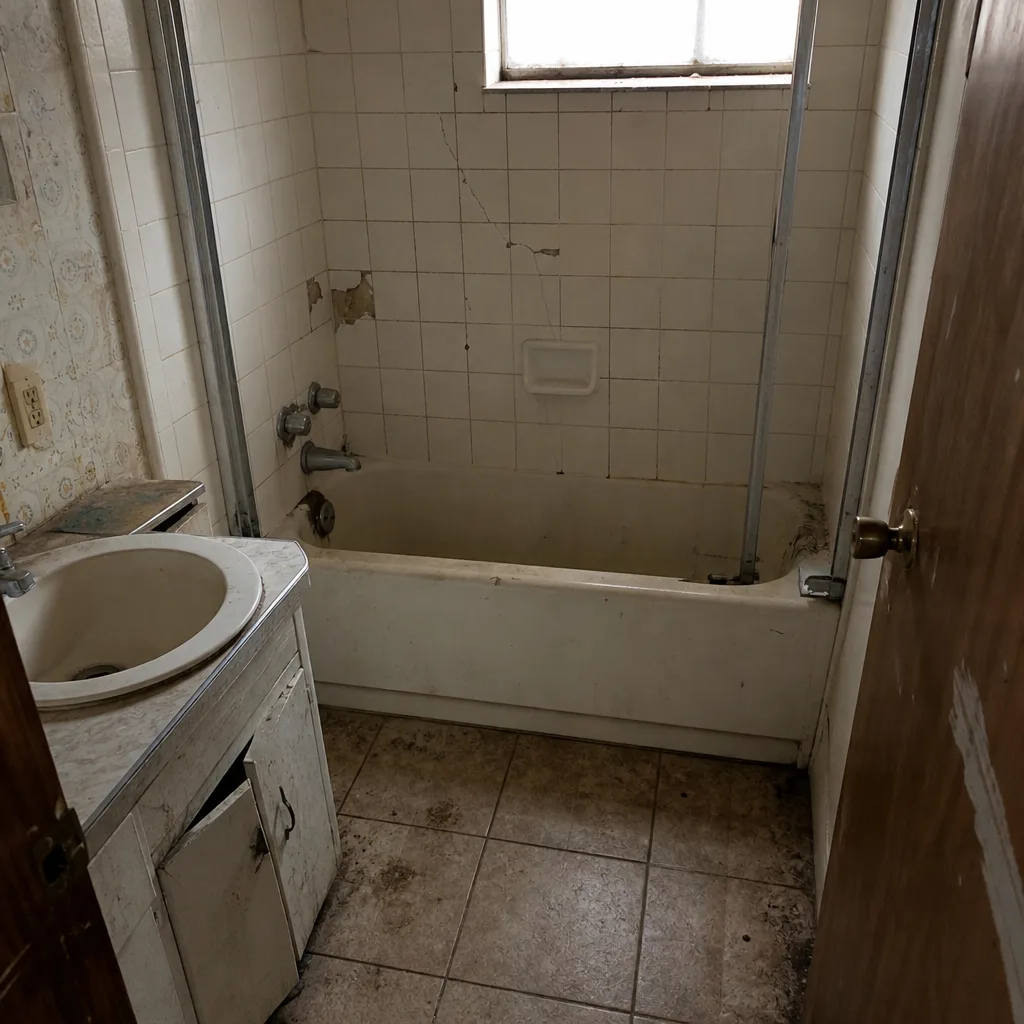 Before
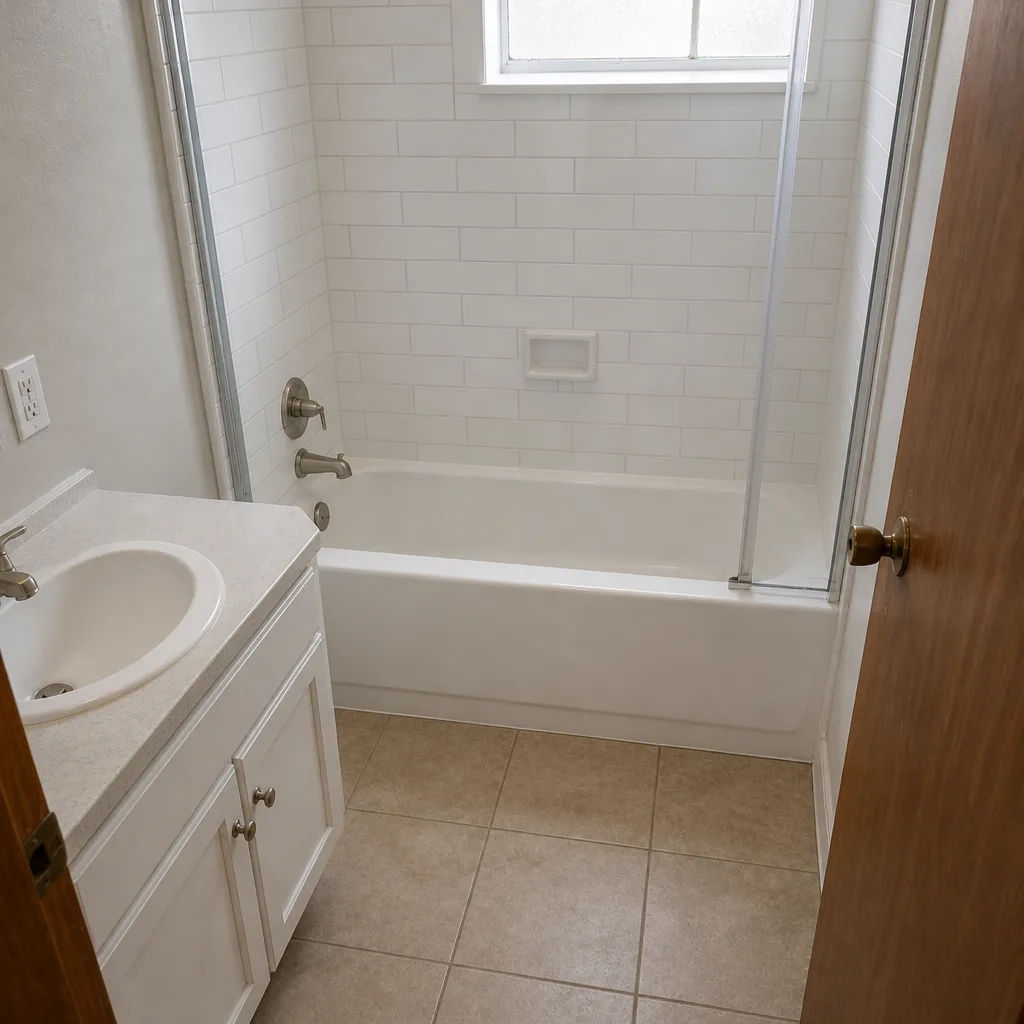 After
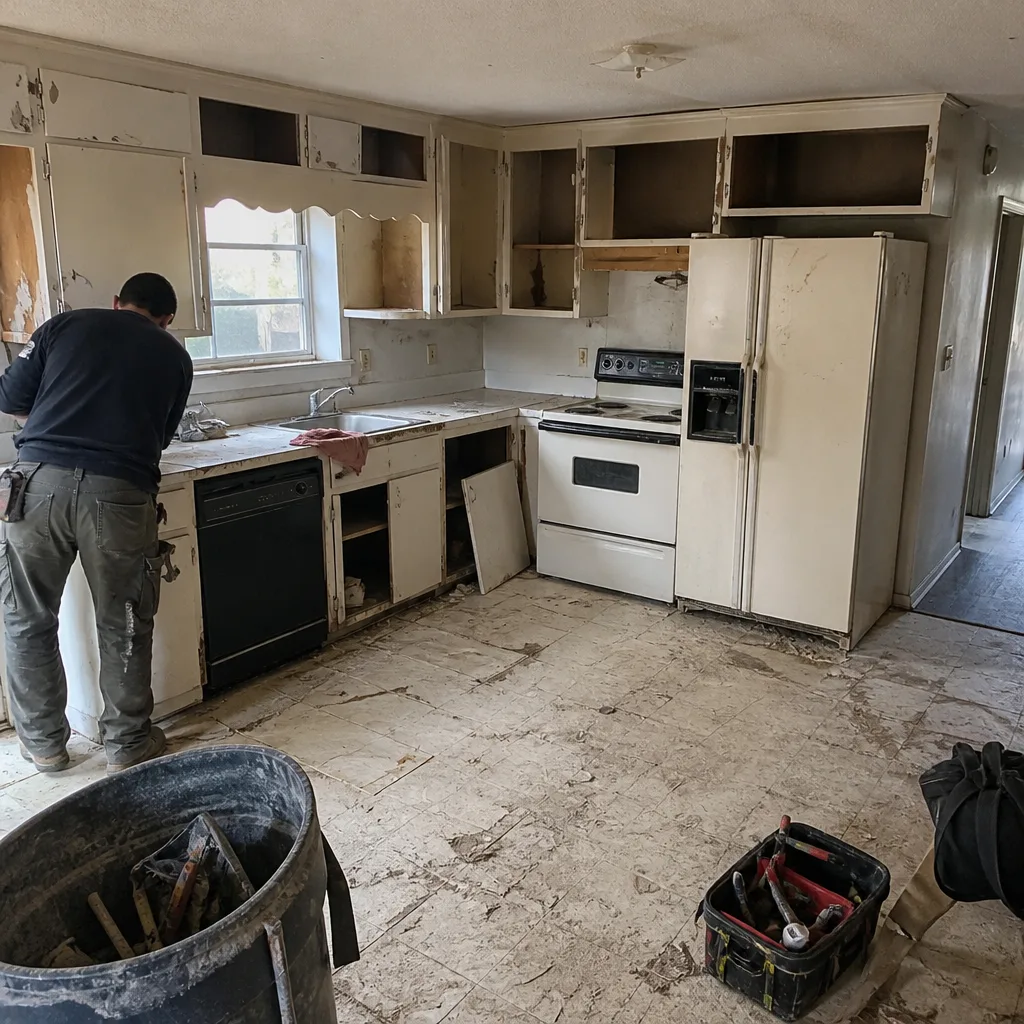 Before
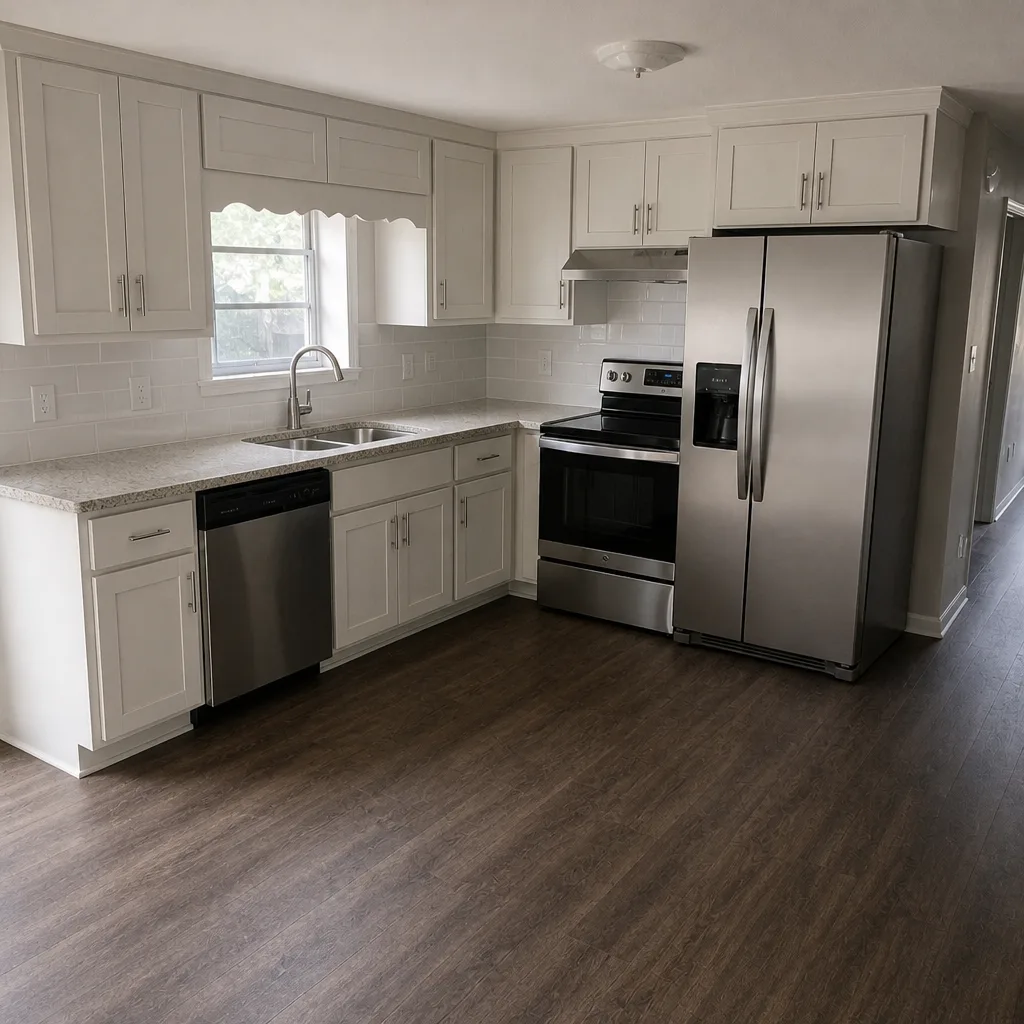 After
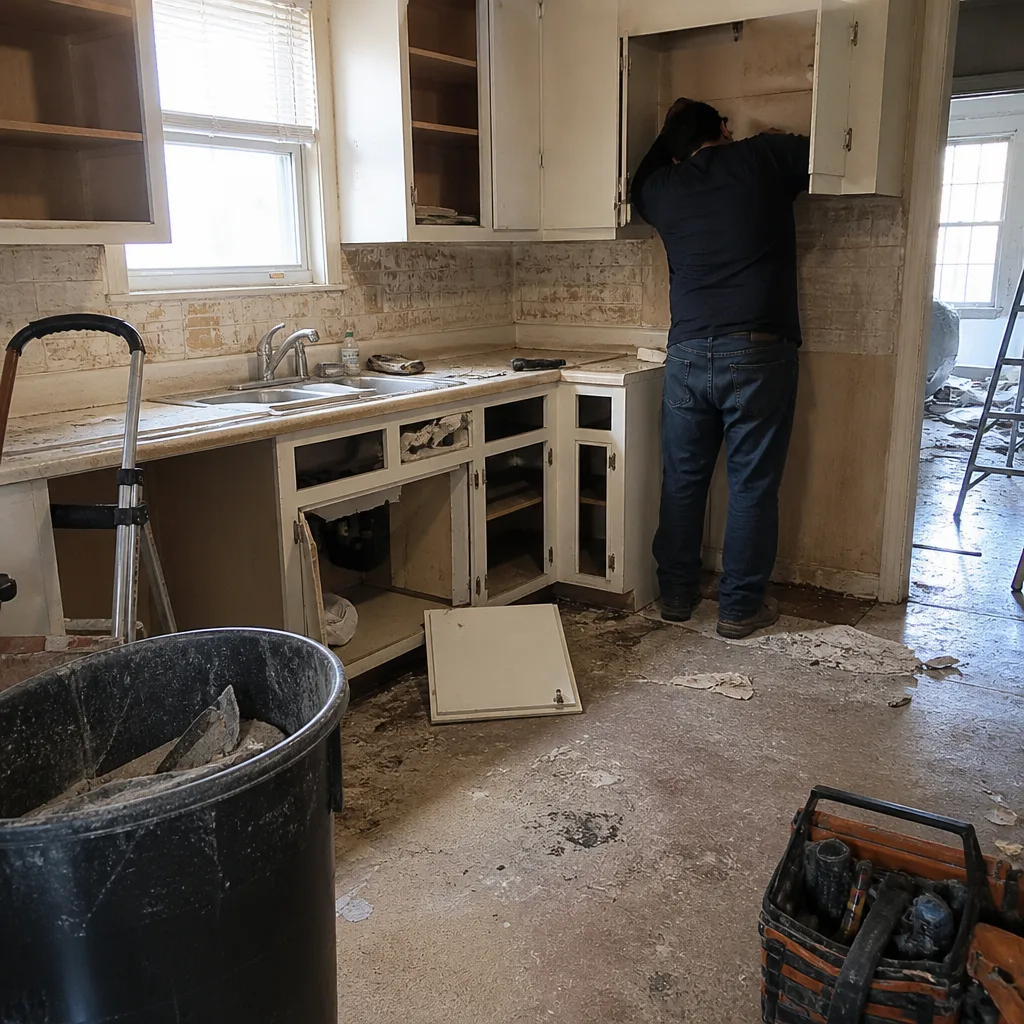 Before
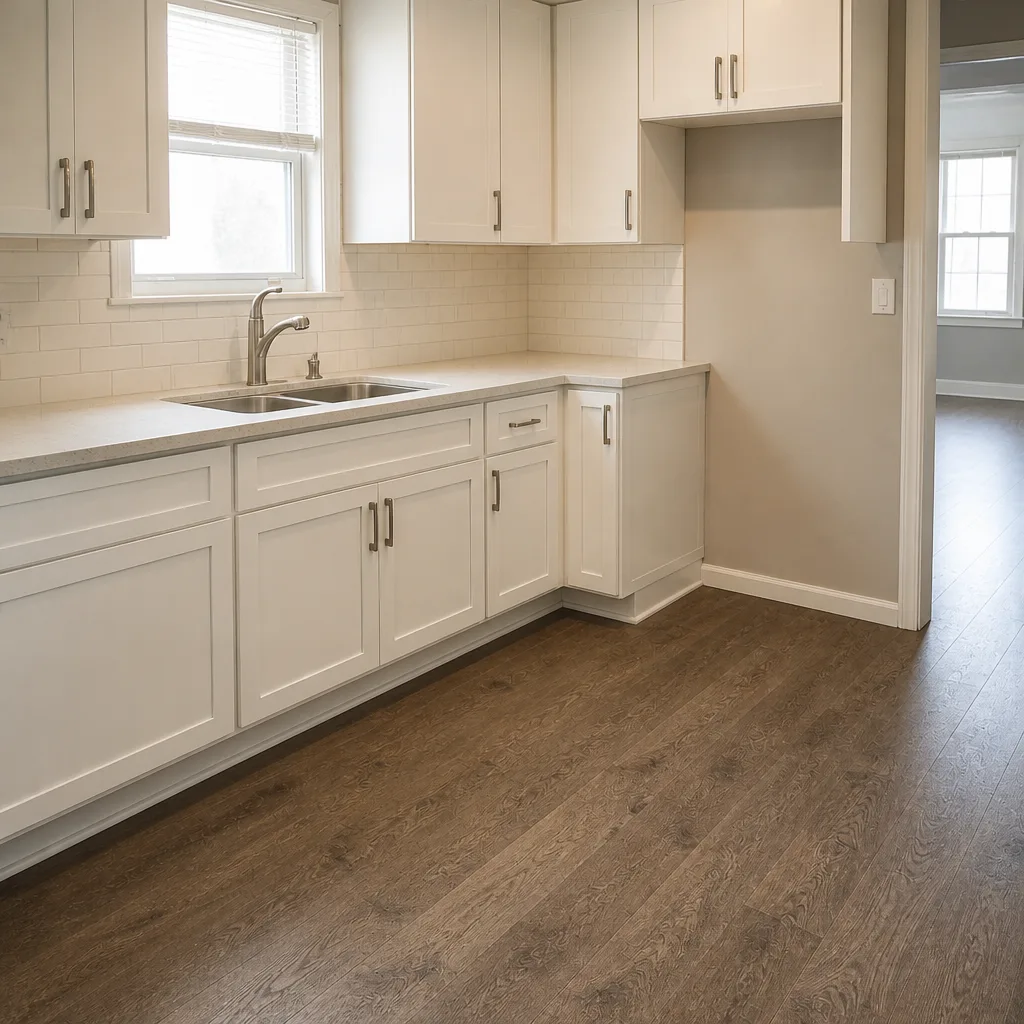 After
Common Mistakes to Avoid
- Asking for a general contractor’s license in Texas. There isn’t one, and any contractor who offers a “GC license number” is either confused or being misleading. Verify insurance, permits, and trade licenses instead.
- Accepting a one-page bid as a contract. A single page describing the work in vague terms is a promise, not a scope. Demand line-item detail on materials, labor, and allowances before signing.
- Paying the deposit before checking the permit. In Fort Worth, permit applications are the first verifiable step. Money moving before the permit exists is the most common failure pattern we see.
- Skipping the draw schedule. Paying on calendar dates instead of milestones is the single biggest cause of stalled projects. When the money runs out before the work does, the contractor has no incentive to keep going.
- Ignoring open permits from previous owners. When you buy a Fort Worth home with open permits, you inherit the problem. Pull the permit history on the property itself, not only the contractor, before you close.
- Treating “fully insured” as verified when it was only claimed. A verbal insurance claim is worth nothing. Call the carrier. Confirm the policy is active and the coverage amount matches the project scale.
- Letting the weather drive the schedule without asking about it. Outdoor work in Fort Worth is genuinely seasonal. A contractor who doesn’t mention weather windows for your paver or roof project either doesn’t know the local conditions or doesn’t plan around them.
When to Call a Professional
Some projects are genuinely fine for a homeowner to handle: painting a bedroom, building a freestanding fence under six feet, swapping cabinet hardware. Most other work in Fort Worth involves either the mechanical systems, the structure, or the permit record, and each one can go expensive when it fails. Call a professional when the work involves moving plumbing or electrical, altering a load-bearing wall, replacing a roof or any component above the living space, adding square footage, or anything that requires a city permit. Call a professional when you’ve been burned before, because the whole point of this guide is that the second attempt needs a written mechanism, not a better story. And call one early, before a small problem turns into a structural repair. Groundwork Construction Co. of Fort Worth offers free estimates in Fort Worth. Call (855) 912-5373 to schedule yours.
Frequently Asked Questions
No. Texas doesn’t issue general contractor licenses at the state level. Trade contractors like electricians and plumbers hold separate state licenses you can verify. For a GC, request a certificate of insurance showing general liability and workers’ comp, check their permit history through the City of Fort Worth portal, and require a written contract with a defined change order policy and warranty. Call (855) 912-5373 for a free estimate that includes all three in writing.
A mid-range kitchen remodel in Fort Worth typically lands between $30,000 and $70,000 depending on size, cabinet and countertop brands, and whether plumbing or electrical gets moved. The room where budgets move fastest is cabinetry and countertops. Our estimates include brand-level line items so you see exactly where the money goes, and we offer $1,000 off projects over $10,000 plus 0% financing for 18 months. Call (855) 912-5373 and we’ll price your Fort Worth kitchen against your actual layout.
Look up the permit by application number on the city’s online development portal, confirm the property address matches yours, and check that the applicant name on the permit matches the contractor on your bid. Ask for the permit number within 48 hours of signing. If work starts before the permit is issued, that’s a code problem on your property. Call (855) 912-5373 for an estimate with a permit plan written into the scope.
Draws should release against verified milestones, not calendar dates. A reasonable schedule defines each phase, ties payment to completion and inspection, and requires written confirmation before the next draw releases. Ask for the schedule before signing, and don’t accept deposits above 30% of the total before work starts. Call (855) 912-5373 to see how we structure the schedule for a Fort Worth remodel.
A full bathroom renovation in Fort Worth runs three to six weeks from demolition to final walkthrough, with tile-heavy projects landing at the longer end. The variables that stretch the schedule are plumbing relocations, custom tile work, and supply-chain delays on specific fixtures. Our estimates include a target timeline with a remedy for contractor-caused delays. Call (855) 912-5373 for a realistic timeline on your bathroom.
Not without your written signature. Our estimates lock in the scope and the number, and change orders require signed authorization before work begins. The exception is undiscovered conditions behind a wall or under a floor that nobody could see before demolition, and even then the change order process protects you. Upfront pricing, no surprises. Call (855) 912-5373 to schedule your free estimate.
The Bottom Line

Hiring a construction contractor in Fort Worth is a paperwork problem, not a personality problem. Texas doesn’t license general contractors, so the accountability you need comes from three places: a verified permit history through the city portal, a written contract with change order limits and milestone-based draws, and a warranty backed by a real claims process. Get those three right and the person managing your project has a mechanism forcing them to finish what they started. Skip them and you’re trusting a verbal promise with five figures. Whether you’re tackling a kitchen remodel, a home addition, or a roof replacement, the scope comes first and the handshake comes last. If it’s not done right, we make it right, and we put that in writing.
Call Groundwork Construction Co. of Fort Worth at (855) 912-5373 to schedule your free estimate and design consult. Live person, 24/7. Upfront pricing, no surprises.
Written by the team at Groundwork Construction Co. of Fort Worth.