Last updated November 18, 2026

Free written scope consultation - allowances, timeline, and change-order rules on paper before a single trade is scheduled
Seasonal Construction Care for Fort Worth: Year-Round Homeowner’s Guide
Fort Worth doesn’t hand you four equal seasons. It hands you two brutal ones and two narrow windows where the maintenance you do (or skip) decides what you’ll be paying for in eighteen months. A typical summer here tallies dozens of days above 100°F, and winter reliably delivers a hard freeze or two, which means the advice written for Chicago or Portland barely applies. This guide is built for the climate we actually live in: what to check, when to check it, and why the October-to-November stretch matters more than any other window on the calendar in Fort Worth.
Quick Answer
Seasonal construction care in Fort Worth comes down to two high-stakes maintenance windows and two storm-and-heat stretches in between. The October-November window before the first freeze is the most valuable of the year – caulk, drainage, and concrete joints need attention there – and April-May storm preparation protects rooflines, gutters, and hardscape from North Texas hail before the heavy weather arrives. Everything else is monitoring and catching small problems before clay soil movement and sustained heat turn them into structural ones.
Styles & brands we work with
- Kitchen remodeling
- Bathroom remodeling
- Home additions & ADU
- Roofing
- Windows & doors
- Driveway & pavers
- Fence
Table of Contents
- Why the October-November Window Is Fort Worth’s Most Valuable Maintenance Period
- Summer Construction Care in DFW: What Sustained Heat and UV Actually Do
- Fort Worth’s False Spring: Why February Warm Spells Trick Homeowners
- Storm Season Preparation: Structural Checks for North Texas Hail
- Clay Soil, Moisture Cycling, and Foundation Stress
- The Month-by-Month Seasonal Maintenance Calendar
- Material-Specific Care: Roof, Windows, Fence, and Hardscape
Why the October-November Window Is Fort Worth’s Most Valuable Maintenance Period
Here’s the counterintuitive part most homeowners never hear: the single most valuable six weeks of maintenance on a Fort Worth house fall between the first cool front in October and the first hard freeze, usually somewhere in late November or early December. Everything you do in that window gets tested by the freeze. Everything you skip gets tested too – just less gently.
Fort Worth’s freeze-thaw pattern is unforgiving. Water that finds a hairline crack in a sealant bead, a concrete joint, or a drainage channel in November will expand when it freezes, widen the crack, and then shrink again on the warm afternoon that follows. Repeat that cycle three or four times across a winter and you’ve turned a $40 tube of caulk into a cracked mortar joint or a heaved walkway edge.
The October-November checklist we run through on Fort Worth homes:
- Caulking and sealant inspection. Walk the full exterior and check every joint where materials meet – siding-to-trim, window frames, door thresholds, expansion joints in the driveway. Any bead that’s cracked, pulled away, or gone chalky needs replacing before the first freeze, not after.
- Drainage clearing. Gutters, downspouts, and any French drain or surface channel need to be clear before the winter wet season. Water that backs up against the foundation in December is water that’s going to do real damage through the freeze.
- Concrete joint inspection. Driveway, walkways, patio slabs. Hairline cracks in the joints should be filled before winter. This is cheap insurance against a joint that opens up into a trip hazard or a slab edge that lifts after a freeze.
- Roof and flashing check. Any loose or missing shingle or lifted flashing needs to be reseated before the roof sees freezing temperatures and wind-driven rain. Small gaps let water in that freezes behind the shingle courses.
- Exterior paint condition survey. Check any wood siding, fascia, or trim for paint that’s peeling or flaking. Bare wood absorbs water and expands on freeze – a surface that was holding up fine in October can be a soft spot by February.
We see the cost of skipping this window all the time in Fort Worth. A homeowner who calls in January about a cracked brick course or a soggy fascia board usually traces the problem back to a missed October step. Getting a contractor out to look at sealing and drainage before the freeze is far less expensive than the repair on the other side of it.
Summer Construction Care in DFW: What Sustained Heat and UV Actually Do
Fort Worth’s summer isn’t just hot – it’s sustained. A stretch of 20 or 30 consecutive days above 100°F is common, and that persistence changes how building materials behave in ways a cooler climate never produces. A single hot day stresses materials briefly. A sustained heat dome changes how wood, sealant, and paint cure and move.
The specifics matter:
- Wood expands and contracts differently. Dimensional lumber on a fence or a deck, and wood trim on a house, takes on moisture in spring and loses it in summer. When the summer is unusually sustained, that contraction cycle is deeper than in a mixed climate. Fasteners loosen, boards cup slightly, and joints that were tight in April open up by August. That’s why late-summer fence repair is often more about re-tightening and re-setting than replacing.
- Sealant and caulk degrade faster under high UV. The DFW UV index is high through the summer, and it breaks down the surface of a caulk bead ahead of schedule. A bead that would last three years in a cooler climate might need attention in eighteen months here. That’s why the October inspection window is so important – it catches UV degradation before the freeze does.
- Paint fails from the surface down. High UV and heat cause paint film to chalk, then crack. On a south or west-facing wall in Fort Worth, you’ll see paint failure first on those exposures. A wall painted in spring that’s already showing chalk by August is telling you the surface prep or the paint spec wasn’t right for this climate.
- Concrete and masonry cure faster and cure harder. Concrete that cures too quickly in high heat can lose strength, and mortar that dries before it sets properly can crack. Any masonry or concrete work scheduled in a Fort Worth summer needs someone who knows to account for temperature and cure timing, not just to pour and walk away.
Summer isn’t a window you use to do heavy exterior construction in Fort Worth – it’s a window you use to monitor and catch the damage the heat is doing. Save the exterior work for the fall.
Fort Worth’s False Spring: Why February Warm Spells Trick Homeowners
February and early March in Fort Worth are the climate’s best liar. You’ll get a stretch of 75°F afternoons, the trees bud, and every homeowner instinct says “this is the year I get the exterior work done early.” And then the second half of March drops back into the 30s, and the work you thought you were getting ahead on is now getting tested by a hard re-freeze.
What the false spring actually costs:
- Fresh masonry cracking on re-freeze. Mortar joints that haven’t fully cured when the temperature drops and then rises in a freeze-thaw cycle are prone to hairline cracking. A masonry job timed to the false spring often looks fine in April and shows cracks by May.
- Paint that fails before it cures. Exterior paint needs a specific temperature range and a certain number of hours before it fully cures. A warm February afternoon followed by a 28°F night is one of the worst things you can do to a fresh coat on wood trim.
- Caulk that loses its bond. Caulk applied in the false spring and then hit by a re-freeze can lose adhesion at the joint. It pulls away at the edges and lets water in behind it – exactly the failure mode you’re trying to prevent.
- Concrete and concrete joint work. Cold temperature shifts after fresh concrete placement are a known risk for surface defects.
Our rule for Fort Worth homeowners: schedule exterior masonry and paint work for late March or April, and if you’re going to break the rule to catch the February warmth, make sure the contractor you’re using is watching the 10-day forecast before they start, not just the day’s high. Some jobs are worth moving. Most are worth waiting for.
Storm Season Preparation: Structural Checks for North Texas Hail
Fort Worth sits in one of the most hail-prone corridors in the country. The April-May storm season routinely produces hail in the quarter-to-golf-ball range, and the structural checks a homeowner does in March and early April are what separate a house that comes through the season with a few shingles replaced from a house that comes through with water infiltration behind the siding and a $15,000 repair.
The spring structural checklist for Fort Worth homeowners:
- Roofline inspection. From the ground with binoculars is fine for a start. Look for lifted shingle tabs, missing granules showing in gutters, and any sag along the roofline. Those are the spots where hail will start a leak first.
- Flashing check. Anywhere the roof meets a chimney, a vent stack, or a wall transition. Flashing that’s already loose is flashing that hail will open completely.
- Gutter attachments. Gutters that are hanging by a thread before storm season are gutters in the yard after it. Check the fasteners at the fascia – any that are loose should be re-set before April.
- Hardscape surface check. Any patio, driveway, or walkway with pre-existing cracks. Hail hits aren’t the problem for hardscape; the water that runs through an existing crack afterward is. Fill and stabilize hardscape cracks in spring.
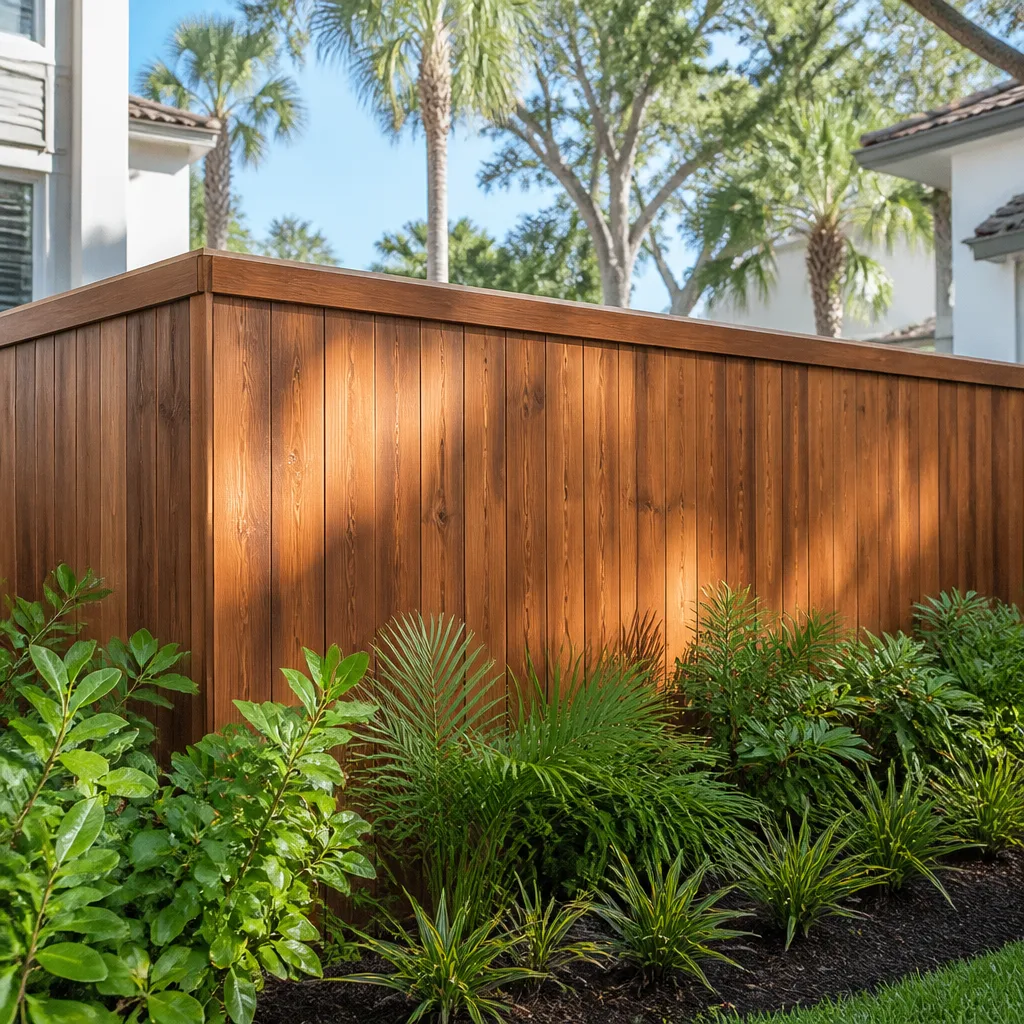
- Fence post and rail check. A North Texas hail storm usually comes with wind. Fence panels that were already loose or leaning are the ones that end up on the ground. A tight fence survives the season; a loose one spends the season on the neighbor’s side of the property line.
- Hose bib and exterior plumbing freeze-prep review. The other North Texas calendar twist: a late-season freeze in the second half of March is not unheard of. Make sure the freeze protection you set in the fall is still intact before you fully commit to summer plumbing use.
For a fence that’s already leaning or showing storm damage, our fence installation in Fort Worth page walks through material options – including Master Halco and Ameristar panels that hold up well to North Texas weather – and what to expect for replacement timing.
Clay Soil, Moisture Cycling, and Foundation Stress
Fort Worth sits on expansive clay soil, and that’s the single biggest structural issue most homeowners underestimate. Clay expands when wet and contracts when dry, and in Fort Worth the swing between those two states is significant – heavy spring rains soak the soil, then three months of summer heat drains it. That cycle is cumulative. A foundation that holds up fine for the first five years of that pattern can start showing movement in year ten.
The mechanism is predictable. When clay soil dries on one side of a house – usually the south or west, the side that gets the most sustained sun – it contracts and pulls away from the foundation. When the soil is saturated, the other side of the house gets a different amount of pressure. That differential is what cracks foundations, and it’s why seasonal drainage maintenance is the cheapest foundation insurance a Fort Worth homeowner has.
How to interrupt the clay soil moisture cycle:
- Keep gutters and downspouts moving water away from the house. Downspouts that dump water within 3 feet of the foundation are dumping it into the clay, which then expands unevenly. Extend them.
- Inspect the grading each fall. Soil that’s settled against the foundation over the summer should be re-graded and re-compacted before the fall rains. The goal is a slope that moves water away from the house in every direction.
- Water consistently through summer. This is counterintuitive – you’re not trying to keep the clay wet, you’re trying to keep it from cycling too dramatically. A soaker hose on a timer for the site facing the sun, run once a week through the hot months, is standard practice in Fort Worth.
- Watch for the tell-tale signs. Hairline cracks in the interior drywall near door frames, doors that stick in one corner of the house, or a crack that runs diagonally from the corner of a window are the early indicators. If you see them, get an inspection before they spread.
Seasonal drainage work is the single most effective thing you can do for foundation health in Fort Worth. Most of it is inexpensive and most of it can be handled during the fall window that we covered above.
The Month-by-Month Seasonal Maintenance Calendar
Here’s the calendar we hand to Fort Worth homeowners when they ask what to do when. It’s not a full maintenance checklist – it’s the high-value items for the climate, in the order the seasons demand them.
January and February
- Post-freeze walk: check caulk joints, flashing, and gutters for damage from the winter’s first hard freeze.
- Interior moisture check: drywall cracks or sticking doors near foundation corners.
- Plan the spring exterior work: get estimates on any roofing, painting, or masonry projects and schedule for late March or April.
March and April
- Storm season prep: roofline, flashing, and gutter checks (see above).
- Late-March to April: the right window for exterior paint and masonry – after the false spring, before the heat.
- Fence and rail re-tightening before storm season.
- Hardscape crack filling.
May through August
- Monthly inspection of the south and west exposures for paint chalking and sealant degradation.
- Consistent soaker-hose watering to interrupt the clay soil drying cycle.
- Avoid scheduling heavy exterior paint or masonry work in the peak heat unless the contractor is set up for it.
- Late-summer check of any wood fence or deck for contraction-related looseness.
September
- Post-summer heat survey: anything that showed stress in July and August (caulk, paint, sealant, wood movement) gets flagged on a list for the fall window.
- Get a free estimate on any projects for the October-November window – call early to get on the schedule.
October and November (the most valuable window of the year)
- Full exterior caulk and sealant sweep.
- Gutter and downspout clearing.
- Concrete joint inspection and filling.
- Roof and flashing reseat.
- Drainage re-grading and downspout extension.
- Exterior paint condition survey.
- Any wood trim or siding repair – done now, so it’s sealed before the freeze.
December
- Freeze-prep: hose bibs, exterior plumbing, and a final walk of the caulk joints to confirm the October work.
- Watch the 14-day forecast for any hard-freeze events and re-check the drainage channels ahead of them.
Material-Specific Care: Roof, Windows, Fence, and Hardscape
The general seasonal calendar sets the timing. What you actually look at depends on the material. Here’s the material-specific care logic for a Fort Worth house, organized by the systems that need the most attention.
Roofing
North Texas roofs take hail and UV, and the fasteners and sealant on every GAF or Owens Corning shingle installation need a check in the spring before storm season and a check in the fall before the first freeze. Pay attention to the sun-facing slopes first – UV degradation shows there first. If you’re planning a roof replacement, scheduling it in the spring after the last freeze is generally safer than a summer replacement, where surface temperatures on a Fort Worth roof can hit 140°F and slow down the shingle seal-down process.
Windows and Doors
The failure point on a Fort Worth window is the seal, not the glass. Check the caulk beads around window frames during the October window. A window with a compromised seal lets in water that freezes behind the frame, and that’s when you see interior water damage in January. For a window replacement project, the fall is the ideal window in our climate – not too hot for the installers, not so cold that sealants have trouble curing.
Fencing
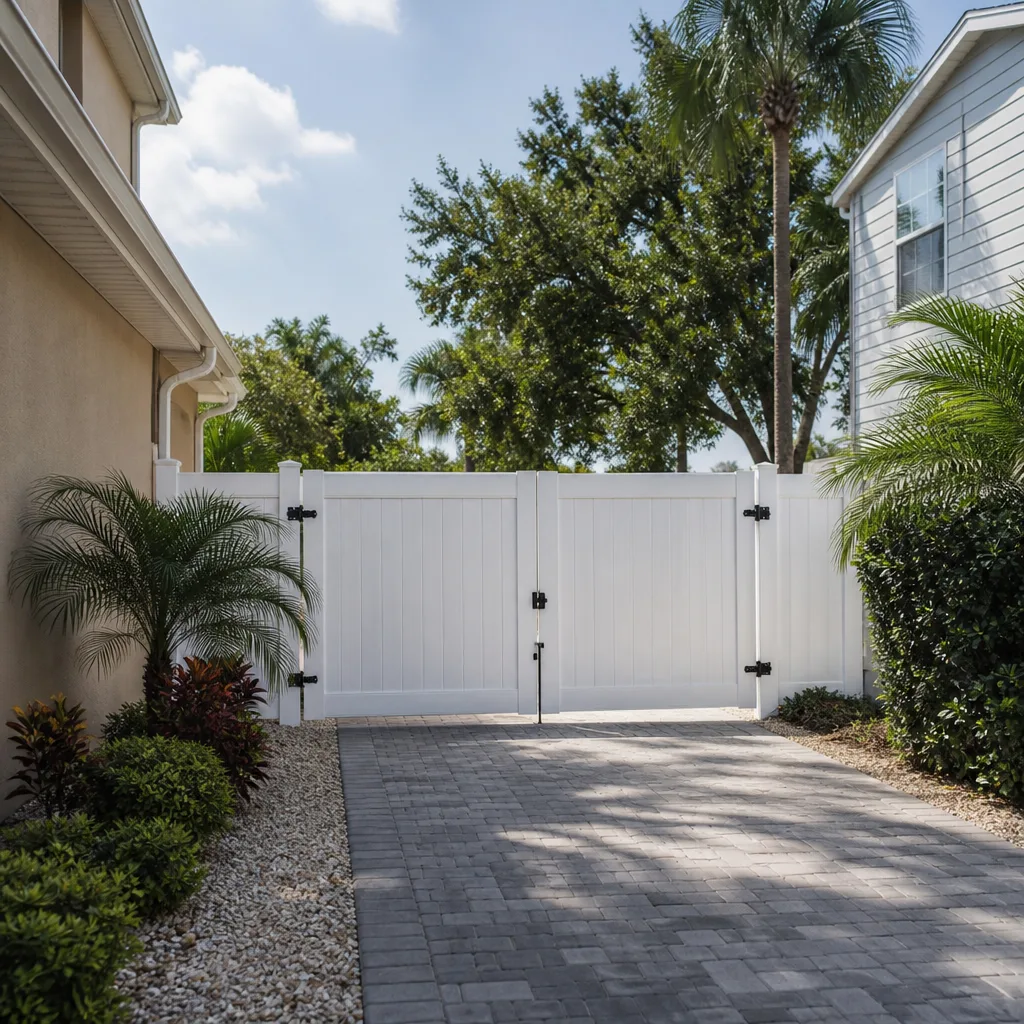
Wood fence panels expand in the spring and contract in the summer. The care routine in this climate is re-tightening and re-seating rather than replacement. Any post that’s leaning after the spring storms should be re-set before summer, not after. Metal fence panels from brands like Master Halco or Ameristar hold up better to the Fort Worth weather cycle, but check hinges and latches in the fall – metal fabrication and hinges expand as well and can loosen. If a fence replacement is in your future, our fence installation guide walks through material choices for the North Texas climate.
Driveway and Hardscape
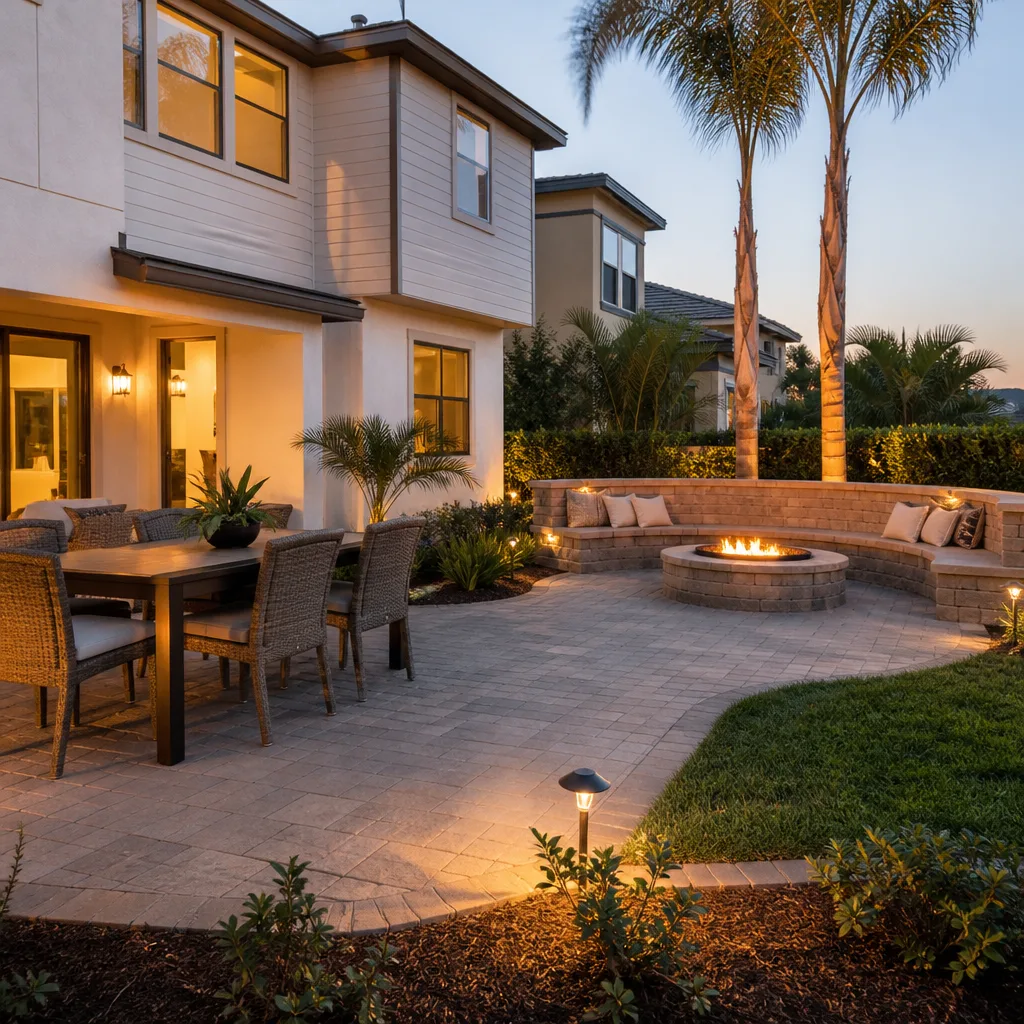
The two seasons that hurt a Fort Worth driveway are summer heat and winter freeze. In summer, sustained heat and UV soften sealcoat faster than cooler climates. In winter, any moisture that gets into a joint or a hairline crack expands on freeze. The maintenance cycle is a spring check and a fall check, with sealcoat refreshing every two to three years. Pawer and paved surfaces need the same treatment – a spring check for winter damage and a fall check on the joints. If your driveway is ready for replacement or a new paver installation, the spring is generally a better schedule window in Fort Worth than the summer heat.
Home Additions and ADUs
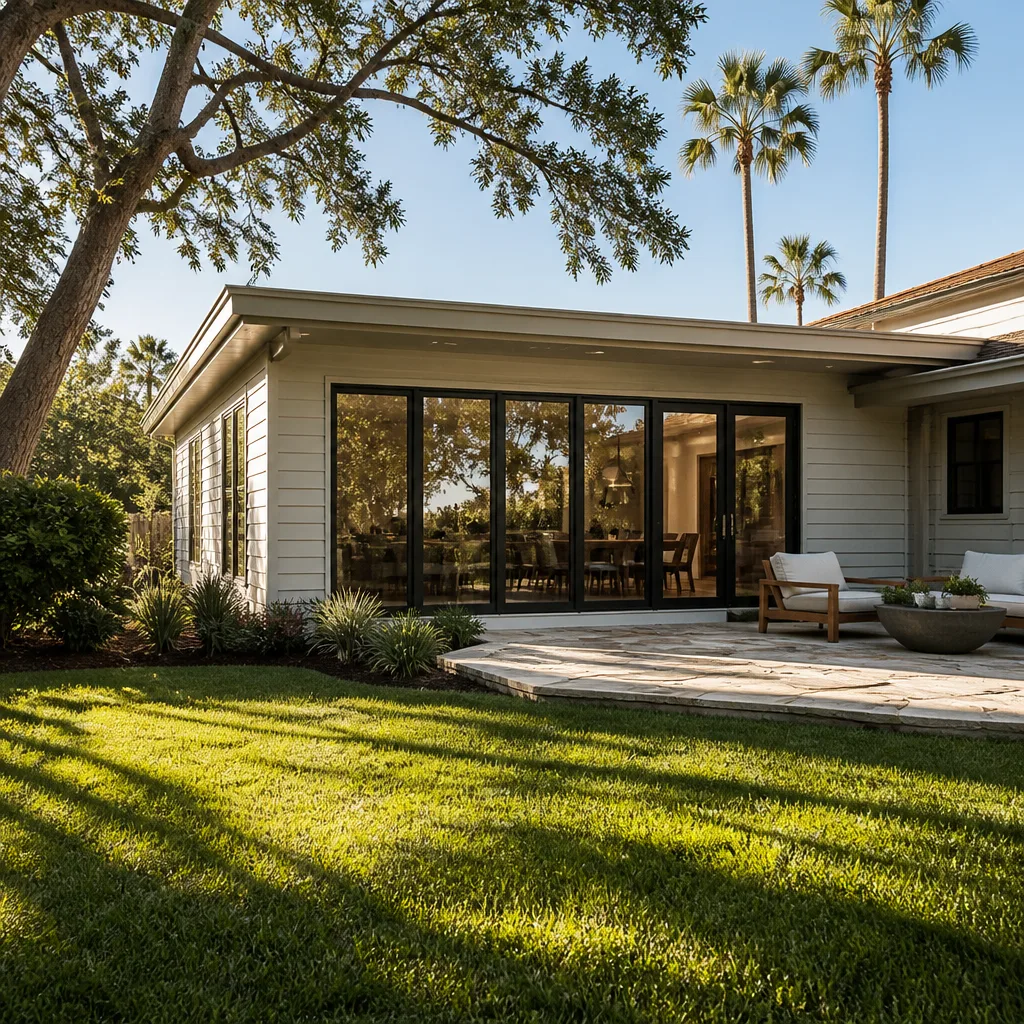
A home addition or an accessory dwelling unit is going to be exposed to every season during construction, and the timing of the building envelope is the thing to plan around. In Fort Worth, the two optimal construction windows are late March through May (before summer heat) and October through November (before the first freeze). Most additions and ADUs take six to nine months of construction, which means the schedule needs to align the exterior enclosure phase with one of those two windows. If you’re planning an addition, start the conversation in the fall for a spring start.
Common Mistakes to Avoid
- Skipping the October window because the weather still feels fine. October in Fort Worth often still hits 85°F. That cool afternoon in mid-November might already be too late – the freeze comes fast here. Get the caulk and drainage work done in October, not the week before Thanksgiving.
- Trusting the false spring and scheduling exterior painting or masonry in February. A warm February week is not a green light. Wait until late March at the earliest for any exterior paint or masonry job.
- Letting water run into the foundation to “keep the clay wet.” This is one of the most common Fort Worth mistakes. The goal is even moisture, not saturation – a soaker hose on a slow cycle is the right approach, not a garden hose flooding the foundation.
- Waiting until after a storm to inspect the roof. Hail damage on a roof is far cheaper to fix before it’s done its job. Take the spring check seriously, not as an optional step.
- Fence re-tightening only in the summer. Wood fence panels are loose in the summer, but the strongest time to re-tighten and re-set them is late fall, when the wood has finished contracting and the repair will hold through the spring expansion.
- Ignoring the south and west walls. These take the most UV and the most heat in Fort Worth summers, and that’s where caulk and paint will fail first. The whole-house defense should weight toward those exposures – we check them first when we’re on a Fort Worth home.
- Treating the concrete driveway as a permanent surface. Concrete in this climate needs joint maintenance every year to stay cheap. A homeowner who fills the joints every October avoids the escalating repair that follows from a slab edge that’s been cracked for five winters.
See the difference
 Before
 After
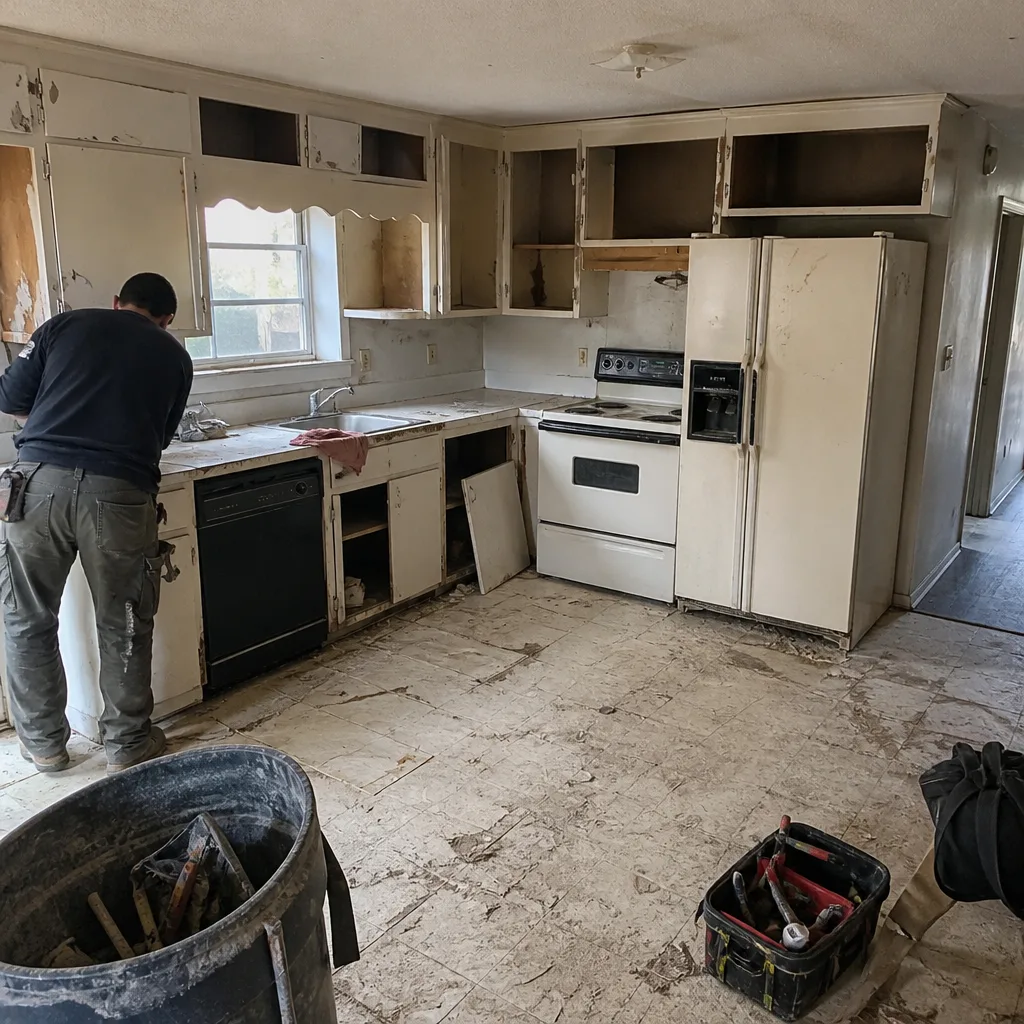 Before
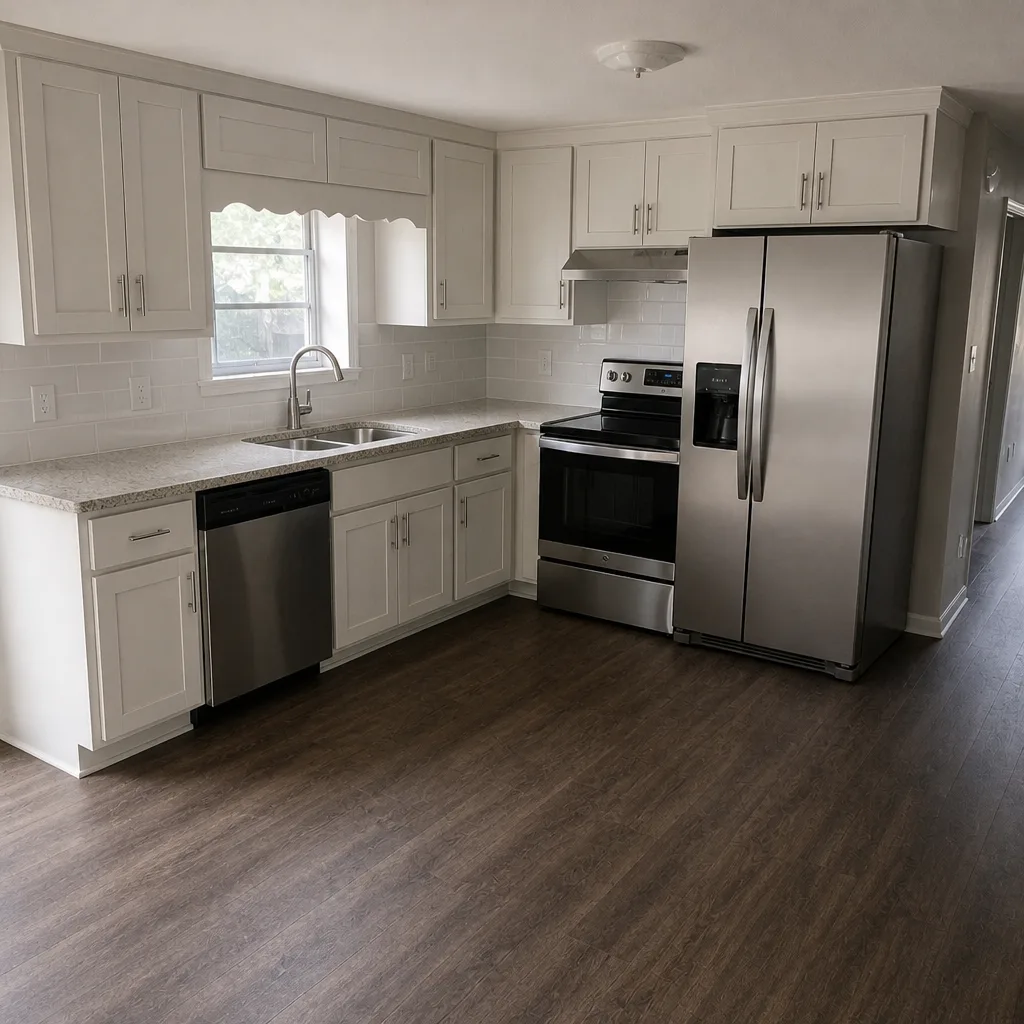 After
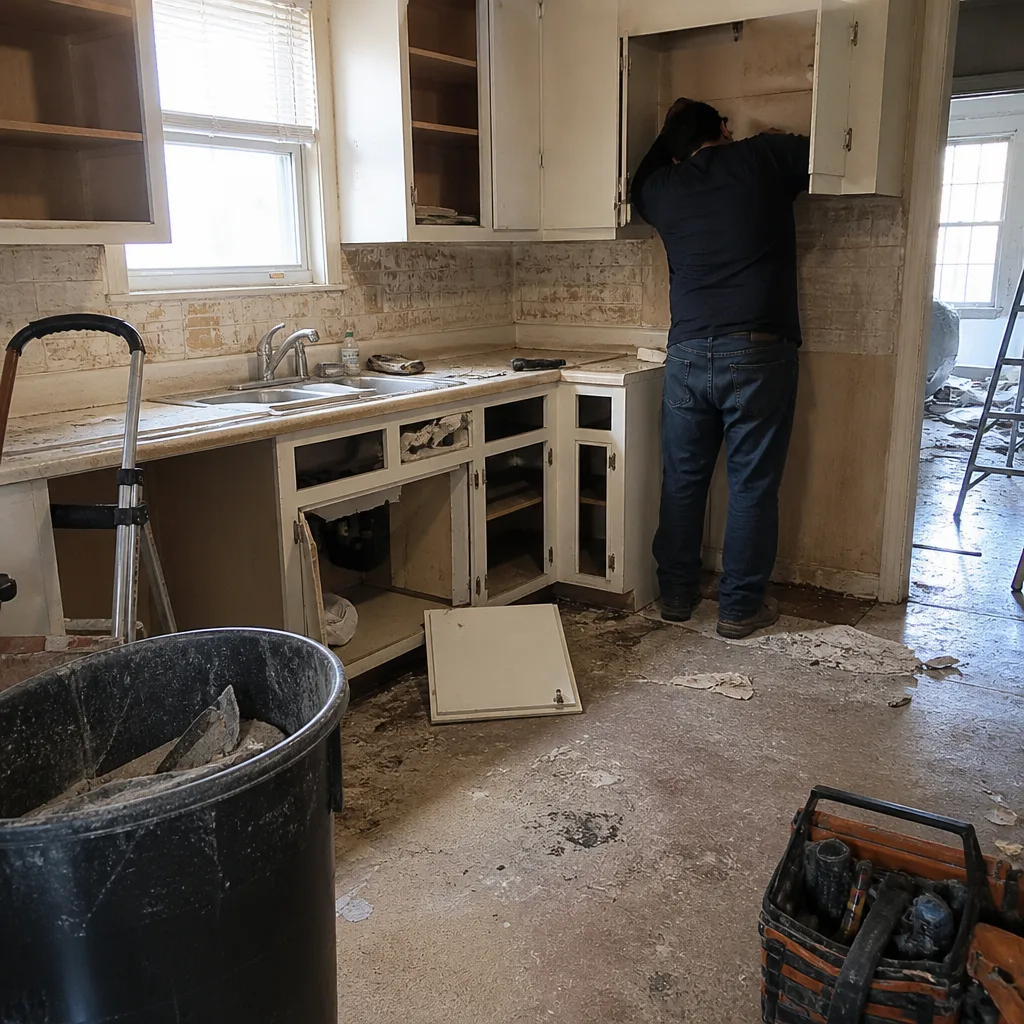 Before
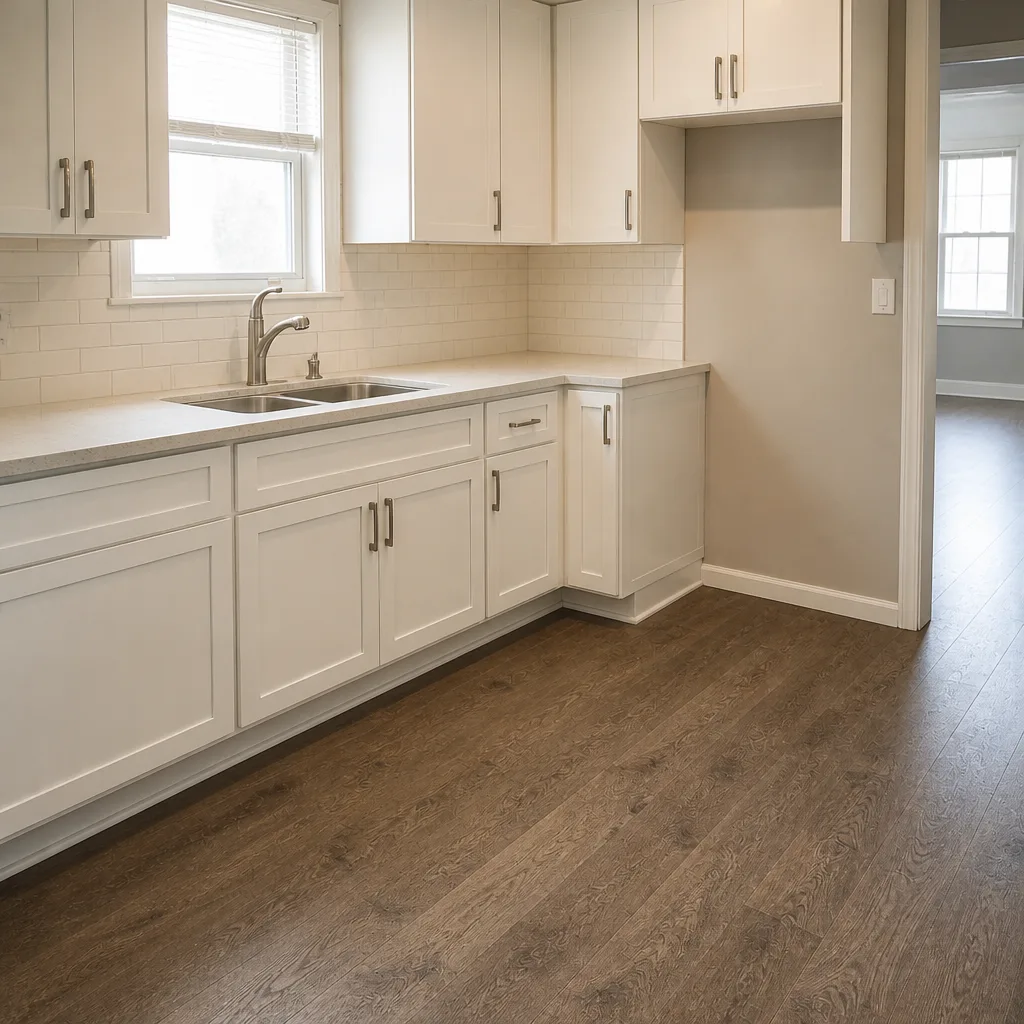 After
When to Call a Professional
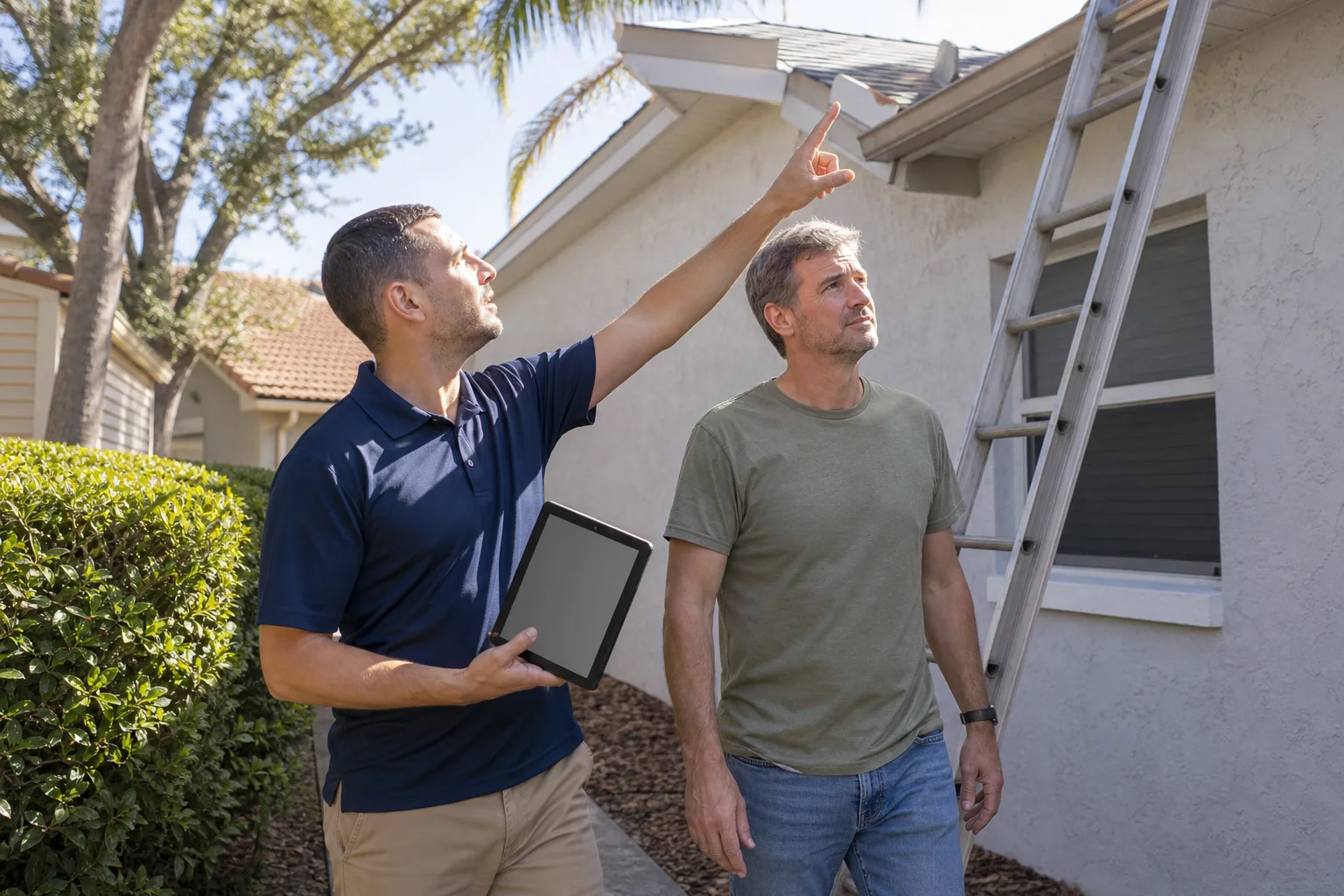
Most of the seasonal checklist above is homeowner-level inspection and small fixes. The line is when the fix touches structural materials, roof height, or anything where getting it wrong has expensive consequences. If you’re seeing a roofline that’s sagging, mortar joints that are cracking, foundation cracks (interior or exterior) that are spreading rather than stabilizing, or if your seasonal inspection has turned up work you don’t want to be doing on a ladder in July, it’s time to bring someone in.
Groundwork Construction Co. of Fort Worth offers free estimates in Fort Worth – call (855) 912-5373. We’ll walk the exterior with you, tell you what needs attention now and what can wait, and give you upfront pricing in writing with no change orders. Our technicians have up to 12 years of experience with this climate’s specific patterns, and every project we take on is covered by our 730-Day Done Right Promise. We use trusted brand partners across every category – GAF and Owens Corning roofing, Andersen and Marvin windows, James Hardie siding, and KraftMaid for interior work – so you’re choosing quality, not availability.
Frequently Asked Questions
The October-November window, before the first hard freeze. Caulking, drainage clearing, concrete joint inspection, and roof flashing checks in that window protect the home through the freeze-thaw cycle that Fort Worth gets every winter. Homeowners who skip this window typically discover the failure in January or February. Call (855) 912-5373 for a free estimate on getting that window handled properly.
Fort Worth’s sustained summer heat and repeated freeze-thaw cycling in winter make wood contraction and expansion more extreme than a mixed climate. Wood holds moisture in spring, contracts further in the sustained summer heat, then takes on water again in the fall – three cycles a year of movement. That’s why a Fort Worth wood fence needs re-tightening and re-setting every fall, rather than the every-other-year routine that works in milder climates.
Yes. Fort Worth sits on expansive clay, and the swing between saturated spring soil and dried-out summer soil puts differential pressure on the foundation that is cumulative over years. The single most effective protection is maintaining drainage so the moisture is even around the foundation, and consistent summer watering on the sun-facing sides of the house. If you’re seeing interior drywall cracks that are widening, get an inspection before it spreads.
Before, if your roof has any existing weakness. Fort Worth hail season is April through May and a compromised roof is far more vulnerable to hail damage than a new one. Even if the replacement isn’t this year, getting a roofline and flashing inspection in March gives you a real picture of what you’re heading into. Call (855) 912-5373 for a free estimate on a full roof assessment.
Every October. Fort Worth’s freeze-thaw cycle means joints that aren’t sealed going into winter take on water that freezes and widens them, and that damage compounds each year you skip it. For sealcoat on a concrete or paved driveway, a refresh every two to three years is typically sufficient; the joint sealing is annual.
You can, but it’s risky. Fort Worth summer temperatures can make exterior paint cure unevenly, and the sustained UV degrades a freshly applied coat unusually fast. The fall window (late September through October) and the late spring window (late March through May) are the best times. If you must paint in summer, an experienced contractor will schedule based on the daily highs and sun exposure, not just the calendar.
The Bottom Line
Fort Worth’s two brutal seasons make the two mild ones disproportionately valuable. October-November is the maintenance window that protects your home through the freeze, and late March through May is the window that protects it through hail and heat. The October checklist – caulk, drainage, concrete joints, roofline, flashing – is cheap and effective, and skipping it turns small repairs into structural issues. Spring storm season prep – roofline, gutters, hardscape, fence – is equally important. Consistent attention to the clay soil moisture cycle through the summer ties it all together. Fort Worth homeowners who follow the seasonal calendar save money long-term; those who don’t end up paying for the same work twice. Our Groundwork Construction Co. of Fort Worth home page has more about the full-scope work we do across the seven service lines. If you’re planning a home addition or ADU in Fort Worth, or if a driveway and paver project in Fort Worth is on the list, both are best scheduled in the spring window. Call (855) 912-5373 for a free estimate – we’ll walk your house with you, put the numbers in writing, and stand behind the work with our 730-Day Done Right Promise.
Written by the team at Groundwork Construction Co. of Fort Worth.