Last updated November 18, 2026
Free written scope consultation - allowances, timeline, and change-order rules on paper before a single trade is scheduled
DIY vs Professional Construction: The Fort Worth Homeowner’s Decision Guide
Texas is one of the few states where a homeowner can legally pull a permit and build on their own property without holding a contractor’s license. That fact gets repeated in every DIY forum, and it’s true. What those forums leave out is that the City of Fort Worth requires permits for far more project types than most homeowners realize, and that a buyer’s inspector on resale will find unpermitted work with surprising regularity. In our experience, the cost of the decision rarely shows up during construction. It shows up three years later, at the closing table. This guide walks through the permit map, the true cost math, the resale risk by project type, and where Fort Worth’s climate and clay soil turn a “preference” for professional work into a functional requirement.
Quick Answer
For most Fort Worth homeowners, DIY is legally allowed on cosmetic interior work, paint, flooring, and fences under the height threshold, but it is a poor economic and legal bet on anything structural, electrical, plumbing, roofing, or on any addition that changes the footprint. The projects where DIY most often backfires in Fort Worth are the ones that require a permit and a licensed trade sign-off: panel work, gas lines, roof replacements, and foundations. If your project needs an inspection, a licensed trade, or a warranty you can hand to a buyer, professional construction is the cheaper path once you price in redo costs, permit resubmittals, and resale exposure.
Styles & brands we work with
- Kitchen remodeling
- Bathroom remodeling
- Home additions & ADU
- Roofing
- Windows & doors
- Driveway & pavers
- Fence
Table of Contents
- What Texas law actually allows Fort Worth homeowners to build themselves
- The Fort Worth permit map: which projects need a permit, and which need a license
- How to calculate true DIY cost in Fort Worth (the math most people skip)
- The resale inspection risk map: which DIY projects surface at sale
- Hybrid scoping: what Fort Worth homeowners can legitimately handle themselves
- Three project types where Fort Worth clay and climate make professional installation a requirement
- Common mistakes to avoid
- When to call a professional
- Frequently asked questions
What Texas law actually allows Fort Worth homeowners to build themselves
Texas doesn’t license general contractors at the state level. That means a homeowner in Fort Worth can act as their own general contractor, file permits in their own name, hire subcontractors directly, and do the physical labor themselves. This is genuinely legal and it’s a real option for certain projects. It is not, however, a free pass.
What the state does license are the trades. Electricians, plumbers, and HVAC technicians must be licensed by the state, and in Fort Worth a homeowner cannot pull an electrical or plumbing permit without a licensed trade attached to the work. That distinction trips up a lot of homeowners who read “Texas doesn’t license contractors” and assume they can rewire a kitchen. You can pull the building permit. You cannot legally perform the electrical rough-in yourself and pass inspection without a licensed electrician’s sign-off.
The other thing state law doesn’t protect you from is local code. Fort Worth’s Development Services department has its own permit thresholds, its own inspection schedule, and its own requirements for what drawings get submitted. A homeowner acting as their own GC is held to the exact same standard as a licensed builder in Fort Worth. There is no beginner allowance.
A few things that are straightforwardly yours to do without a permit in Fort Worth:
- Interior paint, trim, and finish carpentry
- Flooring replacement over an existing subfloor
- Cabinet and countertop swaps that don’t move plumbing or gas
- Fences under six feet in height (with HOA and setback rules still applying)
- Landscaping, sod, and non-structural hardscape
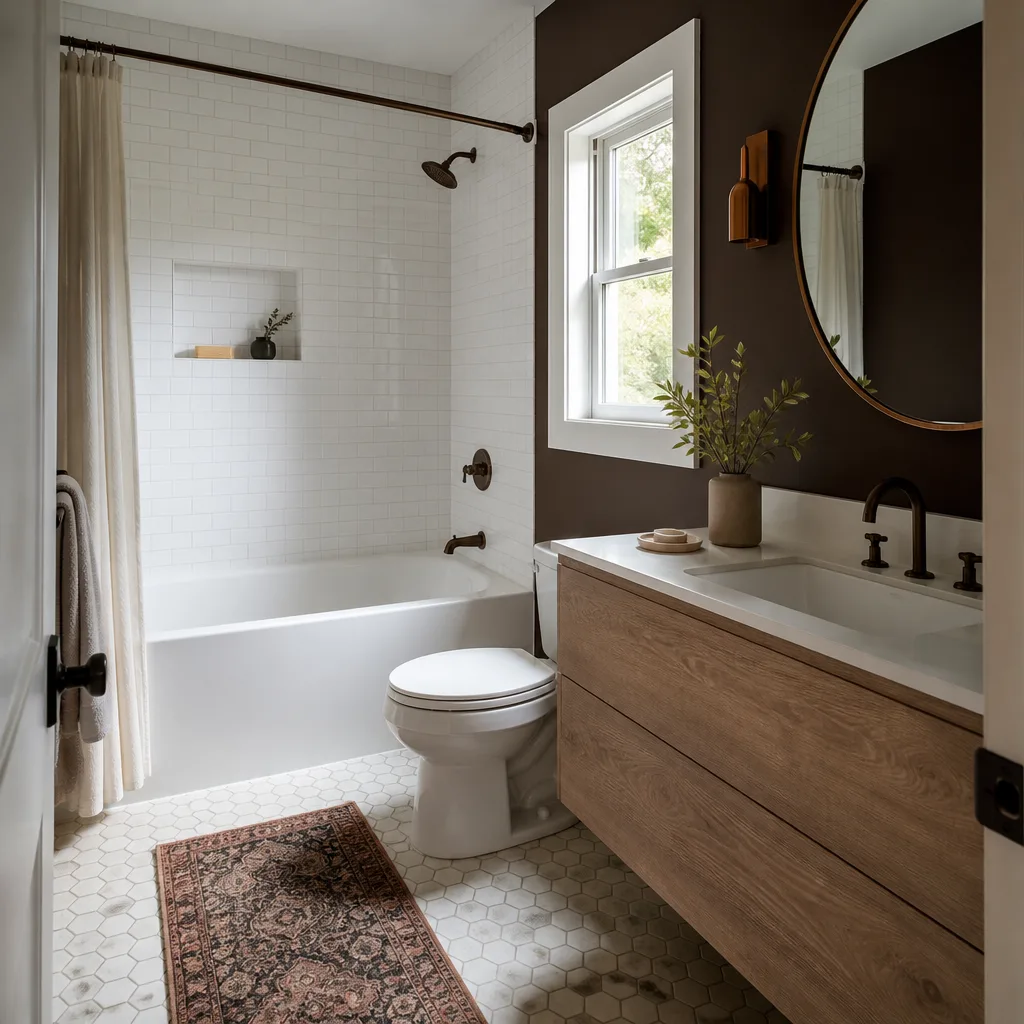
- Cosmetic bathroom updates that don’t relocate fixtures or touch the supply or drain lines
Everything on that list is also a project a professional can do faster and with a warranty. The question isn’t whether you can, it’s whether the hours and risk are worth it to you.
The Fort Worth permit map: which projects need a permit, and which need a license
This is the section YouTube tutorials skip entirely. Fort Worth requires permits for more project categories than the average homeowner expects, and the permit type determines whether you can do the work yourself or whether a licensed trade has to be on the record.
Here’s the breakdown by project category, based on how Fort Worth’s permitting system is structured:
- Structural changes and additions. A building permit with stamped drawings is required. A homeowner can file it, but the drawing set and engineering have to meet code, and the inspections are the same ones a licensed builder goes through. Additions changing the footprint also trigger setback and impervious cover reviews.
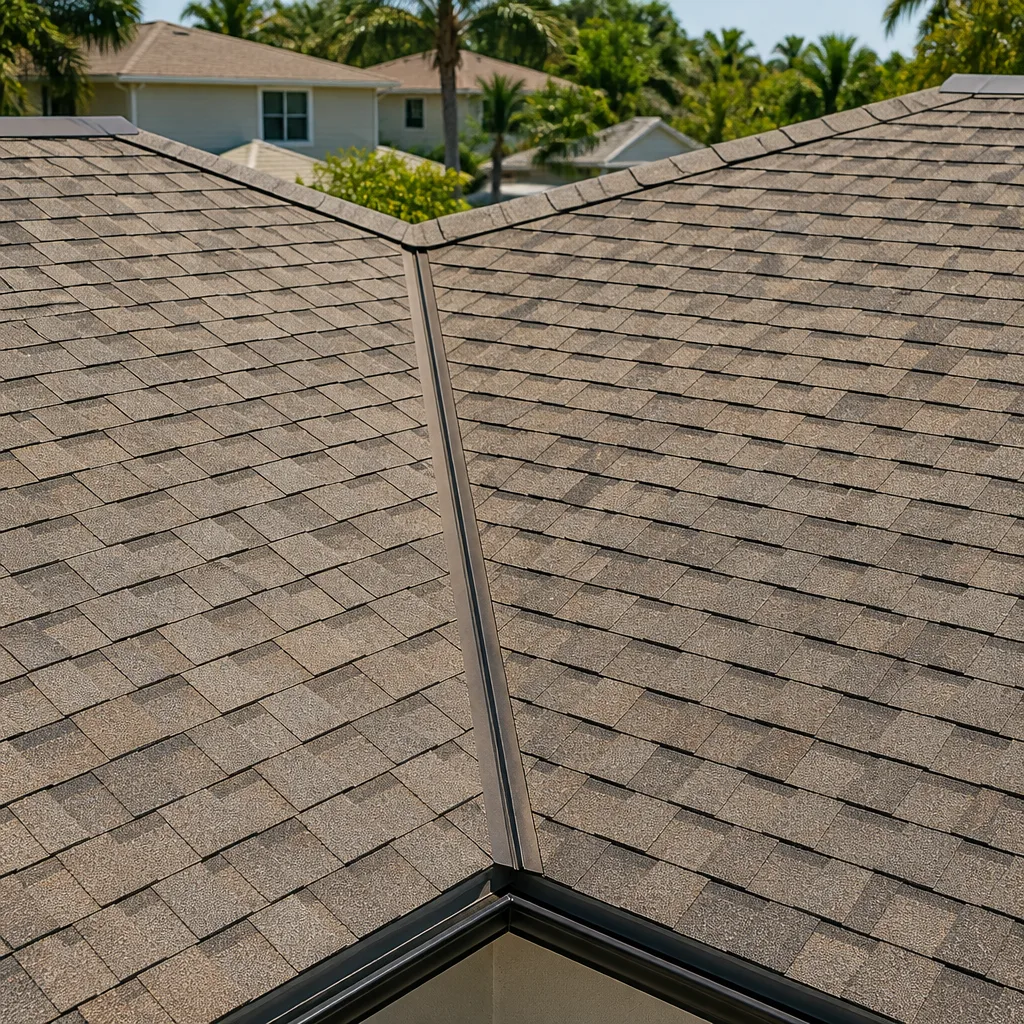
- Roof replacement. A roofing permit is required for full replacement in Fort Worth. The installation has to meet current wind-uplift requirements for this part of North Texas, and inspections verify the underlayment and nailing pattern. This is where a lot of homeowner-installed roofs get flagged.
- Electrical panel or circuit work. A licensed electrician must pull the permit. You cannot legally perform this work yourself in Fort Worth, no exceptions. Panel work is genuinely dangerous.
- Plumbing and gas. Licensed plumber required. Gas line work in particular is not a DIY category in any jurisdiction that’s paying attention.
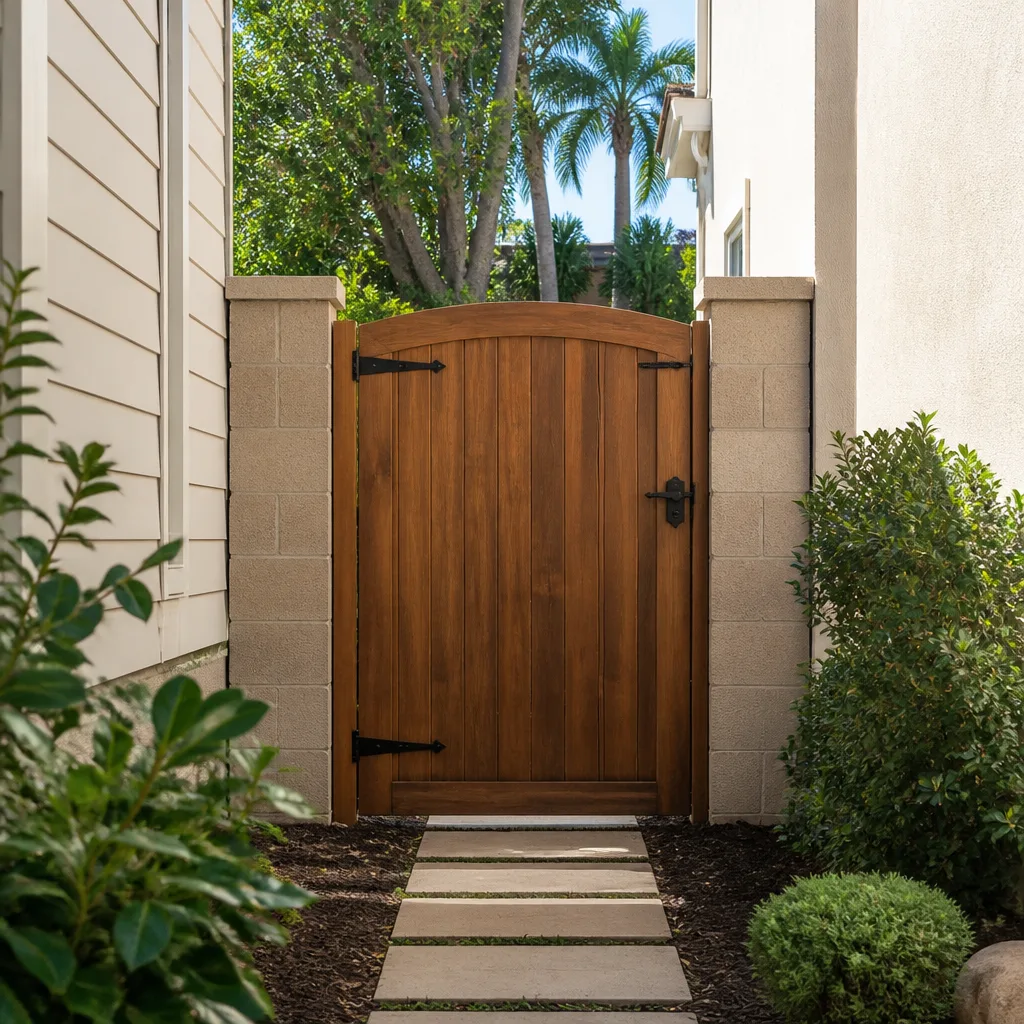
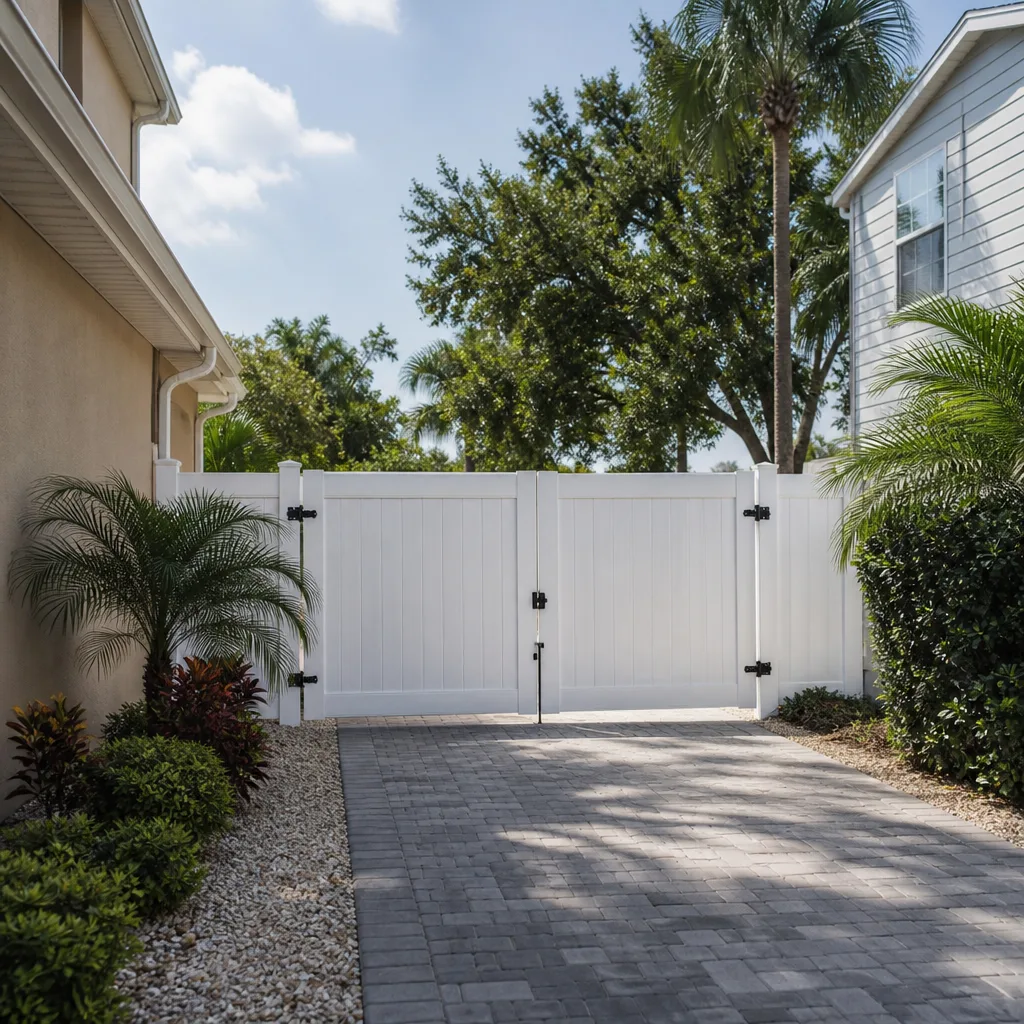
- Fence installation. A permit is generally required for fences over six feet, and corner-lot visibility rules apply. Below that threshold, it’s a straightforward homeowner project – but see the resale section below on why the fence matters at sale.
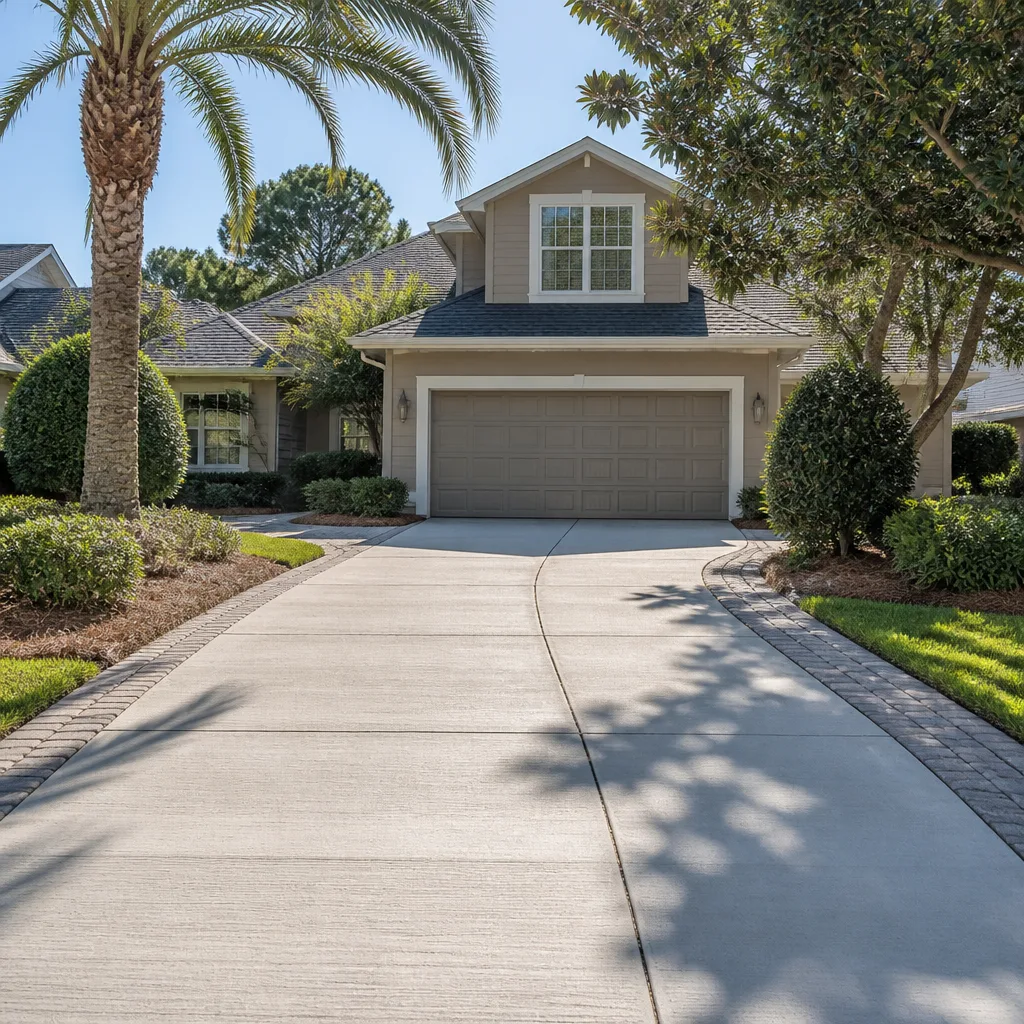
- Driveway replacement and pavers. A permit is required when you’re changing the apron or the connection to the right-of-way. Interior paver work over an existing slab often doesn’t need one. See our guide to Driveway & Pavers in Fort Worth for the full breakdown.
- Windows and doors. Replacement in-kind typically doesn’t require a permit. Changing the size of an opening does, and that’s a structural question.
In our experience, the single most common permit mistake we see in Fort Worth is a homeowner who pulled a building permit but skipped the electrical or plumbing permits because they were “just small changes.” Those are the ones that surface in an inspection two years later.
How to calculate true DIY cost in Fort Worth (the math most people skip)
The DIY cost calculators online compare material cost to a contractor quote and stop there. That’s not the real number. Here’s the actual math a Fort Worth homeowner should run, line by line:
- Materials, including waste factor. Add 10-15% for cuts and mistakes, and another 5% for the extra trip when you miscalculate. On tile and flooring, the waste factor alone can run $200-$500 on a bathroom.
- Tool rental at Fort Worth rental rates. A tile saw runs roughly $60-$90 per day. A jackhammer for a driveway demo runs $100-$200 per day. A gas-powered post-hole auger for a fence runs around $75-$110 per day. If your project spans a weekend and a weekend, these add up faster than most budgets anticipate.
- Permit self-filing fees. These are the same whether you file or a contractor does, but a homeowner pays them directly, resubmittal fees included. A failed inspection resubmittal in Fort Worth is typically a small fee on paper, plus the real cost – the week of schedule lost waiting for the re-inspection.
- Redo materials. This is the line that blows up DIY budgets. If you install a roof with the wrong underlayment or a fence post set too shallow for our clay soil, you’re not just buying new materials, you’re buying the demo too.
- Your time. Be honest about the hours. A kitchen tile job that takes a pro two days takes a first-timer five. Multiply the hours by what your weekend is worth.
- Warranty value. A professional quote includes a workmanship warranty. That’s not a marketing line, it’s a transferable asset at sale. A DIY project has zero warranty – you are the warranty, and you may not be around when the problem shows up.
When you run the numbers honestly, the gap between DIY and professional on a mid-size Fort Worth project is usually narrower than the online calculators suggest. On a basic fence or a flooring install, the DIY savings are real. On anything with an inspection attached, the savings disappear the first time something fails.
A note on pricing transparency: our quotes are line-item and written. The number on the quote is the number on the invoice. That matters here because the biggest hidden cost of DIY isn’t the materials, it’s the unknowns you don’t know to budget for.
The resale inspection risk map: which DIY projects surface at sale
This is the section that should decide the question for most homeowners. When you sell a Fort Worth home, the buyer’s inspector – and often the buyer’s lender appraiser – walks through the property and flags work that looks unpermitted. The categories below are the ones we see come up most often.
High risk (likely to be flagged and require remediation):
- Electrical panel and any DIY circuit work. Inspectors look for the permit sticker. A new panel without one is a hard flag.
- Roof replacements. North Texas hail claims mean the buyer’s inspector will check the roof closely. Missing permit records on a roof replacement in Fort Worth frequently become a seller concession or a re-roof demand.
- Additions and any change in square footage. This is the highest-exposure category. An unpermitted addition in Fort Worth shows up on the appraisal as unofficial square footage, and the lender may not count it. That’s a direct hit to your sale price.
- Gas and plumbing reroutes. A disclosed gas line installed without a permit is a serious flag and can hold up a closing.
Medium risk (often flagged, sometimes negotiable):
- Fences. Over-height fences or fences installed over easement lines come up in title review. See our Fence Installation in Fort Worth page for the setback and easement rules.
- Driveway and hardscape work. Paver work that changed drainage and caused a neighbor’s water issue will surface. Unpermitted driveway apron work can trigger a city letter.
- Window replacements. Size-changing replacements raise structural questions. In-kind replacements rarely do.
Low risk (usually cosmetic, rarely an issue):
- Interior paint, trim, tile, and flooring
- Cabinet and countertop swaps that didn’t touch trades
- Landscaping
The single most expensive thing you can do in Fort Worth is an unpermitted addition. We’ve seen homeowners spend $40,000 on an ADU or a primary suite addition and then lose the square footage value at appraisal because the permit trail wasn’t there. Our Home Additions & ADU in Fort Worth page covers how the permit process for additions works so you know what a proper file looks like.
Hybrid scoping: what Fort Worth homeowners can legitimately handle themselves
The DIY vs professional question is usually a false binary. The most efficient path on many Fort Worth projects is a hybrid scope, where the homeowner handles the low-risk labor and a licensed professional handles anything with a permit, a trade requirement, or a warranty attachment. This trims real money off the bid without creating liability.
Here’s what a hybrid scope typically looks like on a kitchen or bath remodel in Fort Worth:
- Homeowner demolition. Tearing out cabinets, tile, and flooring is a legitimate DIY task. It’s messy, it’s fast, and a pro will charge for the same hours. Confirm scope in writing so the crew doesn’t double-bill demo.
- Homeowner finish prep. Sanding, patching, priming, and site cleanup between trades. If you have time, this is the cheapest labor you can contribute.
- Homeowner-managed design selections. You pick the tile and the cabinet fronts yourself, order them, and coordinate delivery. This is a real savings on material markups and it’s a genuine contribution to schedule.
- Contractor: all rough trades. Electrical, plumbing, and HVAC remain on the licensed trade side of the line. This is not a negotiation point in Fort Worth code.
- Contractor: all permitted work. Building permit, inspections, and the signed-off record for resale. This is where you want a name on the paperwork.
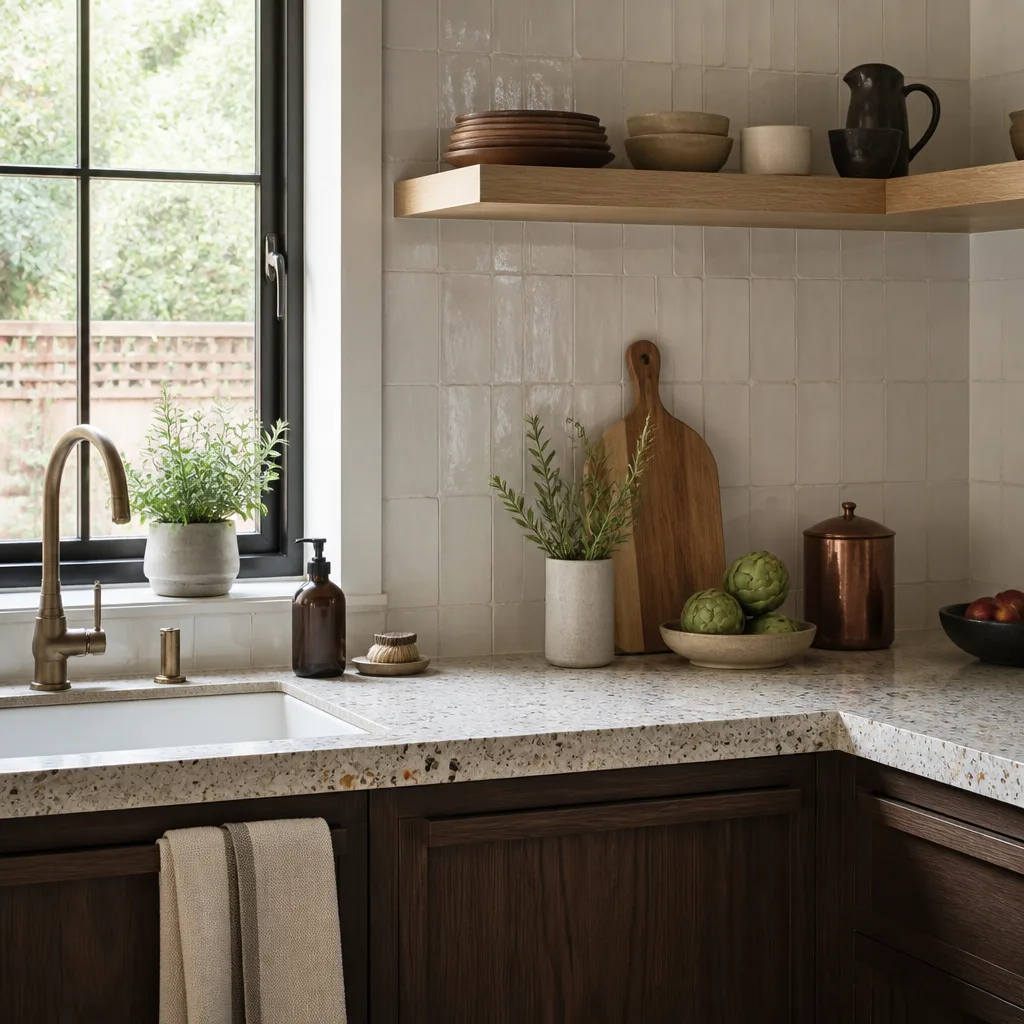
- Contractor: finish trades with a warranty. Countertop install, tile setting, and cabinet install are worth professional coverage because failures here are expensive and warranty-relevant. A properly documented premium install – Cambria or KraftMaid, say – carries a manufacturer expectation that a DIY install doesn’t.
In our experience, the hybrid approach works best on cosmetic-heavy renovations. On a roof replacement, a fence install, or a driveway, the scope isn’t divisible this way – the work has to be done in one continuous operation for the warranty and inspection to hold. But on a bath or kitchen, hybrid scoping is real and it saves real money.
Three project types where Fort Worth clay and climate make professional installation a requirement
Fort Worth’s climate isn’t just a talking point on a contractor’s website. It changes the installation requirements on specific project types in ways that make DIY a durability problem, not just an aesthetic risk. Here are the three categories where professional installation isn’t a preference.
1. Driveways and pavers. The expansive clay soil across Fort Worth – heavy in the older neighborhoods south and west, and increasingly common in new development beneath thin topsoil – moves seasonally, sometimes in a matter of an inch or two of grade. A paver or concrete driveway over an improperly prepared base shifts and cracks within the first two summer seasons. The difference between a driveway that lasts and one that doesn’t is all in the excavation depth and base preparation, which isn’t visible once the surface goes down. Using system pavers from Unilock or Techo-Bloc with a proper base build is the durable answer; the brand of paver matters less than the base under it. A professional install carries the prep work and a warranty; a DIY install carries neither.
2. Decks, fences, and anything set with posts. Clay soil shrinks and swells with our wet-dry cycle. Posts set at the wrong depth, or with inadequate concrete, will work their way loose within a couple of years – faster if the post is bearing fence weight and wind load. The North Texas wind (and hail) adds structural load that doesn’t show up in a YouTube tutorial filmed in a milder climate. Proper depth, concrete, and bracing are the whole game. A fence is reversible if it fails. A deck ledger pulling off a house is not.
3. Roofs. Fort Worth sits in a hail corridor. The wind-uplift ratings and underlayment requirements here are stricter than most of the country, and inspections verify them. A roof installed to the wrong nailing pattern is a roof that gets torn up at the next storm – and it’s the one thing a buyer’s inspector looks at hardest. GAF and CertainTeed both publish installation standards specific to this region; matching those standards is what a professional install means in practice. Roofing is genuinely hazardous and not a category to learn on, both for the fall risk and for the inspection record.
On all three of these, the durability of the finished product is mostly invisible. The failure happens two or three years later, and by then the cost of remediation is higher than the original install would have been.
See the difference
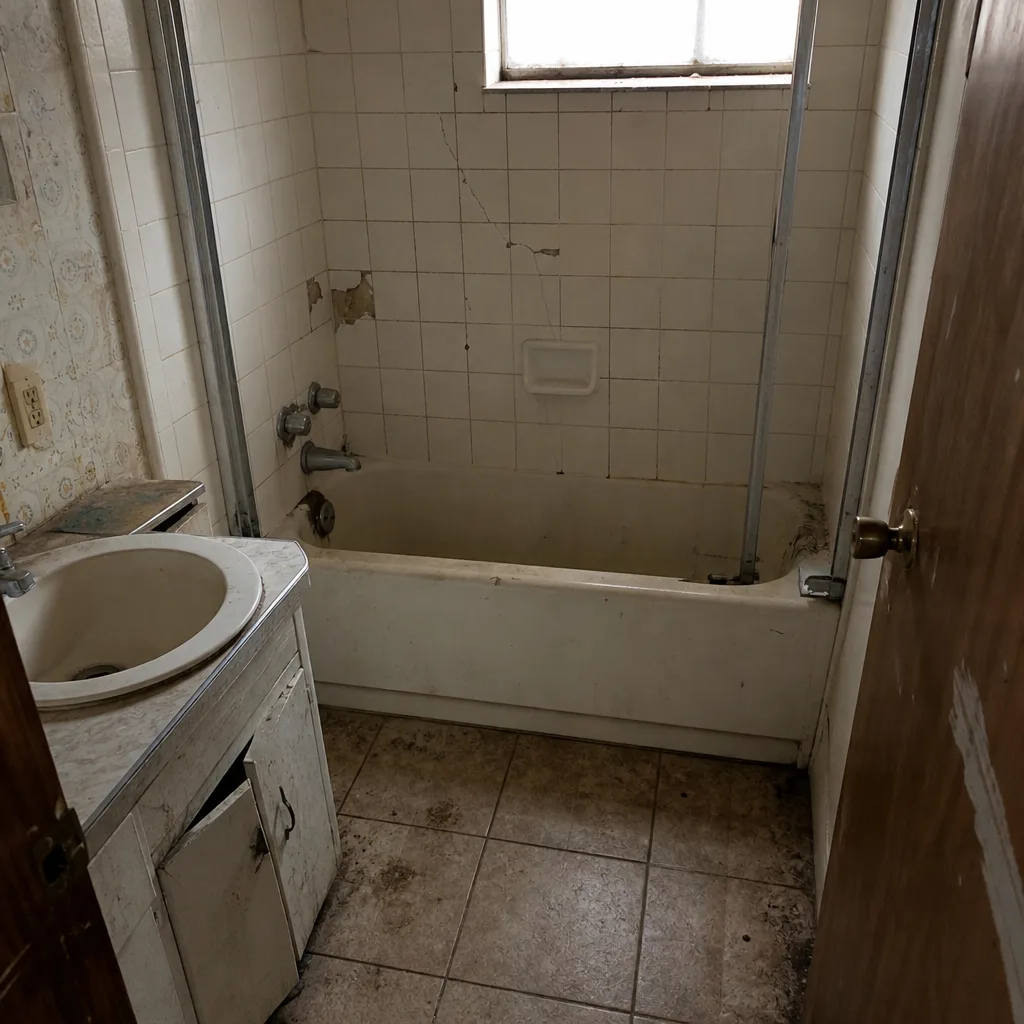 Before
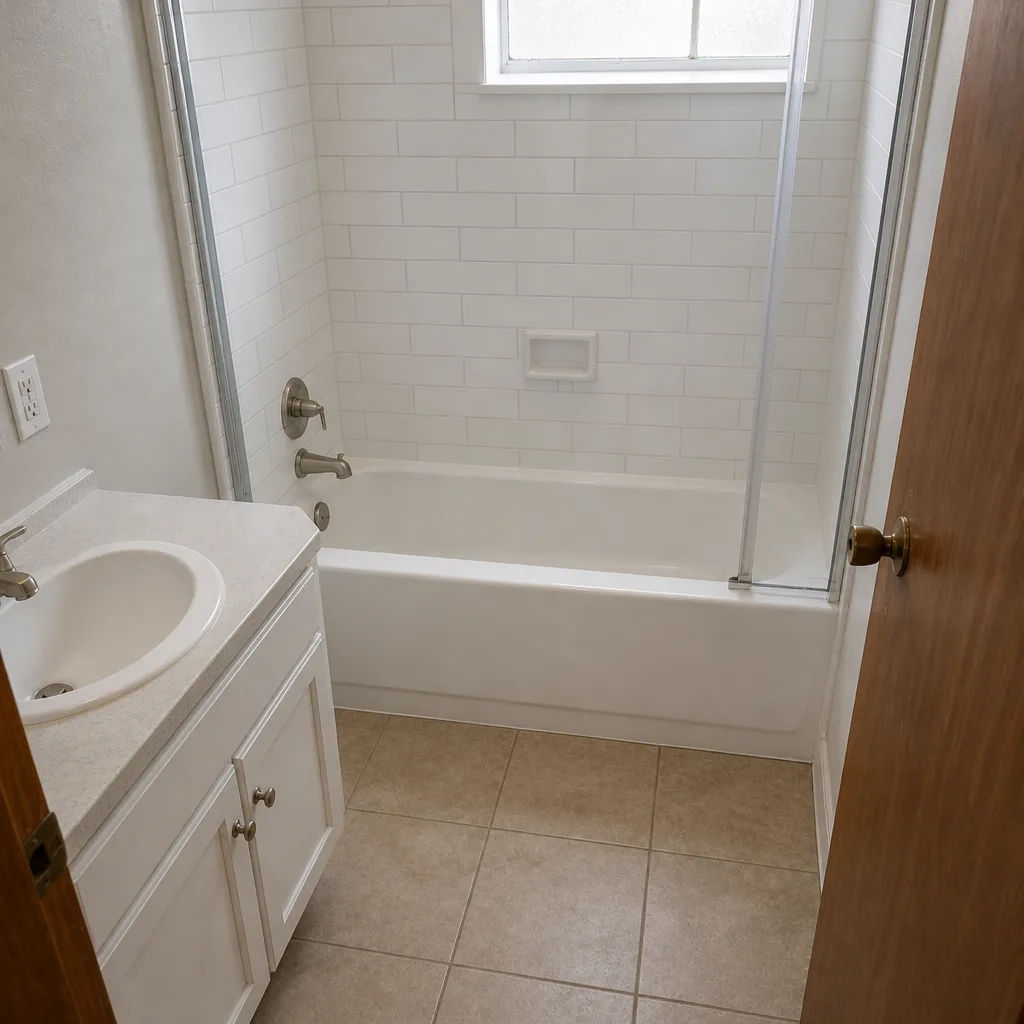 After
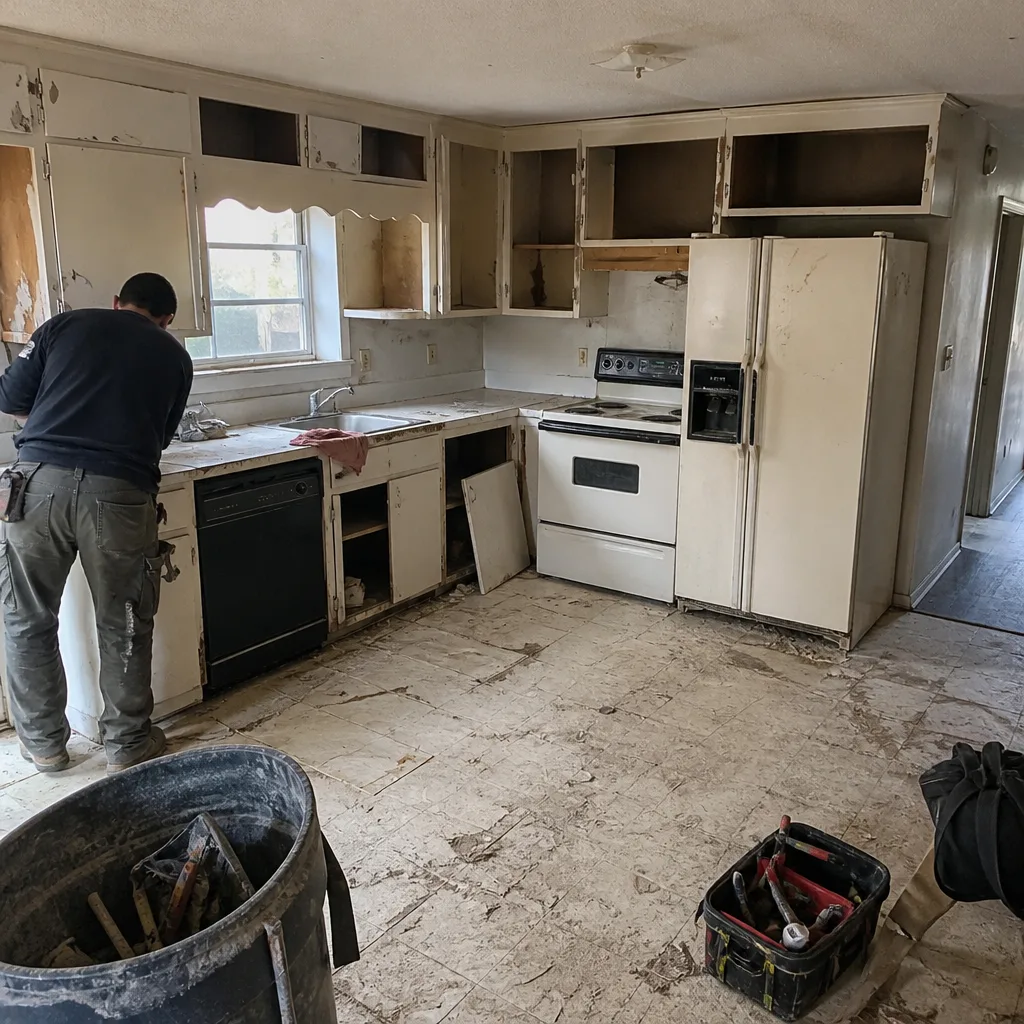 Before
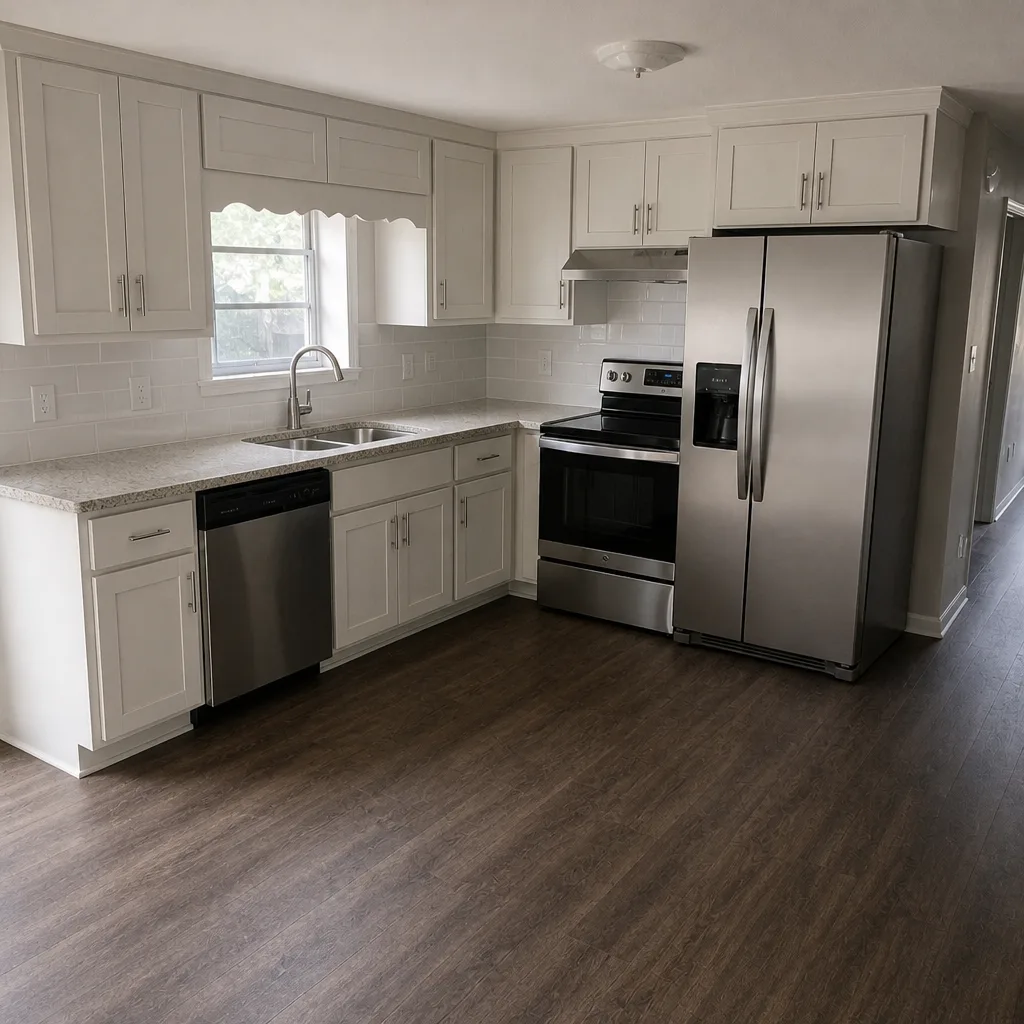 After
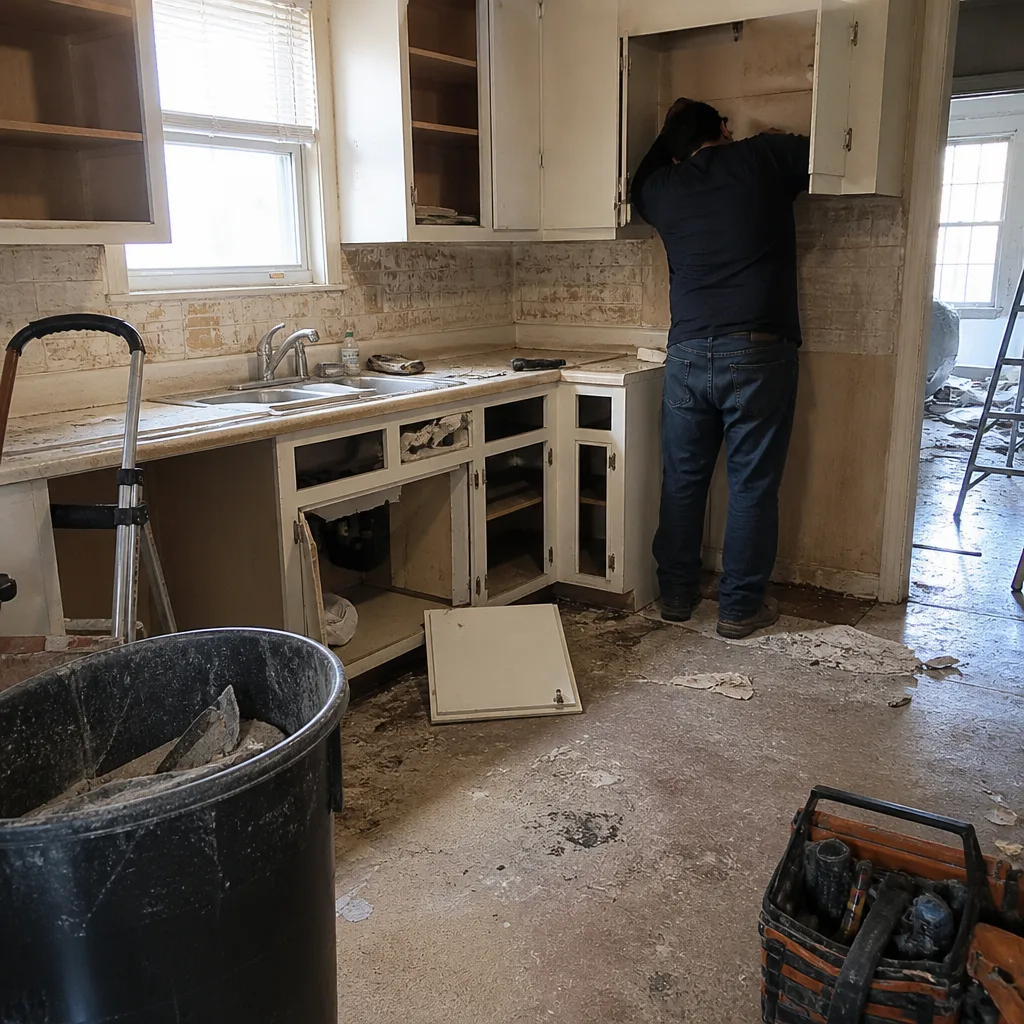 Before
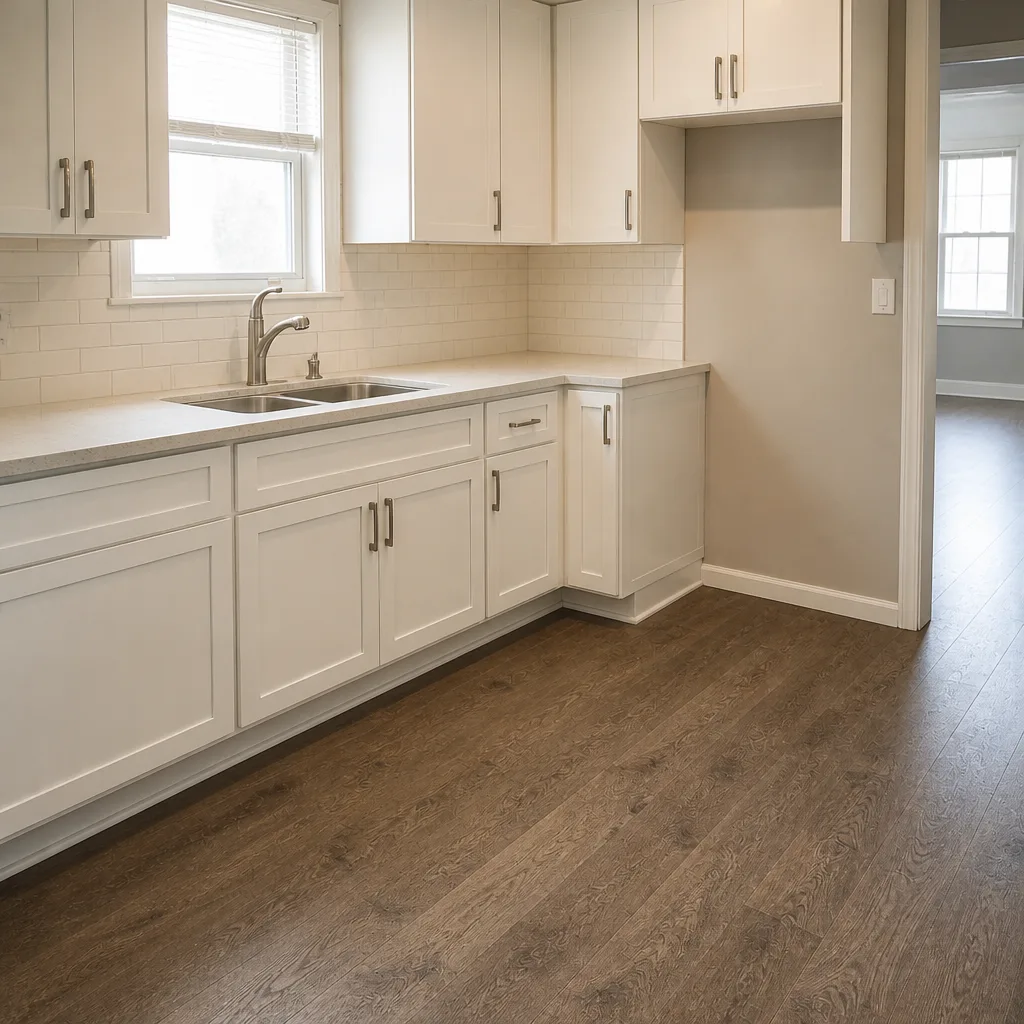 After
Common Mistakes to Avoid
- Skipping the electrical or plumbing permit because the work is “small.” Fort Worth inspectors don’t care about the size of the work, they care whether it’s permitted. A small unpermitted circuit is the same flag at resale as a large one.
- Setting fence posts shallow to save concrete. Our clay soil moves. A post set 18 inches deep because the auger was fighting the clay will lean within two seasons and pull out of plumb faster in a windy spring.
- Accepting a verbal bid without a written scope. This is the oldest mistake in construction. The number that matters is the written line-item number, and the timeline that matters is the one in writing.
- Assuming “no permit needed” without checking. Fort Worth requires permits for more project types than a homeowner’s quick Google typically surfaces. Call Development Services or ask a licensed contractor before you demo.
- Buying the cheapest material because it’s in stock. Material choice is a long-horizon decision on a Fort Worth home. A roofing shingle that doesn’t meet our wind-uplift standard saves $300 up front and costs a re-roof after the next hailstorm.
- Doing an addition without a permit trail. The appraisal consequence at sale is worse than the permit cost. If you’re adding square footage in Fort Worth, the permit file is the asset.
- Hiring the lowest bid without verifying warranty terms. A low bid without a written warranty isn’t a savings, it’s a transfer of risk from the contractor to you. Ask what the warranty covers and how long it runs before you sign.
When to Call a Professional
Call a professional when the project involves a permit you aren’t sure how to file, a licensed trade (electrical, plumbing, gas, HVAC), anything structural, roof replacement, or anything that changes the footprint of your home. Call a professional on anything where the visible result hides a preparation step – driveways, decks, fence posts set in clay – because that’s where DIY failure costs the most to fix. Call a professional when the schedule matters and when you need a warranty you can hand to a buyer at resale. Groundwork Construction Co. of Fort Worth offers free estimates in Fort Worth – call (855) 912-5373. We’ll walk the project with you, tell you which parts you can honestly handle yourself, and quote the parts where professional installation protects the value of the home. Most of our projects are covered by the 730-Day Done Right Promise, our written workmanship guarantee – if it’s not done right, we make it right.
Frequently Asked Questions
Yes, on many project types. Texas doesn’t license general contractors at the state level, so a Fort Worth homeowner can pull a building permit in their own name, hire subcontractors directly, and perform the physical labor themselves. What you cannot do is perform licensed trade work: electrical, plumbing, gas, and HVAC work in Fort Worth require a licensed trade to pull the permit and sign off. Call (855) 912-5373 if you want to know whether a specific project you’re planning falls on the permitted side of the line – estimates are free.
Roof replacement, fence installation over six feet in height, driveway apron work, and any change to the size of a window or door opening all require permits in Fort Worth that homeowners frequently miss. Additions and structural changes obviously require a permit, but so do plumbing reroutes and any new gas line. The most common surprise is a full roof replacement – it looks like a straightforward swap, but the uplift and underlayment requirements make it a permitted inspection item in this market. Call (855) 912-5373 for a free estimate that includes the permitting scope.
Yes, and the pain is concentrated in specific categories. Unpermitted electrical, roof, and addition work is the highest risk at resale because it’s the easiest to flag during a buyer’s inspection and the hardest to remediate cheaply. Unpermitted additions are the most expensive problem because the appraisal may not count the square footage. Cosmetic work – paint, flooring, tile – rarely causes resale issues. If your plan touches a permit category, budget for the permit. Call (855) 912-5373 for a free estimate on permitted work – estimates are free.
In a hybrid scope, homeowners typically save on demo, finish prep, and material selection – the portions of a project that require time rather than a permit or a licensed trade. Those tasks can trim a meaningful percentage off a bid on a bath or kitchen remodel. The savings evaporate on anything requiring a permit, an inspection, or a licensed trade, because Texas code doesn’t allow homeowner-performed work there. Call (855) 912-5373 to talk through what a hybrid scope looks like on your project – estimates are free.
It can. Unpermitted work that violates city code – particularly additions and structural changes – can surface as a title issue at closing and, in some cases, can affect what a title policy covers. The standard safeguard is a permit trail that matches the finished work. If you’re planning to sell within a few years, an unpermitted project costs less to permit properly on the front end than to remediate at closing. Call (855) 912-5373 for a free estimate if you want a proper permit trail on a Fort Worth project – estimates are free.
No. Roofing is the highest-risk category for a Fort Worth homeowner for two reasons: the fall risk is genuine, and the region’s hail corridor means the roof will be inspected hard at resale. Fort Worth also requires a roofing permit for full replacement, with underlayment and nailing inspections that a homeowner-installed roof frequently fails. Professional installation with a workmanship warranty is the right answer here – the savings from DIY are measured in the hundreds and the redo cost is measured in the thousands. Our Groundwork Construction Co. of Fort Worth home page lays out the roofing and full-service scope. Call (855) 912-5373 for a free estimate.
The Bottom Line
The DIY vs professional decision in Fort Worth comes down to three questions, and none of them are about skill. First: does this project require a permit, and can I legally do the permitted portion myself? Second: does the work involve a licensed trade or a structural change? Third: will the finished product survive a buyer’s inspection at resale? Where the answers are yes-no-yes, DIY is a reasonable path and a hybrid scope makes it cheaper. Where any answer flips – especially anything structural, electrical, plumbing, gas, roofing, or on an addition – professional installation is the lower-cost choice once you price in the redo exposure and the resale hit. Our technicians bring up to 12 years of experience to projects across Fort Worth, with line-item written quotes and a 730-Day Done Right Promise on the work.
Where to Take It From Here

If you’ve read this far and you’re still not sure which side of the line your project sits on, that’s the right place to be – it means you’re asking the question before you demo. Give us a call at (855) 912-5373 for a free estimate and design consult. We’ll walk the project, tell you plainly what needs a permit, what needs a licensed trade, and what you can honestly do yourself without creating liability. We answer the phone with a live person 24 hours a day, seven days a week, so there’s no waiting until Monday. Our pricing is transparent and upfront – the number you see is the number you pay – and for projects over $10,000 we offer $1,000 off along with 0% financing for 18 months. From foundation to finish line, we’re the full-scope partner for Fort Worth homeowners who want the decision made with the paperwork in hand.
Written by the team at Groundwork Construction Co. of Fort Worth.