Last updated November 18, 2026
Free written scope consultation - allowances, timeline, and change-order rules on paper before a single trade is scheduled
Construction Cost Breakdown: The Fort Worth Homeowner’s Reference for 2026
The gap between the first bid a Fort Worth contractor hands you and the final invoice you pay on a remodel had widened to roughly 23% by 2024, according to NAHB regional data. That number isn’t a warning about fraud. It’s what happens when a scope was never locked down and the change order language was written to stay vague. Over the next few thousand words you’ll get the line-item benchmarks for the projects Fort Worth homeowners actually build, the markup chain that moves every dollar from supplier to your driveway, and the specific moves that separate a clean contract from a padded one.
Quick Answer
Construction costs in Fort Worth for 2026 run roughly $95 to $250 per square foot for additions, $40 to $90 per square foot for driveways and pavers, and $18,000 to $75,000 for a full kitchen remodel depending on size and finish level. The material-versus-labor split on most residential work lands near 40/60, and a well-written contract carries a 5% to 10% contingency tied to defined unknowns. Prices in Fort Worth are climbing faster than the national average because labor is tight, permit review is slower, and subcontractors are stacking markup on each other.
Styles & brands we work with
- Kitchen remodeling
- Bathroom remodeling
- Home additions & ADU
- Roofing
- Windows & doors
- Driveway & pavers
- Fence
Table of Contents
- The Four Forces Driving Fort Worth Construction Costs in 2026
- Line-Item Cost Benchmarks for Common Fort Worth Projects
- The Material Versus Labor Split, and Why It Matters
- The Subcontractor Markup Chain: How a Dollar Travels
- What Real Contingency Looks Like in a Fort Worth Contract
- Using Permit Valuations as a Cost Sanity Check
- The Real Cost of the Lowest Bid
- What a Transparent Bid Looks Like Versus a Padded One
The Four Forces Driving Fort Worth Construction Costs in 2026
Costs aren’t moving because of one thing. Four forces are pushing on every bid you’ll get in Fort Worth this year, and they don’t all pull in the same direction.
Material inflation. Lumber has settled compared to the wild swings of 2021 and 2022, but roofing shingles, windows, and cabinetry have kept climbing. Windows from manufacturers like Therma-Tru and Andersen have seen steady year-over-year increases tied to glass and freight costs. When a contractor quotes you a window package in March and installs it in October, the price has to account for that drift.
Labor compression. Skilled trades in North Fort Worth and the Alliance corridor are being pulled toward the industrial and commercial buildout, which leaves fewer framers, tile setters, and finish carpenters bidding residential work. A good tile setter in Fort Worth is booking weeks out and charging accordingly.
Permit timeline extensions. The City of Fort Worth’s Development Services has been working through extended review queues on additions and structural work. A permit that once cleared in three weeks can now run six to eight on anything touching the footprint. That waiting time carries carrying costs the contractor has to price in.
Subcontractor markup stacking. When a general contractor subs out plumbing, electrical, and HVAC separately, each trade builds in its own overhead and profit. Stack those and you can add 20% to 30% over the raw trade cost before the GC adds their own margin. That stacking is the least visible cost on your invoice and the easiest one to control through how the job is structured.
Understanding which force is pushing on which line item is what lets you push back on the right numbers instead of arguing about the total. A homeowner who knows that roofing material is climbing but framing lumber is flat can question the right line.
Line-Item Cost Benchmarks for Common Fort Worth Projects
Here’s what the work actually costs in the Fort Worth market for 2026. These are ranges, and they move with finish level, access, and site conditions. A flat lot in Saginaw is a different job from a sloped lot in Aledo.
Driveways and Pavers
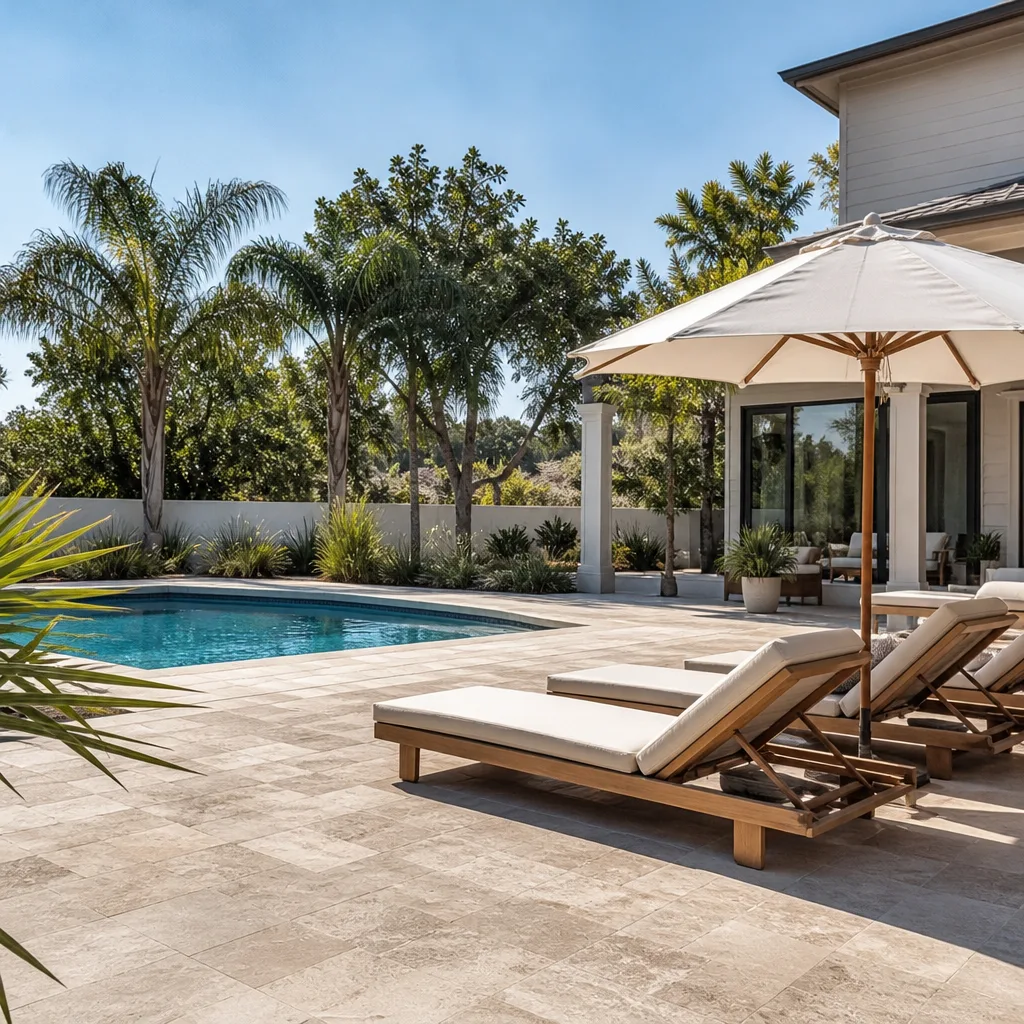
A standard concrete driveway in Fort Worth runs $6 to $12 per square foot installed. Pavers run higher, $15 to $30 per square foot, but they outlast concrete and handle the expansive clay soil around Fort Worth better because they flex instead of cracking. A typical two-car driveway of 500 to 600 square feet lands between $4,000 and $8,000 in concrete or $8,000 and $16,000 in pavers. Our team handles this work through the same scope-locked process we use on every job, and you can see the full service on our Driveway & Pavers in Fort Worth page.
Patios and Outdoor Living
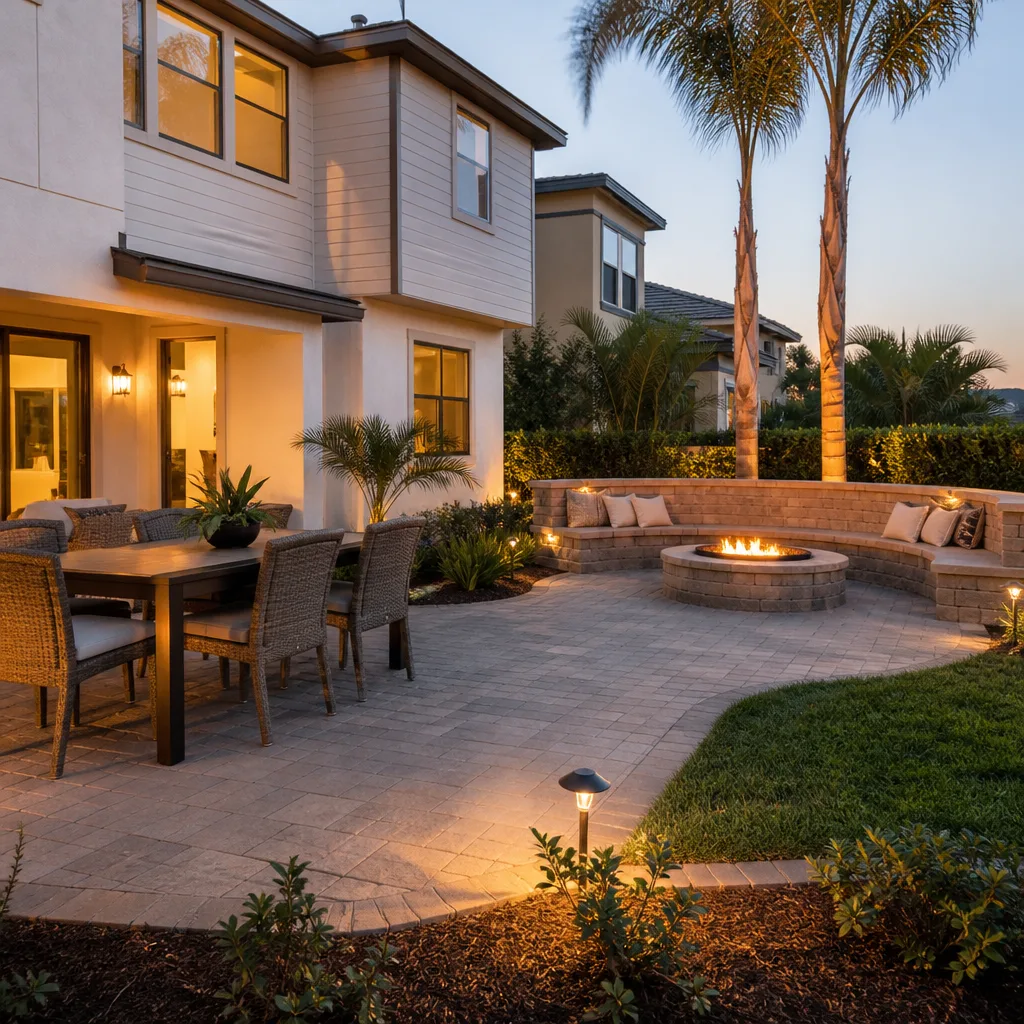
A covered patio runs $30 to $60 per square foot. A simple poured concrete patio with a pergola lands closer to $25 to $40 per square foot. Pavers, stone, and outdoor kitchens push the upper end. Expect $12,000 to $45,000 for a finished covered patio with lighting and structure.
Home Additions and ADUs
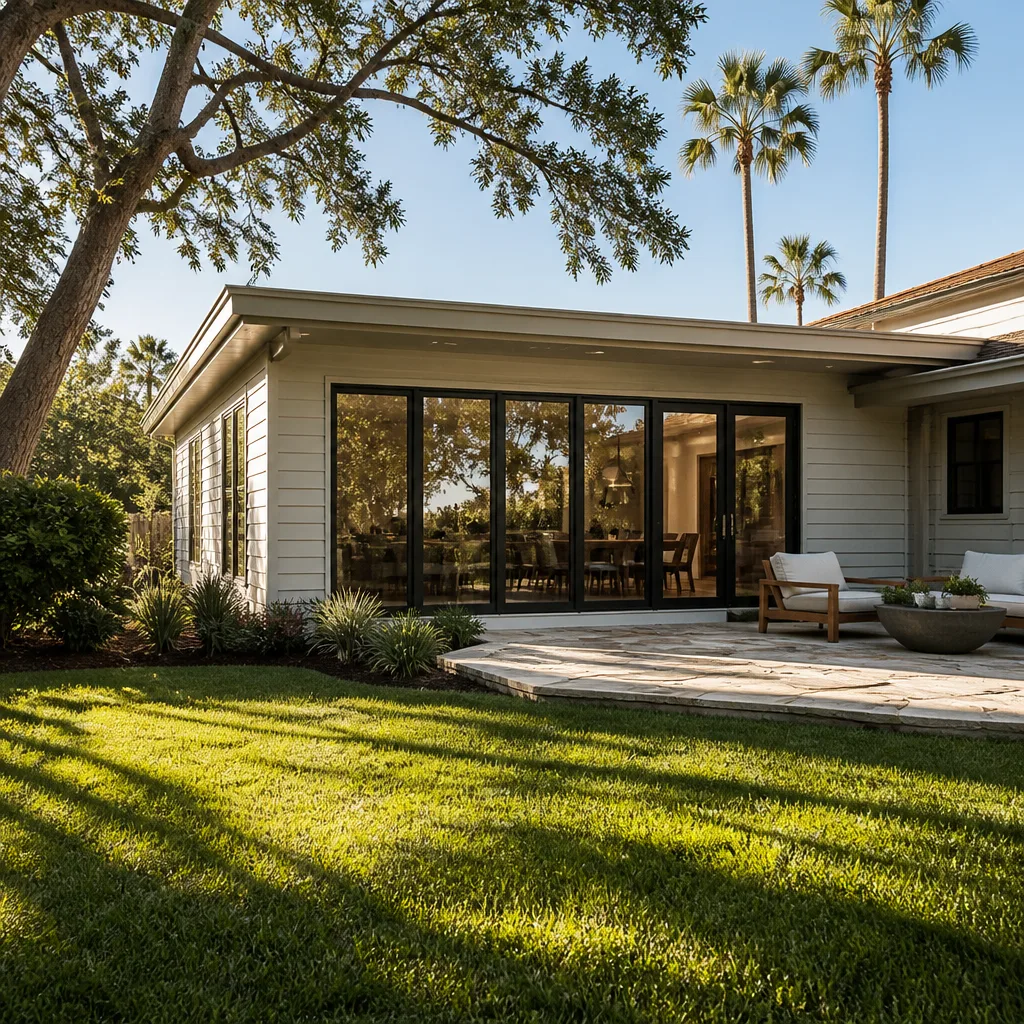
Additions are the most variable line item on any Fort Worth homeowner’s list. A primary suite bump-out runs $150 to $250 per square foot. A detached accessory dwelling unit runs $200 to $300 per square foot when it needs its own utility runs, slab, and roof. A 400-square-foot addition sits in the $60,000 to $100,000 range; a detached ADU of similar size can run $80,000 to $130,000. You can read the full breakdown on our Home Additions & ADU in Fort Worth page.
Fence Installation
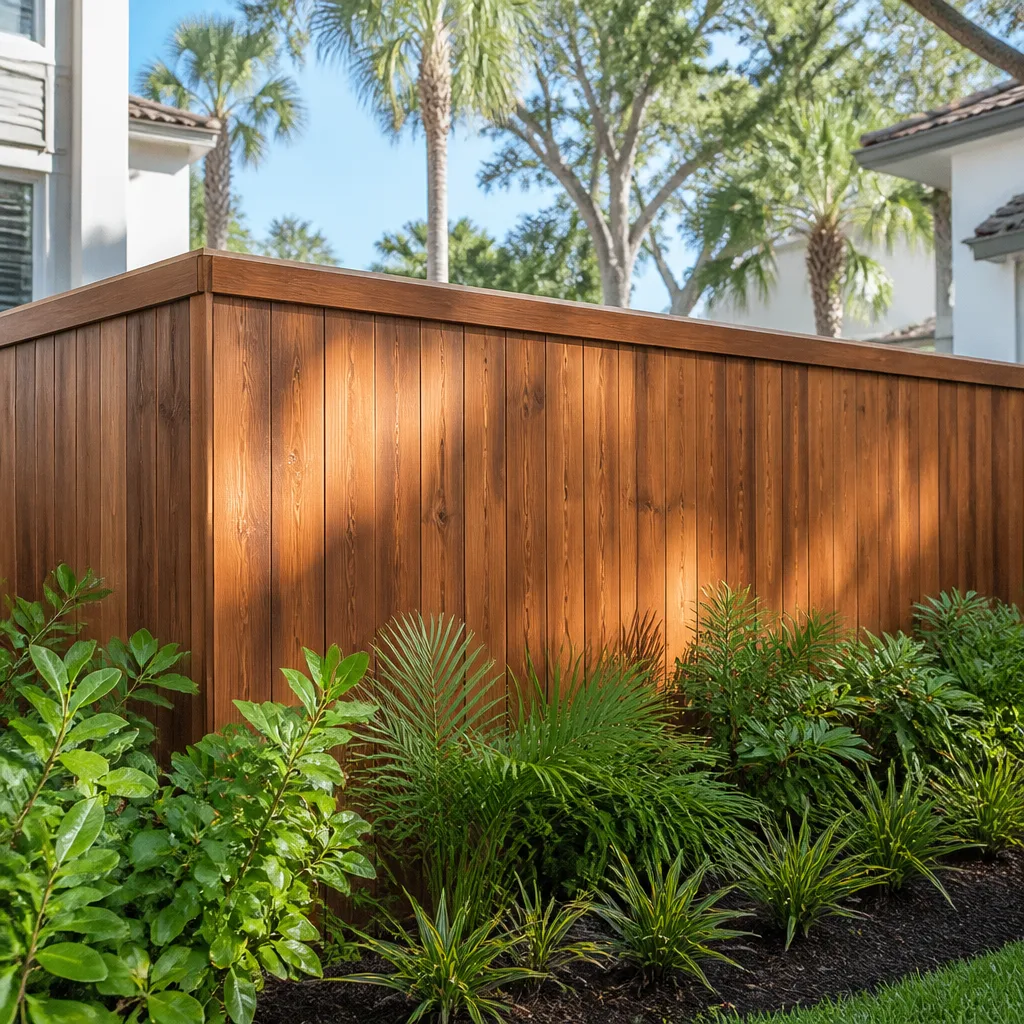
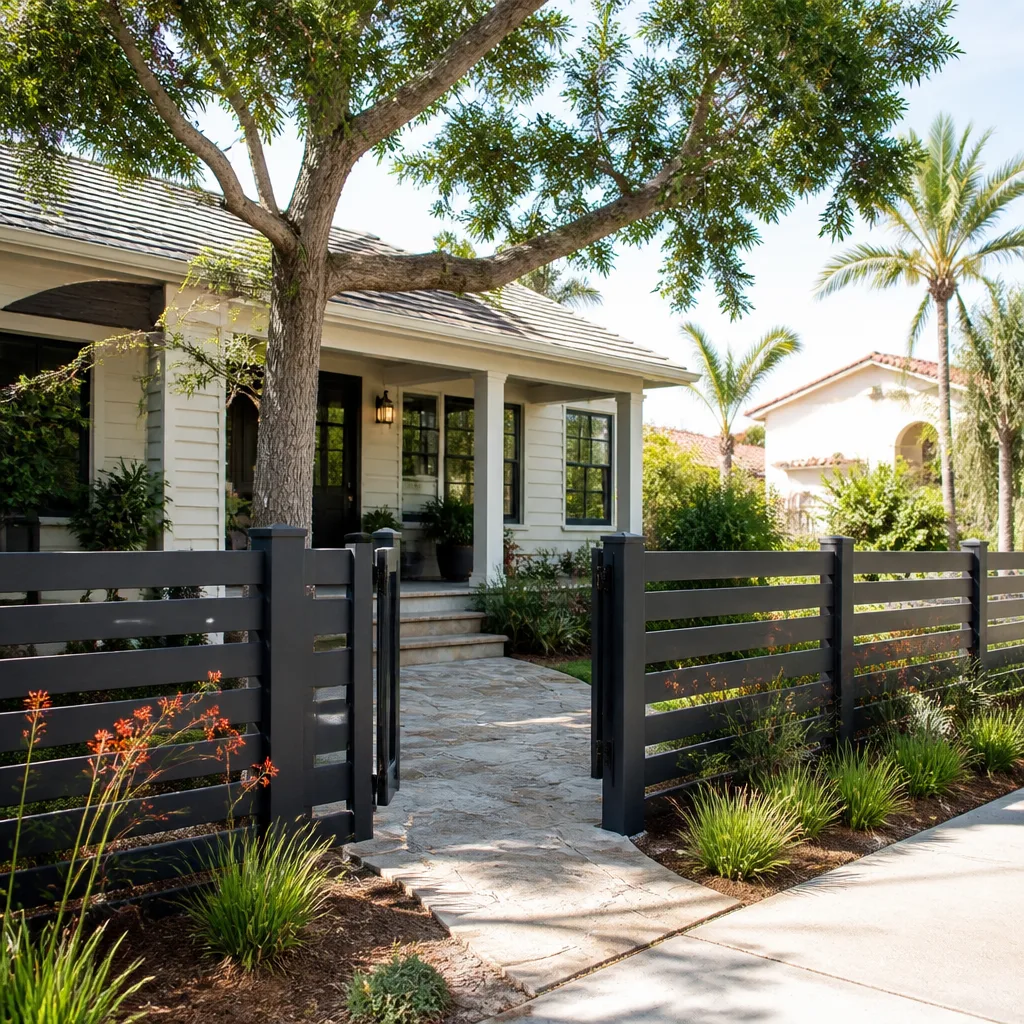
A standard 6-foot cedar privacy fence in Fort Worth runs $18 to $35 per linear foot installed. A 150-foot run lands between $2,700 and $5,200. Vinyl runs higher. Wrought iron runs higher still. Our crew installs all three, and the process is laid out on our Fence Installation in Fort Worth page.
Exterior Renovation and Roofing
A full roof replacement on a 2,000-square-foot Fort Worth home runs $9,000 to $18,000 depending on pitch, material, and number of layers being torn off. GAF and CertainTeed architectural shingles sit in the middle of that range. James Hardie siding runs $10 to $16 per square foot installed. A full exterior renovation combining roof, siding, and windows on a 2,000-square-foot home runs $45,000 to $85,000.
- Concrete driveway: $6 – $12/sq ft
- Paver driveway: $15 – $30/sq ft
- Covered patio: $30 – $60/sq ft
- Home addition: $150 – $250/sq ft
- Detached ADU: $200 – $300/sq ft
- Cedar fence: $18 – $35/linear ft
- Roof replacement: $9,000 – $18,000
- Full exterior renovation: $45,000 – $85,000
The Material Versus Labor Split, and Why It Matters
On most residential work, roughly 40% of the job cost is material and 60% is labor. That split holds for kitchens, bathrooms, and additions. It shifts on driveways and roofing, where material can be 50% or more of the cost. Knowing the split matters because it tells you which part of the bid to question and which part to accept.
On a $60,000 kitchen remodel, material is about $24,000 and labor is about $36,000. If your contractor’s material line comes in at $35,000, either you chose premium cabinetry and stone or the material is being marked up well past the standard 10% to 15% handling charge. If the labor line comes in at $45,000, you’re either paying for a very high level of finish or the schedule is padded.
Material markup is a fair part of the business. A general contractor who buys your materials, coordinates delivery, handles warranty on them, and covers the risk of damage and theft is providing real value. What’s not fair is material marked up 30% to 40% when it’s ordered direct from a manufacturer or through a local supplier, then the same markup reapplied again at the sub level.
Ask for a bid that lists material by line and shows the handling percentage once, in the open. A Fort Worth homeowner who sees a transparent split knows exactly what they’re paying for. That’s what we mean by upfront pricing, no surprises: the number you see is the number you pay.
The Subcontractor Markup Chain: How a Dollar Travels
Here’s the path a dollar takes from your bank account to the person swinging the hammer in Fort Worth. Most of it isn’t shady. But when the layers overlap, cost piles up.
- Material supplier to contractor. The supplier sells material to the contractor or to the sub at trade price. Handling and delivery add 5% to 15%.
- Subcontractor to general contractor. The sub adds its own overhead and profit, typically 15% to 25%, on top of material and labor. This is the sub’s margin for owning trucks, insuring crews, and carrying the risk of the specific trade.
- General contractor to homeowner. The GC adds management, scheduling, and overhead on top, generally 10% to 20%, plus a contingency clause.
- Change order additions. Once work starts, changes get priced at the higher “already mobilized” rate, often with a 20% to 30% premium over the original bid pricing for the same scope.
On a job where the same GC subs out three trades, that means the homeowner can pay two stacked markups on the same scope. A transparent bid shows one markup line, explained, not three buried into trade pricing.
The fix isn’t to cut out the subs, it’s to demand a bid where the markup is disclosed once, in writing, with a defined scope behind it. That’s what a scope-locked bid looks like. It’s what you should expect from any contractor working on your home.
What Real Contingency Looks Like in a Fort Worth Contract
A 5% to 10% contingency line is normal and healthy. It exists so that a surprise doesn’t turn into a crisis. The question is what “unknowns” that money is meant to cover.
Legitimate contingency covers:
- Hidden water damage behind walls in older Fort Worth homes, particularly in neighborhoods with housing stock from the 1950s and 1960s
- Out-of-square framing that has to be corrected before drywall or tile
- Code upgrades discovered on inspection, like an undersized electrical panel or old cast-iron drain lines
- Foundation and soil surprises, especially on the west side of Fort Worth where movement is common
- Material price holds that lock a price for the bid but require approval if the market moves past a defined threshold
What contingency should never be:
- A blank check the contractor draws on without written authorization from you
- A number that’s already absorbed into the bid and padded another 10% on top
- A line item that gets spent on “typical adjustments” without receipts or documentation
In a well-written Fort Worth contract, every dollar drawn from contingency is documented, presented in a written change order, and approved by you before work proceeds. If the contractor can’t produce that paper trail, the contingency line is doing other work.
Using Permit Valuations as a Cost Sanity Check
Here’s a tool most homeowners never use. When a contractor pulls a permit in Fort Worth through the city’s Development Services, the permit application includes a declared project valuation. That valuation is a public record. It’s also, in practice, a low-end bound on the real cost of the work.
If your contractor submits a permit with a declared value of $40,000 for an addition, but the bid they gave you is $85,000, that’s asking you to believe they can do the same work for half the price. Sometimes it’s a conservative permit filing. Sometimes it’s undervaluation to reduce permit fees. Both are things you should ask about.
The other direction is even more useful. If the declared permit value is higher than what you were quoted, that usually means the contractor priced the work realistically and is not going to “find” cost later. Here’s how to use it:
- Ask your contractor for the permit application number and declared valuation before signing.
- Compare that valuation against the bid total.
- If the bid is 70% to 100% of permit valuation, the numbers reconcile and you’re on solid footing.
- If the bid is well below the permit value, ask what scope differences explain the gap.
The permit record doesn’t replace your own review. It’s a second data point that keeps everyone honest.
The Real Cost of the Lowest Bid
When three bids come in at $60,000, $78,000, and $91,000, the gap isn’t just a difference in markup. It’s a difference in what’s actually in the bid. The lowest bidder isn’t necessarily cutting corners. But in Fort Worth’s current construction market, the lowest bid typically recovers margin through one of three routes.
Change orders. The bid is under-scoped. Once work starts, missed items appear one at a time, each priced at a premium rate because the job is already mobilized. The low bid becomes the highest invoice by month two.
Material substitution. The bid lists a specific product, but substitutions are permitted later “if unavailable.” A premium window becomes a builder-grade one. That’s not automatically wrong, but it should be your choice, in writing, with the price difference visible.
Schedule compression. A bidder who undercut others often needs to juggle multiple jobs at once to make the numbers work, which means your job gets a rotating crew and extended timeline. On a kitchen remodel, a two-week delay is real money in hotel bills, takeout, and disruption.
A documented pattern in the Fort Worth market: bids roughly 15% to 25% below the market average almost always close out at or above the market average. The savings are an illusion created by the bid sheet, and the recovery always happens in the change order and substitution section.
The number you see is the number you pay. That’s the promise we hold ourselves to on every bid we write.
What a Transparent Bid Looks Like Versus a Padded One
You can read a bid the way an experienced project manager reads it. Two documents, same total, very different realities.
A transparent bid includes:
- Scope defined by trade, by room, by material, line by line
- Material specified by brand and model, with a stated allowance for anything not yet chosen
- Labor broken out from material, with the markup disclosed once, as a percentage
- Permit responsibility and timeline stated up front, including who files and who pays
- Contingency at 5% to 10%, tied to defined unknowns, drawn only with written approval
- Schedule with real start and finish dates, and penalties for delay
- Warranty terms in writing, with the duration, coverage, and process for claims spelled out
- Change order process described, including the pricing mechanism for added work
A padded bid typically includes:
- “Allowances” that are vague or low, designed to be exceeded after contract
- Lump-sum trade pricing with no material breakdown
- No stated markup; cost “included”
- Open-ended schedule language like “construction time as needed”
- Warranty stated as “standard” or “typical for the industry”
- Change order language that allows the contractor to determine added pricing
- No mention of permit process, but permit fees show up as a change later
Our work is covered by the 730-Day Done Right Promise: if it isn’t done right, we make it right. That guarantee means nothing on a contract where the scope wasn’t locked. That’s why every job we take on starts with a scope-locked bid, an itemized scope, and a warranty the homeowner can hold us to in writing.
Bids across Fort Worth vary widely in quality, not just price. Some contractors can’t produce a document this detailed. Some won’t. The ones who can are the ones you want handling a job you’re paying $60,000 or more to complete.
Common Mistakes to Avoid
- Signing a bid that doesn’t specify material brand and model. On a Fort Worth kitchen remodel, “premium cabinetry” can mean KraftMaid one week and a builder-grade product the next. The bid should name the brand and the model.
- Ignoring the permit valuation. The declared value on your permit isn’t just paperwork. It’s a public record and a sanity check against the bid you were given.
- Treating the lowest bid as the best deal. In Fort Worth’s market, bids 15% to 25% below the average almost always recover that margin in change orders and substitutions.
- Accepting contingency without a written process. If the contractor can draw on contingency without written approval, that number will get spent, every time.
- Paying for the permit as a “change order” after work begins. Permit responsibility should be stated clearly on the front page of the contract, not discovered halfway through the job.
- Skipping the schedule. A contract without start and finish dates is not a schedule. It’s an open invitation for the contractor to rotate crews on and off the job as their calendar allows.
- Choosing a contractor who doesn’t answer their phone. The first sign of a bad contractor shows up long before the ribbon cutting, and it shows up in how they respond when you call.
We’ve seen every one of these play out on jobs across Fort Worth. They’re avoidable with a scope-locked contract, a written warranty, and a contractor who’ll put their guarantee on paper.
See the difference
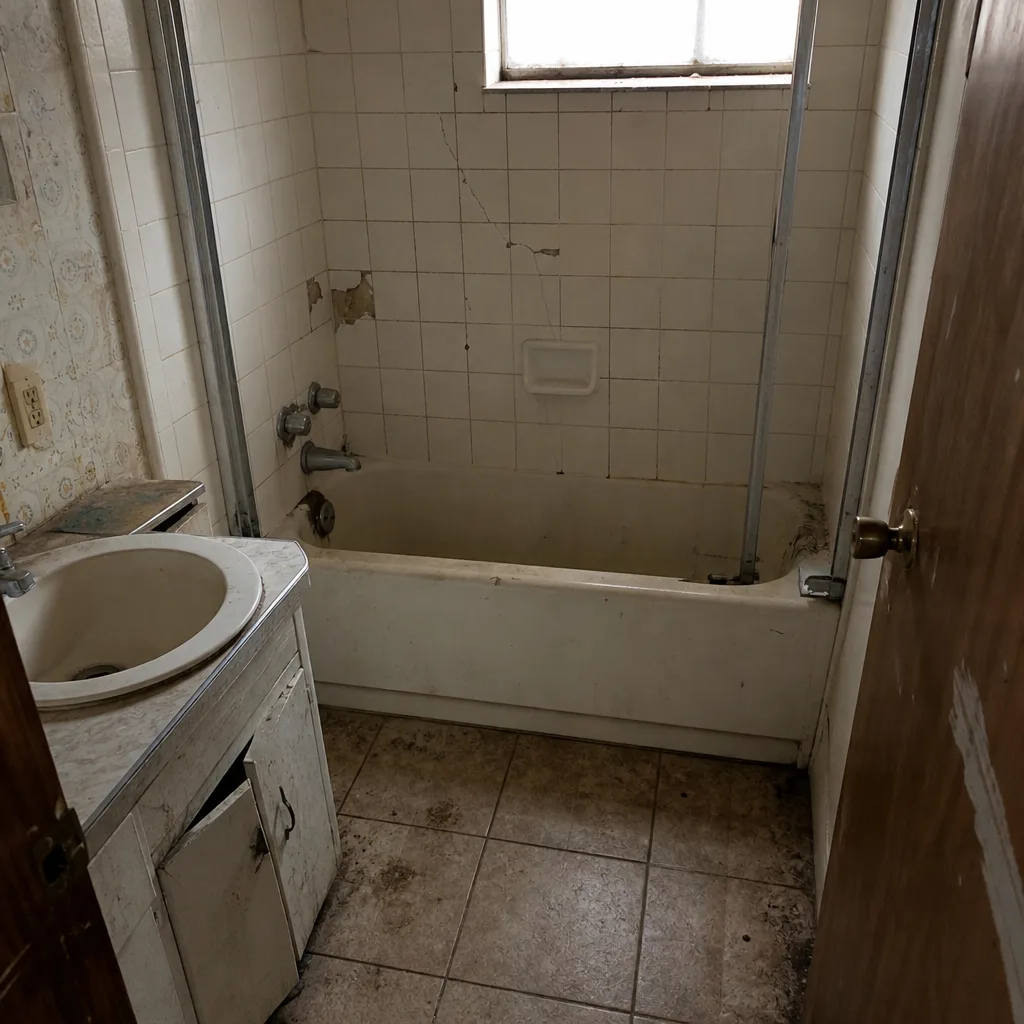 Before
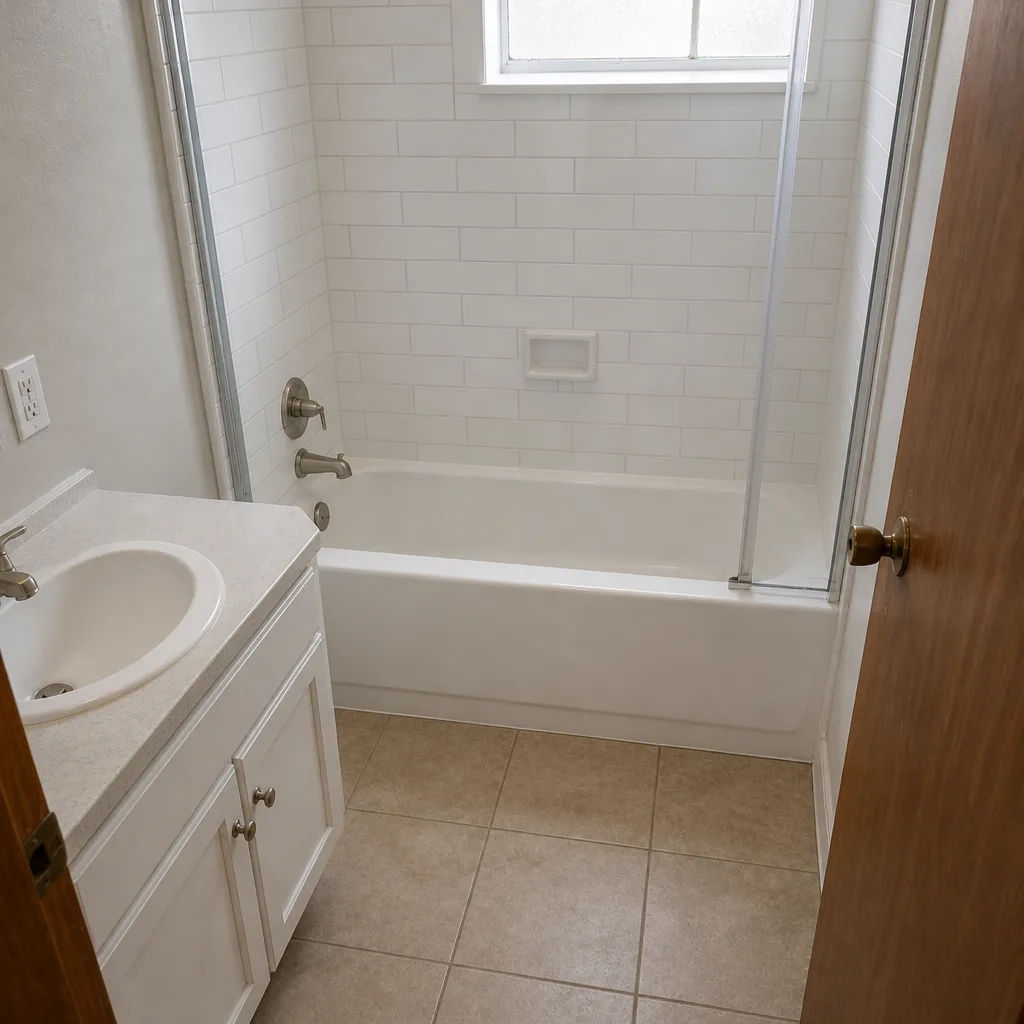 After
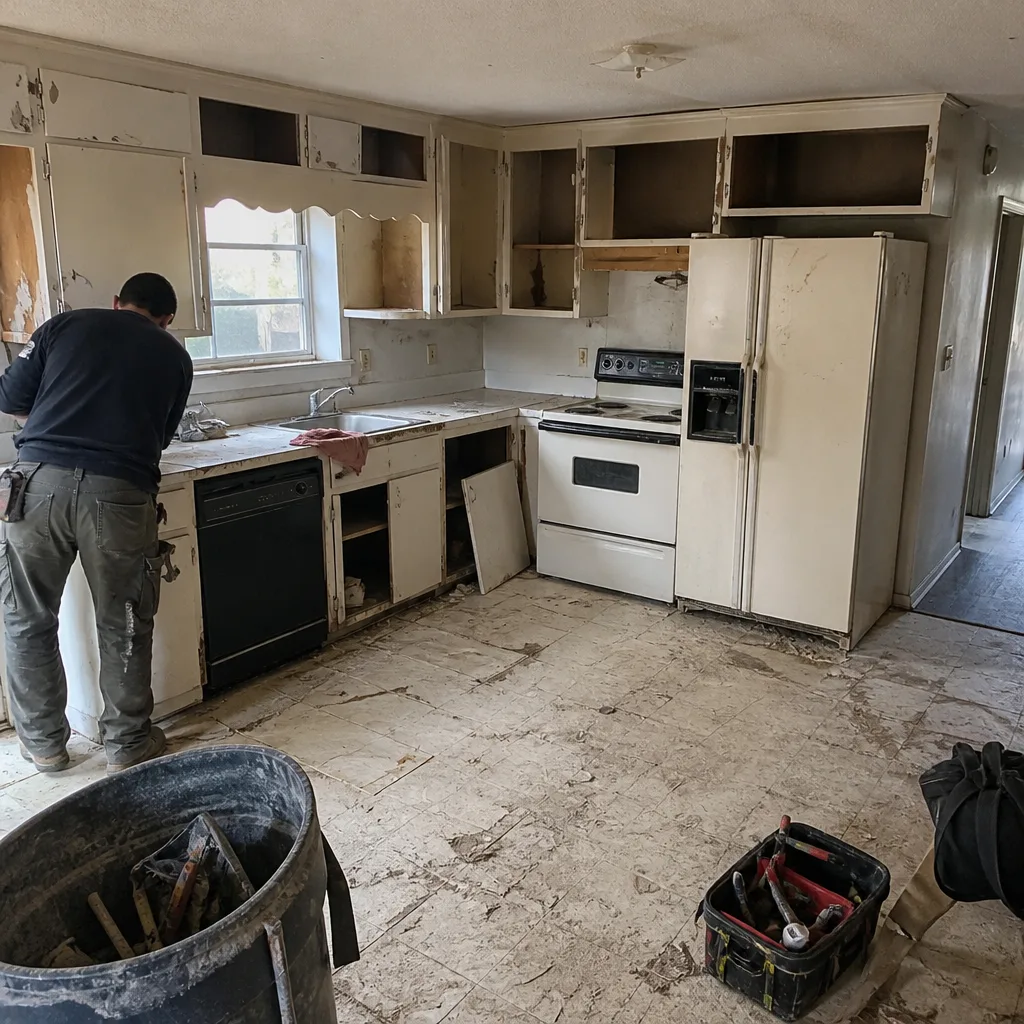 Before
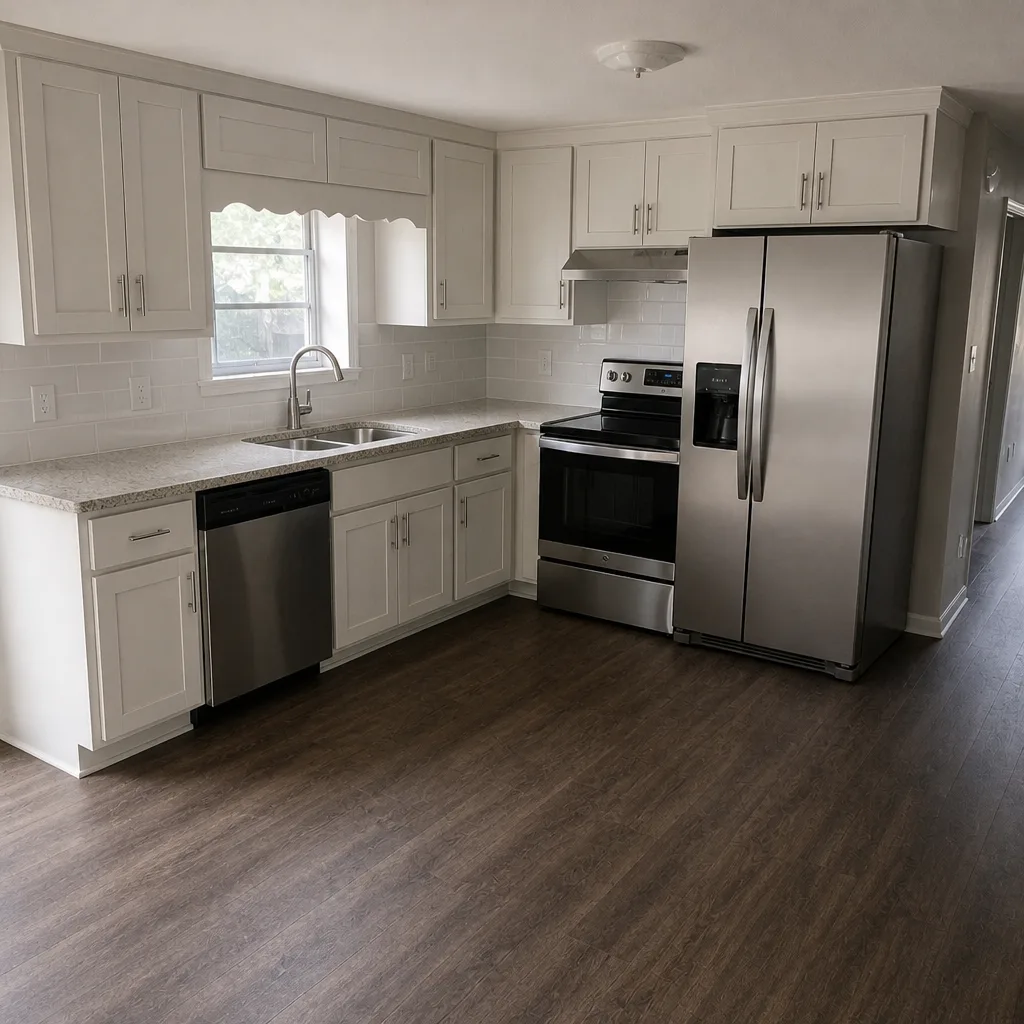 After
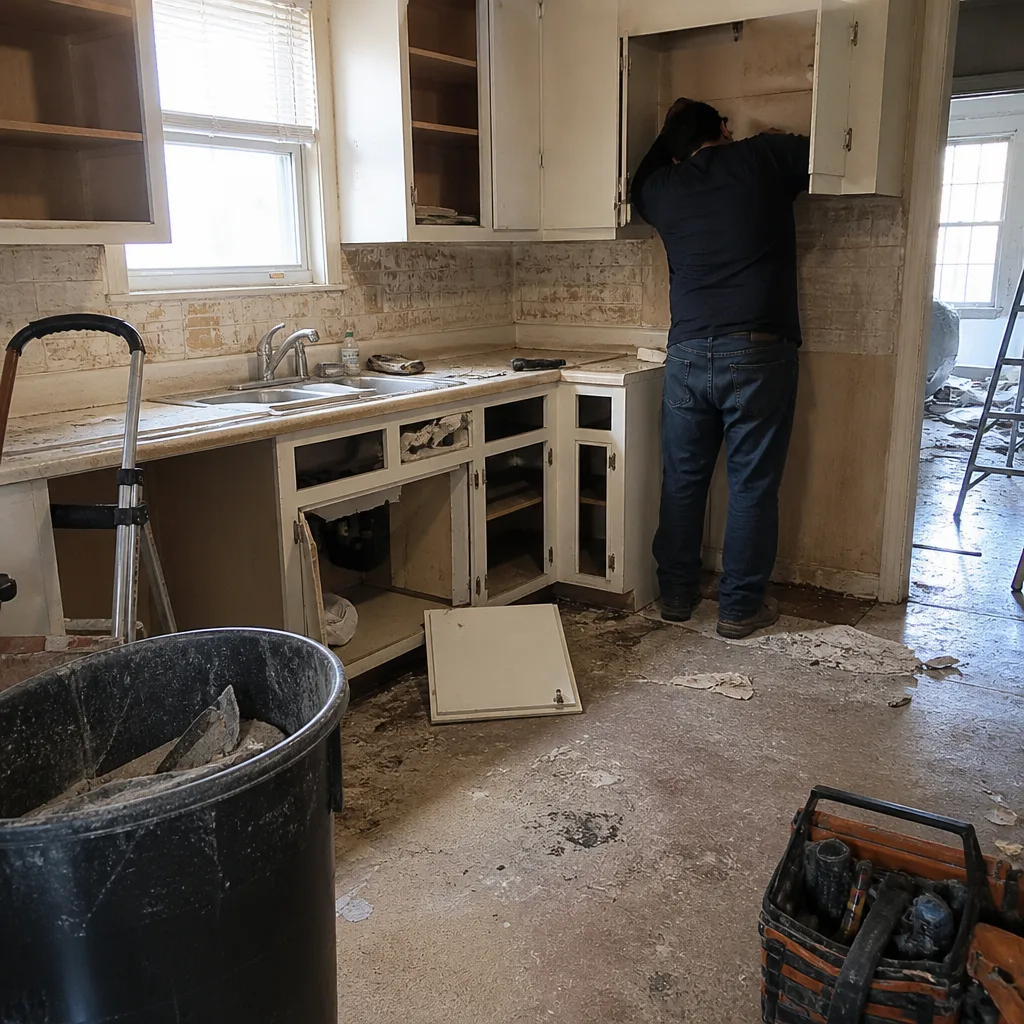 Before
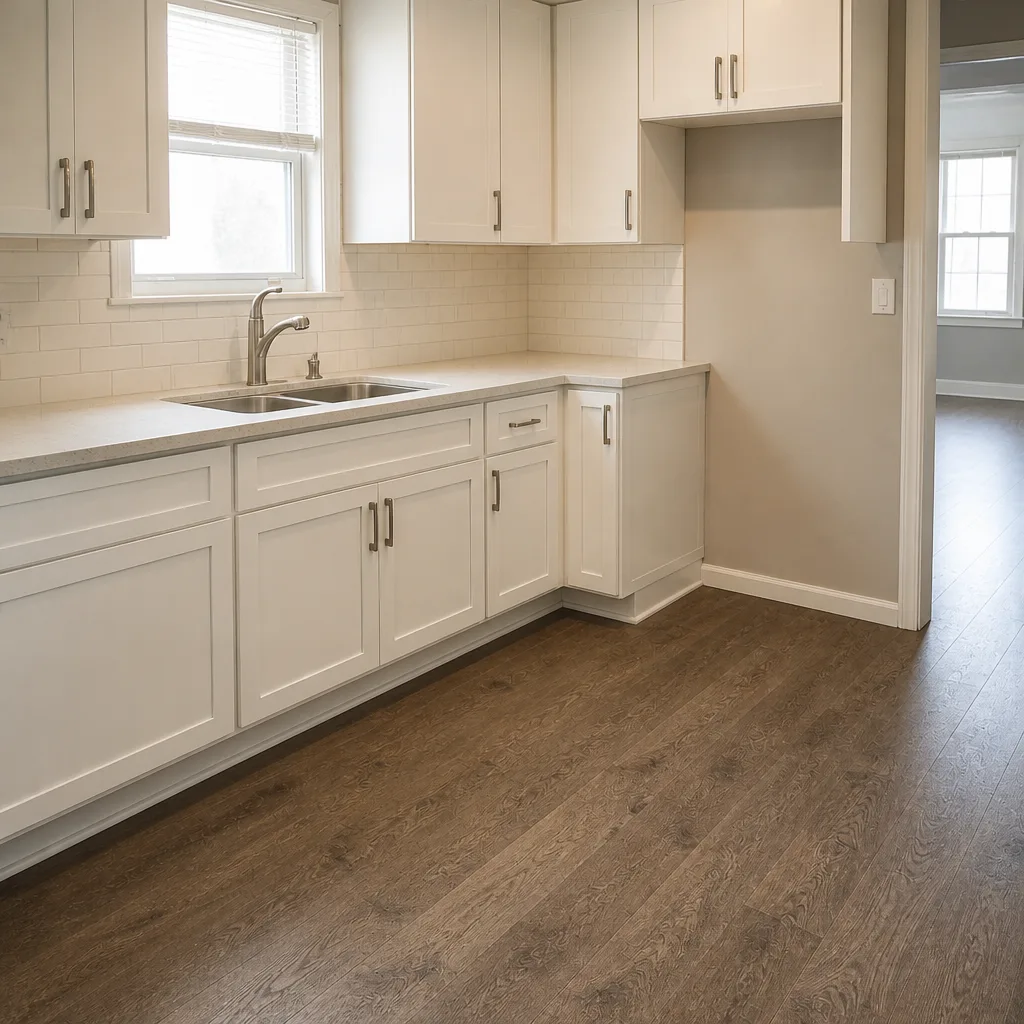 After
When to Call a Professional
Some work is safe to take on as a homeowner. Some work shouldn’t be. Structural changes, additions, roof work above a single story, and anything involving gas, electrical panels, or foundation work all need a licensed, insured professional. So does any project large enough to trigger a permit, which in Fort Worth includes most additions, driveway replacements, and roof replacements. Garage door springs, high-voltage electrical, and gas lines aren’t projects to learn on. If you’re planning more than a cosmetic refresh, the right move is to get a professional bid and have the scope locked before the first truck rolls.
If you’re planning a kitchen remodel, a bathroom renovation, an ADU addition, a roof replacement, a driveway, or a fence in Fort Worth, we’re ready to help. Groundwork Construction Co. of Fort Worth offers free estimates in Fort Worth; call (855) 912-5373 to schedule yours. Calls are answered by a live person 24/7, and our technicians have up to 12 years of experience. You’ll also see our full project list and process on our Groundwork Construction Co. of Fort Worth home page.
Frequently Asked Questions
A realistic 2026 Fort Worth budget is $95 to $250 per square foot for additions, $9,000 to $18,000 for a roof replacement, and $40,000 to $100,000 for a full kitchen remodel. Bathrooms run $18,000 to $45,000 depending on size and finishes. Driveways run $4,000 to $16,000 based on material, and a detached ADU runs $80,000 to $130,000. Call (855) 912-5373 for a free, itemized estimate on your specific project; the number you see is the number you pay.
Four forces are driving Fort Worth costs up in 2026: material inflation on roofing, windows, and cabinetry; labor compression as skilled trades flow toward commercial and industrial projects; permit review timelines that add six to eight weeks on structural work; and subcontractor markup stacking when a general contractor subs out multiple trades. Each of these adds cost at a different point in the bid, which is why a transparent, line-item scope is the best defense. Call (855) 912-5373 for a scope-locked bid that accounts for each force openly.
Yes, in most cases. Bids 15% to 25% below market average in Fort Worth typically recover the difference through change orders, material substitutions, and schedule compression. A documented pattern in the market shows these bids closing out at or above the average bid by project completion. Call (855) 912-5373 and we’ll walk you through a bid you already have and show where the risk is hidden.
We handle the permit process and inspection coordination on every project that requires one. Permit applications are declared with a project valuation that becomes part of the public record, and we present that number to you in the bid so you can match it against the contract total. If an inspection turns up a code upgrade, it goes into a written change order before work proceeds. Call (855) 912-5373 to talk through the permit process for your Fort Worth project.
Only if you approve the change in writing. Our bids are scope-locked, which means the work in the contract is priced at a fixed rate. If something turns up during work, like hidden water damage or out-of-square framing, we document the condition, price the fix, and present it to you in a written change order before proceeding. No surprise invoices, no padded contingency. Call (855) 912-5373 for a free estimate.
A kitchen remodel runs 6 to 10 weeks; a bathroom runs 3 to 5 weeks; a roof replacement runs 1 to 3 days; a driveway runs 3 to 5 days; a home addition runs 12 to 20 weeks; a detached ADU runs 16 to 24 weeks. Timelines shift based on permit review, material lead times, and weather. Wind and hail events across Tarrant County can stall schedules, so an itemized timeline with start and finish dates belongs in every contract. Call (855) 912-5373 to schedule a free estimate and get a real timeline on your project.
A transparent bid in Fort Worth includes material brands and models named per line, labor broken out from material, a single disclosed markup percentage, permit responsibility stated on the front page, contingency at 5% to 10% tied to defined unknowns, a schedule with real start and finish dates, a written change order process, and a written warranty with a clear claims process. If any of those are missing, ask before you sign. Call (855) 912-5373 for an example of what a scope-locked bid looks like.
The Bottom Line
Fort Worth construction costs in 2026 are moving because of four forces, not one, and the homeowner who understands those forces negotiates from a stronger seat. Line-item benchmarks give you a real starting point. The material-versus-labor split tells you which line to question. The markup chain shows you where padding lives. Permit valuations are a public record you can use as a sanity check. Contingency at 5% to 10% is healthy; contingency without a written process is not. And the lowest bid in Fort Worth today is usually not the lowest invoice. Get a scope-locked bid, get the warranty in writing, and get a contractor who’ll hold to both.
Ready to start your project? Call Groundwork Construction Co. of Fort Worth at (855) 912-5373 for a free estimate. Calls are answered by a live person 24/7, background-checked technicians arrive in uniform, and every project is covered by the 730-Day Done Right Promise. We also offer 0% financing for 18 months and $1,000 off projects over $10,000. Upfront pricing, no surprises.
Written by the team at Groundwork Construction Co. of Fort Worth.