

Last updated November 18, 2026



Free written scope consultation - allowances, timeline, and change-order rules on paper before a single trade is scheduled
Construction Warning Signs: A Fort Worth Homeowner’s Reference Guide
A stair-step crack in a brick façade is not an aging issue. In Fort Worth’s clay soil environment, it is a drainage or foundation movement event that has been happening for at least one full seasonal cycle before you noticed it. That’s the uncomfortable truth most homeowners learn too late: the expensive failures we get called out to fix in Fort Worth almost never arrive without warning. They telegraph themselves months in advance, in hairline cracks, in pavers that click underfoot, in a mortar joint that powders instead of chips. The signs are easy to dismiss and expensive to ignore.
This guide is our field reference for reading those signs before they become five-figure problems. We’ll walk through how to tell cosmetic settlement from structural movement in Fort Worth’s specific soils, what standing water near a foundation actually means in Tarrant County, the hardscape red flags most inspectors skip, and how to spot a contractor’s shortcuts inside the first 90 days while the warranty still works for you instead of against you.
Styles & brands we work with
- Kitchen remodeling
- Bathroom remodeling
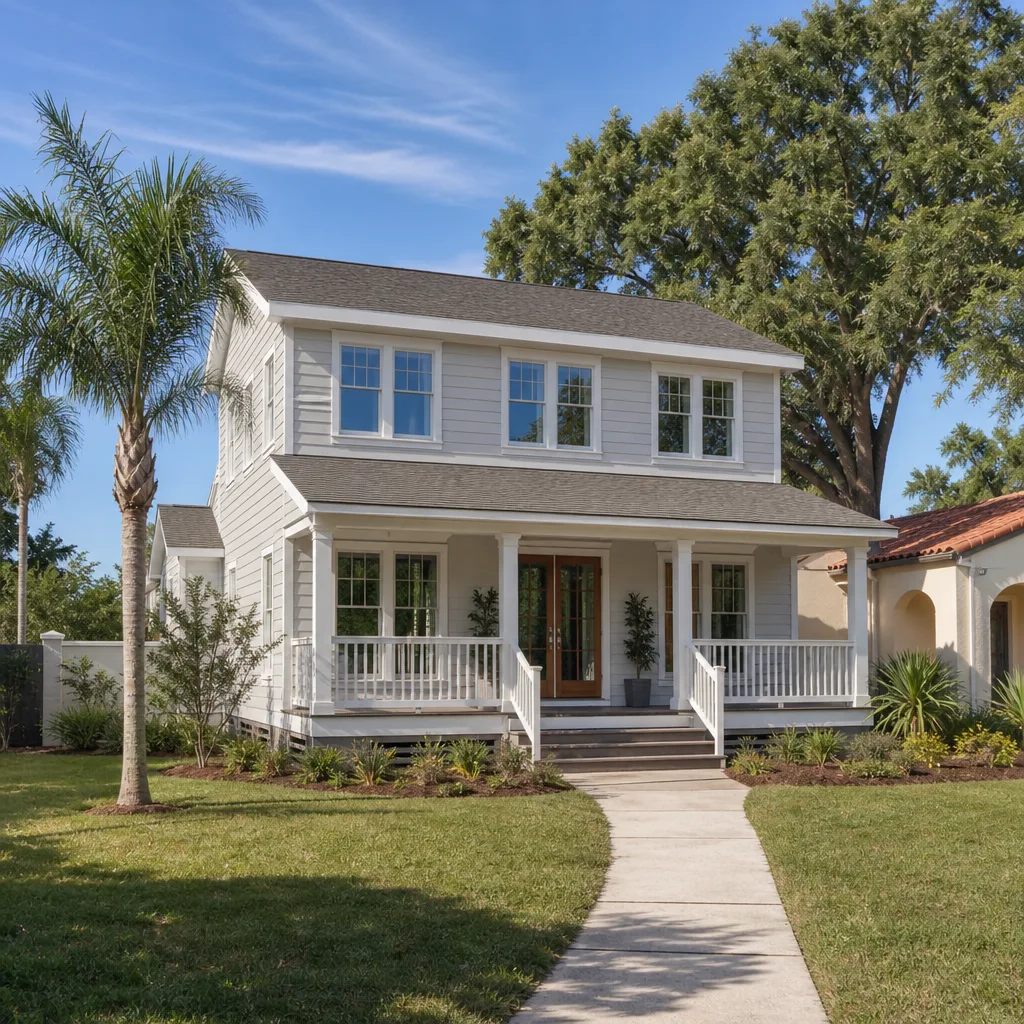
- Home additions & ADU
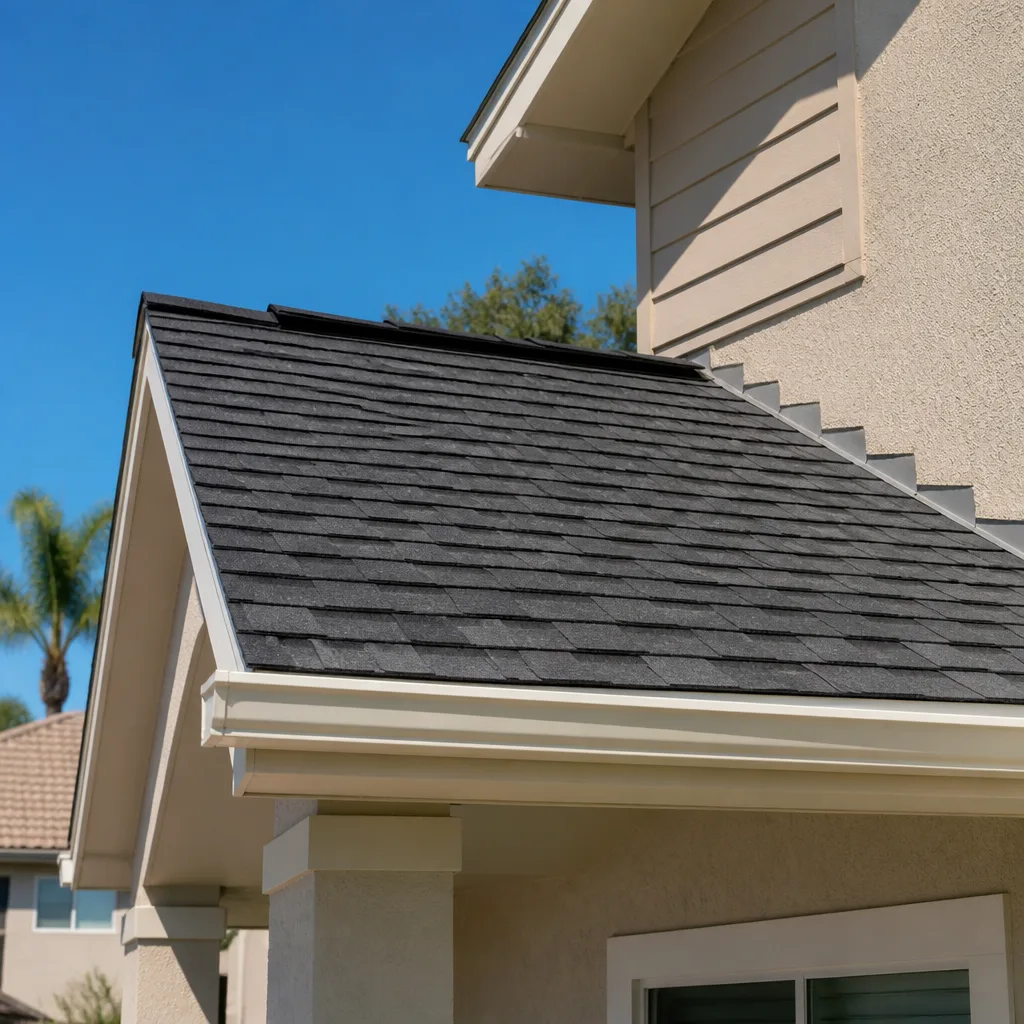
- Roofing
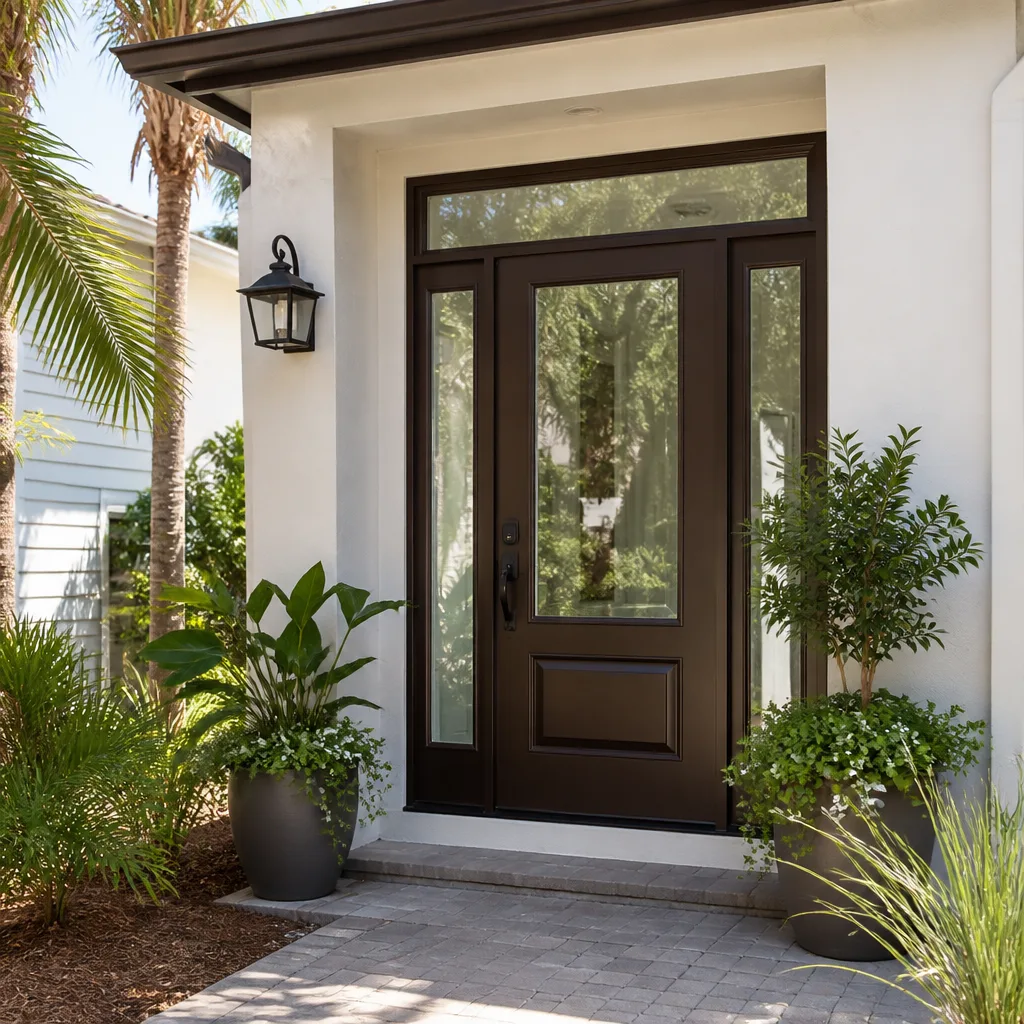
- Windows & doors
- Driveway & pavers
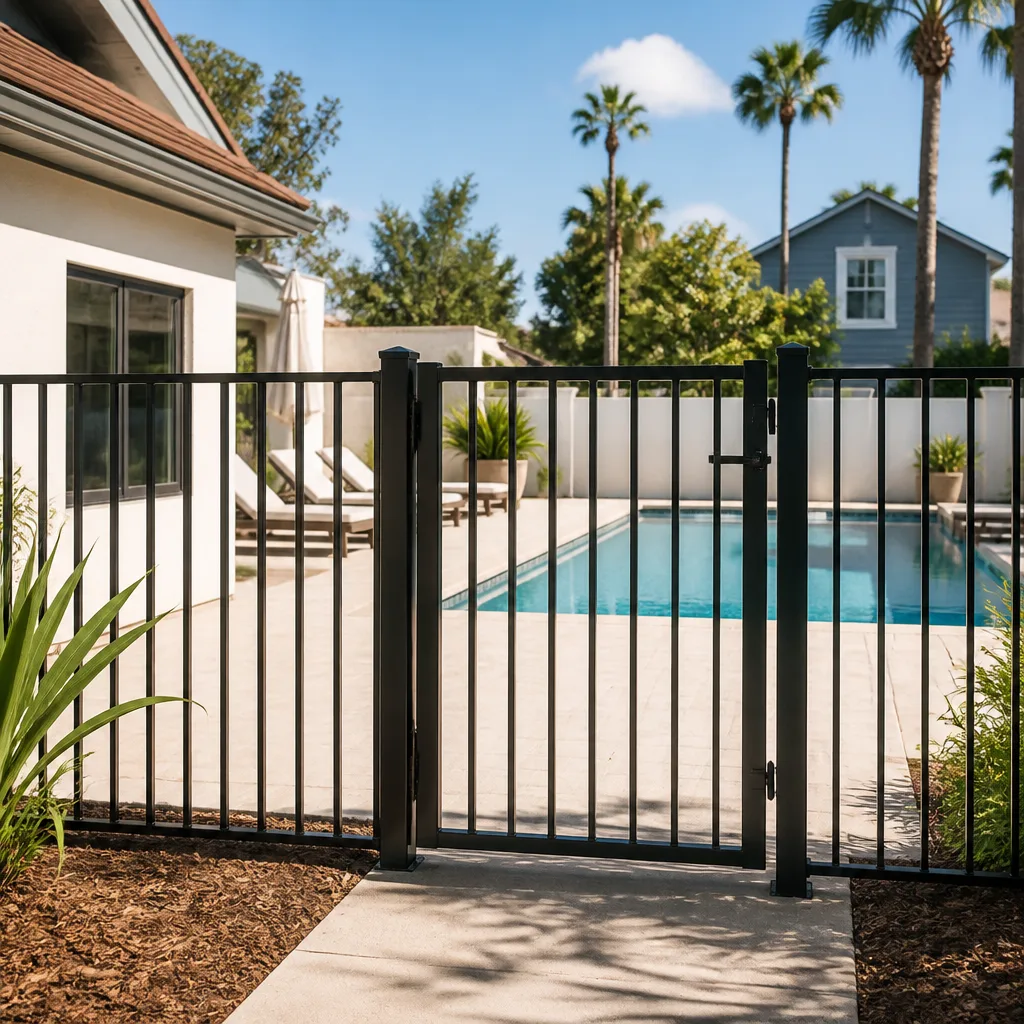
- Fence
Quick Answer
The most serious construction warning signs in Fort Worth are stair-step brick cracks wider than a credit card, doors and windows that suddenly stick in one season, standing water within 10 feet of a foundation, and any workmanship defect that appears within the first 90 days of a completed project. Fort Worth’s expansive clay soils and pier-and-beam versus slab foundations each produce distinct failure patterns, and catching them early is almost always the difference between a repair and a rebuild.
Table of Contents
- Cosmetic Settling vs. Structural Movement: A Fort Worth Field Guide
- Why Fort Worth’s Clay Soil Makes Every Crack Worth Reading
- What Standing Water Within 10 Feet of Your Foundation Means
- Hardscape Warning Signs: Clicking Pavers, Powdery Mortar, Shifting Grout
- The First 90 Days: Spotting Contractor Workmanship Failures Before They’re Yours
- Hidden Signs a Previous Builder Cut Corners on Your Fort Worth Home
- Seasonal and Neighborhood Patterns Worth Knowing
- Common Mistakes to Avoid
- When to Call a Professional
- Frequently Asked Questions
- The Bottom Line
Cosmetic Settling vs. Structural Movement: A Fort Worth Field Guide
Not every crack is a crisis, and not every crisis announces itself. That’s what makes this the single most important skill a Fort Worth homeowner can develop. The old advice – “cracks under a quarter inch are fine” – gets repeated everywhere and it’s half-right at best. Width matters less than pattern, direction, and movement over time. A hairline crack in the mortar of an interior hallway in a house built thirty years ago is usually just settling. A stair-step crack in exterior brick chasing up a corner is a message the foundation has shifted.
Here’s the field guide we actually use when assessing Fort Worth homes, broken down by what you’re looking at:
At the brick and masonry
- Hairline cracks under 1/16 inch running vertically in a mortar joint: typically normal settlement, especially in older homes.
- Stair-step cracks – those diagonal cracks that step along mortar joints from one brick course to the next: a serious sign of differential foundation movement. These do not form overnight.
- Cracks that are wider at the top than the bottom (or vice versa): the wall is rotating, and something under it has moved unevenly.
- Horizontal cracks in a foundation wall: the wall is being pushed or pulled by exterior pressure, usually soil. This is the one category to take seriously on day one.
- Cracks wider than 3/16 inch anywhere: get an evaluation. No exceptions.
Inside the house
- Doors and windows that stick in one season and free up in another: classic seasonal movement. Which season matters. Sticking in summer means the structure is moving with moisture; sticking in winter means the reverse.
- Sheetrock cracks above door and window corners: usually hinge-point movement. Repeated cracking you patch every year is not settling – it’s ongoing.
- Sloping or soft floors: in Fort Worth, where pier-and-beam homes still exist alongside slab homes, this means two very different things depending on your foundation type. On pier-and-beam, floors can be leveled with shimming and new piers. On slab, sloping is a foundation settlement indicator best diagnosed by an engineer.
- Cracks that separate along the ceiling-to-wall joint: usually cosmetic unless paired with other signs on this list.
The pattern is what matters. One crack with no movement is a maintenance item. Three cracks all doing the same thing on the same side of the house is a drainage or foundation event. Call for an evaluation before doing cosmetic repair – covering up a moving crack only hides it, and the repair you eventually need gets bigger. If the read points to structural movement, a full-scope construction team should be the one tracing it back to the source, which is exactly what an Groundwork Construction Co. of Fort Worth home evaluation helps you sort out.
Why Fort Worth’s Clay Soil Makes Every Crack Worth Reading
Fort Worth sits on some of the most expansive clay soil in Texas. The shorthand version is this: our soil swells when it absorbs water and shrinks when it dries out, and it does both aggressively. A layer of soil that occupies one volume in a wet spring can lose 10 to 15 percent of its volume during a dry August. That movement doesn’t just sit at the surface – it transfers to whatever is sitting on top of it, and in most Fort Worth neighborhoods, that’s a slab or a set of piers holding up a house.
The result is a soil environment that punishes poor drainage more than most of the country realizes. Foundations that would last fifty years on stable ground can show movement in Fort Worth within a few seasons if the water management around the house is wrong. This is why the cracks in the previous section matter more here than they would in Dallas to the east, or in Austin, despite similar soil profiles. Our clay beds vary street to street, and the older neighborhoods closer to the Trinity River corridor see the widest moisture swings because the soils there hold water longer and drain slower.
What to watch for, in seasonal terms:
- Late summer: Foundations settle as soil contracts. Sticking doors, new interior cracks, and gaps at exterior trim are most common in August and September. A crack that appears in late summer and closes by December is a soil-moisture story.
- Late winter and early spring: Soil swells and pushes. Heaved pavers, buckled sidewalk slabs, and brick cracks that open wider in wet weather are this pattern. Fort Worth’s late spring storms drive the worst of it.
- Freeze events: A hard freeze with poor drainage around the foundation can freeze-swell soil on the north-facing side of a house and cause uneven lift. If your house is on the north side of a hill with clay soil and no gutters, the pattern of movement is worth a closer look.
The takeaway isn’t that your house is in imminent danger every season. It’s that in Fort Worth, seasonal movement is a given, so the interesting questions are about magnitude and pattern. Any crack that gets measurably wider over the course of a year, or any foundation with visible water management problems, is telling you something a moisture meter and a pencil mark on the crack will confirm over a few months. Mark the widest point of the crack with a pencil, date it, and take a photo every 60 days. If it moves, you have your answer.
What Standing Water Within 10 Feet of Your Foundation Means
In Tarrant County, standing water within 10 feet of a foundation is a warning sign, not a cosmetic nuisance. It means the soil immediately under and around your home is holding more moisture than it should, for longer than it should – and given the clay soil discussion above, that water is the mechanism actively causing foundation movement. When we see this on an evaluation, the first thing we do is trace the water to its source before recommending any repair. The repair is downstream of the cause, and treating the foundation without fixing the drainage is a losing battle.
There are five common sources of standing water in Fort Worth homes, and each leaves its own forensic trail:
- Downspouts discharging at the foundation. The simplest and most common. Downspouts that end flush against the house or discharge uphill send every rain event’s worth of roof water directly against the foundation. You’ll see a saturated soil line and often erosion along the wall. Adding a 4- to 6-foot extension or a splash block that moves water away from the house usually addresses this one in a single afternoon, provided it hasn’t already caused failures.
- Gutters pitched the wrong way. Watch a Fort Worth storm from under an overhang and see where the water actually sheets. If it’s flowing over the back of the gutter – often because a gutter was installed with the wrong fall or sags after a few seasons – the water is landing in an unplanned spot. Gutters pitched wrong are common in homes built during fast-growth periods where installers were pushed hard.
- Grading that slopes toward the house. In Fort Worth, the soil around a home should slope away from the foundation at roughly 6 inches over 10 feet. Any flat or reverse-sloped section is a pooling point. You can test this by walking the perimeter in a light rain and watching where the water accumulates. Pooling on a slope that should be flat is a clear sign of reverse grading.
- Improper drainage in the yard. Fort Worth homes that back to a slope or sit downslope from a neighbor can inherit every neighbor’s drainage. A surface swale – a shallow grassy ditch that directs water to a low point – is often the fix, and it’s a straightforward landscape addition when caught early.
- Poor soil percolation around the home. Some Fort Worth lots have soil that’s so clay-heavy it barely drains at all. Saturated soil around a foundation after a week of rain is normal in that context, but saturation two weeks after the last rain is not. Add sand or compost to the topsoil, aerate, and consider a foundation soaker line for drought protection. The soap-test to check for hidden leaks (put a few drops of dish soap in the standing water and watch for bubbles) is cheap and fast.
If you trace the water back and the grading is correct, the gutters work, and the downspouts are extended, the next thing to check is the plumbing. A leak in a supply line or a drain line hidden under the slab will saturate the soil around it in a pattern that looks like weather but isn’t. A $40 moisture meter from any hardware store, pressed into the soil around each foundation wall, will tell you which side is wet and which is normal. That comparison is what sends the plumber versus the drainage crew.
Hardscape Warning Signs: Clicking Pavers, Powdery Mortar, Shifting Grout
Hardscape – driveways, walkways, patios, retaining walls – is where contractors cut corners most often, and where the failures are slowest and most expensive. The signs are different from house cracks, and most Fort Worth homeowners miss them because they only look at the surface. When we walk a driveway or patio, here’s what we’re checking for:
Pavers that click when walked on
A paver that gives you a hint of movement or makes a small clicking sound when you step on it is a paver that has lost its base. Underneath it, the sand bedding has washed out, or the base material below the sand was never compacted correctly. The paver hasn’t failed; the install did. A single clicking paver is a nuisance and easy to reset. A whole run of clicking pavers along a driveway entrance is a warning that the base beneath the driveway was never compacted to spec and that the entire field will shift. That’s a difference worth understanding on day one, not year four.
Mortar joints that powder instead of chip
When you scrape a mortar joint with a key or screwdriver, it should chip off in semi-solid pieces. If it turns to powder under your finger, the mix was wrong – too much sand, too little cement, or the mortar was applied during a temperature range it wasn’t designed for. In Fort Worth, where afternoon installation temperature in summer regularly crosses 100 degrees, a contractor who mixes mortar for a cool-morning pour and installs it in the afternoon is setting up a joint that will powder within 2 to 3 years. Powdery mortar loses its bonding strength and the brick or paver in front of it becomes loose.
Grout lines that change color in sections
If a patio’s grout lines are consistently gray in the middle and white or chalky at the edges, one of two things is happening. Either the grout was mixed in two batches with different pigment, or the edges are losing moisture differently and the grout’s drying out at a different rate. The first is a workmanship problem; the second is a drainage or sub-base problem showing through the grout. In Fort Worth, where many patios are poured or paved adjacent to the house with no defined edge, the second is far more common than most contractors will admit.
Other hardscape signals worth watching
- Paver courses that visibly wander off-line: the sub-base is moving. A 1/4 inch of drift over 20 feet in the first two years is not settling, it’s base failure.
- Retaining walls that bulge or lean: improperly dewatered walls backfilled with Fort Worth clay are almost always the cause. The wall itself is rarely the problem; the drainage behind it is.
- Pooling on a hardscape surface: any ponding more than 1/8 inch deep after a rain is a grade failure, not a surface problem.
- Driveways that wash out at the apron: the transition from driveway to street is where Fort Worth water most often wins. A washed-out apron at the street means the base material was pulled away by runoff, and the fix requires addressing the drainage upstream of the driveway, not patching the apron.
All of these point to the same principle: hardscape failures are almost always base failures, and the surface is just reporting the news. When we build a Fort Worth driveway with pavers, the base excavation and compaction is where 80 percent of the durability lives. That’s the work you can’t see, and it’s exactly the work a shortcut artist skips.
The First 90 Days: Spotting Contractor Workmanship Failures Before They’re Yours
The single most useful piece of advice we can pass along about construction in Fort Worth is this: your leverage as a homeowner is highest in the first 90 days after a project finishes, and it decays quickly if you don’t use it. Workmanship failures on a properly warranted project are the contractor’s problem during that window. Failures you don’t catch or complain about in that window can convalesce into your problem – not because a warranty has expired, but because the evidence has been muddied by weather, settlement, and time.
We’ve seen thousands of projects in Fort Worth, and the pattern is consistent. Here’s a 90-day inspection schedule we recommend every homeowner keep for their project:
- Week 1 (days 1-7): Walk the entire project with the contractor and a punch list in hand. Photograph every corner, joint, and transition. Note anything on the punch list in writing, dated. This is not a time for politeness – most of the failures we see started as small things the homeowner noticed and decided not to mention.
- Week 4: Re-walk every exterior surface after the first rain event. Roofs, siding, gutters, fence lines, and driveways all reveal their water-management failures within a few rain cycles. Look for water sheeting off in the wrong place, water pooling in the wrong spot, and water disappearing where it shouldn’t.
- Week 8: Check all interior work: grout, caulk, tile, trim, cabinet reveals, window operation, door operation. Squeaks in floors, tile lippage, and caulk that’s separated anywhere within 30 days of install are usually a call for a return visit.
- Week 12 (90 days): Full repeat of week one plus the camera walk. Walk every hardscape and grade transition. This is the diagnostic pass that most homeowners skip, and it’s the one that catches the slow failures before the evidence is gone.
What to look for at the 90-day mark
- Tile that sounds hollow when tapped: the thinset didn’t bond. This is common on floors, and it’s a 90-day issue, not a five-year issue.
- Grout and caulk that’s cracking where surfaces meet: show us a caulk joint that failed at 90 days and we’ll show you a joint that was installed wrong.
- Doors that have started to stick: either the door was installed with insufficient clearance or the frame has moved. Both are diagnosable early.
- Paint that’s already peeling at edges: adhesion failure caused by moisture, oil, or improper prep at that edge. Repaintable, but it’s a tell that prep was skipped elsewhere.
- Cabinet doors that have separated at the hinge: stripped or improperly mounted hinges. Common on cheaper hardware and installed wrong.
- Roof shingles that are already lifting or losing granules at 90 days: installation issue, product issue, or ventilation issue. All diagnosable, all worth a warranty visit.
- Fence posts that move in the first 90 days: a properly set post in Fort Worth clay won’t budge. If it does, the post hole was undersized, undercemented, or both.
Document everything. A dated, photographed punch list is a warranty claim. A vague recollection six months later is a negotiation. Our Fort Worth fence installation work, for example, uses Barrette and Master Halco posts set to spec, and the 90-day walk still matters because it’s how we catch the occasional post that the soil didn’t treat the way we expected. It’s also why we back every project with our 730-Day Done Right Promise, not a shorter conditional window. If it’s not done right, we make it right – and that commitment is worth the most when a homeowner noticed.
Hidden Signs a Previous Builder Cut Corners on Your Fort Worth Home
If you bought an existing Fort Worth home – especially one that changed hands during a fast-growth period – you may be living inside unresolved construction problems without knowing it. The signs are there, but they’re different from the signs of a moving foundation or a bad hardscape job. They’re the tells of shortcuts taken during the original build. That matters when you’re planning a home addition, an ADU, a major remodel, or any project that requires opening up walls and tying into the existing structure. In our experience, the single most important thing to confirm before any addition project is whether the original build matches what’s on record.
Here’s what to look for:
- Sheetrock cracks that recur in the same place every 12 to 18 months. A well-built Fort Worth home has occasional cracks, but the same crack in the same spot every year is a pattern, not settling. Its location tells you something structural has been moving from the start.
- Wonky framing visible through interior door jambs and window reveals. Ask a building inspector on a typical new-build in Fort Worth to check “out of square” tolerances and you’ll usually find they’re within an inch and a half across a full wall. More than that in a home you’ve owned for a few years usually means the frame moved after construction, or was never plumb.
- Roof decking that sags visibly between rafters. Usually a sheathing thickness or rafter spacing issue. Common in homes finished by budget crews in the mid-2010s growth cycle. If you see visible sag from the street, the decking under it deserves a look before any roof replacement.
- Window seals with condensation trapped inside the glass. Double-pane windows that fog between the panes install wrong or are lower-grade products. On a home less than fifteen years old, this is the tell the previous owner went with the cheapest window package.
- Exterior walls with inconsistent nail patterns – usually visible under siding removal. If you’re opening up a wall and find a field where every nail is manually set wrong or absent from blocking, the crew was rushing. The fix is inexpensive at the time of the addition, expensive later.
- Drainage that was never correct. Walk the perimeter of a home you bought in Fort Worth and look for grading. If the lot slopes toward the house on any side, the previous owner was living with the same warning signs listed earlier in this guide. That was either never corrected, or it was corrected and has since failed. Either way, it’s an indicator worth addressing before any addition adds weight to the site.
One practical move before any addition or ADU project: pull your property’s permit history. In Tarrant County, permits and inspection records are searchable, and any unpermitted structural work on a previous build will show up as a gap. A gap doesn’t mean the work was bad – just unverified. That’s a conversation we have with every homeowner before a Fort Worth home addition or ADU project starts, because we won’t tie new construction into unverified framing without a plan for it. A free project estimate and design consult is where that conversation belongs, well before a single permit is pulled.
Seasonal and Neighborhood Patterns Worth Knowing
Fort Worth is not one climate, one soil, or one construction era. Failure patterns vary by neighborhood because the conditions vary by neighborhood. What we’ve noticed on hundreds of jobs across the city:
- Older homes closer to the Trinity River: higher moisture content in the soil year-round means wider swings on foundation movement when it does dry out. Cracks that appear minor in wet springs become visible movement events by late summer.
- Homes on the near south and south side (Wedgwood, Westcreek, and similar areas): more slab foundations and more clay-heavy soil than the northern neighborhoods, and the pattern of failure is usually settlement-driven rather than heave-driven. The signs cluster on the walls closest to the exterior grade.
- North Fort Worth and newer builds in the Alliance corridor: newer concrete, but faster-built and often on graded lots where drainage was finished in a hurry. We see more hardscape failures here in the first two years than we do in older neighborhoods.
- Homes in the Tanglewood and Mistletoe Heights areas: older pier-and-beam structures where foundation movement manifests differently. Sloping floors, sticking doors, and visible sagging at pier replacements.
- Fort Worth homes with mature trees: trees within 15 to 20 feet of the foundation pull moisture out of the clay and create asymmetrical shrinkage. The foundation on the tree side moves differently than the other three sides, and cracks consistently pattern toward the tree.
There’s a seasonal element too. Fort Worth’s worst single-window for new failure is usually the transition from a wet late spring into a dry July. That’s the moment when soil expands, then contracts sharply, and every latent structural weakness gets spoken out loud. It’s also when we field the most calls. If you’re going to inspect your house, do it in August and again in March. Twice a year catches the whole cycle.
Common Mistakes to Avoid
- Painting or patching over a moving crack. Cosmetic repair hides the evidence without stopping the movement, and it makes the eventual diagnosis harder. A crack that returns twice in twelve months is moving, so fix the cause before the surface. This is the single most expensive mistake we see in Fort Worth.
- Treating drainage as an afterthought. Homeowners often spend money on foundation repair or pier shimming without first fixing the grading that caused it – which is like fixing a leak by mopping faster. Fix the water management first, then evaluate the structure. The order matters.
- Skipping the 90-day post-project walk. The window between project completion and the loss of evidence is short. Schedule the walk before the crew leaves, and keep dated photos. Because almost every warranty issue we see is diagnosable in the first 90 days, catching it late usually means the fix is on the homeowner.
- Assuming a permit-less “little addition” is fine. In Tarrant County, unpermitted structural work is a hazard for resale and a red flag for insurance. Any addition or ADU should be permitted and inspected, even when a contractor suggests it’s “easy to do without”. A permit is not bureaucracy – it’s the record that a professional review happened.
- Ignoring the clicking paver until the whole driveway fails. A single paver reset costs little. A driveway re-base costs thousands. The proportion of homeowners who let this one ride is high because the paver “still looks fine”.
- Judging a contractor by the bid number alone. The lowest bid is very often the one that skips base excavation, skips permit, or uses mortar mixed for a cool morning on a hot afternoon. Ask for a written, line-item bid and compare scope, not price. No-hassle upfront pricing means the number you see is the number you pay, and it also means the scope is spelled out.
- Buying a Fort Worth home without checking the permit history. A pre-purchase permit check in Tarrant County is a few clicks and a phone call. Any unpermitted structural work you inherit becomes your problem to either legalize or unsell. Do it before closing, not after.
When to Call a Professional
Some of what’s in this guide you can inspect yourself with a moisture meter, a camera, and a pencil mark on the wall. But a handful of specific scenarios call for an actual professional evaluation, and the cost of delay in those cases is steep. Call when:
- Any crack in a structural wall is wider than 3/16 inch, or has grown measurably in 6 months
- Doors and windows are sticking in a season they didn’t stick in last year
- You have standing water within 10 feet of your foundation that returns within 48 hours of a rain, or persists two weeks after
- Pavers have moved more than 1/4 inch, or more than a handful click underfoot
- You’re planning an addition, ADU, or major remodel in a Fort Worth home with any unverified construction history
- You’re inside the first 90 days of a completed project and notice a workmanship failure listed in this guide
A professional evaluation isn’t a hard sell – it’s an answer. When we’re on a job, a live person answers the phone 24/7, so you’ll get a real human, not voicemail. Groundwork Construction Co. of Fort Worth offers free estimates in Fort Worth – call (855) 912-5373 and we’ll send a background-checked, uniformed technician to walk the property with you.
Frequently Asked Questions
Stair-step cracks in brick, horizontal cracks in a foundation wall, and any crack wider than 3/16 inch are serious; hairline vertical cracks in interior drywall under 1/16 inch are usually cosmetic settlement. The pattern matters more than the width. Mark the widest point with a pencil and a date, photograph it, and check again in 60 days – if it’s grown, it’s moving, and it needs evaluation. Call (855) 912-5373 for a free estimate if you’re not sure.
Fort Worth’s expansive clay soils swell and shrink aggressively with seasonal moisture, which transfers movement directly to foundations on slab and pier-and-beam homes alike. Our late-spring wet season followed by a dry July and August is the specific window that triggers the worst of it. Neighborhoods closer to the Trinity River corridor see the widest swings. A professional evaluation is the only way to know whether your home’s movement is within seasonal tolerance or outside it, and a free estimate from us is a good place to start.
It means the soil around your foundation is being saturated more than it should be, and that saturated clay soil is the mechanism causing foundation movement. The water is a symptom to trace, not a cosmetic nuisance to mop. Check downspouts, gutter slope, yard grading, and any hidden plumbing leaks in that order. If it returns after 48 hours of dry weather, the source is often plumbing, not weather – call a plumber. If it persists after two weeks of rain, call (855) 912-5373 for an evaluation.
The 90-day window after project completion is when your leverage is highest, because the evidence of a workmanship failure is fresh and hard to attribute to anything else. Document the punch list at week one, re-walk after the first rain, and do a full pass at 90 days. That said, our 730-Day Done Right Promise means we stand behind the work far beyond 90 days – if it’s not done right, we make it right. Call (855) 912-5373 to schedule an estimate or a warranty visit.
Yes, before any addition, ADU, or major remodel of a Fort Worth home with unknown construction history, verify the property’s permit history and have a building inspector walk the framing before the design is finalized. Unpermitted structural work from a previous owner is a real risk in Tarrant County homes built during fast-growth periods, and it becomes your problem to either legalize or disclose on resale. A free project estimate and design consult is where that conversation belongs. Call (855) 912-5373.
Clicking pavers, mortar joints that powder instead of chip, grout that’s whitened in specific sections, paver courses that wander off-line by more than 1/4 inch over 20 feet, and any pooling more than 1/8 inch deep after a rain. All of these point to base or drainage failures rather than surface failures, and all of them get more expensive the longer you wait. Our Driveway & Pavers in Fort Worth team can diagnose a hardscape issue in a single visit – call (855) 912-5373 for a free estimate.
The Bottom Line
Fort Worth construction failures don’t arrive suddenly – they announce themselves months in advance, in patterns you can read if you know what you’re looking at. Stair-step brick cracks are drainage or foundation events. Standing water is a source to trace, not a mop to grab. Clicking pavers and powdery mortar are base failures waiting to become driveway failures. And the 90-day post-project window is the single best asset a homeowner has for catching workmanship failures while the evidence is clean. Use the field guide in this reference, walk your property twice a year with a camera and a pencil mark on any suspicious crack, and call a professional – us or anyone reputable – before the signs become a project.
Groundwork Construction Co. of Fort Worth has been in business since 2014, and we serve Fort Worth across seven core service lines, backed by a curated set of verified brand partners in each trade and a 730-Day Done Right Promise on every project. Proudly serving local communities for over 42 years. Our technicians have up to 12 years of experience, and all are background-checked and arrive in uniform. No-hassle upfront pricing means the number you see is the number you pay. From foundation to finish line, we build it to last and back it in writing.
Call (855) 912-5373 for a free estimate on a Fort Worth project, or just for a second opinion on a crack, a paver, or a plan. A live person answers, 24/7. $1,000 off projects over $10,000, plus 0% financing for 18 months when you need it.
Written by the team at Groundwork Construction Co. of Fort Worth.
See the difference
 Before
 After
 Before
 After
 Before
 After


