Free written scope consultation - allowances, timeline, and change-order rules on paper before a single trade is scheduled
Styles & brands we work with
- Kitchen remodeling
- Bathroom remodeling
- Home additions & ADU
- Roofing
- Windows & doors
- Driveway & pavers
- Fence
See the difference
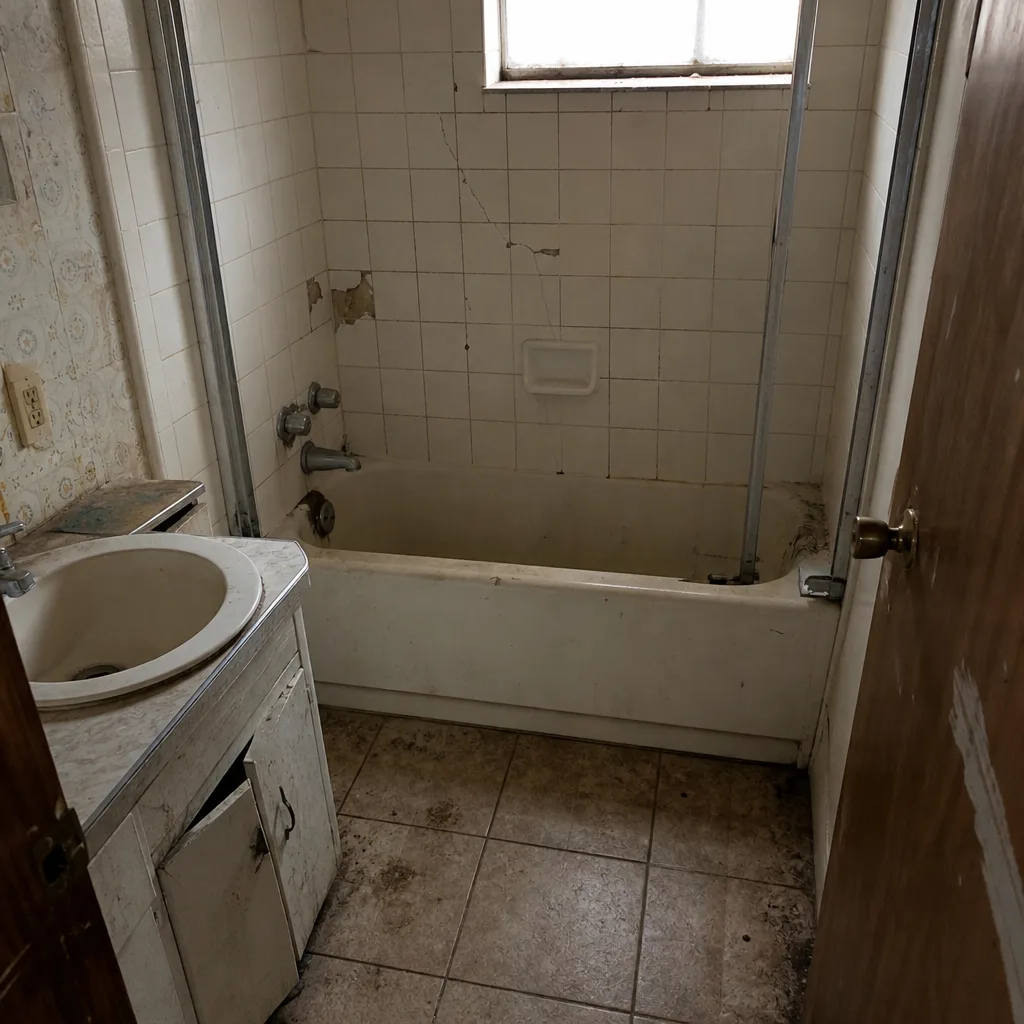 Before
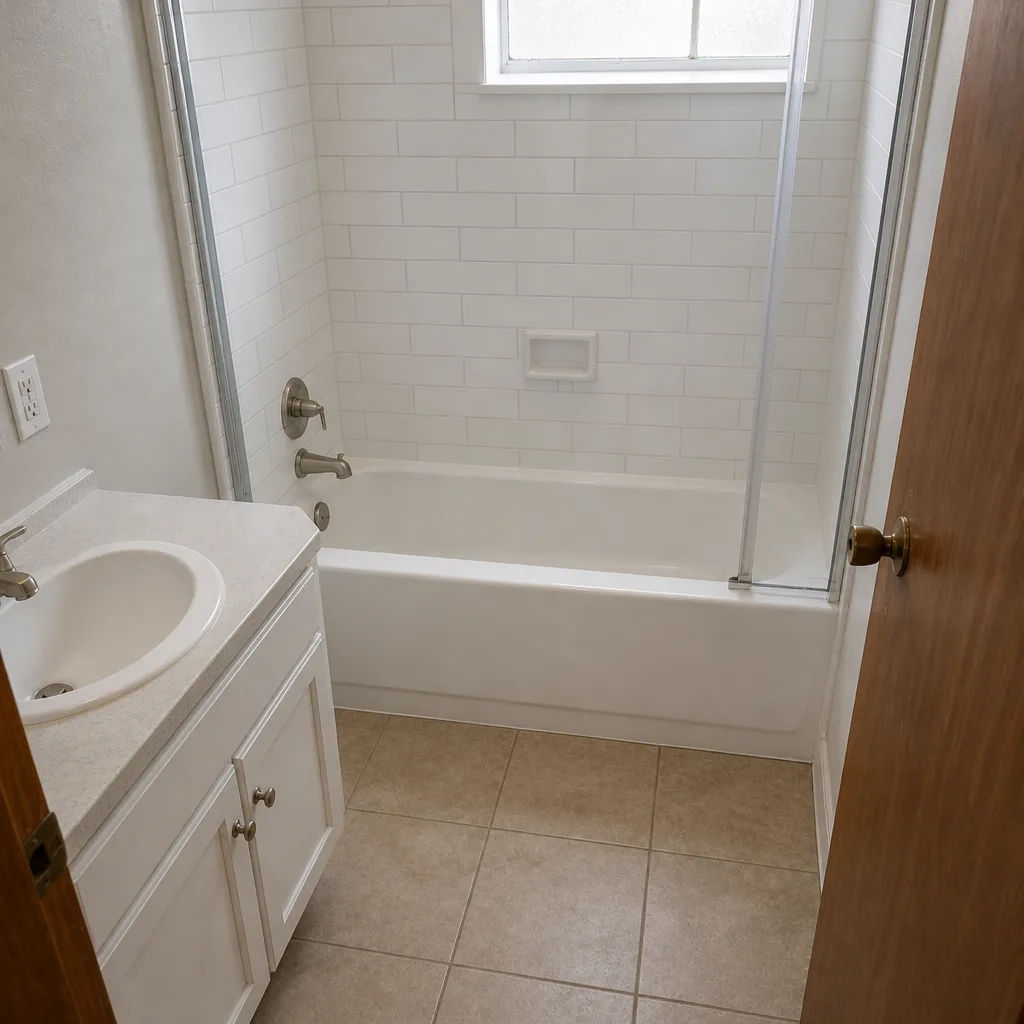 After
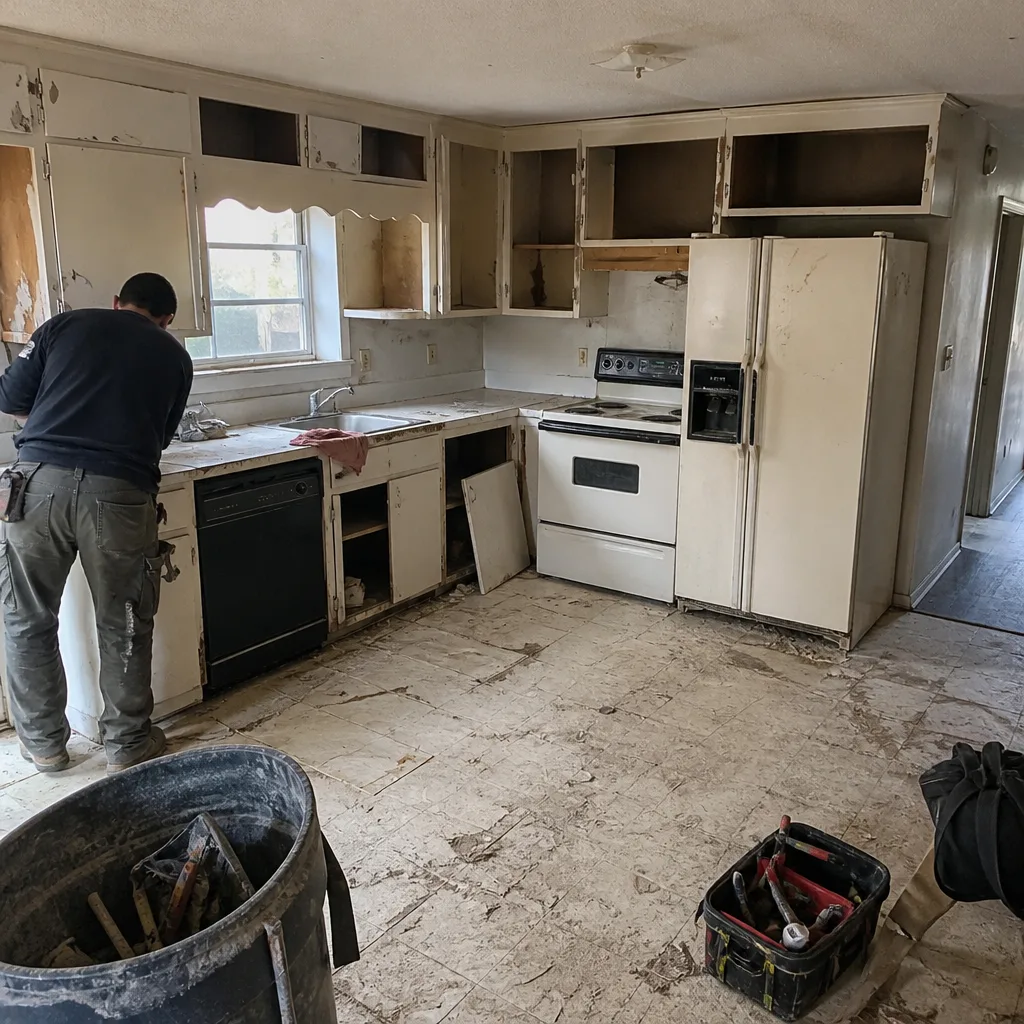 Before
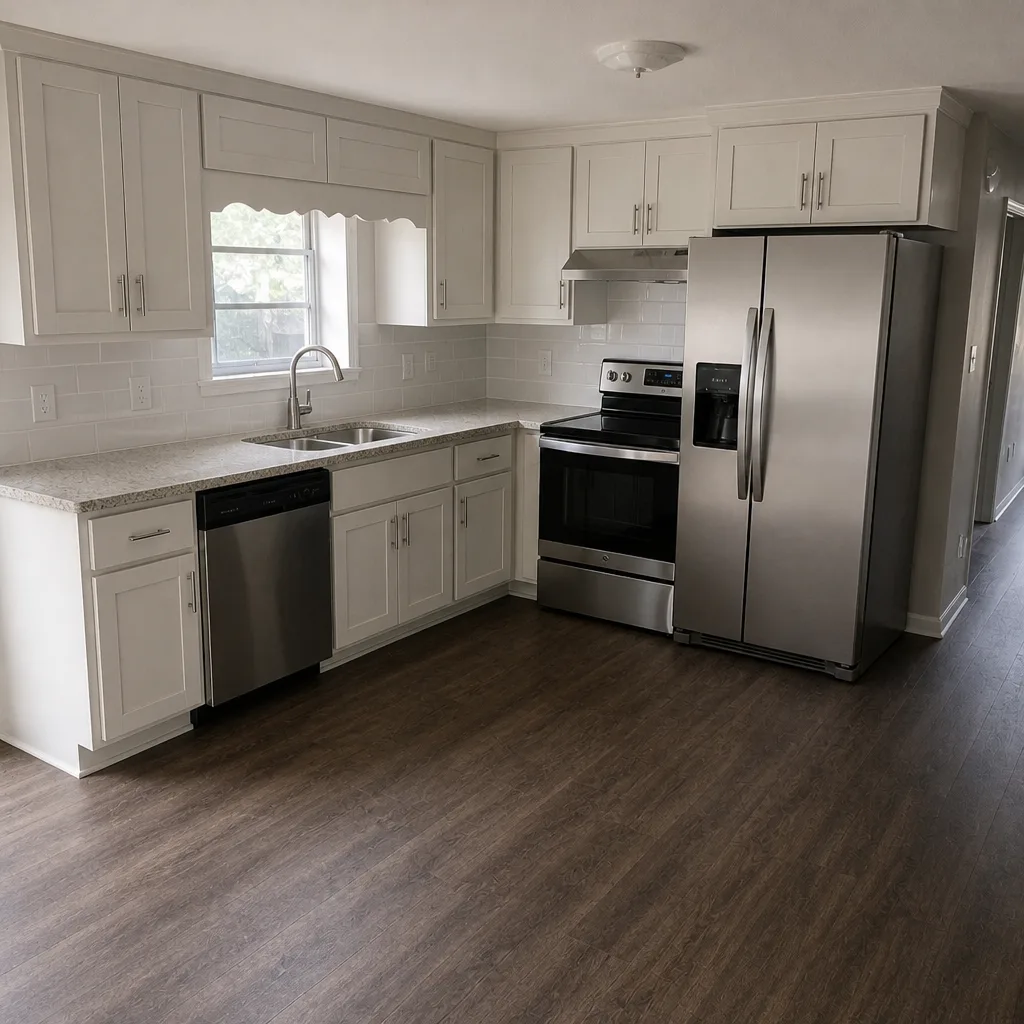 After
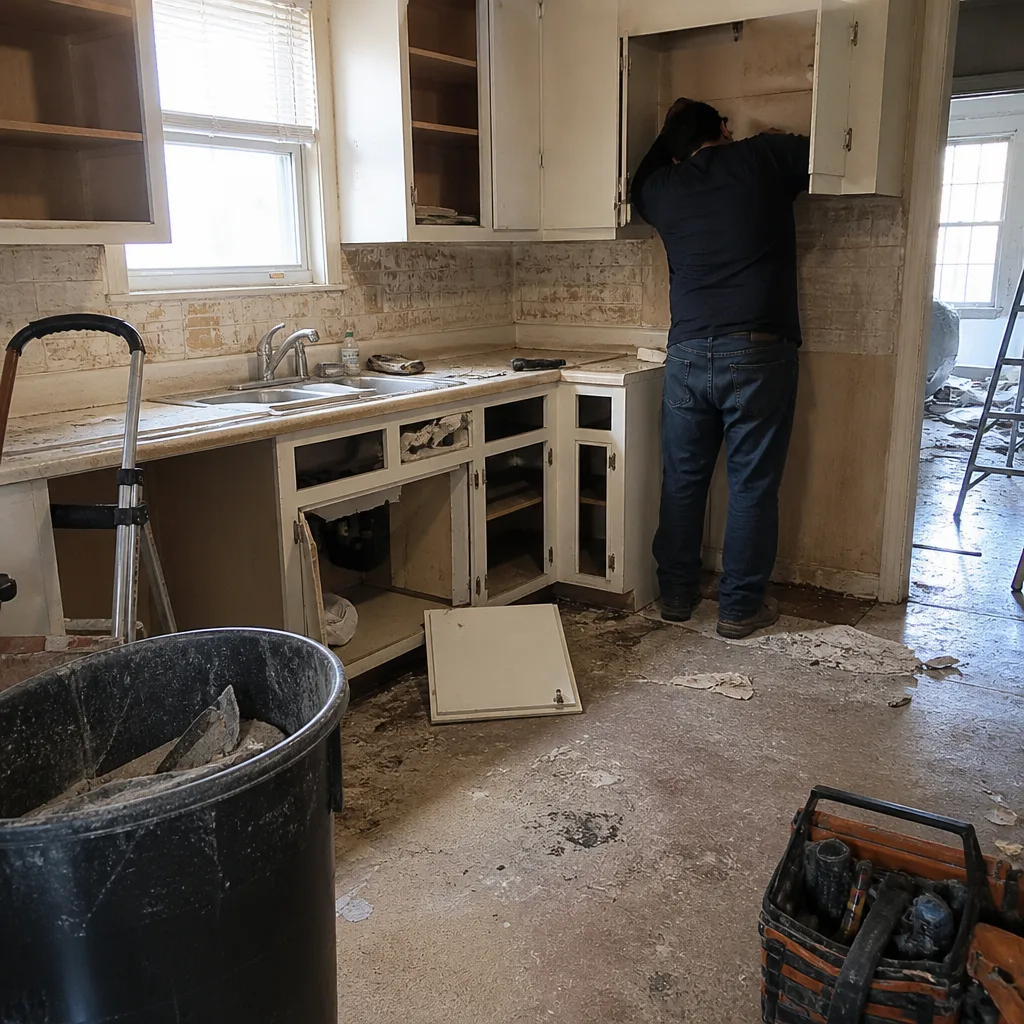 Before
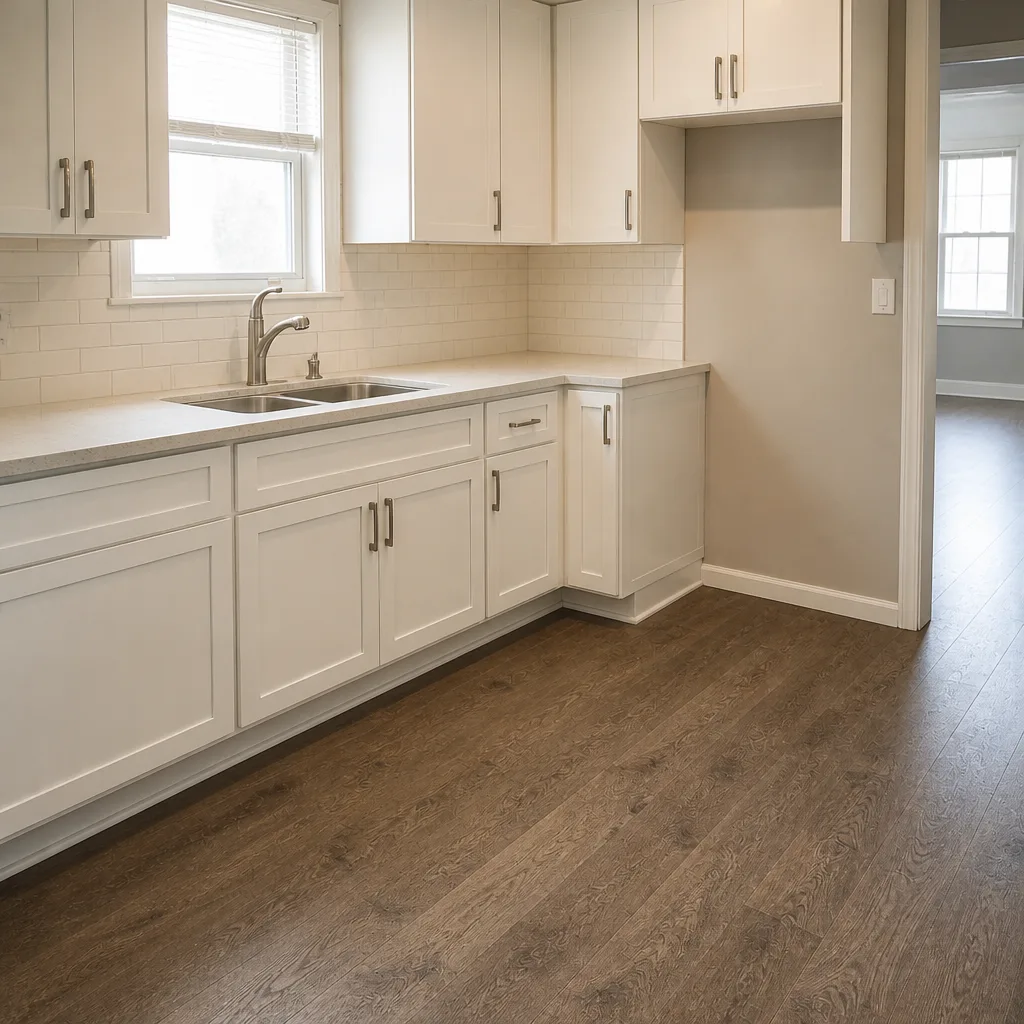 After
Quartz vs Granite Countertops in Fort Worth: Which Should You Choose?
Choose quartz unless you want a one-of-a-kind natural slab and your slab foundation has no movement history. In Fort Worth’s black clay soil, engineered quartz handles the flex stress that seasonal soil movement puts on island and peninsula overhangs more predictably than granite, whose natural micro-fissures can widen into visible cracks over time. If your home has documented foundation movement, quartz is the lower-risk pick. On a stable slab, the decision is genuinely aesthetic and budget-driven. Want a straight answer for your kitchen? Call Groundwork Construction Co. of Fort Worth at (855) 912-5373 for a free estimate.
Why Fort Worth Foundations Change the Countertop Conversation
Fort Worth foundations move. That’s not a scare tactic – it’s what expansive black clay does through a drought-wet cycle, and it gives your countertop choice a structural dimension the design blogs in Phoenix or Atlanta never mention. When a slab shifts, the framing above it flexes slightly. Overhanging countertop sections, especially at a peninsula or a cantilevered island, carry that movement.
Granite is natural stone with hairline fissures and unsealed pores. Under repeated flex, those fissures can propagate. In our work across east-side mid-century ranches and the newer slab-on-grade builds pushing past Loop 820, we’ve seen granite overhangs develop hairline cracks that track back to foundation movement rather than any impact or misuse. Quartz is engineered with a uniform resin binder throughout, so it tolerates that same flex load more predictably. That’s the performance case, and it’s the one most comparison guides skip.
What to Look For Before You Pick a Material
Ask three questions before you fall in love with a slab.
- Does your home have a movement history? A prior engineering report, visible cracking in existing tile, or sticking doors and windows are all signals. If yes, lean quartz.
- How much overhang will the layout have? Islands and peninsulas with 12 inches or more of unsupported overhang are where flex cracks show up first. Corbel supports or a deeper substrate help.
- Where does the sun hit? Fort Worth kitchens with south- or west-facing windows (common in the sprawling ranch layouts on the east side and in mid-century homes) get direct sun that can discolor quartz resin over time. This is a real limitation of quartz, and it affects specific Cambria patterns differently than others. Darker, heavily veined patterns hide it better than pale solids.
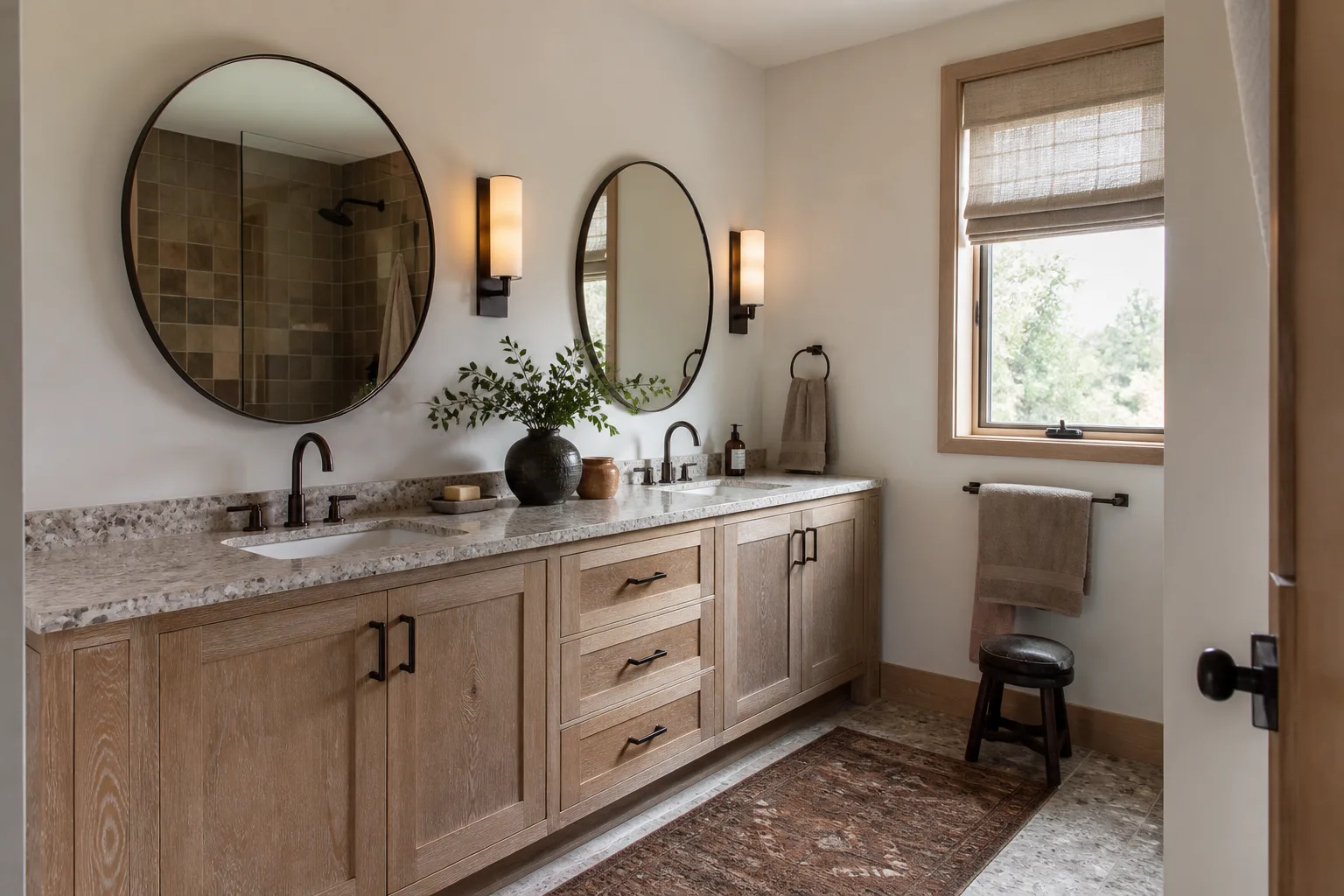
Quartz vs Granite, Side by Side for a Fort Worth Kitchen
| Factor | Quartz (Cambria) | Granite |
|---|---|---|
| Flex-crack resistance | High – uniform resin binder | Lower – natural fissures can propagate |
| UV / sun exposure | Can discolor with years of direct sun | Colorfast |
| Sealing | None required | Annual sealing recommended |
| Material warranty | Full lifetime residential warranty from Cambria | None from the stone itself |
| Pattern consistency | Predictable, repeatable | One-of-a-kind slabs |
We work with Cambria quartz, and the manufacturer’s full lifetime residential warranty is a document the homeowner keeps. Granite carries no equivalent from the stone. That paper matters as much as the look when you’re spending real money on a kitchen.
What Quartz and Granite Actually Cost Installed in Fort Worth
Showroom per-square-foot pricing misleads because it excludes fabrication, edge profile, undermount sink cutout, seam placement, and installation. Here’s what a full installed job runs in Fort Worth:
| Line item | Installed range |
|---|---|
| Countertop installation (overall) | $2,000-$6,500 |
| Backsplash installation | $800-$2,500 |
| Kitchen island installation | $3,000-$10,000 |
| Full kitchen remodel | $14,000-$45,000 |
A Cambria quartz countertop and a comparable granite slab from a DFW fabricator land in the same installed band for most Fort Worth kitchens. The gap widens on large islands with complex edge profiles, where granite’s per-slab variance drives cost up faster. If you’re planning the whole room, see our guide to Kitchen Remodeling for how counters fit the larger budget.
Can You Fix the Choice After the Fact?
No – swapping countertops later means tearing out the old slab and paying for a second full installation. That’s why the flex-crack question is worth answering now rather than after the fact. The decision framework is simple:
- Known foundation movement? Choose quartz.
- Stable slab, big west-facing windows? Weigh granite or a darker quartz pattern.
- Stable slab, no movement, budget-driven? Pick on looks. Both are excellent.
Either way, we stand behind the installed work under our 730-Day Done Right Promise – seam quality, undermount sink adhesion, and the backsplash caulk joint – regardless of material. Built to last, backed in writing. The material warranty is brand-backed; the workmanship is ours.
Why Groundwork for a Fort Worth Countertop Project
Groundwork Construction Co. of Fort Worth treats a countertop as part of a full-scope remodel, not a standalone swap. Our technicians have up to 12 years of experience, and they arrive background-checked and in uniform. Calls are answered by a live person 24/7. Upfront pricing means the number you see is the number you pay, and 0% financing for 18 months plus $1,000 off projects over $10,000 makes a larger remodel easier to shoulder. When you’re ready to compare slabs in person, start with Kitchen Remodeling in Fort Worth.
FAQs
Installed countertop work in Fort Worth typically runs $2,000-$6,500, and a comparable Cambria quartz job and a granite slab from a DFW fabricator land in the same band for most kitchens. The gap widens on large islands with complex edges. Call (855) 912-5373 for an exact quote – estimates are free.
Quartz is the lower-risk choice in a home with known foundation movement. Its uniform resin binder tolerates substrate flex better than natural stone, whose fissures can widen into visible cracks over 5-10 years. If you’ve seen tile cracking or sticking doors, mention it during your estimate.
Quartz can discolor over time with years of direct sun, especially pale solid patterns near south- or west-facing windows. Darker, heavily veined Cambria patterns hold up better. Granite stays colorfast, which is a real point in its favor in bright ranch layouts.
Replacement is usually the only real fix for a structural crack in a countertop – repairs hide the line but do not restore strength. Budget the $2,000-$6,500 installed range rather than a patch. Call (855) 912-5373 to talk through your options – estimates are free.
If you’d rather have it looked at, Groundwork Construction Co. of Fort Worth offers a no-pressure assessment in Fort Worth – call (855) 912-5373 and we’ll help you sort quartz from granite in person.
Written by the team at Groundwork Construction Co. of Fort Worth, serving Fort Worth, TX.