Free written scope consultation - allowances, timeline, and change-order rules on paper before a single trade is scheduled
Styles & brands we work with
- Kitchen remodeling
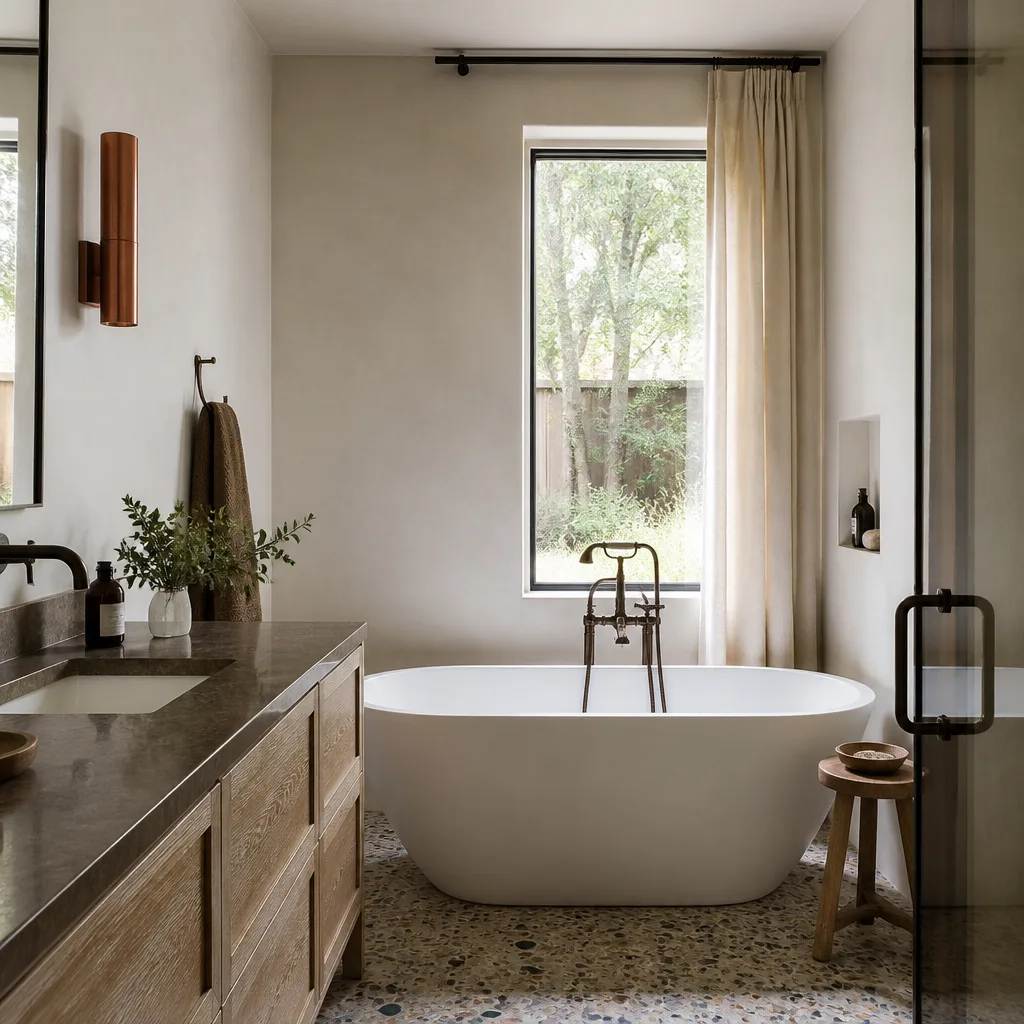
- Bathroom remodeling
- Home additions & ADU
- Roofing
- Windows & doors
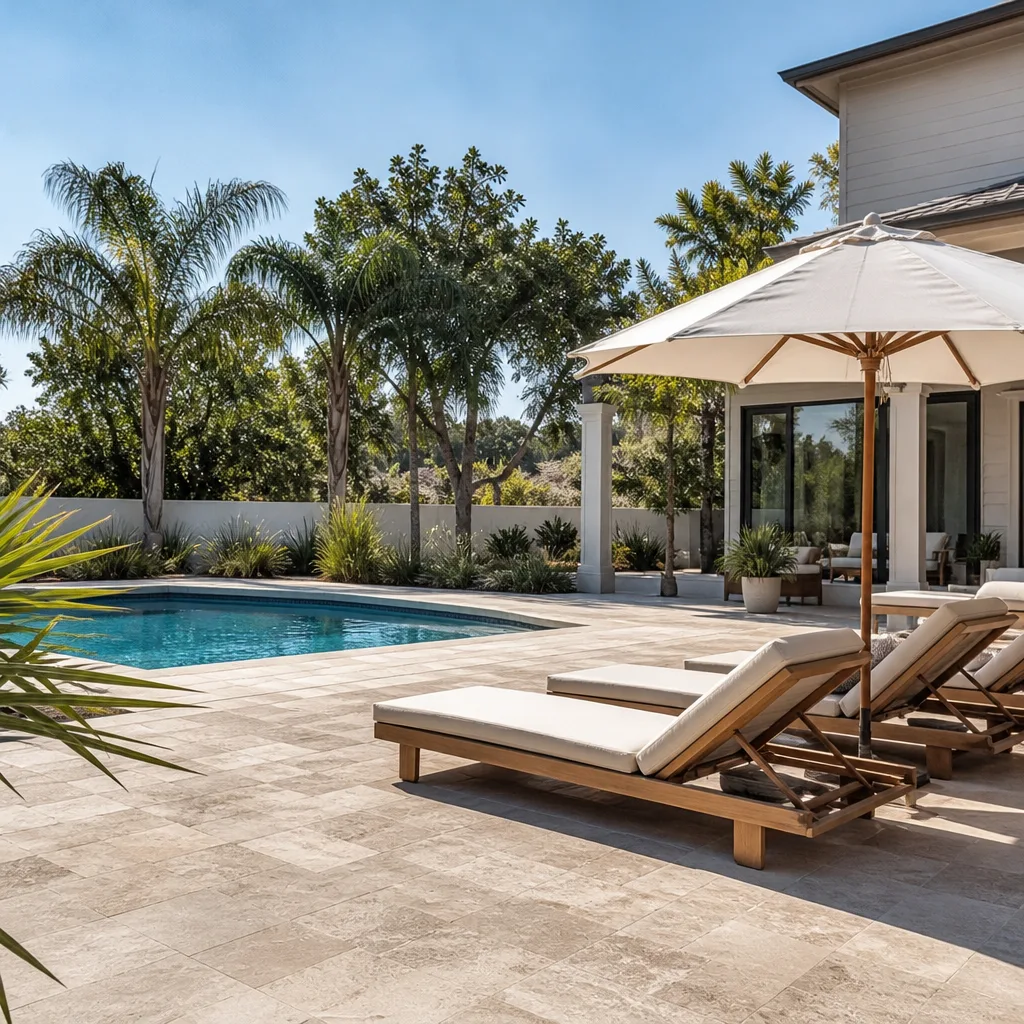
- Driveway & pavers
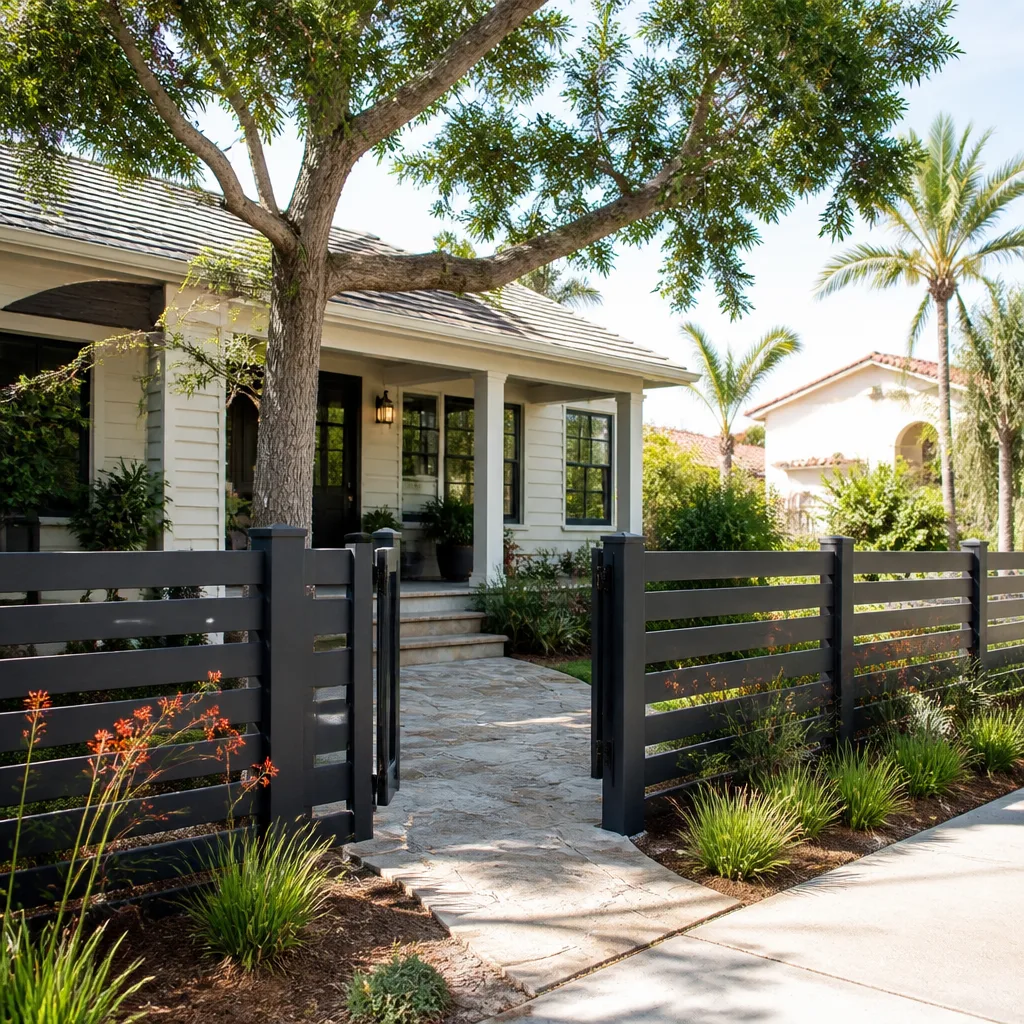
- Fence
See the difference
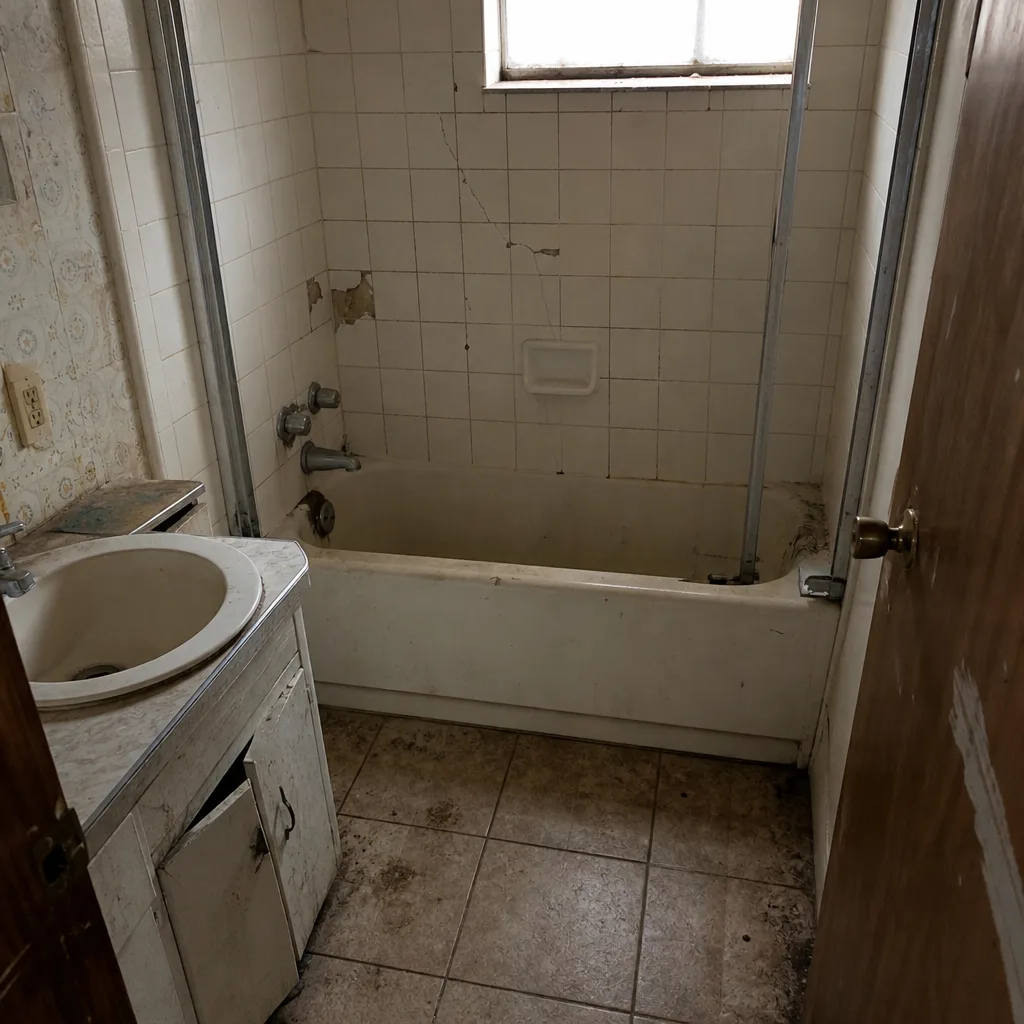 Before
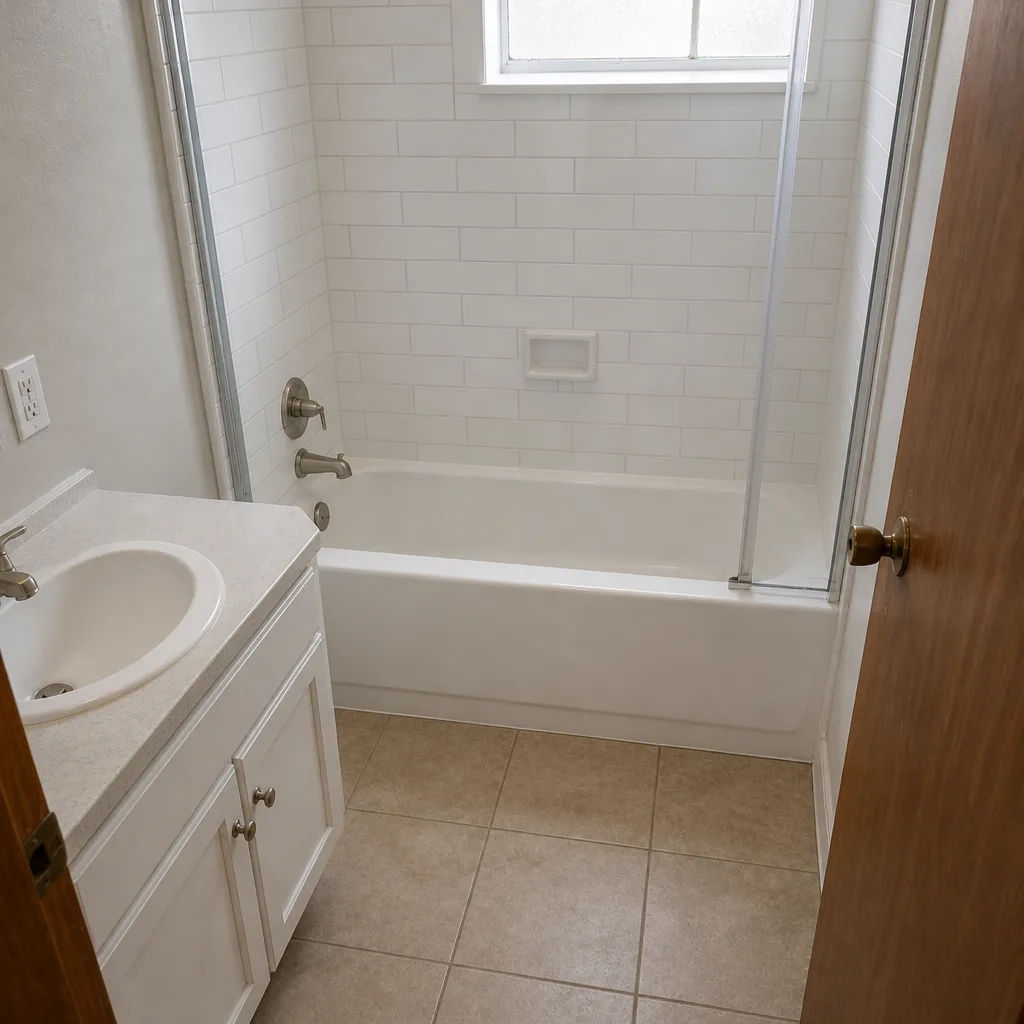 After
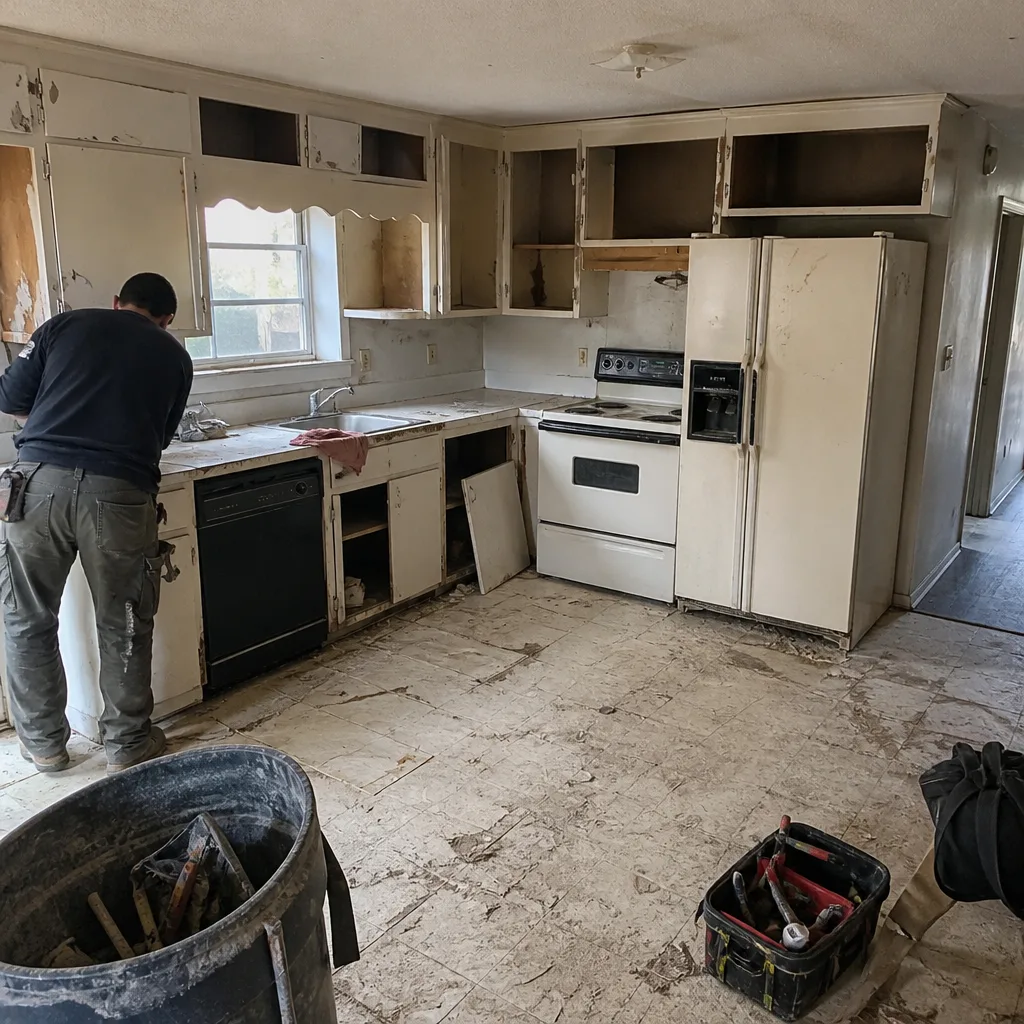 Before
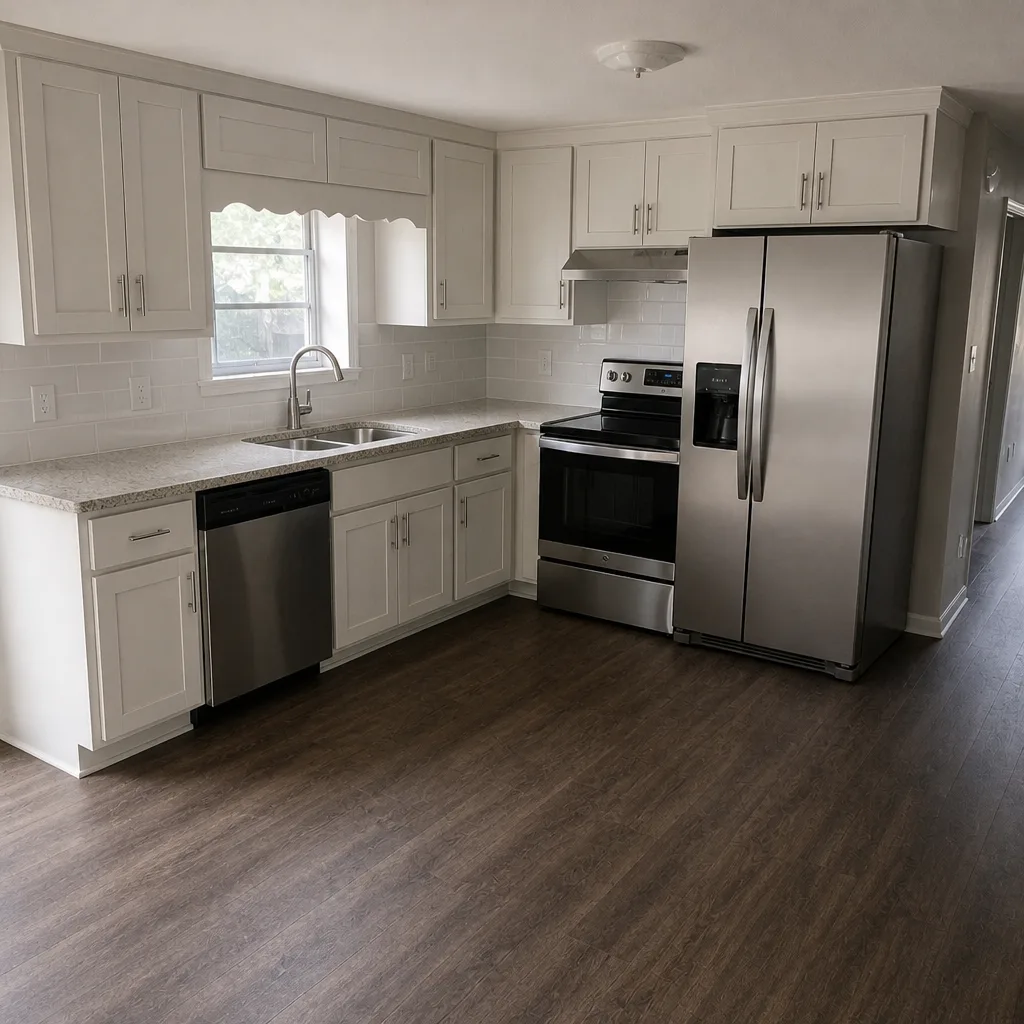 After
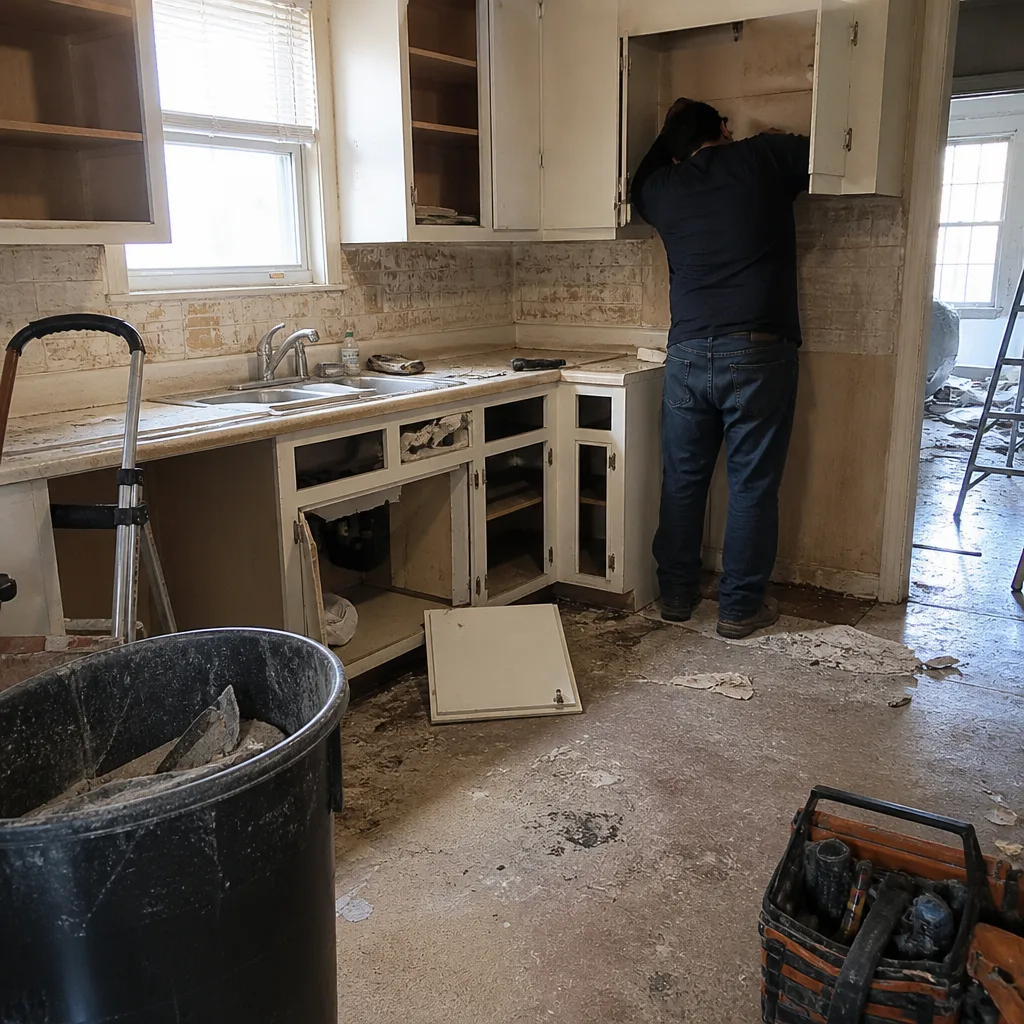 Before
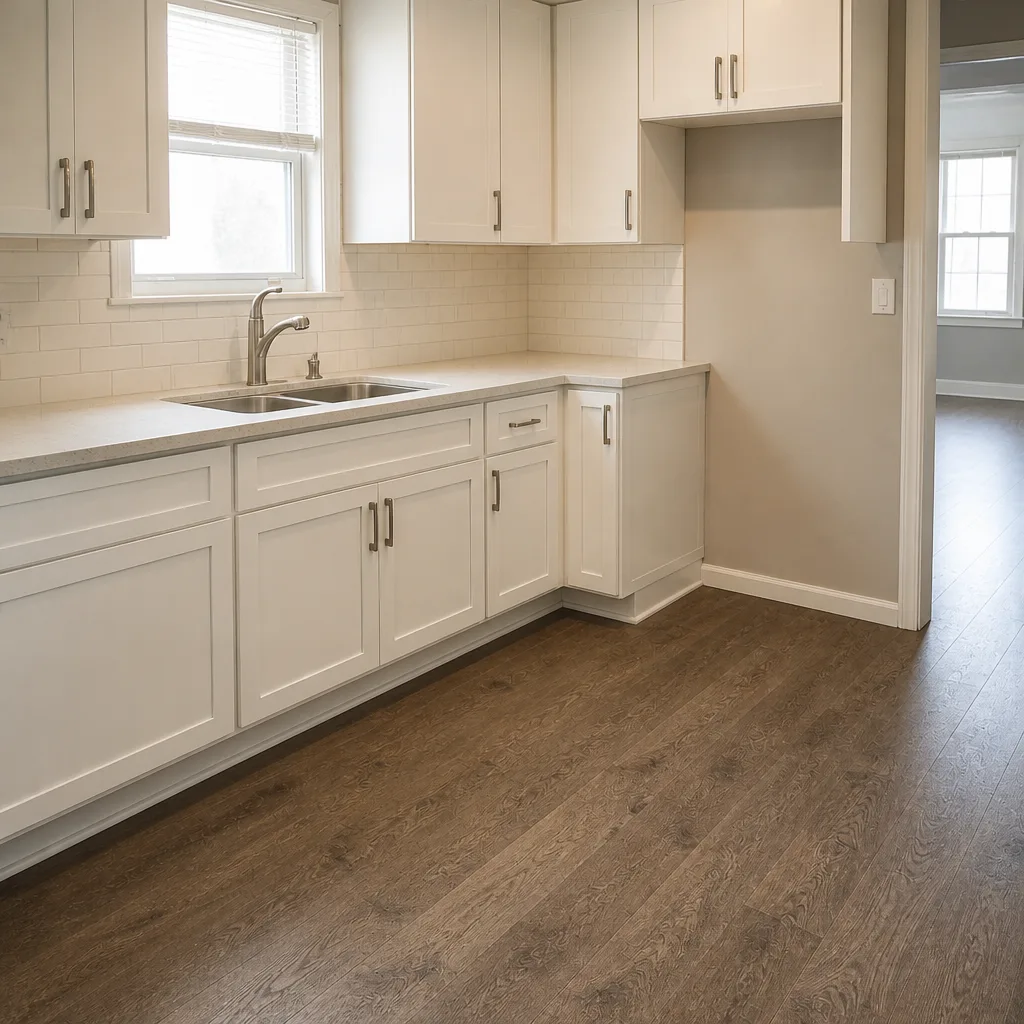 After
Tile vs Vinyl Plank Kitchen Flooring in Fort Worth, TX
Choose commercial-grade luxury vinyl plank on a properly prepped subfloor unless your Fort Worth kitchen sits on pier-and-beam, an engineered-fill slab with no movement history, or you’re willing to pay for tile installed on an uncoupling membrane. That’s the short answer. Fort Worth’s expansive black clay moves seasonally, and rigid tile without a decoupling layer telegraphs that movement straight into grout joints. Vinyl plank flexes with the slab. In most slab-on-grade kitchens from Fairmount to far west Fort Worth, the plank is the lower-risk floor over a 15-year window.
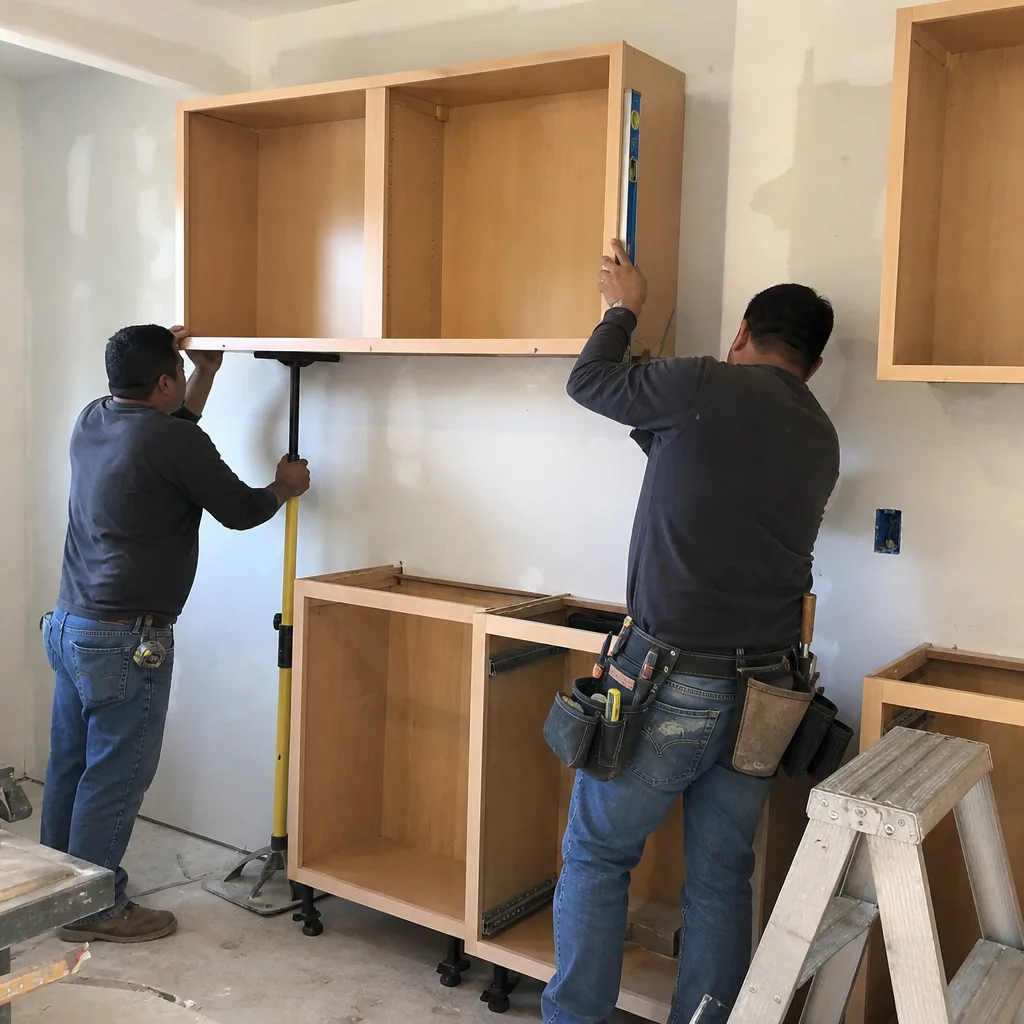
We install both. Call (855) 912-5373 and you’ll reach a live person at any hour, including the weekend you finally decide to gut the kitchen.
Why Does the Fort Worth Clay Soil Break Tile Floors?
The soil under a big share of Fort Worth is montmorillonite clay. It swells when it’s wet and shrinks hard during a July dry spell. Your slab is engineered for that movement (the frost line here is shallow, so foundations aren’t built for freeze depth; they’re built for soil cycling), but the slab still flexes by fractions of an inch across seasons. Tile and grout are nearly rigid. When the slab breathes underneath a rigid mortar bed, the stress lands on the weakest point: a grout joint, a field tile edge, or the perimeter where the tile was butted tight instead of gapped.
You see it as a hairline crack that shows up in March after the winter dry season, or a line of small cracks running perpendicular to an exterior wall. It’s not bad tile and it’s rarely a bad install. It’s a Fort Worth problem, and it’s the single biggest reason tile floors here underperform their rated lifespan. North Texas homes built in the 2000s tract boom along the path toward Alliance and Walsh Ranch show it in volume.
One tell before you commit to tile: walk the kitchen and look at where the grout in your existing floor met the baseboard. If the installer grouted right up to the cabinet toe kick instead of leaving an expansion gap, the floor was already set up to fail.
When Is Tile Still the Right Call in Fort Worth?
Tile wins in specific, definable situations, and we’ll say so plainly. It’s the right move when:
- Your home is pier-and-beam. Fairmount and Ryan Place blocks carry a lot of early-1900s Craftsman and bungalow homes on pier-and-beam foundations. The floor system sits decoupled from the soil and can be re-leveled, so slab micromovement never reaches the tile.
- You’re on a slab with engineered fill and no movement history. Newer custom builds (and some tract construction) have documented engineered fill and a clean foundation report. That outranks a gut feeling.
- You’ll pay for the membrane. An uncoupling membrane like Schluter Ditra absorbs slab flex before it reaches the tile. It’s the difference between tile rated and tile performing.
- You prioritize longevity and resale proof. Porcelain outlasts every resilient floor. Buyers in this market know it, and there’s a real subfloor-prep component that older pier-and-beam decks make unavoidable, which is where tile bids climb.
In an older Fort Worth home, that subfloor prep is the wild card. Uneven pier-and-beam decks get shimmed and leveled before tile; the same leveling work protects a floating vinyl plank from rocking and hollow spots. Either way, prep is where the money lands. We quote it upfront and the number you see is the number you pay.
What’s the Honest Catch With Vinyl Plank in a Texas Kitchen?
Vinyl plank is not a magic material, and a kitchen is a hostile room for it. A south- or west-facing kitchen window can push surface temperature well past 100°F in a Fort Worth August. Standard LVP rated to around 100°F can soften, develop compression ridges, or telegraph the substrate underneath. That’s a selection problem, not a category problem.
Spec matters. For a kitchen, use a commercial-grade plank with a minimum 20-mil wear layer and a manufacturer temp rating that clearly covers Texas summer sun through a window. Cheap builder-grade 6-mil to 12-mil plank belongs in a bedroom, not a kitchen with a wall of west glass. And if the floor goes over a slab-on-grade with any residual moisture, the right underlayment and vapor barrier are non-negotiable; skipping them is how plank gets a musty smell by year three.
Tile vs Vinyl Plank Cost Comparison in Fort Worth
Installed cost, labor and materials, for a 150-square-foot kitchen. These are Fort Worth market numbers, not national averages:
| Floor | Installed Cost (150 sq ft) | Notes |
|---|---|---|
| 12×24 porcelain tile + uncoupling membrane | $1,900-$3,400 | Higher end on older pier-and-beam with leveling |
| Porcelain tile, direct to slab (no membrane) | $1,400-$2,600 | Lower upfront, higher cracking risk on Fort Worth slab |
| Commercial-grade LVP (20-mil+) + underlayment | $1,200-$2,200 | Temp-rated plank, vapor barrier on slab |
| Standard entry-level LVP | $900-$1,600 | Not recommended over a window; 100°F ceiling |
A full Fort Worth kitchen remodeling project lands in the $14,000-$45,000 range, and flooring is usually one line inside that. On larger projects, our $1,000 off projects over $10,000 applies, and 0% financing for 18 months spreads the subfloor-prep cost that surprises most homeowners.
Side-by-Side: Which Floor Fits Your Fort Worth Kitchen?
| Factor | Porcelain Tile | Commercial LVP |
|---|---|---|
| Foundation movement tolerance | Poor on slab, excellent atop membrane | Excellent, flexes with slab |
| Heat under a Texas window | Unaffected | Depends on temp rating, must spec 100°F+ |
| Wear layer / lifespan | 30+ years | 15-20 years for 20-mil |
| Subfloor prep needed | High, corrects uneven decks | Moderate, prevents hollow spots |
| Water and spills | Excellent, grout needs sealing | Excellent if seams are sealed |
Our recommendation in writing, before the first tile is set: on a Fort Worth slab with any history of foundation movement, go vinyl plank with proper subfloor prep. On pier-and-beam or a clean engineered-fill slab, tile on a decoupling membrane is worth the premium. The 730-Day Done Right Promise covers the installation either way. If it’s not done right, we make it right.
This is the kind of call we make on kitchen work across the city, and it’s part of every Kitchen Remodeling plan we build. For the full scope, see Kitchen Remodeling in Fort Worth. If a bathroom floor is next, our home page lists the rest of what we do.
Common Fort Worth Scenarios We See
- A 1940s Ryan Place bungalow on pier-and-beam with a sagging kitchen floor. We level the deck, then 12×24 porcelain works beautifully.
- A 2005 build near Alliance on slab with a hairline grout crack already running through the old kitchen tile. We spec 20-mil LVP and skip the risk.
- A Fairmount house with a west-facing kitchen window. Standard LVP would ridge in August; we match a temp-rated plank instead.
- A Stockyards-area porch rebuild stalled in district review. Same lesson applies indoors: permits and overlays here move slower than a new subdivision.
FAQs
Vinyl plank is generally the safer pick for Fort Worth slab-on-grade kitchens because it flexes with the clay-soil foundation movement that cracks rigid tile. Tile is better when your home is pier-and-beam or on a clean engineered-fill slab and you install it over an uncoupling membrane. Either floor is covered by the 730-Day Done Right Promise when we install it. Call us for a no-pressure assessment.
For a 150-square-foot kitchen, tile with an uncoupling membrane runs $1,900-$3,400 installed, while commercial-grade LVP runs $1,200-$2,200. Standard entry-level plank is cheaper at $900-$1,600 but often can’t handle a south-facing Texas kitchen window. Call us for an exact quote, and estimates are free.
Yes, but the prep and material choice change. On a slab with visible cracking, we inspect before recommending tile; usually we steer toward plank or tile over a decoupling membrane. We document the condition and put our recommendation in writing. Call to book an assessment.
We schedule assessments within days, and calls are answered by a live person at any hour. Our technicians have up to 12 years of experience and arrive uniformed and background-checked. For a fast start, call (855) 912-5373.
Get a No-Pressure Flooring Assessment in Fort Worth
If you’d rather have it looked at, Groundwork Construction Co. of Fort Worth offers a no-pressure assessment in Fort Worth. We’ll inspect the slab or pier-and-beam deck, spec the right material, and hand you the number upfront. Estimates are free, and the 730-Day Done Right Promise backs the work. Call (855) 912-5373.
Written by the team at Groundwork Construction Co. of Fort Worth, serving Fort Worth, TX.