



Free written scope consultation - allowances, timeline, and change-order rules on paper before a single trade is scheduled
Styles & brands we work with
- Kitchen remodeling
- Bathroom remodeling
- Home additions & ADU
- Roofing
- Windows & doors
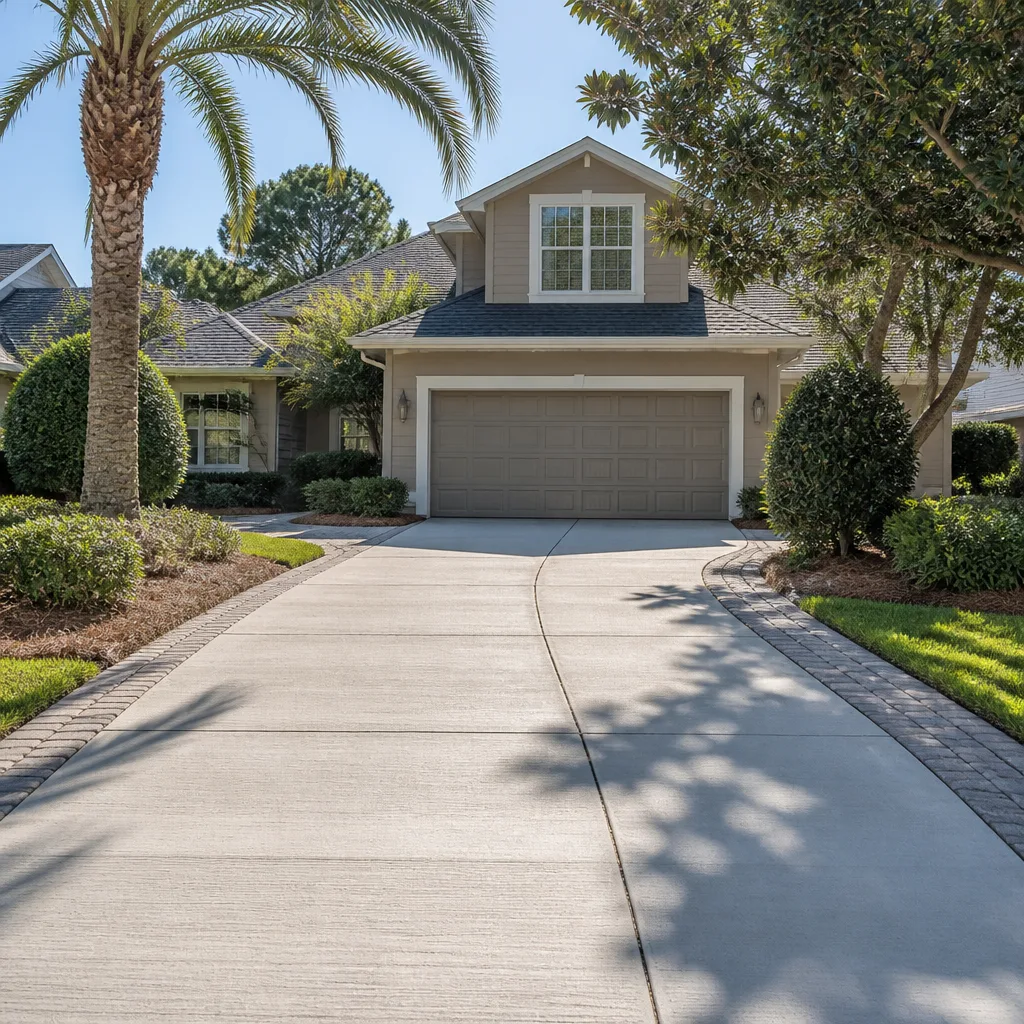
- Driveway & pavers
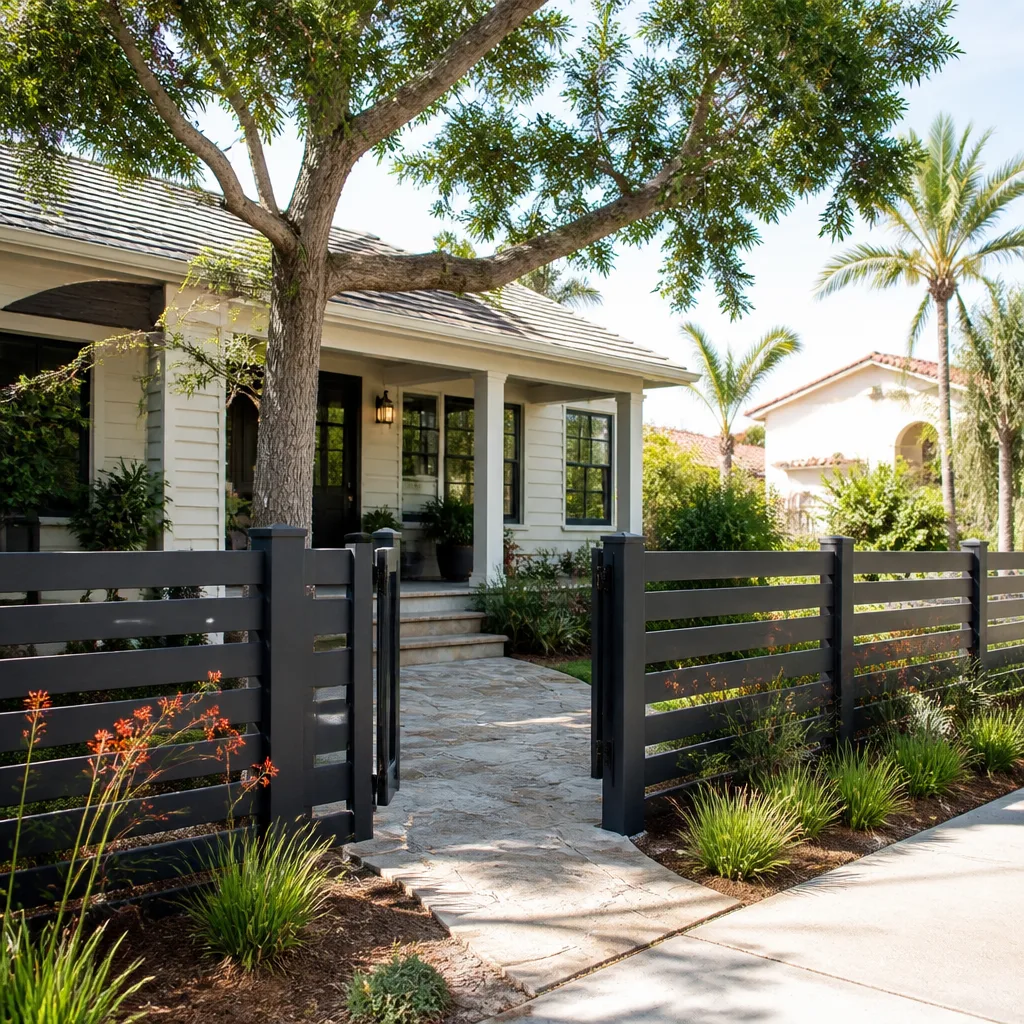
- Fence
See the difference
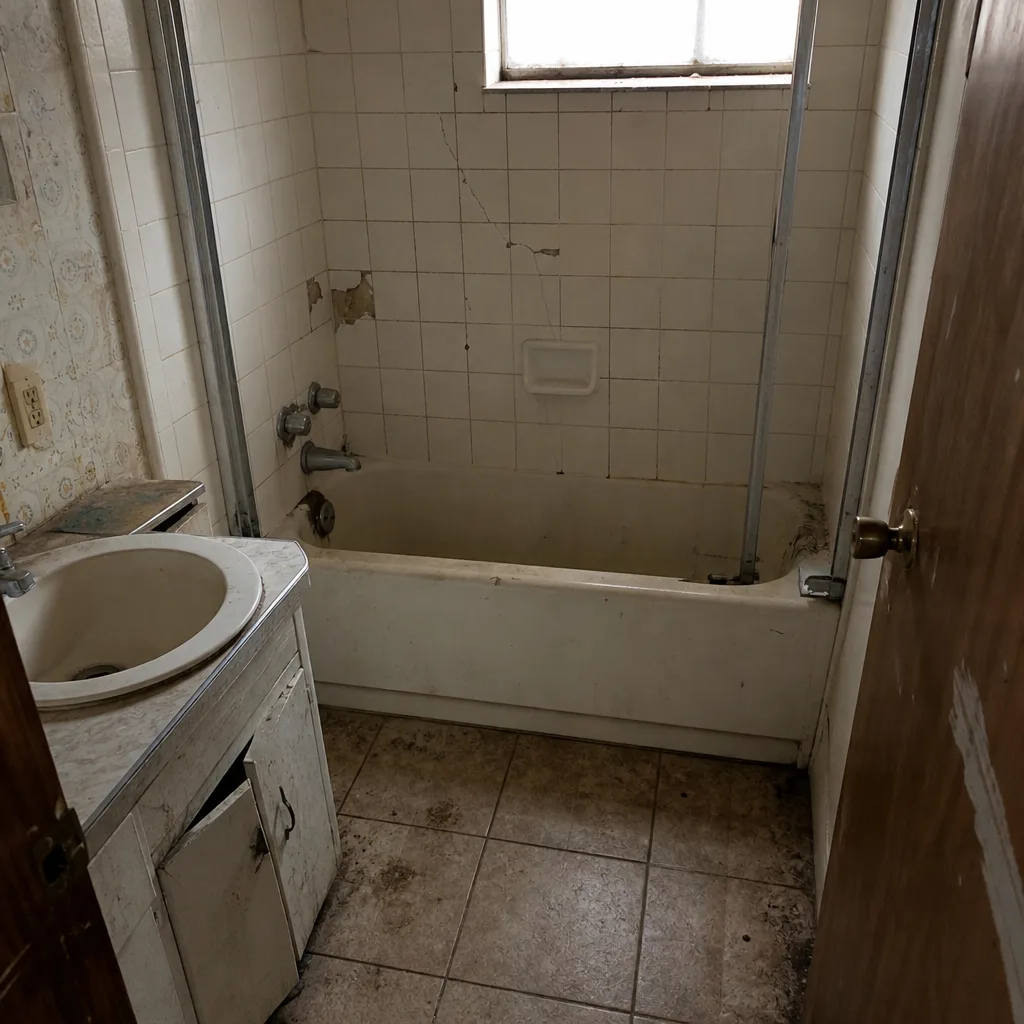 Before
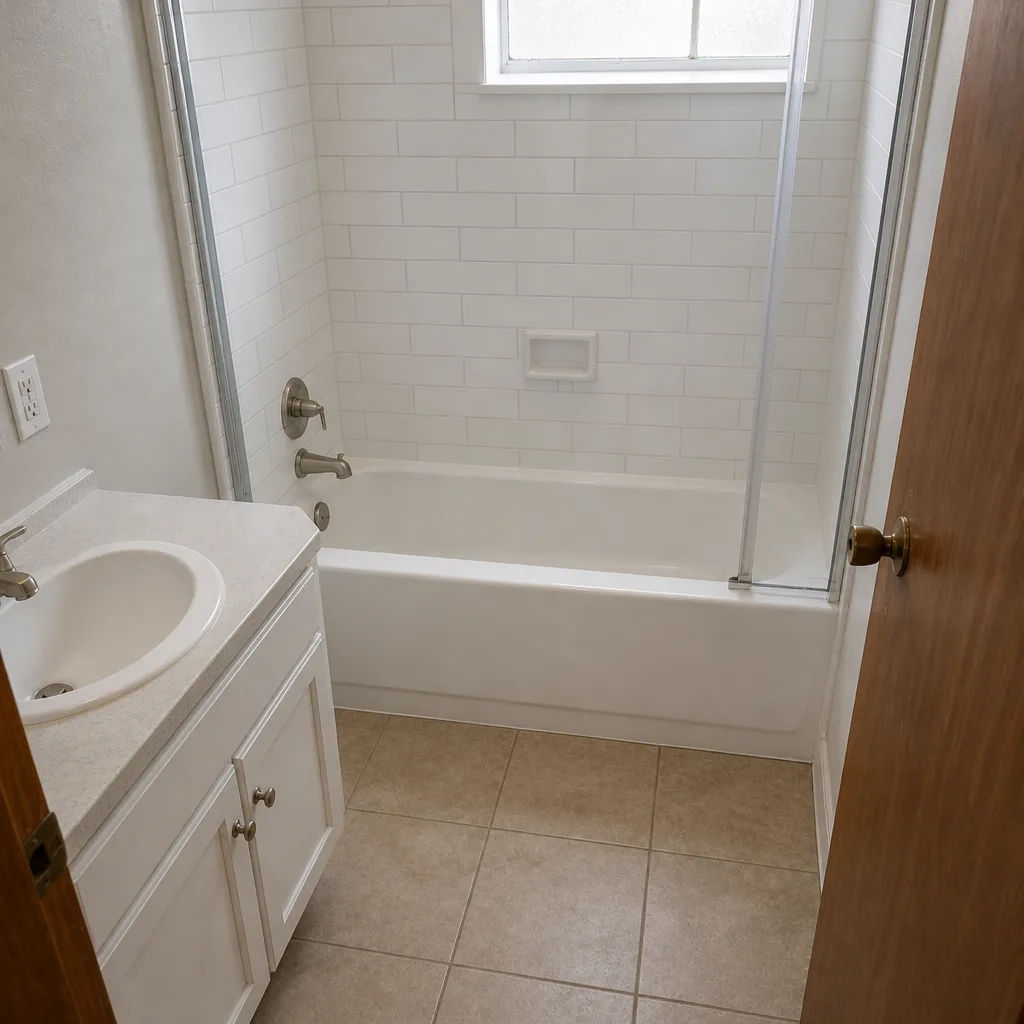 After
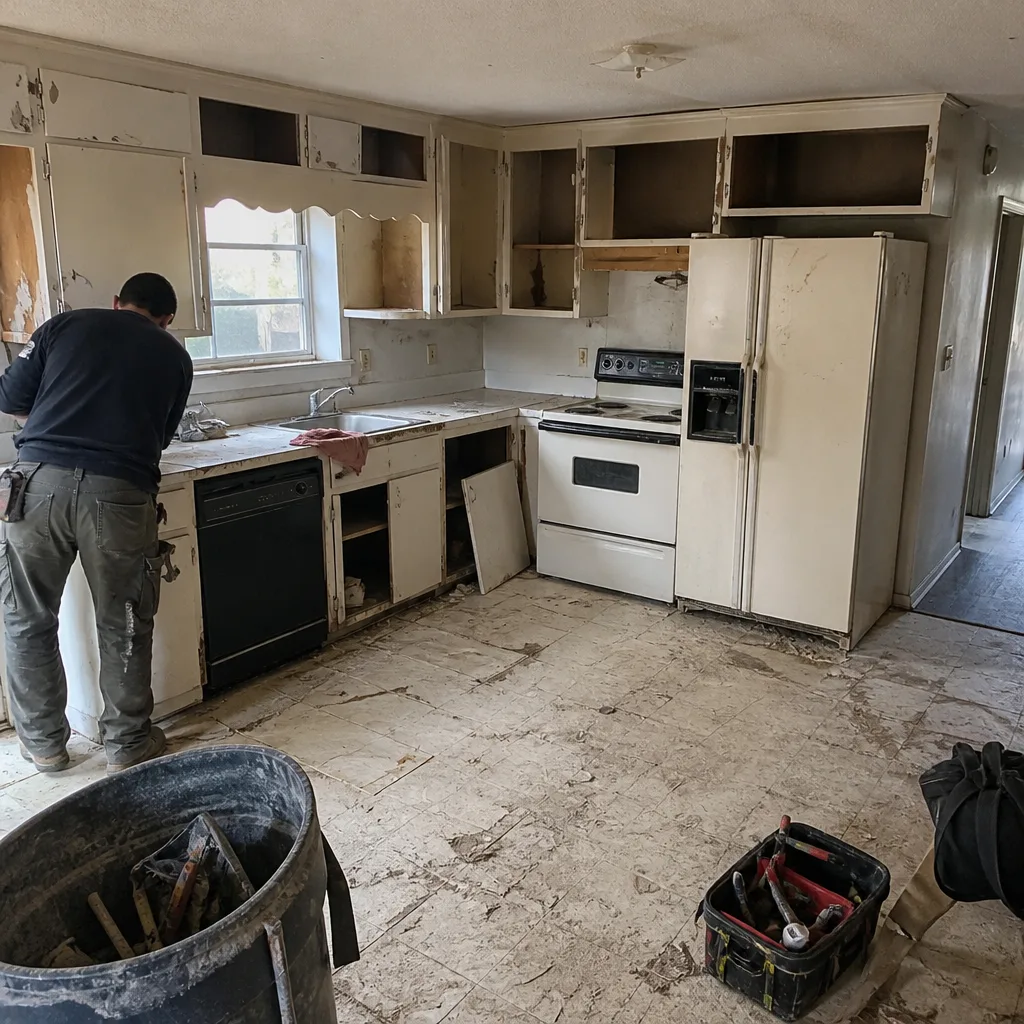 Before
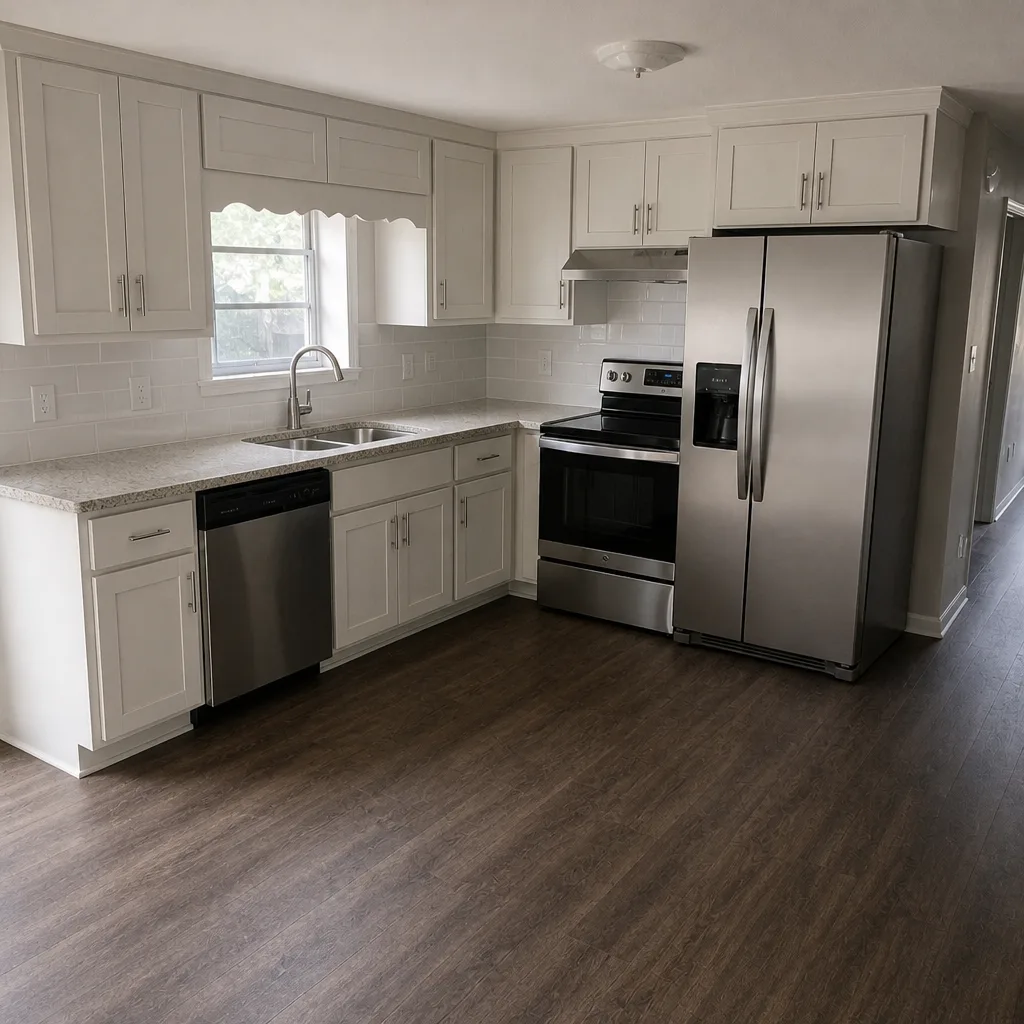 After
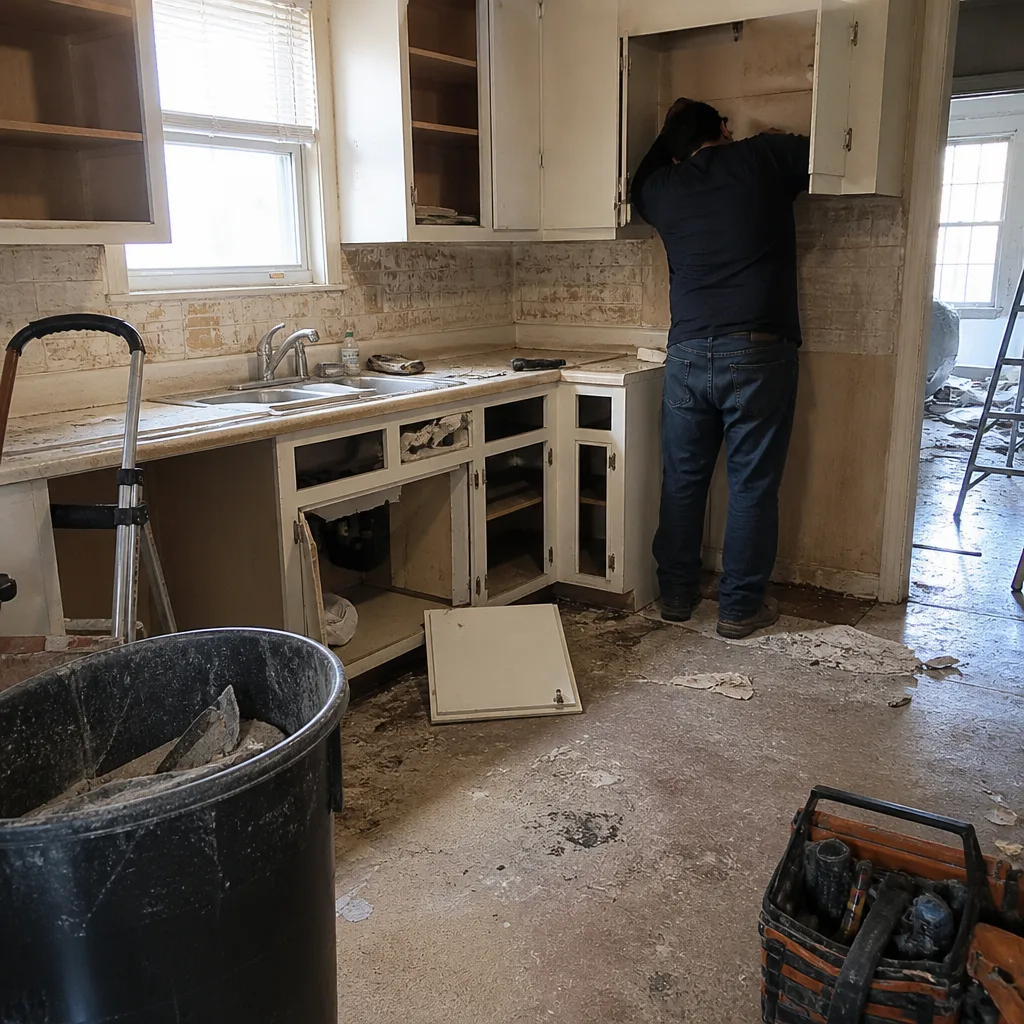 Before
 After
How to Fix a Leaning Fence Post in Fort Worth, TX
The short answer: fix it by breaking the clay grip around the base, not by repacking concrete against it. If your post started leaning after last summer’s dry stretch and then “came back” a little after spring rains, that’s not settling. That’s Fort Worth black clay doing exactly what it does, and a bag of Quikrete packed into the old hole won’t stop the next cycle. A lasting repair moves the post out of the moisture swing and gives water somewhere to go besides the concrete collar. If you want it assessed properly, call (855) 912-5373.
Why Fort Worth Posts Lean in the First Place
Most guides treat a leaning post as a hardware problem. Add a brace, tamp the soil, pour more concrete. In Fort Worth that approach buys you maybe one season.
The culprit is the region’s expansive black clay, and it works in cycles. Through July and August, that clay shrinks and cracks, and the soil pulls away from the post. Then the fall and spring rains hit, the clay swells, and the base pushes. A post set in a straight concrete cylinder has nothing to resist either direction. So it rocks. Come October it’s leaning again, and you’re back where you started.
This is why we separate two very different problems before we touch a post:
- One-time settling – a post that leaned shortly after install and has stayed put since. The soil found its position. Usually a straightforward reset.
- A repeating pattern – a post that moves with the seasons, or that you’ve already re-set once. This is a soil and drainage issue wearing a fence-post costume, and the fix has to address it that way.
Fixing the post without fixing the pattern just sets you up to fix it again.
The Diagnostic Step Most Guides Skip
Before you dig anything, walk the run. Look down the line of fence and check which posts are leaning and which aren’t.
If one post is off but its neighbors are plumb, you have an isolated failure – a bad install, a rotting base, a broken concrete collar. Standard repair.
If two or more posts in a run lean the same direction, that’s not a fence problem anymore. That’s a soil zone. The clay under that stretch is moving as a unit, or water is channeling through it from a downspout, a grade change, or a neighbor’s drainage. Replacing one post does nothing when the whole zone is moving. This single check tells you whether you’re spending $400 or $4,000, and it’s the step that saves people from wasting a weekend on the wrong fix.

When to Stop DIYing and Call Someone
Two thresholds decide it for most homeowners.
- More than 20% of posts in a run are affected. That points to a systemic soil or drainage issue. Resetting individual posts is throwing money at a pattern that will keep repeating.
- The fence sits on a shared property line. A property-line fence is a shared asset. A background-checked professional keeps the repair clean on both sides, documents the work, and protects a good relationship with a neighbor who owns half of that structure too.
There’s also the safety and skill question. A properly excavated, properly flared post base is heavy work in Fort Worth summer heat, and getting it wrong means doing it again. The technicians behind Groundwork Construction Co. of Fort Worth carry up to 12 years of experience, and they work on fences constantly in this soil. Our Fence Installation comes with the 730-Day Done Right Promise, so if a post we set starts moving again, we make it right.
What a Fort Worth Repair Actually Costs
Here’s the line-item picture, based on what we see in the Fort Worth market. Exact pricing depends on access, post count, and whether drainage work is needed.
| Repair type | Typical Fort Worth range |
|---|---|
| Single post reset (isolated) | $150 – $400 |
| Multiple post resets (3-5 posts) | $600 – $1,400 |
| Excavation, flared base, gravel collar per post | $250 – $500 |
| Post replacement with new post | $200 – $600 |
| Full fence installation (reference) | $3,500 – $9,000 |
| Drainage correction (French drain, regrade) | $1,200 – $3,500 |
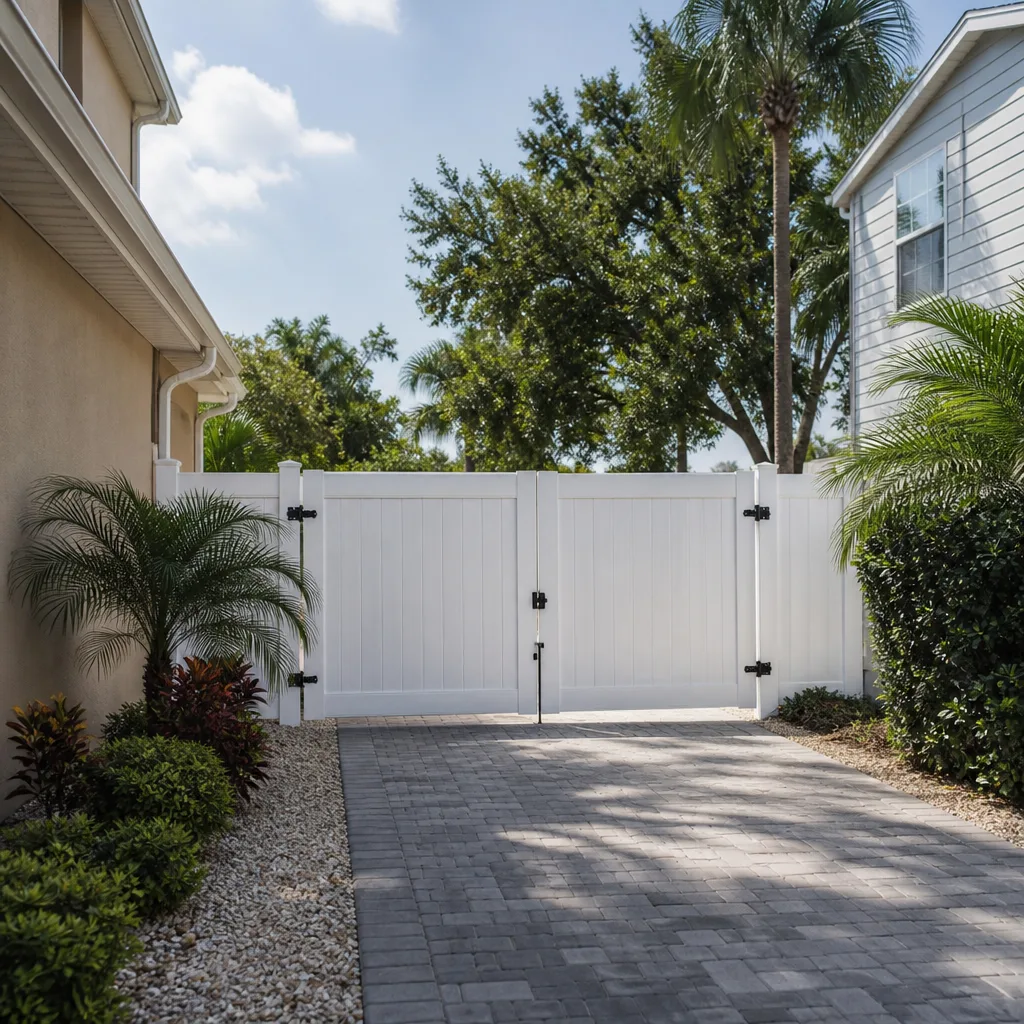
At a full run replacement level, the numbers start approaching new fence territory. For a vinyl run at $3,500-$9,000, you should know where repair ends and replacement begins before you commit. Our Fence Installation in Fort Worth page lays out the full range.
How We Repair Posts in Fort Worth Clay
The method matters more than the materials. Here’s the sequence that actually holds in North Texas soil.
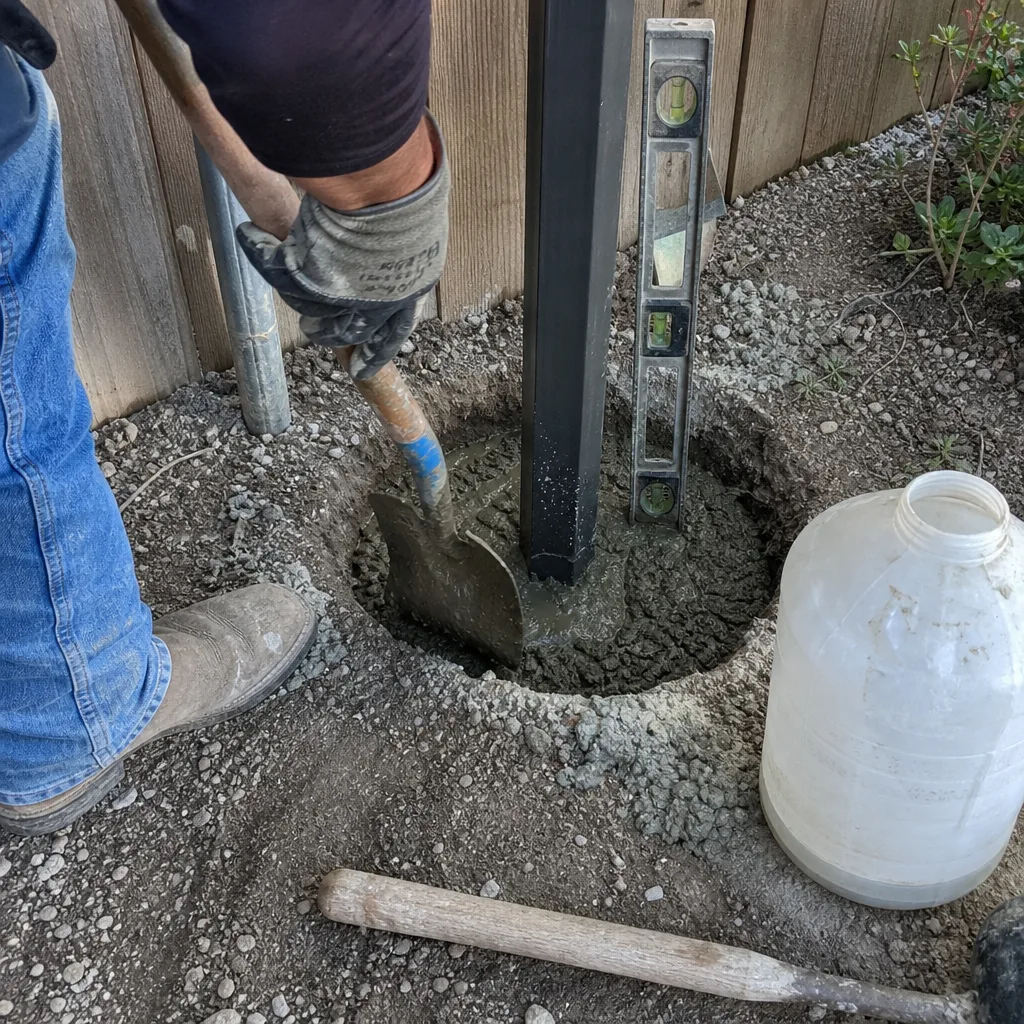
Excavate 6 to 8 inches wider than the original hole. This is the step that breaks the clay’s grip on the old collar. If you cut the hole the same size, the concrete goes back against the same moving wall and the cycle just repeats.
Set a flared post base, not a straight cylinder. A flare at the bottom of the concrete gives the clay something to lock against from both directions. A straight tube wants to slide during the swell.
Add a gravel collar at the surface. Pack 2 to 3 inches of coarse gravel around the base, above the concrete and just under grade. That collar channels surface water away from the post instead of letting the clay drink it right at the collar. It’s the moisture-management piece that separates a patch from a repair.
Check the grade before you backfill. If the soil around the post funnels water toward it, no amount of good concrete solves the problem. This is where a lot of DIY repairs quietly fail.
Most single-post repairs are completed in a single visit. Multi-post resets that need drainage correction run longer, and we’ll tell you which one you’re looking at up front. No-hassle upfront pricing, the number you see is the number you pay.
The Historic-District Detail Nobody Mentions
If you’re in Fairmount, Ryan Place, or near the Stockyards, stop and check before you dig. Those neighborhoods carry design-review overlays. A structural repair to the fence near the ground – new footings, new posts, changes to the fence’s footprint – can require a permit check if the original fence was part of an approved historic-district submission.
This is the detail zero DIY guides bother to mention, and it’s the one that can turn a weekend project into a stalled review. Fort Worth is a two-speed town: historic-district renovation on one permit, greenfield framing on the other, and what flies in a new Alliance subdivision won’t pass on a 1920s bungalow block. If your fence is in an overlay district, confirm the requirements before the shovel comes out.
Frequently Asked Questions
A single isolated post reset in Fort Worth typically runs $150-$400, while a multi-post repair with proper excavation and a gravel collar runs $600-$1,400. If drainage correction is needed, add $1,200-$3,500. Call (855) 912-5373 for an exact quote – estimates are free.
No, and it’s the reason most DIY post fixes fail within a season. Pouring new concrete against the old collar with the same straight shape gives the clay nothing new to grip, so the post rocks again after the next shrink-swell cycle. The base has to be excavated wider and set with a flare. Call us if you’d rather not find out the hard way.
Because Fort Worth’s expansive black clay shrinks and cracks in the summer heat, then swells when the rains return, and that cycle pushes and pulls the post base in both directions. It’s the defining soil behavior in North Texas, and posts set in straight concrete cylinders have nothing to resist it. Call (855) 912-5373 for an assessment.
Possibly, if your fence is in an approved historic-district submission and the repair touches the ground, new footings, or the fence footprint. Fort Worth’s design-review overlays can require a permit check even for structural repairs. Confirm with the city before you dig, or call us – we’ll walk you through it.
Get a Straight Answer on Your Leaning Post
If you’d rather have it looked at, Groundwork Construction Co. of Fort Worth offers a no-pressure assessment in Fort Worth. We’ll tell you whether you’re fixing a post or a pattern, what it costs up front, and whether a permit check applies. Call (855) 912-5373 for a free estimate.
Written by the team at Groundwork Construction Co. of Fort Worth, serving Fort Worth, TX.