


Free written scope consultation - allowances, timeline, and change-order rules on paper before a single trade is scheduled
Styles & brands we work with
- Kitchen remodeling
- Bathroom remodeling
- Home additions & ADU
- Roofing
- Windows & doors
- Driveway & pavers
- Fence
See the difference
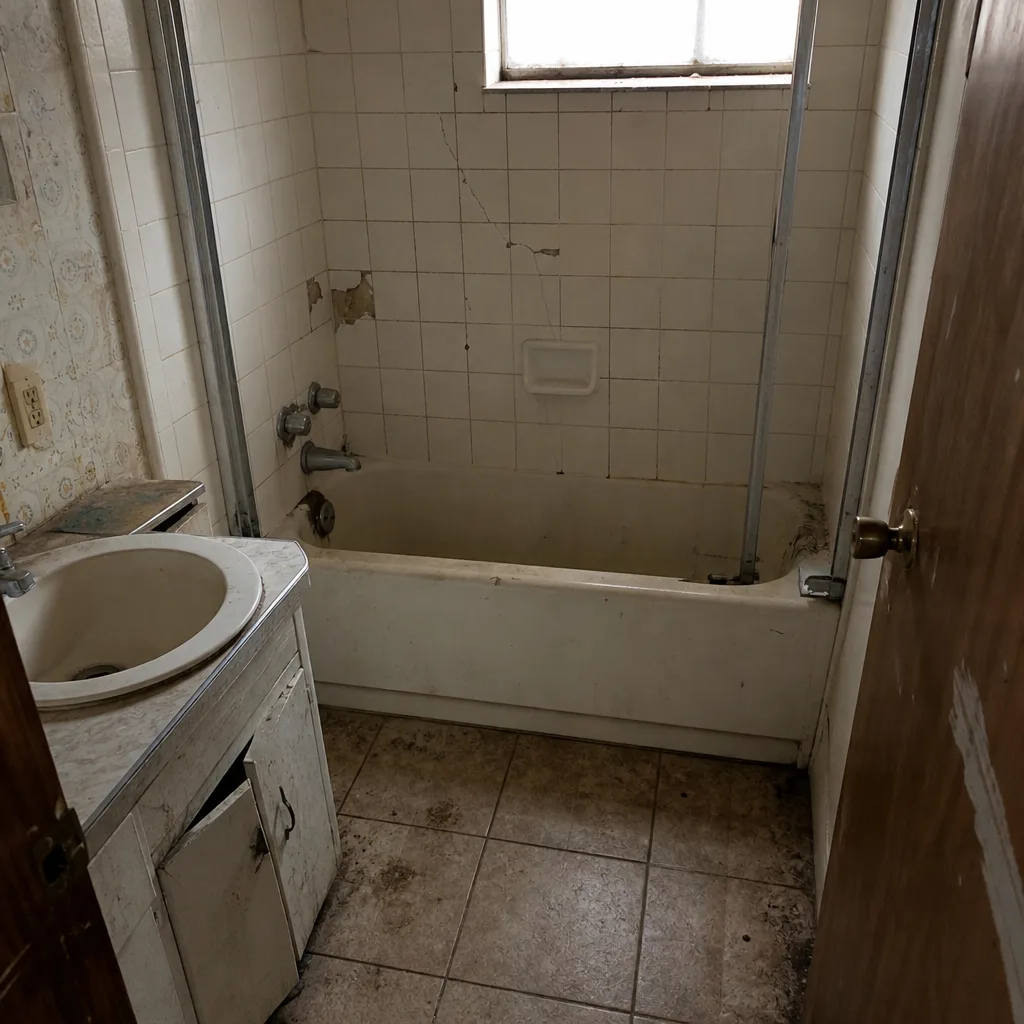 Before
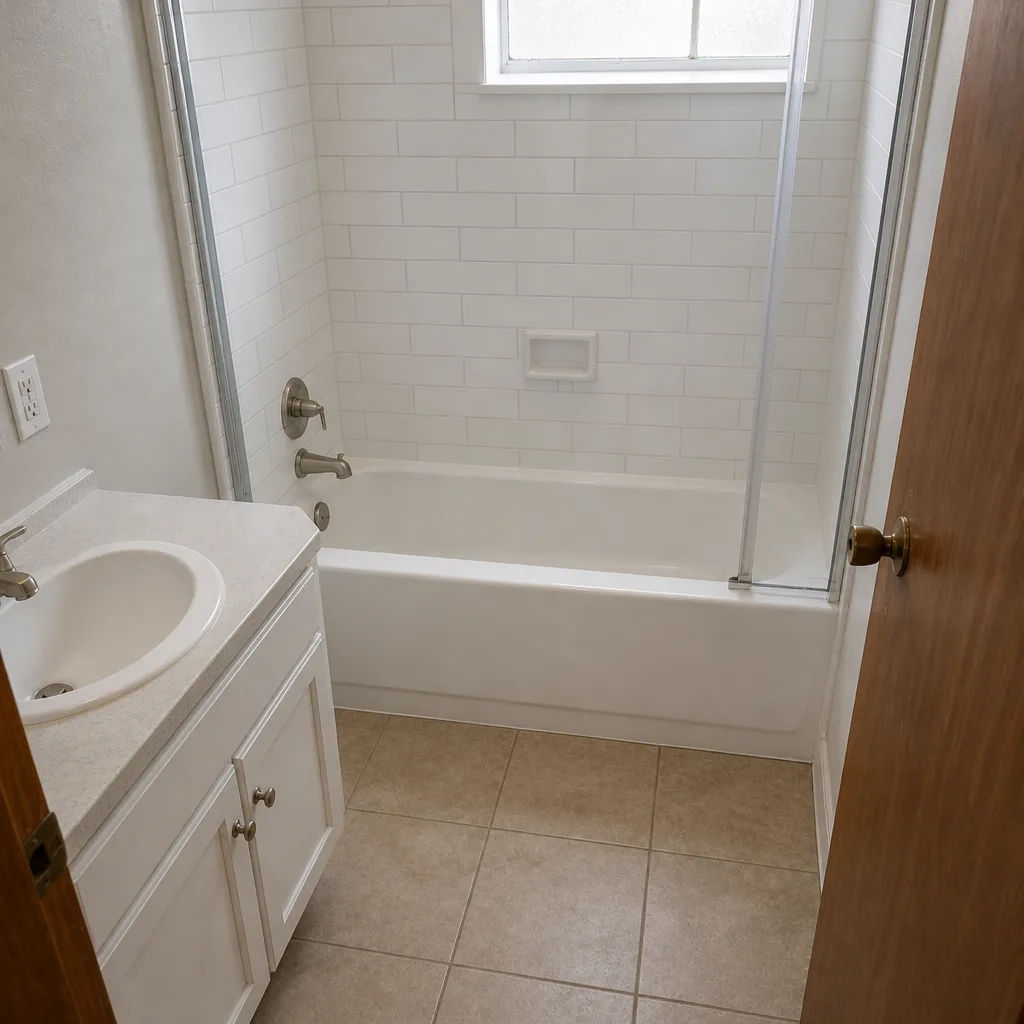 After
 Before
 After
 Before
 After
How Do You Repair a Chain Link Fence in Fort Worth?
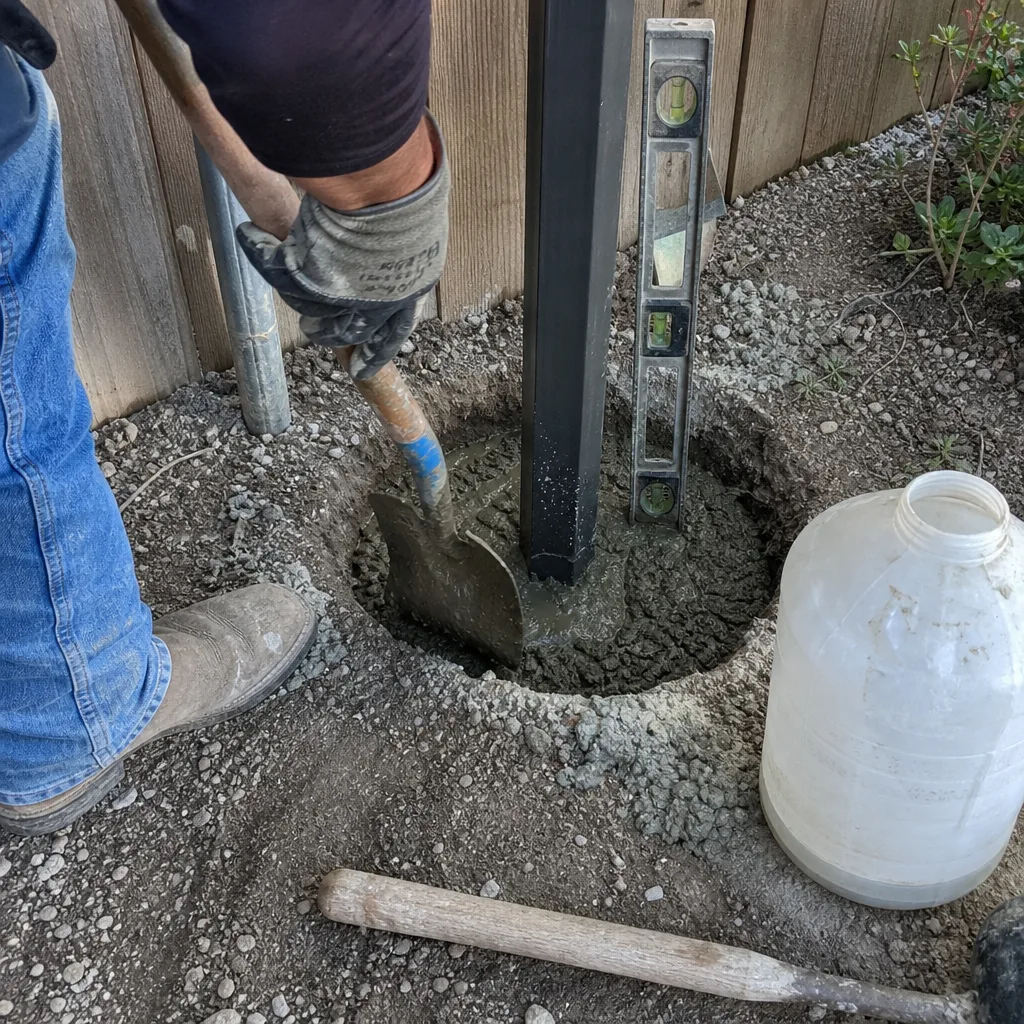
Probe every post at the soil line with a screwdriver before you touch the mesh. If the galvanized coating is gone and the steel is soft, the post is the repair, and patching mesh above a rotting post wastes the whole job. In Fort Worth’s black clay, water sits tight against a chain-link post for weeks after a rain, so by the time the mesh starts to sag, the corrosion at the soil line has usually been working for years. Call (855) 912-5373 if you’d rather have it diagnosed correctly the first time.
Key Takeaways
- The #1 chain-link failure in Fort Worth is post corrosion at the soil line, not the mesh.
- Mismatched gauge (9-gauge vs. the 11-gauge sold at big-box stores) is why budget mesh repairs fail early.
- Sagging at corners and end posts is often a tension-bar or brace-band failure, not a mesh problem.
- Replacing more than 50% of a run can trigger a permit review in some Fort Worth zones.
- If three or more posts are compromised at the soil line, replacement usually beats serial patching.
Why Fort Worth Chain-Link Fences Rot at the Soil Line
Expansive black clay is the culprit. It holds moisture like a sponge, then cracks wide in August and pulls away from the post. Water re-collects in that gap the next rain, and the cycle traps wet earth against galvanized steel for months on end. Up north, where the ground freezes and drains differently, chain-link can last far longer than it does here.
The rust almost always starts an inch below grade, where you can’t see it until the fence leans. That’s the diagnostic most repair guides skip entirely. Before you buy mesh, run a screwdriver down each post at the soil line and press. Solid steel with intact galvanizing? Good, the post is serviceable. Soft, flaking, or the tool sinks in? That post is done, and the mesh tied to it is money thrown at a symptom.
This is why Fort Worth is a two-speed city when it comes to fence work – patching a 1930s stretch behind a bungalow block one week, then framing fresh chain-link on greenfield lots pushing past Loop 820 the next. The old fences were built to different standards, and their posts have had far more time to sit in wet clay.
Match It to Fort Worth’s Gauge Standard, Not the Shelf
Replacement mesh is where a lot of DIY repairs quietly fail. Older east-side neighborhoods and a lot of industrial and commercial stock around Fort Worth were built with 9-gauge chain-link. The mesh on a big-box shelf is usually 11-gauge – lighter, cheaper, and it does not tension the same way. Tie it to a 9-gauge system and the two gauges pull against each other at the tie wires, so the repair starts loosening before the original mesh ever did.
Match the existing gauge before you buy a roll. A quick check with a wire gauge tool on the fence you have saves a second trip and a redo.
When It Looks Like Mesh Failure but Isn’t
Repeated lateral load on corner and end posts does something else entirely. Fort Worth’s spring and fall straight-line wind events hammer those anchors, and over the years the tension bar or brace band works loose. The mesh sags, so homeowners assume the mesh is the problem. Replace the mesh, and a week later it’s sagging again, because the hardware holding it under tension was the real failure.
Check the corners first. If the tension bar is deformed or the brace band has slipped, tighten or replace that hardware before you touch the fabric. This is where a trained eye saves you from replacing perfectly good mesh.
Common Local Scenarios We Run Into
Every neighborhood has its pattern. Here’s what we see most:
- Fairmount and Ryan Place: original posts from decades of metal in wet clay, often 9-gauge, and a historic overlay that can slow a full run replacement on district review.
- Near Southside and the older east-side blocks: heavy-gauge industrial-style chain-link tied to corner posts that have already corroded below grade.
- Newer northwest subdivisions past Loop 820: less soil-line rot on fresh posts, but wind-loosened brace bands and tension hardware at gates.
- Spring storm season: a batch of collapsed sections after a straight-line event, where the mesh looks fine but the anchor hardware let go.
A proper repair starts with assessing the posts, not the basket of mesh. When the framework is sound, we handle the repair; when it isn’t, you deserve an honest answer that it’s a replacement. That’s what our Fence Installation work is built on, and it’s what the 730-Day Done Right Promise covers.
Do You Need a Permit to Repair a Chain-Link Fence in Fort Worth?
Short answer: it depends on how much you’re replacing. Minor patch repairs generally don’t require a permit, but replacing more than 50% of a fence run can trigger a “like-for-like” permit review in some Fort Worth city limits zones. Homeowners in historic overlay districts – Fairmount, Ryan Place, the Stockyards – face additional design-review constraints even on a straightforward rebuild.
Check with the city before a full replacement gets underway. We pull permits every week and know which zones review a like-for-like replacement and which don’t, so the call rarely surprises us.
Repair or Replace? What It Costs in Fort Worth
Honest math beats a sales pitch. In Fort Worth’s aggressive soil, if the galvanized posts are compromised at the soil line in more than three locations, full replacement is typically cheaper over a 5-year window than serial post repairs. Each patched post is a temporary fix, and the next one fails within a couple of seasons. Full chain-link replacement generally lands in the $3,500-$9,000 range here, depending on linear footage and height. Spot repairs run a fraction of that when the posts hold.
| Scope | Typical Fort Worth Cost |
|---|---|
| Post and hardware repair (framework sound) | $350-$900 |
| Mesh and tension-wire repair, matched gauge | $400-$1,200 |
| Full chain-link replacement | $3,500-$9,000 |
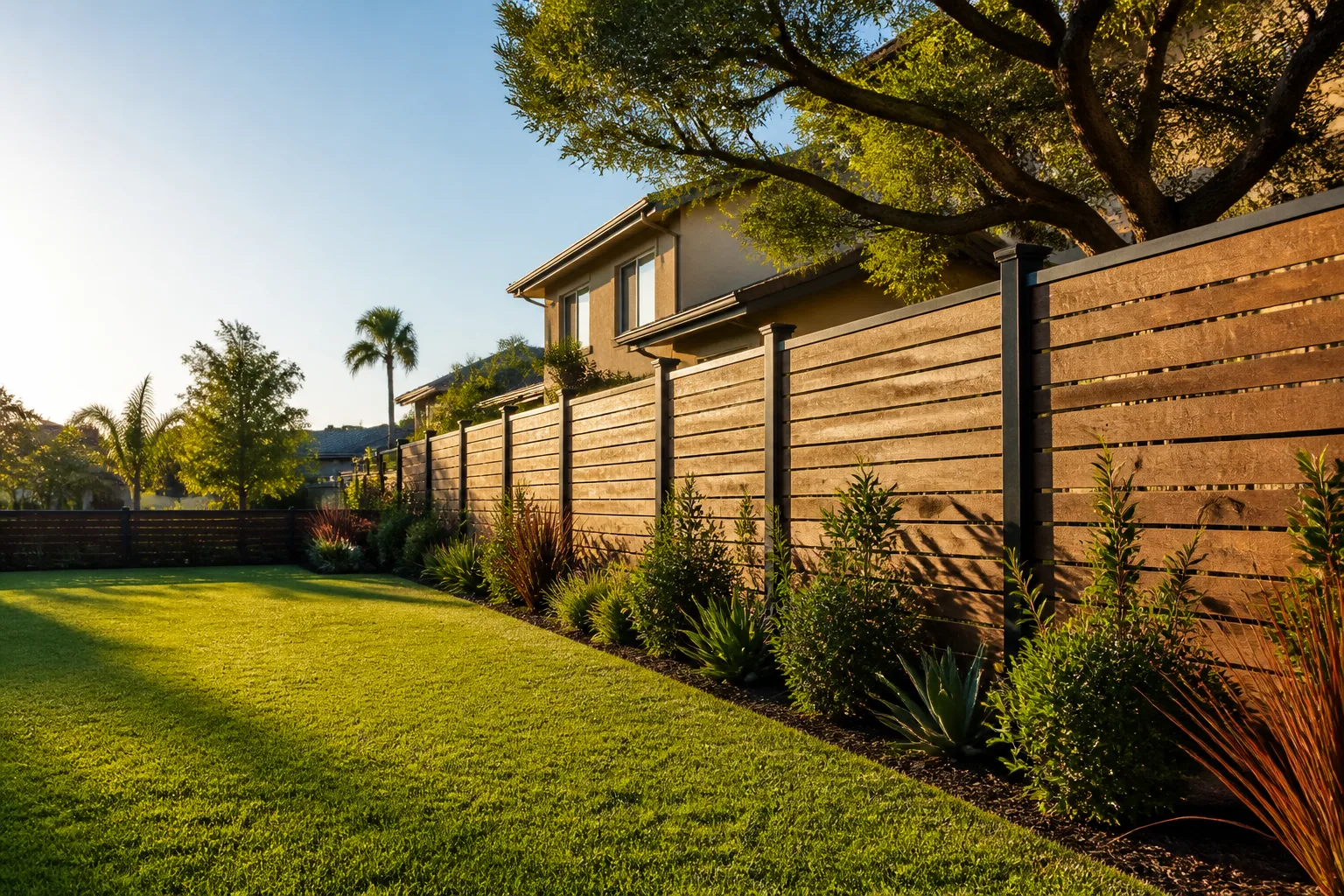
When replacement is the right call, we often point homeowners toward a heavier duty material – vinyl or aluminum systems from ActiveYards or Bufftech hold up against clay and wind without the soil-line rust problem entirely. You can see the range of options on our Fence Installation in Fort Worth page. Upfront pricing means the number you get is the number you pay.
FAQs
Only if the posts are solid at the soil line. If the galvanized coating is gone and the steel is soft when you probe it with a screwdriver, the post is the real failure and new mesh will sag again within a season. Probe every post before buying mesh – if more than three are compromised, replacement usually wins on cost. Call (855) 912-5373 for a free assessment and a straight answer.
Often 9-gauge, especially in older east-side neighborhoods and commercial stock. The 11-gauge mesh on most big-box shelves is lighter and won’t tension properly against a 9-gauge system, so the tie wires loosen early. Check your existing gauge before you buy. If you’re unsure, we’ll identify it during a free estimate – call (855) 912-5373.
Spot post-and-hardware repairs typically run $350-$900, matched-gauge mesh repairs around $400-$1,200, and a full replacement $3,500-$9,000 depending on footage and height. The only way to know which you need is to check the posts at the soil line. Estimates are free – call (855) 912-5373.
Small patches usually don’t. Replacing more than 50% of a run can trigger a like-for-like permit review in some Fort Worth zones, and historic overlay districts add design-review steps. Check with the city before a full replacement. We handle the permit question as part of every quote – call (855) 912-5373.
If you’d rather have it looked at, Groundwork Construction Co. of Fort Worth offers a no-pressure assessment in Fort Worth – call (855) 912-5373 for a free estimate. Our technicians have up to 12 years of experience, and calls are answered by a live person 24/7.
Written by the team at Groundwork Construction Co. of Fort Worth, serving Fort Worth, TX.