Free written scope consultation - allowances, timeline, and change-order rules on paper before a single trade is scheduled
Styles & brands we work with
- Kitchen remodeling
- Bathroom remodeling
- Home additions & ADU
- Roofing
- Windows & doors
- Driveway & pavers
- Fence
See the difference
 Before
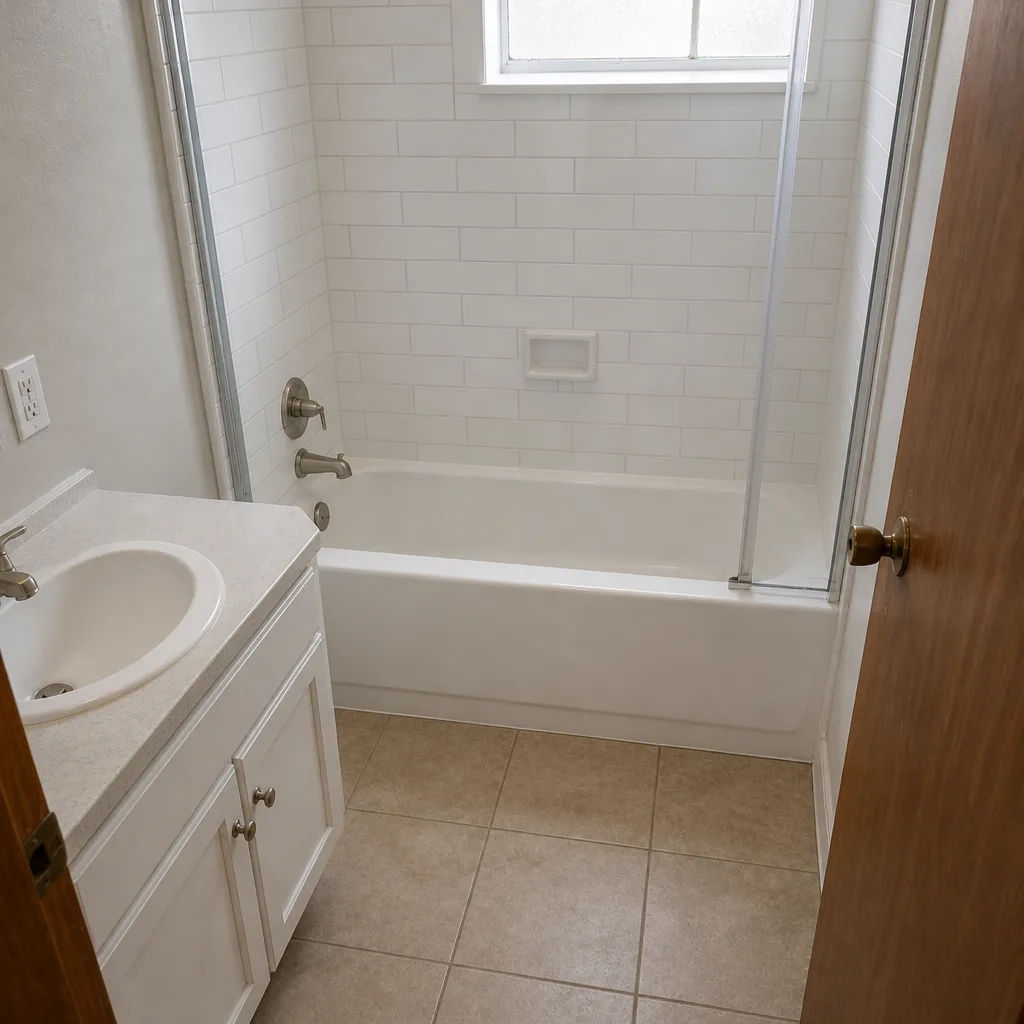 After
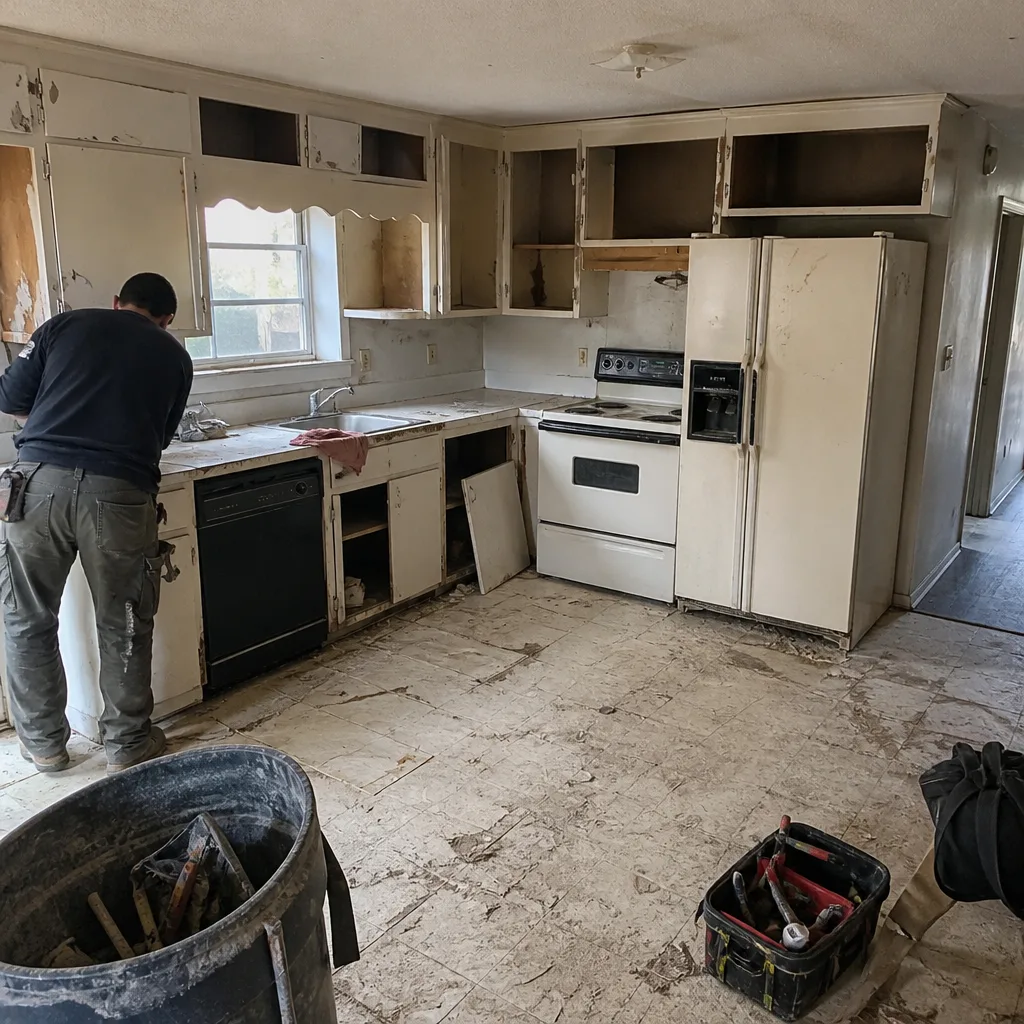 Before
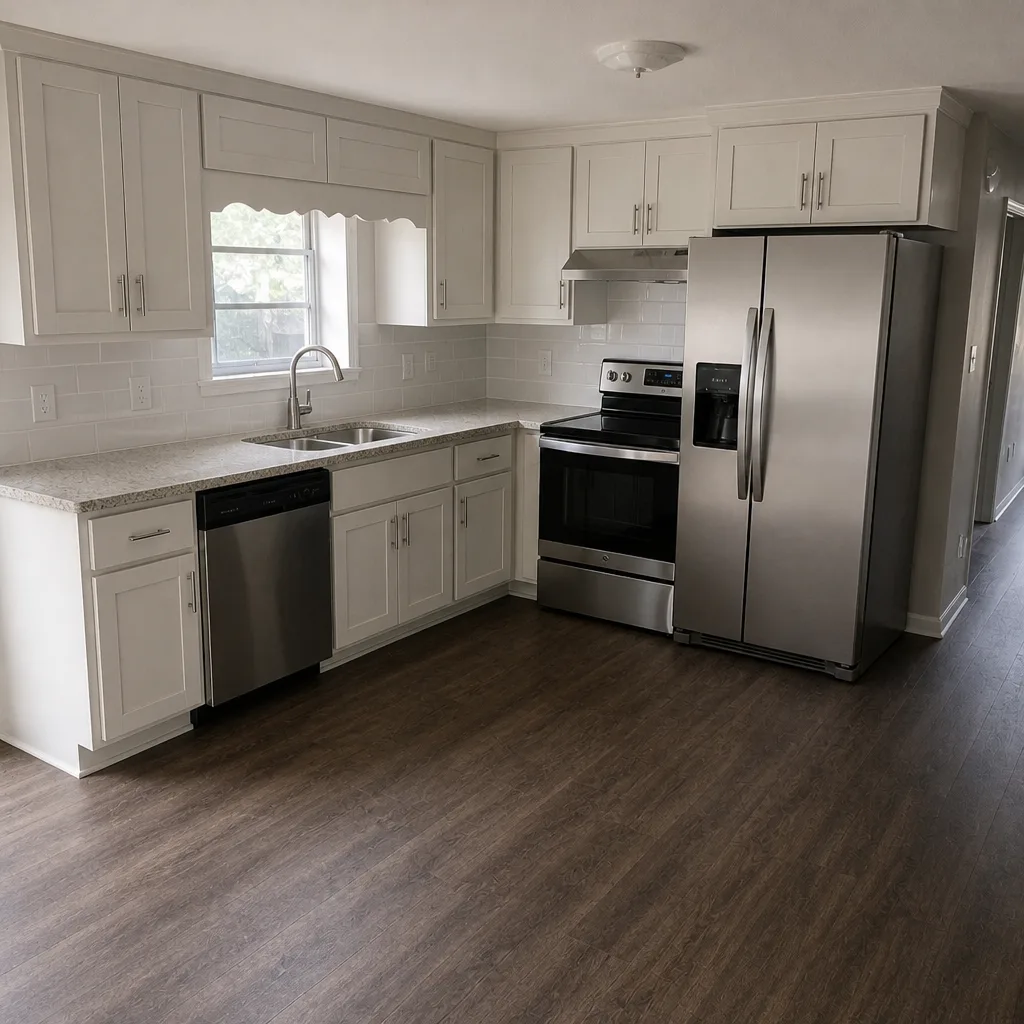 After
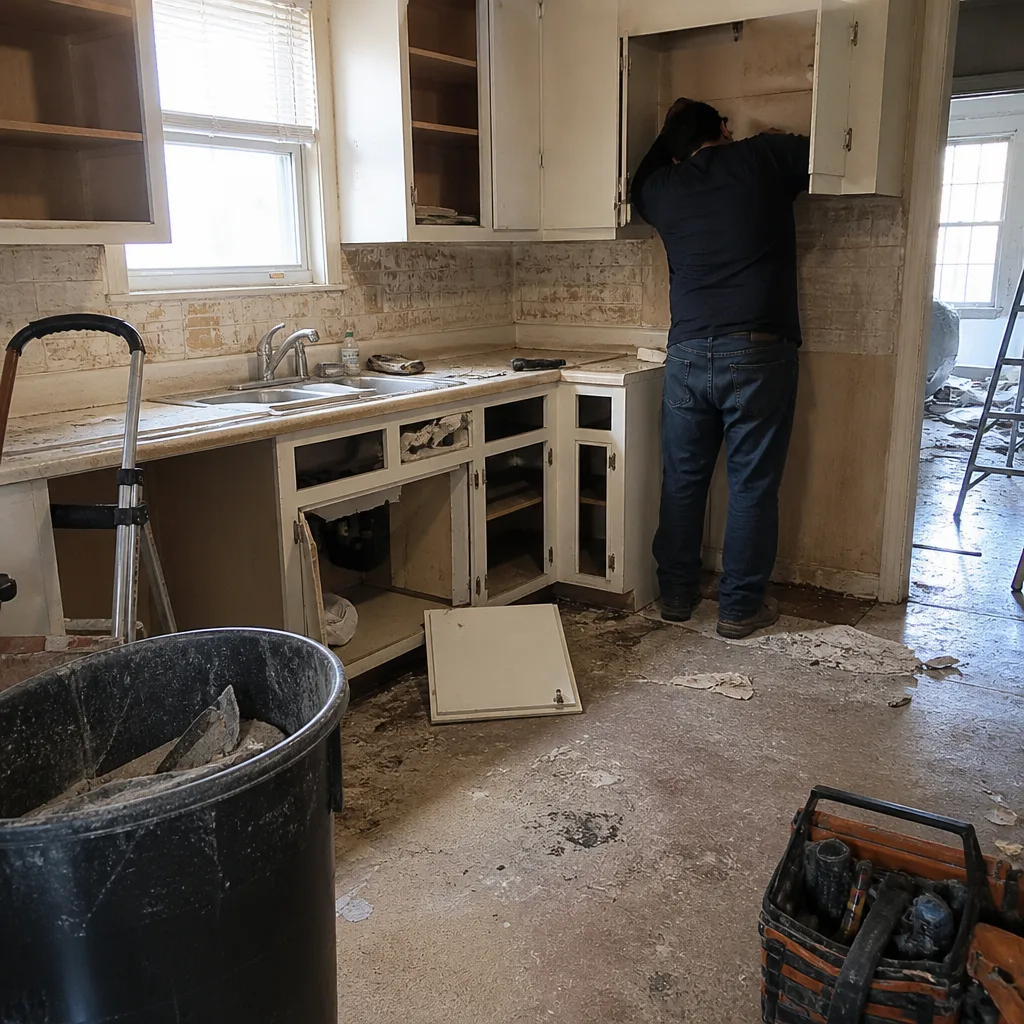 Before
 After
Do You Need a Permit to Remodel a Kitchen in Fort Worth, TX?
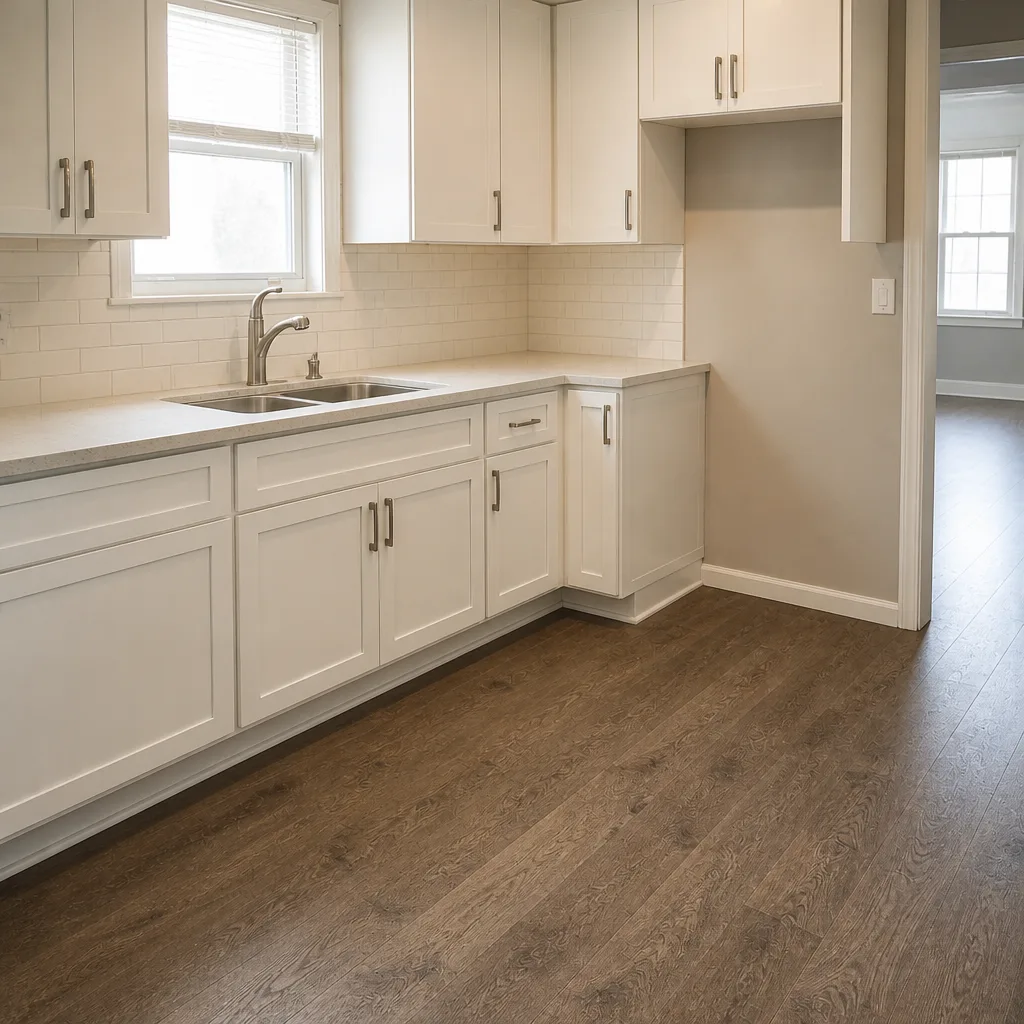
Sometimes yes, sometimes no, and the answer depends on which ZIP code you’re standing in and what you’re touching. Swapping cabinet doors, replacing a countertop, or re-tiling a backsplash in Fort Worth generally needs no permit at all. Cutting in a new 240-volt circuit for a range hood, moving a sink drain, or pulling a wall down to open up a 1920s bungalow almost always does – and in a historic overlay district like Fairmount or Ryan Place, a kitchen change that’s visible from the street can trigger a separate preservation review that runs on its own clock. If you want a straight read on your specific project, call Groundwork Construction Co. of Fort Worth at (855) 912-5373 and we’ll tell you what your job actually triggers.
Key Takeaways
- Cosmetic kitchen work – cabinet refacing, countertop replacement, backsplash tile, paint, hardware – is typically permit-free in Fort Worth.
- New electrical circuits, panel upgrades, plumbing relocation, gas line extensions, and any structural wall removal require a building permit.
- In Fairmount, Ryan Place, and the Stockyards historic districts, exterior-visible changes can require a Certificate of Appropriateness review on top of the building permit.
- Unpermitted work can surface on title reports and Tarrant County appraisal records when you sell – a real defect issue in Fort Worth’s active resale market.
- We pull permits in the contractor’s name, schedule every inspection, and hand you the documentation at closeout, backed by our 730-Day Done Right Promise.
The Fort Worth Kitchen Permit Trigger Matrix
Fort Worth runs its residential permits through an online portal, and the reviewers you get depend on scope: Building for structural and framing, plus Electrical, Mechanical, and Plumbing sub-reviews for the trades. What most homeowners want is a simple yes/no, so here it is, broken down by what you’re actually doing in the kitchen.
| Kitchen Work | Permit Needed? |
|---|---|
| Cabinet refacing, new doors and hardware | No |
| Countertop replacement (including island tops) | No |
| Backsplash tile, paint, flooring over existing subfloor | No |
| New electrical circuit or panel upgrade (e.g., range hood, induction range) | Yes – electrical permit |
| Plumbing relocation (moving a sink, adding a dishwasher line, relocating a gas range stub) | Yes – plumbing/gas permit |
| Gas line extension for a new range or cooktop | Yes – gas/mechanical permit |
| Removing a structural wall or widening a doorway | Yes – building permit, with engineering |
| Adding or enlarging a window in the kitchen | Yes – building permit |
| Any exterior-visible change in a historic overlay (Fairmount, Ryan Place, Stockyards) | Yes – building permit plus Certificate of Appropriateness review |
The last row is where Fort Worth gets interesting. A kitchen remodel is interior work, but the moment you touch a rear addition wall, a side-entry door, or a window that faces the street, you’re in design-review territory. Crews who’ve only worked greenfield subdivisions out past Loop 820 toward Alliance don’t always know this. What sails through in a new-build tract won’t pass on a 1920s bungalow block, and the historic review runs parallel to and independent of the standard building permit – meaning one approval can lag the other and stall your start date.
What a Fort Worth Kitchen Permit Actually Costs You in Time and Money
Permit fees scale with project valuation, and reviews take time. On a full kitchen remodel in the $14,000-$45,000 range, plan on the permit process itself adding weeks to your timeline before a single cabinet comes out. Here’s where the money and the schedule go, using our standing Fort Worth pricing as the anchor:
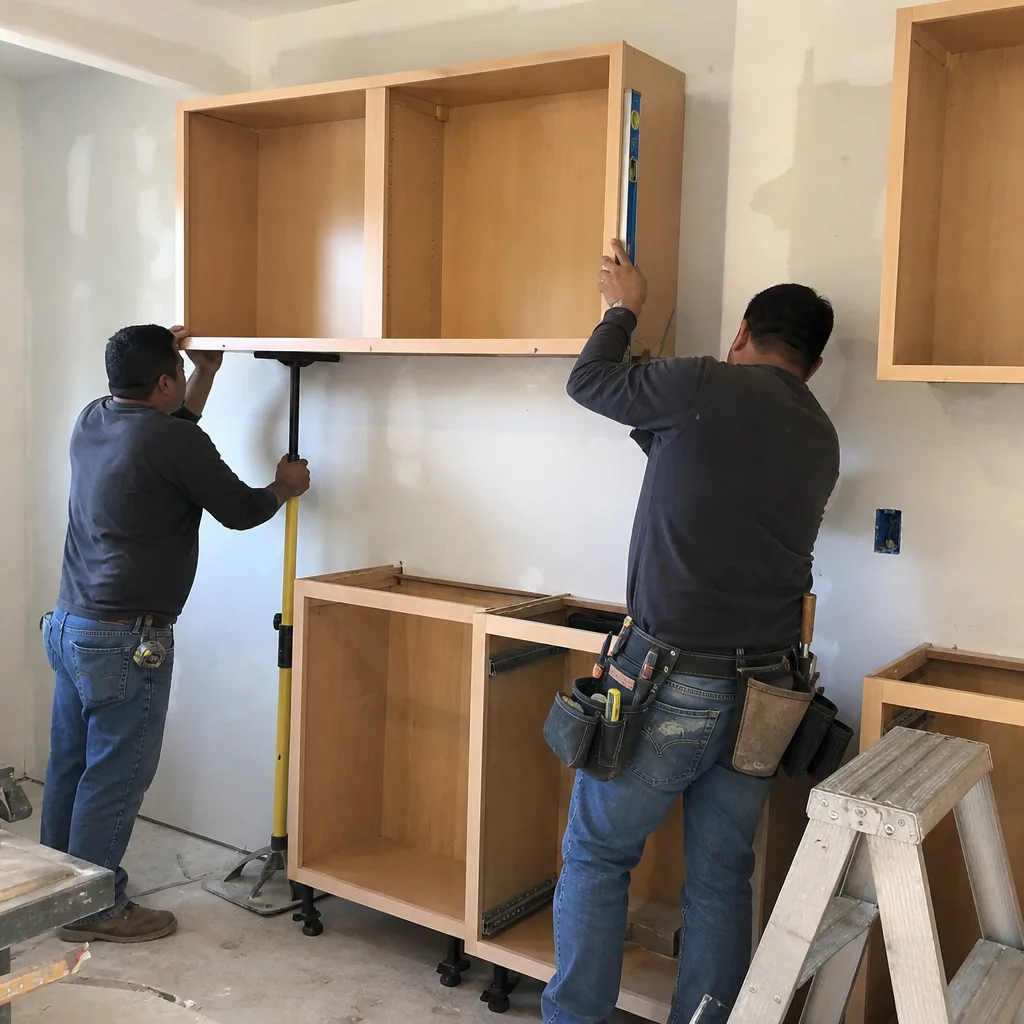
- Cabinet installation: $4,000-$13,000 – no permit, but electrical rough-in for under-cabinet lighting does require one.
- Countertop installation: $2,000-$6,500 – permit-free; Cambria and quartz tops are a same-week template-to-install job here.
- Backsplash installation: $800-$2,500 – permit-free.
- Kitchen island installation: $3,000-$10,000 – permit-free unless you’re adding a sink, cooktop, or outlets to the island.
- Full kitchen remodel: $14,000-$45,000 – if the scope includes new circuits or plumbing, the permit is part of the number, and it should be in writing from day one.
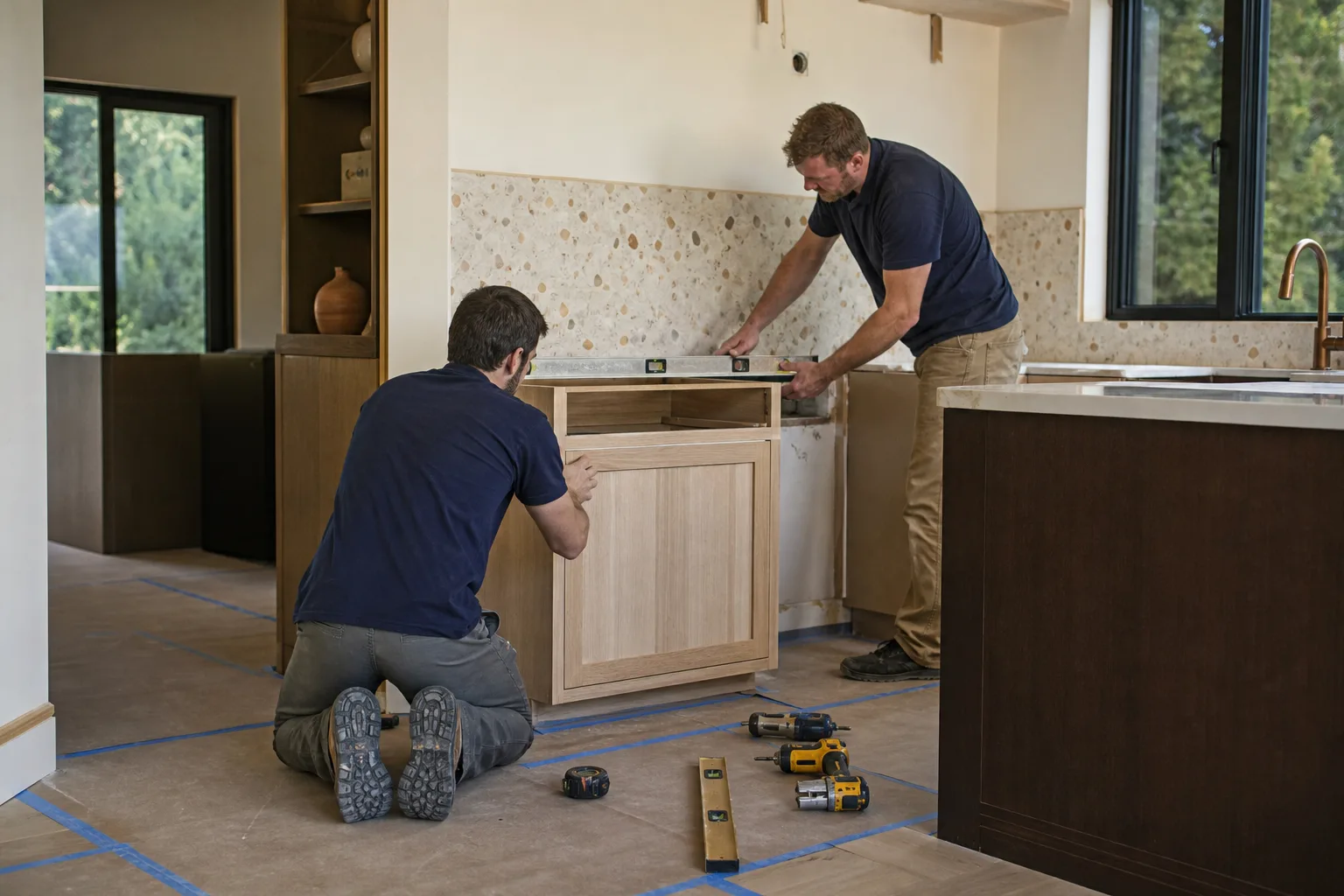
The costly part isn’t the fee. It’s the inspection sequence. Each phase – rough electrical, rough plumbing, framing, then final – has to be scheduled and passed before the next trade covers it up. Skip an inspection in Fort Worth and the city can require you to open the walls back up. That’s the operator detail homeowners rarely hear until it costs them drywall and a two-week delay.
If you’re mapping out a full remodel, our Kitchen Remodeling page walks through the whole build sequence from demo to final walkthrough.
Why Unpermitted Kitchen Work Is a Real Risk in Fort Worth’s Market
This city is a two-speed job right now – century-old stockyards and Near Southside brick warehouses sitting a few miles from brand-new construction pushing toward Walsh Ranch. That split matters for permits because the resale market here is active and buyers are checking. The Tarrant County appraisal district cross-references permit records against listed square footage and improvements, and unpermitted electrical upgrades or a converted pantry-turned-laundry can land on a title report as an open defect during a sale. We’ve watched deals renegotiate over work that was done “to save money” a decade earlier.
There’s a second layer. Fort Worth’s older housing stock is heavy on lead-paint-era remodel work and pier-and-beam foundations, and insurance claims on electrical and plumbing failures in these homes are common. A contractor who suggests skipping the permit is quietly shifting the legal liability onto you, the homeowner. If that work is ever inspected – during a sale, a refinance, or an insurance claim – the permit is in your name, not theirs. And the region’s expansive black clay soils keep foundations moving, which is why structural questions in a Fairmount kitchen should get engineering, not a guess. A wall that looks non-load-bearing in a 1920s bungalow built with true-dimension lumber often isn’t.
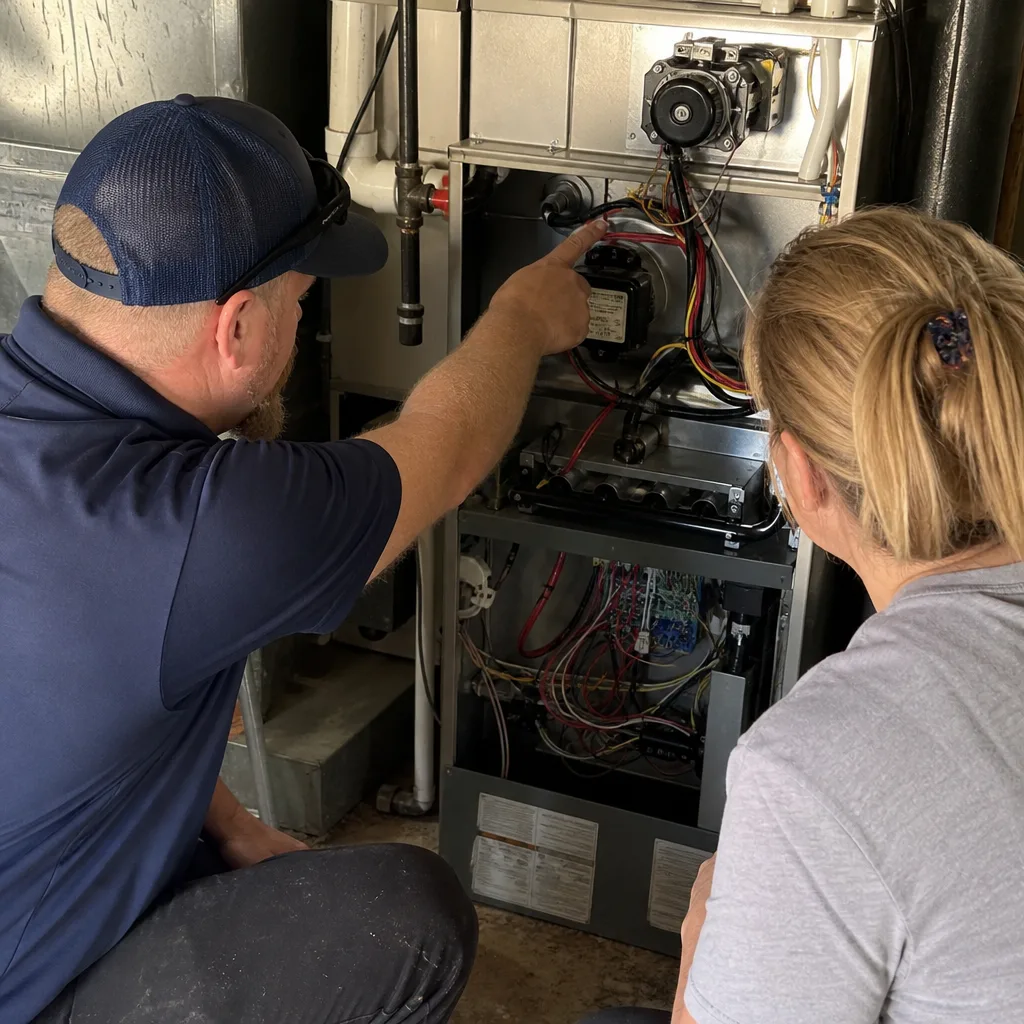
How We Handle Permitting at Groundwork Construction Co. of Fort Worth
Permitting is part of the project scope, not an add-on we bill you for later. The permit gets pulled in the contractor’s name, every inspection is scheduled and passed before walls close, and the full documentation is handed to you at project completion. That paper trail is part of what our 730-Day Done Right Promise is backed by – if something isn’t done right, we make it right, and a closed-out permit file makes that guarantee enforceable instead of just a handshake.
We keep live people on the phones around the clock, so questions about inspection schedules or a city reviewer’s comment don’t sit in a voicemail until Monday. Our technicians bring up to 12 years of experience, arrive background-checked and in uniform, and we work with established brands – KraftMaid cabinetry, Kohler fixtures, Cambria quartz – so the materials meet code and last. Upfront pricing means the number you see is the number you pay, with 0% financing for 18 months and $1,000 off projects over $10,000 available on qualifying remodels. For a closer look at what a finished Fort Worth kitchen involves, see our Kitchen Remodeling in Fort Worth guide.
FAQs
Only when the work touches electrical circuits, plumbing, gas lines, structure, or windows. Cosmetic updates like cabinet refacing, countertops, backsplash tile, paint, and hardware don’t require a permit in Fort Worth, but any new circuit, relocated drain, gas extension, or wall removal does. If you’re unsure which bucket your project falls into, call (855) 912-5373 for a straight answer – estimates are free.
Plan on several weeks from submission to approval on a typical Fort Worth kitchen permit, and longer if your project sits inside a historic overlay district where the Certificate of Appropriateness review runs on a separate schedule. Building and trade reviews happen in sequence, and inspection scheduling adds more time during the build. We build that timeline into your project schedule up front so nothing surprises you. Call (855) 912-5373 to talk through your project’s expected timeline.
It looks cheaper on the invoice and costs far more later. Unpermitted work can surface on a title report during a resale, get flagged by the Tarrant County appraisal district, or trigger a city-required tear-out if an inspection ever happens. Any contractor who offers to skip the permit is handing you the legal liability. Groundwork pulls the permit in the contractor’s name and passes every inspection before walls close – call (855) 912-5373 for a free estimate that includes permitting.
Possibly, even if the work is interior. In Fort Worth’s historic cultural overlay districts, any change visible from the street – a new window, a rear door, an exterior wall alteration – can require a Certificate of Appropriateness review in addition to the standard building permit. Cosmetic interior work that nobody can see from the sidewalk usually doesn’t. Give us a call at (855) 912-5373 and we’ll tell you which reviews your address triggers.
If you’d rather have it looked at, Groundwork Construction Co. of Fort Worth offers a no-pressure assessment in Fort Worth – call (855) 912-5373. We’ll walk your kitchen, tell you exactly which permits apply, and hand you an upfront price before any work begins.
Written by the team at Groundwork Construction Co. of Fort Worth, serving Fort Worth, TX.