Last updated November 18, 2026




Free written scope consultation - allowances, timeline, and change-order rules on paper before a single trade is scheduled
Fence Installation Troubleshooting: Common Problems and How to Fix Them
Pushing a leaning fence post back upright and repacking the dirt around it feels like a fix. It isn’t. It buys you a few months, sometimes only weeks, and it often makes the real problem worse by loosening the soil that was barely holding the post in the first place. In our experience across Fort Worth, the fence failures homeowners call us about trace back to four installation decisions: post depth, concrete method, wood treatment, and drainage. Fix the symptom and you’ll pay twice. This guide works backward from the failure to the repair that actually holds.
Quick Answer
Most fence problems in Fort Worth come down to a root cause set at installation: posts set too shallow (Texas clay needs 24 to 36 inches depending on height and wind load), concrete poured wrong or skipped entirely, untreated or under-treated wood meeting North Texas ground contact, or drainage that channels water against the fence line. Diagnose the cause before you repair the symptom, or the failure returns. A leaning post re-packed with dirt leans again faster than it did the first time.
Styles & brands we work with
- Kitchen remodeling
- Bathroom remodeling
- Home additions & ADU
- Roofing
- Windows & doors
- Driveway & pavers
- Fence
Table of Contents
- Why Is My Fence Post Leaning?
- Gate Sagging: Hinge, Post, or Frame?
- Board Warping and Cupping in Fort Worth Heat
- Rust Patterns and Galvanic Corrosion
- Repair or Replace: Reading the Signs
- Fort Worth Conditions That Speed Up Failure
- Preventing the Next Failure
Why Is My Fence Post Leaning? Diagnosing the Four Causes
A leaning post has one of four causes, and each requires a fundamentally different repair. Getting the diagnosis wrong wastes money and time. Here’s how to tell them apart before you touch a shovel.
- Post rot at grade. Probe the wood with a screwdriver at the soil line. If it sinks in easily or the wood feels soft, the post is rotting at the point where air, moisture, and soil meet. That decay zone is common in Fort Worth because our humid summers and wet springs keep ground contact wood damp. Rot at grade is not fixable with re-packing; the post needs replacement, ideally with a post rated for ground contact (UC4B treatment).
- Concrete failure. A cracked, tilted, or shifted concrete collar means the footing has failed. This happens when posts were set in a dry-pour mix without enough water, or set in soil without any concrete at all. If the concrete is cracked or the post rocks inside it, the footing needs to be dug out and re-poured.
- Soil heave and settling. Fort Worth’s expansive clay swells when wet and shrinks when dry. That cycle lifts and drops fence lines. If the entire section has shifted rather than one post, soil movement is the likely culprit. Fixing this means correcting the depth and drainage, not just propping the post.
- Insufficient depth. A post set 12 to 18 inches deep in North Texas clay will lean under wind load on a six-foot privacy fence. The rule of thumb is one-third of the above-ground height buried, so a six-foot fence needs at least 24 inches, and a taller fence or one on an exposed corner needs more.
If you’re dealing with a fence that leans across an entire run and you’re weighing repair against a fresh build, it may be worth looking at Fence Installation in Fort Worth to understand what a properly engineered replacement involves.
Gate Sagging: Is It the Hinge, the Post, or the Frame?
A sagging gate is the most-misdiagnosed fence problem we see. Homeowners tighten the hinges and the gate still drags. The reason is usually that the hinges were never the problem.
Start with the frame. A wood gate built without a diagonal brace (or a correct X-brace) will rack under its own weight within a season or two, especially in a wide gate. Racking is structural: the frame is parallelogramming out of square. Fix it by adding a diagonal brace from the bottom hinge corner to the top latch corner, and using a turnbuckle on metal frame gates. This is a repair many homeowners can handle.
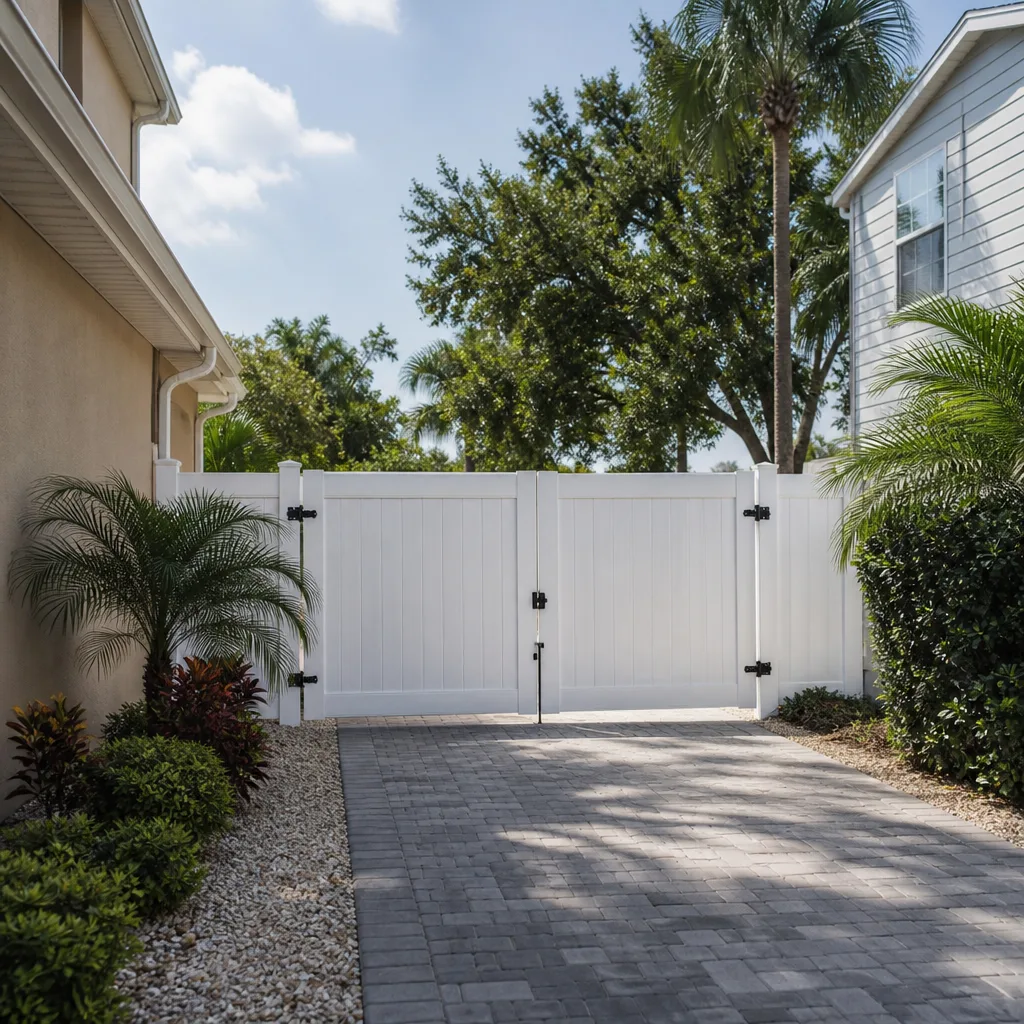
Next, check the post. A gate post carries far more load than a fence post, especially a double-drive gate. If the gate post is moving or leaning, the hinges were never going to hold. Gate posts should be set deeper and with more concrete than line posts, and should be braced. If the post moves when you push on it, no hinge adjustment will solve the sag. This is structural repair territory.
Only after the frame and post are confirmed sound should you look at hinges. Worn hinge pins, stripped lag screws, and hinges mounted too close together are common on gates that have been in service years. Replacing hinges with heavier-duty ones (and through-bolting rather than lag-screwing into the post) is a genuine fix if the frame and post are solid.
A good diagnostic: push up on the gate’s latch corner. If the gate lifts easily and the frame stays square, the hinges are shot. If the whole frame flexes or the post rocks, the problem is structural.
Board Warping and Cupping in Fort Worth’s Heat
Wood moves. Cupping, warping, and twisting on a fence board is either a material defect or a moisture imbalance, and telling the two apart saves you from replacing boards that never had a chance.
Material defect appears early: within weeks of installation. A board that cups across its width, showing a distinct trough, was often cut from the flat-sawn center of the log where the grain is unstable. Under-finished or green lumber will do this. If boards warp within a month of install, the fix is to have the installer replace them and use kiln-dried or quarter-sawn stock.
Moisture imbalance appears over a season. In Fort Worth, the board’s sun-facing side dries and shrinks while the shaded side stays damp, and the board cups toward the sun. This is aggravated by no ventilation gap between the pickets and the rails. A tight board that traps moisture behind it has nowhere for that moisture to go.
The fix is a ventilation gap. A gap you can slide a dime through on each picket lets moisture escape and air circulate. If your fence is already tight with no gaps, you can often reduce cupping by spacing some boards out during a repair.
Painting both sides of a board, not just the street-facing side, also reduces cupping. An unfinished back side that holds damp is where cupping starts. If you’re weighing whether to repair and repaint or start fresh, our piece on Fence Installation in Fort Worth covers the material choices worth considering.
Rust Patterns and Galvanic Corrosion: What Your Hardware Is Telling You
Rust on fence hardware isn’t just cosmetic. The pattern of the rust tells you what’s happening, and Fort Worth’s humidity and summer storms create ideal conditions for a specific failure that gets overlooked: galvanic corrosion.
Galvanic corrosion happens when two different metals touch, and moisture bridges them. A galvanized nail driven next to a stainless hinge, or a steel lag screw through an aluminum bracket, creates a tiny electrical current when wet. The less “noble” metal corrodes far faster than it would in isolation. This is why a fence can look fine structurally while a few fasteners rust away in two seasons.
What rust patterns tell you:
- Uniform light surface rust (orange patina) on all hardware suggests normal weathering, often on lower-grade fasteners that were never hot-dip galvanized or stainless.
- Rust concentrated at contact points between two different metals points to galvanic corrosion. The fix is to match metals: use stainless with stainless, or hot-dip galvanized with galvanized, and never mix an aluminum bracket with steel bolts.
- Rust streaks running down from the fasteners with clean wood below means the fasteners are failing from the top down, usually where water sits in a nail head or screw counterbore.
When we spec hardware for a Fort Worth installation, we match metals throughout the fence. For anyone building or repairing, hot-dip galvanized fasteners or stainless are the safe standard; a project that saves a few dollars on electro-galvanized nails pays for it in rust within a couple of Texas summers.
Repair or Replace: Reading the Signs of Systemic Post Failure
A single warped board or one loose hinge is a repair. A fence run where every post has separated from the ground is a system failure. The distinction determines whether you’re spending a few hundred dollars or buying a new fence.
Use this assessment in order:
- Count how many posts have moved. If more than 20% of the posts are leaning, rocking, or rotted at grade, the posts are the system, and the fence will fail section by section no matter how many boards you replace.
- Check the concrete. If a fast majority of posts lack any concrete collar, the installation was never right, and the whole run is on a shared clock.
- Check the board condition. Boards that are sound and only cupping can often be repaired with re-spacing and re-fastening. Boards that are brittle, rotting, or crumbling at the ends signal end-of-life.
- Check the rails. Rails that are sound while posts fail mean every rail has to come off anyway to replace posts, so the labor cost of a full rebuild is close to the repair cost.
If you’re in Fort Worth and weighing repair against a new build, look at the total scope, not the per-board cost. A repair that fixes symptoms without correcting post depth or drainage is money spent on a one-season patch. A properly set replacement with the right depth, concrete, and drainage outlasts a patch by years.
Our broader Groundwork Construction Co. of Fort Worth home page is a place to see how the full-scope approach works across fences and other exterior projects.
Fort Worth Conditions That Speed Up Fence Failure
Fort Worth’s climate quietly stresses fences in ways a milder region wouldn’t. Every repair decision should account for it.
Expansive clay soils. The Fort Worth area sits on clay that swells in wet springs and shrinks in dry summers. That cycle works posts loose. A post set without a proper concrete collar becomes a lever for that clay movement. Deeper footing and wider concrete collars are not overkill here; they’re the baseline.
Summer heat. Boards running east-west with no shade take direct afternoon sun. The sun-facing side dries, the shaded side holds moisture, and the board cups. Any Fort Worth repair should account for sun exposure when choosing board thickness and finish.
Spring and fall storms. North Texas wind events put significant lateral load on privacy fences. A post set shallow or without concrete is at its most vulnerable here, which is why post depth and footing matter so much.
Humidity around ground contact. Fort Worth’s humidity keeps ground-contact wood damp, which accelerates rot at grade. Using ground-contact-rated wood and ventilating boards are not optional details; they’re what extends the fence’s life.
These conditions also affect concrete driveways and paving on the same properties, which is one reason Driveway & Pavers in Fort Worth work faces the same soil and drainage challenges that fencing does.
Preventing the Next Failure
The best fence repair is one you never have to pay for. Preventing the failures in this guide comes down to four decisions made at installation:
- Depth. One-third of the above-ground height at minimum, more on exposed corners and gate posts.
- Concrete method. Damp-mix concrete, poured to a proper collar, not a dry-pour without water.
- Wood treatment. Ground-contact-rated lumber anywhere within soil reach, and kiln-dried stock to reduce cupping.
- Drainage. Site the fence so water runs away from posts and the base, not against them.
A 730-Day Done Right Promise is only meaningful if the work behind it is built to these standards. That’s one reason we specify the correct post depth, proper footings, and matched metals on every fence project in Fort Worth, and why we back the work we do with a two-year workmanship guarantee. A fence is a system, and the system is only as good as its weakest footing.
If your property work extends to larger structures, the same soil-and-depth logic governs additions. Our Home Additions & ADU in Fort Worth page covers what that looks like.
Common Mistakes to Avoid
- Re-packing a leaning post with loose dirt. The loose soil actually accelerates the next lean. A real repair means digging out the post and correcting the footing, not propping it up.
- Setting a gate post to the same depth as a line post. Gate posts take more load and always need a deeper, wider footing. Skipping this is why gates sag in their second or third year.
- Mixing fastener metals on a Fort Worth fence. Galvanic corrosion is a real failure path in our humidity. Stainless-and-stainless or galvanized-and-galvanized, never a mix.
- Packing boards tight with no ventilation gap. A tight board traps damp behind it and cups toward the sun. A small gap prevents the problem.
- Painting only the street-facing side of boards. The unpainted back holds moisture and warps. Finishing both sides reduces cupping and extends board life.
- Repairing boards on a fence whose posts are failing. New boards on rotting posts are money thrown at a symptom. Check the posts before you invest in the surface.
- Ignoring site drainage. Water channeled against the fence base accelerates rot and soil movement. It’s the cause that’s easiest to overlook and hardest to undo later.
See the difference
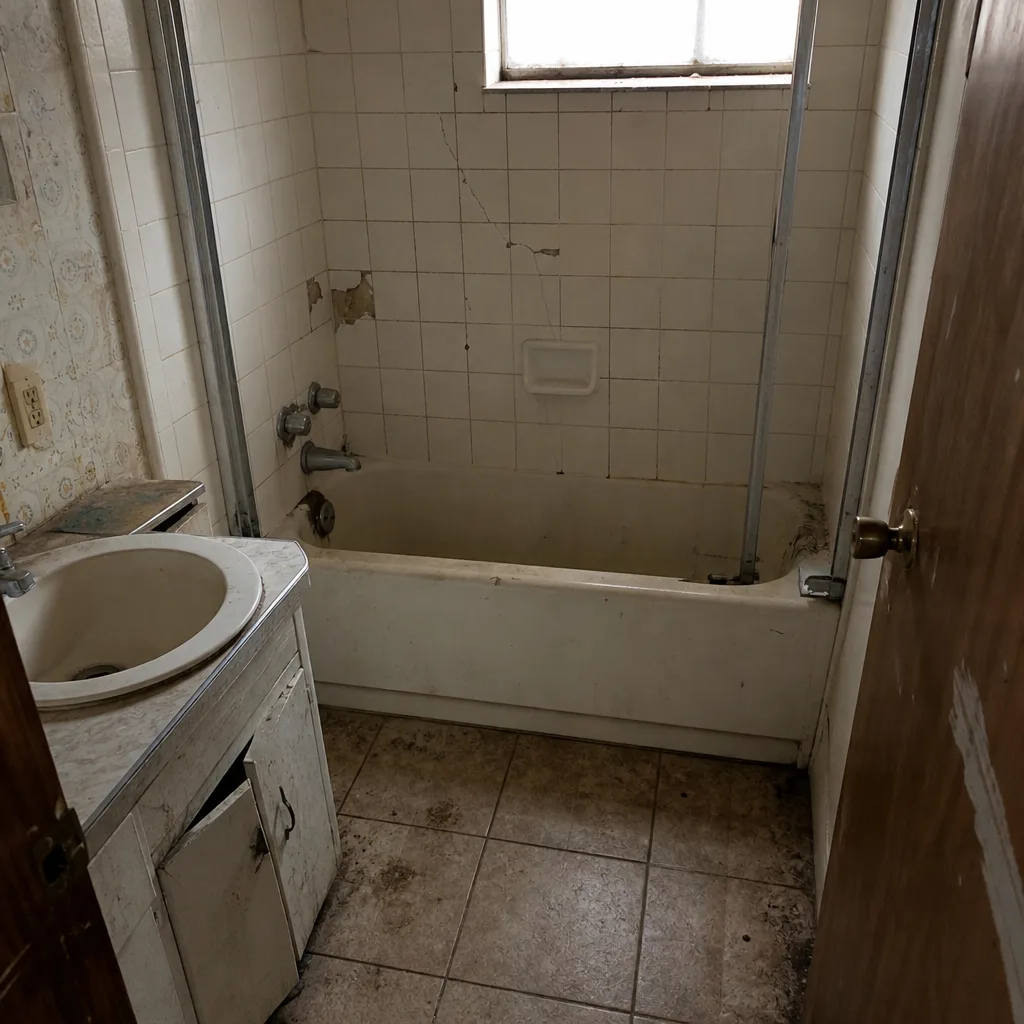 Before
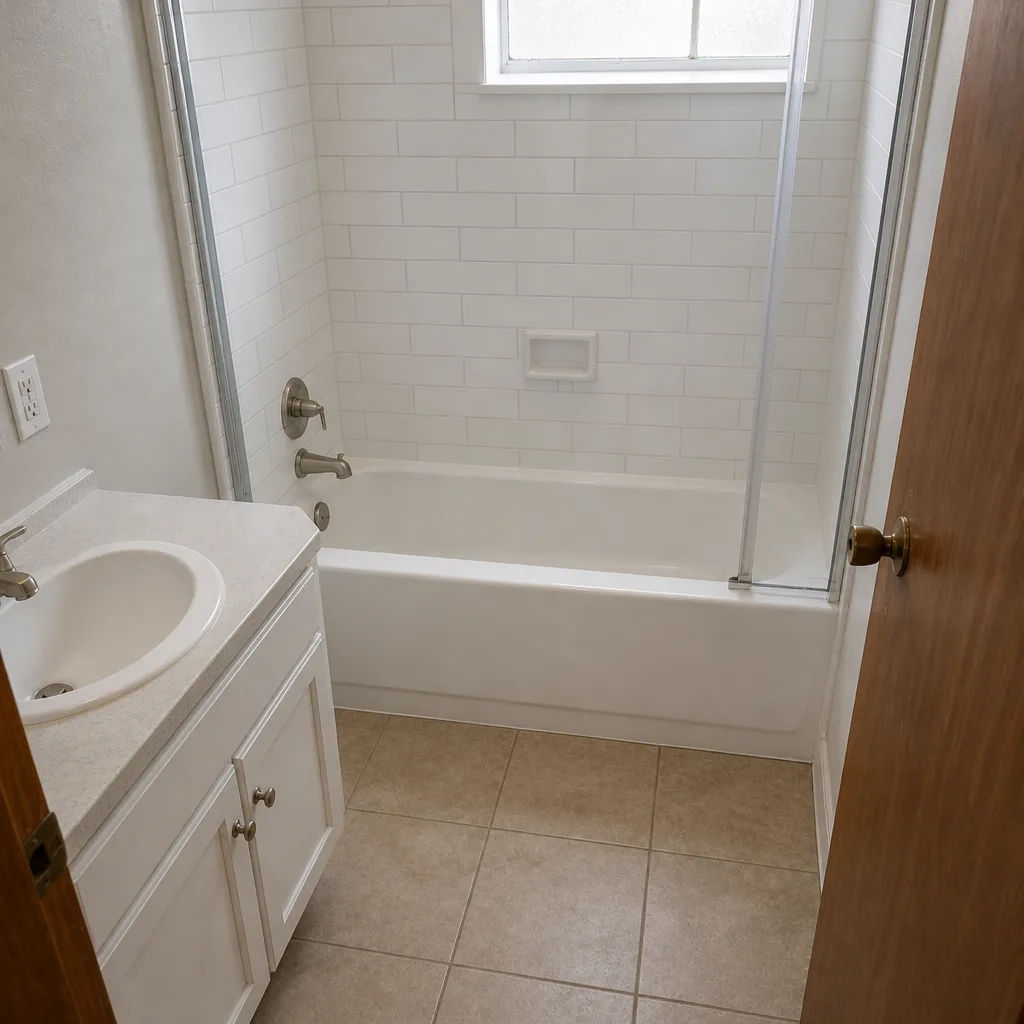 After
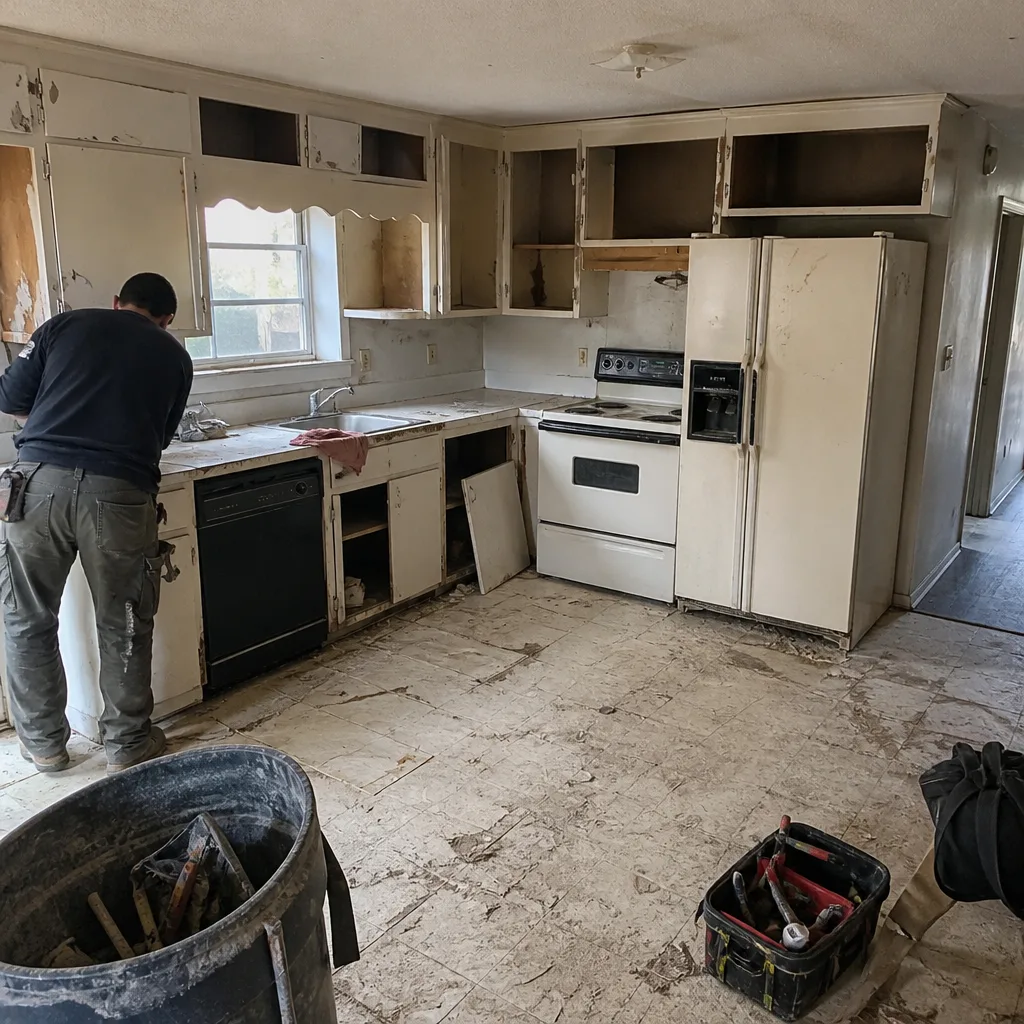 Before
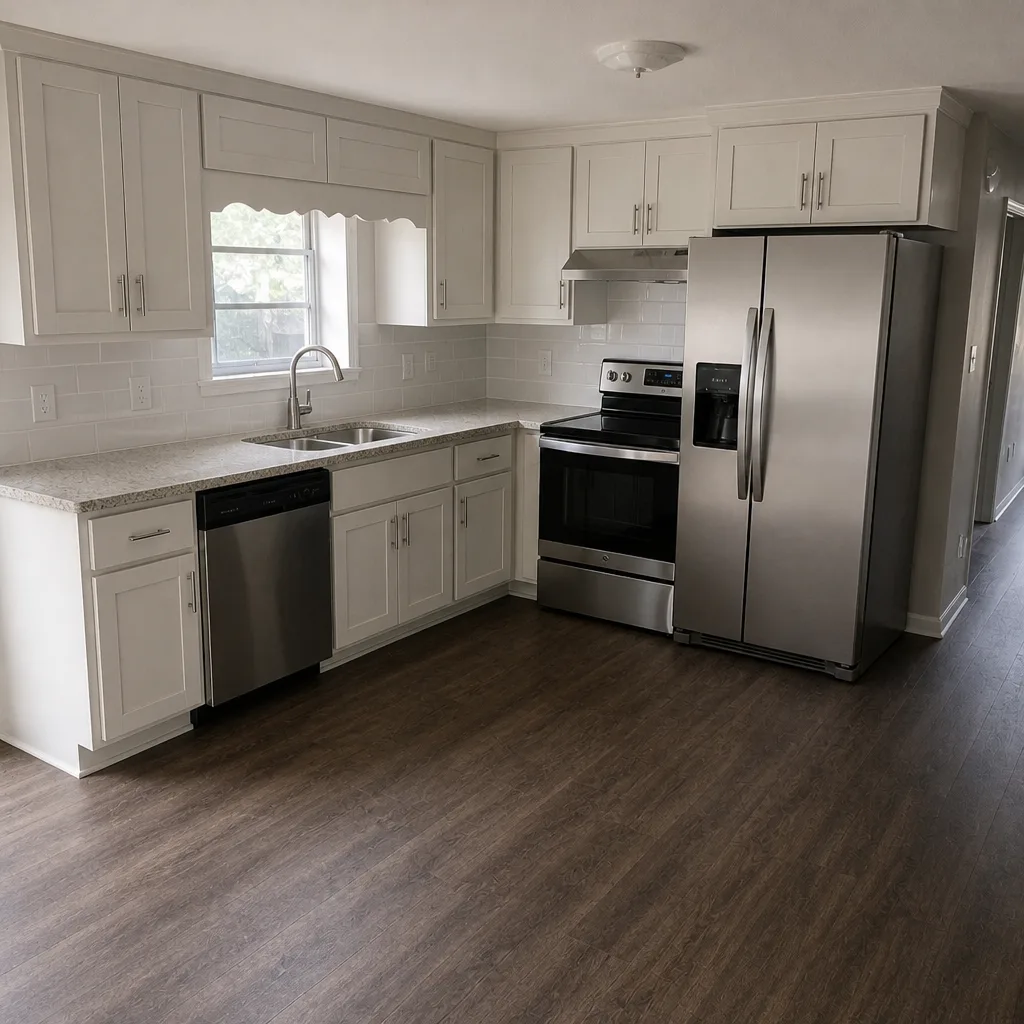 After
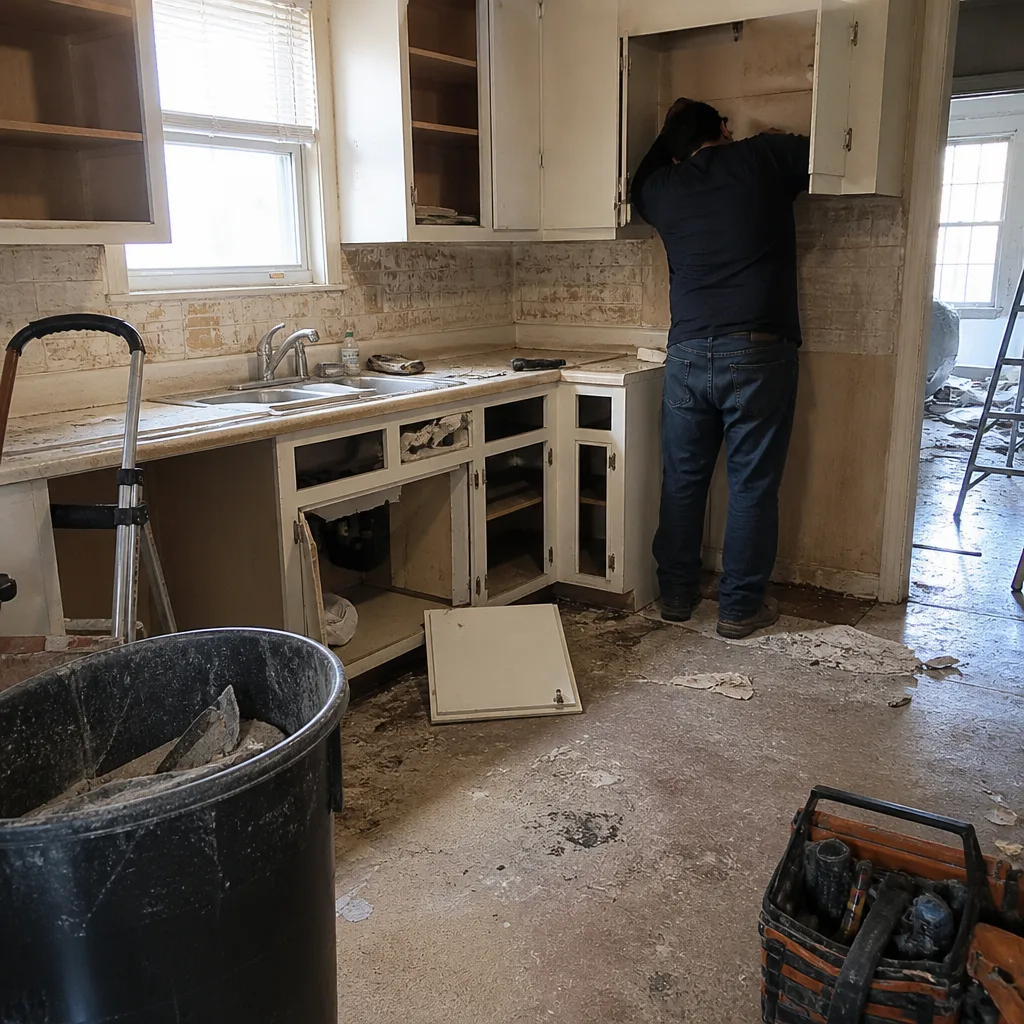 Before
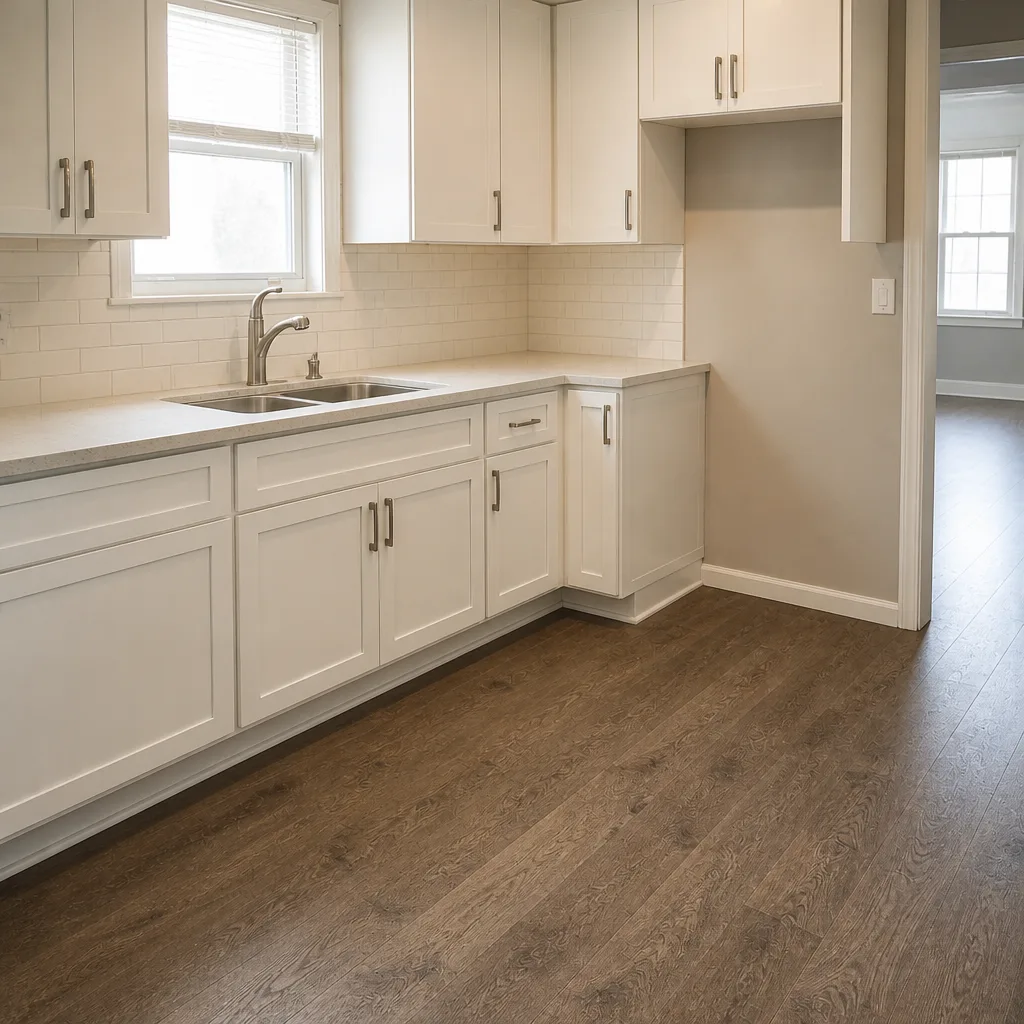 After
When to Call a Professional
Call a professional when the problem is structural, not cosmetic. If more than a few posts are leaning, if a gate post moves under hand pressure, if the concrete footings are cracked across multiple posts, or if you suspect the entire run was set too shallow, those are system failures that a quick repair will not hold against Fort Worth’s clay and storms. A trained eye can tell you which posts are failing and what the right repair actually involves. Groundwork Construction Co. of Fort Worth offers free estimates in Fort Worth. Call (855) 912-5373 to schedule yours. Estimates are free, pricing is clear up front, and every job is covered by our 730-Day Done Right Promise.
Frequently Asked Questions
Replacing a single failing fence post in Fort Worth typically runs $150 to $350 depending on reset method and concrete, while a full section rebuild after systemic post failure runs higher. The number that matters is whether one post or a run has failed. Call (855) 912-5373 for an exact quote, and keep in mind that our estimates are free.
No, not for a lasting fix. Re-packing loose dirt loosens the surrounding soil and the post leans again faster than before. The right repair is to diagnose whether rot, concrete failure, soil heave, or shallow depth caused the lean, and fix that cause.
Most board cupping in Fort Worth is a moisture imbalance, not a material defect. One side of the board dries in the sun while the shaded side holds damp, and no ventilation gap between pickets makes it worse. Finishing both sides and opening a small gap helps. Boards that cup within weeks of install are more likely a material defect.
Fence repair generally doesn’t require a permit, but new fence installation can fall under local height and setback rules, so it’s worth confirming with the city before a replacement. A contractor who pulls permits for covered work takes that question off your plate, and we handle that on the projects where it applies.
Replace when more than about 20% of the posts have moved, rotted, or lost their footing. At that point the posts are the failure and the boards can’t be saved without rebuilding the system. A single section repair makes sense only when the posts around it are sound.
Because the hinges usually aren’t the cause. A gate sags from frame racking or a moving gate post, both of which are structural. Push up on the latch corner: if the frame stays square, the hinges are the problem; if the frame flexes or the post rocks, you’re looking at structural repair.
Set posts to at least one-third of the above-ground height, which means 24 inches minimum for a six-foot fence and more on an exposed corner or gate post. Fort Worth’s expansive clay makes proper depth and a concrete collar essential, not optional.
The Bottom Line
Every fence problem in this guide has a root cause tied to installation: post depth, concrete method, wood treatment, or drainage. Fix the symptom without the cause and the repair fails. A leaning post re-packed with dirt will lean again sooner. A cupped board replaced without a ventilation gap will cup again. A sagging gate re-hinged onto a moving post will sag again. The repair that lasts is the one that goes to the cause. If you’re in Fort Worth and want a fence that holds through our clay, storms, and heat, our team can diagnose the failure and quote the right fix.
Call (855) 912-5373 today for a free estimate. Pricing is clear up front, and every installation is covered by our 730-Day Done Right Promise. Live people answer the phone around the clock.
Written by the team at Groundwork Construction Co. of Fort Worth.