Free written scope consultation - allowances, timeline, and change-order rules on paper before a single trade is scheduled
Styles & brands we work with
- Kitchen remodeling
- Bathroom remodeling
- Home additions & ADU
- Roofing
- Windows & doors
- Driveway & pavers
- Fence
See the difference
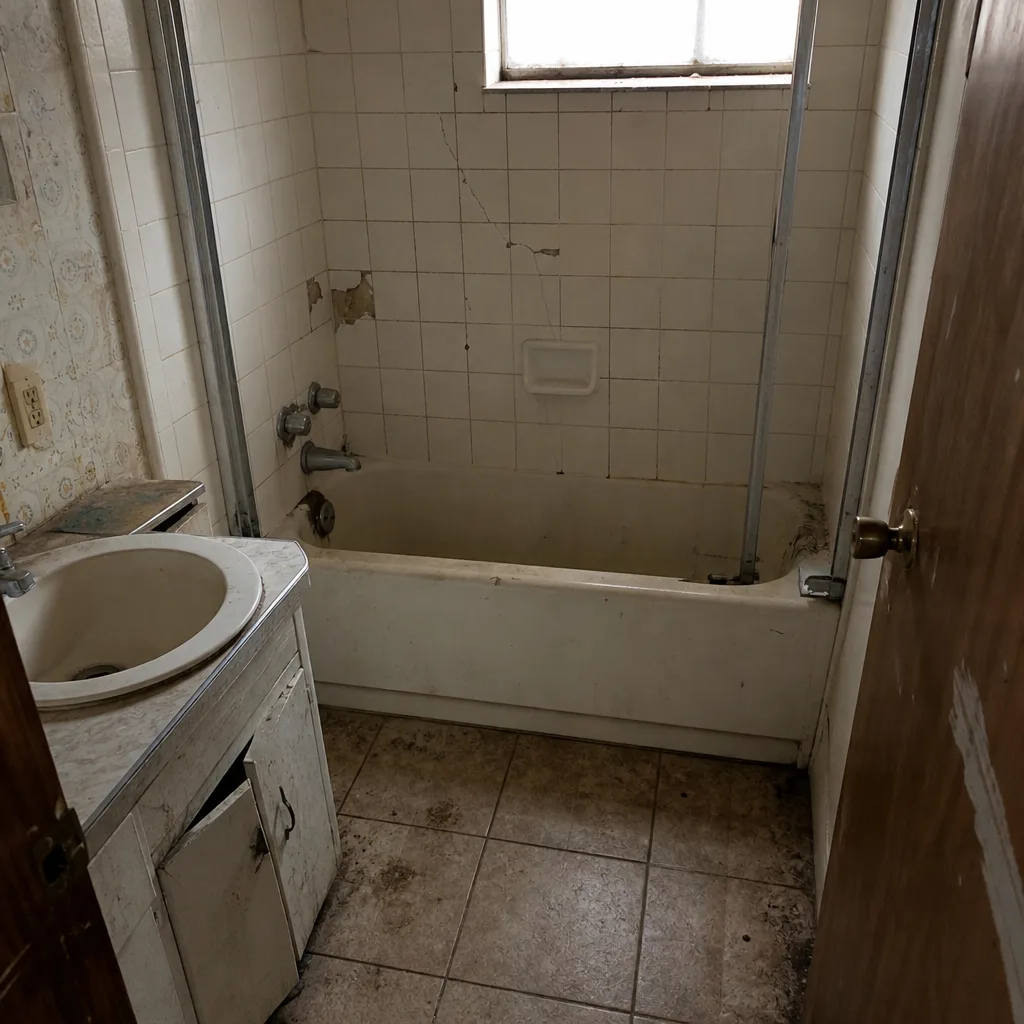 Before
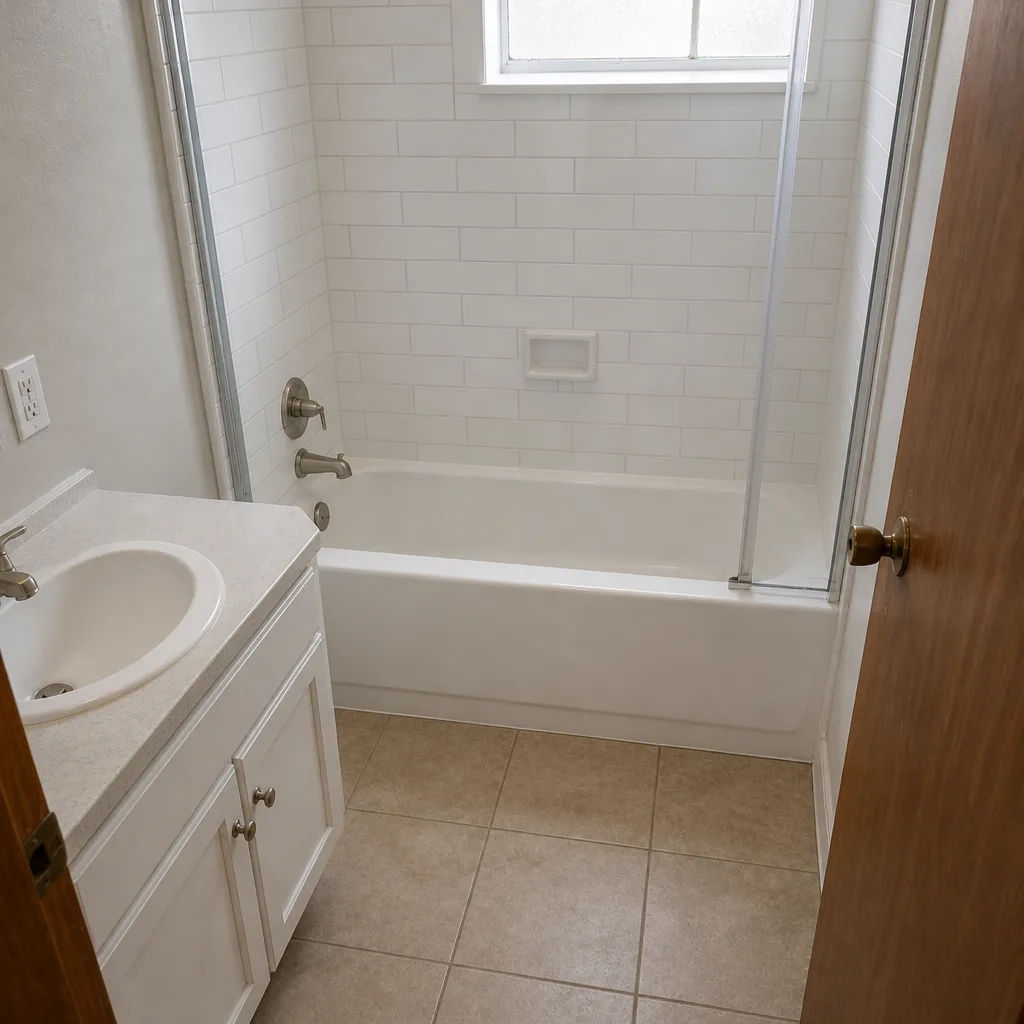 After
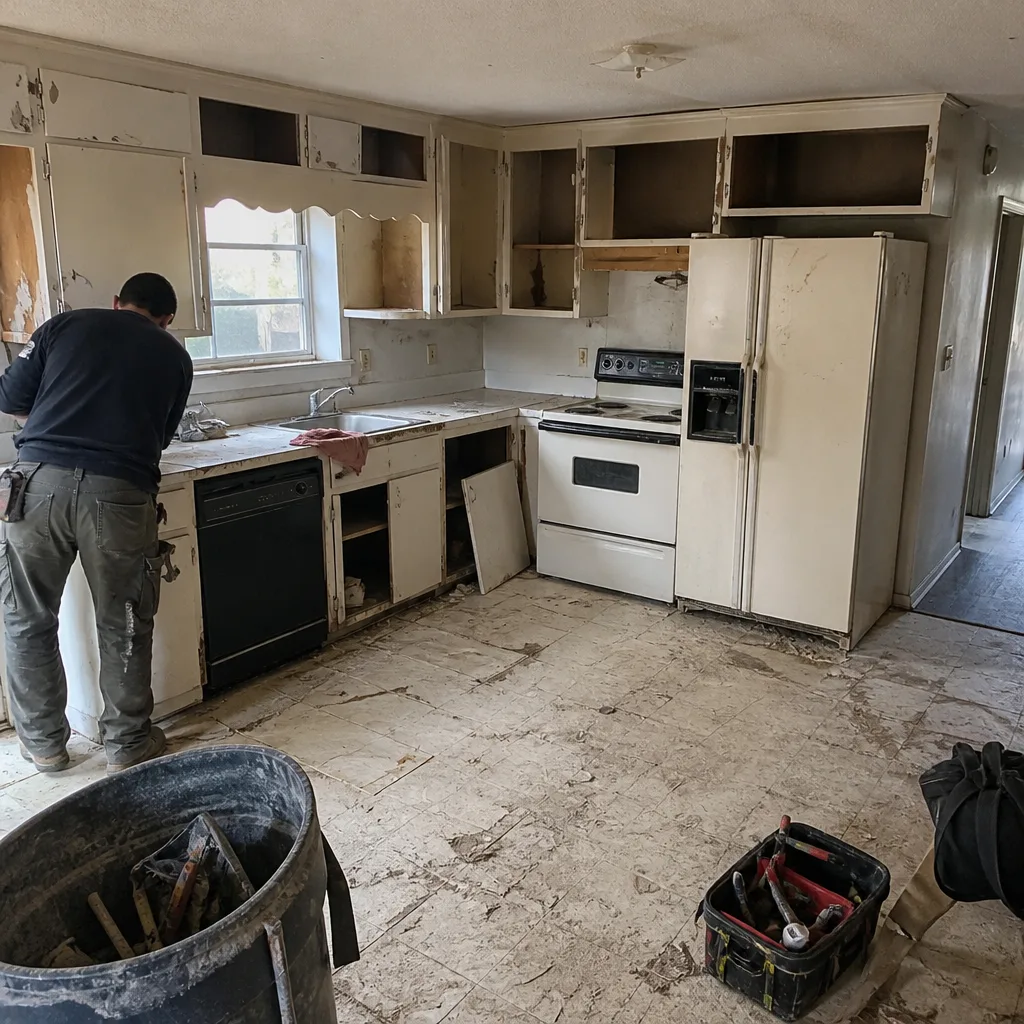 Before
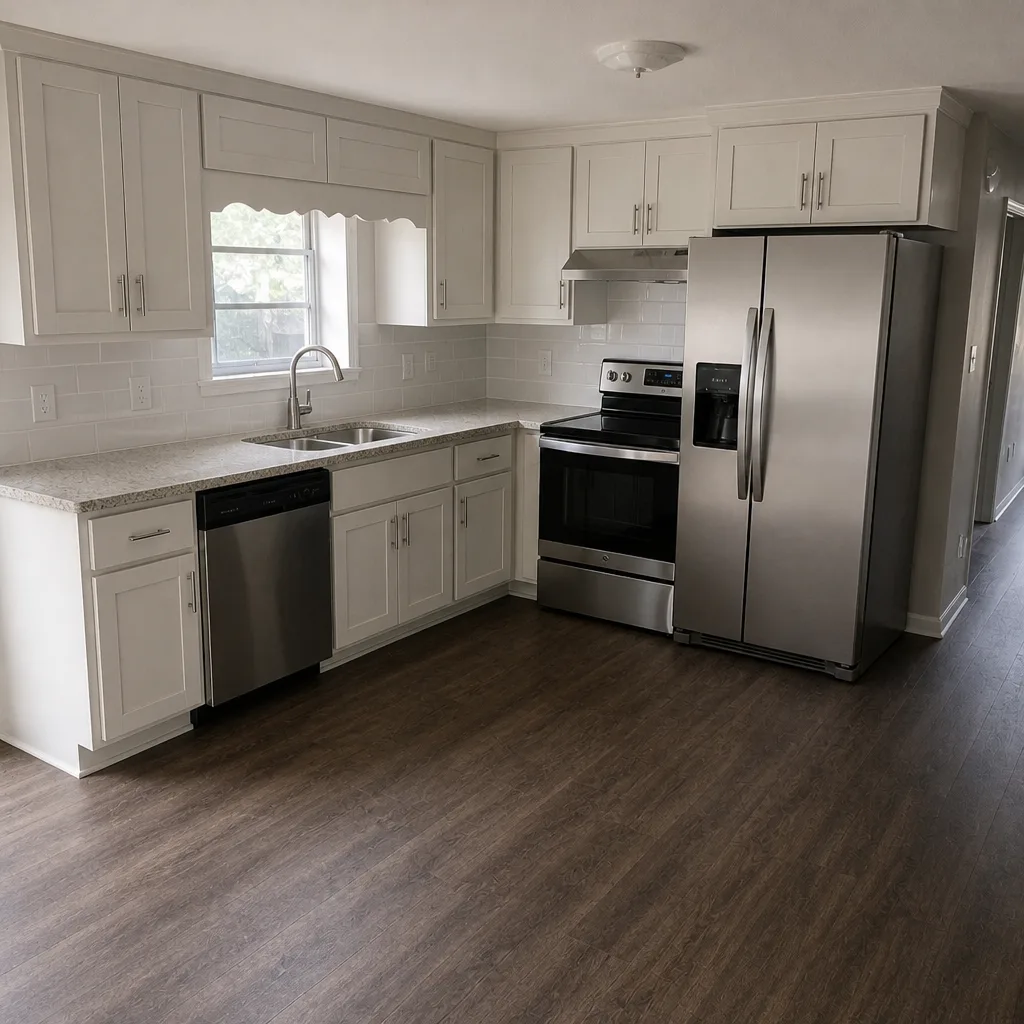 After
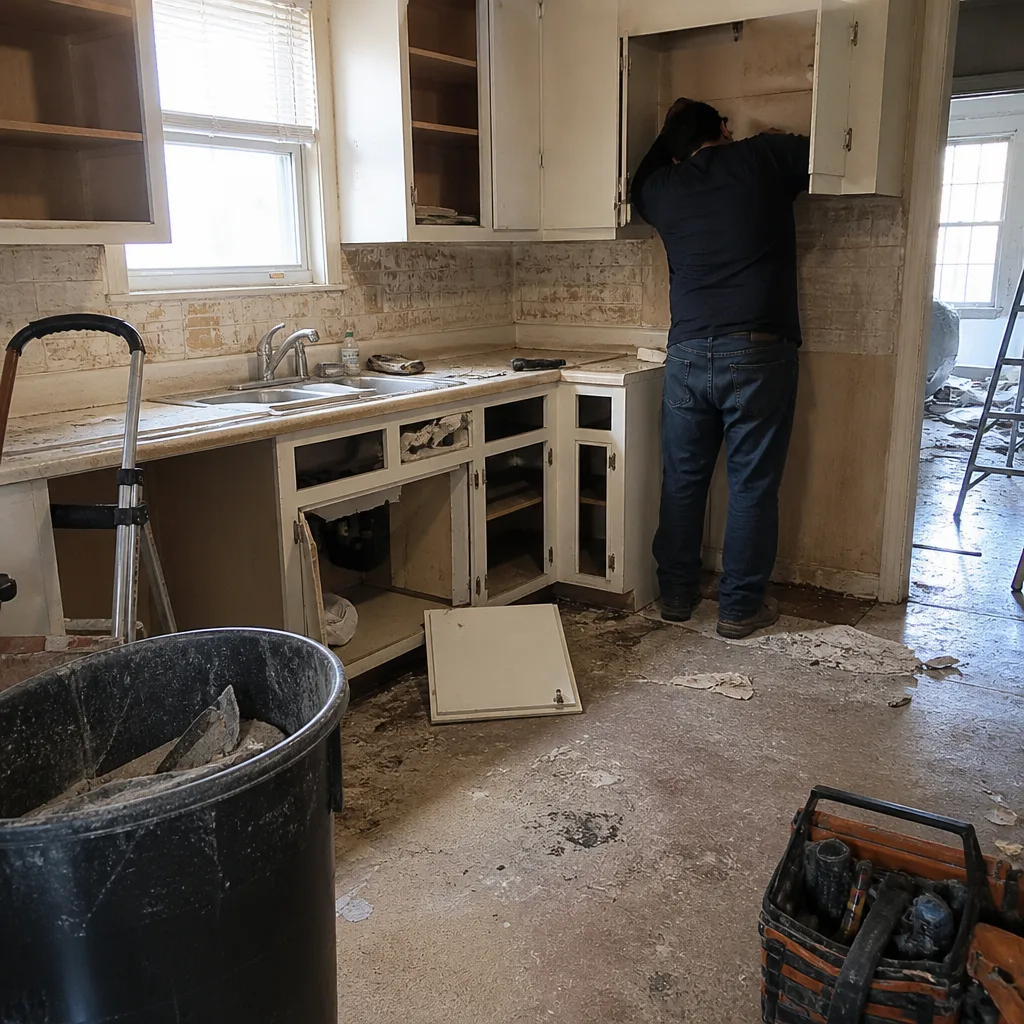 Before
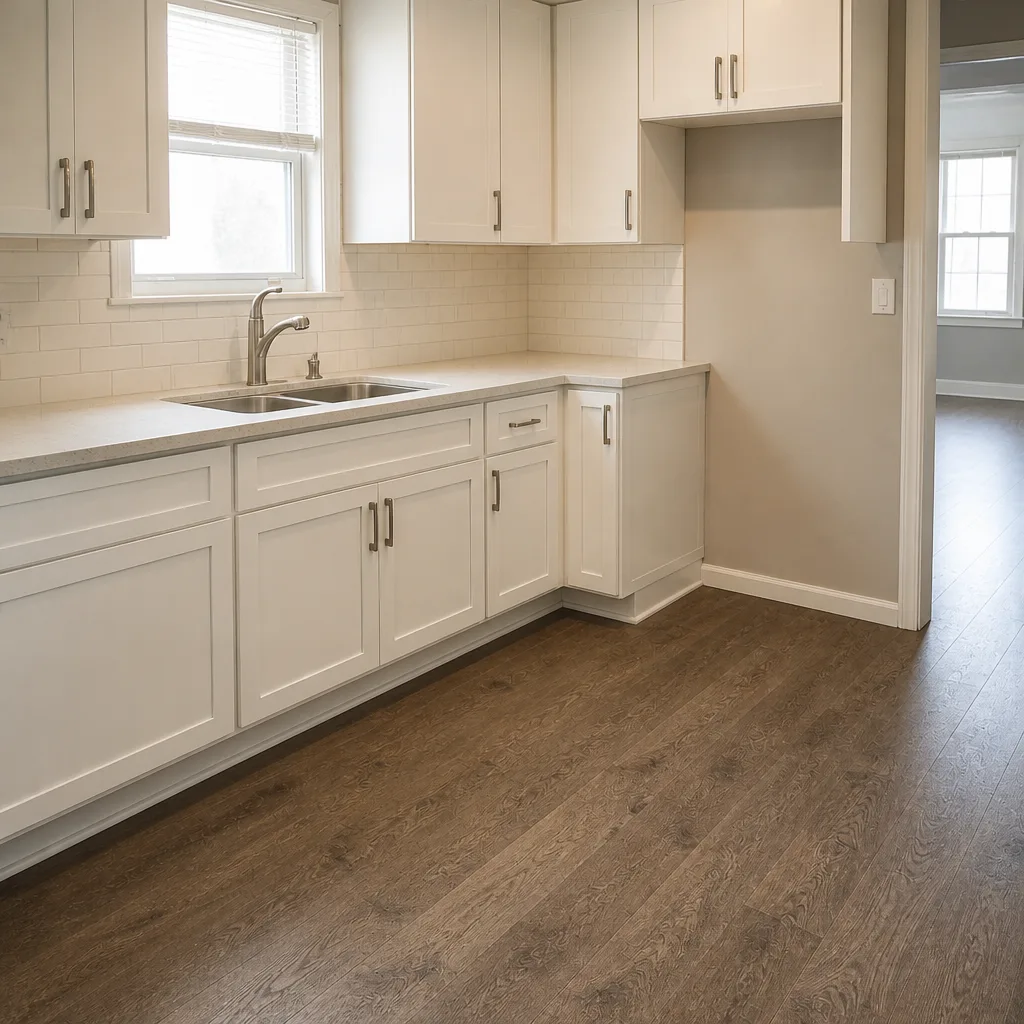 After
Can You Build an ADU on Your Fort Worth Property? Here’s How to Know Before You Spend a Dollar on Design
Yes, you can build an ADU on your Fort Worth property, but only if three things line up at once: your zoning district allows one, your lot clears Fort Worth’s size and lot-coverage limits, and no deed restriction or historic overlay blocks it. Miss any one of the three and the city will reject your permit application no matter how good the drawings look. Texas law now limits how aggressively cities can ban ADUs outright, but Fort Worth still has real authority over setbacks, height, and lot coverage. If you want a straight read on your address, call (855) 912-5373 and a live team member can talk through zoning questions any hour of the day.
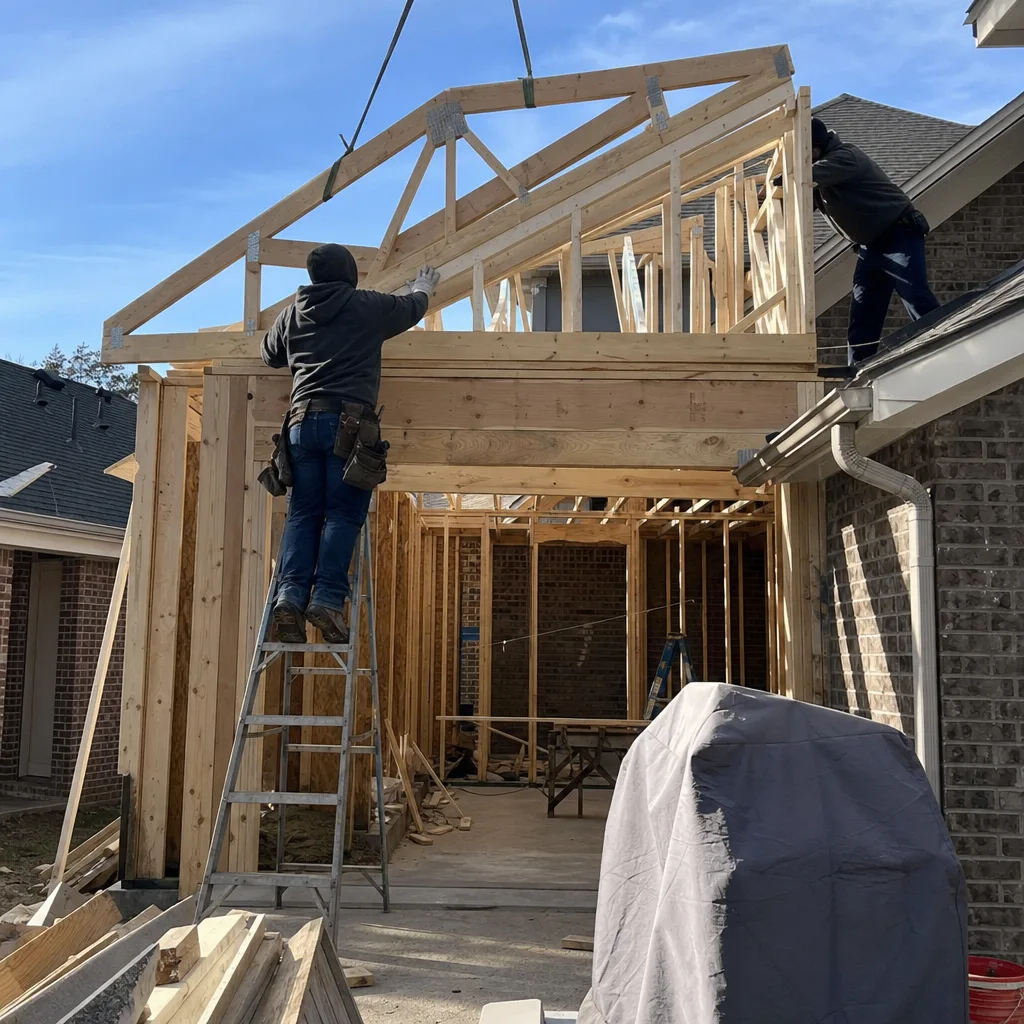
Here’s the part most homeowners learn too late: prime your design budget only after you’ve checked all three hurdles. We’ve watched plenty of Fort Worth homeowners pay for a full architectural set before discovering their lot was already at its coverage cap.
The Three Hurdles Fort Worth Actually Enforces
Fort Worth can’t categorically ban accessory dwelling units in single-family zones anymore. What it can do, and does, is enforce development standards that quietly rule out a lot of properties. The three variables below are the ones that decide your project, and they need to clear together, not one at a time.
1. Zoning district
Not every single-family district in Fort Worth permits an ADU. Some allow them by right, some require a specific use permit, and some don’t allow them at all. Your zoning string (something like “A-5” or “R-1”) is public information, and it’s the first thing to pull before you sketch anything. If your district doesn’t permit ADUs, you’re looking at a rezoning or a different approach entirely.
2. Lot size and coverage limits
Fort Worth caps how much of your lot can be covered by structures. Your house, garage, shed, and proposed ADU all count toward that number. On a tight Near Southside lot with an existing detached garage, you may already be close to the ceiling before you add a single square foot. Minimum lot size rules apply too. A narrow infill lot that looks roomy on paper can fail the coverage test once the math is done.
3. Deed restrictions and historic overlays
This is the hurdle that surprises people. A property can be perfectly zoned and still be off-limits because of a private deed restriction or an HOA covenant. In fast-growing northwest Fort Worth, planned communities around Walsh Ranch and the Alliance corridor often carry deed restrictions that prohibit ADUs regardless of what the city code says. Private restrictions don’t care about zoning; they run with the deed.
Historic districts add a fourth layer. In Fairmount, Ryan Place, and the Stockyards-adjacent blocks, you can be fully eligible under the development code and still need design-review approval before a permit moves. “Eligible” and “approved” are two different thresholds. A 1920s bungalow block plays by different rules than a new subdivision, and Fort Worth crews learn that fast.
How to Check Your Own Property Before You Call Anyone
You can do most of this homework yourself in an afternoon. It won’t replace a formal zoning assessment, but it will tell you whether you’re in the game or wasting time.
- Pull your zoning. Use the City of Fort Worth development services portal to look up your address and confirm your zoning district. Note the exact designation; it decides whether an ADU is allowed by right or needs extra approval.
- Get your lot dimensions and existing coverage. Tarrant Appraisal District parcel data gives you lot size and the footprint of existing structures. Add up house plus garage plus any outbuildings, then compare that to the coverage cap for your district.
- Check for deed restrictions. Read your title commitment or subdivision plat for recorded restrictions. If you’re in an HOA, request the covenants in writing, not a verbal “I think it’s fine” from a neighbor.
- Confirm historic overlay status. If you’re near Fairmount, Ryan Place, or the Stockyards, check whether a design-review overlay applies before you assume a standard permit will sail through.
Do this first, and the conversation with any contractor gets a lot more useful. Skip it, and you’re paying for design work on a lot that can’t hold the building.
What an ADU Actually Costs in Fort Worth
Fort Worth ADU construction generally runs $90,000 to $220,000 depending on size, site work, and whether you’re building new or converting. A garage conversion is the lower-cost route at $30,000 to $80,000 because the shell and slab already exist. A ground-up addition sits in the $45,000 to $130,000 band for standard home additions, with detached ADUs climbing past that once utility runs and foundations are factored in.
| Project type | Typical Fort Worth range |
|---|---|
| ADU construction (detached or attached) | $90,000-$220,000 |
| Garage conversion to living space | $30,000-$80,000 |
| Home addition (general) | $45,000-$130,000 |
Two local cost drivers hit Fort Worth harder than most markets. The expansive black clay under much of the region moves with soil moisture, so foundations are engineered for movement rather than freeze depth. That’s real money in the ground. The aggressive North Texas build season compresses schedules too, because everyone wants framing done before the summer heat peaks and again before spring hail season.
When you’re ready to move from checking eligibility to planning the build, our Home Additions & ADU team works from your confirmed zoning and lot data, so the number you get reflects your actual property. And when you’re comparing this against other improvements on the same lot, our guide to Home Additions & ADU in Fort Worth covers how an ADU stacks up against a straight addition.
Where Groundwork Fits In
Groundwork Construction Co. of Fort Worth starts every ADU conversation with a site and zoning assessment, not a design retainer. You don’t pay for design work until eligibility is confirmed. That’s the order that protects your money, and it’s why we ask for your zoning and lot details before we ever talk square footage.
Our technicians have up to 12 years of experience, and they arrive background-checked and in uniform. Every project is backed by our 730-Day Done Right Promise: if it’s not done right, we make it right. Bathroom and kitchen finishes inside the ADU run through brands we trust, from Delta and American Standard fixtures to Toto. Pricing is upfront, so the number you see is the number you pay, and projects over $10,000 qualify for $1,000 off plus 0% financing for 18 months.
If a garage conversion is on your list instead of a new build, our garage conversion work follows the same assessment-first process. Same goes if the ADU is part of a broader plan: homeowners often pair it with a kitchen remodeling or bathroom remodeling project in the main house, and we scope both at once so the site work and permits line up.
FAQs
Yes, neighbor precedent doesn’t determine your eligibility; your own zoning, lot coverage, and deed restrictions do. A street full of homes without ADUs tells you nothing about your lot. Pull your zoning and check your recorded restrictions, because the answer lives in your property’s own file.
No. Texas preemption limits how aggressively Fort Worth can ban ADUs in single-family zones, but the city still enforces setbacks, height limits, lot coverage, and utility requirements, and private deed restrictions remain fully enforceable. State law opens the door partway; your specific lot and deed decide whether you walk through it. Call (855) 912-5373 if you want to talk through your address, and estimates are free.
ADU construction in Fort Worth typically runs $90,000 to $220,000, with garage conversions landing at $30,000 to $80,000 and general home additions at $45,000 to $130,000. Foundation engineering for black clay soil and site work for utility runs are the two line items that move the number most. Call (855) 912-5373 for an exact quote on your property; estimates are free.
Yes, and you should. Confirm zoning, lot coverage, deed restrictions, and historic overlay status before paying for drawings, because a design set on a disqualified lot is money you won’t recover. Groundwork’s process starts with a site and zoning assessment for exactly this reason, and you don’t pay for design until eligibility is confirmed.
If you’d rather have it looked at, Groundwork Construction Co. of Fort Worth offers a no-pressure assessment in Fort Worth. Call (855) 912-5373 and we’ll start with your zoning, not your budget.
Written by the team at Groundwork Construction Co. of Fort Worth, serving Fort Worth, TX.