Free written scope consultation - allowances, timeline, and change-order rules on paper before a single trade is scheduled
Styles & brands we work with
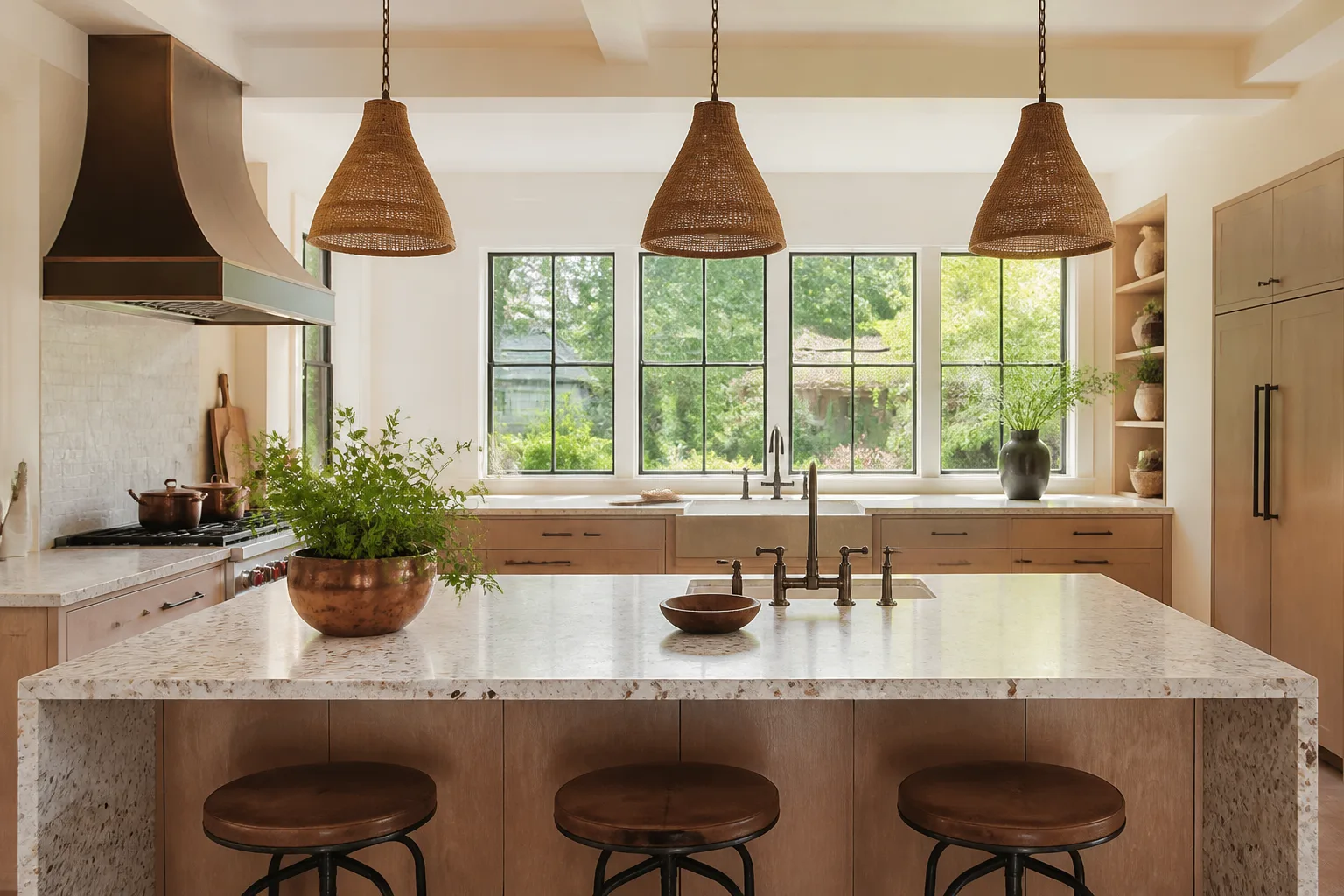
- Kitchen remodeling
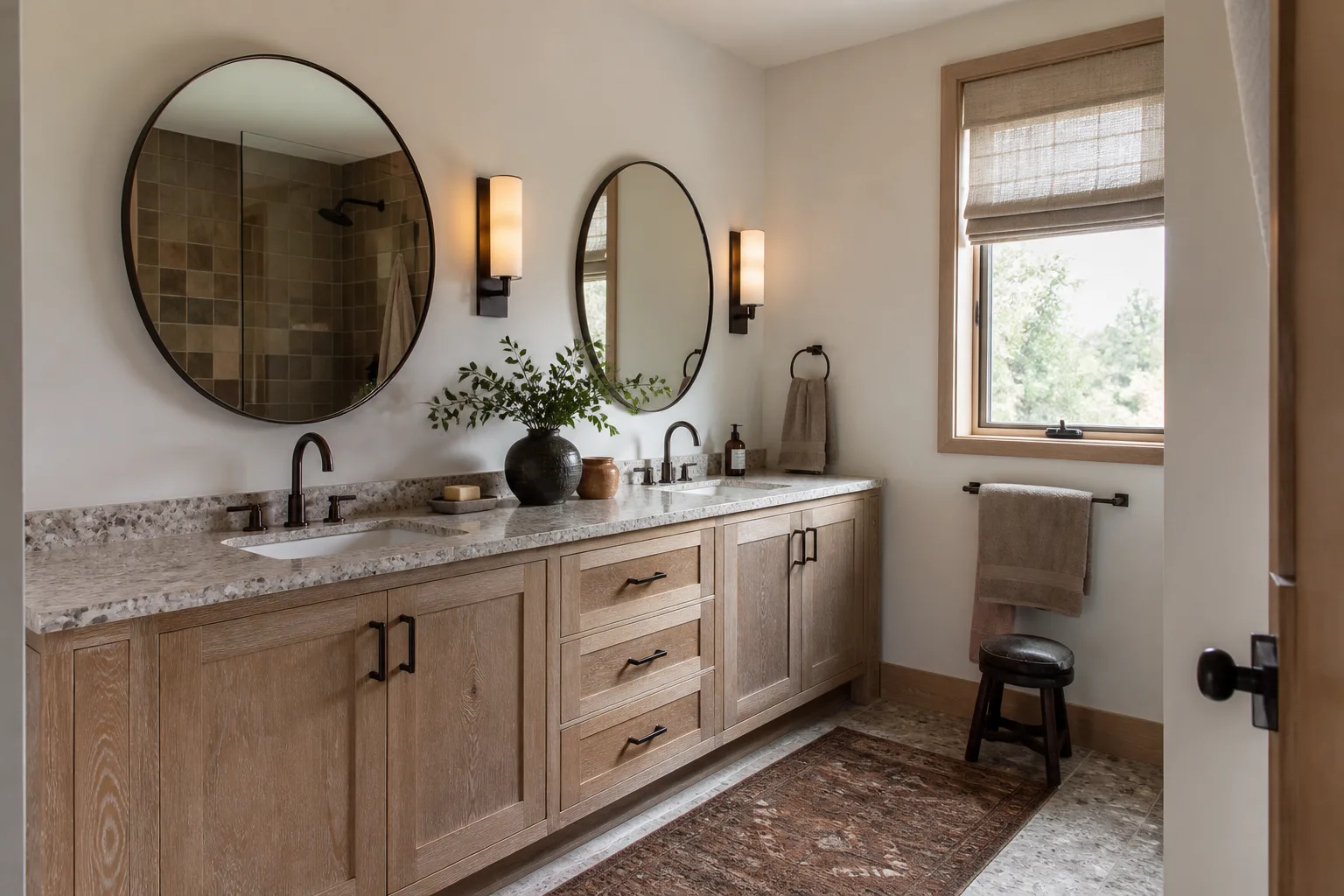
- Bathroom remodeling
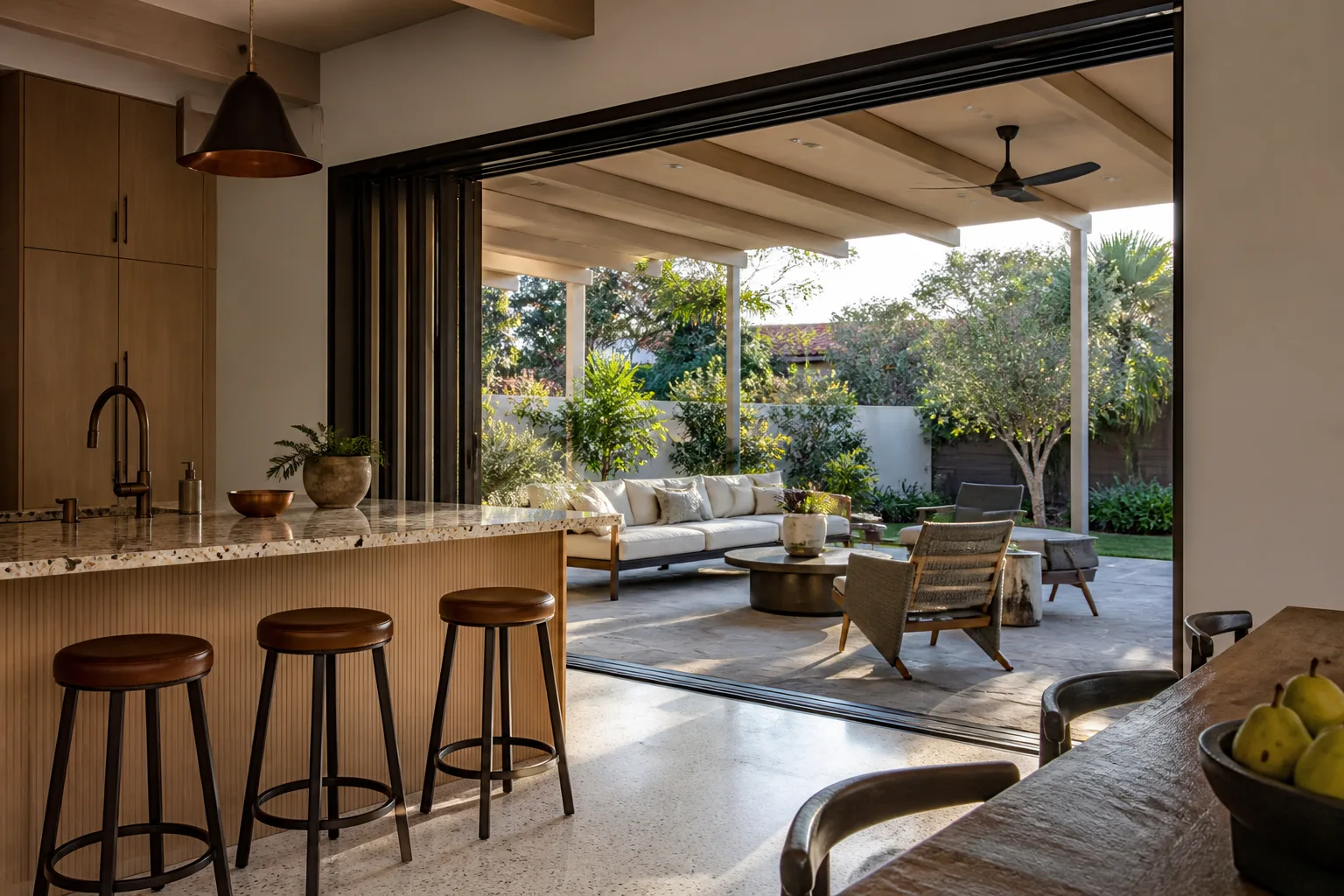
- Home additions & ADU
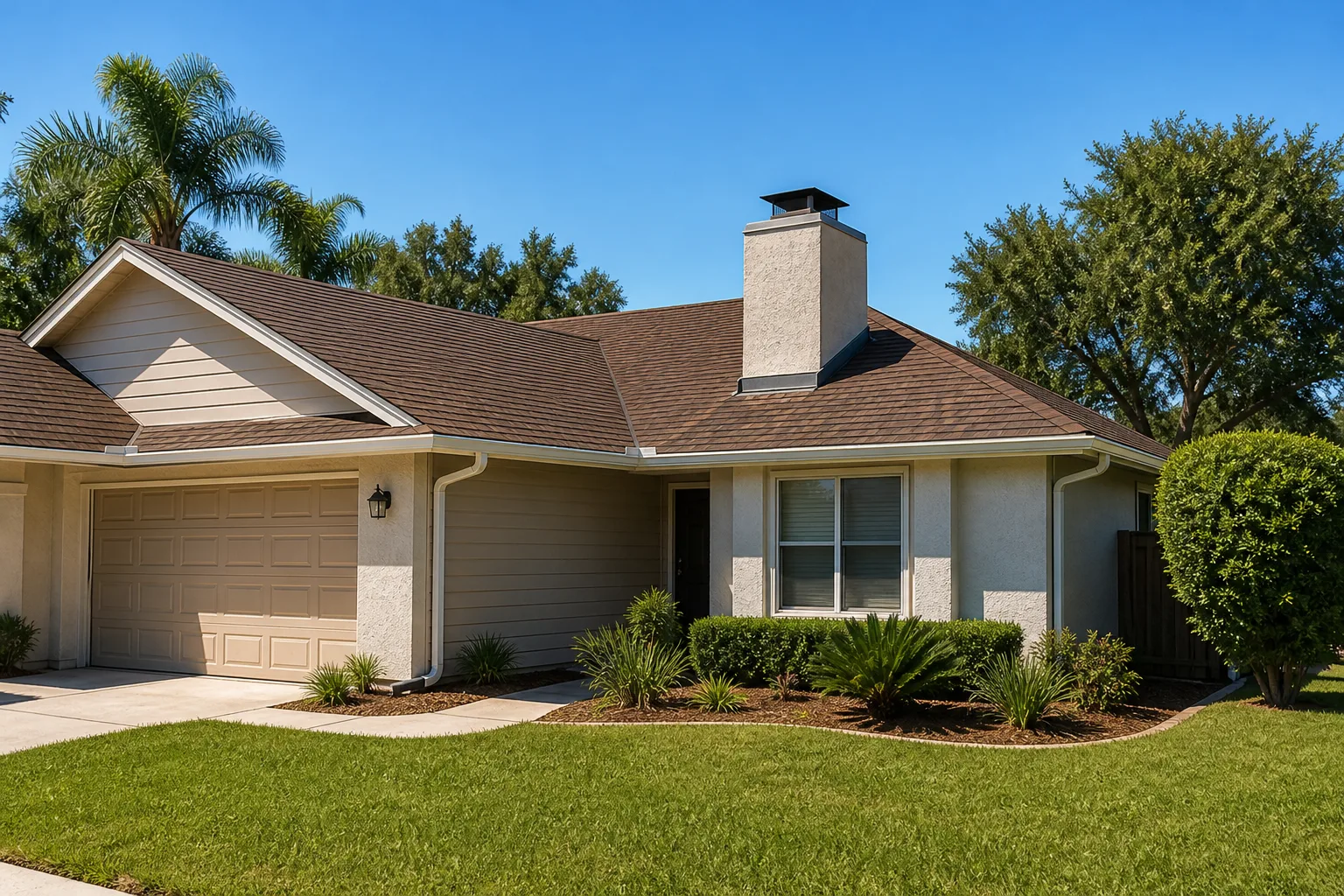
- Roofing
- Windows & doors
- Driveway & pavers
- Fence
See the difference
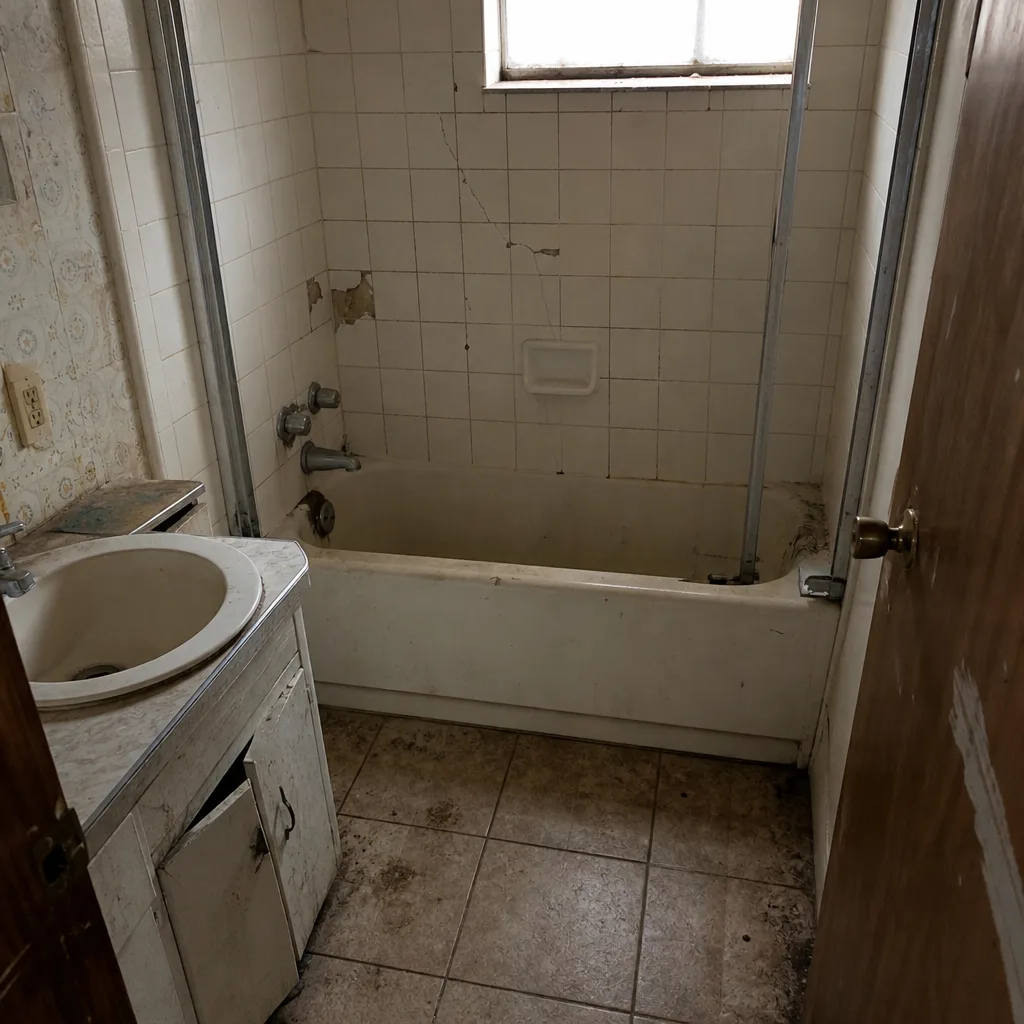 Before
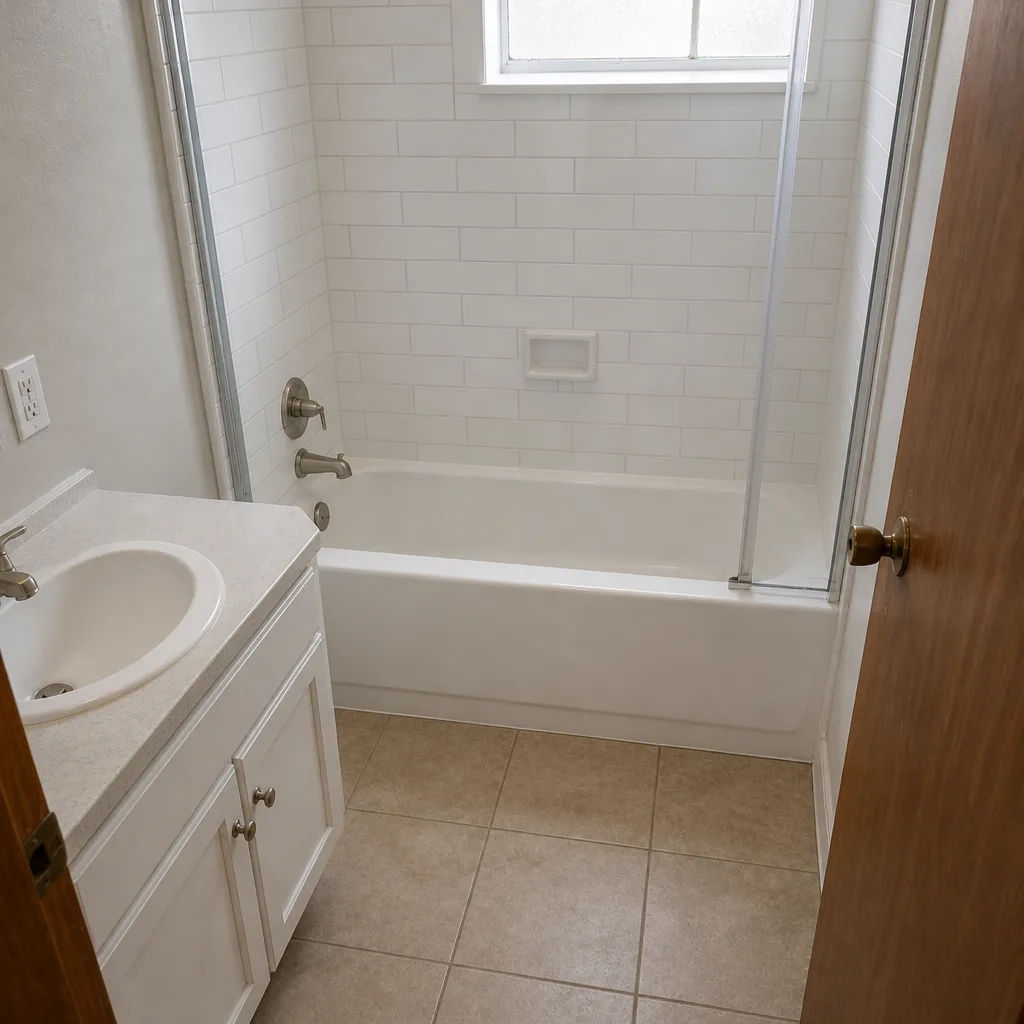 After
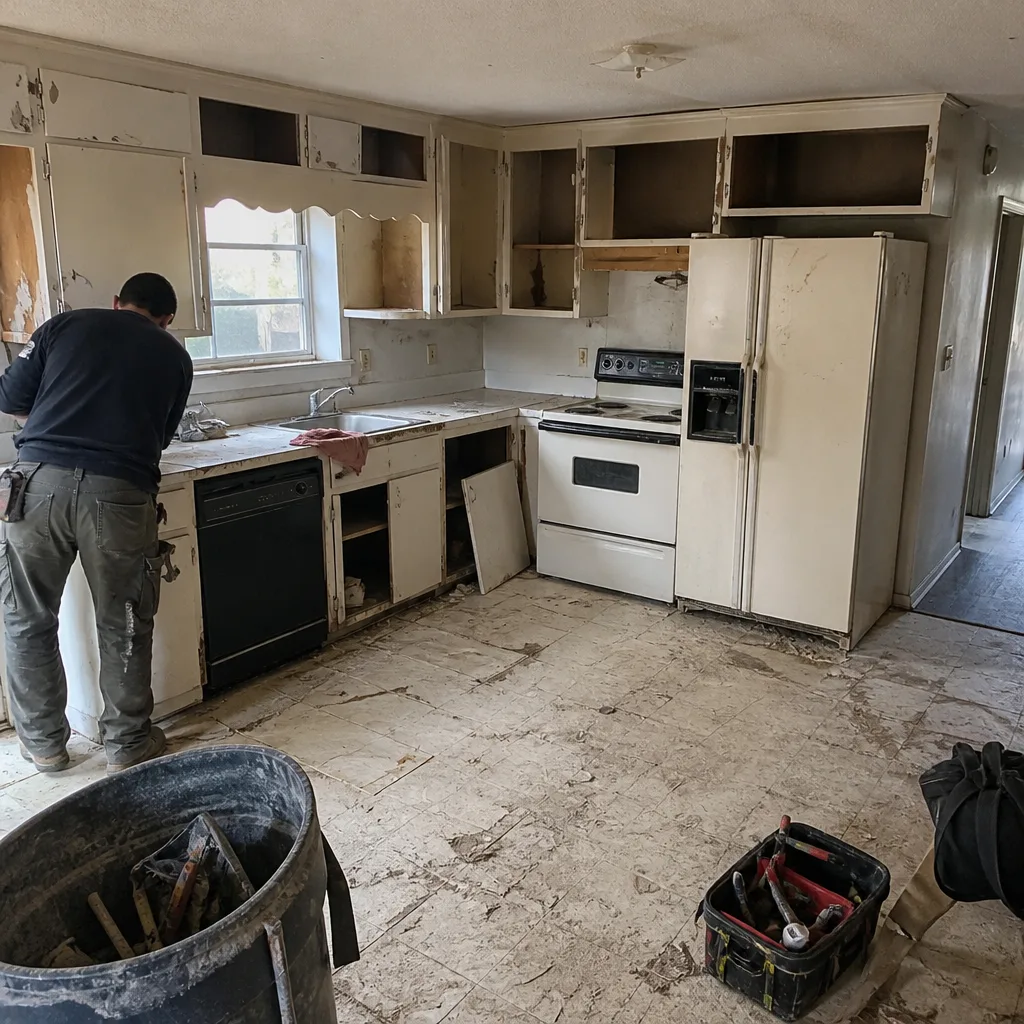 Before
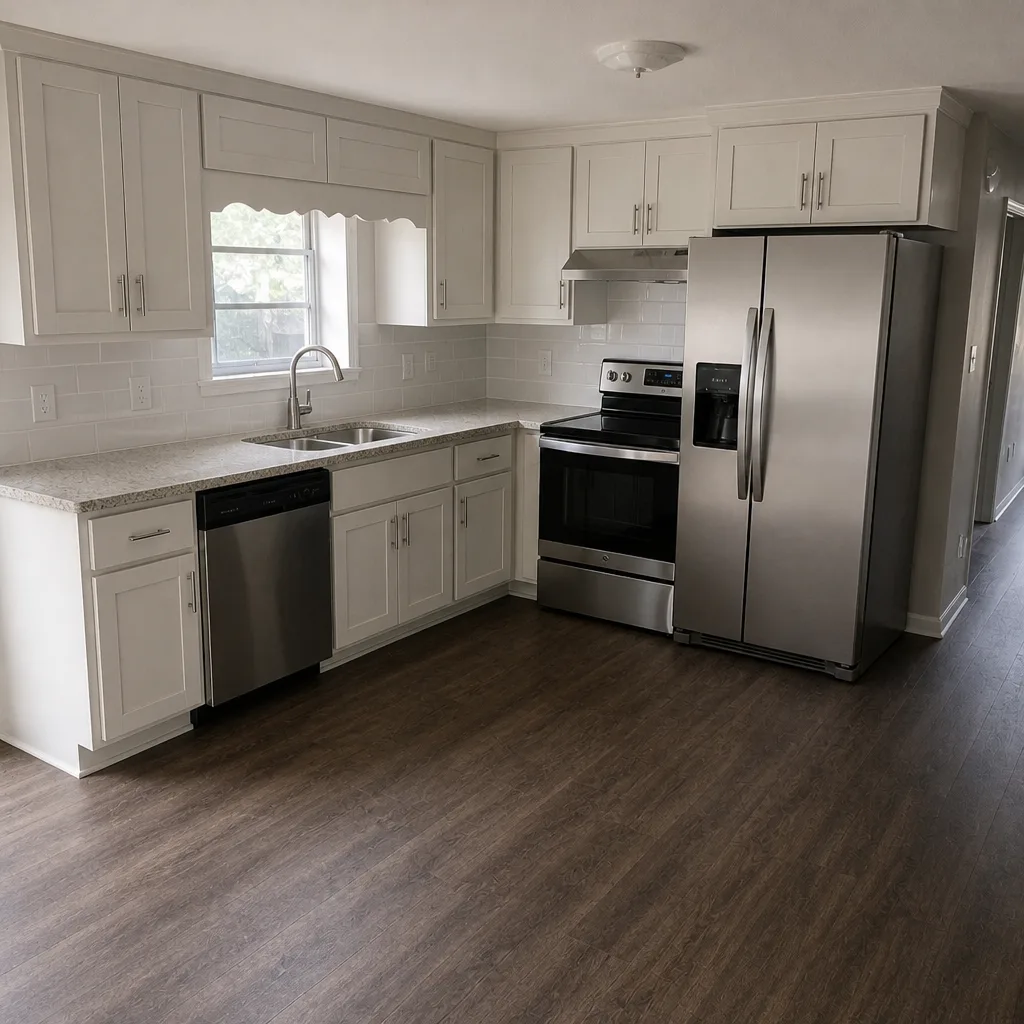 After
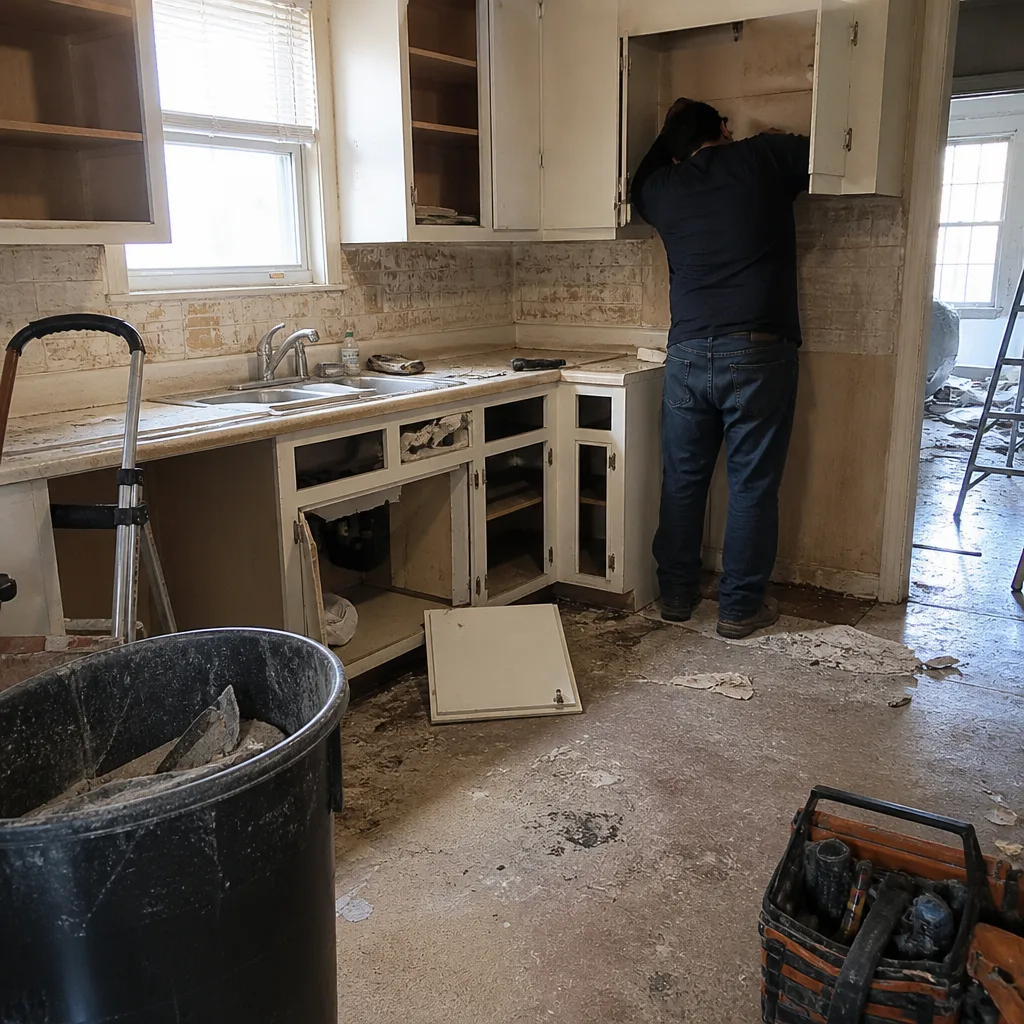 Before
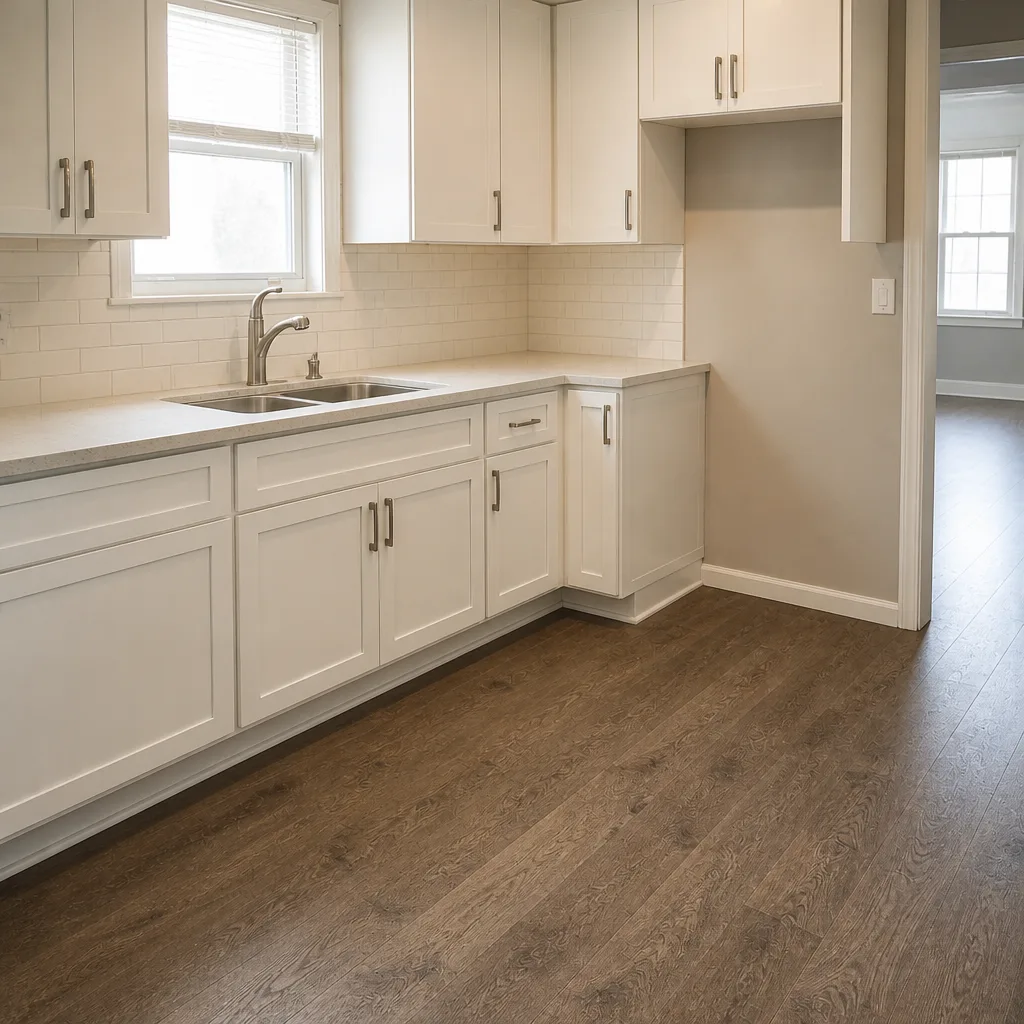 After
How Long Does It Take to Build an ADU in Fort Worth? Here’s the Honest Timeline
Most ADUs in Fort Worth take 12 to 20 months from first sketch to certificate of occupancy, and the permit queue, not the hammering, eats the biggest share of that clock. A realistic build runs 10 to 20 weeks of active construction, but plan review in a standard Fort Worth zone can stretch 8 to 14 weeks on its own. Build your schedule from the actual Fort Worth queue, not a template that assumes a 4-week turnaround. Call (855) 912-5373 and we’ll walk you through a timeline tied to your lot, your zone, and what you want to build.
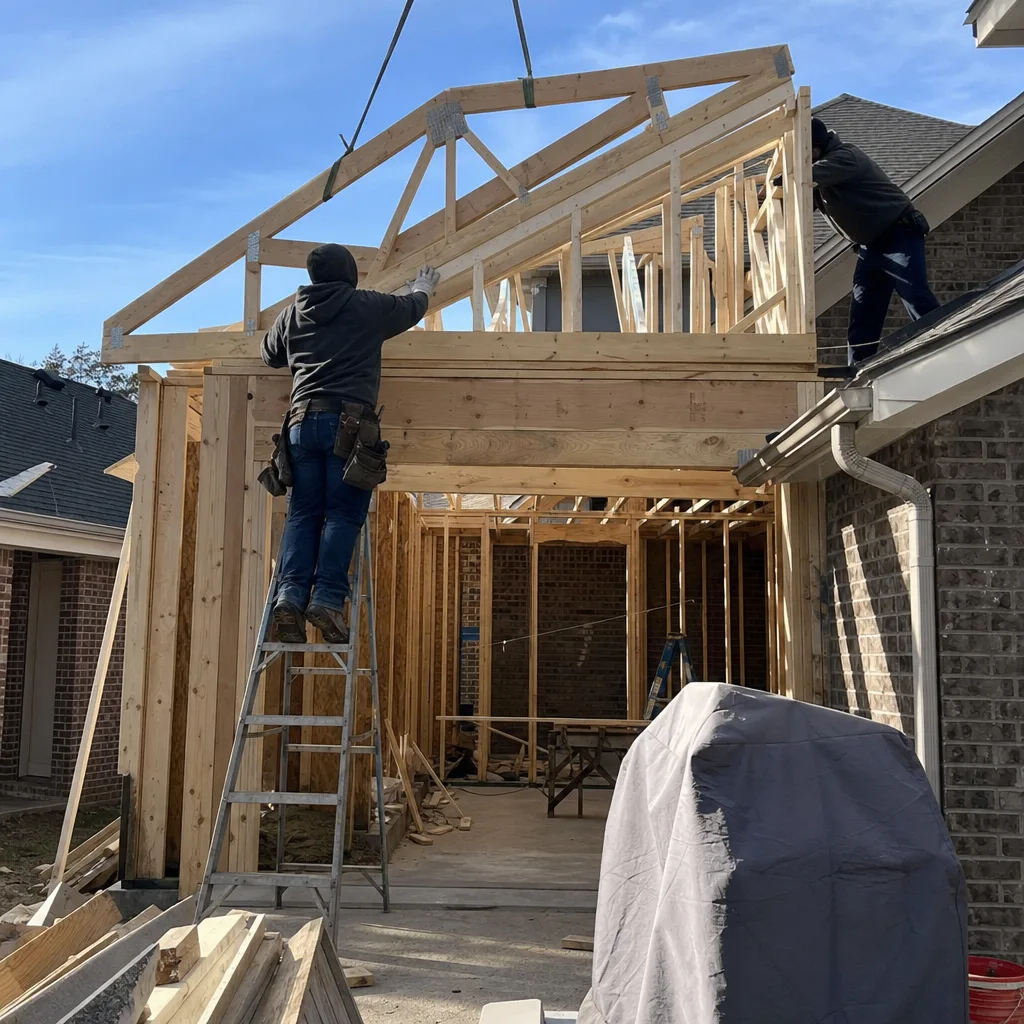
Fort Worth makes the timing story stranger than most cities. Historic stockyard blocks and Near Southside brick warehouses sit a few miles from master-planned sprawl pushing past Loop 820 toward Alliance and Walsh Ranch. That two-speed reality shapes your ADU schedule more than any national average does. Here’s what each phase actually looks like when you’re building in this city.
What the five phases actually cost you in weeks
Our technicians have up to 12 years of experience, and the single most common surprise they field is how much of the calendar gets swallowed before a shovel ever touches the dirt. Pre-design and feasibility come first, then drawings and engineering, then the permit cycle, then the build itself, then final inspection and certificate of occupancy. Each phase has a Fort Worth-specific floor you can plan against.
- Pre-design and feasibility – 2 to 4 weeks. Survey, setbacks, utility availability, and a frank read on whether your lot can even host a detached unit.
- Design and engineering – 4 to 8 weeks. Architectural drawings, structural and MEP engineering, and resubmittal room if the reviewer asks for revisions.
- Permit submission to approval – 8 to 14 weeks in a standard zone. The city is processing a construction boom that stretches from Alliance to the Near Southside at the same time, and the queue shows it.
- Construction – 10 to 20 weeks depending on scope. A garage conversion sits at the short end; a detached two-bedroom unit with full site work sits at the long end.
- Final inspection and certificate of occupancy – 2 to 4 weeks. Inspection scheduling and any punch-list corrections land here.
Total it up and you’re looking at roughly 12 to 20 months for a standard infill project. A new-growth lot can compress the front half; a historic overlay can add to it. Neither number is a guess. They come from the Fort Worth construction calendar, not a national estimate.
Why Fort Worth’s climate helps the build and hurts the calendar
The geological advantage here is real. Fort Worth’s frost line sits at less than six inches, so foundation work can proceed almost year-round. Compare that to northern markets where crews lose three or four months waiting for the ground to thaw. We pour slab and pier foundations in January here. The shallow frost line means foundations get engineered for expansive black clay soil movement, not freeze depth, so your slab design is a soil conversation, not a weather conversation.
Then spring arrives, and with it hail season. March through May brings the north-Texas straight-line wind and hail events that make exterior work unpredictable. Roofs, siding, and window installations on your ADU can stall for a week or more after a storm cell rolls through, and every crew in the city is suddenly triaging damage calls. A smart schedule builds that risk in. If your exterior phase lands in April, expect a weather buffer of one to three weeks, and expect your builder to have flagged it before the contract was signed, not after.
The long summer window is your friend. July and August heat is brutal on crews, but the build season stays open, and that’s a genuine Fort Worth advantage. The timeline challenge here isn’t the weather. It’s the paperwork.
The historic district multiplier, and why it can’t be rushed
If your ADU sits in Fairmount, Ryan Place, or the Stockyards area, add 4 to 8 weeks to your pre-permit phase. A Certificate of Appropriateness review requires a scheduled Historic Preservation Commission hearing, and there is no compression trick. The hearing is on the calendar. Your project gets reviewed on that date. A straightforward garage conversion behind a 1920s bungalow can stall on a district review just as easily as a full new build, because the overlay reviews design, massing, and materials regardless of project scale. What flies in a new subdivision won’t pass a historic overlay board, and crews who don’t know the difference burn weeks on resubmittals.
Why two ADUs on the same street take different amounts of time
Location shapes the schedule more than any other single factor, and the gap is wider than most homeowners expect. A detached ADU on a new-growth lot in Walsh Ranch generally moves faster through site prep and inspection scheduling than an infill project on a Near Southside lot. New-growth lots have clean utility access, room for staging, and uncomplicated trenching. Infill lots carry utility conflicts, tight alley access, and a historic footprint that often needs verification before you can break ground. We’ve watched identical square footage come in six to eight weeks apart purely on site conditions.
That’s why we build timelines from your specific lot, not a template. And it’s why we answer the phone around the clock: inspection scheduling, permit status updates, and weather-delay decisions happen in real time, not days later when a voicemail gets returned. Calls get answered by a live person, 24/7. When a Fort Worth inspector opens a slot on Tuesday morning, we’re on it that morning.
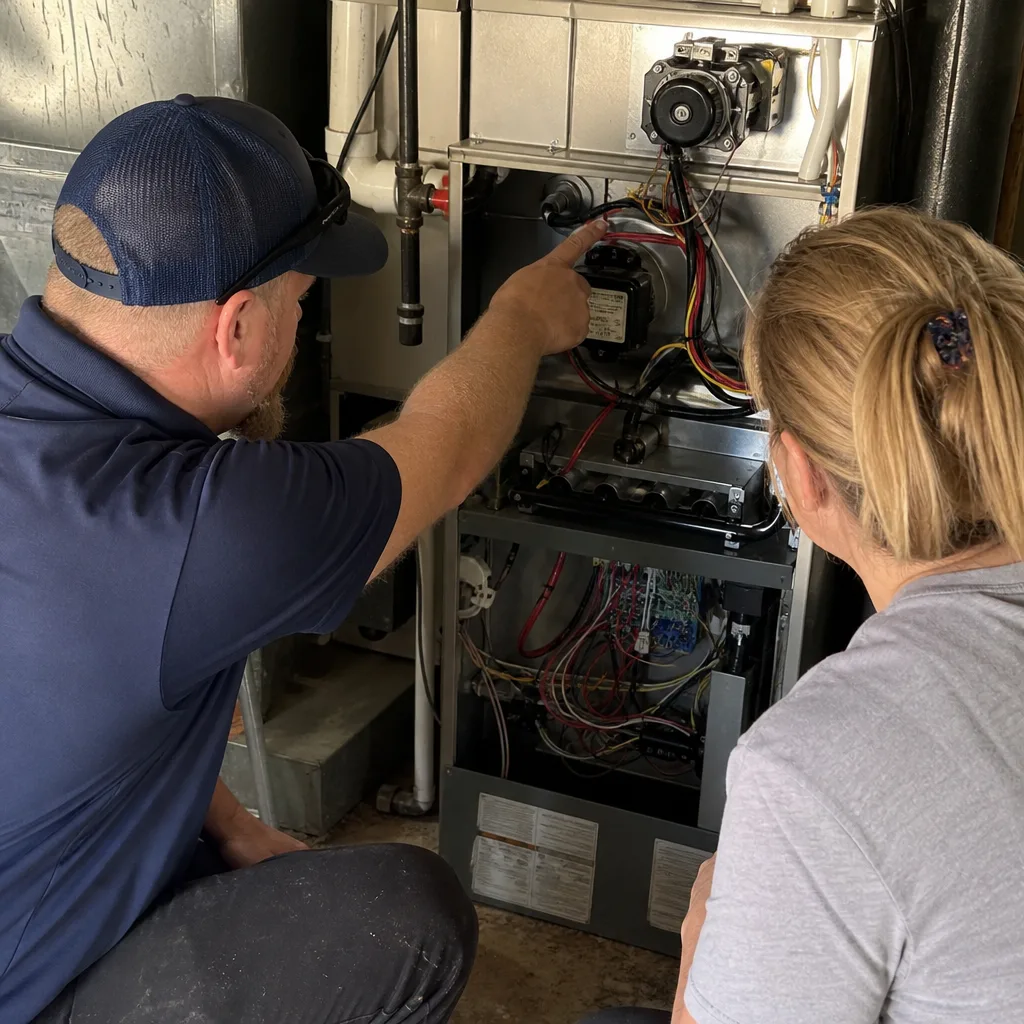
What Does an ADU Actually Cost in Fort Worth, and Does Timeline Change the Price?
A full ADU construction in Fort Worth typically runs $90,000 to $220,000, and the upper end usually reflects a detached unit with full site work rather than a slower permit cycle. A garage conversion is the leaner path, at $30,000 to $80,000, and often carries a shorter permit review too. Here’s the line-item picture, using the same ranges we quote across every Fort Worth project.
| Project type | Typical Fort Worth range |
|---|---|
| ADU construction (detached, full scope) | $90,000 – $220,000 |
| Garage conversion to living space | $30,000 – $80,000 |
| Home addition (attached, comparable scope) | $45,000 – $130,000 |
| Lead range for ADU-adjacent additions | $45,000 – $130,000 |
Timeline and price interlock in one place most homeowners don’t consider: weather delays and resubmittals can each add carrying costs, and those modestly raise the total even when the scope is fixed. Upfront pricing is how we handle it. The number you see is the number you pay, and the 730-Day Done Right Promise backs the work long after the certificate of occupancy is issued. If it’s not done right, we make it right. For a large scope like this, 0% financing for 18 months and $1,000 off projects over $10,000 make the numbers more workable, and the free project estimate and design consult lets you see the timeline before you commit to anything.
Our crews pull from a curated set of brand partners across every trade, which matters when an ADU adds windows, doors, and siding to the equation. Andersen and Marvin for windows, GAF and Owens Corning on the roof, James Hardie on siding, and Boral, PGT, CGI, or CWS on the window and door package depending on your elevation. Choosing quality brands instead of whatever’s in stock doesn’t slow the schedule; it removes the mid-build substitution scramble that often does. Built to last, backed in writing, is a fair summary of what the material checklist is trying to accomplish.
If you want to see how ADU and addition projects compare side by side, our Home Additions & ADU in Fort Worth page lays out the design and scope options in more detail, and the Home Additions & ADU service page covers the full construction approach. Start there if you’re still deciding between a garage conversion and a detached build.
Key takeaways: Expect 12 to 20 months total for most Fort Worth ADUs. Permit review is the biggest variable and can hold 8 to 14 weeks on its own. The shallow frost line lets foundation work run year-round, but March-to-May hail season deserves a weather buffer. Historic overlays in Fairmount, Ryan Place, and the Stockyards add 4 to 8 weeks that cannot be compressed. Infill lots and new-growth lots run different schedules. A live person is answering the phone 24/7 to keep inspection and permit timing moving.
FAQs About ADU Timelines in Fort Worth
Yes, on the right lot, but it requires the permit queue to cooperate. A garage conversion on an infill lot with clean utility access can move from pre-design to certificate of occupancy in roughly 10 to 12 months when plan review comes back without resubmittals. Detached ADUs on new-growth lots in Walsh Ranch or Alliance benefit from faster site work, which can shave six to eight weeks off the build. Call us for a timeline quote built around your specific address and project scope.
ADU construction in Fort Worth runs $90,000 to $220,000 for a full detached build, and a garage conversion lands between $30,000 and $80,000. The upper range tracks with square footage, site work, and finish level, not the number of weeks in the permit queue. If your ADU is attached rather than detached, expect a comparable scope in the $45,000 to $130,000 range. Call (855) 912-5373 for an exact quote, free of charge.
Yes, and it adds 4 to 8 weeks to the pre-permit phase. A Certificate of Appropriateness review in Fairmount, Ryan Place, or the Stockyards area requires a scheduled Historic Preservation Commission hearing, and that calendar is fixed. Massing, materials, and design get reviewed against the district overlay, which means a garage conversion faces the same scrutiny as a new build. The weeks cannot be compressed, but a builder who knows the overlay avoids the resubmittals that stretch them further.
Site conditions and permit zone drive the gap, not crew speed. Infill lots on the Near Southside often carry utility conflicts, tight alley access, and a historic footprint that needs verification before ground breaks, while new-growth lots have clean staging and straightforward trenching. The same square footage can land six to eight weeks apart on that difference alone. Call us to walk your lot, and we’ll tell you honestly which timeline column it belongs in.
Ready to Nail Down Your Timeline?
Every ADU schedule starts with a real look at your lot, your zone, and what you want to build. If you’d rather have it looked at, Groundwork Construction Co. of Fort Worth offers a no-pressure assessment in Fort Worth, call (855) 912-5373. We’ll map the phases against the current Fort Worth queue and give you a number, not a guess. Find more on our home page.
Written by the team at Groundwork Construction Co. of Fort Worth, serving Fort Worth, TX.