
Free written scope consultation - allowances, timeline, and change-order rules on paper before a single trade is scheduled
Styles & brands we work with
- Kitchen remodeling
- Bathroom remodeling
- Home additions & ADU
- Roofing
- Windows & doors
- Driveway & pavers
- Fence
See the difference
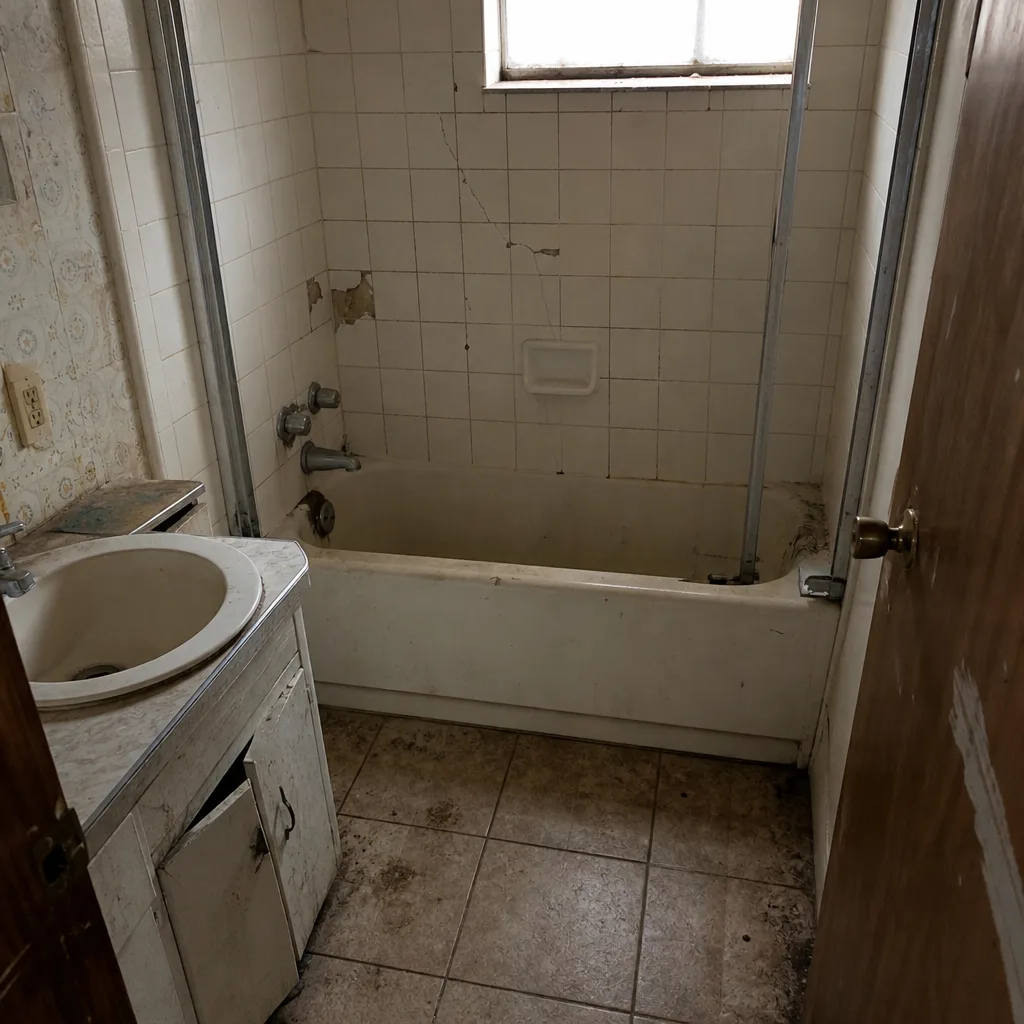 Before
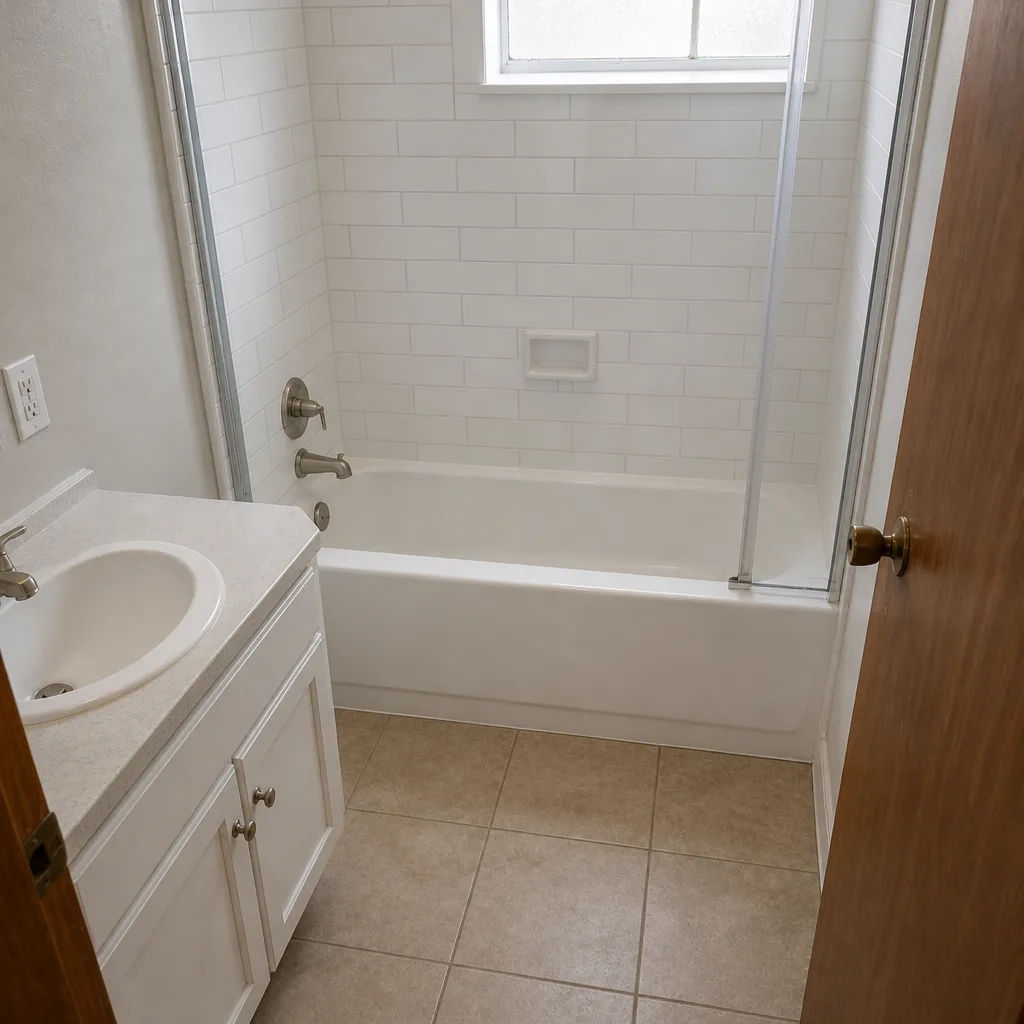 After
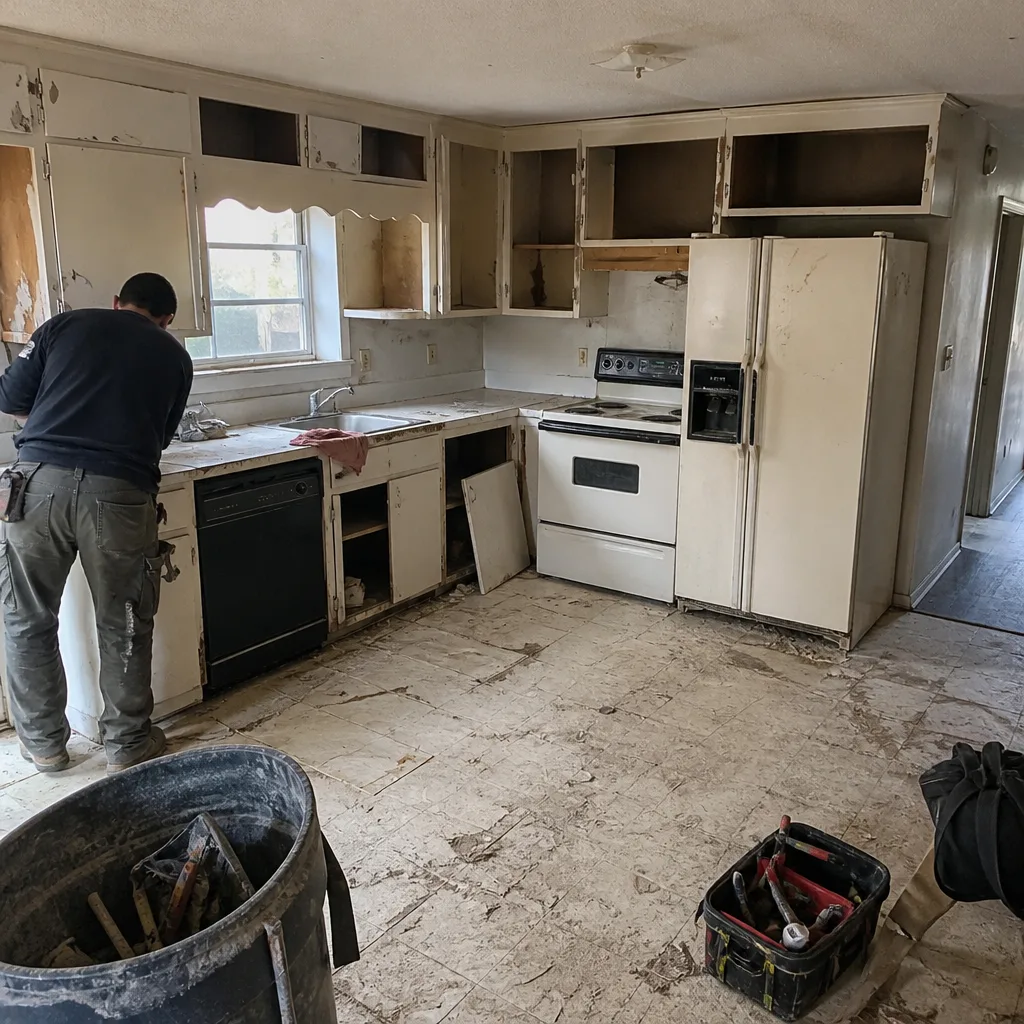 Before
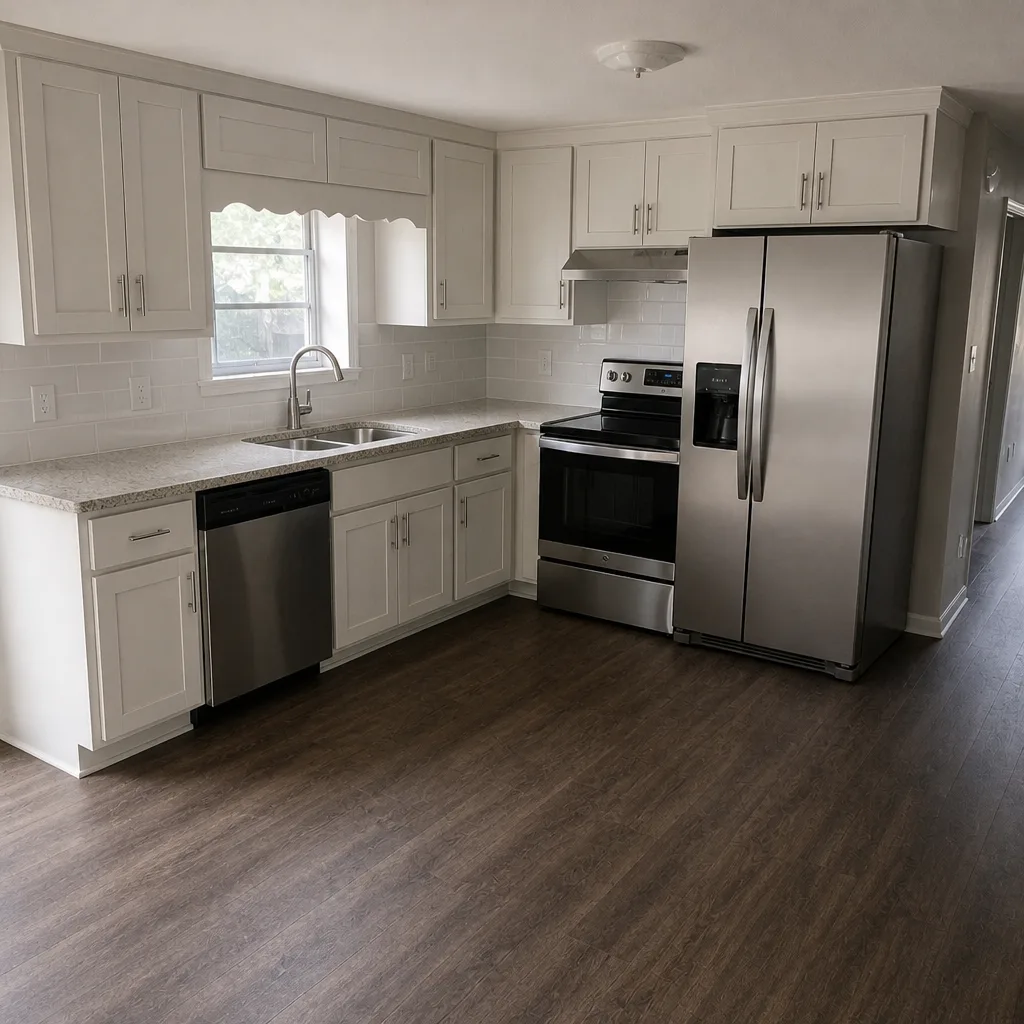 After
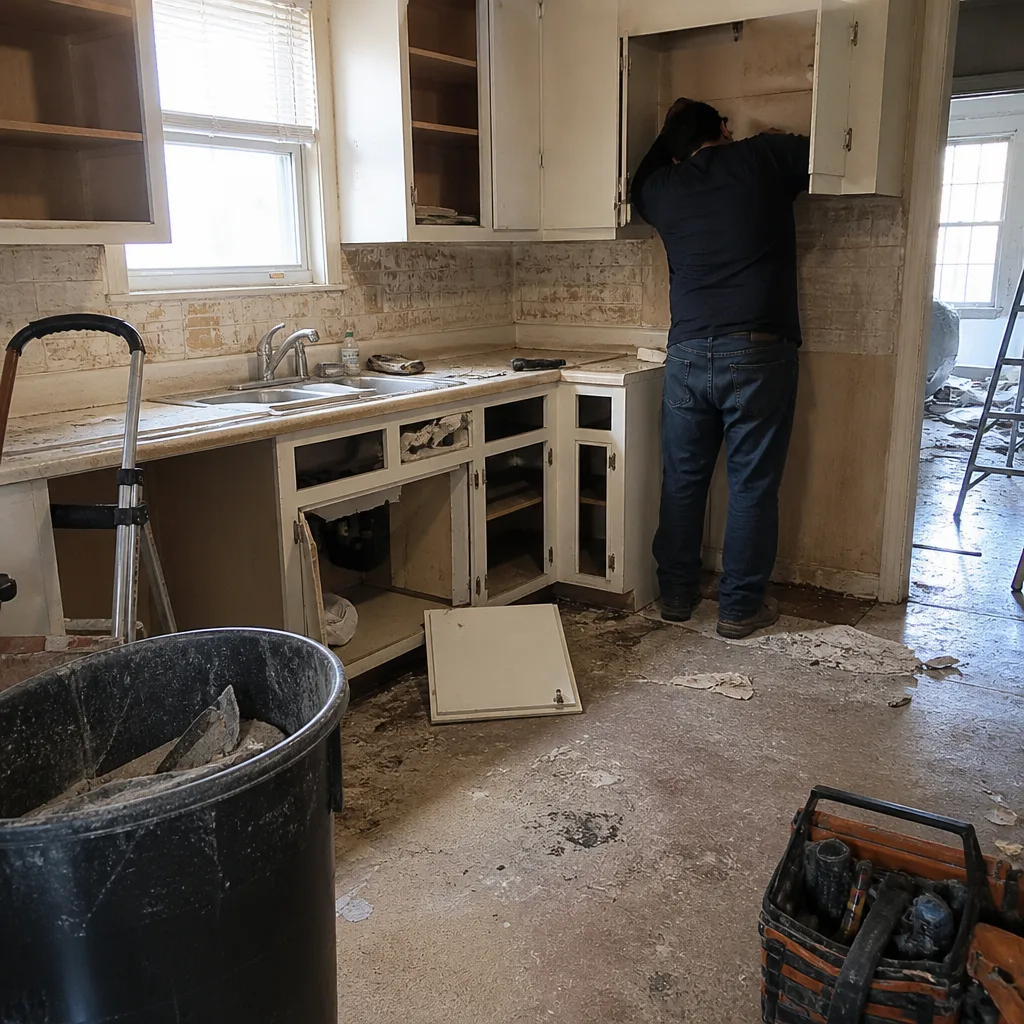 Before
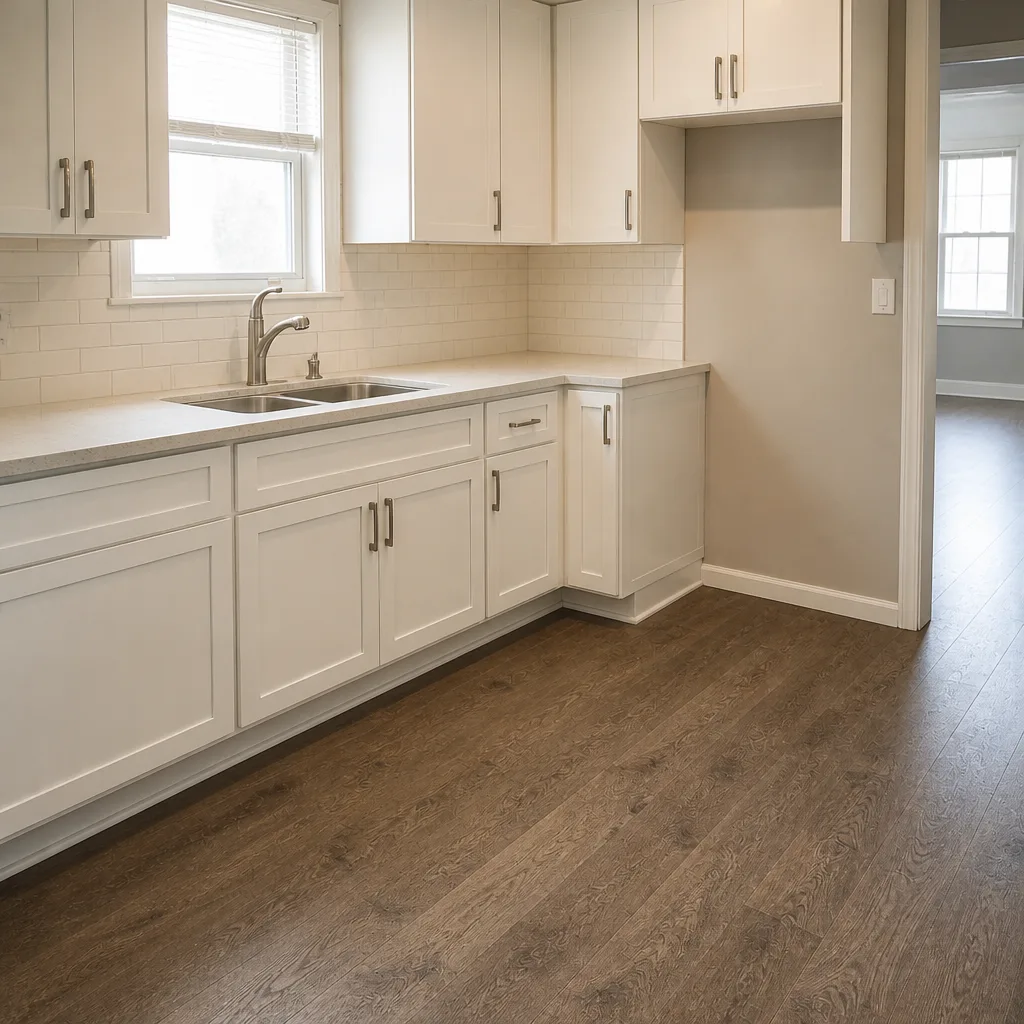 After
ADU Permit Requirements in Fort Worth, TX: The Three Tracks You Have to Clear
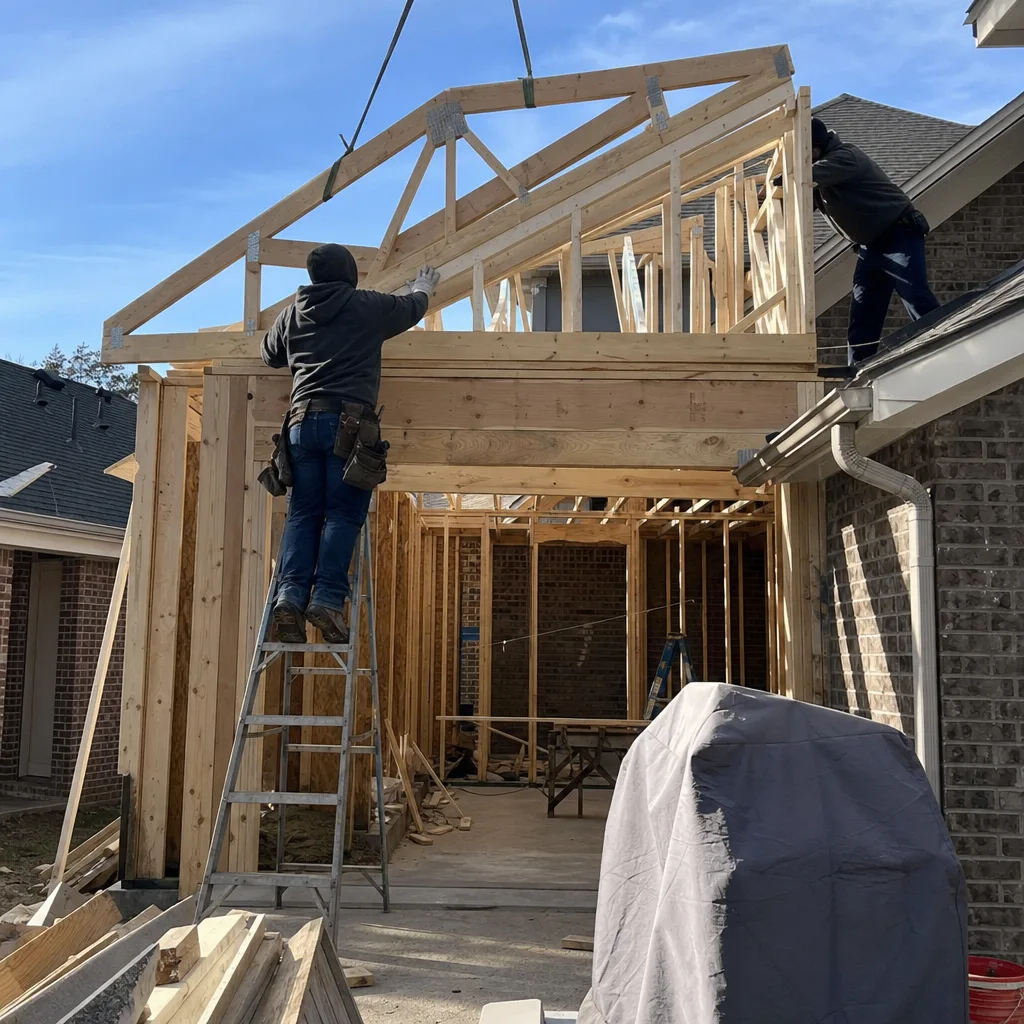
Fort Worth ADU permits run on three separate tracks: a zoning verification through the city’s Development Services, a building permit with its own MEP sub-permits, and a utility connection approval from Oncor and Fort Worth Water. Each track has its own forms, its own reviewers, and its own timeline. And for any lot inside a historic overlay like Fairmount, Ryan Place, or the Stockyards district, a fourth track opens first: a Certificate of Appropriateness from the Historic Preservation Officer. Miss any one of those tracks and the whole application sits until you circle back. Call Groundwork Construction Co. of Fort Worth at (855) 912-5373 if you want the full pathway walked through before you submit a single page.
Key Takeaways
- Fort Worth enforces zoning verification, building permit, MEP sub-permits, and utility connection as separate approvals, not one bundled application.
- An owner-occupancy affidavit must be recorded with Tarrant County before a Certificate of Occupancy will be issued for an ADU.
- Historic overlay properties need a pre-application meeting and design approval before the building permit is even accepted.
- Texas HB 2127 limits some local ADU restrictions but does not remove Fort Worth’s setbacks, coverage, height, or utility standards.
- Expect ADU construction budgets of $90,000 to $220,000 in Fort Worth, with permitting as its own line item inside that range.
Why Fort Worth’s Permit Process Feels Fragmented
Fort Worth has issued far more ADU permits in the last three years than in the entire prior decade, but the departments reviewing those permits still operate as separate shops. Zoning answers to one counter. Building review answers to another. Utility connections answer to Oncor and Fort Worth Water. The historic preservation office answers to its own calendar. That split is where projects stall. A homeowner who files the right building permit with the wrong zoning designation waits weeks for a reviewer to notice the mismatch – and the clock restarts.
Fort Worth itself sits in two gears. Near Southside brick warehouses and century-old stockyards sit a few miles from master-planned subdivisions pushing past Loop 820 toward Alliance and Walsh Ranch. What’s allowed in one won’t pass in the other. A permit packet that sails through in a new northwest subdivision can be flagged for design review the moment it crosses into a 1920s bungalow block.
The Fort Worth ADU Permit Pathway, Step by Step
Here’s how the sequence actually runs when a Fort Worth ADU application moves cleanly:
- Zoning verification. Confirm the lot allows an ADU by right or requires a specific use permit. Verify setback, lot coverage, height, and unit size against the current development code.
- Historic overlay check. If the property sits inside Fairmount, Ryan Place, the Stockyards, or another overlay district, schedule the pre-application meeting with the Historic Preservation Officer and submit for a Certificate of Appropriateness. Design standards for materials, window proportions, and roof pitch are reviewed here – before building review ever opens the file.
- Building permit application. Submit plans, energy code documentation, and site plan. This is where the reviewer confirms the ADU is subordinate to the primary residence and matches zoning.
- MEP sub-permits. Mechanical, electrical, and plumbing sub-permits have their own submission requirements and inspection schedules. They don’t move automatically with the parent permit.
- Utility connection approval. Oncor handles the electric service upgrade or new meter. Fort Worth Water handles the water and sewer tap. Each has its own application and inspection sequence, and neither runs on the city’s building-review calendar.
- Owner-occupancy affidavit. This step catches most first-time ADU builders. Fort Worth requires a recorded affidavit confirming the owner lives on-site. It must be recorded with Tarrant County before a Certificate of Occupancy is issued. No recording, no CO, no move-in.
That list looks orderly on paper. It isn’t in practice. The meetings are separate. The reviewers don’t share a queue. Homeowners who try to manage it themselves spend more time chasing reviewers than reviewing drawings.

What to Look for in a Fort Worth ADU Contractor
Not every contractor who can frame a building can pull a Fort Worth ADU permit. The skills are different. Here’s what separates a contractor who clears the process from one who stalls it:
- Familiarity with all three tracks. Ask how they’ve handled zoning verification, MEP sub-permits, and utility connections in Fort Worth specifically. Vague answers mean they haven’t walked the path here.
- Historic overlay experience. Are they comfortable with Fairmount and Ryan Place design review, or does every overlay project become a first-time learning curve?
- Owner-occupancy affidavit handling. Do they know the Tarrant County recording step is required before CO? If the answer sounds fuzzy, the project will stall at the last gate.
- A written workmanship guarantee that survives the build. Permit approval is the start of the work, not the end of it. Ask what happens if the delivered ADU has a finish or construction defect two years in.
- Transparent pricing on the permit side. Permitting fees, plan review, and utility connection costs should show up clearly in the estimate – not appear at the end.
- A live person who answers the phone. Permit questions arrive at odd hours. Getting voicemail at 6 p.m. on a Friday stalls progress until Monday.
Groundwork Construction Co. of Fort Worth manages the entire permit track – zoning verification through utility connection approval through the CO – so homeowners aren’t the courier between city departments. The finished product is covered by the 730-Day Done Right Promise, which runs long after the CO is signed. The in-house team draws on up to 12 years of technician experience across both standard-zoned lots and historic overlay districts. It’s the same back-of-house discipline that carries through a full Home Additions & ADU project from foundation work through final inspection.
What ADU Permits and Construction Cost in Fort Worth?
An ADU built in Fort Worth typically runs $45,000 to $130,000 for a garage conversion, and $90,000 to $220,000 for a detached new build. Permitting is a line item inside those ranges – not a separate package. Here’s how those costs break down:
| Project Scope | Typical Fort Worth Range |
|---|---|
| Garage conversion to livable ADU | $30,000 – $80,000 |
| Attached home addition | $45,000 – $130,000 |
| Detached ADU, full build | $90,000 – $220,000 |
| Impact-rated window package (overlays) | $8,000 – $25,000 |
| Standard window replacement | $4,500 – $15,000 |
The wild card is the historic overlay. Design standard compliance for materials, window proportions, and roof pitch on a Fairmount bungalow can add both time and cost compared to a clean new-construction lot near Walsh Ranch. Working through those constraints before you submit saves money on the back end. The team draws on material partners including CWS and ES Windows when a historic overlay review pushes specific window spec requirements into the plan.
Groundwork runs upfront pricing, no surprises – the number in the estimate is the number you pay. Add to that $1,000 off projects over $10,000 and 0% financing for 18 months, and the ADU build becomes manageable without hidden fees surfacing later. Live person, 24/7, on the phone when you need to confirm a permit detail mid-review.
How Does HB 2127 Change Fort Worth ADU Requirements?
HB 2127 limits some local restrictions on what cities can regulate, but it does not override Fort Worth’s setbacks, lot coverage limits, height limits, or utility connection standards. Those local rules still apply, still get enforced, and still need a contractor who reads the current code. Treating HB 2127 as a blanket green light is how applicants end up with a rejected packet. The state law shifts some of the framing around ADU restrictions – it doesn’t dissolve the local zoning and utility track that Fort Worth actually administers.
Frequently Asked Questions
Yes. Every ADU in Fort Worth requires a building permit and a zoning verification, plus MEP sub-permits and utility connection approval. There is no legal path to an ADU without the full permit sequence. If someone tells you an ADU can be built without permits, they’re describing an unpermitted structure that will fail at the CO stage. Call (855) 912-5373 for a free estimate that covers the full permit-resolved scope.
The owner-occupancy affidavit is a recorded document certifying the property owner lives on-site, and Fort Worth requires it to be recorded with Tarrant County before a Certificate of Occupancy is issued for an ADU. Skip it, and the ADU won’t get a CO. That means no legal occupancy, no matter how finished the build is.
Yes. Properties inside Fairmount, Ryan Place, the Stockyards, and other historic overlays require a pre-application meeting with the Historic Preservation Officer and a Certificate of Appropriateness before the building permit application is accepted. Design standards for materials, window proportions, and roof pitch are reviewed during that step. A separate approval is required before the building permit even opens. Groundwork handles both the overlay review and the building permit in sequence so they don’t compete for the same week.
Permit review timelines vary by overlay and utility-review load, and the utility track (Oncor and Fort Worth Water) runs on a separate calendar from building review. Some work in the utility connection sequence runs in parallel with later construction phases once the building permit is issued. Scheduling that overlap correctly is what keeps a Fort Worth ADU from sitting idle. Call (855) 912-5373 and we’ll walk through the sequence for your specific lot.
Start the ADU Permit Track the Right Way
If you’d rather have the full permit pathway mapped before you commit to a design, Groundwork Construction Co. of Fort Worth offers a no-pressure assessment in Fort Worth – call (855) 912-5373. We’ll confirm your zoning, walk the overlay requirements if they apply, and lay out the building permit and utility connection approvals in the right order. You’ll know what to file, when to file it, and what to expect at each gate before a single drawing gets submitted. From foundation to finish line, the permit track is handled in-house and backed in writing by the 730-Day Done Right Promise.
Written by the team at Groundwork Construction Co. of Fort Worth, serving Fort Worth, TX.