





Free written scope consultation - allowances, timeline, and change-order rules on paper before a single trade is scheduled
Styles & brands we work with
- Kitchen remodeling
- Bathroom remodeling
- Home additions & ADU
- Roofing
- Windows & doors
- Driveway & pavers
- Fence
See the difference
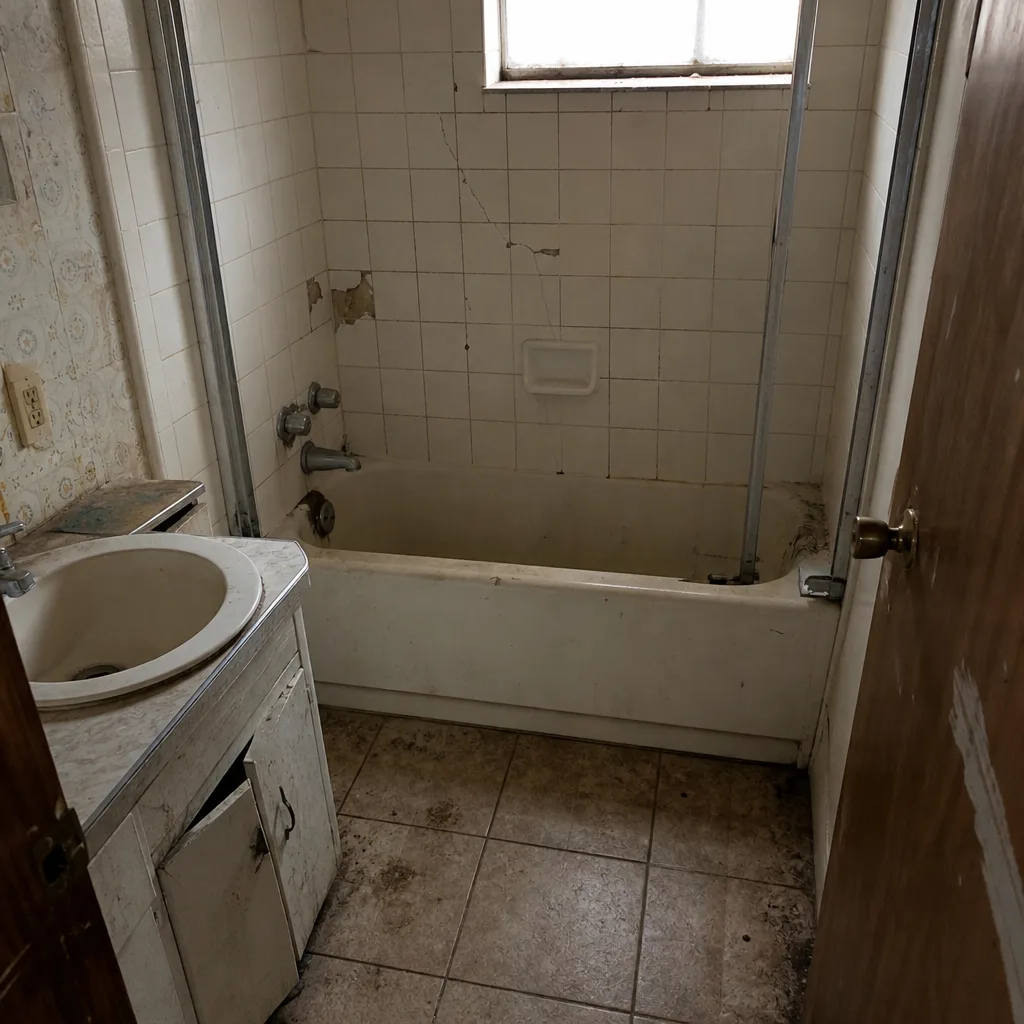 Before
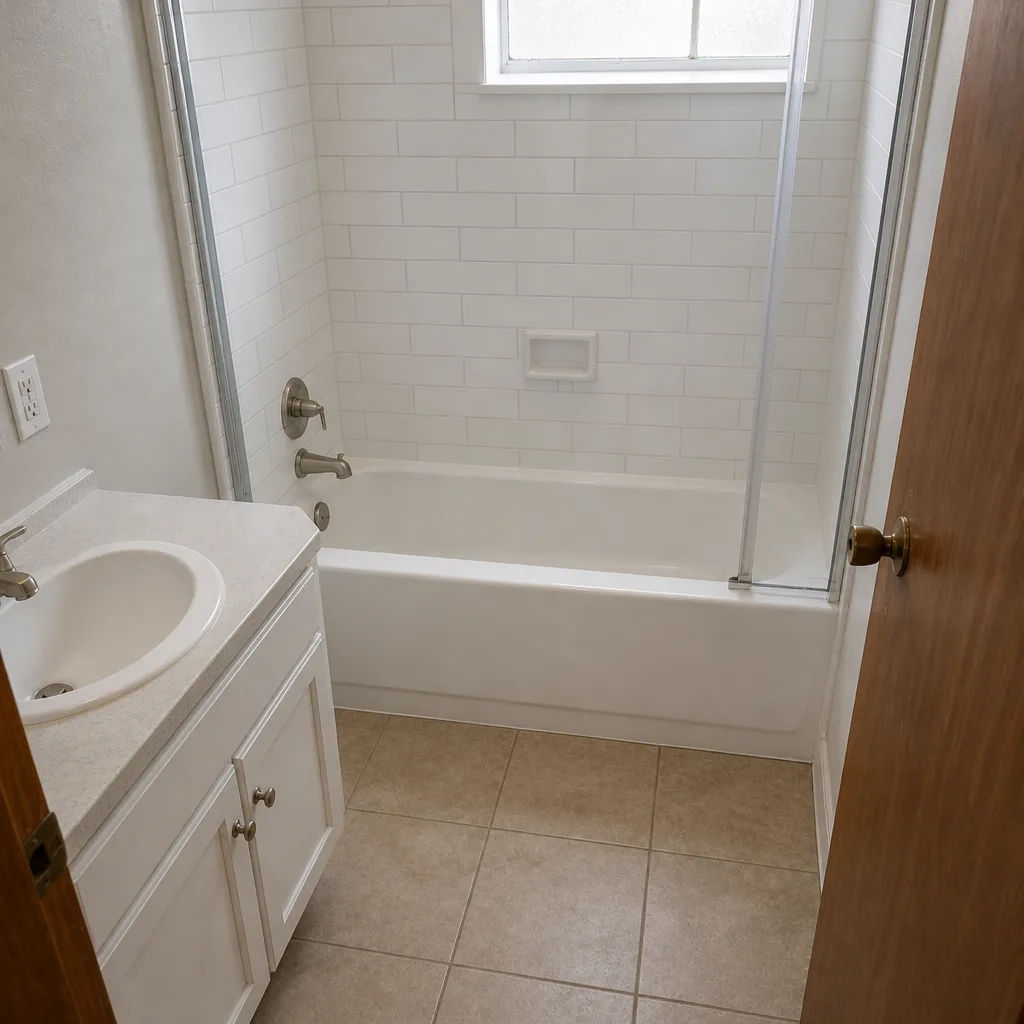 After
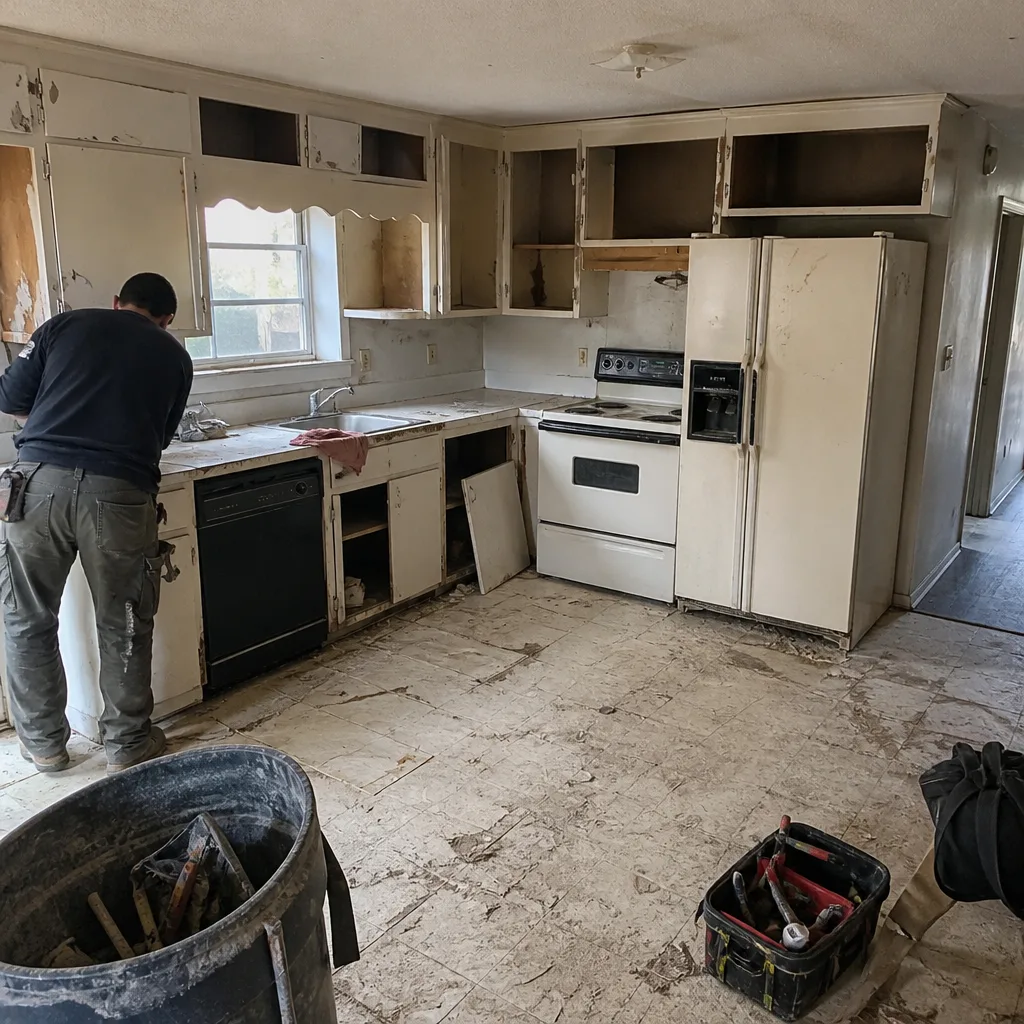 Before
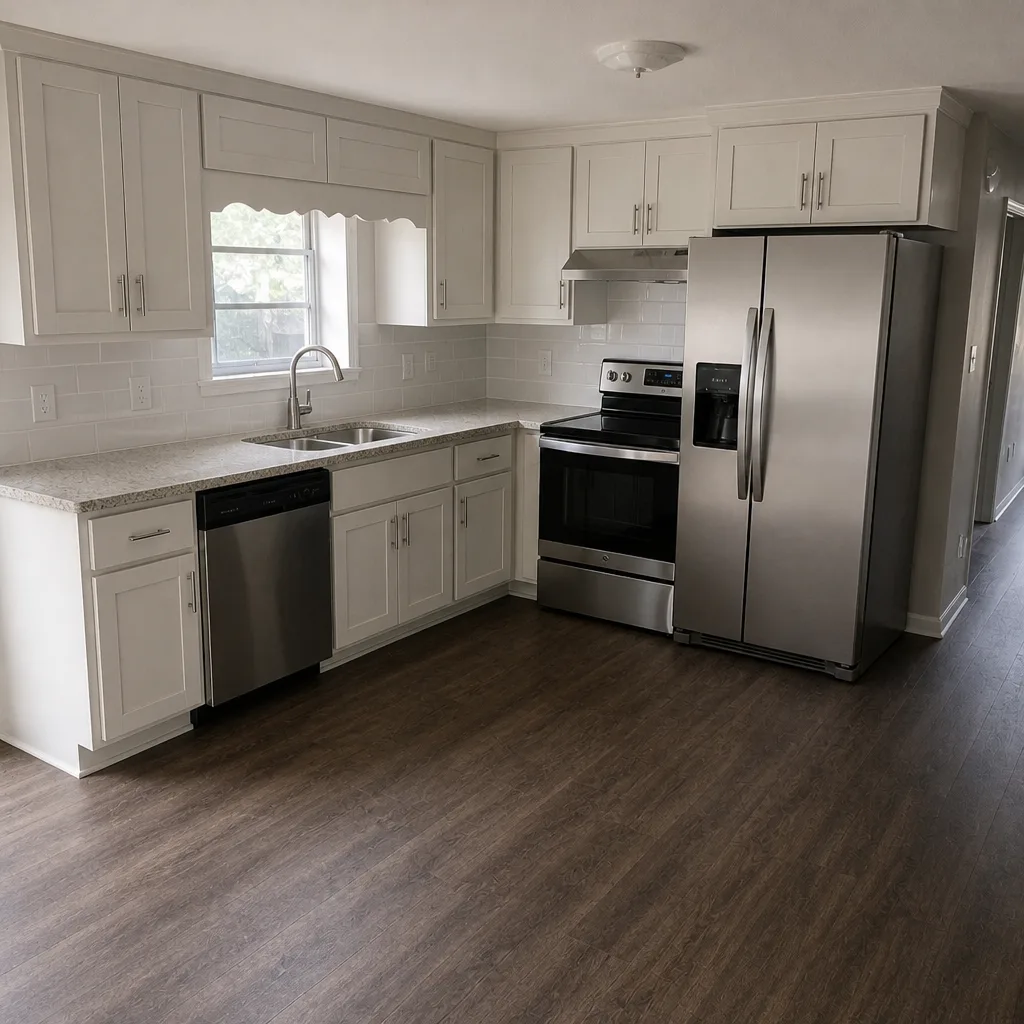 After
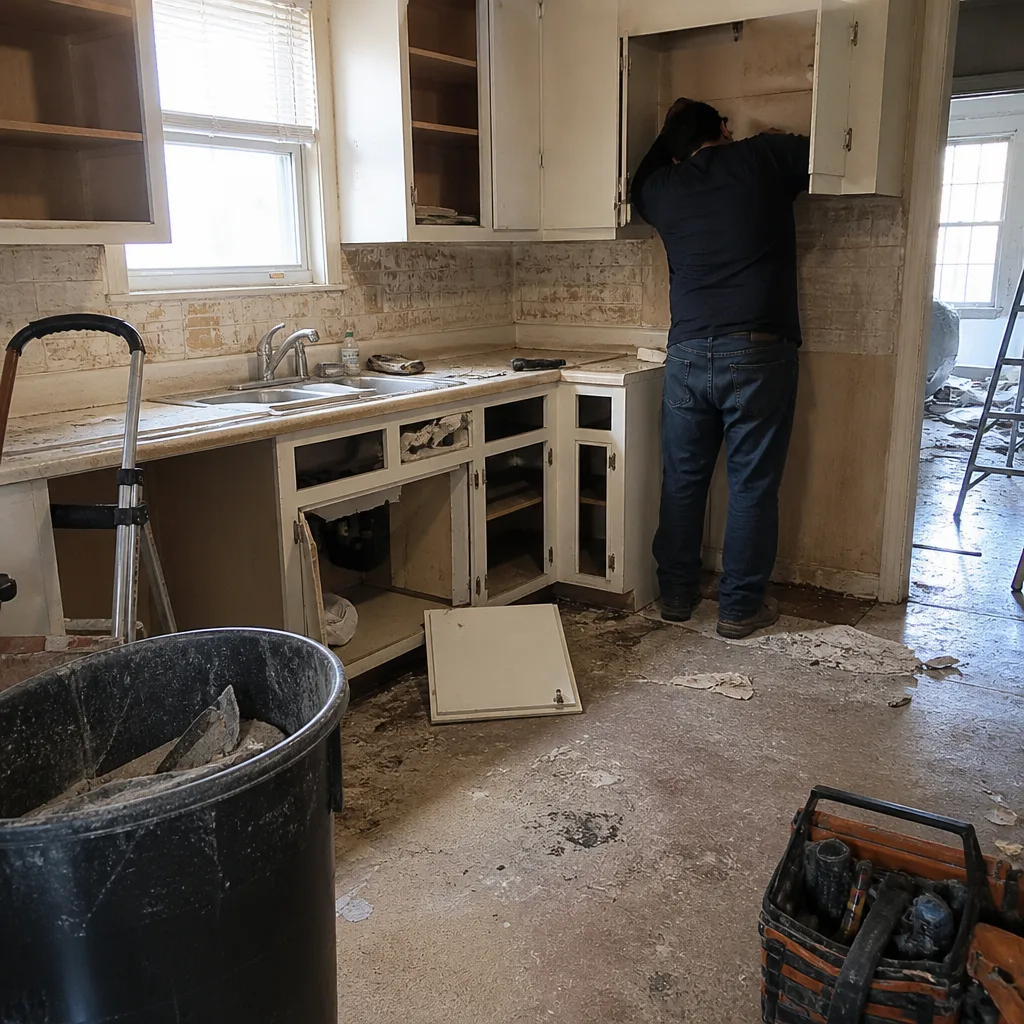 Before
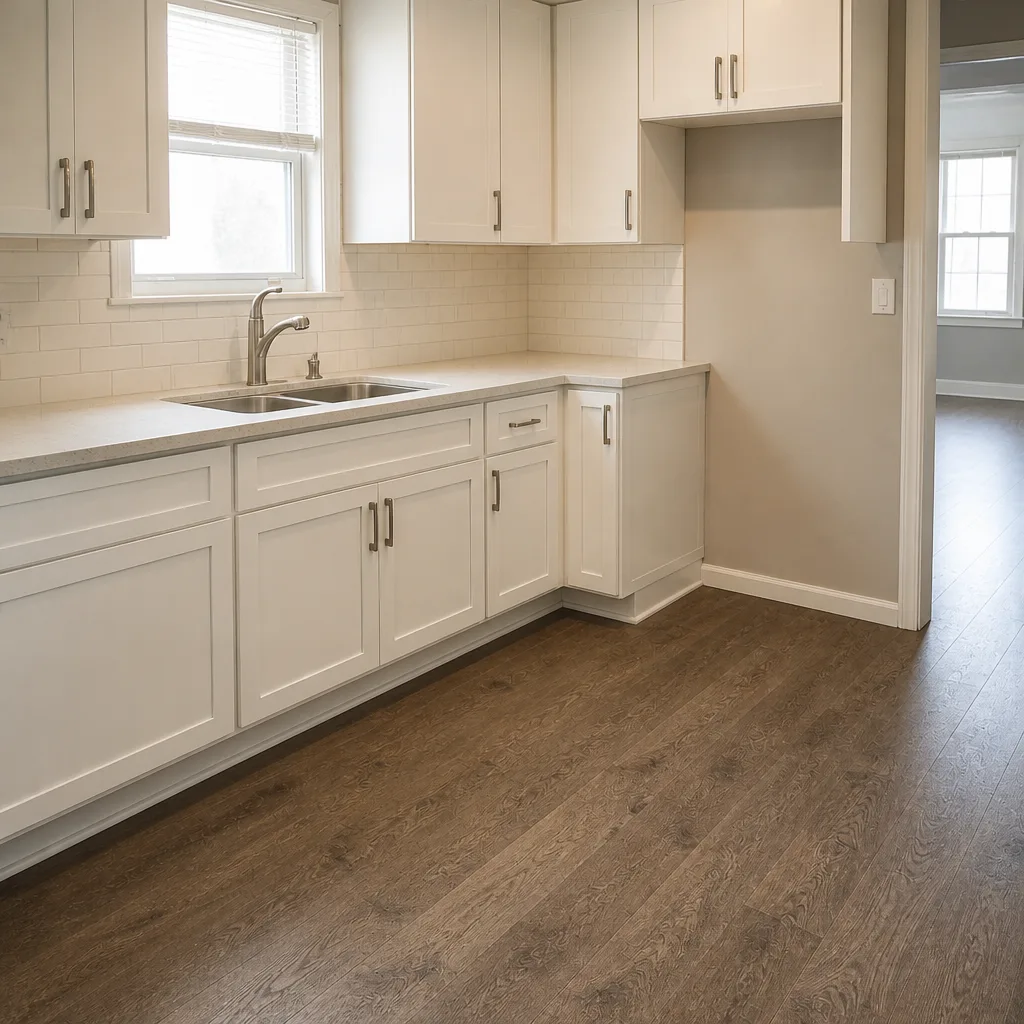 After
How to Find a Roof Leak in Fort Worth, TX
Start in the attic, not on the roof: for most Fort Worth leaks, the fastest way to find the entry point is to trace the water back from the ceiling stain up the deck to the highest point of moisture, then match that spot against a penetration or flashing joint on the roof surface above. And in this climate, the stain almost never sits directly under the hole. Black clay soil swells and contracts through the year, flexing pier-and-beam homes and the flashing that seals them, so a leak you trace in a wet April can come from a gap that was sealed tight and invisible the last time you climbed up there in August.
If you’re watching water come through a ceiling right now, call (855) 912-5373. A live person answers 24 hours a day, and we can walk you through where to put a bucket and how to stop the damage from spreading before anyone gets on a ladder.
Key takeaways
- Water in Fort Worth roofs usually travels 4 to 6 feet sideways across the deck before it drips, so find the stain’s high edge, not its center.
- Flashing that opens on a cold, dry morning and seals after a wet spell points to soil movement, not a worn seal.
- Most homeowners are looking in the wrong season, which is why the leak “disappears” and comes back.
- A proper hose test uses 4-foot sections held for 2 to 3 minutes each, starting low and working uphill.
- We find and fix roof leaks across Fort Worth, and every repair is covered by the 730-Day Done Right Promise.
Why the leak keeps coming back: the Fort Worth soil-flex problem
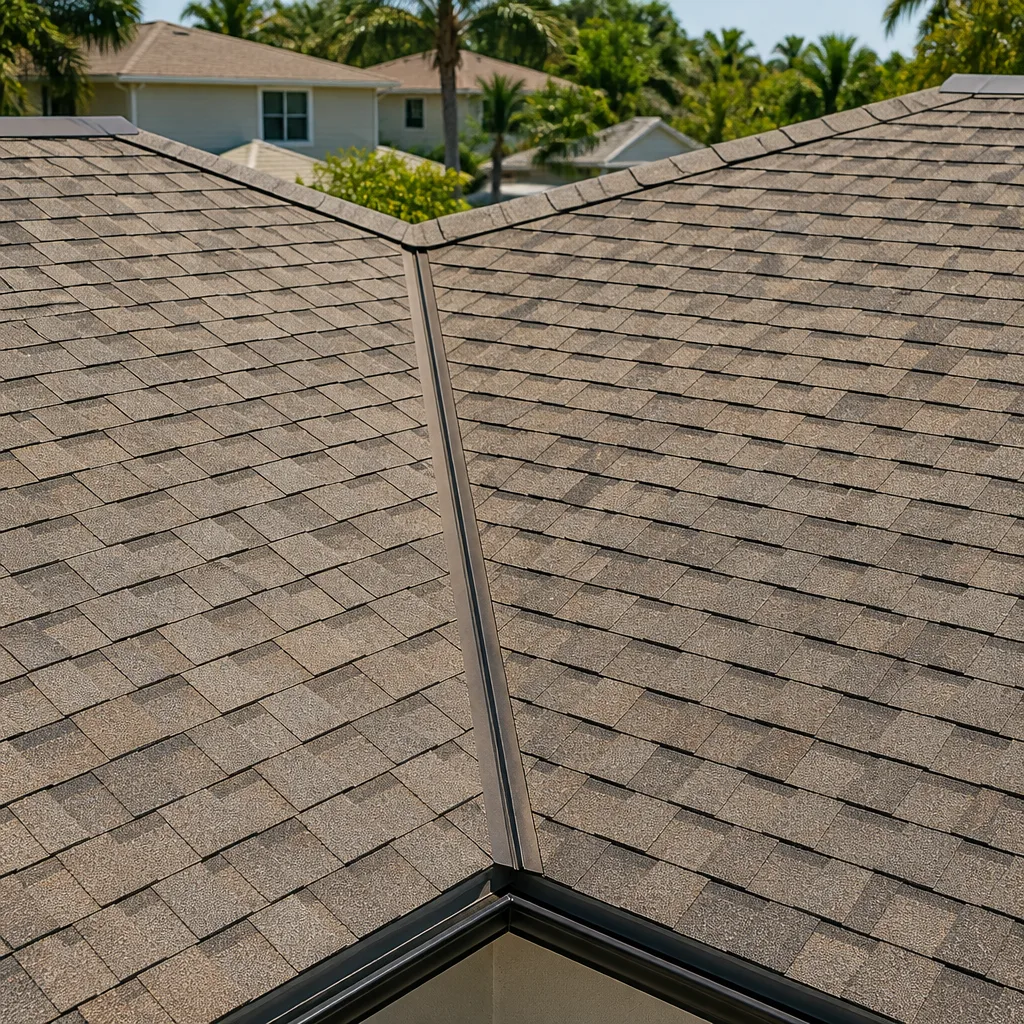
Fort Worth sits on expansive black clay, and that soil is the quiet engine behind a lot of the leaks we chase. In a wet spring the clay takes on water and heaves. Through a dry summer it shrinks. That cycle lifts and drops the structure a little every year, and on the pier-and-beam bungalows in Fairmount and Ryan Place, the movement shows up first at the joints that were never meant to flex: chimney flashing, valley flashing, the step flashing where a later addition meets the original roofline.
So the gap opens when the soil contracts after a dry spell, water finds it during the next north-Texas storm, and by the time you look for it in wet weather, the clay has swollen and closed the gap again. You’re not imagining the leak. You’re looking on the wrong day. That’s also why a Fort Worth leak can seem to move around the house from storm to storm.
Mixed housing stock makes it worse. A brick ranch on the east side, a 1920s bungalow with true-dimension lumber, and a tract home built in the 2000s all fail differently. Newer subdivisions pushing out past Loop 820 often leak at penetrations and poor laps; older homes leak at flashing and around chimneys. We work both speed settings, and it helps to know which era of house we’re standing on before we start probing.
The attic-first method: read the deck, not the ceiling
Before anyone goes on the roof, get into the attic with a good flashlight and a camera, ideally during or right after rain. Here’s the sequence we use on a Roofing call:
- Find the highest point of staining. Follow the watermark up the deck boards to where it starts. That top edge is your best clue.
- Follow the stain trail, not the wet spot. On Fort Worth’s low-slope ranch roofs, water runs horizontally along rafters and decking before it finds a seam to drop through. The drip on your ceiling can be 4 to 6 feet from the actual entry.
- Mark the corresponding spot on the roof. Take a photo referencing a chimney, vent, or valley so the roof inspection starts in the right square, not the whole roof.
- Check the underside of every penetration above the stain. Pipes, vents, and skylights near the stain are prime suspects.
- Smell and look for daylight. A musty, damp scent plus a pinprick of blue daylight narrows the search fast.
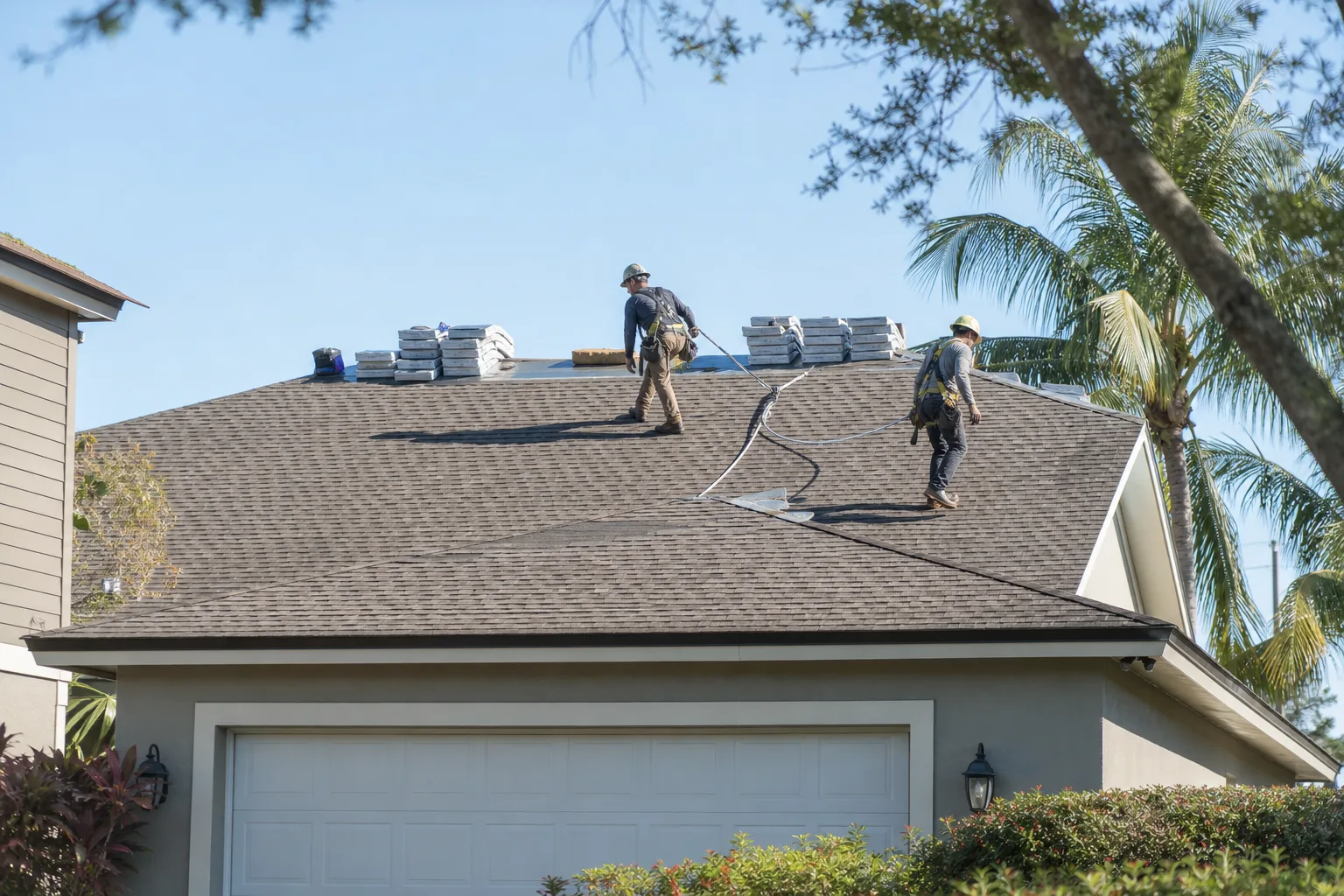
Worth saying plainly: this is a diagnostic job, not a climbing job. Roofs here get steep, summer surface temperatures hit unsafe highs, and the walkable window is short. If the trail points to something high or to a valley, that’s the point to stop and call a pro rather than step onto a hot shingle field.
The flashing-flex test: the diagnostic most homeowners skip
This is our favorite Fort Worth-specific check, and it costs nothing. Inspect the suspect flashing twice, in two different conditions:
- On a cold, dry morning after a long dry spell, when the clay has contracted and the structure has settled.
- After a soaking rain, when the clay is swollen and the gap may have closed back up.
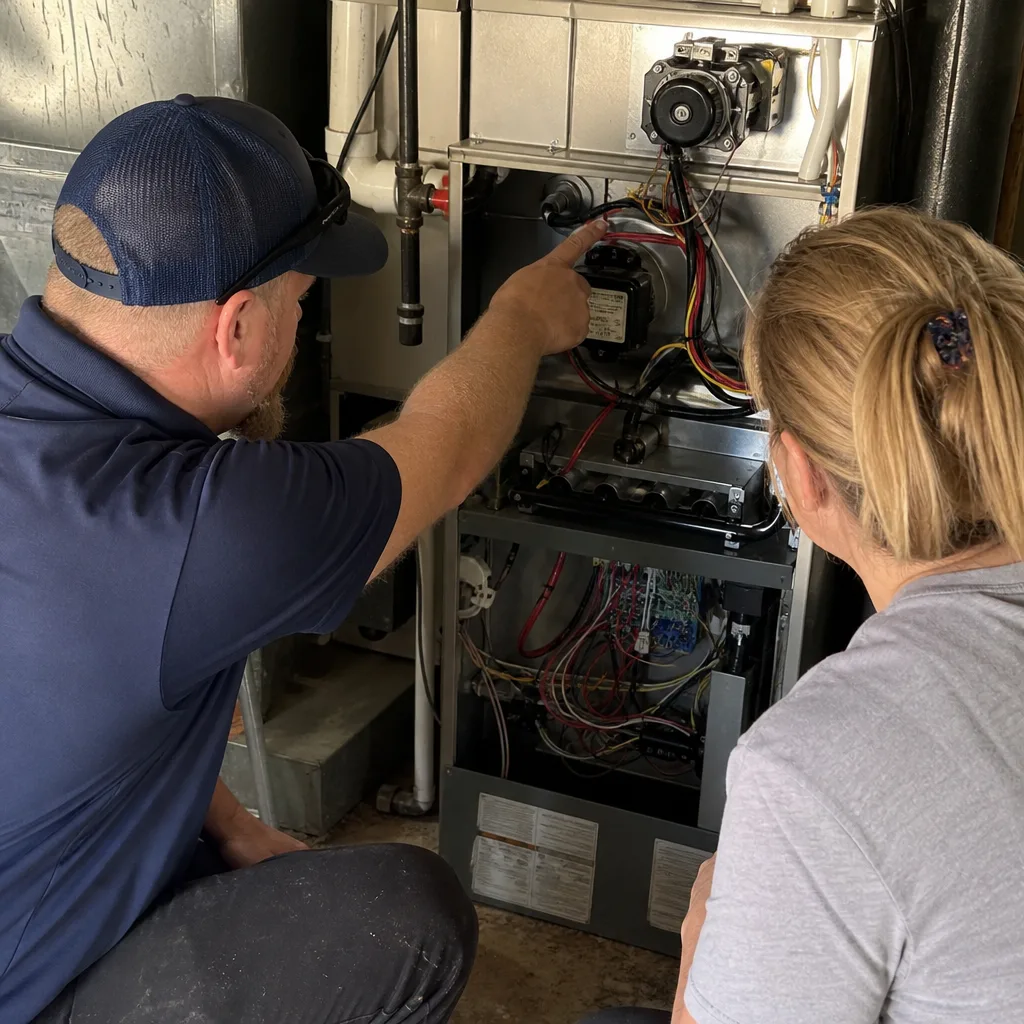
Look at the same chimney and valley flashing both times. If you find a gap only on the dry-cold inspection and it’s sealed shut after rain, you’re looking at soil-movement flex, not a worn seal. A generic roofer who patches a gap that he can’t see on a wet day and calls it fixed will be back the next dry spring. Our technicians, some with up to 12 years of experience, know to check both conditions and to fix the movement, not just the symptom.
How to hose-test your roof (the right way)
A hose test is the safe, ground-level way to narrow down a leak without climbing anything. The usual advice skips the soak time, which matters on Fort Worth’s lap-joint construction from the 1990s and 2000s, where water needs minutes rather than seconds to work into a joint. Do it like this:
- Start at the downhill edge and work up the slope in 4-foot sections.
- Hold each section 2 to 3 minutes before moving up. Ragged patience, not speed, is what finds the leak.
- Have a second person inside the attic watching the deck for the first sign of moisture.
- Mark each section on a roof diagram as you clear it, so you know exactly where you stopped when the water shows up.
Five Fort Worth leak points that guides miss
Beyond the usual suspect list, these come up again and again on Fort Worth homes:
- Satellite dish penetrations. Older neighborhoods are full of dish mounts bolted straight into the deck, sealed once and forgotten. Those lag bolts back out or the seal dries, and the water goes straight down.
- Swamp cooler and whole-house fan curbs. Mid-century homes often have a roof curb from a cooler or fan that was removed or retired, and the curb flashing quietly ages out.
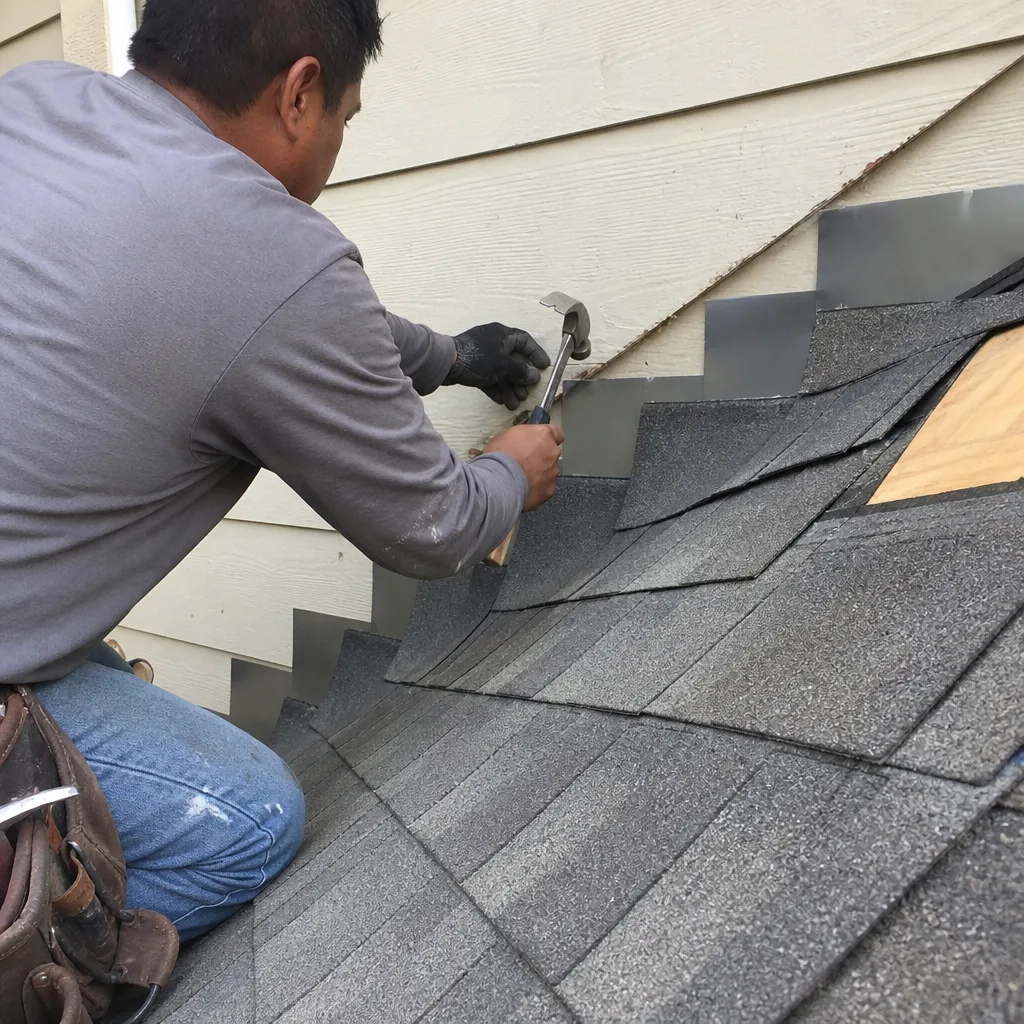
- Step flashing on additions. Additions tacked onto an original Craftsman or bungalow create a new joint against the old wall, and the step flashing there is a top-five leak source.
- Valley flashing in historic districts. Fairmount, Ryan Place, and the Stockyards area have design-review overlays, and crews who think a fix will pass in the historic district the way it does in a new subdivision find out otherwise. Proper valley repairs there need to respect the original build.
- Chimney counter-flashing. Hail and straight-line wind common in North Texas pries at the counter-flashing, which is the joint most likely to show a soil-driven gap.
How much does a roof leak repair cost in Fort Worth?
Roof repair in Fort Worth typically runs $400 to $1,800, depending on where the leak is and how much of the flashing or deck has to be replaced. A flashing reseal at a chimney or valley sits near the low end; a repair that touches multiple penetrations or adds decking runs higher. Here are the numbers we hold to:
| Repair | Typical Fort Worth range |
|---|---|
| Roof repair (leak tracing, flashing, small patch) | $400-$1,800 |
| Tile roof repair | $600-$2,500 |
| Full roof replacement | $8,000-$20,000 |
| Metal roof installation | $15,000-$40,000 |
If the attic shows widespread wet decking or a lot of trapped water, we’ll be honest about the difference between a repair and a replacement. On the material side, we work with GAF and Owens Corning because both hold up to North Texas hail and heat, and getting the brand right matters when you’re trying to make one fix last. Upfront pricing is standard on every Groundwork job: the number you see is the number you pay. And a leak found today, before it’s had a season to rot the deck, is cheaper than a roof replacement later.
FAQs
Yes, often. The attic-first method and the flashing-flex test are both ground-and-attic work, and a hose test narrows it down from below. What to avoid is climbing a steep or hot roof. Roofs in Fort Worth get dangerous fast in summer, so trace it from the attic, then let a trained crew confirm it up top.
Chimney and valley flashing, satellite-dish penetrations, and the step flashing where an addition meets the original house. On pier-and-beam homes, soil movement opens these joints seasonally, so the leak “disappears” in wet weather and comes back dry. Our technicians check both conditions before calling it fixed.
Repair is almost always cheaper when the leak is one localized spot and the deck is sound; that’s a repair in the $400 to $1,800 range. Replacement only makes sense when water has spread across a large area or the roof is near the end of its life. We’ll tell you which side you’re on, no guesswork.
Call us and you’ll get a live person, 24 hours a day, 7 days a week, not a voicemail box that waits for Monday. That’s exactly the scenario our 24/7 line is built for. Call (855) 912-5373 and we’ll help you stop the damage, then book the leak assessment.
If you’d rather have it looked at than climb a ladder, Groundwork Construction Co. of Fort Worth offers a no-pressure leak assessment in Fort Worth, backed by the 730-Day Done Right Promise, no-hassle upfront pricing, and 0% financing for 18 months on larger work. Call (855) 912-5373 to get a free estimate, or see everything we handle on our home page and the full Fort Worth service area coverage.
Written by the team at Groundwork Construction Co. of Fort Worth, serving Fort Worth, TX.