
Free written scope consultation - allowances, timeline, and change-order rules on paper before a single trade is scheduled
Styles & brands we work with
- Kitchen remodeling
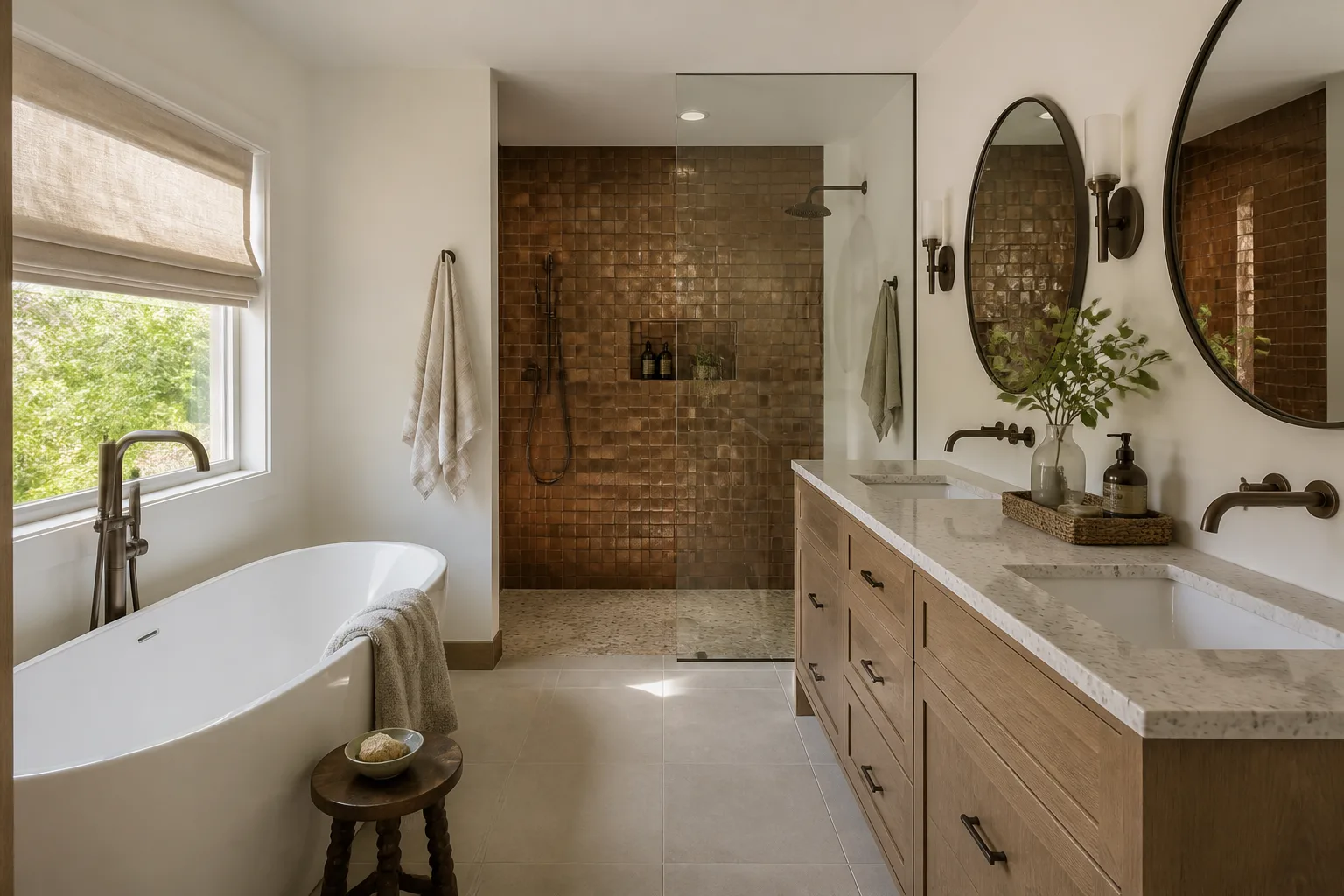
- Bathroom remodeling
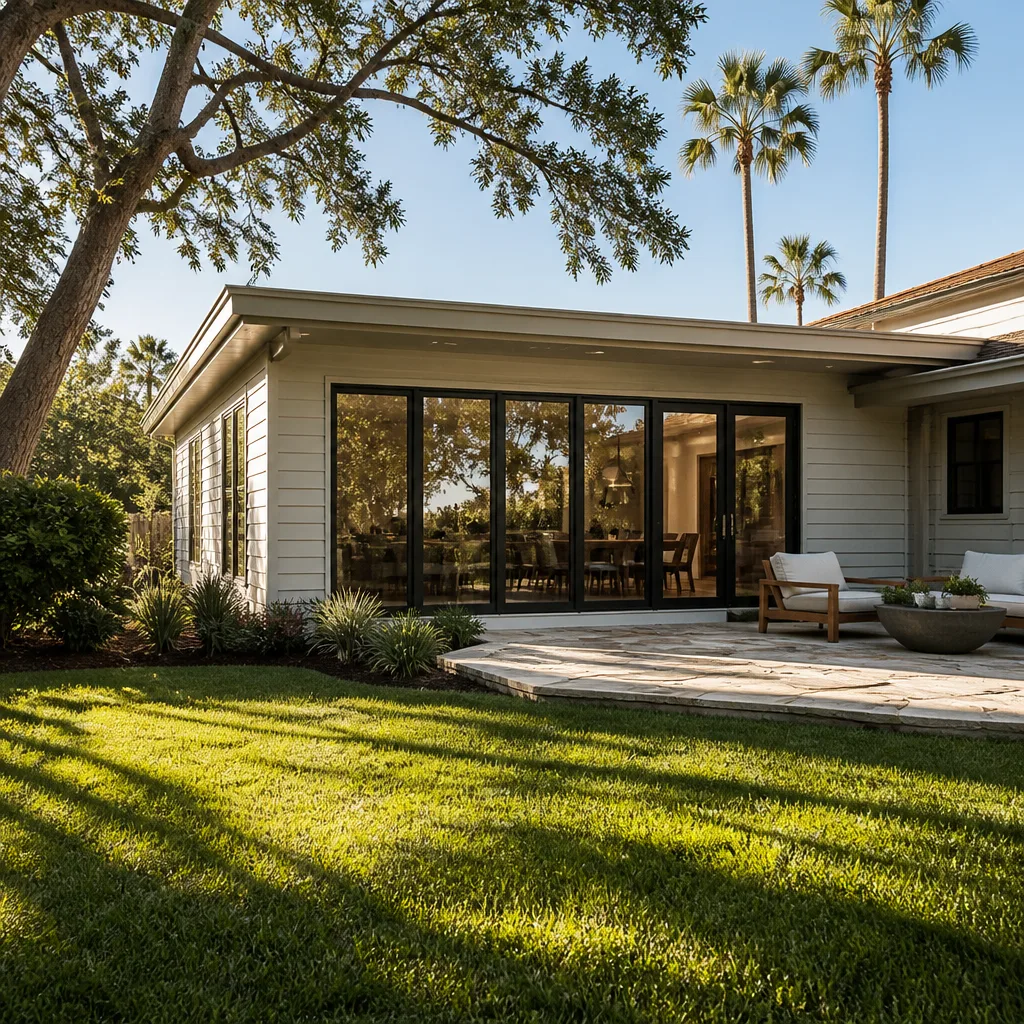
- Home additions & ADU
- Roofing
- Windows & doors
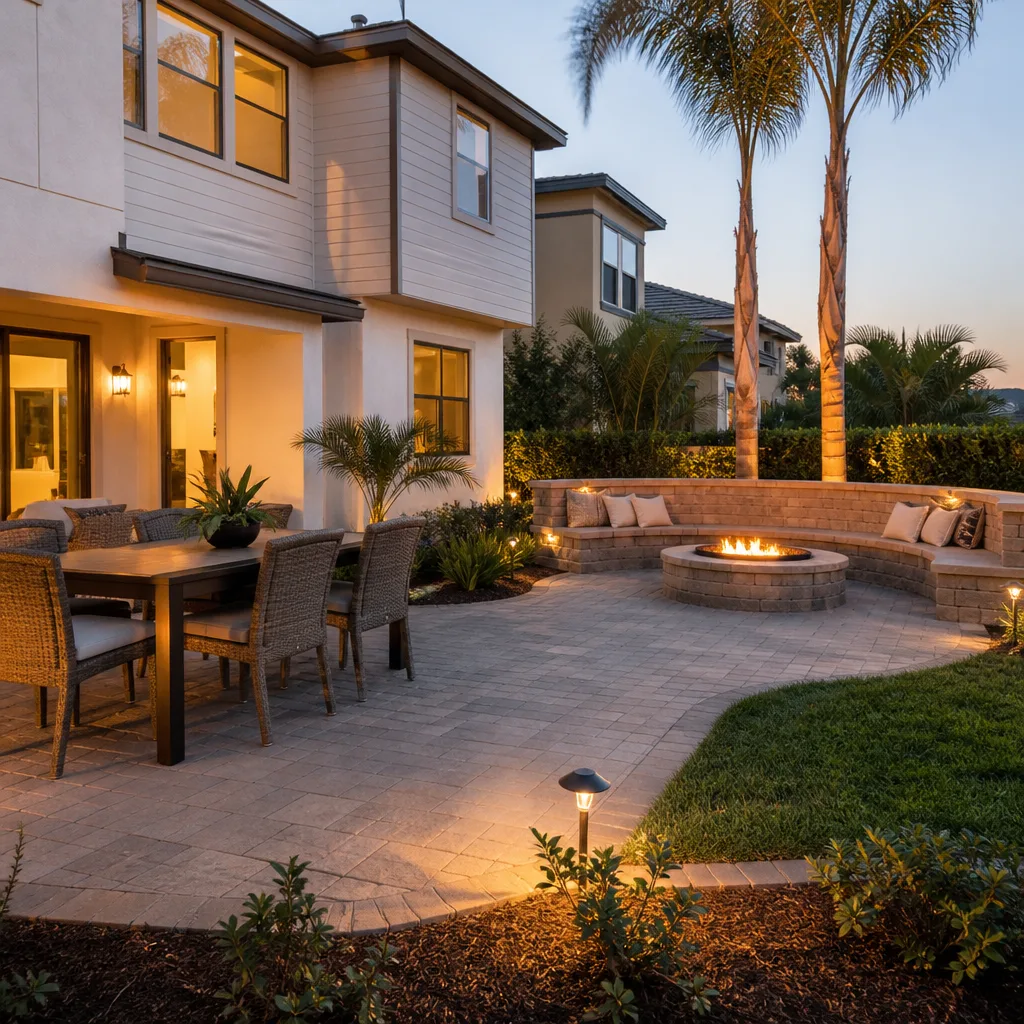
- Driveway & pavers
- Fence
See the difference
 Before
 After
 Before
 After
 Before
 After
Metal Roof vs Shingles in Fort Worth: The Bottom Line First
Choose architectural shingles if you’re staying in your Fort Worth home fewer than 15 years and want the lowest upfront cost. Choose 26-gauge standing-seam metal if you plan to stay 20 years or more, want the roof to absorb North Texas clay-soil movement, and can cover $15,000-$40,000 today. There’s no universal winner here. That decision hinges on two forces most comparison guides skip: expansive clay soil dragging your roof deck up and down, and spring hail that hits with real force.
Fort Worth averages more than 50 hail days per decade. During a drought summer, that black clay shrinks six inches. Your roof deck moves with the ground. The material you put on top either flexes with it or fights it.
Call (855) 912-5373 for a free estimate. Groundwork Construction Co. of Fort Worth walks hundreds of Fort Worth roofs, and the honest answer depends on your block, your housing stock, and how long you plan to own the place.
What Fort Worth’s Weather Does to a Shingle Roof
Most shingle warranty literature assumes a roof deck that stays still. North Texas decks don’t. The expansive black clay under Fort Worth swells when it rains and contracts hard in August, and that cycling telegraphs straight up through the framing.
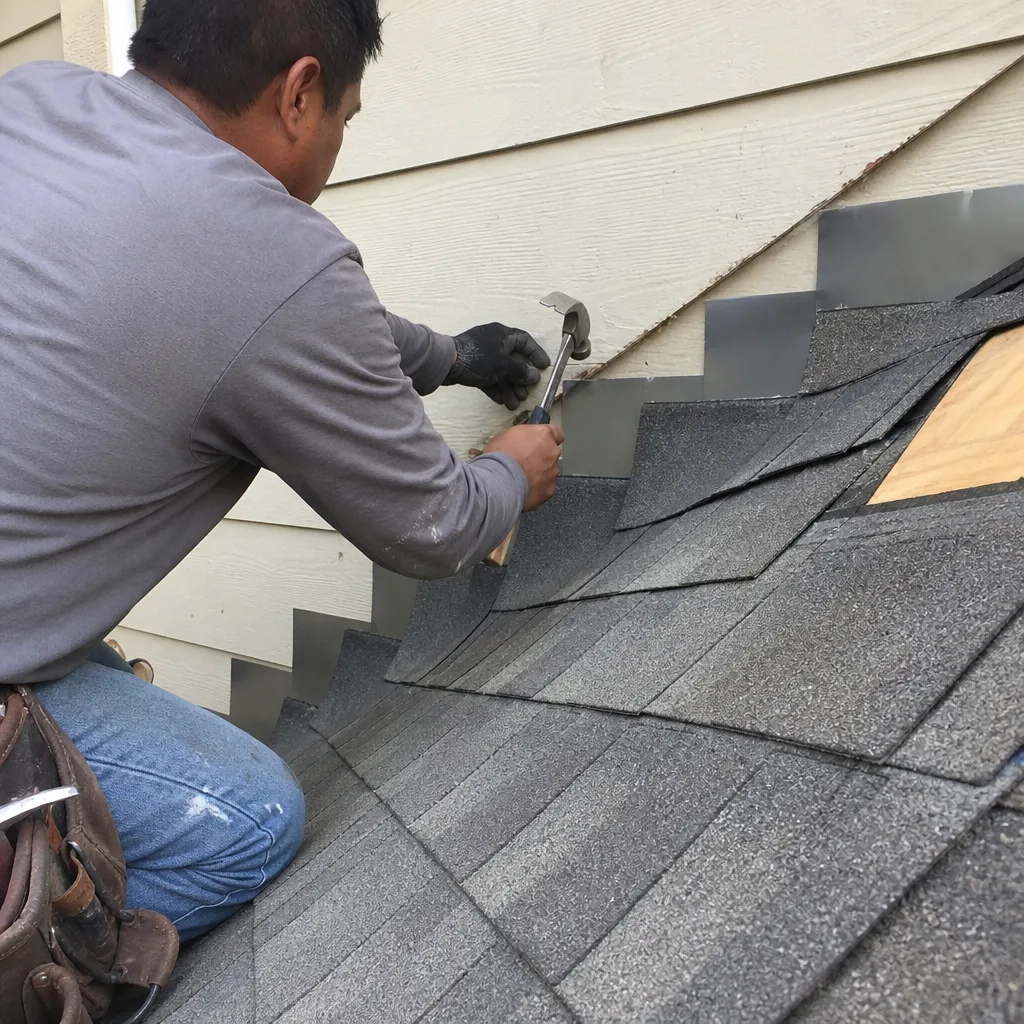
What we see on Fort Worth re-roofs is predictable: cracked shingle tabs along the rake edges, nail pops working loose a few years before the shingle itself wears out, and leaks that show up around flashing long before anyone expects them. That’s gotten worse over 10 to 15 years, not 20 or 25. Manufacturers don’t put the clay cycle in their fine print.
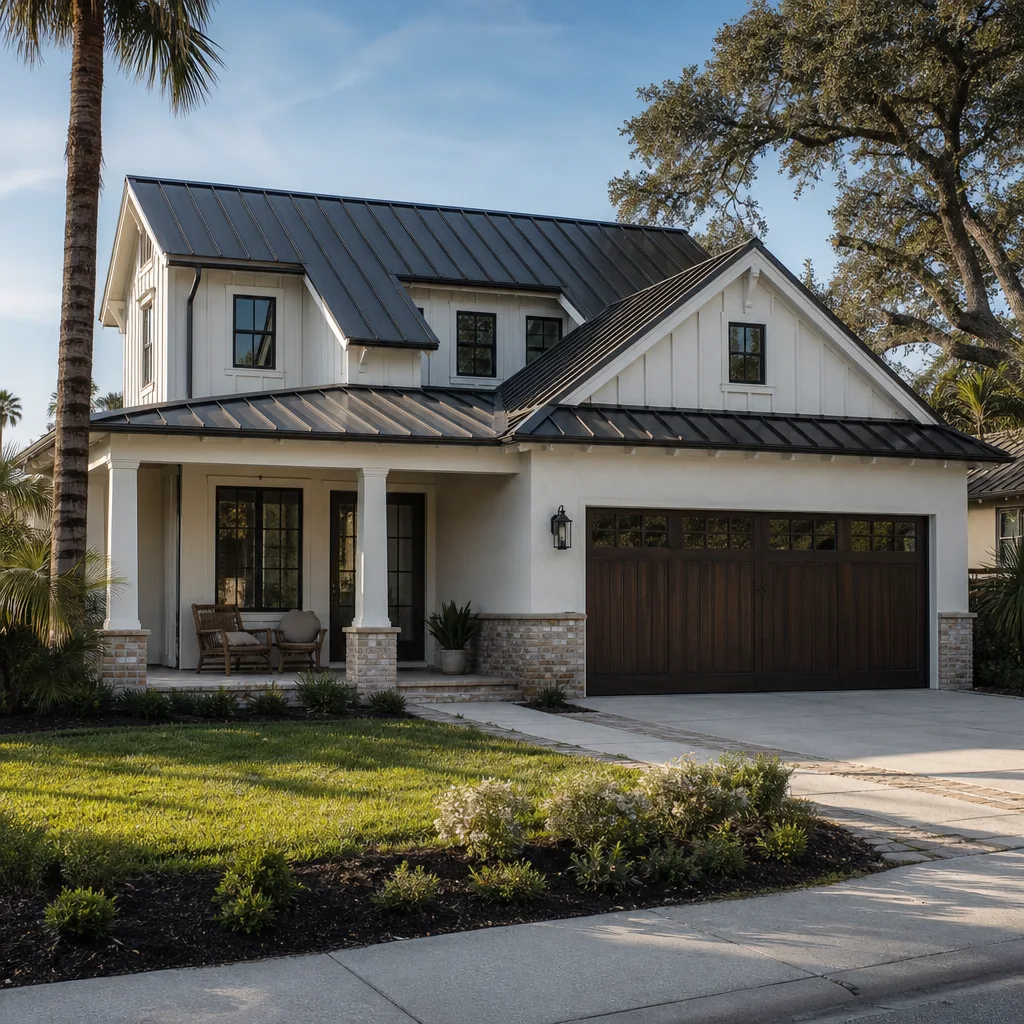
Standing-seam metal handles the same ground movement differently. Concealed clips let each panel float over the deck, so the roof takes that micro-movement without breaking the seal at every fastener. That’s a structural difference, not a cosmetic one.
- Shingle roofs: fasteners bite the deck directly. Clay movement works the nails loose over time.
- Standing-seam metal: panels attach at clips and slide slightly. No exposed fasteners through the field of the panel.
- Valleys and chimney tie-ins: these fail first on either material when they’re cut short.
Hail Doesn’t Automatically Make Metal the Winner
Fort Worth spring storms push impact thresholds that would make the average homeowner assume shingles are out of the question. Not true, and it comes down to the grade of shingle.
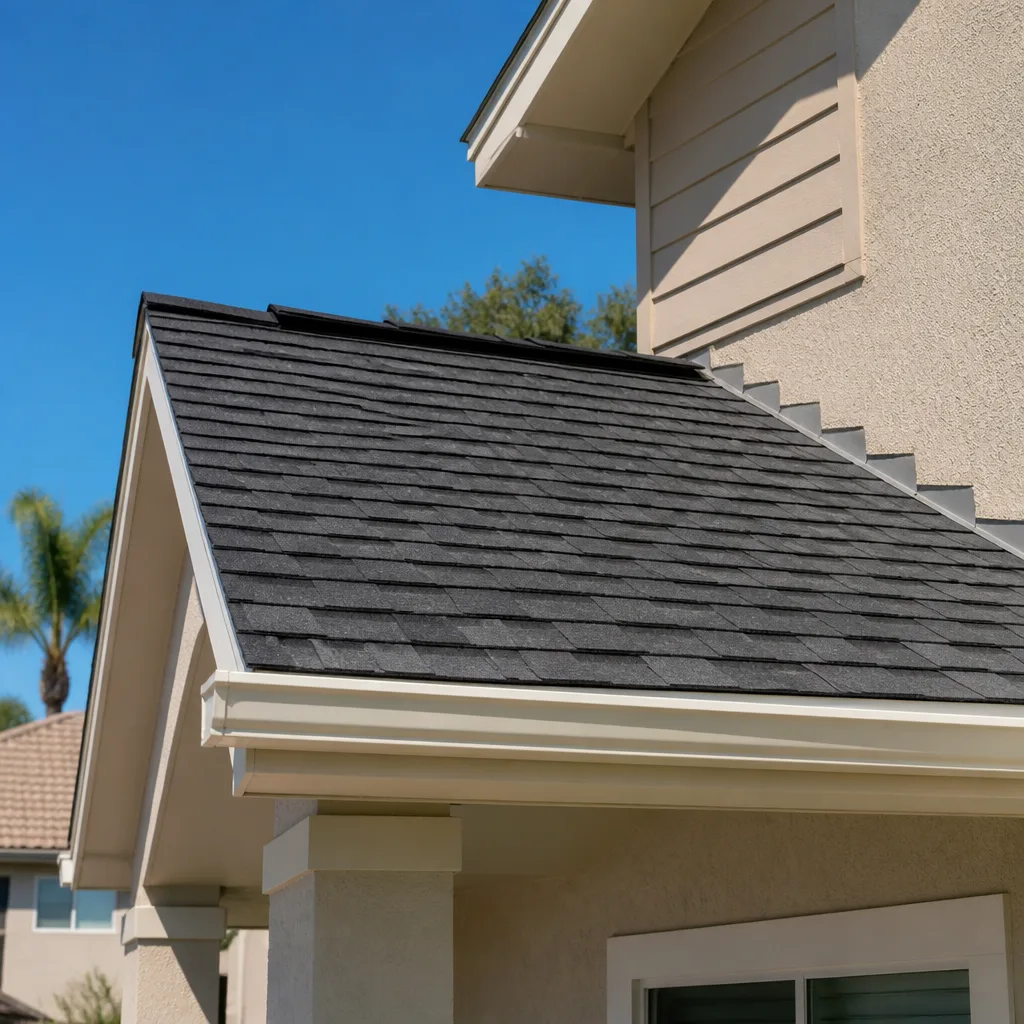
Three-tab shingle comparisons drag down every “shingles lose to metal” article you’ll read. The architectural lines we install, from GAF and Owens Corning, carry impact-resistant ratings built for Class 3-4 hail events. Spec’d correctly, a quality architectural shingle holds up to Fort Worth hail. A cheap three-tab on the same roof won’t. The gap comes from the shingle grade, not the material category.
Metal still wins on longevity under hailstones, and it beats shingles on wind uplift and energy reflectivity. But if a contractor quotes you shingles and skips the impact rating, ask why. That’s where the argument actually lives.
Whichever way you go, see how our Roofing work handles both material types before you commit.
Shingles vs Metal: Side-by-Side for Fort Worth Conditions
The numbers below reflect what we typically see in Fort Worth. Actual pricing depends on roof pitch, square footage, and how complex the valleys and penetrations are.
| Factor | Architectural Shingles | 26-Gauge Standing-Seam Metal |
|---|---|---|
| Upfront cost (typical) | $8,000-$20,000 | $15,000-$40,000 |
| Service life in this climate | 15-20 years (tabs crack sooner on clay) | 40-50+ years |
| Clay-soil movement tolerance | Low; fasteners work loose | High; clip systems float |
| Hail performance | Class 3-4 when spec’d with impact-rated architectural | Excellent, higher impact threshold |
| Repairs | Easy and cheap ($400-$1,800) | Specialist work, higher ticket |
| Build window in Fort Worth | March-October dry season | Same, but flashing must be precise |
The Total-Cost Math Nobody Runs
A properly installed 26-gauge standing-seam metal roof in Fort Worth runs two to three times the upfront price of an architectural shingle job. That looks steep until you run the long lens.
Over a 50-year stay, a shingles home replaces the roof roughly three times. Land at $14,000 per replacement, and you’re looking at $42,000 over the life of the home, plus the disruption of two extra tear-offs. Metal at $28,000 up front finishes cheaper per year the longer you own the house. On a house you’ll sell in seven years, shingles win every time. The break-even sits around the 20-to-25-year mark, which is exactly where North Texas shingles start failing.
Fort Worth Installation Reality: Where Both Materials Get Tested
Fort Worth’s building culture runs two speeds. Historic districts like Fairmount and Ryan Place carry design-review overlays that can stall a re-roof approval, while brand-new tracts in the northwest and past Loop 820 toward Walsh Ranch move fast. A standing-seam panel install here has one weak point: flashing. Every valley, chimney tie-in, and penetration point gets precision work, and Fort Worth spring rain exposes cutting corners inside two seasons.
March through October is reliably dry, so both materials install well in that window. Metal squeezes the installation margin, because panel seams and flashing have zero tolerance for shortcuts.
Wherever Fort Worth sits on that two-speed map, our home page lays out the full scope, and the Fort Worth service area page shows exactly which neighborhoods we work in.
Common Local Scenarios We Walk Into
Fairmount pier-and-beam bungalows. True-dimension lumber and old decking need patching before any roof goes on. Metal is often the better pick here, because the older framing moves more and panels float over it.
Tract homes in far west Fort Worth. These homes are often ready for a second roof when owners plan to stay another 20 years. Standing-seam metal makes the lifetime math work; impact-rated shingles make the budget work.
East-side ranch brick. Simple hip roofs, big square footage, low pitch. Shingles beat metal on labor, and metal wins only when the owner is committed to staying put and wants a one-time roof.
Why the Warranty Should Shape Your Decision
Manufacturer warranties are paper. The one that also covers labor for two years is the 730-Day Done Right Promise. Every Groundwork roof – metal or shingle – is backed by that guarantee on workmanship. It applies to both material types, so the warranty comparison is no longer just a brochure from GAF or Owens Corning.
Our technicians have up to 12 years of experience between them, and every crew member is background-checked and arrives in uniform. Background-checked and uniformed on every project, by the way, is a brand commitment, not a sales pitch. Calls get answered by a live person 24/7, so a hail event doesn’t wait until Monday to reach us.
Fort Worth roofing prices are upfront. The number you see is the number you pay, and 0% financing for 18 months spreads the metal sticker price over a year and a half.
Which Roof Should You Choose in Fort Worth?
If you’re staying put 20+ years, want the roof to absorb clay-soil movement, and can cover $15,000-$40,000, go metal. If your timeline runs shorter, or you’d rather put the savings elsewhere, impact-rated architectural shingles are the smart call. Metal is not a status symbol. It’s a lifetime math decision. Run your own number.
FAQs
Yes, if you plan to stay in your Fort Worth home 20+ years. A standing-seam metal roof at $15,000-$40,000 outlasts three shingle replacements in the same climate, and it handles clay-soil movement better than any shingle can. Shorter timeline, shingles win. Call (855) 912-5373 for a free estimate on your specific roof.
Yes, if they’re impact-rated. GAF and Owens Corning architectural lines carry Class 3-4 ratings built for Fort Worth hail events, and they beat cheap three-tab hands-down. The rating matters more than the material category. Call (855) 912-5373 to compare rated shingles against metal on your home.
Expect 15-20 years, not the 25 to 30 the label claims. Black clay movement cracks tabs and pops nails years earlier than a calm deck would. Metal sidesteps the problem entirely. Call (855) 912-5373 to find out where your roof is in that cycle.
Metal runs $15,000-$40,000. Architectural shingles run $8,000-$20,000. Metal costs two to three times more upfront but pays that back over 20-plus years. Call (855) 912-5373 for an exact quote on your roof, free of charge.
Yes. Groundwork Construction Co. of Fort Worth installs 26-gauge standing-seam metal and impact-rated architectural shingles from GAF and Owens Corning, and both get the 730-Day Done Right Promise. There’s no push toward either side. Call (855) 912-5373 and we’ll quote both.
If you’d rather have it looked at than debated, Groundwork Construction Co. of Fort Worth offers a no-pressure assessment anywhere in Fort Worth. We’ll measure your roof, quote both materials in writing, and let you decide. Call (855) 912-5373.
Written by the team at Groundwork Construction Co. of Fort Worth, serving Fort Worth, TX.


