Last updated November 18, 2026


Free written scope consultation - allowances, timeline, and change-order rules on paper before a single trade is scheduled
DIY vs Professional Bathroom Remodeling: What’s Safe to Do Yourself
The most expensive bathroom repairs in Fort Worth don’t come from people who hired bad contractors. They come from homeowners who tiled over a slow leak they didn’t know was there. Water is patient. It finds the path of least resistance, creeps along a subfloor, and shows up as a soft spot or a warped baseboard months after everyone has moved on. By then the drywall, the framing, and sometimes the joists are involved. This guide draws a hard line between what’s genuinely safe to do yourself and what quietly costs you thousands. We’ll cover the tasks that carry no consequence past your weekend, the ones that legally require a permit in Fort Worth, and how to use a pro as a collaborator when you want to save on labor.
Quick Answer
Cosmetic work is DIY-safe: painting, swapping hardware, changing a vanity top, re-caulking, replacing a light fixture on an existing circuit. Anything that touches water behind a wall (shower pans, tile waterproofing, plumbing rough-in) or electricity beyond a fixture swap (new circuits, GFCI rewiring, exhaust fans on new wiring) needs a licensed pro, and in Fort Worth most of it needs a permit and inspection. The dividing line is consequence, not difficulty: if a mistake can rot a subfloor or fail an inspection, it’s not a weekend job.
Styles & brands we work with
- Kitchen remodeling
- Bathroom remodeling
- Home additions & ADU
- Roofing
- Windows & doors
- Driveway & pavers
- Fence
Table of Contents
- The Real Line: Consequence, Not Skill
- What’s Genuinely Safe to Do Yourself
- Fort Worth Permits: Why “Simple” Plumbing and Electrical Jobs Get Risky
- The Hidden Cost of DIY Waterproofing
- How to Spot a Previous Owner’s DIY Work
- Using a Professional as a Collaborator
- Fort Worth Climate and Bathroom Durability
- A Step-by-Step Decision Process
The Real Line: Consequence, Not Skill
Most homeowners who ask “can I do this myself?” are really asking “am I capable?” That’s the wrong question. Plenty of capable people have ruined a bathroom. The right question is: if this goes wrong, what does it cost to fix, and does it happen now or in eight months? A bad paint job is annoying and visible. A bad shower pan is invisible and structural.
We’ve seen this repeatedly in Fort Worth, and the pattern holds. The tasks that go wrong quietly are always the ones behind a wall or under a floor. They don’t announce themselves. They wait.
Here’s the framework we use to sort any bathroom task:
- Visible and reversible? Safe. You can see the mistake and undo it.
- Involves water behind a surface? Not safe. Water damage compounds.
- Changes a circuit, gas line, or drain? Needs a licensed pro and a permit in Fort Worth.
- Affects structural framing or a load-bearing wall? Needs an engineer and a permit.
- Covers something you haven’t inspected? Stop and look first. This is where the expensive surprises live.
Sort your project against those five questions before you buy a single tile. It takes ten minutes and saves the kind of money that shows up as a second mortgage.
What’s Genuinely Safe to Do Yourself
These tasks carry no consequence past the day you finish them. They’re cosmetic, reversible, and don’t touch anything structural or behind a surface. Doing them yourself is a legitimate way to cut the cost of a bathroom refresh without gambling on the outcome.
- Painting. Walls, ceiling, trim, and a prepped vanity cabinet. A bathroom needs a moisture-rated paint, and proper ventilation while it cures, but a bad paint job costs you a sanding and a second coat. Nothing more.
- Hardware swaps. Faucet handles (not the rough-in), vanity pulls, towel bars, mirror brackets, toilet seat, showerhead and tub spout. These screw on and off. No permit, no risk.
- Vanity top replacement. If the cabinet and plumbing stay put, swapping a countertop and undermount sink is manageable. You’re lifting an old top off and setting a new one on the same footprint. Brands like Kohler make tops sized for common vanity depths.
- Re-caulking. Pull the old caulk, clean the joint, and lay down a fresh bead of 100% silicone at the tub and shower base. This one is genuinely important to do on schedule, because failed caulk is where a lot of slow leaks begin.
- Regrouting and tile sealing. Cosmetic maintenance on tile that’s already sound underfoot.
- Accessories and finish work. Lighting fixtures on an existing switched circuit, towel warmers that plug in, shelving, and mirror hanging.
If you want a sense of how a full bathroom renovation compares in scope and cost to other projects, our guide on Home Additions & ADU in Fort Worth shows how the trade-offs scale when walls actually open up. A bathroom is a small room, but the money lives in what’s behind its surfaces.
Notice what’s missing from this list: anything with a shower pan, tile waterproofing, a new drain location, or a new circuit. That absence is the whole point of this guide.
Fort Worth Permits: Why “Simple” Plumbing and Electrical Jobs Get Risky
Fort Worth runs its permitting through an online portal, and a lot of what homeowners assume is handyman territory actually requires a permit and a licensed trade to sign off. This is where “I’ll just move the drain six inches” turns into a real problem. Moving a toilet, relocating a shower drain, adding a circuit, or installing a new exhaust fan on new wiring are permit items in this city.
The risks stack in three layers:
- Legal risk. Unpermitted plumbing and electrical work can complicate a future sale, fail an appraisal, or force you to open the walls so an inspector can see it. Lenders get nervous about unpermitted changes.
- Insurance risk. If a supply line you moved yourself floods the first floor, some policies will push back hard on coverage for unpermitted work. That’s a bad conversation to have during a crisis.
- Financial risk. If you skip the permit and the work fails inspection later, you pay for the rework and the permit. Both at once.
A licensed plumber and a licensed electrician carry the responsibility for their own work and pull the right permits. The plumber is also who you want for a shower valve swap, because a mis-soldered joint behind tile is a slow leak you won’t see for months. For the electrical side, the same logic applies to anything that adds a GFCI receptacle in a wet zone. Water and electricity in a small room is exactly where you don’t freelance.
Our crews pull permits and pass inspections as standard on grounded projects, and it’s part of why our work holds up. For a well-rounded view of how we approach the trade work behind a finished home, our Groundwork Construction Co. of Fort Worth home page lays out the full scope. The short version: if the job needs an inspector, it needs a licensed trade, and a permit in Fort Worth is the paper trail that protects you later.
When a bathroom remodel is going to trigger permits anyway, coordinating it with exterior and site work can sometimes save on mobilization. Our Driveway & Pavers in Fort Worth guide shows how exterior projects get sequenced around interior work.
The Hidden Cost of DIY Waterproofing
We’ve seen a $200 DIY shower pan project turn into a $4,000 remediation more times than we’d like. The math is brutal and predictable. A missed pre-slope, a liner stapled too high, a corner that was never welded, or a roll-on membrane with a pinprick in it means water is going somewhere other than the drain. Usually into the subfloor and the wall cavity.
Here’s how the compounding cost breaks down in a typical Fort Worth case:
- Initial DIY job: roughly $150 – $300 in materials for a shower pan and waterproofing kit.
- What a slow leak does over 6 – 12 months: soft subfloor, framing rot, mold in the wall cavity, and a failed threshold band.
- Professional remediation: demo of the shower, re-framing, mold remediation, new subfloor, and a proper pan rebuild. This routinely lands between $3,500 and $5,000 depending on how far the water traveled.
- The invisible cost: the delay. If the leak hits the room below, you’re repairing two rooms, and the upstairs bathroom is out of use for weeks.
The reason this specific job kills budgets is that waterproofing is completely hidden. It looks fine. It passes a walk-through. It passes a sniff test. The failure only shows up as a soft spot or a stain on the ceiling below. That’s why waterproofing is on our “never DIY” list, even for confident homeowners.
Waterproofing is one small piece of the overall bathroom renovation budget. If you want to understand how the whole project is typically priced, including where tile, fixtures, and labor land, our Bathroom Remodeling in Fort Worth page breaks the costs down line by line. Knowing the realistic total is the first step to deciding which tasks you actually want to take on yourself.
How to Spot a Previous Owner’s DIY Work
Before you remodel over an existing bathroom, you need to know what’s under it. If a previous owner did their own work, there are signals. We’ve seen these in middle-century homes around Ryan Place and Fairmount, and in newer builds out toward Alliance where a flipper did a quick refresh. The signals are consistent.
Look for these before you plan anything:
- Tile that’s cold or sounds hollow underfoot. Tap around. Hollow sounds can mean tile laid over tile, which is a shortcut that can hide a failed pan.
- Caulk and grout lines that were clearly redone in a hurry. Fresh caulk over old caulk, mismatched grout colors, and silicone smeared across a corner are all signs someone covered a problem rather than fixing it.
- A shower that puddles. Water that doesn’t drain to the drain means the pan was built without proper slope, or the liner is sagging.
- Outlet covers that don’t sit flush, or missing GFCI protection near water. This is a code issue and a safety one.
- Mismatched fixtures or a vanity top that overhangs unevenly. Small signs of a weekend job that didn’t quite close.
- A toilet that rocks slightly or a floor that flexes near the base. The flange or the subfloor is involved, and water is likely the cause.
What to do about it: open the wall before you tile over it. Any full bathroom remodel in Fort Worth should start with a look at the plumbing and the structure. If there’s a question, the honest move is to pull the vanity and the surround and inspect. Yes, it costs a bit more up front. It’s cheap next to remodeling over a $4,000 problem you can’t see. And if you find unpermitted work, our team can help you get it brought up to code as part of the project rather than after it.
Using a Professional as a Collaborator
You don’t have to hand over the whole job to save money. There’s a middle path many homeowners never hear about: you do the parts that are safe and reversible, and you bring in a licensed pro for the parts that carry consequence. This is the single best way to reduce labor cost without compromising the result.
Here’s how to structure a collaboration so it actually works:
- Do the demo yourself if you’re comfortable. Removing tile, pulling out a vanity, hauling debris to the curb. Demo is labor, and labor is where a lot of the cost sits. Just don’t break the water lines or cut into a wall you don’t understand.
- Have the contractor do the rough-in and waterproofing. Plumbing, electrical, shower pan, and tile waterproofing are the parts where the hidden cost lives. Get a licensed pro on those.
- Do the finish work yourself if you want to. Painting, trim, hardware, and accessories. This is the safe zone, and it’s where the savings still matter.
- Agree on a written scope that spells out who does what. The collaboration only works if the boundary is clear. Mixed responsibility is where things get missed, and where a good contractor gets blamed for a callback they didn’t cause.
- Sequence it correctly. Demo, inspect, rough-in, waterproof, inspect, tile, paint, finish. Get that order wrong and you’ll pay to redo work.
We’re upfront when we quote a job about where a homeowner can honestly save and where it isn’t worth the risk. Our Fence Installation in Fort Worth guide makes the same case for exterior projects: there are parts you can do and parts that carry consequences that outlast the project. Setting that boundary early saves everyone grief and money. Groundwork Construction Co. of Fort Worth offers free estimates that price out exactly which pieces of your bathroom project you can safely own and which you should hand off.
Fort Worth Climate and Bathroom Durability
Bathroom mistakes cost more in some places than others, and Fort Worth is one of them. Our summers push exterior humidity high and our winters still bring hard freezes like the ones we’ve seen in recent years. That combination is rough on a bathroom, and it’s why a shoddy DIY waterproofing job degrades here faster than it would in a drier climate.
What the climate does to a bathroom, practically:
- High summer humidity slows drying in a poorly ventilated bathroom. Grout and caulk fail earlier, and a tiny leak has more time to spread. That’s why a properly ducted, properly sized exhaust fan is not optional here.
- Freeze events are hard on exterior walls. A supply line running through an exterior wall can freeze and split. If a previous owner ran plumbing through an exterior wall to save a few feet of pipe, that’s a problem waiting for January.
- Expansive clay soil across much of the metroplex moves with moisture. A shower pan built on a shifting subfloor with no movement accommodation can crack at the joints and start leaking. This is why the waterproofing details matter more here than a homeowner would guess.
None of this is something a homeowner can engineer around with a weekend kit. It’s the kind of thing a contractor with up to 12 years of experience on our crew handles as routine, because they’ve seen the failures and know what to build instead.
A Step-by-Step Decision Process
Before you commit to DIY or hiring out, work through this sequence. It takes an hour and it settles the question.
- Write down every task in the project. Not the room. The tasks. “Paint walls, replace vanity top, swap faucet, replace shower pan, add exhaust fan.” Get the full list on paper.
- Sort each task against the five-question framework from the top of this guide. Visible and reversible goes in the DIY column. Anything behind a wall, electrical beyond a fixture, or plumbing beyond a swap goes in the pro column.
- Check Fort Worth permit requirements for anything in the pro column. Our team can tell you what needs a permit and what doesn’t, and we’ll tell you even if the work isn’t ours.
- Inspect before you cover. Open the wall, pull the vanity, and look at the subfloor before you tile. If you find a previous owner’s work, get it checked first.
- Get a written, line-item estimate for the pro-side scope so you can see exactly what you’re paying for. Vague bids are how projects drift.
- Build in a contingency of 15 – 20% for the surprises that older bathrooms always produce.
- Set the sequence and stick to it. Demo, inspect, rough-in, waterproof, inspect, tile, paint, finish.
If you run that process, the DIY vs pro question usually answers itself. Most homeowners end up doing the finish work themselves and handing off the rough-in. That’s the sensible split, and it’s the one that protects the value of the project.
Common Mistakes to Avoid
- Tiling over a shower pan you didn’t inspect. It looks like a shortcut and it’s the most common cause of a $4,000 remediation six months down the line.
- Waterproofing a shower with a kit and no pre-slope. Without proper slope, water sits in the pan instead of draining, and the leak is guaranteed.
- Moving a drain or adding a circuit without a permit. In Fort Worth that’s a legal and insurance problem later, not just a paperwork one.
- Running a new supply line through an exterior wall. That’s a freeze waiting to happen in a Texas winter, and it’s the kind of thing that waits months to fail.
- Covering a previous owner’s DIY work without opening the wall. Every hidden shortcut gets worse under tile you just installed.
- Skipping the exhaust fan, or ducting it into the attic. Here, that’s an invitation to mold and failed caulk.
- Buying fixtures before the rough-in is measured. A vanity that won’t fit the plumbing, or a faucet that doesn’t match the valve, is a very avoidable cost.
See the difference
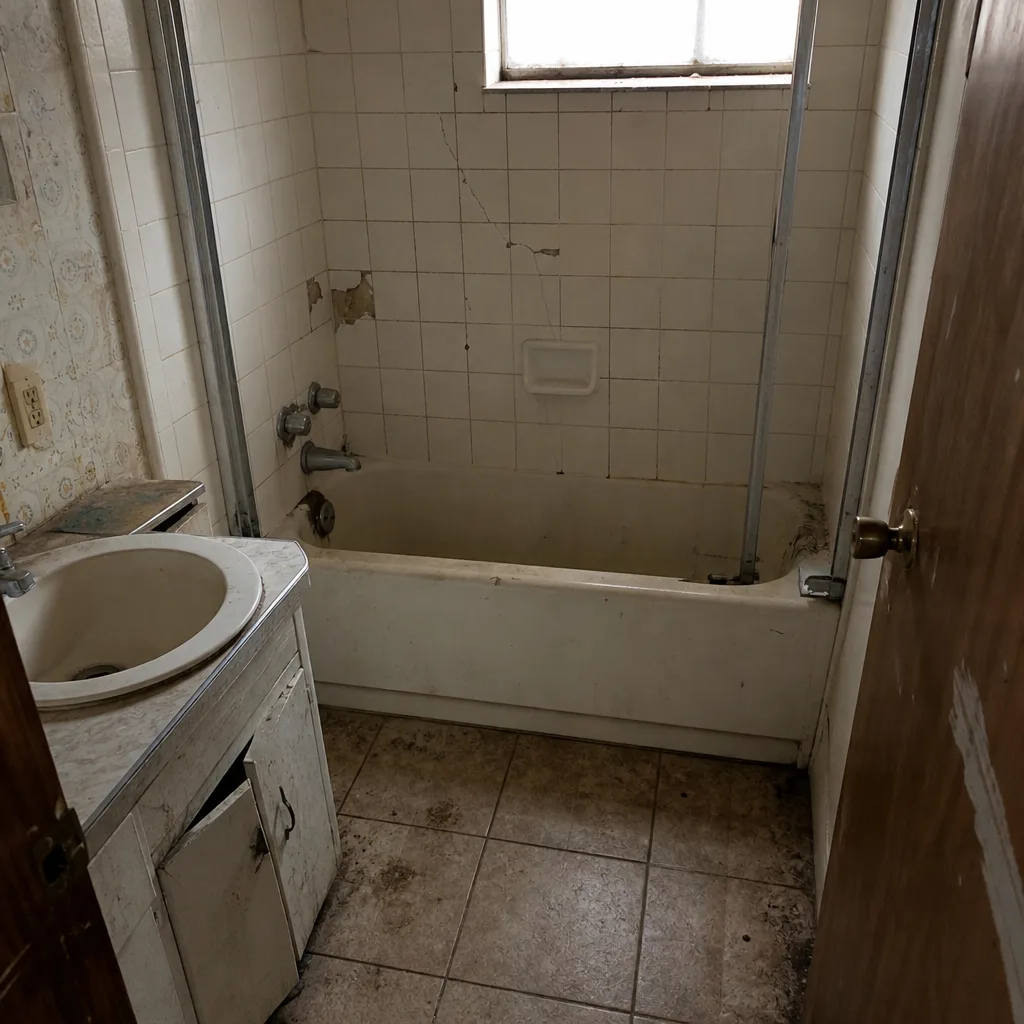 Before
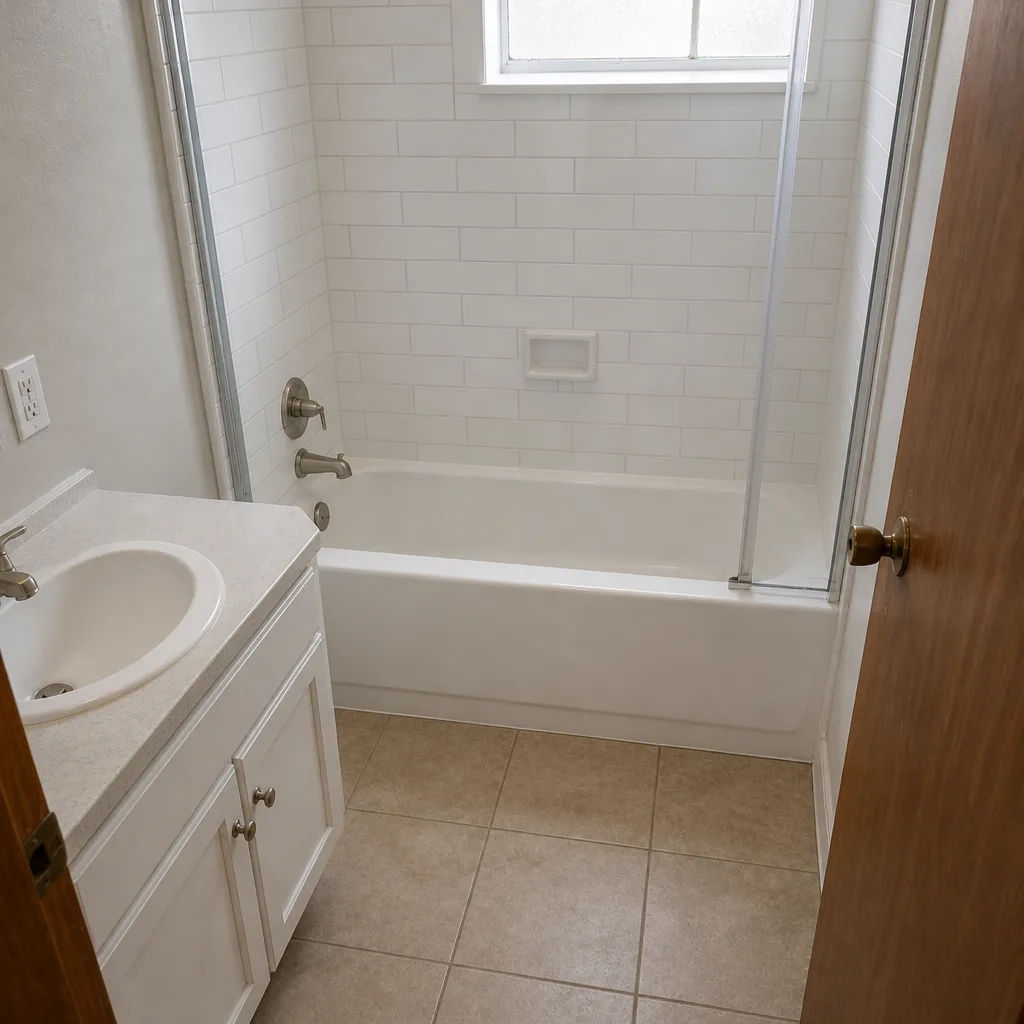 After
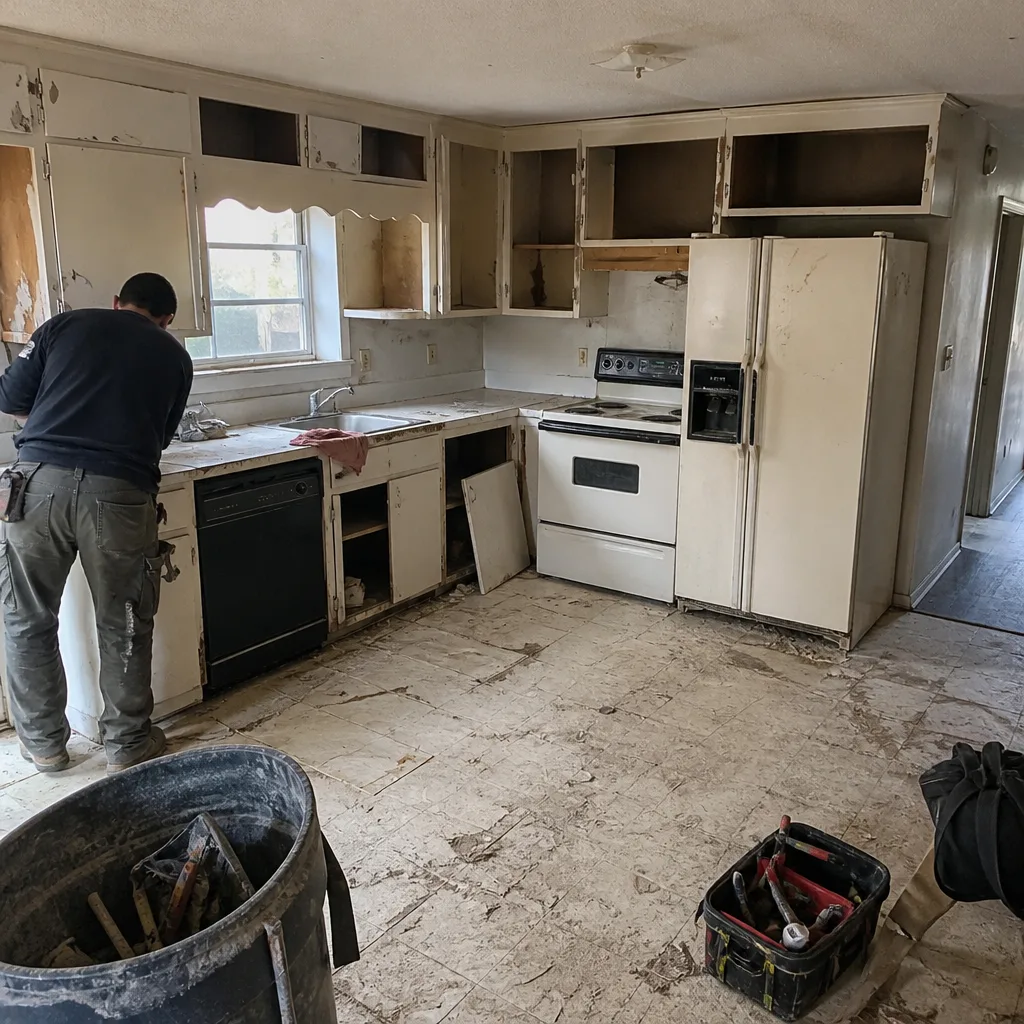 Before
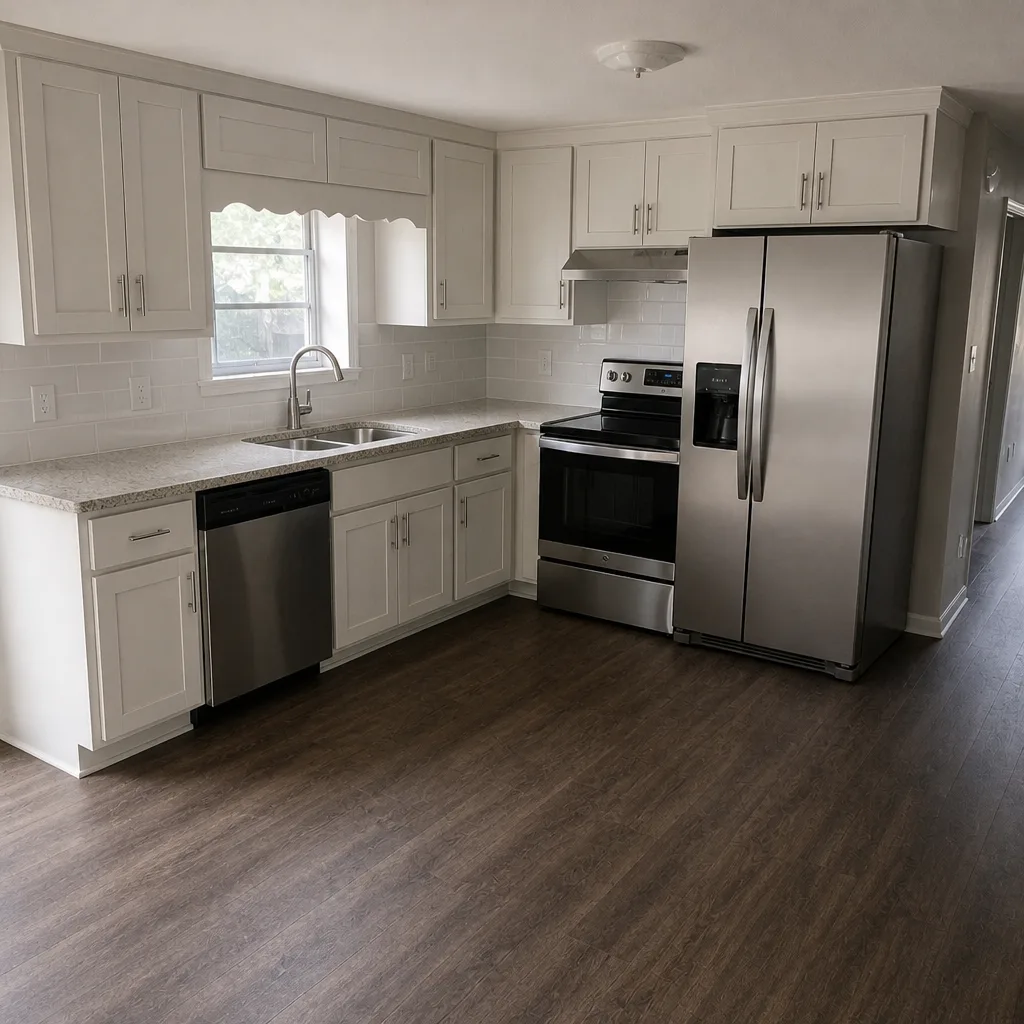 After
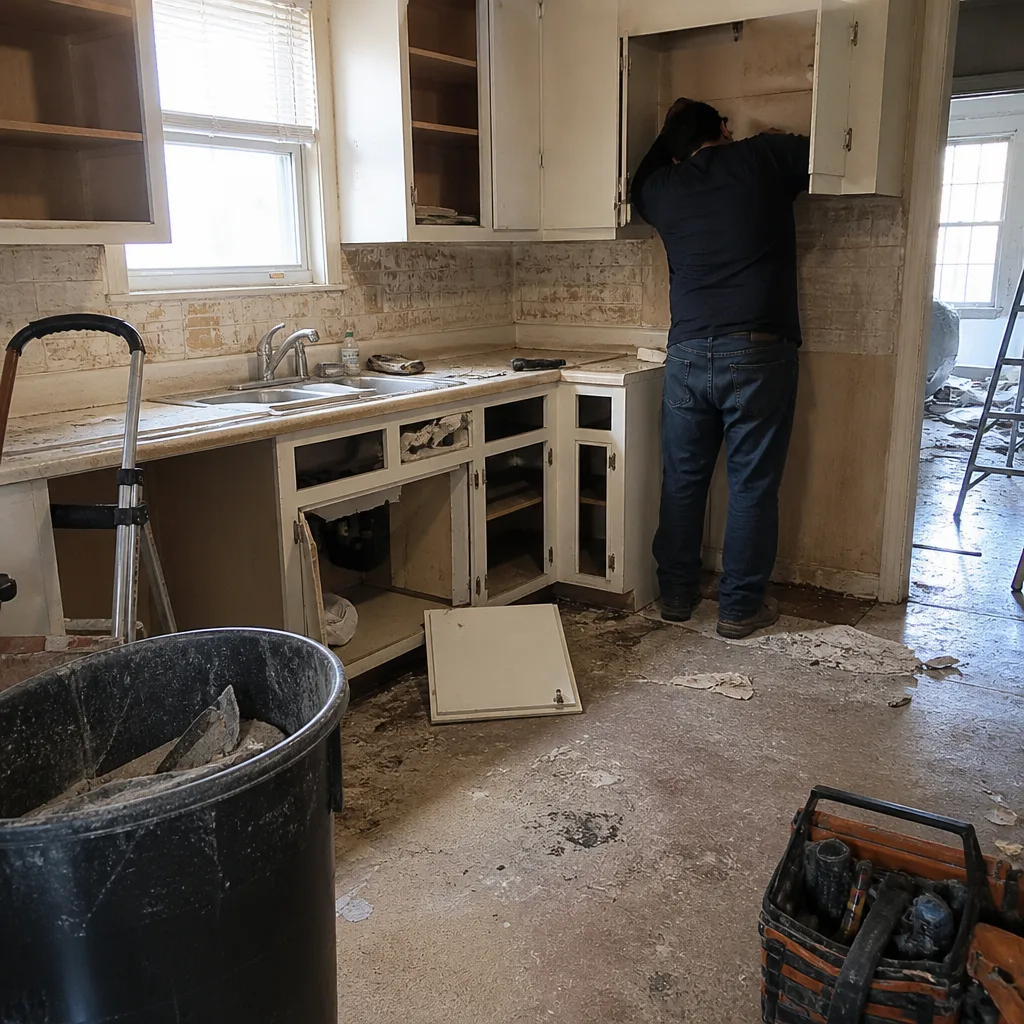 Before
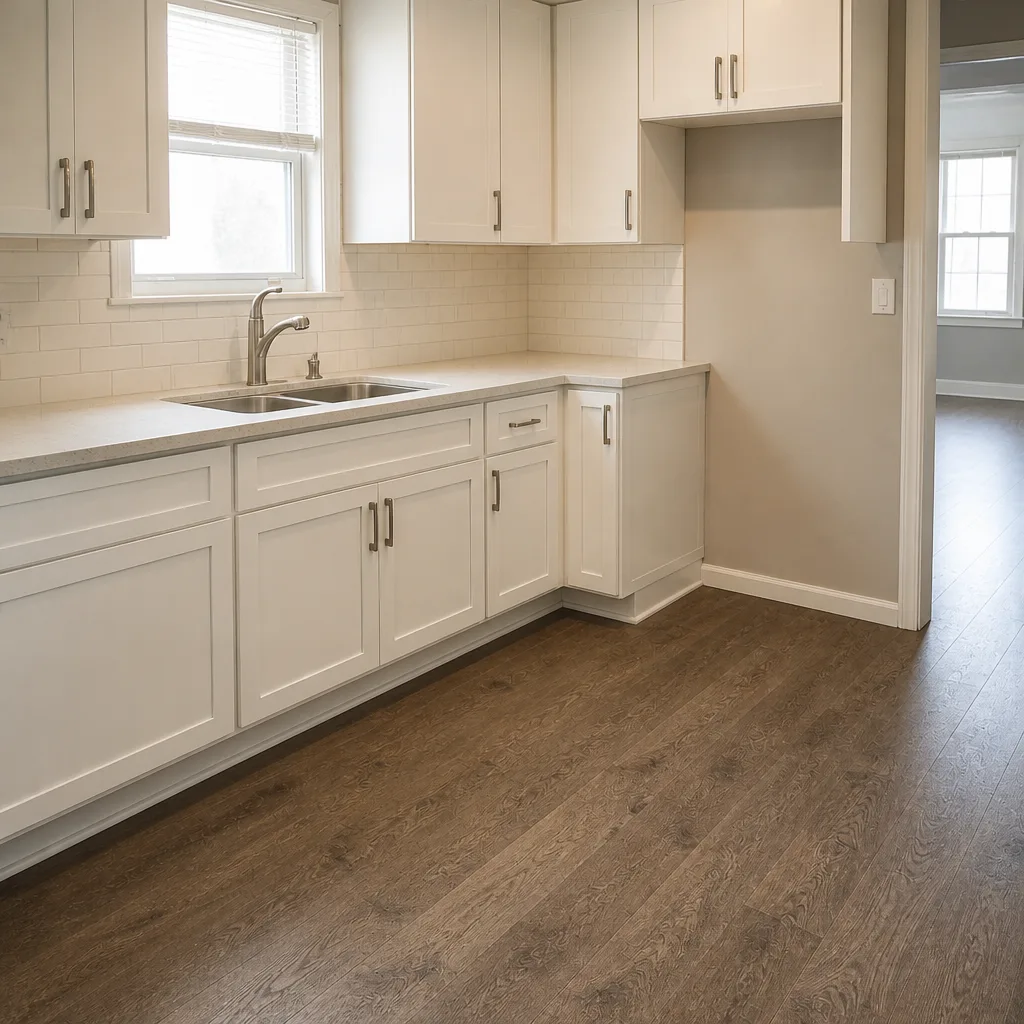 After
When to Call a Professional
Call a professional the moment a task moves behind a wall or under a floor. Concretely, that means any shower pan work, any tile waterproofing, any plumbing beyond a faucet or spout swap, any electrical beyond a fixture on an existing circuit, and any structural framing. It also means the moment you discover unpermitted work by a previous owner, or find soft subfloor or a shower that won’t drain. Those are the situations that punish the confident. And it means when the project crosses from cosmetic refresh into a true renovation, because the permit and inspection path is clearer when one licensed contractor owns the whole scope. Groundwork Construction Co. of Fort Worth offers free estimates in Fort Worth, and you can reach us at (855) 912-5373. We’ll tell you honestly which parts of your project are yours to do and which are ours.
Frequently Asked Questions
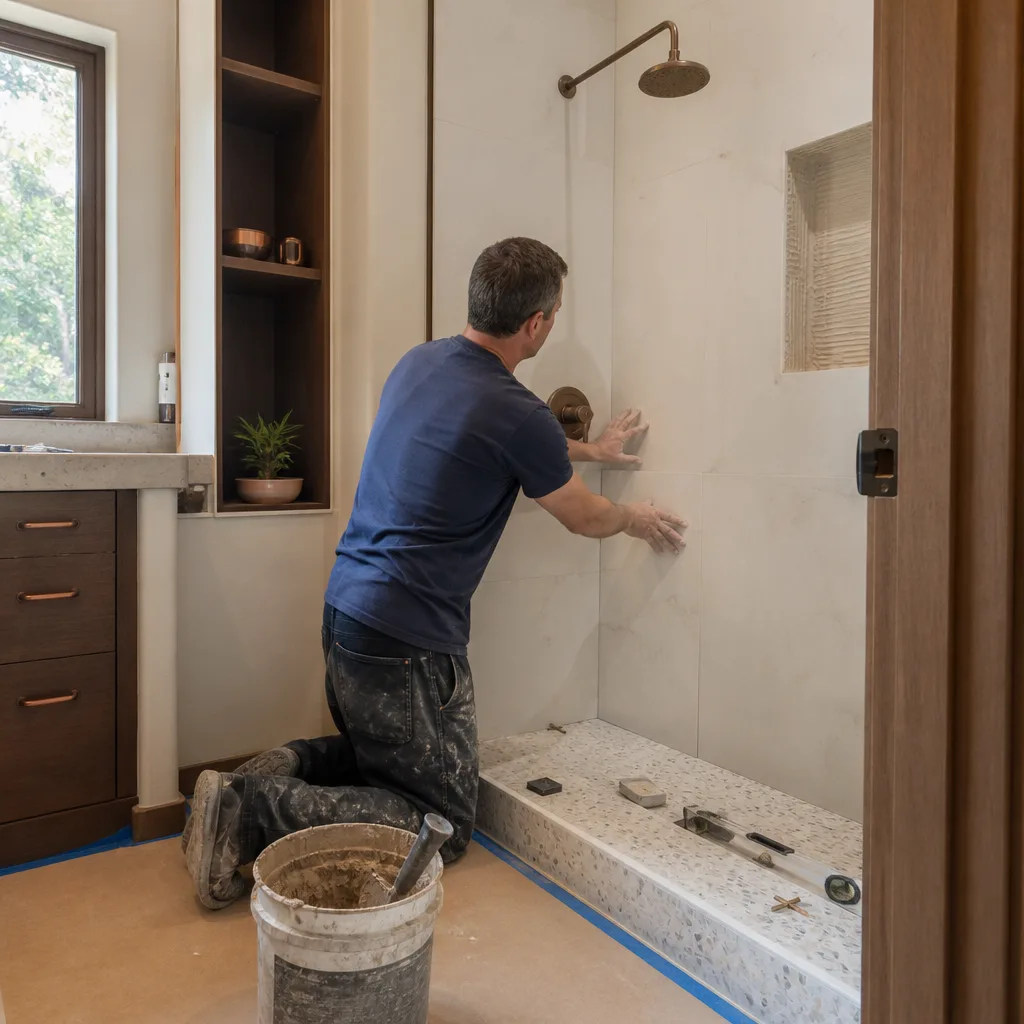
You can safely do the cosmetic parts yourself: painting, hardware swaps, a vanity top, re-caulking, and finish work. Anything involving the shower pan, tile waterproofing, plumbing rough-in, or new electrical needs a licensed pro and typically a Fort Worth permit. The split that works for most homeowners is doing the finish work themselves and hiring out the rough-in.
Waterproofing failures are the most expensive DIY bathroom mistake, and they’re the hardest to catch. A $200 shower pan kit done without a pre-slope or a properly welded liner quietly leaks into the subfloor, and remediation routinely runs $3,500 to $5,000 once you add demo, re-framing, mold remediation, and a rebuild. It fails silently, so the cost shows up months later.
Yes. Moving a toilet, relocating a shower drain, or adding a circuit are permit items in Fort Worth, and the work has to be done by a licensed trade. Skipping the permit creates legal and insurance exposure later, especially at resale, and it can force you to open finished walls so an inspector can see the work.
Look for tile that sounds hollow underfoot, shower floors that puddle instead of draining to the drain, fresh caulk over old caulk, mismatched grout, outlets without GFCI protection near water, and a toilet that rocks. If you see any of these, open the wall before you remodel over it. Hidden DIY work gets more expensive under tile you just installed.
Yes, and it’s the split we recommend most often. Demo, painting, trim, and hardware are safe for a confident homeowner, and they cut the labor cost. Rough-in, waterproofing, and tile setting should go to a licensed pro. Get a written scope that spells out who does what, so nothing falls between the cracks.
A typical full bathroom remodel takes several weeks from demo to final walkthrough, with the schedule driven by the permit and inspection path, material lead times, and how much hidden work turns up behind the walls. Tile and fixtures need time to set correctly, and rushing that part is how a project fails. Get a written schedule with your estimate so you know what to expect.
The Bottom Line
The DIY vs professional bathroom remodeling question comes down to consequence. Painting, hardware, caulk, and finish work are yours to own, and doing them is a real way to cut cost. Shower pans, tile waterproofing, plumbing rough-in, new circuits, and anything behind a wall belong to a licensed pro, and in Fort Worth most of it needs a permit and inspection. The tasks that go wrong quietly are always the ones you can’t see, and they’re the ones that cost the most to fix. Inspect before you cover, sort every task against the consequence test, and hire out the part where a hidden mistake becomes structural. If you want a straight answer on your specific project, get a free, line-item estimate from a team that pulls permits and passes inspections as standard.
Contact

Ready to price out your Fort Worth bathroom project and find out exactly which parts you can safely do yourself? Groundwork Construction Co. of Fort Worth offers free estimates, so you can see a written, line-item scope before you commit to anything. Call (855) 912-5373 to schedule your free estimate today. A live person answers around the clock, so you’ll get a real conversation, not a voicemail.
Written by the team at Groundwork Construction Co. of Fort Worth.