Last updated November 18, 2026



Free written scope consultation - allowances, timeline, and change-order rules on paper before a single trade is scheduled
The Complete Fence Installation Guide for Fort Worth Homeowners
Fort Worth issues thousands of residential fence permits every year, and a large share of those fences start leaning, sagging, or losing posts within five years. The cause is almost never the lumber or the pickets. It’s what happened below grade: a post set too shallow in Fort Worth’s expansive clay, or a concrete decision that looked fine in spring and failed after two wet-dry cycles. We’ve rebuilt enough of these fences to know the pattern. This guide covers the regulatory, soil, and weather variables that determine whether your fence stands for two decades or two summers, starting with Tarrant County permits and ending with how to read a contractor bid line by line.
Quick Answer
Fence installation in Fort Worth typically runs $28 – $55 per linear foot for cedar, $35 – $65 for vinyl, and $45 – $85 for aluminum or wrought iron, with most residential jobs landing between $3,500 and $9,000 depending on material, height, and site conditions. In Fort Worth’s clay soil, posts need to be set 30 – 36 inches deep with proper concrete footings to survive the shrink-swell cycle, and most projects require a City of Fort Worth fence permit before work begins.
Styles & brands we work with
- Kitchen remodeling
- Bathroom remodeling
- Home additions & ADU
- Roofing
- Windows & doors
- Driveway & pavers
- Fence
Table of Contents
- Do You Need a Fence Permit in Fort Worth?
- Why Fort Worth’s Clay Soil Changes Everything Below Grade
- Material Selection for Fort Worth Heat, UV, and Freezes
- Reading Your Property Survey Before You Dig
- HOA Overlays by Neighborhood Type
- How to Read a Fort Worth Fence Contractor Bid
- The Installation Process, Step by Step
- Maintenance That Actually Extends Fence Life in North Texas
Do You Need a Fence Permit in Fort Worth?
In most cases, yes. The City of Fort Worth requires a fence permit for new fence construction and for substantial replacements, and the permit process is more detailed than most homeowners expect. You’ll submit a site plan showing the fence location, height, material, and setbacks from property lines, and you’ll pay a permit fee that scales with linear footage. Tarrant County handles unincorporated areas differently, so if you’re outside city limits your jurisdiction depends on your address. Fences in the City of Fort Worth’s historic districts or Near Southside overlays may face additional design review.
Height limits matter. Residential zoning in Fort Worth generally caps front-yard fences at 4 feet and side and rear fences at 8 feet, though corner lots and visibility triangles near intersections get stricter treatment. Setback rules set the fence behind your property line rather than on it, and that distance varies by lot width and street classification. Fences on an alley lot may not block alley access or sight lines.
HOA covenants stack on top of city code, not instead of it. An HOA may restrict material, color, height, and picket style, and some North Texas HOAs require architectural review before a single post is set. Skipping that review can result in a removal order after the fence is already built.
A contractor who knows Fort Worth will pull the permit for you and schedule the inspection. Ask directly: “Do you pull the permits?” If the answer is vague, walk.
Why Fort Worth’s Clay Soil Changes Everything Below Grade
Fort Worth sits on the Blackland Prairie and Fort Worth Prairie soil series, both of which are dominated by expansive clay. That clay holds water like a sponge after a spring storm and contracts hard during a July drought. A post set into it experiences lateral pressure in wet months and loosening in dry months, year after year, unless the footing is designed for it. This is why so many fences installed by crews who learned the trade in sandier parts of Texas fail here.
Standard rule-of-thumb depth guides say set your posts one-third of their above-grade height. In Fort Worth, that’s not enough. A 6-foot fence with a post set 24 inches deep will heave and lean by year three in most local soil. Fort Worth installation needs:
- Post depth of 30 – 36 inches for standard 6-foot fences, deeper at corners and gate posts where lateral load concentrates.
- A concrete footing of at least 12 inches in diameter, wider at the top to shed water away from the shaft.
- A 2 – 3 inch gravel base at the bottom of each hole so water drains below the concrete rather than pooling against it.
- Concrete mixed to a real structural spec (typically 3,000 – 4,000 PSI), not just “a bag of quikrete.”
- Crown the concrete at grade so water moves away from the post, not toward it.
We’ve seen spring failures in Natomas-style new builds and in established neighborhoods like Ridglea and Wedgwood where the original fence lasted a decade or more but was never designed around the actual soil profile. The difference between a good fence and a bad one in Fort Worth is almost always 6 to 10 inches of extra post depth and a foot of concrete that didn’t get cheapened out.
If you’re pairing a fence project with other site work, our team handles Driveway & Pavers in Fort Worth and can sequence the projects so you’re not tearing up a finished driveway to access fence lines.
Material Selection for Fort Worth Heat, UV, and Freezes
Fort Worth hits 100°F+ regularly in July and August, endures intense UV load, and gets hard freezes in January and February. All three stress fencing differently, and no single material is best for every situation. Here’s how each one behaves in Fort Worth conditions:
Cedar
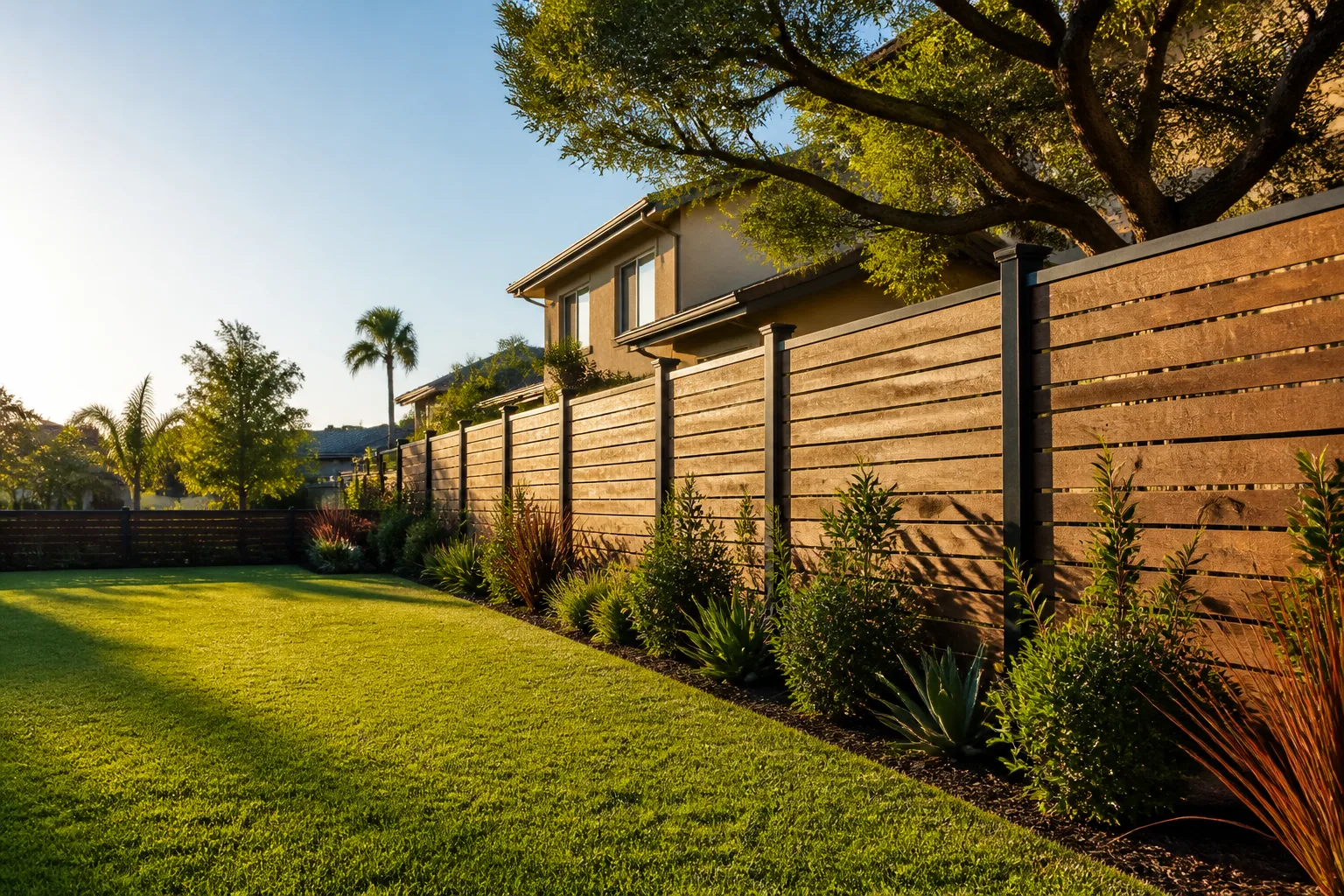
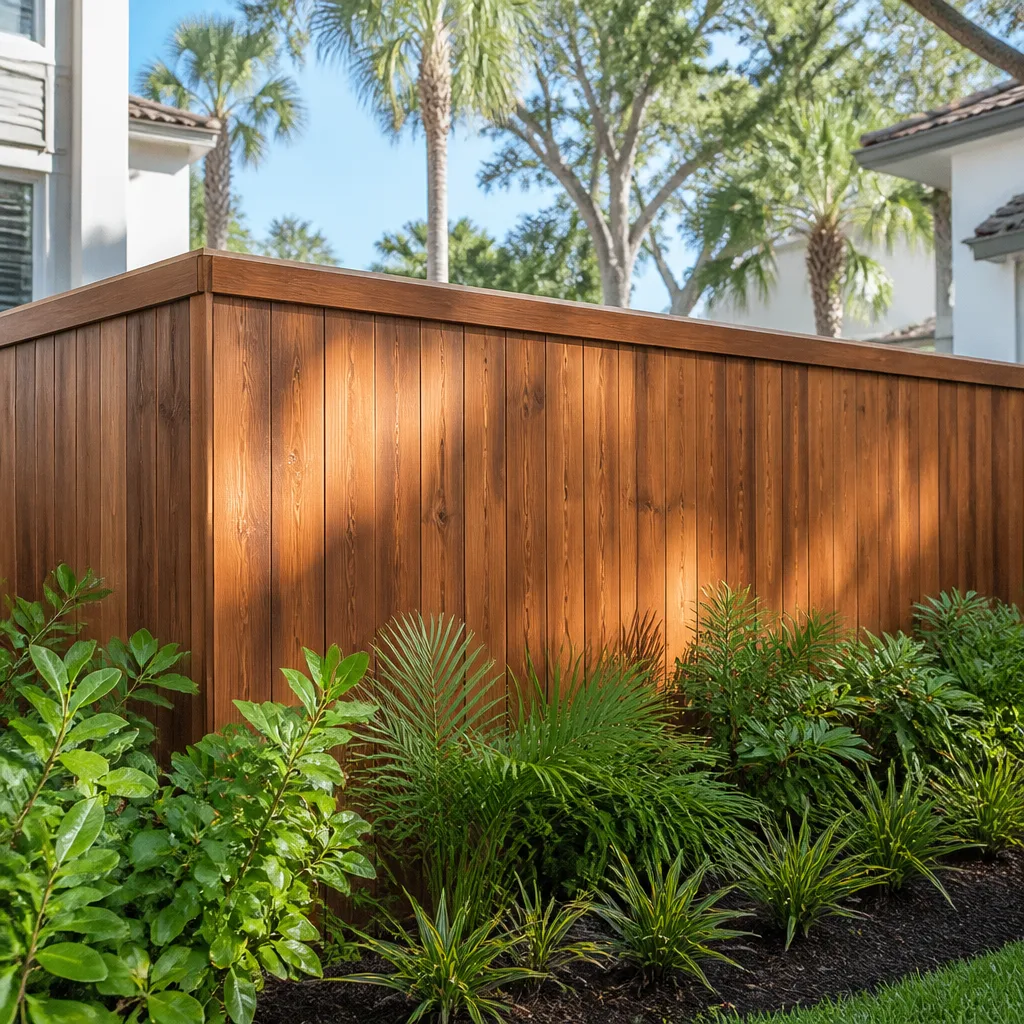
Western red cedar is the standard choice in Fort Worth for good reason. It resists rot, takes stain well, and holds up to the UV load better than pine. Cedar will gray out within a couple of seasons if left unfinished, so plan on a quality stain every 3 – 5 years. Budget $28 – $55 per linear foot for a 6-foot cedar privacy fence.
Pine
Treated southern yellow pine is the cheapest option, often running $18 – $32 per linear foot installed. It moves more than cedar when the humidity swings, warps in the heat, and needs staining within the first year to survive more than a decade. We’d only recommend it on budget-sensitive projects where the homeowner understands the shorter lifespan.
Vinyl
Runs $35 – $65 per linear foot installed. Vinyl performs well in Fort Worth’s climate, but cheap vinyl gets brittle in the heat and can crack in a hard freeze. Expect to pay more for a premium vinyl with a manufacturer warranty. Foundation and rail spec matter more than panel style.
Aluminum
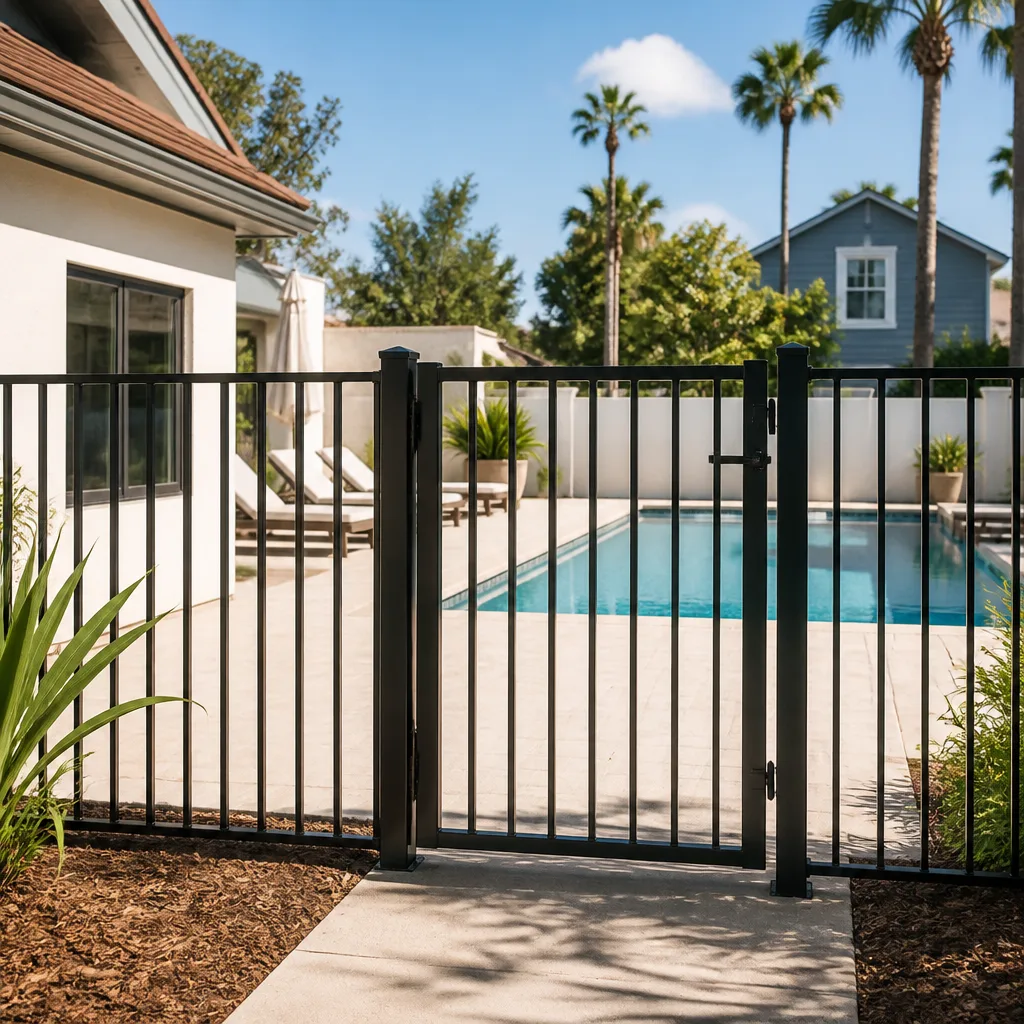
Runs $45 – $75 per linear foot. Aluminum is the right call for pool fences, HOA-friendly front-yard fencing, and anything that needs to stay visually open. Powder-coat finish is the minimum; bare aluminum will corrode in North Texas humidity over a decade or two.
Wrought Iron
Runs $55 – $85 per linear foot and up. Wrought iron is a long-term asset that outlasts everything else on this list. Anchoring matters more than the iron itself; in clay soil, wrought iron panels need deeper post footings than a wood fence to handle the same soil movement.
If your fence project is part of a broader exterior investment, the team also handles Fence Installation in Fort Worth as a dedicated service and can align material choices with your home’s exterior and your HOA’s requirements.
Reading Your Property Survey Before You Dig
Fort Worth’s older neighborhoods have frequent survey discrepancies. Subdivisions platted in the 1940s and 1950s in areas like Mistletoe Heights, Ryan Place, and near TCU often have fences that were installed decades ago and have slowly crept off the recorded line, or lines that were never clearly monumented in the first place. If you install a new fence based on the existing fence location without checking the survey, you can end up on a neighbor’s property and be ordered to remove what you just built.
Before any contractor sets a post, you should:
- Find your most recent property survey. If you bought your home in the last ten years, it’s likely in your closing documents.
- If you don’t have one, order a new survey or hire a licensed Texas land surveyor to locate your corners and confirm the recorded line.
- Walk the property line with your neighbor and confirm the fence location before work starts. A short conversation now saves a long one later.
- Verify that required setbacks (from the property line, from easements, and from any utility easements) are respected.
- Call 811 at least two business days before digging, so utilities mark their lines.
Fort Worth’s utility easements run through a lot of residential backyards, and a fence placed inside an easement can be removed by the utility at the homeowner’s cost. The survey tells you where those run, and it tells your contractor where to be careful with post depth.
HOA Overlays by Neighborhood Type
HOA rules in Fort Worth vary wildly by neighborhood, and the differences are worth understanding before you commit to material. A few patterns we see:
- Master-planned communities in north Fort Worth and near Alliance typically have detailed architectural review processes, approved color palettes, and height restrictions that may layer on top of city code. Most require an application and sometimes neighbor notification.
- Established historic areas in the Near Southside, Mistletoe Heights, and parts of the Fairmount district face design review through the city as well as through neighborhood associations. Wood-over-vinyl is often preferred or required over full vinyl.
- Inner-city neighborhoods without active HOAs often have deed restrictions still on the books from decades ago. Even if the HOA isn’t enforcing, a neighbor can.
- Rural Tarrant County properties outside city limits may not have HOA rules but can face county fence ordinances and agricultural exemptions that change the calculus.
When in doubt, ask your contractor for a copy of the approved plans in the last 12 months for a nearby project. A Fort Worth contractor who works here regularly will have recent examples. If they don’t, that’s telling.
How to Read a Fort Worth Fence Contractor Bid
Most fence bids look the same to a homeowner who hasn’t done the research. They shouldn’t. The four specs that actually determine long-term performance are post diameter, concrete mix, post depth, and cap/rail construction. Here’s what to look for and what to ask:
Post Diameter
4×4 posts are standard for most residential fencing, but 6-foot privacy fences over 100 linear feet benefit from 4×6 or 6×6 posts at corners and gate locations. A bid that doesn’t specify post diameter at gates is a bid worth questioning.
Concrete Mix
Ask what PSI the concrete is spec’d for. If the answer is “standard,” ask again. 3,000 PSI is the floor; 4,000 PSI is a better target for Fort Worth’s clay soil where posts are fighting movement.
Post Depth
Ask the contractor what depth they will set posts. If they say “industry standard” or “depends,” get them to commit on paper. Anything under 30 inches in Fort Worth clay is asking for a lean by year three.
Cap and Rail Spec
The cap rail and stringers are where a lot of fences start sagging. Ask about rail dimensions (2×4 versus 2×6), attachment method (screws versus nails), and whether cap boards are included. A fence with a proper cap rail and screwed stringers lasts meaningfully longer than one that’s stapled together.
What Else Belongs on the Bid
- Line-item pricing (materials, labor, permits, disposal of old fence)
- Who pulls the permit and schedules the inspection
- Workmanship warranty terms, in writing
- Stain or sealant included or excluded
- Gate hardware and swing direction specified
- Start date and rough completion date
No-hassle upfront pricing means the number on the bid is the number on the invoice. If a bid has change-order language built into it, expect to use it.
The Installation Process, Step by Step
A proper Fort Worth fence install follows a predictable sequence. Timing depends on footage, material, and weather, but most residential projects run 2 – 4 days on site after permits are pulled.
- Confirm survey and permit. Verify property lines, confirm setbacks, and pull the City of Fort Worth permit if applicable. Call 811 for utility locates.
- Walk the line with the installer. Mark post locations, gate locations, and any transitions for grade, trees, or hardscape.
- Remove existing fence and haul off. Set aside any posts that might be reusable if you have wrought iron or ornamental sections worth saving.
- Dig post holes to spec. Every hole at the agreed depth (30 – 36 inches for standard fences in clay soil). Gravel base at the bottom, drain path clear.
- Set posts and pour footings. Posts plumbed and braced, concrete poured, crowned at grade. Let the concrete cure before loading.
- Install rails and pickets. Screwed stringers, correct spacing, consistent picket reveal. Cap rail installed on top.
- Build gates. Gate posts typically need deeper footings than line posts. Hardware installed, gate swing confirmed.
- Stain or seal (if included). Cedar should be allowed to dry before its first stain.
- Final walkthrough and inspection. Fence inspected against the plan, permit inspection scheduled if city inspection is required.
If you’re adding a fence as part of a larger project, our team handles coordination across trades so nothing gets rebuilt twice – including Home Additions & ADU in Fort Worth projects where new fence lines have to accommodate structures, utility runs, and access paths.
Maintenance That Actually Extends Fence Life in North Texas
Fort Worth fences fail on a schedule, and the schedule is adjustable. A few maintenance habits push a 12-year fence to 20:
- Restain cedar every 3 – 5 years. The Texas sun bleaches a fence to gray in 18 months and starts checking the wood shortly after. Stain, not paint, is the right finish.
- Walk the fence line after every hard freeze. North Texas freezes can heave posts that were already borderline. Catch a lean in year one before it becomes a rebuild.
- Watch drainage on the low side of the yard. Fort Worth’s clay holds water. If your fence sits on the downhill side of the yard, that’s where rot will start first.
- Tighten gate hardware annually. Gates take the most abuse and are the first thing to sag. Annual adjustment is a two-minute job that prevents a rebuild.
- Clear vegetation from the base. Ivy and shrubs trap moisture against the pickets and rails, which accelerates rot in North Texas humidity.
- Touch up chips on vinyl and aluminum. A small chip in powder coat becomes a corrosion point over a decade.
The team at Groundwork Construction Co. of Fort Worth home builds fences and handles the other exterior trades under one roof, so maintenance visits can cover fences, pavers, and roofing in a single trip.
Common Mistakes to Avoid
- Installing without a permit. Fort Worth enforces fence permits, and a non-permitted fence can create a title issue when you sell. Pull the permit, keep the paperwork.
- Setting posts at “standard” depth. Standard depth was written for soil that isn’t Fort Worth clay. Insist on 30 – 36 inches and a concrete spec on the bid.
- Trusting the existing fence line as the property line. Old Fort Worth fences have drifted off the recorded line for decades. Verify with a survey before you dig.
- Skipping HOA architectural review. Removal orders after the fact are expensive and completely avoidable. Confirm approval before materials are ordered.
- Choosing material by price alone. A pine fence that needs early replacement costs more over 20 years than a cedar fence installed once.
- Ignoring utility easements. A fence built over a utility easement can be removed by the utility at your cost, with no notice beyond the easement language already in your deed.
- Not specifying gate post footings. Gates fail first because gate posts carry the most load. Overlooked gate post depth is one of the most common causes of premature failure.
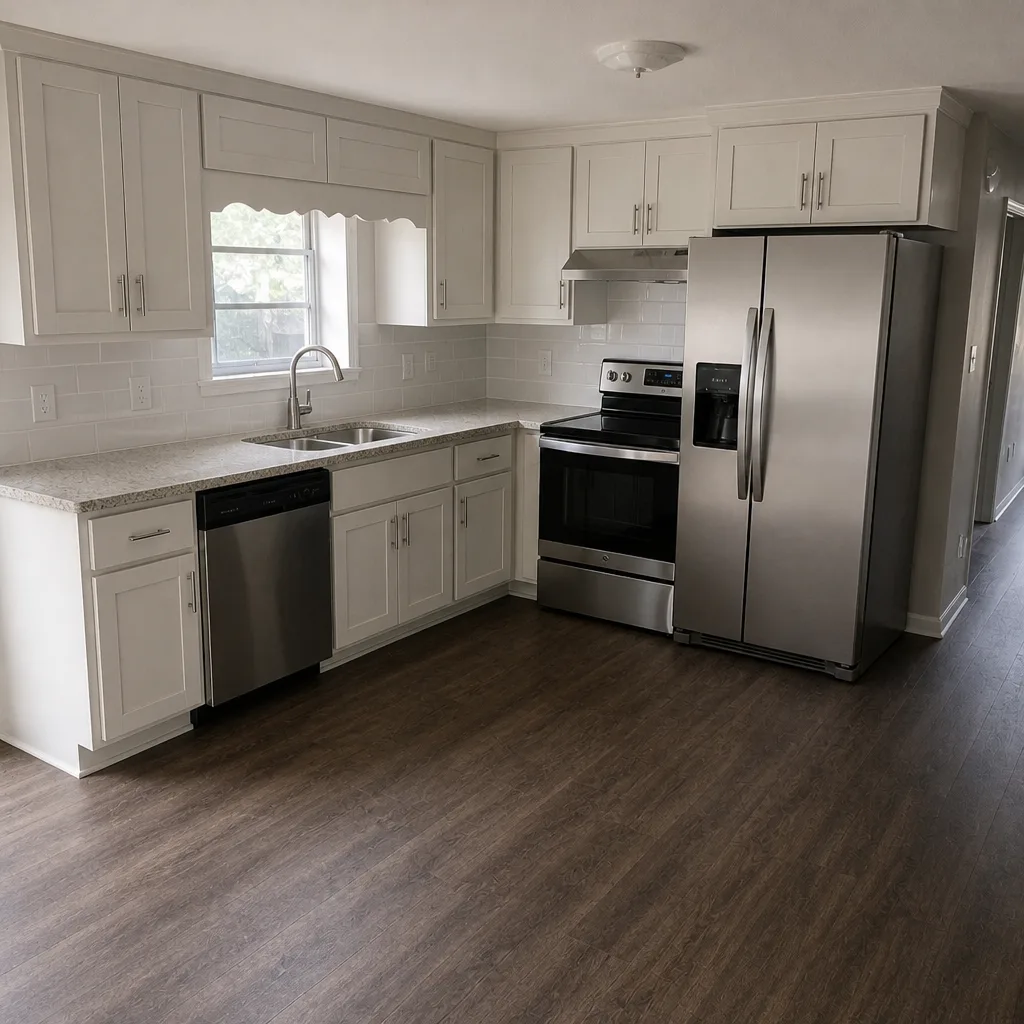
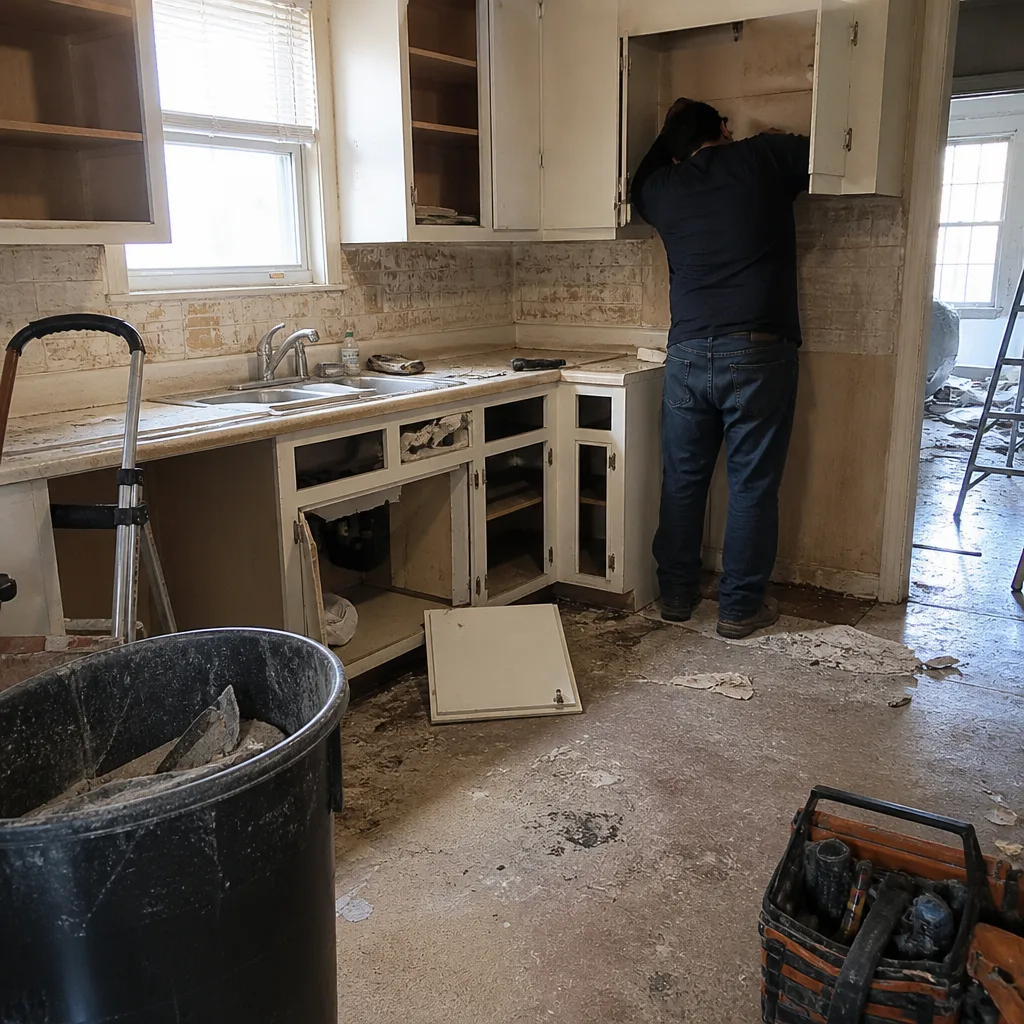
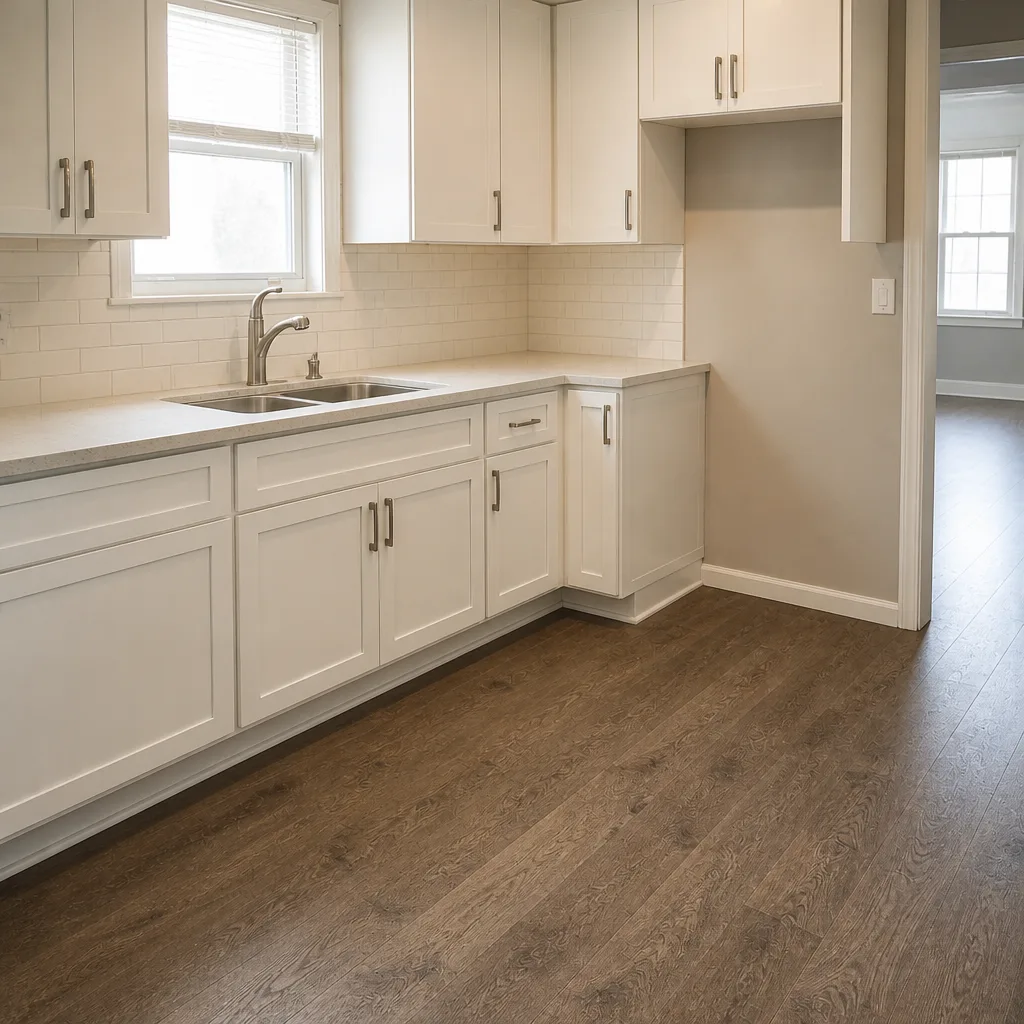
See the difference
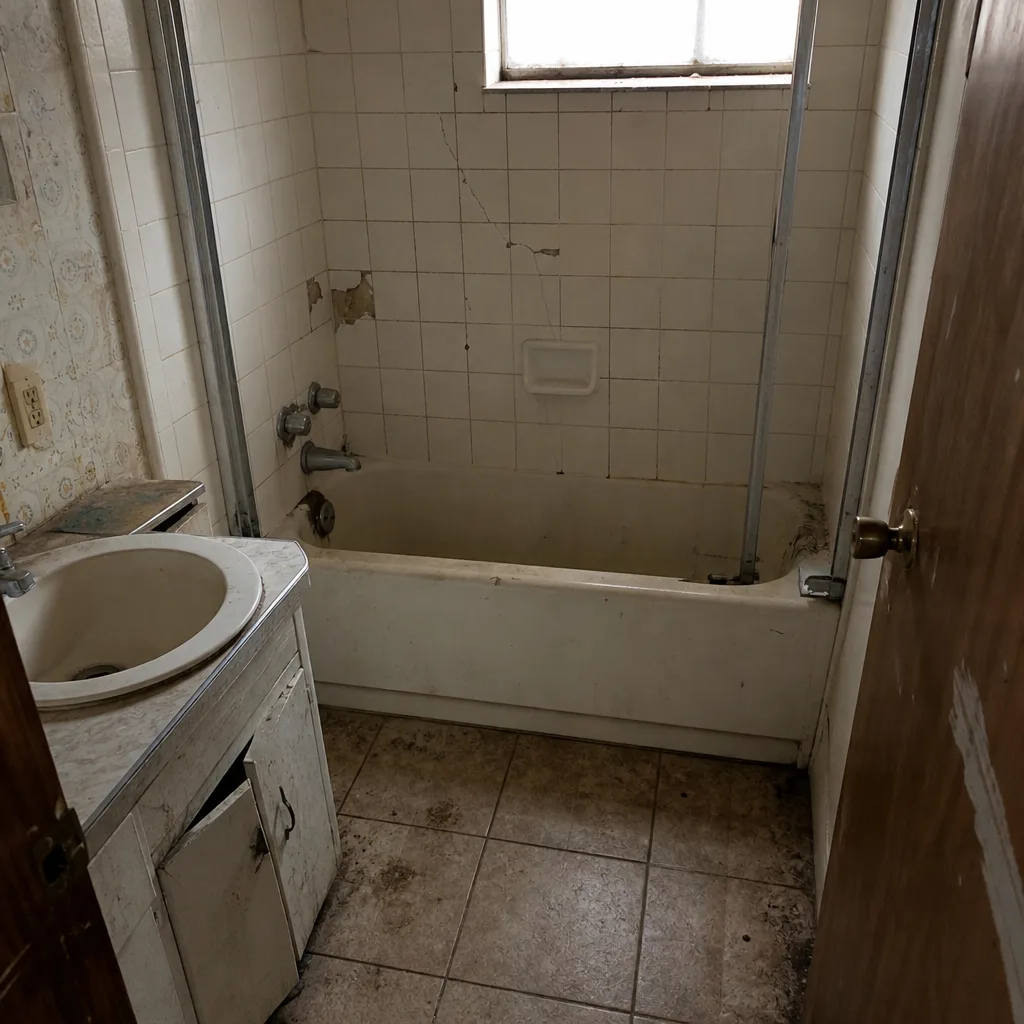 Before
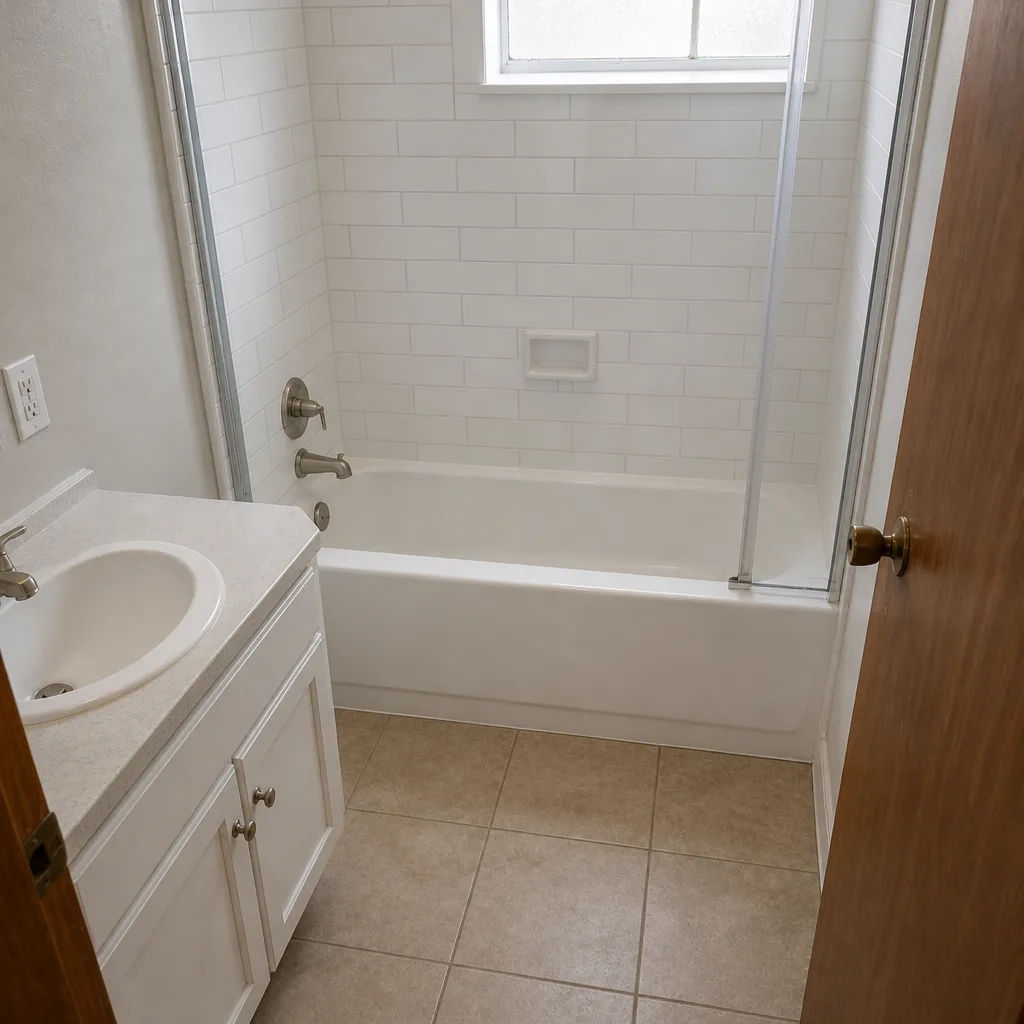 After
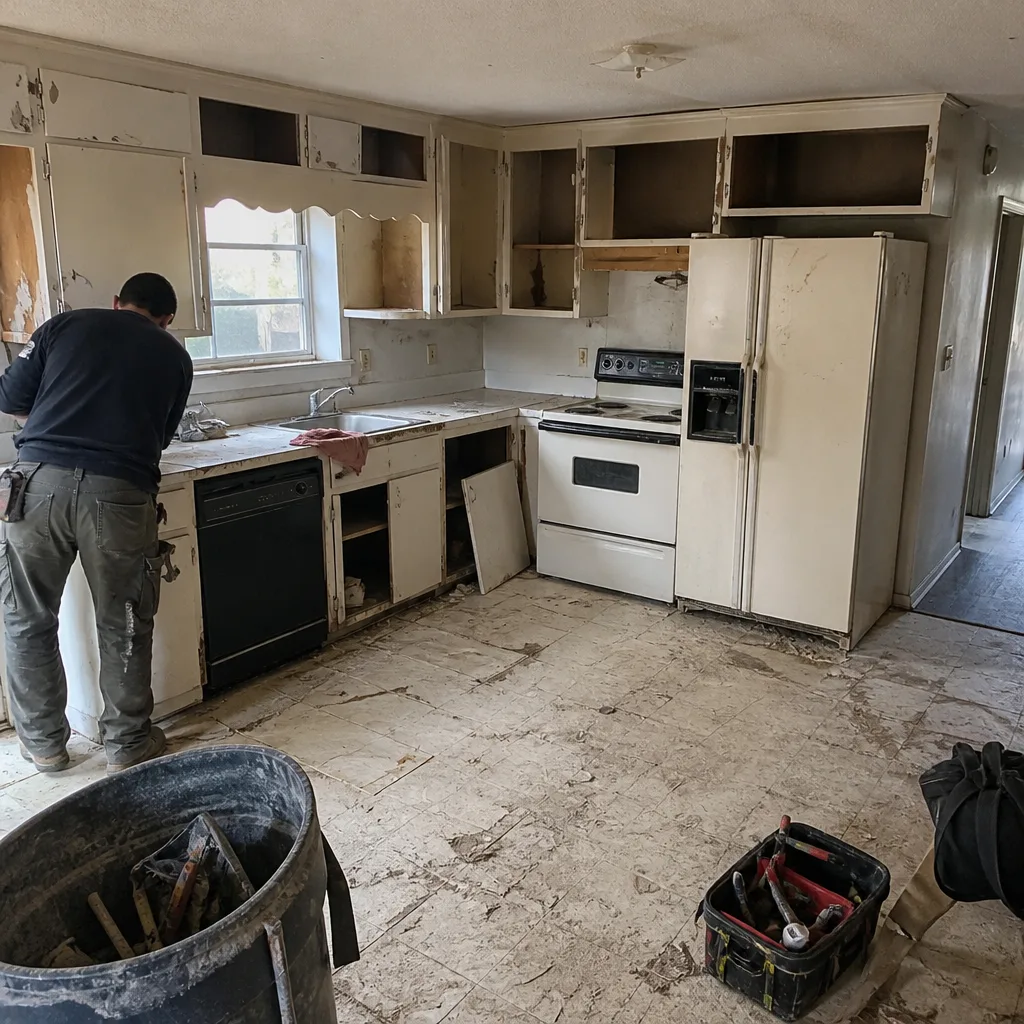 Before
 After
 Before
 After
When to Call a Professional
Some fence projects are reasonable DIY work. A short run on level ground in established non-clay soil, a simple gate replacement, a picket repair after a storm – these are manageable for a confident homeowner. Most Fort Worth fence installs aren’t. Here’s where professional help matters most: any fence over 60 linear feet, any project in Fort Worth clay where post depth matters, any job requiring a permit or HOA approval, any fence line inside a utility easement, any property with a survey discrepancy, and any install that involves gates or wrought iron. A licensed, insured contractor carries the right equipment for deep footings, handles permits and inspections, and stands behind the work with a written guarantee. Groundwork Construction Co. of Fort Worth offers free estimates in Fort Worth – call (855) 912-5373.
Frequently Asked Questions
Fence installation in Fort Worth typically runs $28 – $55 per linear foot for cedar, $35 – $65 for vinyl, and $45 – $85 for aluminum or wrought iron, with most residential jobs landing between $3,500 and $9,000. Cost drivers include material, fence height, site access, gate count, permit fees, and how deep posts need to be set. Call (855) 912-5373 for an exact quote – estimates are free.
Yes, in most cases. The City of Fort Worth requires a fence permit for new construction and substantial replacement, and Tarrant County handles unincorporated areas with its own rules. Permits require a site plan, and inspections confirm height and setback compliance. A reputable contractor pulls the permit for you and schedules the inspection.
30 – 36 inches for a standard 6-foot fence, with 12-inch-diameter concrete footings and a gravel base at the bottom of each hole. Standard national guides recommend less, but Fort Worth’s expansive clay needs deeper footings to survive shrink-swell cycles. Corners and gate posts need the deeper end of that range.
It shouldn’t. A written line-item bid with a clear scope means the number you see is the number you pay. Change orders should only be triggered by a scope change you initiate, not by surprises the contractor found after starting. If a bid looks ambiguous, ask for the unclear line to be spelled out before you sign.
Most residential projects run 2 – 4 days on site after permits are pulled, depending on footage, material, and weather. Permit approval adds time depending on the city’s current review backlog. Vinyl and aluminum installs often go faster than cedar; larger projects with multiple gates take longer.
Cedar is the most reliable choice for a wood privacy fence in Fort Worth, given its UV resistance and rot tolerance in North Texas humidity. Vinyl and aluminum are excellent low-maintenance options for homeowners who don’t want annual upkeep. Pine is budget-friendly but needs staining within the first year to survive the heat.
The Bottom Line
Fence installation in Fort Worth comes down to four things: correct post depth in clay soil, a proper concrete footing, a survey you’ve actually verified, and a permit that gets pulled and inspected. Material matters, but the material is only as good as what’s holding it up. Get the below-grade work right and a quality fence will hold up through two decades of Fort Worth heat, freeze, and drought. Skip it, and you’ll be starting over in year three. Groundwork Construction Co. of Fort Worth builds fences with the 730-Day Done Right Promise behind every job, upfront pricing with no surprises, background-checked technicians on every project, and 0% financing for 18 months to make the timing work. Call (855) 912-5373 for a free estimate and design consult. Put a real plan behind your fence line before the next storm season.
Written by the team at Groundwork Construction Co. of Fort Worth.