Last updated November 18, 2026


Free written scope consultation - allowances, timeline, and change-order rules on paper before a single trade is scheduled
The Complete Guide to Construction in Fort Worth
Fort Worth issued more residential construction permits than any other city in Texas in 2023. That single fact explains almost everything about building here right now. The permit volume pulled in crews from across the state and beyond, and plenty of them arrived with confidence, a new logo, and zero experience with Tarrant County’s expansive clay, its hail corridors, or its inspection pipeline. Some of those crews are excellent. Many aren’t. This guide exists to help you tell the difference before you sign anything, so you can read a bid, question a timeline, and recognize the specific forces that shape construction in Fort Worth.
Quick Answer
Construction in Fort Worth is shaped by three local realities: highly expansive clay soil that punishes poorly engineered foundations, a hail corridor that determines which roofing and hardscape materials survive, and a permit pipeline through the city and Tarrant County that rewards builders who know the sequencing. The difference between a project that holds up and one that fails early usually comes down to whether the contractor accounted for those local conditions in the bid, not just the finish selections.
Styles & brands we work with
- Kitchen remodeling
- Bathroom remodeling
- Home additions & ADU
- Roofing
- Windows & doors
- Driveway & pavers
- Fence
Table of Contents
- Why Fort Worth’s Clay Soil Decides Foundation Design
- The Tarrant County Permit Pipeline: Timing and Delays
- What “Full-Scope” Really Means in Fort Worth’s Subcontractor Market
- Building Inside the DFW Hail Corridor
- A Realistic Fort Worth Project Timeline by Season
- How to Read a Fort Worth Construction Bid
- Common Mistakes to Avoid
- Frequently Asked Questions
Why Fort Worth’s Clay Soil Decides Foundation Design
Fort Worth sits on some of the most active expansive clay in Texas. The soil’s shrink-swell index here is high enough that it disqualifies entire build methods that work fine in sandier parts of the state or in other regions. When clay dries, it contracts and pulls away from the foundation. When it soaks up a heavy rain, it swells and pushes upward. That cycle repeats every season, and over a decade it can crack a slab that looked perfectly poured.
What this means practically is that foundation choice in Fort Worth isn’t a matter of preference. It’s engineering driven by soil reports and lot grading. Here’s how different approaches fare:
- Post-tension slabs: Common and appropriate on Fort Worth’s clay when engineered correctly, with cables tensioned to resist the soil’s movement. The engineering matters more than the slab type name.
- Conventional rebar slabs: Can work, but demand careful rebar spacing, proper soil prep, and moisture management at the perimeter. Weak prep shows up as cracking within a few years.
- Pier-and-beam: Less common in new Fort Worth construction but still found in older neighborhoods, and it’s more forgiving of soil movement because it can be re-leveled.
- Methods from sandier markets: Shallow footings and slab designs sized for stable soil often fail fast here. If a builder pitches a foundation system copied from another region, ask for the soil engineering behind it.
In our experience, the lots most at risk are those on the edges of Fort Worth’s newer developments where grading is fresh and drainage patterns haven’t stabilized yet. Neighborhoods built out over the last fifteen years in the outer rings see more foundation movement than established areas for exactly that reason. The fix is not exotic: engineer the foundation to the lot, get the grading right so water drains away from the slab, and keep gutters and downspouts discharging well past the foundation line. Builders who skip the soil report to save a line item are pushing that cost onto you later.
The Tarrant County Permit Pipeline: Timing and Delays
Permit timing is where a lot of Fort Worth projects quietly fall behind schedule. The city’s development services process handles residential permits through a review queue, and how fast yours moves depends heavily on the scope and completeness of the application. A straightforward roof replacement in an established neighborhood moves through a different path than an addition or a new ADU, which triggers plan review and can involve zoning checks.
Here’s a realistic sequence for a mid-size project like a home addition or an ADU:
- Pre-application review. Confirm zoning, setbacks, and lot coverage for your specific property. This step catches problems before you spend money on drawings.
- Plan submission. Architectural and structural drawings go in together. Missing engineering or incomplete site plans are the number one cause of delays.
- Plan review. The city reviews for code compliance. Review comments often require a resubmittal, which resets part of the clock.
- Permit issuance. Once approved, the permit is issued and work can start. Fees are assessed based on scope.
- Inspections. Foundation, framing, electrical, plumbing, and final inspections happen in sequence, and each one has to pass before the next phase is signed off.
The projects most likely to trigger additional review beyond standard residential are additions that change the building footprint, ADUs, structures close to property lines, and anything touching floodplain or drainage. In Fort Worth, sequencing inspections correctly keeps a job moving. A contractor who knows the local review calendar and submits complete drawings avoids the resubmittal loop. Ask upfront who pulls the permits and who handles inspection scheduling. If a contractor suggests skipping permits on a structural project, that’s a disqualifier, not a shortcut. The Home Additions & ADU in Fort Worth work we do lives or dies on this pipeline, and pulling permits and passing inspections is non-negotiable.
What “Full-Scope” Really Means in Fort Worth’s Subcontractor Market
Fort Worth’s construction market is fragmented. Most residential work gets done by a web of independent subcontractors: framers, foundation crews, roofers, electricians, plumbers, hardscapers, painters. There’s nothing wrong with that structure. The problem is that it spreads accountability across a dozen different businesses, and when something goes wrong, the homeowner is stuck in the middle trying to figure out whose problem it is.
This is where “full-scope” stops being a marketing word and starts meaning something concrete. A full-scope contractor manages the entire chain, carries the warranty, and answers the phone when a problem comes up two years after the job closed. In a market with as many subs as Fort Worth has, that single point of accountability matters more than it does in a city where one large builder handles everything in-house.
Our version of this is the 730-Day Done Right Promise. If something isn’t done right, we make it right, for two full years after handoff. That’s one of the longer workmanship guarantees in residential construction, and it only works because we control the scope from start to finish. When you’re evaluating contractors in Fort Worth, ask these questions:
- Who is my single point of contact if a problem shows up after the final walkthrough?
- Is the warranty written, and how long does it actually cover workmanship?
- Do you manage all the trades, or do I coordinate subs myself?
- Are the technicians on my job background-checked and uniformed?
From foundation to finish line, one contractor should own the result. That’s what you’re paying for when a bid looks a little higher than a stripped-down competitor’s number.
Building Inside the DFW Hail Corridor
Fort Worth sits squarely in the DFW hail corridor, and that changes material decisions across the whole project. Hail here isn’t a rare event. It’s a recurring cost of living, and the materials you choose determine whether a storm is a minor inconvenience or a five-figure repair. Builders who ignore this and spec materials built for calmer climates are quietly handing homeowners a bill that comes due in the next big storm.
Where it matters most:
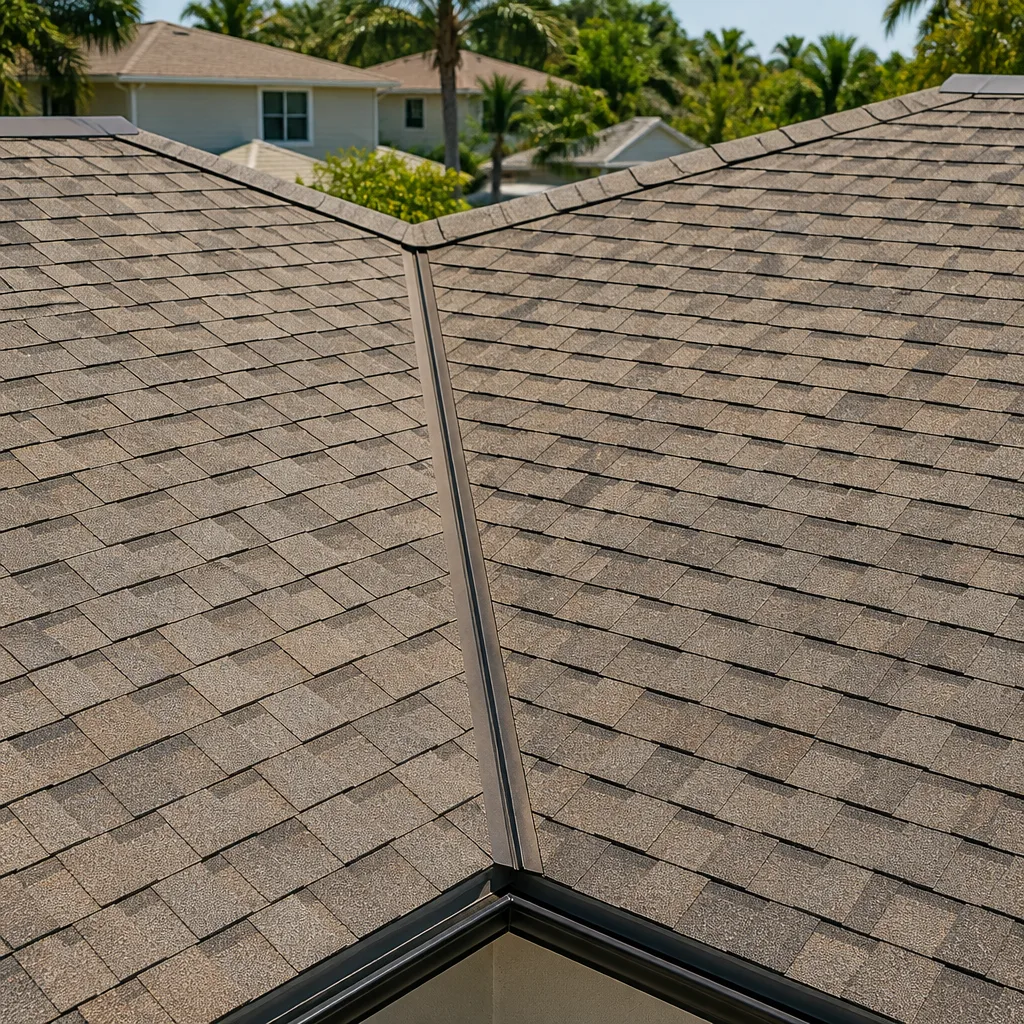
- Roofing: Impact-resistant shingles earn insurance discounts in many Texas policies, and they hold up to the stone size we see here. Our GAF and CertainTeed lines include impact-rated options worth asking about. Cheap three-tab systems save money up front and cost it back after one hailstorm.
- Hardscape and pavers: Hail and freeze-thaw cycles crack low-density concrete pavers and poor base installations. A properly compacted base and freeze-resistant pavers from a supplier like Belgard hold through the seasons. This is why the base prep under a Driveway & Pavers in Fort Worth job matters more than the paver color.
- Windows: Hail strikes break glass and dent frames. Impact-rated glass and durable frame materials from partners like Andersen handle the strikes that ordinary windows won’t.
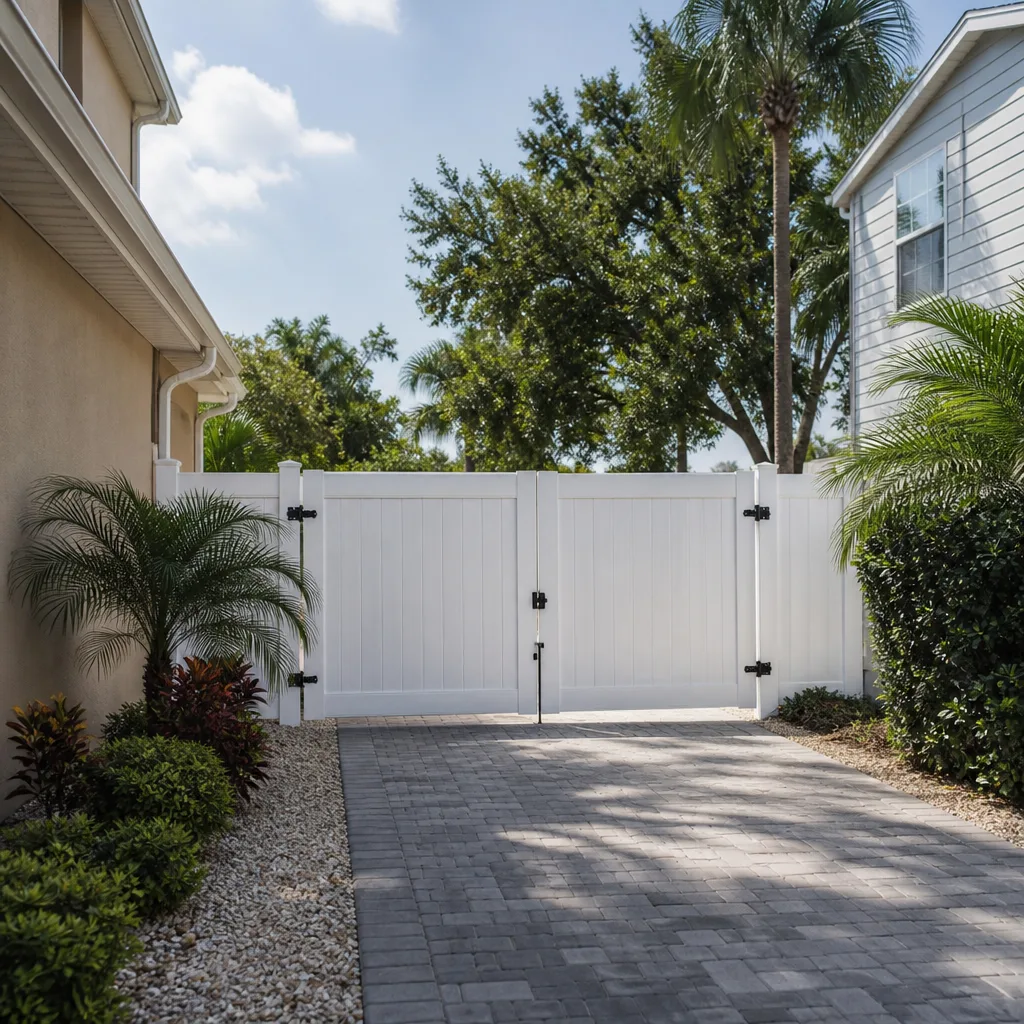
- Fencing: Wind-driven hail and our spring gusts take out fence panels and posts. Material choice and post depth separate a fence that survives the season from one that leans by June. Our Fence Installation in Fort Worth work accounts for both.
The economics are simple. Impact-rated materials cost more up front and save money over the life of the home, both in avoided repairs and in insurance premiums. When a Fort Worth contractor quotes roofing or hardscape without mentioning hail, that’s a signal they’re building for somewhere else.
A Realistic Fort Worth Project Timeline by Season
Timing a project to the season is one of the most underrated decisions in Fort Worth construction, and it’s the one most homeowners get wrong. The reason is simple: our summers are brutal and our winters are mild. A February start beats a July start for most exterior and foundation work, and the compounds are real.
Why February wins:
- Foundation work: Concrete cures best in moderate temperatures. A February pour avoids the 100-degree days that accelerate curing and increase cracking risk. Cooler soil also means less moisture fluctuation during the critical early set.
- Roofing: Shingles seal and adhere better in mild weather. The intense summer sun makes roof work slower and harder on the crews doing it, and the heat can stress adhesives during installation.
- Exterior projects: Fences, pavers, and siding all move faster when crews aren’t fighting heat exhaustion and afternoon storms. The spring storm season hasn’t peaked yet, so an early exterior finish beats the hail.
- Permits: Permit queues tend to be shorter in the off-season. Submitting in late winter often means a faster review than joining the spring rush.
A rough seasonal read:
- Late winter (Jan-Feb): Best window for foundations, slabs, and starting exterior work. Permit reviews move well.
- Spring (Mar-May): Peak hail season and storm season. Finish exteriors before this window or wait it out.
- Summer (Jun-Aug): Ideal for interior work like kitchens and baths where crews are inside. Avoid pouring concrete and heavy exterior work in the peak heat.
- Fall (Sep-Nov): The second-best exterior window. Mild temps, less hail, good conditions for roofing and hardscape.
A February start also gets you ahead of the spring permit rush and lets the foundation settle through a full wet-dry cycle before finish work goes in. That’s not a small thing on Fort Worth clay. If a contractor can’t explain why a start date is good for your specific project, they may just be fitting you into their schedule, not yours.
How to Read a Fort Worth Construction Bid
A bid tells you a lot about the contractor behind it, and in Fort Worth’s competitive market, learning to read one is the difference between an accurate quote and an expensive surprise. The worst bids aren’t the highest ones. They’re the vague ones. A number with no line items, no material specs, and no warranty language is not a quote. It’s an opening offer that will change once work starts.
What a trustworthy bid includes:
- Line-item pricing. Every phase priced separately, from foundation to finish. You should see where the money goes.
- Named materials and brands. Not “tile” but the actual product line. Not “cabinets” but the brand. Cabinet and counter choices from makers like KraftMaid and Cambria should be identified, not left to a “builder grade” placeholder that means nothing.
- Scope boundaries. What’s included and, just as important, what isn’t. Fixtures, appliances, and landscaping are the usual surprises.
- Permit responsibility. Who pulls them, who pays the fees, who handles inspections.
- Warranty terms. The length and terms in writing, not a verbal promise.
- A payment schedule. Tied to milestones, not front-loaded before work starts.
Our commitment is upfront pricing with no surprises: the number you see is the number you pay. When you compare bids, hold each contractor to that standard. If two bids differ wildly, the lower one is usually missing scope, not offering a deal. Ask what’s excluded. That’s where the real number hides. A free estimate and design consult is the right place to get these questions answered before you commit to anything.
Common Mistakes to Avoid
- Hiring on price alone. The lowest bid in Fort Worth is often low because it skipped the soil report, spec’d non-impact materials, or buried the permit fees. The savings disappear the first time the foundation moves or a hailstorm hits.
- Ignoring the shrink-swell soil. Building on clay without a foundation engineered for it is the most expensive shortcut in the region. If a contractor doesn’t mention soil and grading, ask why.
- Skipping permits on structural work. An addition, an ADU, or any footprint change needs permits and inspections. Unpermitted structural work in Fort Worth becomes a problem at resale and a liability if something fails.
- Spec’ing calm-climate materials. Cheap shingles, light pavers, and ordinary windows fail in the hail corridor. Ask specifically about impact rating and storm durability on every exterior line.
- Starting exterior work in peak summer. July concrete pours and summer roof installs cost more and fail more. February beats July for most Fort Worth projects.
- Accepting a verbal warranty. If the workmanship guarantee isn’t in writing with a defined term, you don’t have one. Read the terms and confirm what’s covered.
- Coordinating subs yourself. In Fort Worth’s fragmented market, holding the trades together is a full-time job and the blame gets spread thin when something goes wrong. Put one accountable contractor between you and the subs.
See the difference
 Before
 After
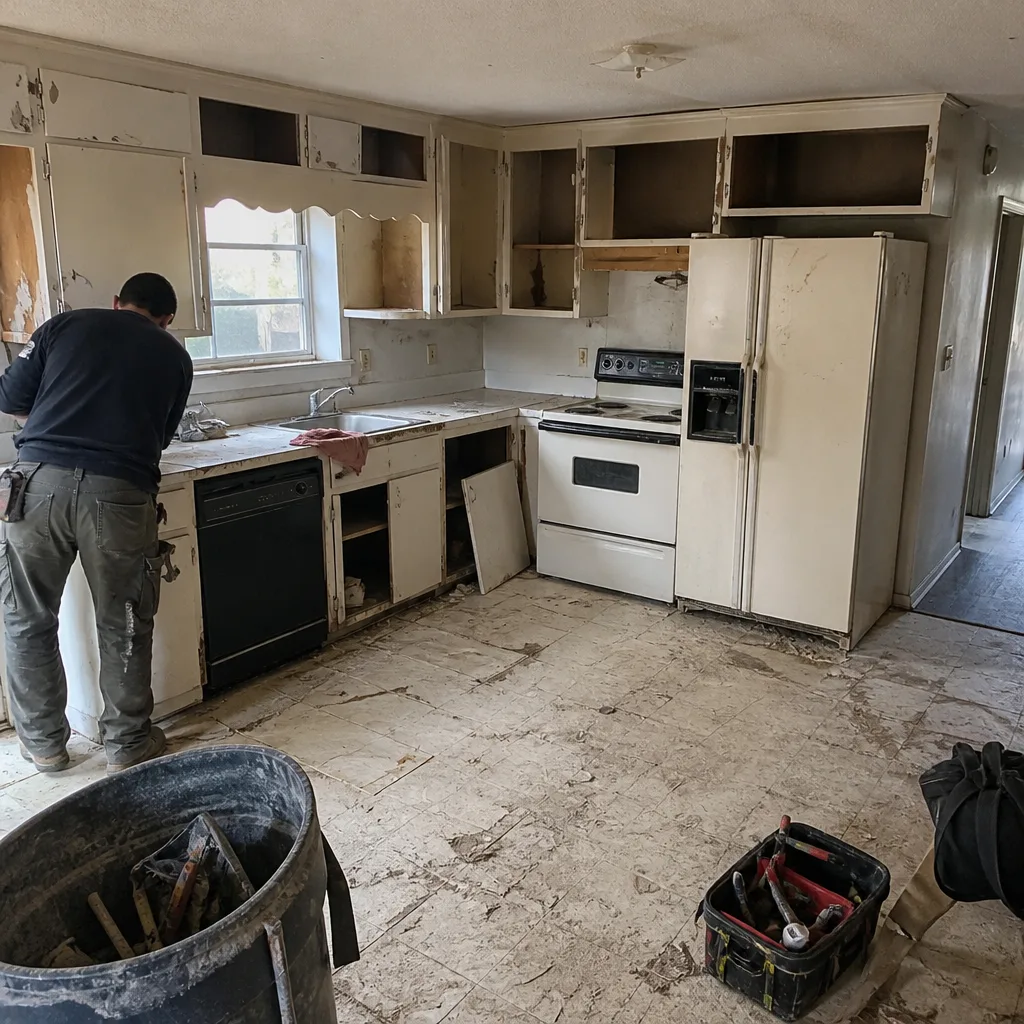 Before
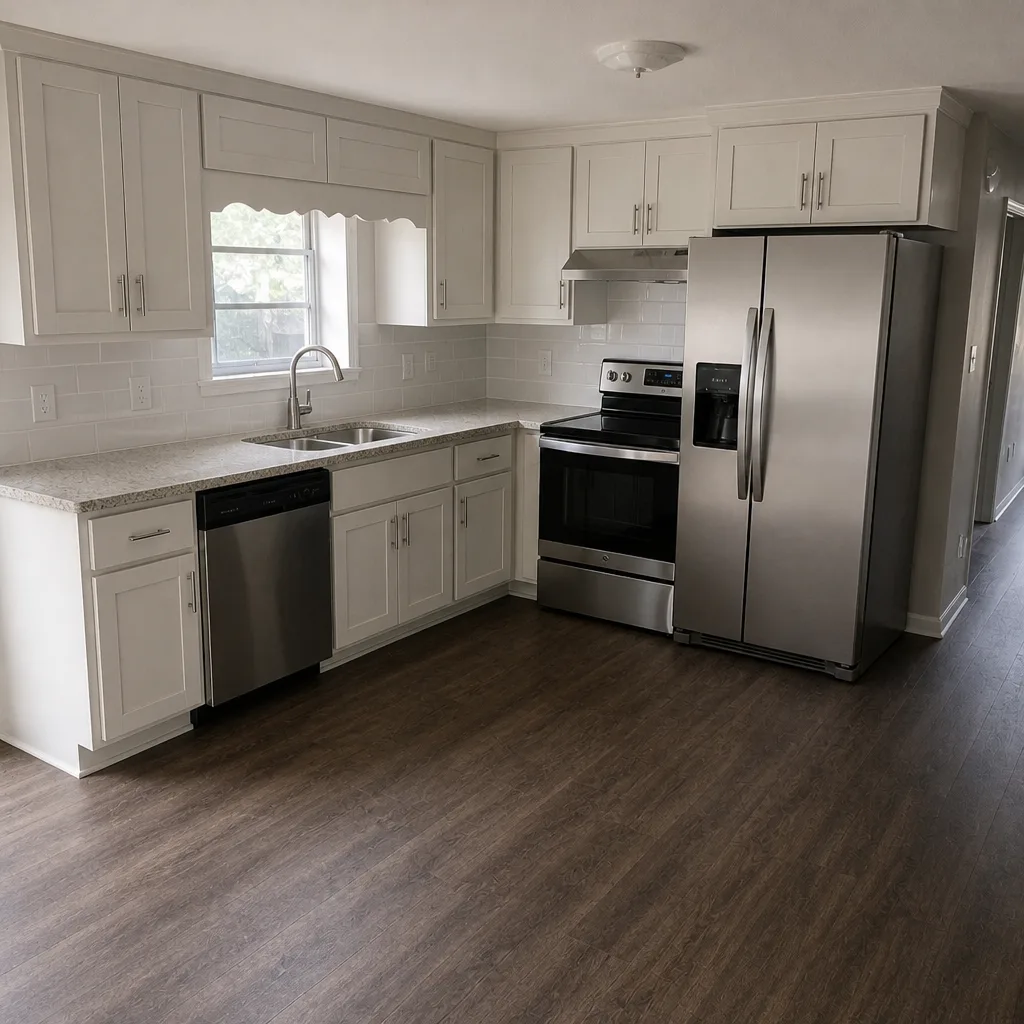 After
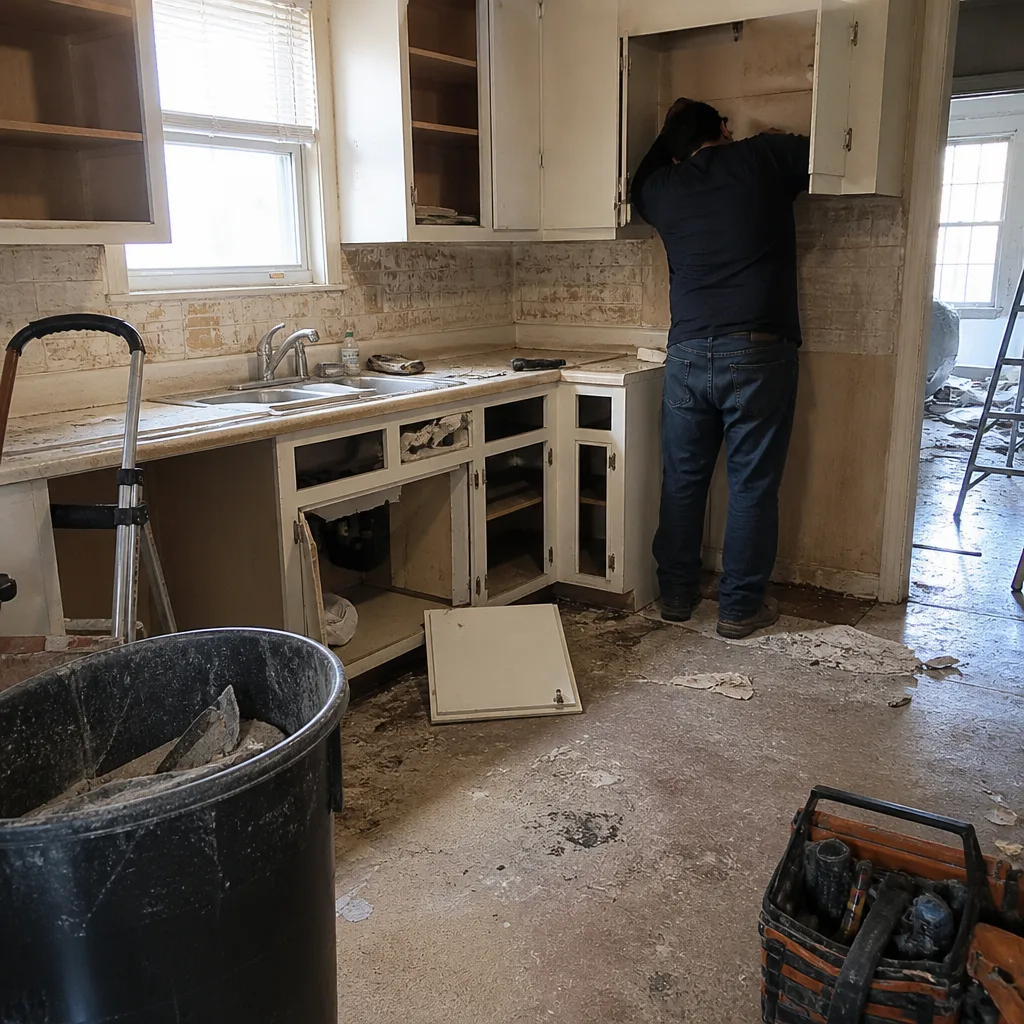 Before
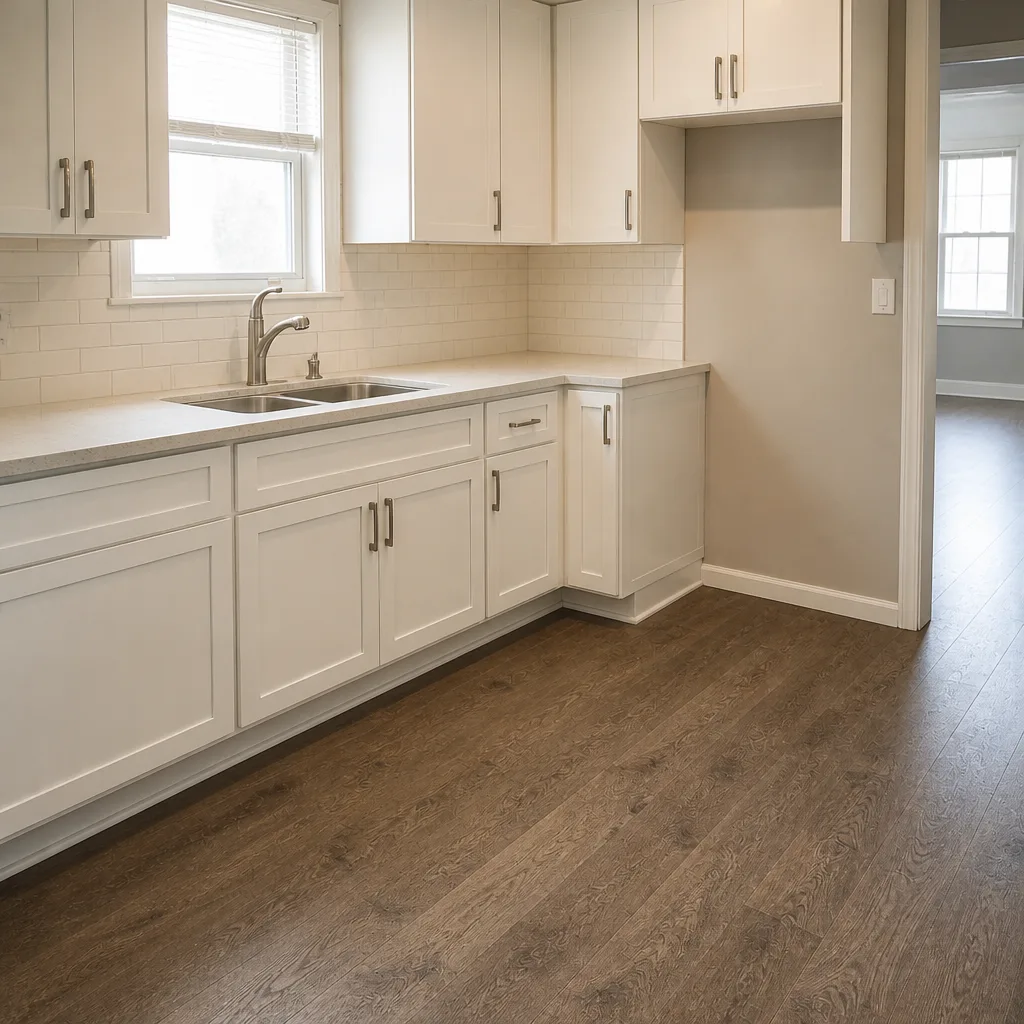 After
When to Call a Professional
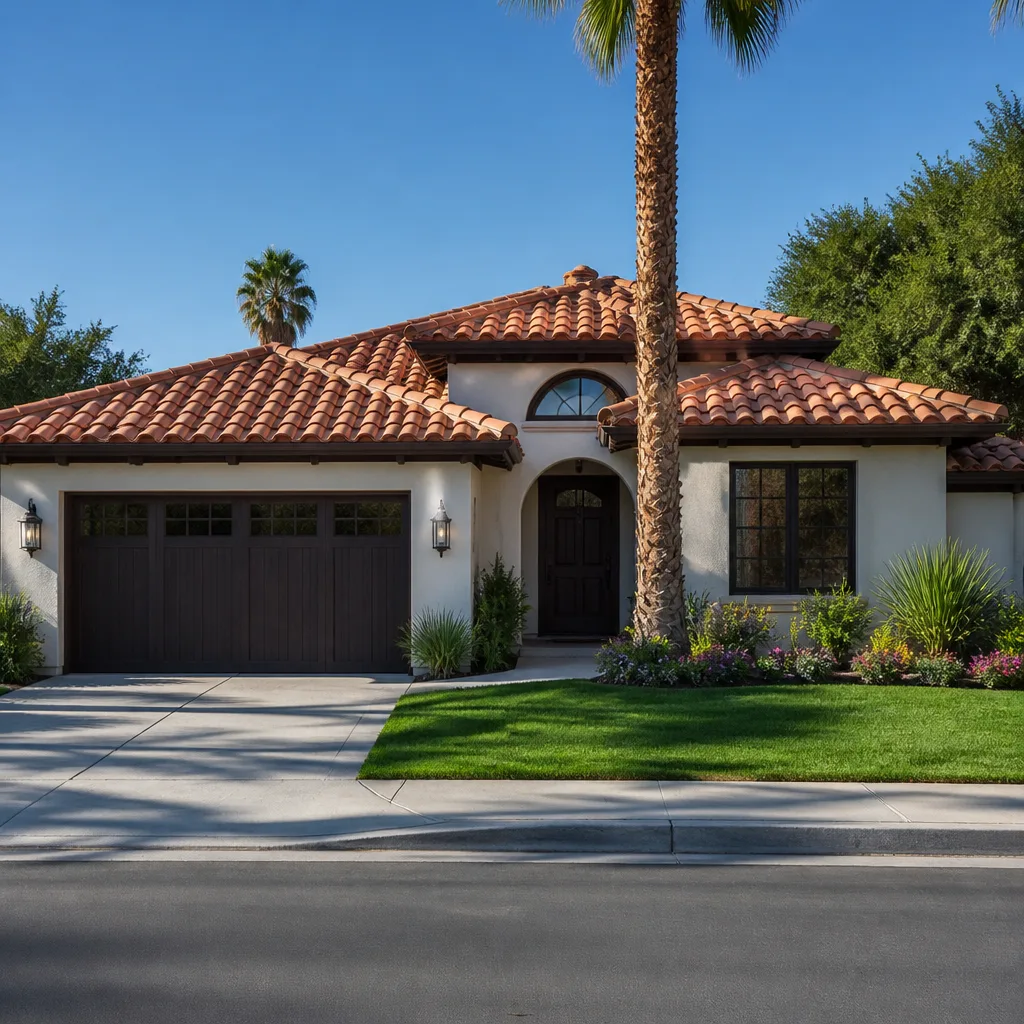
Some work is a weekend project and some is a professional job, and in Fort Worth the line is clearer than most homeowners expect. Call a professional for anything structural: additions, ADU builds, foundation concerns, and any project that changes the footprint of the home or requires permits. Call for roofing, because a single misinstalled flashing detail in the hail corridor becomes a leak. Call for windows and doors when the work involves cutting a new opening or replacing impact glass. Call for pavers and driveways when the base prep and grading matter, which around here is always. And call before you buy materials for any exterior project, because local durability matters. For foundation, electrical, and plumbing work specifically, use licensed professionals; those systems can fail in dangerous ways. Groundwork Construction Co. of Fort Worth offers free estimates in Fort Worth, and we pull the permits and pass the inspections so the work holds up. Call (855) 912-5373 to schedule yours.
Frequently Asked Questions
A home addition in Fort Worth typically runs in the range that reflects local land, engineering, and permit costs, and the total depends on size, foundation design for your lot’s clay soil, and finish level. The only way to get a real number is a line-item estimate after a site visit. Call (855) 912-5373 for an exact quote, and we’ll itemize it from foundation to finish. Estimates are free.
Fence and driveway rules depend on height, location, and setback, and some projects need permits while others don’t. Confirm with the city before you build, because unpermitted work is a problem at resale. Our fence and driveway teams handle the permit question up front. Call (855) 912-5373 for a free estimate.
With upfront pricing, the number you sign is the number you pay. Change orders should only come from you changing scope after the bid, never from a contractor discovering a gap they should have seen. That’s why the soil report and materials are spec’d before signing. Call (855) 912-5373 for a written line-item quote with no surprises.
A kitchen or bathroom remodel typically takes several weeks once permits are in hand, and an addition or ADU runs longer because of the plan review and inspection sequence. Season and permit timing both affect the schedule. Call (855) 912-5373 for a realistic timeline on your specific project.
Yes. We pull the permits, schedule the inspections, and see them through to a passing final sign-off. You don’t coordinate with the city yourself. Call (855) 912-5373 and we’ll walk through what your project needs.
It covers workmanship for 730 days after handoff: if something isn’t done right, we make it right. It’s one of the longer workmanship guarantees in residential construction, and it’s in writing. Call (855) 912-5373 to review the terms before you sign.
The Bottom Line
Construction in Fort Worth rewards homeowners who understand the local conditions. Expansive clay demands engineered foundations and proper grading. The hail corridor dictates impact-rated roofing, durable windows, and well-built hardscape. The permit pipeline through the city and Tarrant County runs smoother for complete submissions and contractors who know the review sequence. Full-scope accountability beats a patchwork of subs in a fragmented market. And a February start usually beats a July start for exterior and foundation work. The contractor who accounts for all of that in the bid is the one whose work holds up. That’s how you tell the difference before signing anything. Call (855) 912-5373 to schedule your free estimate with Groundwork Construction Co. of Fort Worth, backed by our 730-Day Done Right Promise and live-person, 24/7 answering.
Frequently Asked: Getting Started
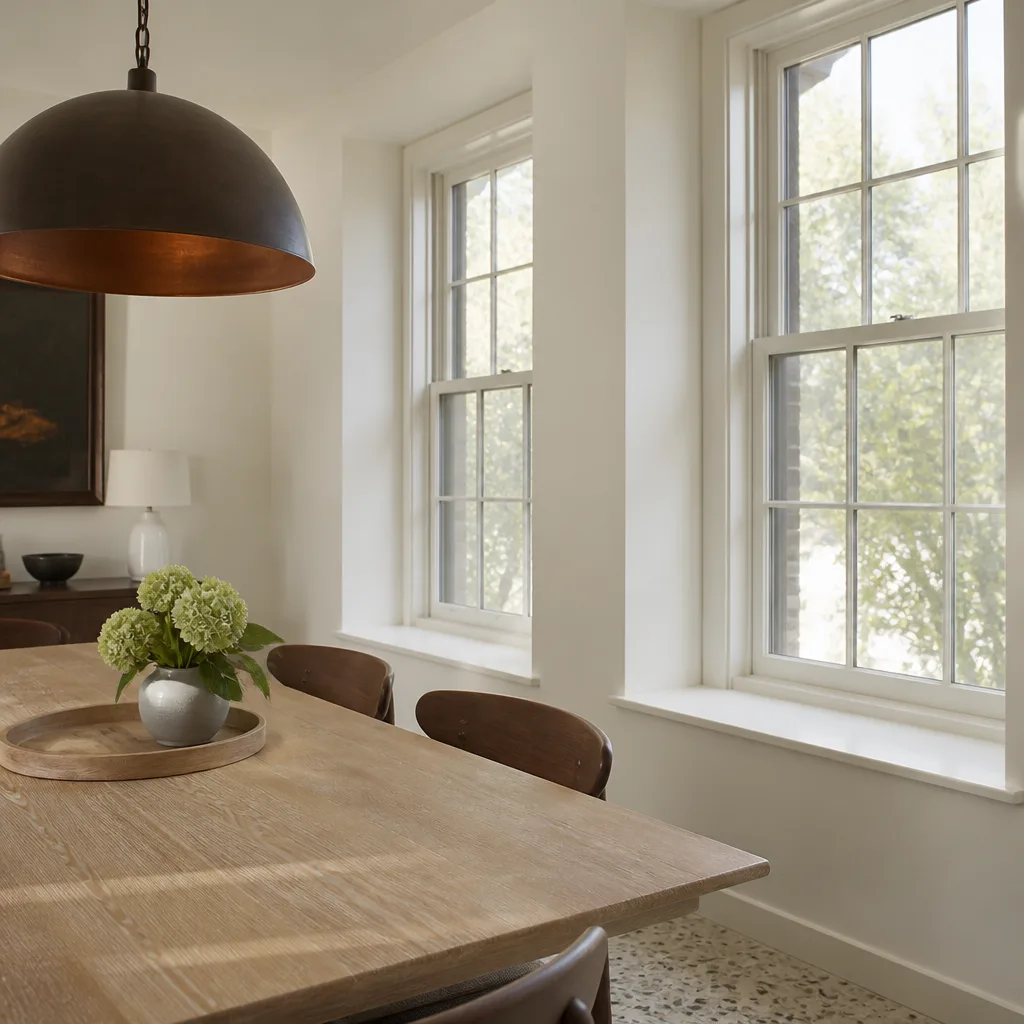
Ready to price your project? Start with the Groundwork Construction Co. of Fort Worth home for an overview of what we handle, from kitchens and baths to roofing, windows, fences, driveways, and additions. Every project comes with a free estimate and design consult, upfront pricing, 0% financing for 18 months, and $1,000 off projects over $10,000. Our technicians have up to 12 years of experience, are background-checked, and arrive uniformed. Calls are answered by a live person around the clock, so you’ll never land in voicemail. Call (855) 912-5373 and we’ll help you plan the job the right way for a Fort Worth lot.
Written by the team at Groundwork Construction Co. of Fort Worth.