
Free written scope consultation - allowances, timeline, and change-order rules on paper before a single trade is scheduled
Styles & brands we work with
- Kitchen remodeling
- Bathroom remodeling
- Home additions & ADU
- Roofing
- Windows & doors
- Driveway & pavers
- Fence
See the difference
 Before
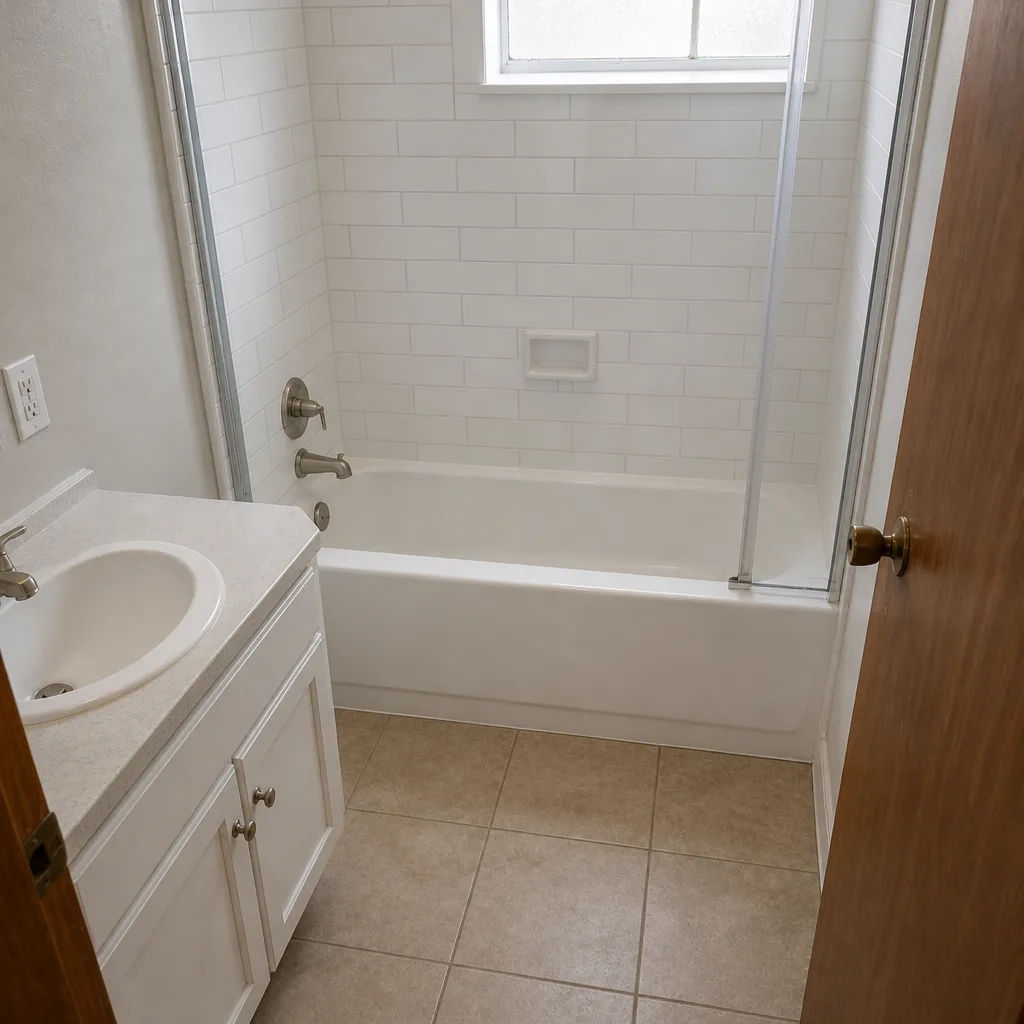 After
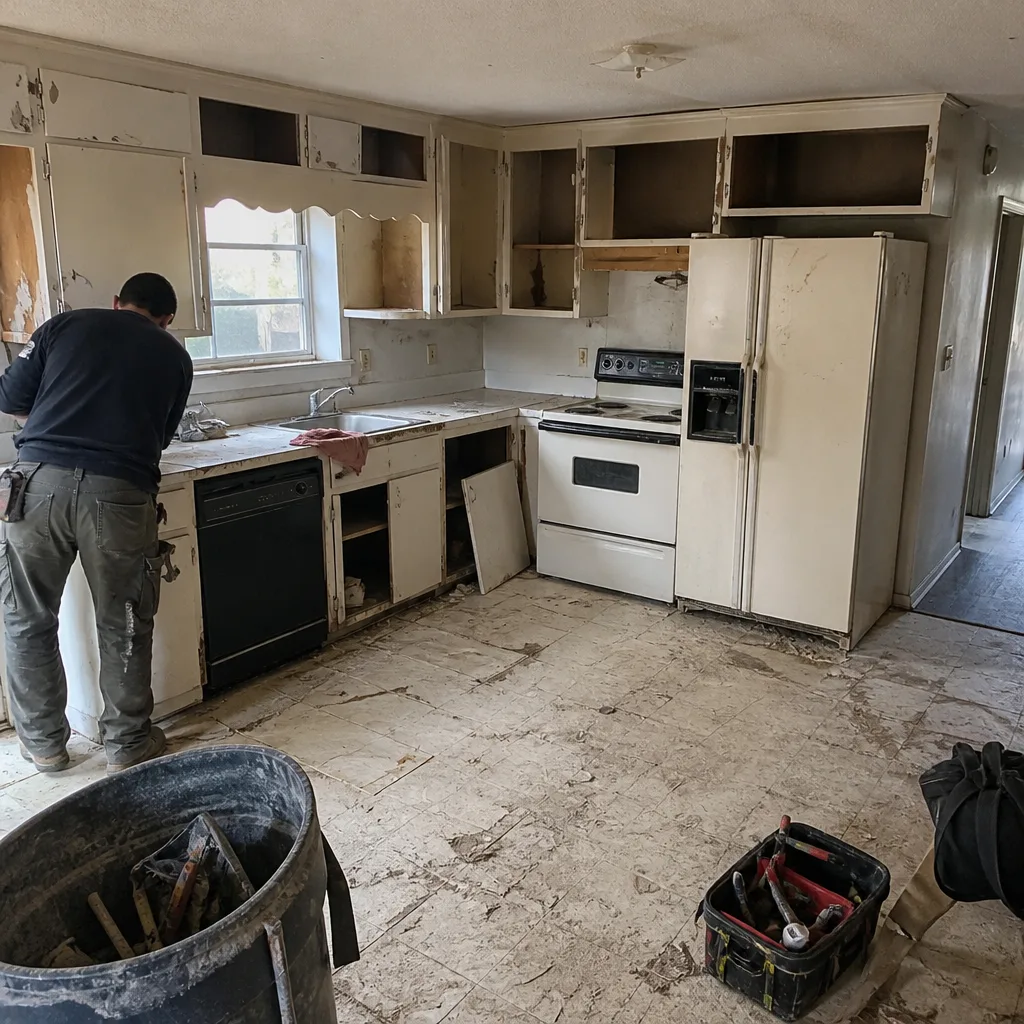 Before
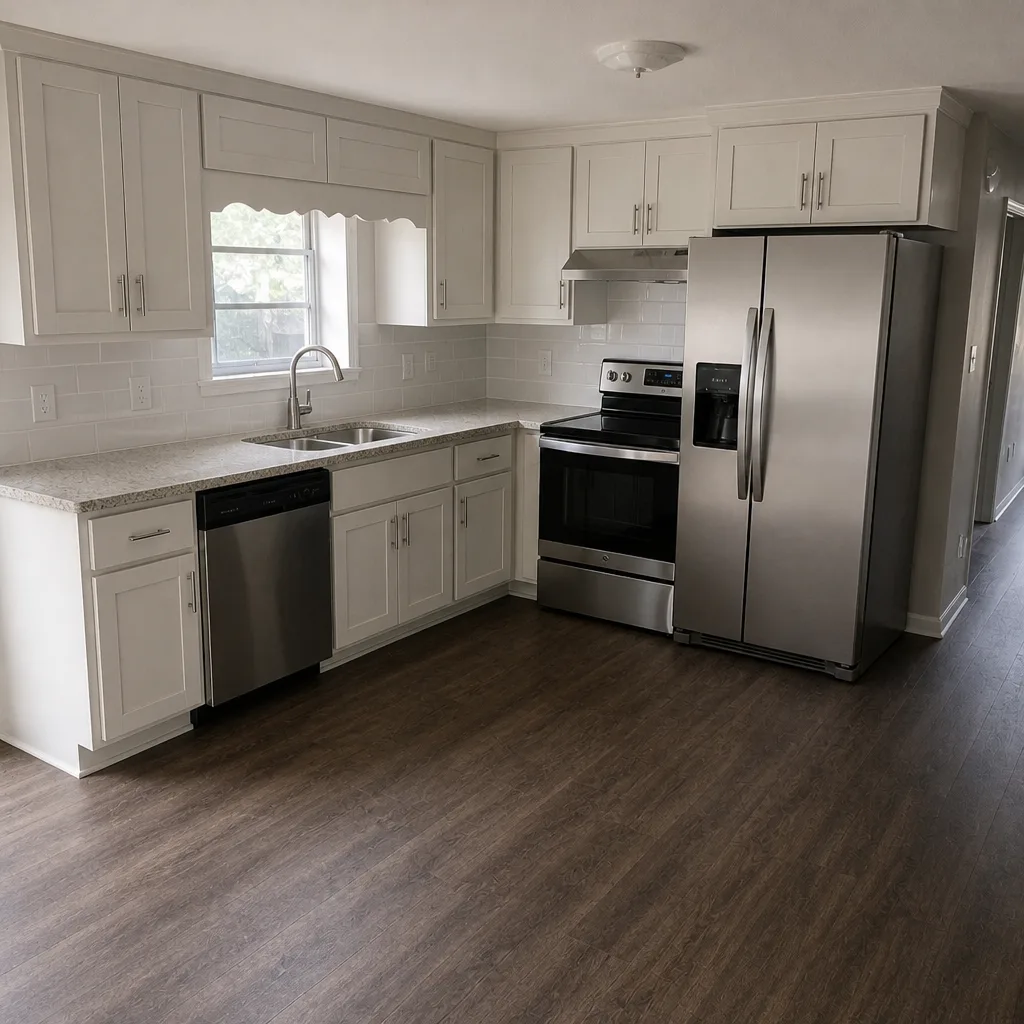 After
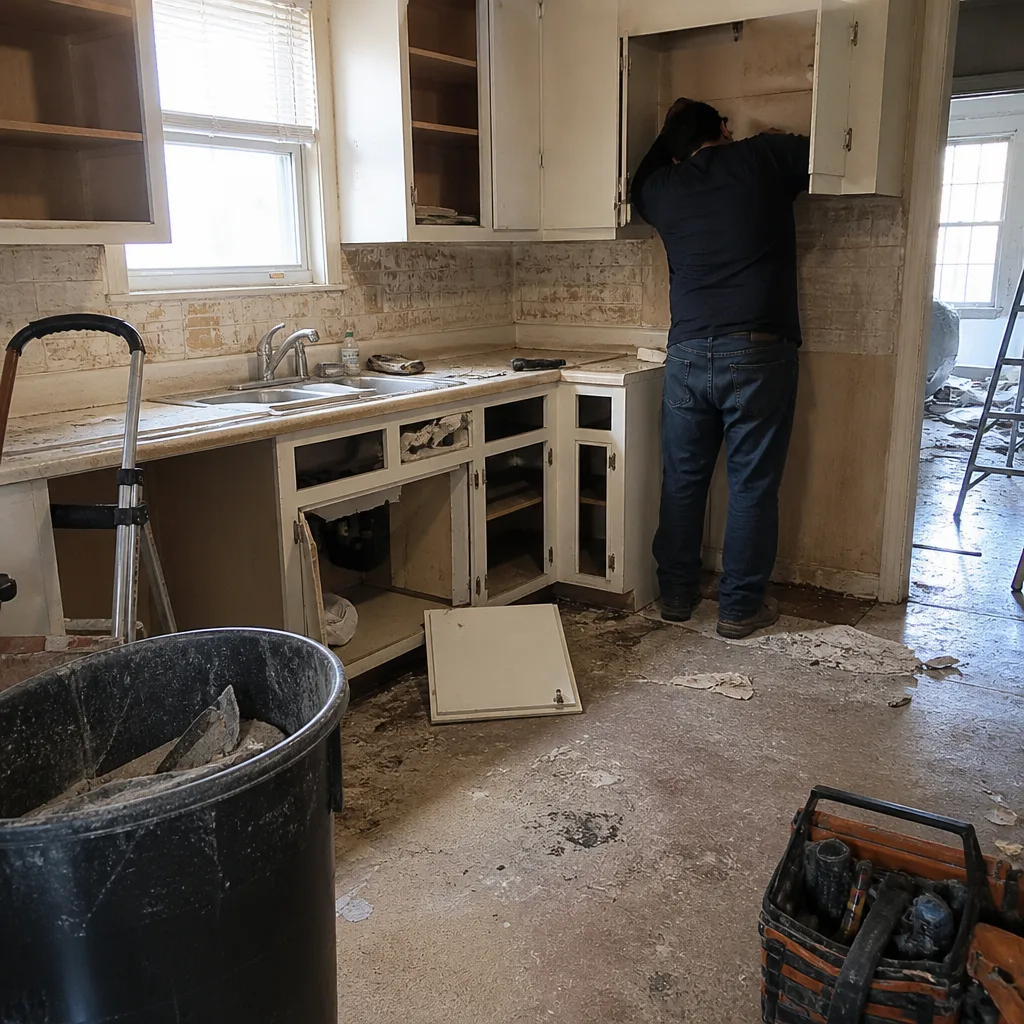 Before
 After
What Is a Miami-Dade NOA, and What Does It Actually Prove for a Fort Worth Window?
A Miami-Dade NOA (Notice of Acceptance) is a product approval issued by Miami-Dade County certifying that a building component – a window, door, shutter, or panel – passed independent lab testing and is accepted for use in the county’s High-Velocity Hurricane Zone. The answer is that simple. What it does not mean is that the product is the best window for Fort Worth, because that approval was written for a threat environment roughly 1,300 miles from here. If a salesperson is using “Miami-Dade approved” to close you, it’s worth knowing exactly what that credential tested and what it skipped. Call (855) 912-5373 and we’ll walk you through what matters on your specific Fort Worth home.
Quick Answer: How the Miami-Dade NOA Process Actually Works
The NOA is one of the most rigorous product approvals in U.S. residential construction. It’s not a marketing sticker. To earn one, a manufacturer submits a product to an independent, Miami-Dade-approved testing lab, runs it through the county’s protocol, then files the results with the Miami-Dade County Product Control Division for review and acceptance. Only after that review does the product get a NOA number and legal status for use in the HVHZ.
The tests themselves are the part most homeowners never hear about. The protocols simulate wind-borne debris impact using two categories:
- Large-missile impact: a 9-pound, 2×4 lumber missile fired at the product at roughly 50 feet per second – the scenario of a roof chunk or framing timber torn loose in a hurricane.
- Small-missile impact: a 2-gram gravel missile fired at approximately 130 feet per second – the roof-tile and aggregate debris scenario.
- Cyclic pressure loading: after impact, the product is cycled through thousands of positive and negative pressure pulses to confirm it still holds the building envelope even after being struck.
That’s genuinely impressive engineering. A window that survives it is a serious piece of hardware.
The Honest Line: Why a Hurricane Rating Isn’t a Hail Rating
Here’s where the credential gets borrowed for something it was never designed to do. The HVHZ requirements are built around hurricane-zone wind speeds of 175 mph and above, plus the pressure and storm-surge conditions South Florida sees. Fort Worth sits in a completely different threat profile: North Texas hail, straight-line wind events out of the northwest, and the occasional tornado. Those are not the same loads.
A Miami-Dade NOA tells you a product resists a lumber missile in a hurricane. It tells you almost nothing about how the same product’s glass, seals, and frame hold up when a two-inch hailstone hits at 90 mph during a May supercell over Fairmount or Ryan Place. It’s also not a hail-specific rating – there’s no hail-impact test baked into the NOA protocol. So when a contractor says “Miami-Dade approved” as shorthand for “best possible window,” they’re either confused or they’re counting on you not knowing the difference. Fort Worth is not in an HVHZ, and Texas building code has its own applicable standards. A South Florida approval doesn’t replace them.
Want the same honest read on roofing products? Our guide to Fort Worth roofing covers what actually matters when hail is the threat.
What Fort Worth Homeowners Should Actually Verify on a Window Product
If Miami-Dade isn’t the right yardstick here, what is? When we specify windows for a Fort Worth home, we look for documented certifications aimed at our actual claim environment. The line items that matter:
- ASTM E1996 missile impact rating: this standard defines missile impact test performance for exterior windows and doors, and it’s the reference the Texas codes lean on for wind-borne debris resistance.
- AAMA certification level: the American Architectural Manufacturers Association rates a window’s structural and water performance – a real, checkable number rather than a vague quality claim.
- Texas Windstorm Insurance Association (TWIA) or Texas Department of Insurance (TDI) approval status: for coastal and designated wind-borne debris regions, this is the credential your insurer may actually care about.
- Actual spec sheets, not verbal assurance: the product data sheet and certification documents should be handed to you at contract signing, not mentioned in passing.
This is why we specify products from makers like Windows & Doors partners such as Therma-Tru for entry systems and Mr-Glass or ViewLux for glazing – brands that publish their test documentation and let you verify every number. Background-checked, uniformed technicians install them, and the work sits behind our 730-Day Done Right Promise. Built to last, backed in writing.
Fort Worth Window Replacement Pricing
Cost is where the marketing usually gets loudest, so here’s our transparent range for the market. A standard Window Replacement in Fort Worth runs $4,500-$15,000 for a typical whole-home package, and Impact Window Installation runs $8,000-$25,000 depending on count, size, and product tier. That impact line is the one where a “Miami-Dade approved” pitch often shows up – the product may be excellent and still be the wrong specification for a North Texas hail zone at that price. Get the certification list in writing before you sign anything.
How the “Miami-Dade Approved” Pitch Gets Misused in Fort Worth
We see the pattern most often in the fast-growing northwest – Walsh Ranch, the Alliance corridor, the new-build sprawl pushing past Loop 820. A homeowner there gets three bids, and one contractor leads with “Miami-Dade approved, the highest standard in the country.” It sounds unbeatable. It isn’t a comparison, it’s a distraction.
What’s missing from that pitch is the part that matters: which ASTM rating, which AAMA performance class, and whether the product is TDI-recognized for this region. Fort Worth is a two-speed construction town – historic-district renovation on one permit, greenfield framing on the next – and the window specification shouldn’t be borrowed from a South Florida hurricane code just because the certificate sounds impressive. Our Fort Worth service area page covers how we scope these projects neighborhood by neighborhood.
Frequently Asked Questions
No. Fort Worth is not in a High-Velocity Hurricane Zone, so a Miami-Dade Notice of Acceptance is not a requirement here. It’s a valid South Florida approval that some contractors cite as a quality signal, but the applicable standards for Fort Worth windows are ASTM E1996, AAMA performance ratings, and Texas/TDI-related wind provisions. Ask your contractor which of those a product actually carries.
They test different threats. A Miami-Dade NOA simulates wind-borne debris impact from a hurricane – a 9-pound 2×4 missile and a 2-gram gravel missile – plus cyclic pressure loading. None of that measures how glass and seals perform against large hail at highway speed, which is Fort Worth’s real exposure. For hail, ask about impact-resistant glazing and the specific product’s hail test data, not its hurricane number.
Most Fort Worth homeowners benefit from quality, well-certified standard windows, and impact glazing makes sense on storm-facing exposures or where insurance credits and hail risk justify the spend. The right call depends on your home, tree cover, and risk tolerance, not on whether a product carries a hurricane-zone stamp. Call (855) 912-5373 for a free estimate and we’ll give you the straight answer for your house.
Yes. We specify products with documented certifications and provide the actual spec sheets and test documents at contract signing – not a verbal “trust us.” That’s part of the no-hassle upfront pricing and the 730-Day Done Right Promise: the number you see is the number you pay, and the paperwork backs up what we claim.
If you’d rather have it looked at by someone who’ll explain the fine print instead of hiding behind a certificate, Groundwork Construction Co. of Fort Worth offers a no-pressure assessment in Fort Worth – call (855) 912-5373, and a live person answers, 24/7. From foundation to finish line, we’ll tell you what your windows actually need.
Written by the team at Groundwork Construction Co. of Fort Worth, serving Fort Worth, TX.