
Free written scope consultation - allowances, timeline, and change-order rules on paper before a single trade is scheduled
Styles & brands we work with
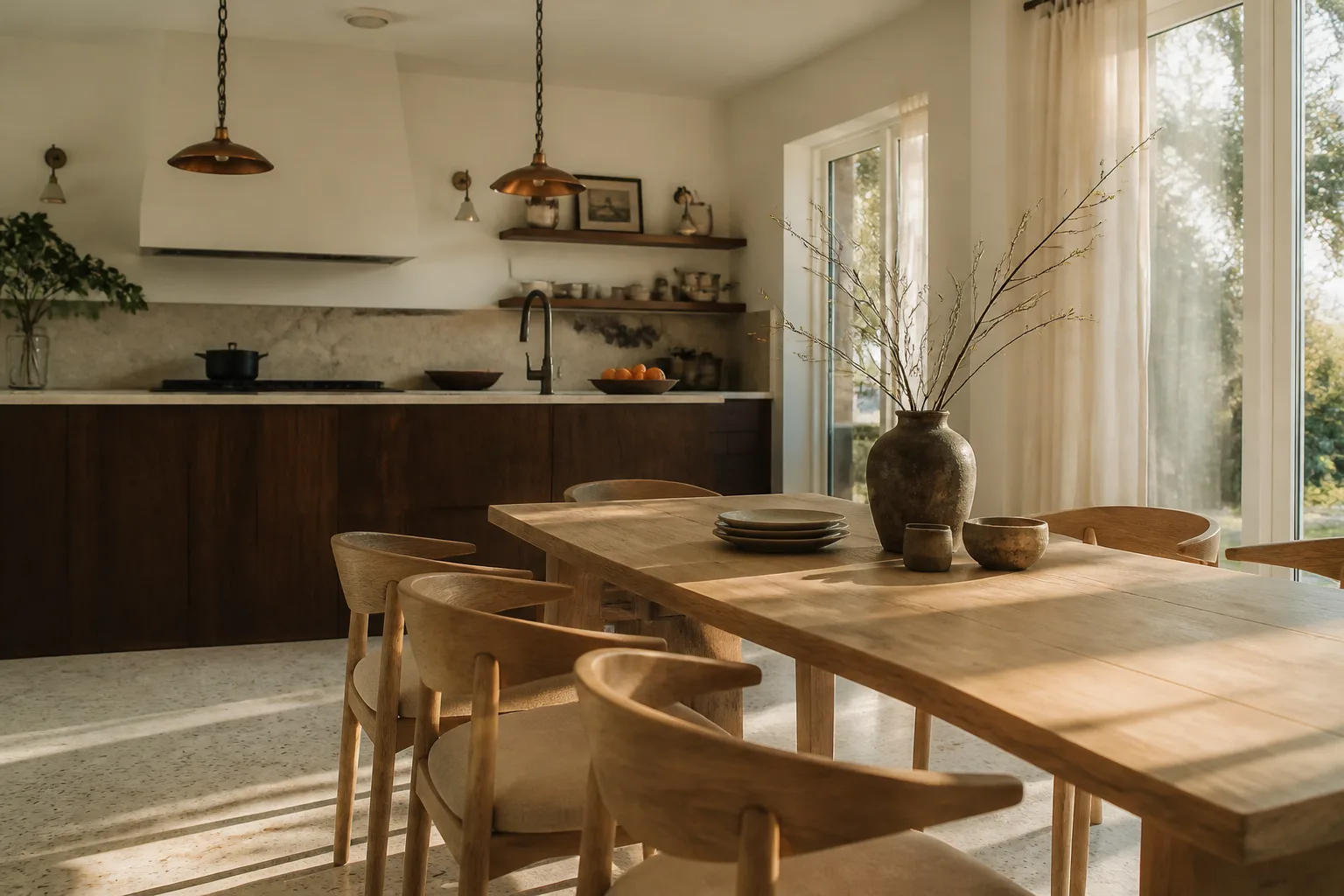
- Kitchen remodeling
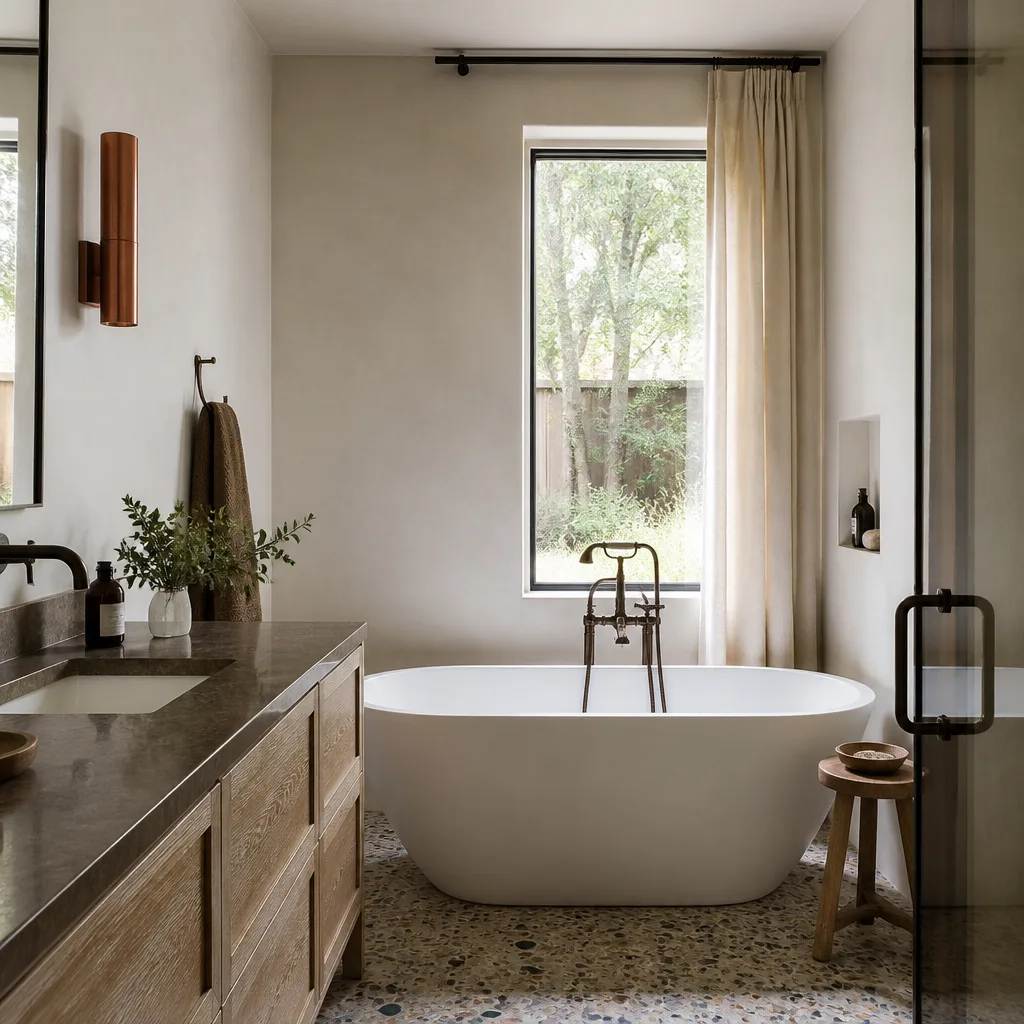
- Bathroom remodeling
- Home additions & ADU
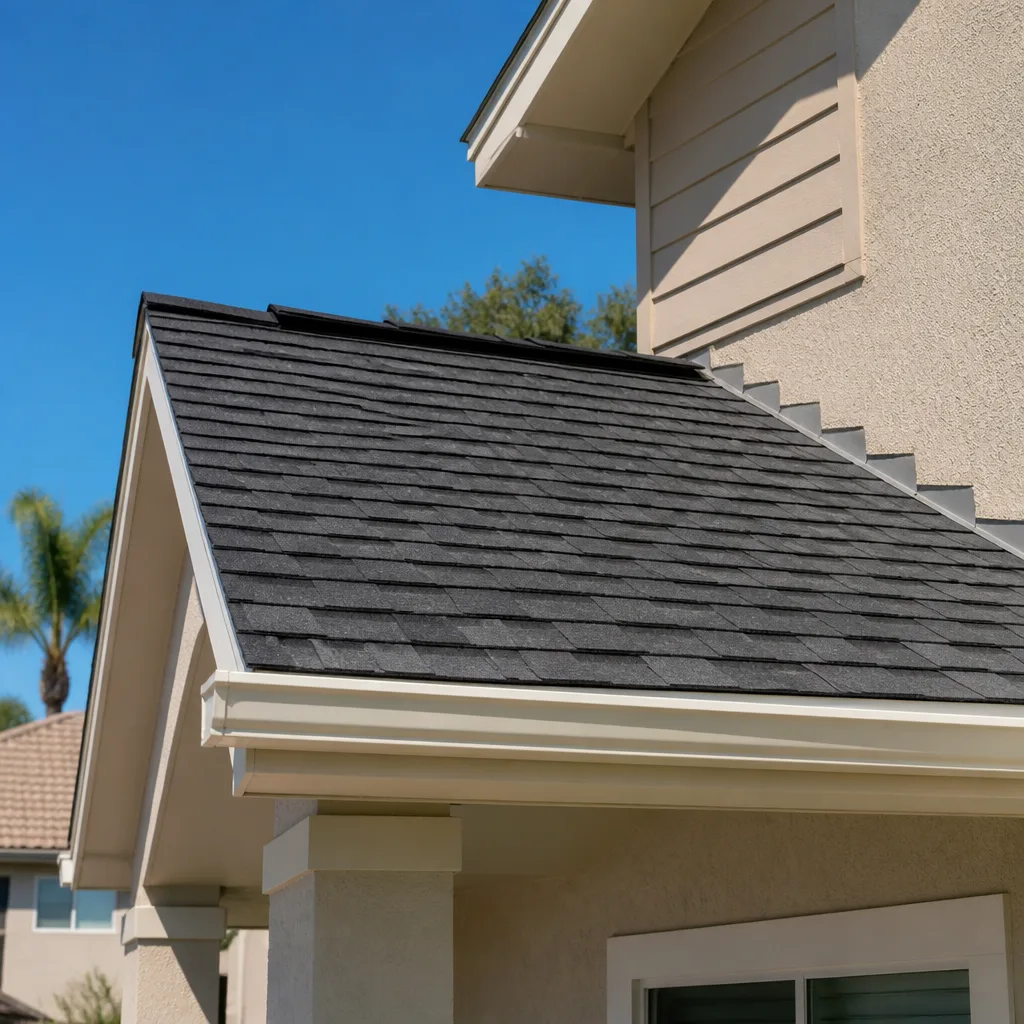
- Roofing
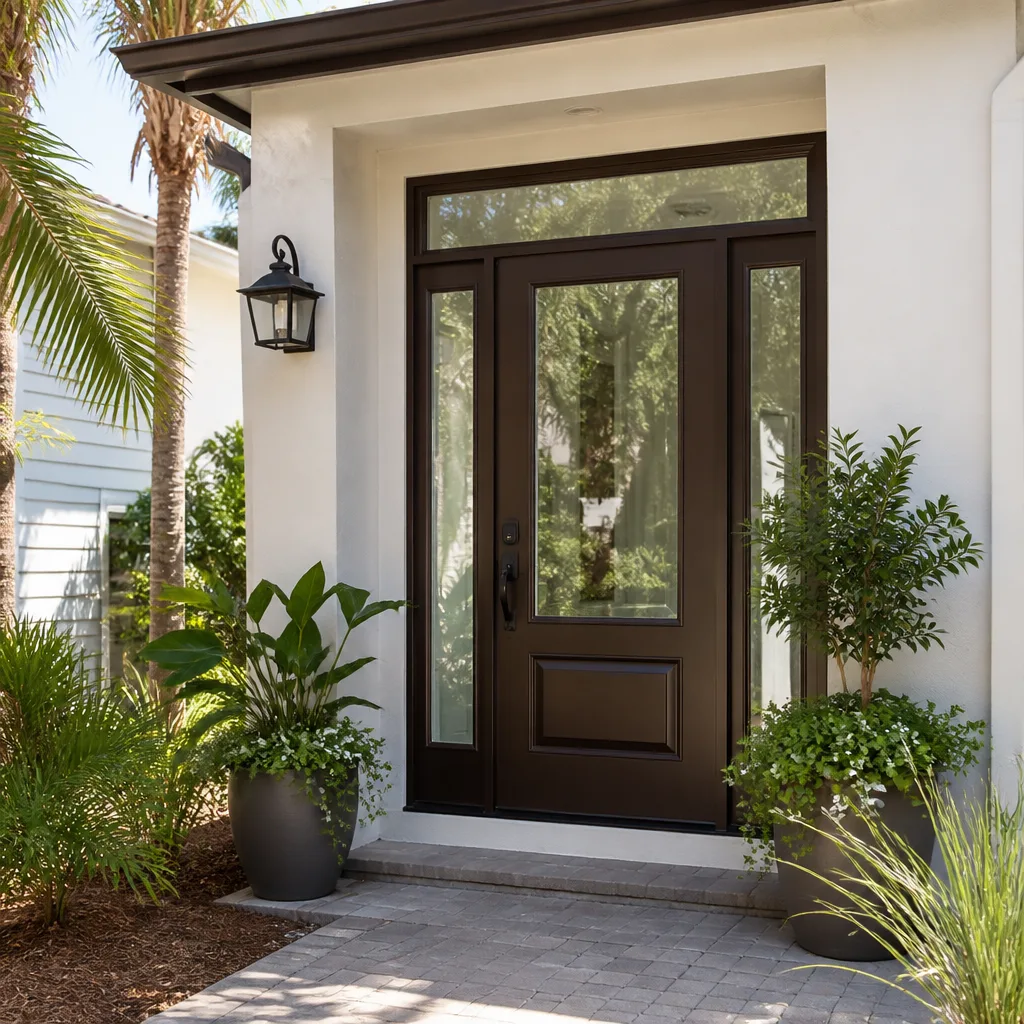
- Windows & doors
- Driveway & pavers
- Fence
See the difference
 Before
 After
 Before
 After
 Before
 After
What Is a Junior ADU in Fort Worth, TX? The Definition That Saves You Months of Rework
A junior ADU (JADU) is a small, self-contained living unit built entirely inside the walls of your existing single-family house – capped at 500 square feet, usually carved out of a spare bedroom, garage corner, or underused interior space, with its own exterior entrance and a recorded owner-occupancy covenant tied to your deed. It is not a backyard cottage, not a detached structure, and not a stripped-down version of a full ADU. In Fort Worth, the rules governing a JADU are specific enough that getting the definition wrong before you draw plans can cost you months at the permit counter. Call (855) 912-5373 if you’re weighing the options and want a straight answer.
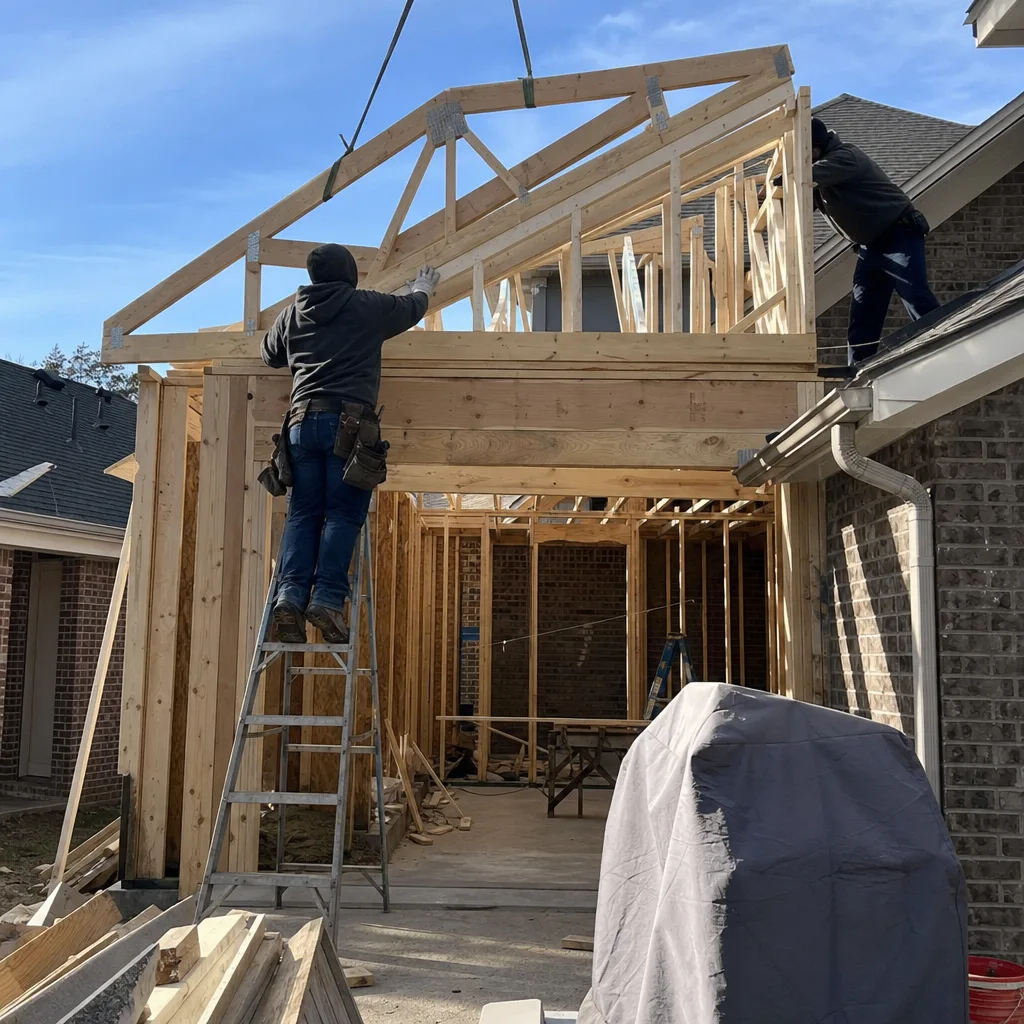
Here’s the part that surprises homeowners: a JADU doesn’t add square footage to the property. It reshuffles square footage you already own into a legal second dwelling – which is exactly why the approval path looks so different from a new build in Walsh Ranch or a tear-down in Fairmount.
Key Takeaways
- A JADU lives inside your existing house – no new structure, no detached footprint.
- 500 square feet is the ceiling; most Fort Worth JADUs land between 280 and 480 sq ft.
- You record an owner-occupancy covenant with the deed. You must live there.
- Separate exterior entrance is required. A shared bathroom is allowed; an efficiency kitchen is enough.
- Historic overlays in Fairmount and Ryan Place can add a Certificate of Appropriateness review if your new entry faces the street.
What a JADU Can and Can’t Do in Fort Worth
Walk through the elements one at a time, because each one has a real consequence on your floor plan and your budget.
It must be inside the existing walls. No bump-outs, no attached addition that creates new conditioned space. If your plan requires cutting into an exterior wall to add square footage, you’ve crossed over into standard ADU territory – and that changes the permit track entirely. If you want to go the new-structure route, our Home Additions & ADU page covers the separate approval path.
500 square feet maximum. This isn’t a soft target. Plans get kicked back when the measured interior exceeds the cap, and the measurement includes closets and the bathroom in most readings of the code. In practice, we see most Fort Worth JADUs settle in the 320-to-460 square foot range – big enough for a full kitchenette, a compact bath, a sleeping area, and a real closet, small enough to fit inside a converted garage bay or two underused rooms.
Owner-occupancy covenant. This is the detail most online explainers skip entirely. You record a covenant with your deed that requires you to live in the main house. You can’t rent both the primary residence and the JADU. If you sell, the covenant runs with the property until the new owner takes it over. This matters for estate planning and for anyone buying a house that already has a JADU – pull the deed and read the covenant before you close.
Efficiency kitchen. A JADU can have a compact kitchen with a sink, counter, mini-fridge, and microwave or cooktop. A full range and hood aren’t required. That’s good news for cost and for the design review process, since you’re not routing gas or installing heavy venting into a tight interior footprint.
Bathroom options. Either the JADU shares a bathroom with the primary house or it has its own. A private bath costs more but is almost always what renters or aging parents expect. In practice, most homeowners we work with choose a private bath because it opens the JADU to a wider range of future uses.
Separate exterior entrance. Non-negotiable. The entrance must be distinct from the main front door and must be reachable without walking through the primary living space. This is where the historic-district wrinkle hits.
Where Fort Worth’s Historic Districts Change the JADU Conversation
Fort Worth is a city that keeps building over its own history – century-old stockyard blocks and Near Southside brick warehouses sit a few miles from master-planned sprawl pushing past Loop 820 toward Alliance and Walsh Ranch. That two-speed reality shows up sharply in JADU applications. Because JADUs are almost always added to older homes, the neighborhoods where they make the most financial sense – Fairmount, Ryan Place, the blocks near the Stockyards – are also the ones with design-review overlays.
Here’s the specific scenario that catches people: you draw a beautiful JADU entry on the street-facing side of a 1912 Craftsman bungalow in Fairmount. The plans check out on square footage, kitchen, bath, and separate entrance. Then you learn the entry needs a Certificate of Appropriateness because it’s visible from the street, and that review can add weeks to the timeline and require design changes to match the district’s character standards. Move the same entry to a side or rear elevation and the review path often simplifies.
This isn’t a reason to skip a JADU in Fairmount or Ryan Place. It’s a reason to know which elevation your new entry lives on before you draw the plans. We see it done in the right order all the time: site review first, entry placement second, floor plan third.
Those early-1900s bungalow blocks also come with pier-and-beam foundations and true-dimension lumber – meaning the interior framing inside the walls doesn’t always match modern stud spacing. A JADU carved out of an old bungalow needs a structural check before the plan gets drawn, not after.
JADU vs. Standard ADU: What Actually Changes
Three distinctions decide most projects. A JADU does not add a new structure, so it doesn’t trigger the same parking-replacement rules a detached ADU might. In many Fort Worth zones the permit path is faster and less expensive to process. And because you’re not pouring a new slab or running new utilities from the street, the total cost lands lower.
| Type | What It Is | Typical Fort Worth Cost |
|---|---|---|
| Junior ADU (JADU) | Inside existing home, 500 sq ft max, owner-occupancy covenant | $45,000-$130,000 |
| Standard ADU | Detached or attached new structure, full dwelling | $90,000-$220,000 |
| Garage Conversion | Existing garage converted into living space; may qualify as a JADU if other conditions are met | $30,000-$80,000 |
| Home Addition | New conditioned square footage added, no second dwelling | $45,000-$130,000 |
A converted garage is the sweet spot for a lot of Fort Worth homeowners – it can qualify as a JADU if it stays inside the existing footprint and meets the entrance and covenant rules, and it’s often the lowest-cost path into a legal second unit. If you’re in an east-side neighborhood with mid-century ranch brick and an oversized detached garage, a conversion is worth pricing before you assume a new build is the only way.
Windows matter in every configuration. On a converted garage or a tight interior JADU, ES Windows and Therma-Tru entry systems come up often because a new exterior entry is required and the door has to hold up to North Texas hail and summer heat. On roofing and weather sealing – which come into play on any JADU with a new door or skylight – the GAF and CertainTeed systems we work with are backed by the same 730-Day Done Right Promise that covers the whole project.
Common Local Scenarios We See in Fort Worth
Fairmount bungalow with a spare bedroom and a back door already in place. Often the simplest JADU in Fort Worth. Existing rear entry usually means no Certificate of Appropriateness review. The bulk of the cost is kitchen, bath, and a structural check on the pier-and-beam frame – typically landing in the lower half of the $45,000-$130,000 range.
Ryan Place home with a two-car detached garage. A converted garage is often the most cost-effective JADU. Watch the 500 sq ft cap – an oversized single-bay garage fits nicely, a double-bay usually needs a partial partition.
Mid-century ranch in an east-side neighborhood with a street-facing JADU entry. No historic overlay, but the street-facing entry still has to be distinct. Side-yard placement tends to solve both privacy and design-review issues.
Northwest Fort Worth new build with a casita-adjacent plan. Some of the tract and custom homes going up past Loop 820 are designed with a JADU-ready interior footprint. If you bought in the last few years and your plan shows a “flex suite” with a private entry, check the deed – a JADU covenant may already be in place.
Why Year-Round Reachability Matters During a JADU Application
City notices don’t arrive at convenient times. A plan reviewer sends a comment on a Thursday evening or a Saturday morning, and if you can’t reach anyone until Monday you lose three days of the review clock. Groundwork Construction Co. of Fort Worth answers calls with a live person 24/7 – no voicemail, no waiting until business hours. If you get a confusing notice about your JADU application, you can reach a knowledgeable team member immediately and get a straight read on what the reviewer is actually asking for.
Our technicians have up to 12 years of experience, arrive in uniform, and are background-checked on every project. Every JADU we build is covered by the 730-Day Done Right Promise, and pricing is upfront – the number you see is the number you pay. We also offer 0% financing for 18 months and $1,000 off projects over $10,000, which moves a $45,000-$130,000 JADU into a budget most homeowners can actually plan around. From foundation to finish line we handle the structural work, the kitchen and bath build-out, the roofing and weather sealing, and the door and window install, so you’re working with one contractor instead of four.
If you’re earlier in the process and just now figuring out whether an interior unit, a garage conversion, or a full detached unit fits your lot, our Home Additions & ADU in Fort Worth overview walks through the wider set of options. For an honest local read on what a JADU will cost and how long the Fort Worth permit review is running this season, start at our home page and get in touch.
FAQs
A junior ADU sits entirely inside your existing house and is capped at 500 square feet, while a regular ADU is a new structure – detached or attached – with no interior square footage limit under Texas and Fort Worth rules. A JADU also requires an owner-occupancy covenant recorded with the deed, and it usually skips the parking-replacement requirements that apply to a new detached unit. Call (855) 912-5373 for an exact read on which one fits your lot.
Yes, but only if you live in the primary house – the owner-occupancy covenant recorded with the deed requires it. You can’t rent the main home and the JADU at the same time. The covenant runs with the property through a sale, and any buyer takes it on. If you’re buying a Fort Worth home that already has a JADU, pull the deed and read the covenant first. Call (855) 912-5373 for help understanding the recorded terms.
You need one if the new exterior entrance is visible from the street in a historic district. Move the entrance to a side or rear elevation and the review path often simplifies. In practice, most Fairmount and Ryan Place JADUs we look at can be designed with a rear or side entry that avoids the review entirely. Call (855) 912-5373 before you draw plans so we can walk your specific address.
Most Fort Worth JADU projects land between $45,000 and $130,000 depending on the starting condition of the space, the bathroom configuration, and whether you need a new structural check on an older home. Garage conversions come in lower, at $30,000-$80,000. Standard detached ADUs run $90,000-$220,000. Call (855) 912-5373 for an exact quote – estimates are free and the pricing is upfront.
If you’d rather have it looked at, Groundwork Construction Co. of Fort Worth offers a no-pressure assessment in Fort Worth – call (855) 912-5373. We’ll review your address, your existing walls, your deed, and your entry placement, then tell you in plain language whether a JADU, a garage conversion, or a full ADU is the right fit before you spend a dollar on drawings.
Written by the team at Groundwork Construction Co. of Fort Worth, serving Fort Worth, TX.


