


Free written scope consultation - allowances, timeline, and change-order rules on paper before a single trade is scheduled
Styles & brands we work with
- Kitchen remodeling
- Bathroom remodeling
- Home additions & ADU
- Roofing
- Windows & doors
- Driveway & pavers
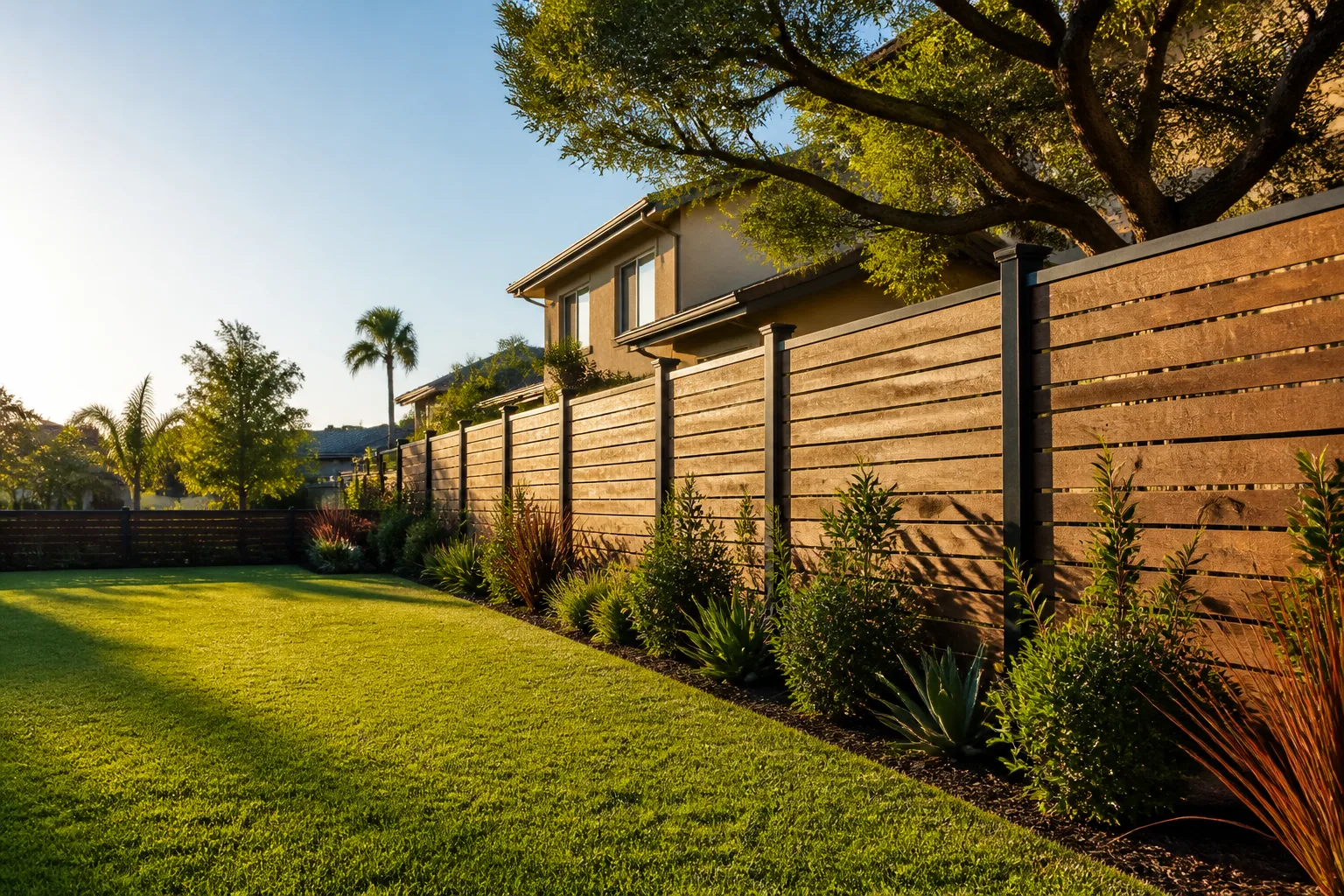
- Fence
See the difference
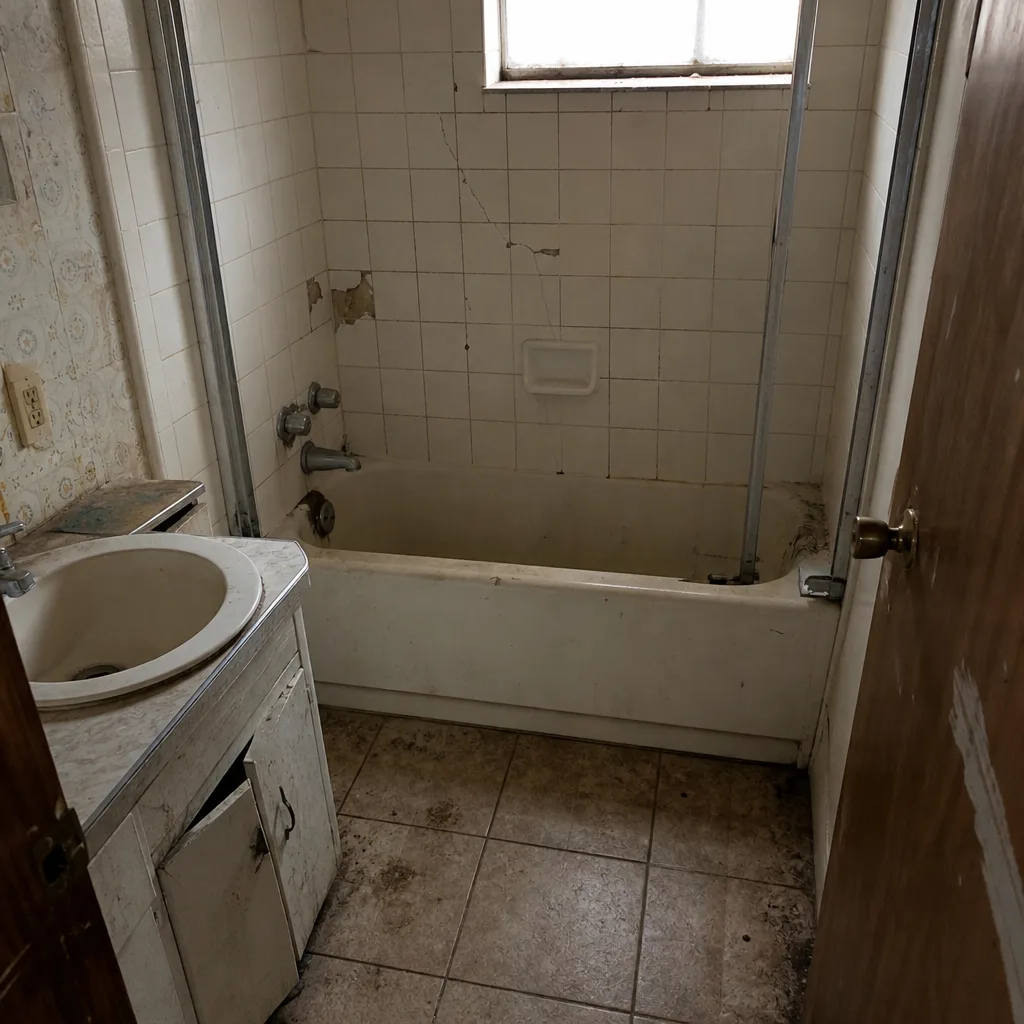 Before
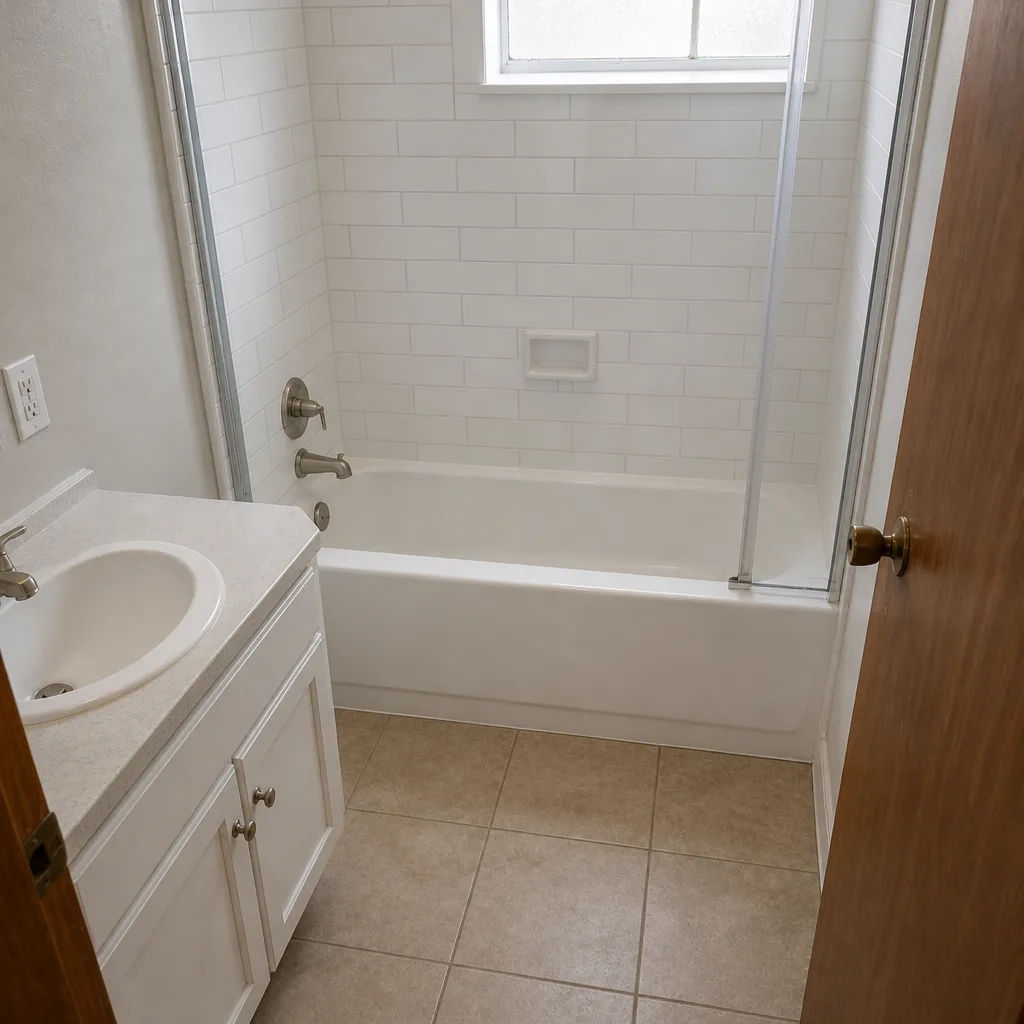 After
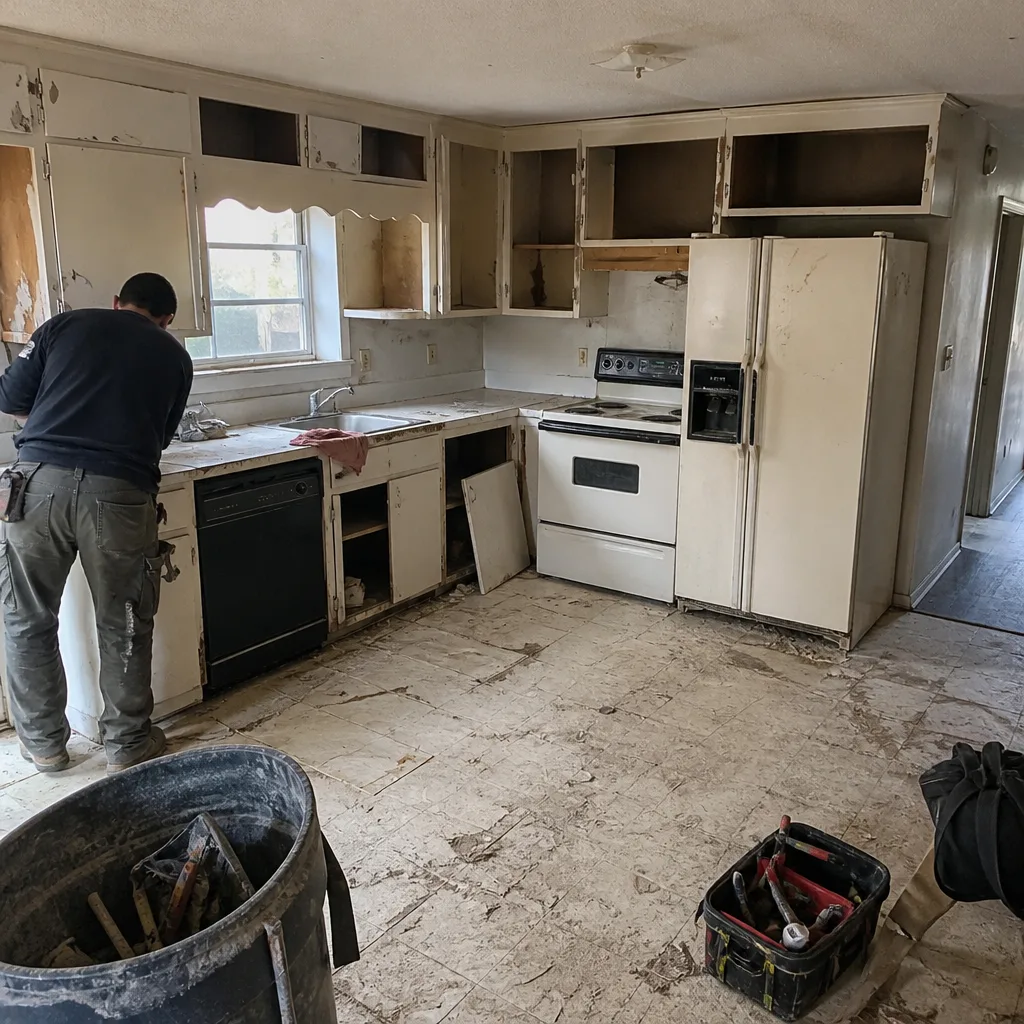 Before
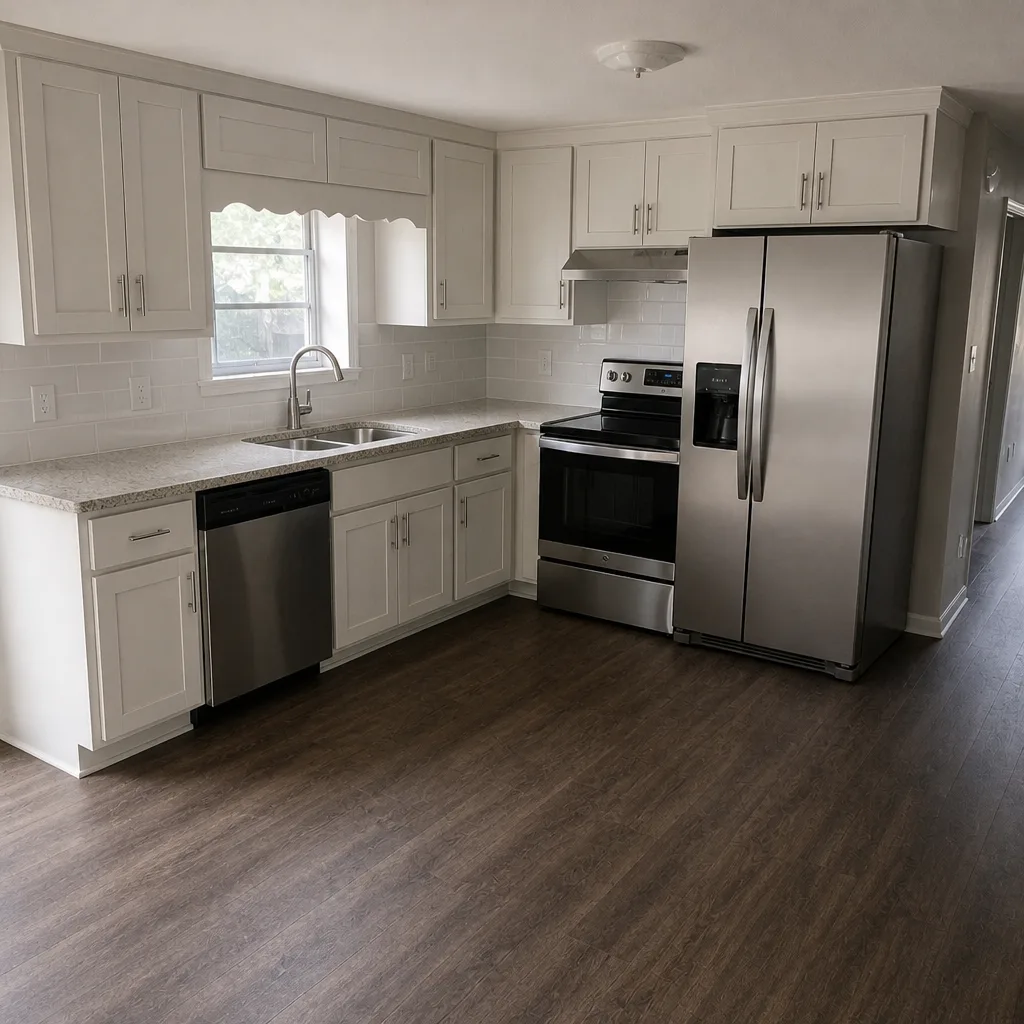 After
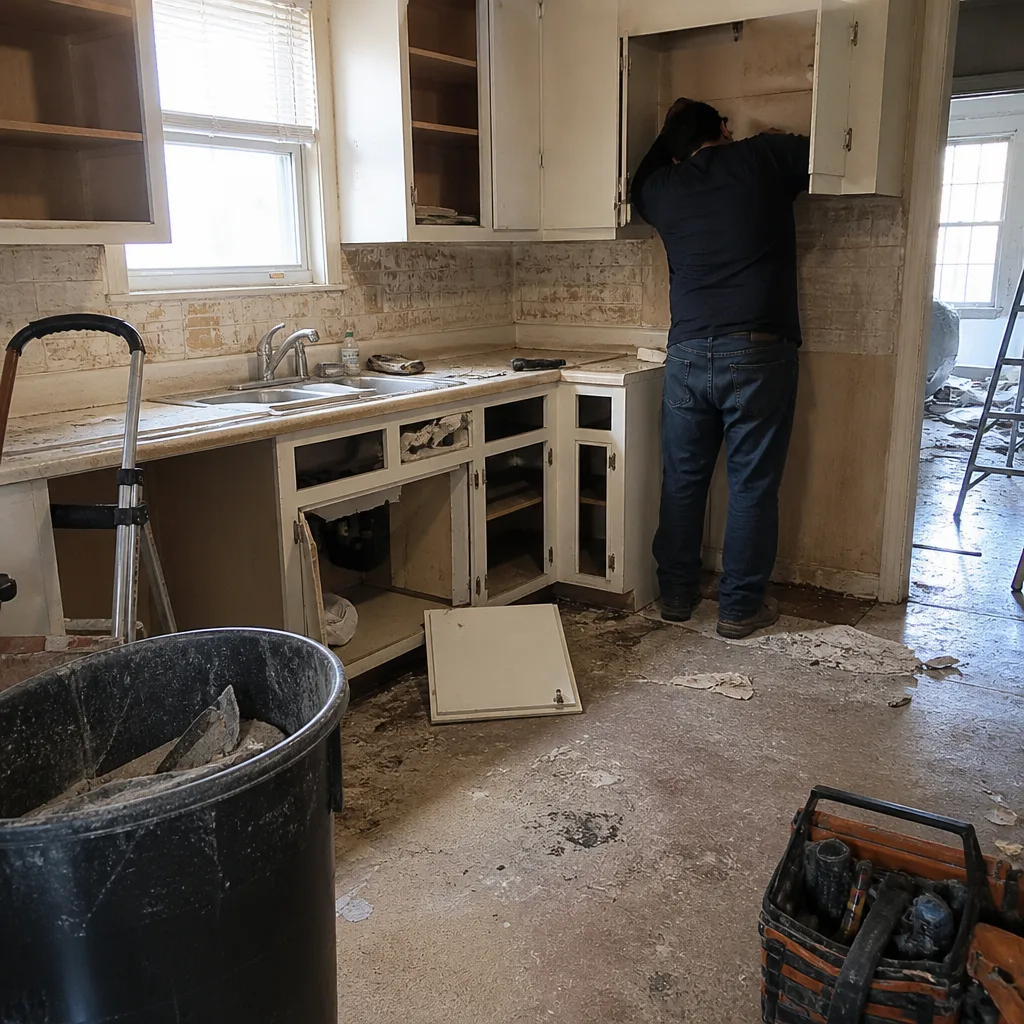 Before
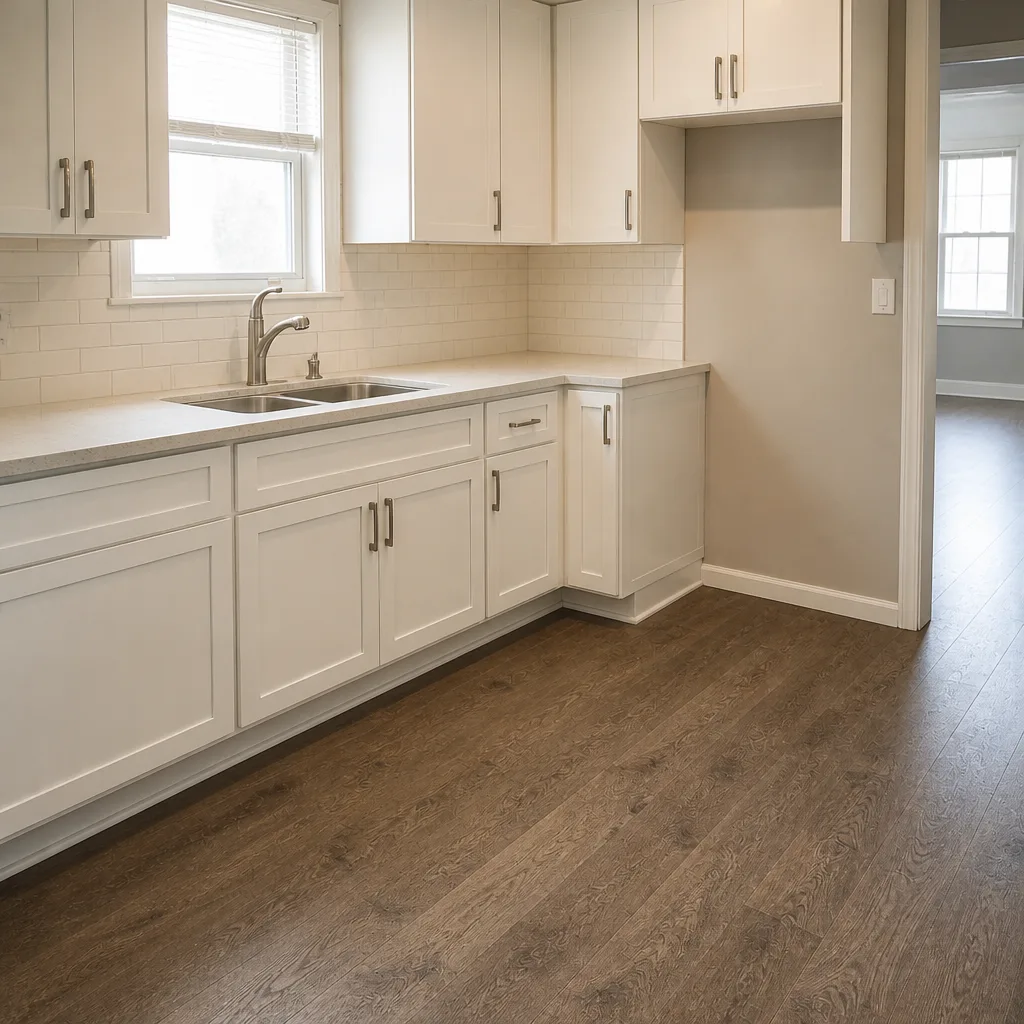 After
Repair or Replace Your Fence in Fort Worth, TX? Here’s the Straight Answer
Replace if two or more posts have moved in the last year. Repair if the boards look rough but every post still stands firm at the soil line. That’s the whole decision, and it has almost nothing to do with how old the fence looks from the street. In Fort Worth, fences fail from the ground up because of expansive clay soil and north-Texas wind events, not because cedar got gray. If you want a real assessment instead of a guess, call (855) 912-5373 and we’ll put eyes on the posts, not just the pickets.
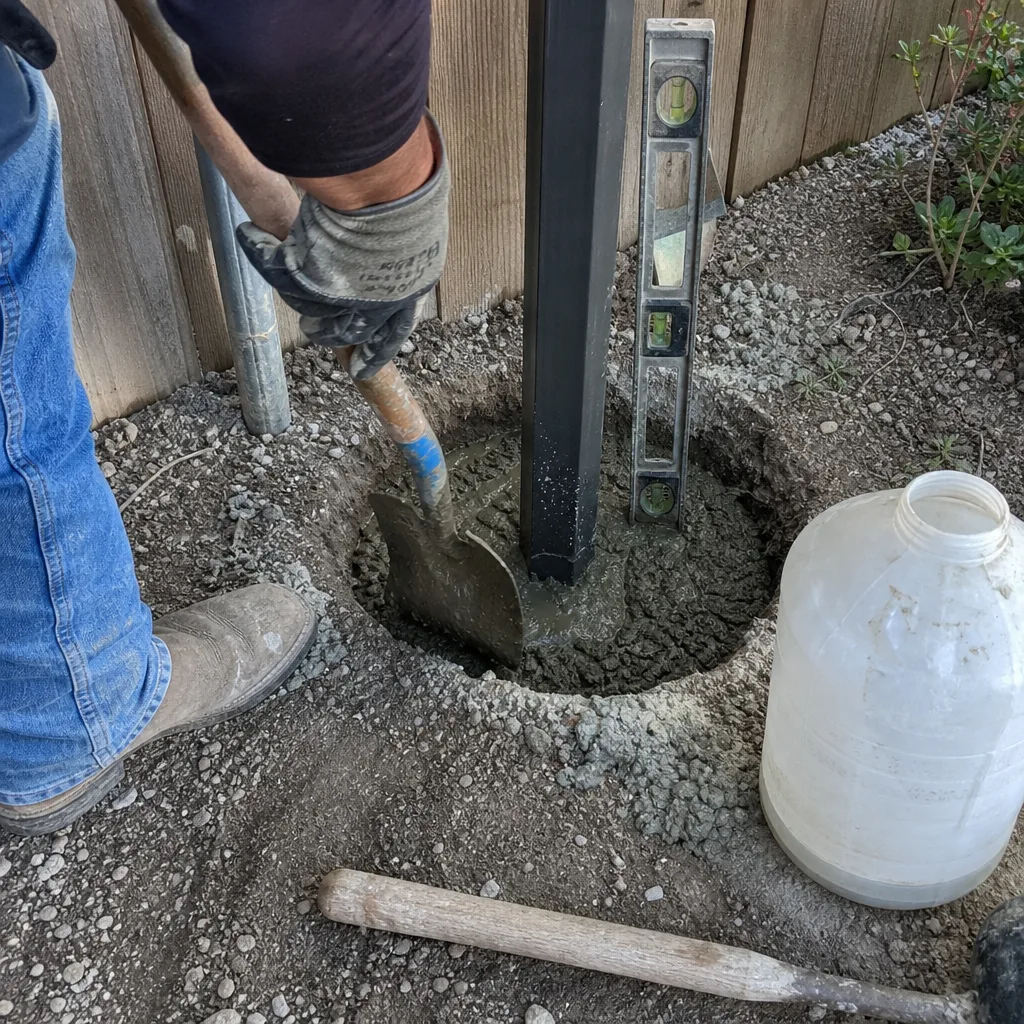
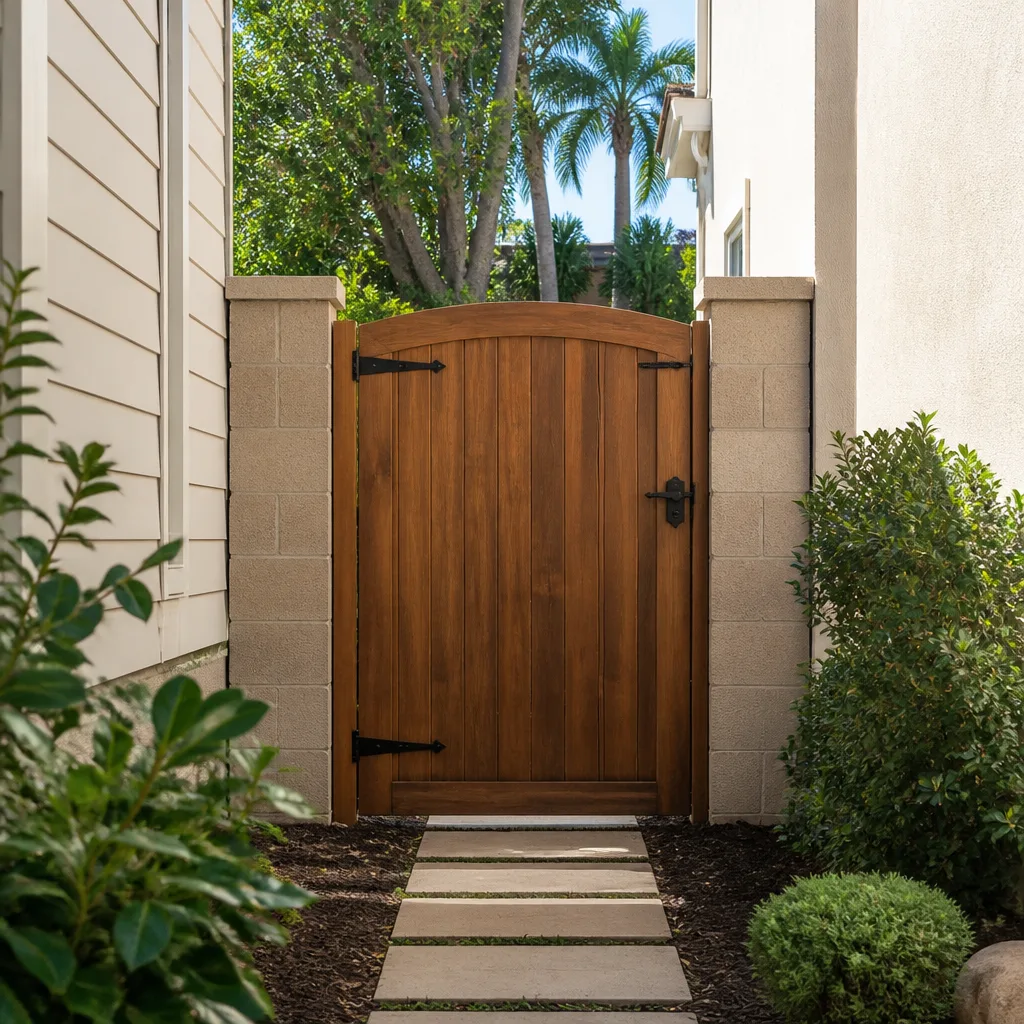
Why Fort Worth Fences Fail From the Bottom, Not the Top
Pickets fade, crack, and gray out. That’s cosmetic. What actually ends a fence’s life around here is the post system, and Fort Worth’s black clay is the reason. The soil swells when it’s wet and shrinks hard in a dry August, and every one of those cycles pushes and pulls on the concrete collar holding your posts. The frost line here is shallow, so posts are set and engineered for soil movement rather than freeze depth. After enough wet-dry swings, a post that was poured solid can lose its bond and start working loose.
Fort Worth is also a two-speed building town, and fences sit right in the middle of that. You’ve got 1920s bungalow blocks in Fairmount and Ryan Place a few miles from fresh tract housing pushing past Loop 820 toward Alliance, and the post conditions differ block to block. Older neighborhoods often have decades of soil cycling under a fence line that’s been patched repeatedly. Newer builds sometimes have posts set in soil that’s still settling. Neither one is evaluated fairly by looking at the boards.
That’s why the answer changes once you get down on your knees at the soil line. Our technicians have up to 12 years of experience reading exactly this, and they’ll tell you which side of the line your fence is on. Groundwork Construction Co. of Fort Worth approaches this as a straight assessment, not a sales pitch.
What to Check Before You Spend a Dollar on Repair
You can run two checks yourself in about five minutes per post, and they’ll tell you more than any visual inspection from the sidewalk.
- Probe at the soil line. Push a screwdriver into the wood right where it meets the ground. If it sinks in easily or pulls out wet and soft, the post is rotting below grade. A post that’s structurally compromised underground won’t hold a repaired panel through the next spring storm.
- Test for lateral movement. Push firmly on the top of each post. Some flex is normal. A post that moves more than half an inch at the top has lost its concrete bond and is a replacement trigger regardless of how good the boards look.
- Look for corrosion. If you have steel posts, rust at the soil line is the metal equivalent of rot. The protective coating fails first, and the section below grade goes before anything above it.
Count how many posts fail either test. That number, not the fence’s age, drives the recommendation.
The 30% Threshold: When Replacement Beats Serial Repairs
If more than 30% of your posts show movement or corrosion, full replacement is almost always the cheaper path over a five-year window. That’s the honest math in Fort Worth’s clay, and here’s why it works that way: every post you pull and re-pour disturbs the surrounding soil, and that disturbance accelerates movement in the posts next to it. You end up chasing failures down the line, one repair at a time, paying mobilization costs again and again. The fence never gets fixed – it just gets patched.
Below that 30% mark, targeted repair makes sense. Swap the failed posts, reset the concrete, replace any rotten rails or pickets, and you’ll get real years out of the fence. Here’s how the two paths compare for a typical Fort Worth yard:
| Approach | Typical Fort Worth Cost | Best Fit |
|---|---|---|
| Targeted post and panel repair | Several hundred to roughly $2,500, depending on post count | Under 30% of posts failing, boards sound |
| Full fence replacement (vinyl) | $3,500-$9,000 | 30%+ of posts failing, or storm-racked structure |
| Full fence replacement (aluminum) | $4,000-$10,000 | 30%+ failing posts with a decorative or view fence |
Those are the honest ranges for this market. Our Fence Installation work runs on upfront pricing, so the number you see is the number you pay. And every job we do is backed in writing by the 730-Day Done Right Promise – if it’s not done right, we make it right. That guarantee only means something on a fence that was built right to begin with, which is a big part of why we won’t recommend a patch on a structurally dead post system.
Repairing After a Storm vs. Rebuilding Right
Straight-line wind events roll through north Texas every spring and summer, and they create a specific trap. The wind knocks panels loose and blows pickets sideways, so the damage you can see is all at board level. What you can’t see is what that same wind load did to post alignment. A fence that got racked laterally can have perfectly intact lumber on posts that are now leaning or loose in the ground.
Repair the boards without checking post alignment and you’ll rebuild the same failure – usually at the next storm. Before anyone quotes a panel repair after a wind event, the posts need to be checked for plumb and movement. If the structure underneath is compromised, the storm already made your repair-or-replace decision for you.
Historic Districts: When Repair-First Costs More
Fairmount, Ryan Place, and the Stockyards carry design-review overlays, and that changes the math. In those districts, incremental repairs can eventually trigger a Certificate of Appropriateness review once cumulative work exceeds a percentage of the original structure. So a homeowner who patches the fence three times over several years may still land in front of a review board – now with more money spent and nothing to show for a clean, approved replacement.
In these neighborhoods, a planned full replacement with approved materials is often the faster and cheaper route than a repair-first approach that ends in review anyway. If you’re in a historic overlay, it’s worth knowing which path you’re on before the first post gets pulled.
What the Right Assessment Looks Like
A good fence assessment covers the post system first and everything else second. Ours starts at the soil line and works up: probe every post, test each one for movement, note corrosion or rot, and confirm plumb after any recent wind. Then we quote both paths where both are viable, so you’re comparing real numbers instead of a salesperson’s preference. When the honest answer is “repair,” that’s what you’ll hear. When it’s “replace,” we’ll show you the failing posts that got us there – and whatever we do, it carries our written promise. For the full scope of what we build and how, see our Fence Installation in Fort Worth page, and start with the home page for everything else we handle from foundation to finish line.
FAQs
Repair is cheaper short-term if fewer than 30% of your posts are failing; replacement is cheaper over five years once you’re past that mark. In Fort Worth’s clay, serial post repairs disturb adjacent soil and accelerate the next failure, so patching a structurally compromised fence usually costs more than it saves. Call (855) 912-5373 for a free assessment and a straight answer.
Vinyl fence replacement runs $3,500-$9,000 and aluminum runs $4,000-$10,000 in Fort Worth, while targeted post and panel repairs typically land well under that. The gap between the two is where the decision lives, and it comes down to how many posts have failed. Estimates are free – call (855) 912-5373 for an exact quote.
Only after someone checks post alignment – repairing boards on wind-racked posts sets up a repeat failure at the next storm. The wind load that blew panels loose also pushed laterally on the posts, and that damage hides below the board line. Have the posts tested before you pay for panel work. Call (855) 912-5373 to get it checked same week.
Often yes – Fairmount, Ryan Place, and the Stockyards carry design-review overlays that can require a Certificate of Appropriateness. That’s also why a planned replacement with approved materials can beat a repair-first approach that still ends in review. We’ll walk you through which path keeps you ahead of the board. Call (855) 912-5373 to talk it through.
If you’d rather have it looked at, Groundwork Construction Co. of Fort Worth offers a no-pressure assessment in Fort Worth – call (855) 912-5373. We’ll probe the posts, show you what we find, and quote both the repair and the replacement so the call is yours.
Written by the team at Groundwork Construction Co. of Fort Worth, serving Fort Worth, TX.