
Free written scope consultation - allowances, timeline, and change-order rules on paper before a single trade is scheduled
Styles & brands we work with
- Kitchen remodeling
- Bathroom remodeling
- Home additions & ADU
- Roofing
- Windows & doors
- Driveway & pavers
- Fence
See the difference
 Before
 After
 Before
 After
 Before
 After
Junior ADU vs Standard ADU in Fort Worth: Which One Actually Fits Your Property?
Choose a junior ADU only if you plan to live in the main house or the unit itself for as long as the covenant sits on your deed, and the host home has enough interior space to carve out 500 square feet without wrecking how you live. Otherwise, build a standard ADU. The cheaper sticker price on a JADU comes with a recorded owner-occupancy restriction that follows the property through refinancing and resale, and most Fort Worth homeowners only learn that after they’ve signed. A standard ADU costs more upfront (Fort Worth ADU construction runs $90,000-$220,000, and home additions land at $45,000-$130,000) but leaves you free to rent, sell, or borrow against the property without a deed restriction in the way. Call Groundwork Construction Co. of Fort Worth at (855) 912-5373 and we’ll walk both paths against your actual lot and floor plan before you commit.
Key Takeaways
- A JADU is capped at 500 sq ft and must be carved from existing space inside or attached to the main home.
- The owner-occupancy covenant is a recorded deed restriction, not a handshake. It gets disclosed at sale and can trip up certain cash-out refinance lenders.
- A standard ADU earns more rent in Fort Worth’s current market, but the JADU’s lower build cost can still win on ROI for the right house.
- In Fairmount and Ryan Place, a rear-yard detached ADU sometimes clears historic review faster than a JADU with a new street-facing entrance.
What the Owner-Occupancy Covenant Actually Does to Your Deed
This is the part the comparison charts skip. When Fort Worth approves a junior ADU, the owner typically has to record a covenant stating that the owner will occupy either the primary residence or the JADU as a principal residence. That covenant is filed against the property. It behaves like a lightweight lien: it runs with the land, it must be disclosed in a sale, and it can disqualify a buyer who intends to use the home as a pure investment property.
Two practical consequences catch people off guard. First, a cash-out refinance can run into trouble. Some lenders won’t lend against a property carrying that restriction, or they’ll price it differently because the resale pool is narrower. Second, an investor who wants to buy the property and rent both units will walk away, which trims your buyer list when you go to sell. In a Fort Worth market where out-of-state investors are actively buying near the Near Southside, that matters. None of this makes a JADU a bad choice. It makes it a choice you should enter with your eyes open.
If you’re weighing the full scope of what a rear-yard or attached unit involves, our Home Additions & ADU in Fort Worth page walks through the permitting and build sequence in detail.
Size and Use: What Fits Inside a Fort Worth House?
A JADU’s 500-square-foot cap only works if the host home can spare it. This is where Fort Worth’s housing stock splits the decision cleanly.
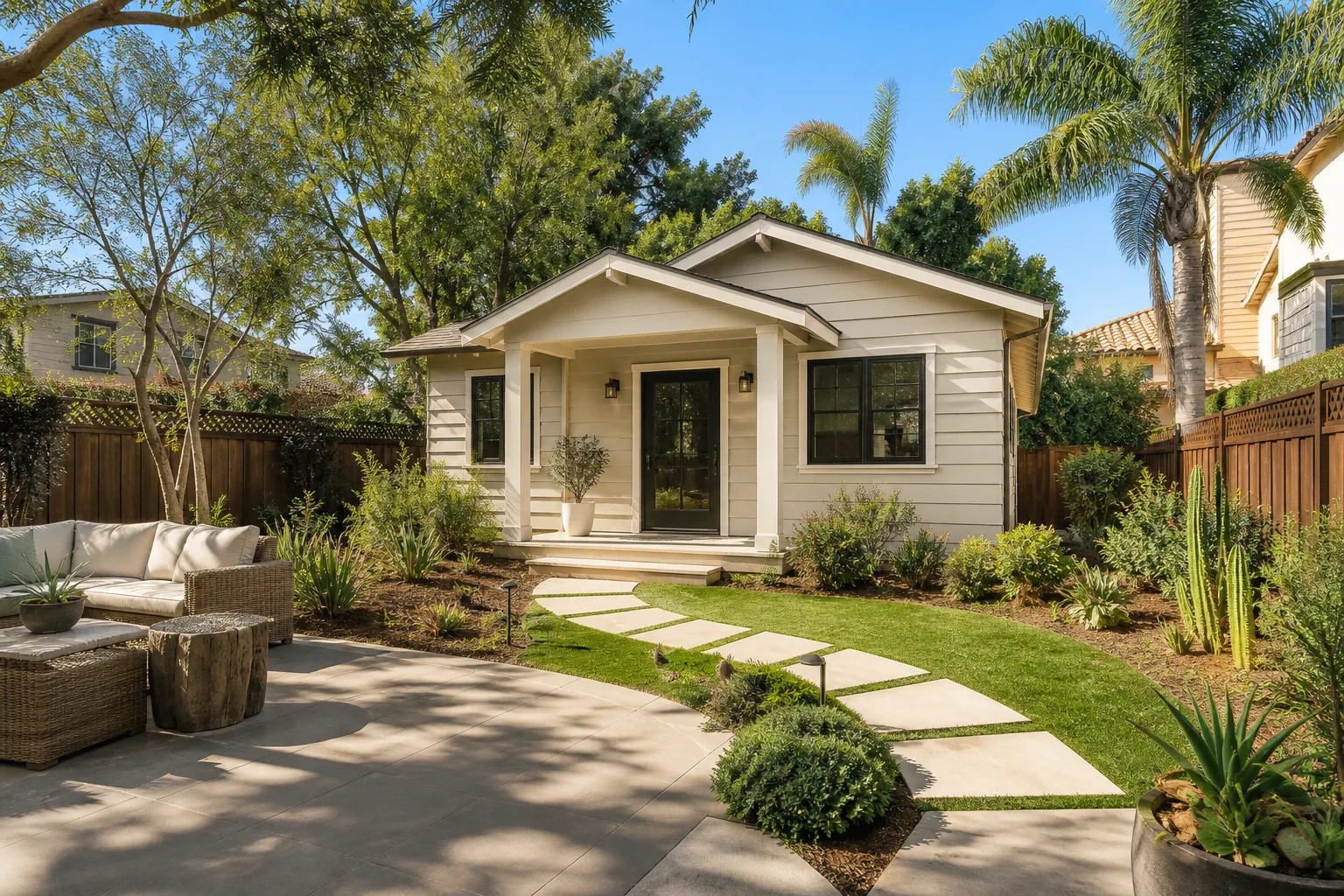
Take a 1,200-square-foot bungalow in Ryan Place. Carving out 500 square feet leaves 700 for the main residence. That’s a material sacrifice. You’re giving up a bedroom, a dining room, and the hallway that connects them. For most families, that math doesn’t work. Now picture a 2,800-square-foot mid-century ranch on the east side: 500 square feet is a spare wing, a converted garage bay, or an oversized utility zone. That’s a reasonable carve-out, and the JADU becomes genuinely attractive.
The clay soils across North Texas add a wrinkle. Older pier-and-beam homes in Fairmount and Ryan Place move with the black clay through wet and dry cycles. If you’re converting existing interior space into a JADU and adding a bathroom, that plumbing tie-in has to account for foundation movement, not fight it. A detached standard ADU sits on its own engineered slab and sidesteps the interaction entirely. Our technicians have up to 12 years of experience reading exactly this kind of foundation behavior before a single wall moves.
Rental Income and ROI: Running the Fort Worth Numbers
A standard ADU wins on absolute income. In Fort Worth’s current rental market, a one-bedroom unit rents for roughly $1,100-$1,400 per month. A JADU can command similar rent on paper, but its ceiling is capped by size and configuration. Here’s how the ROI math plays out with real Fort Worth figures.
| Factor | Junior ADU (JADU) | Standard ADU |
|---|---|---|
| Typical Fort Worth build cost | Lower, because it reuses existing walls and roof | $90,000-$220,000 |
| Size | Capped at 500 sq ft | Whatever the lot and zoning allow |
| Monthly rent potential | $1,100-$1,400 (1BR equivalent) | $1,100-$1,400 for 1BR, more for larger builds |
| Owner-occupancy covenant | Yes, recorded against the deed | Not required |
| Effect on refinance and sale | Can narrow lender and buyer options | No restriction |
Say a JADU costs $60,000 to carve out and rents for $1,250 a month. That’s $15,000 a year against your investment, minus taxes and insurance. A standard ADU at, say, $150,000 renting for the same $1,250 takes far longer to pay back on paper. But the standard ADU adds a fully separate rentable structure, lifts appraised value more, and doesn’t restrict your deed. The JADU often wins on raw payback speed; the standard ADU wins on flexibility and long-horizon value. Which one you want depends on whether you’re building an income stream or building equity you can borrow against later.
The Historic District Twist Nobody Warns You About
Here’s a counterintuitive one. In Fairmount or Ryan Place, a JADU that adds a new exterior entrance on a street-facing wall can trigger design review. The district overlay cares about what the street sees. A detached standard ADU tucked in the rear yard, screened from the street by the existing house and a fence, may actually face less historic scrutiny than the “cheaper” JADU. Crews pulling permits in Fort Worth learn fast that what flies in a new subdivision out past Loop 820 won’t pass in a 1920s bungalow block, and this is a live example.
The build season matters too. North Texas heat plus high summer humidity compresses the working window, and spring hail can interrupt exterior work on a detached unit. A JADU built entirely indoors doesn’t care about the weather. It’s a real scheduling advantage that rarely shows up in a comparison writeup.
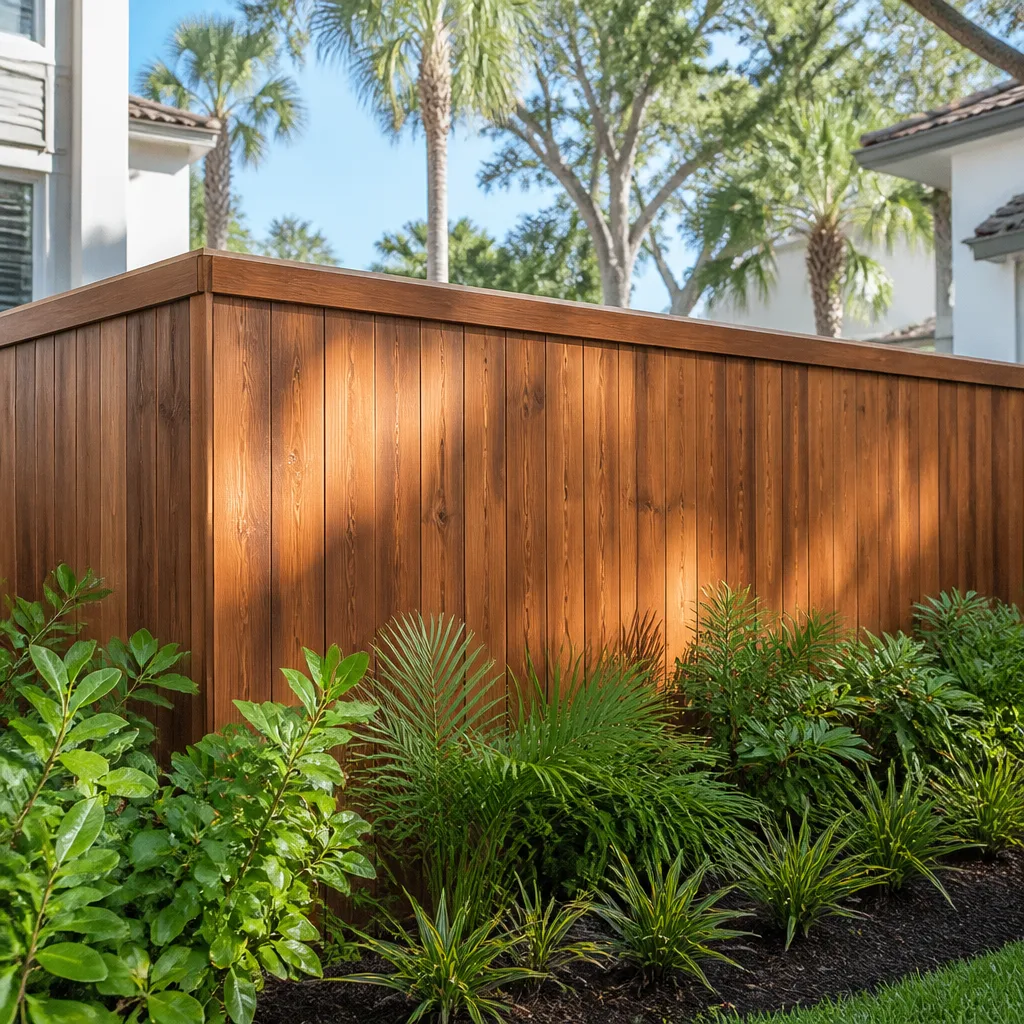
Fencing matters for both options. A privacy fence that separates the rental entrance from the main house is a common addition, and our fence partners like ActiveYards and Unilock give you a palette that matches historic-district expectations. If a finished outdoor boundary is part of the plan, our home page covers the full range of work we handle from foundation to finish line.
How Groundwork Construction Co. of Fort Worth Handles the Decision
We don’t push one option. Our upfront pricing process puts both paths side by side: Fort Worth cost, timeline, and the covenant implications spelled out in writing, so you’re choosing with full information instead of picking whichever one we say is easier to build. Both are covered by our 730-Day Done Right Promise, if it’s not done right, we make it right, and calls are answered by a live person around the clock. Background-checked, uniformed technicians on every project. Every estimate is free and comes with a design consult, and projects over $10,000 get $1,000 off with 0% financing for 18 months available.
We’ve been building across these neighborhoods and the surrounding communities since 2014, and that spread of Craftsman bungalows, mid-century ranch brick, and new construction is what our crews toggle between every week.
FAQs
Yes, in most cases a JADU costs less upfront because it reuses the existing footprint, roof, and utilities. A standard ADU runs $90,000-$220,000 in Fort Worth, while a JADU carved from existing space typically comes in below that. The catch is the owner-occupancy covenant, which can narrow your refinance and resale options. Call (855) 912-5373 for an exact side-by-side quote on your property.
It can, because the covenant is recorded against the deed and must be disclosed to buyers. Investors who want to rent both units will pass, which shrinks your buyer pool, and some lenders treat the property differently during a cash-out refinance. It doesn’t block a sale, but it changes who will buy. Call us to talk through how it applies to your specific home.
Often yes, but the review path differs by design. A rear-yard detached ADU screened from the street frequently faces less design-review friction than a JADU adding a new street-facing entrance. What flies in a new subdivision won’t pass in a 1920s bungalow block. Call (855) 912-5373 and we’ll flag the review risks for your specific corner of the district.
A standard ADU build runs $90,000-$220,000, and home additions typically land at $45,000-$130,000 depending on scope. Garage conversions fall in the $30,000-$80,000 range and can serve the same rental purpose with less square footage. A JADU usually costs less than a full standard ADU because it reuses existing structure. Call (855) 912-5373 for a free estimate with the numbers on paper.
If you’d rather have it looked at, Groundwork Construction Co. of Fort Worth offers a no-pressure assessment in Fort Worth. We’ll compare a junior ADU against a Home Additions & ADU build for your house, write out the covenant implications, and give you a straight answer on which one fits. Call (855) 912-5373 to schedule your free estimate.
Written by the team at Groundwork Construction Co. of Fort Worth, serving Fort Worth, TX.


