Free written scope consultation - allowances, timeline, and change-order rules on paper before a single trade is scheduled
Styles & brands we work with
- Kitchen remodeling
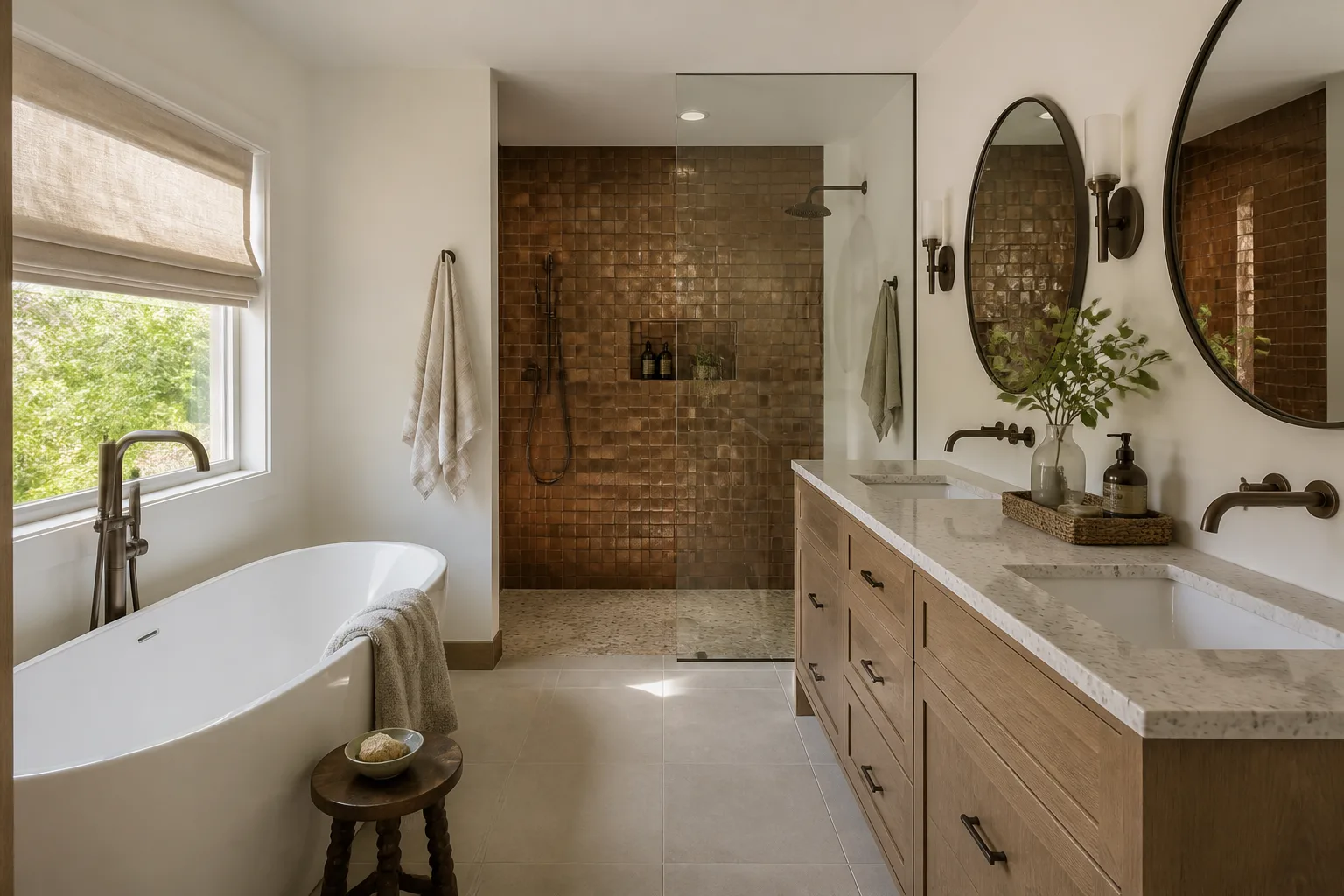
- Bathroom remodeling
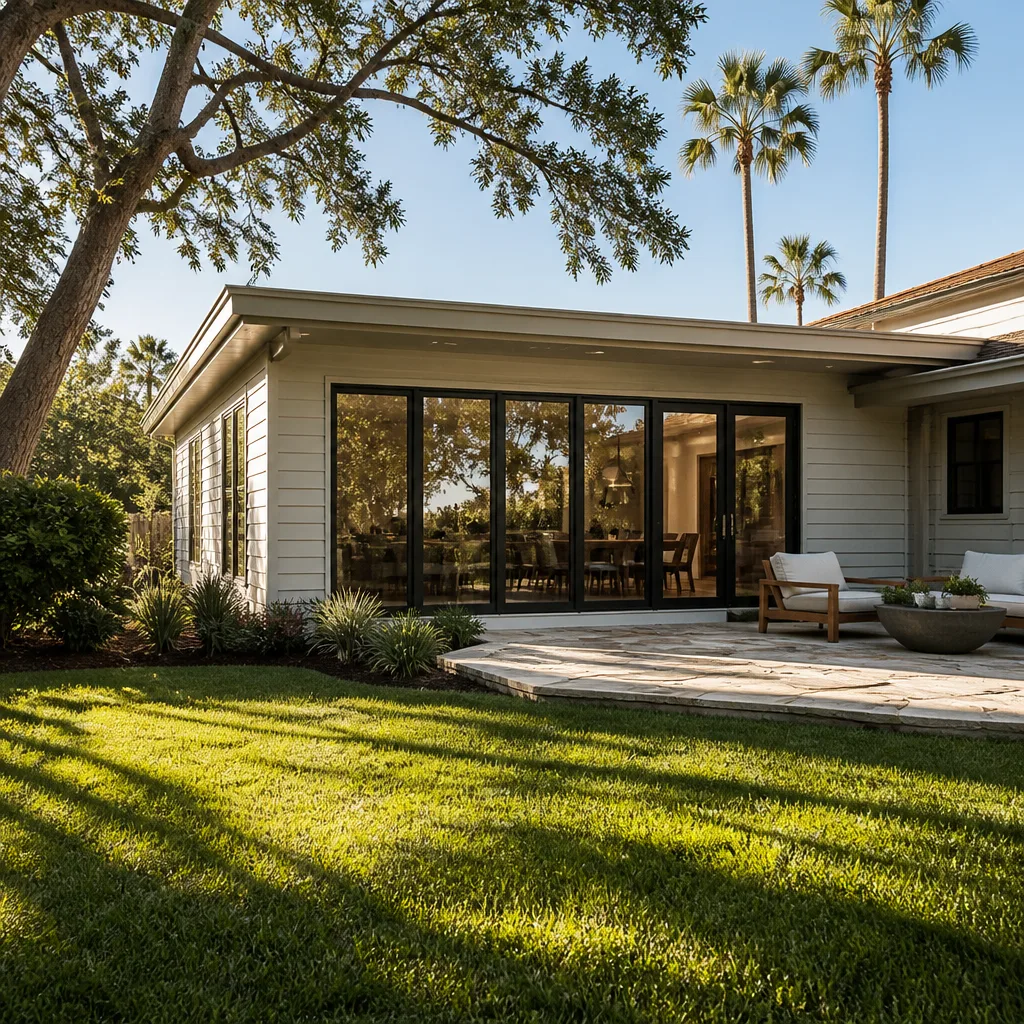
- Home additions & ADU
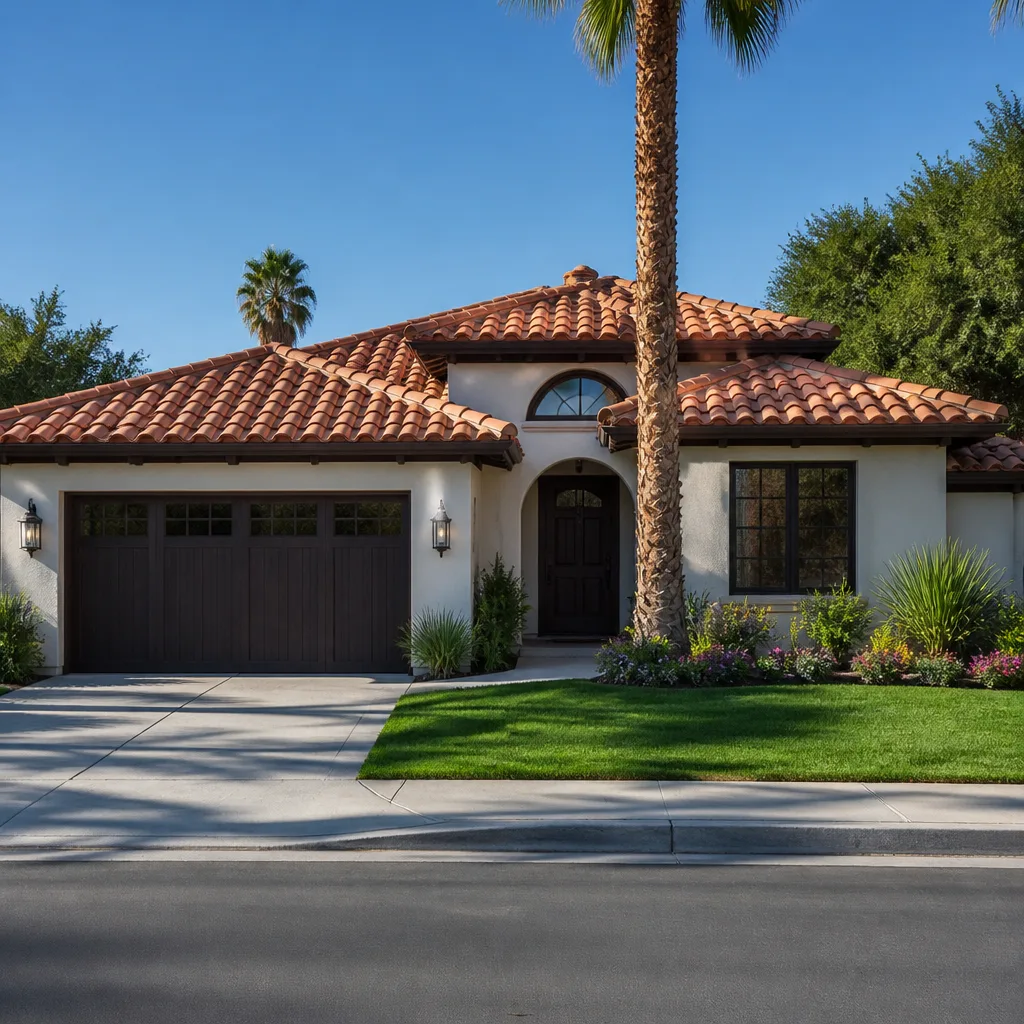
- Roofing
- Windows & doors
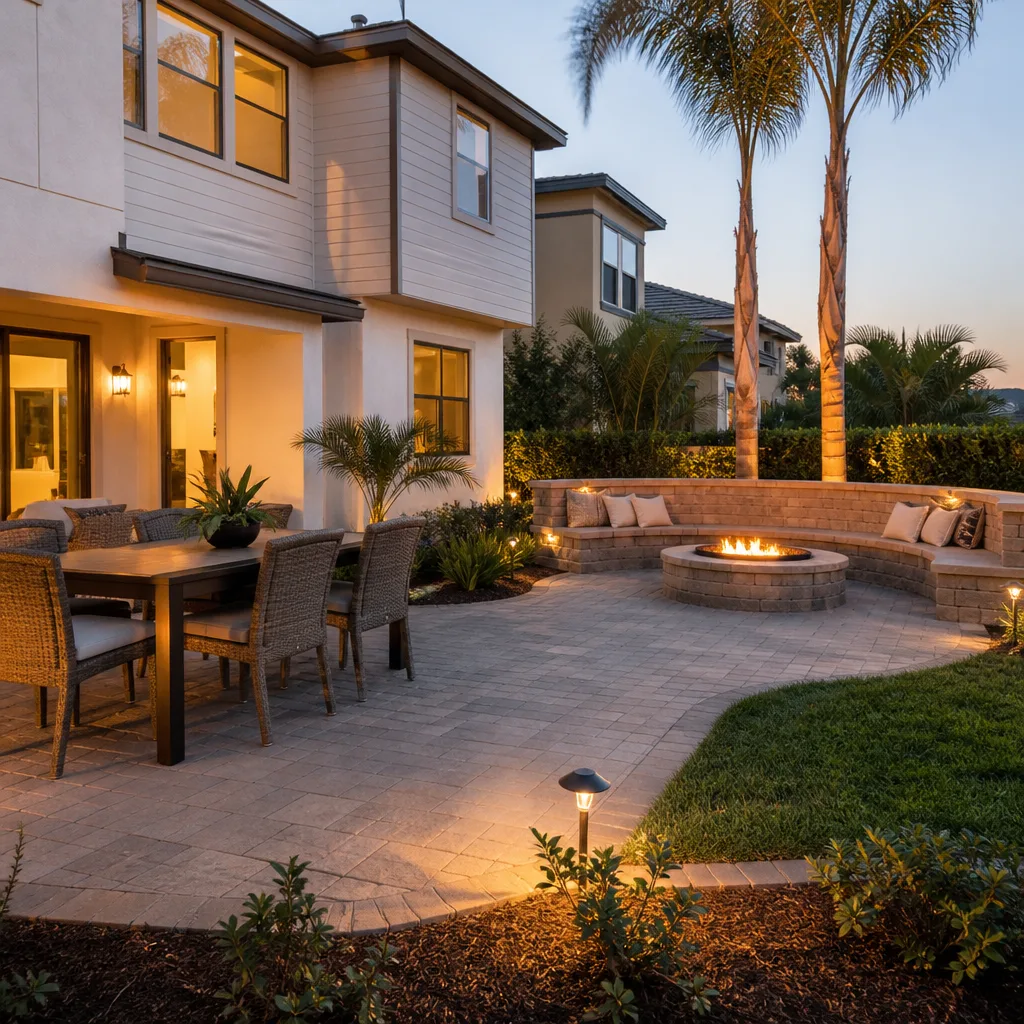
- Driveway & pavers
- Fence
See the difference
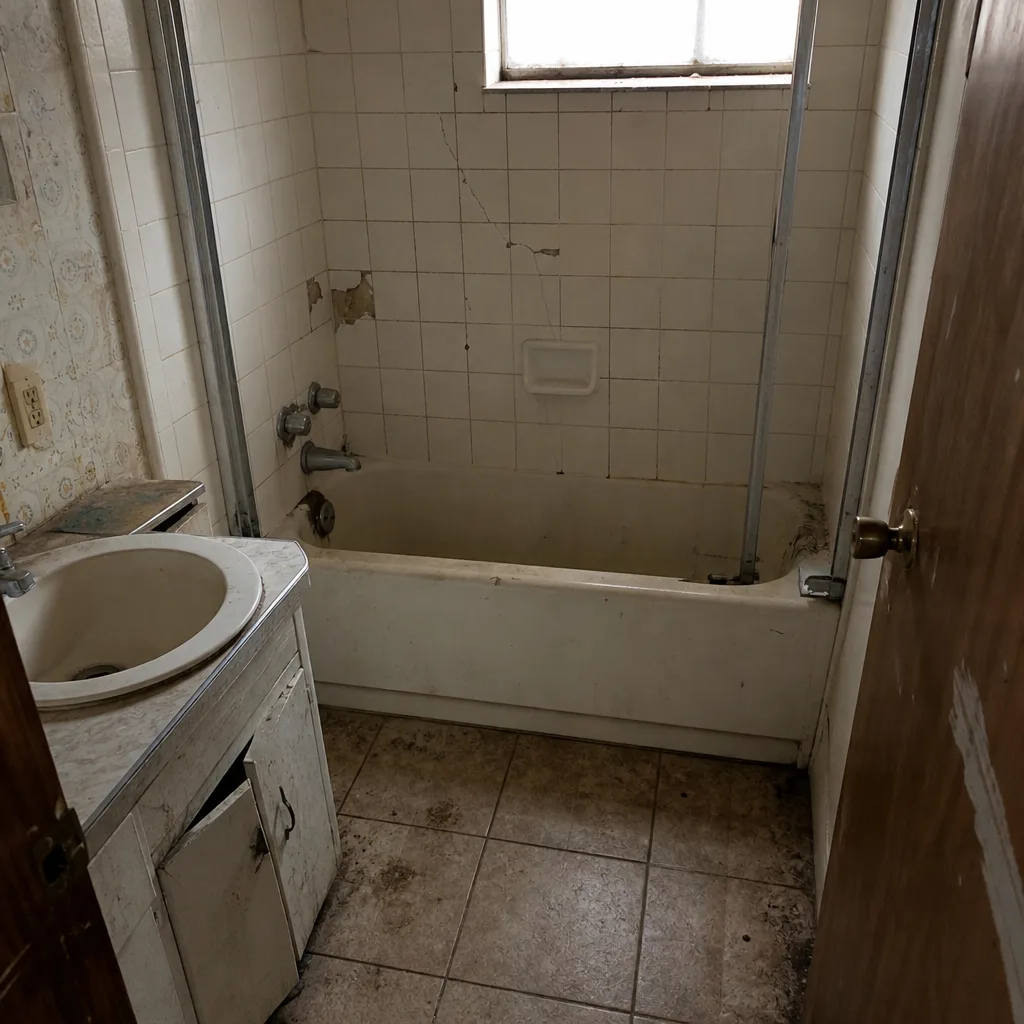 Before
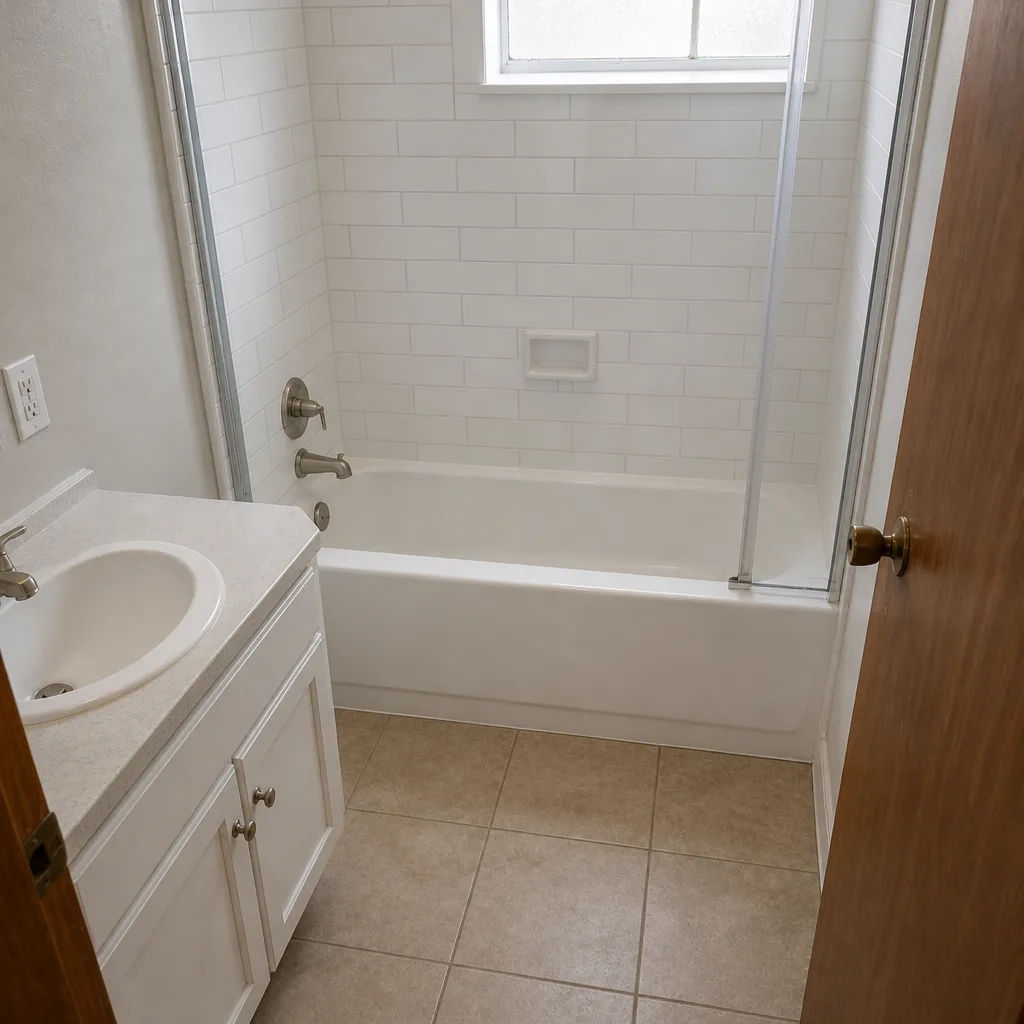 After
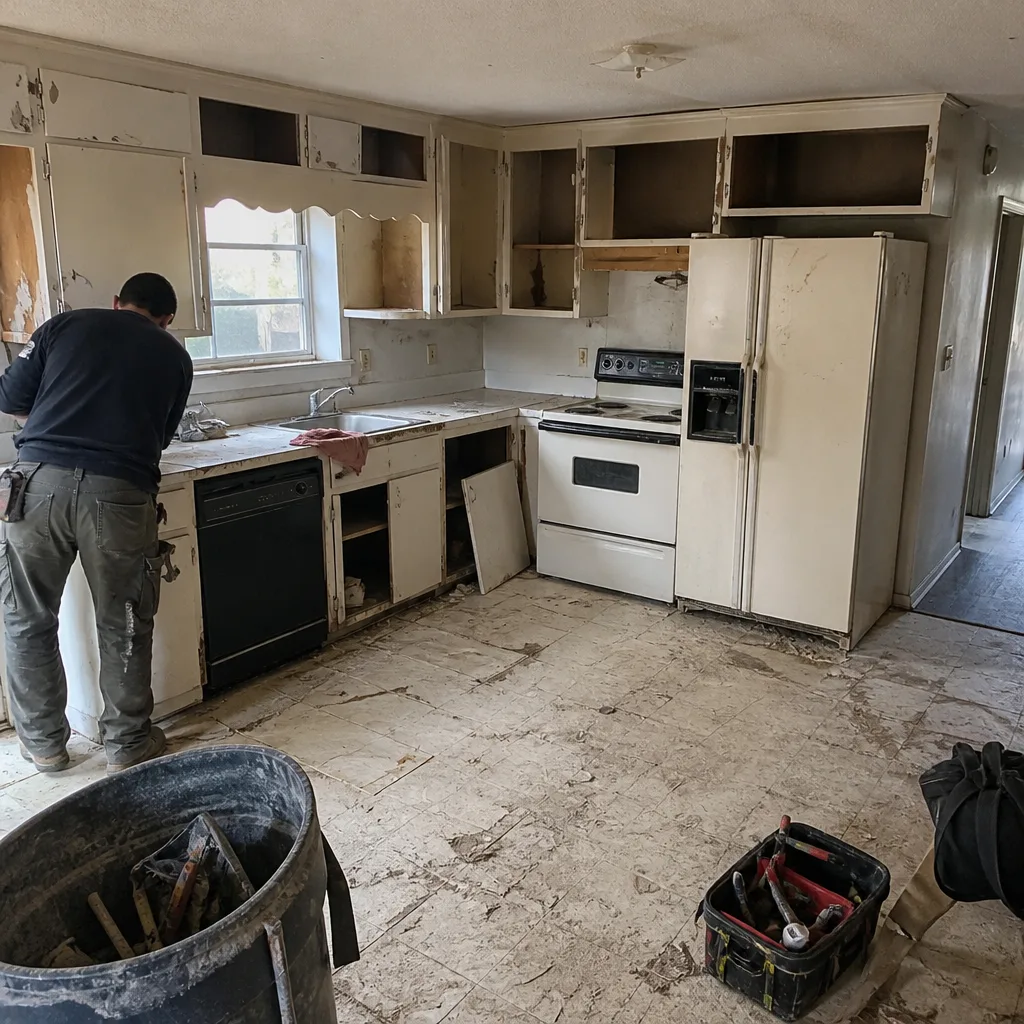 Before
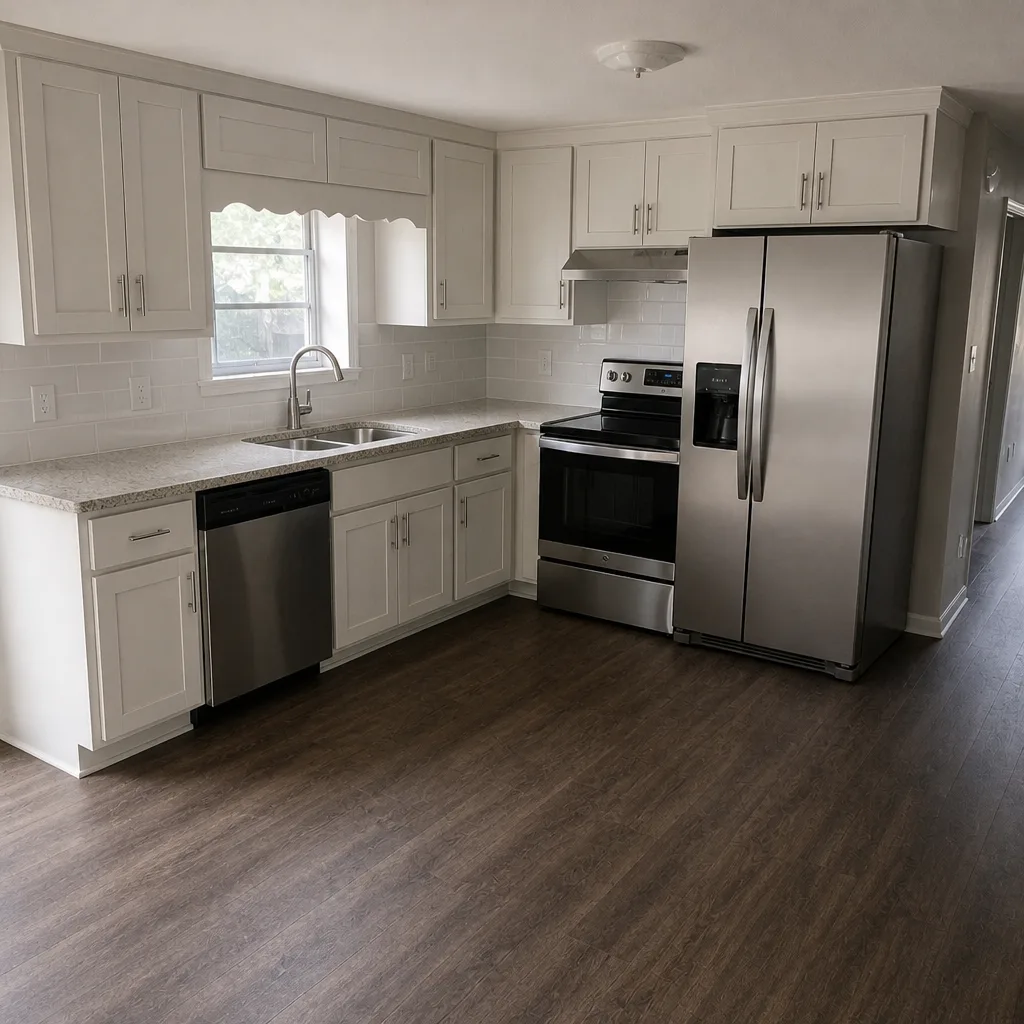 After
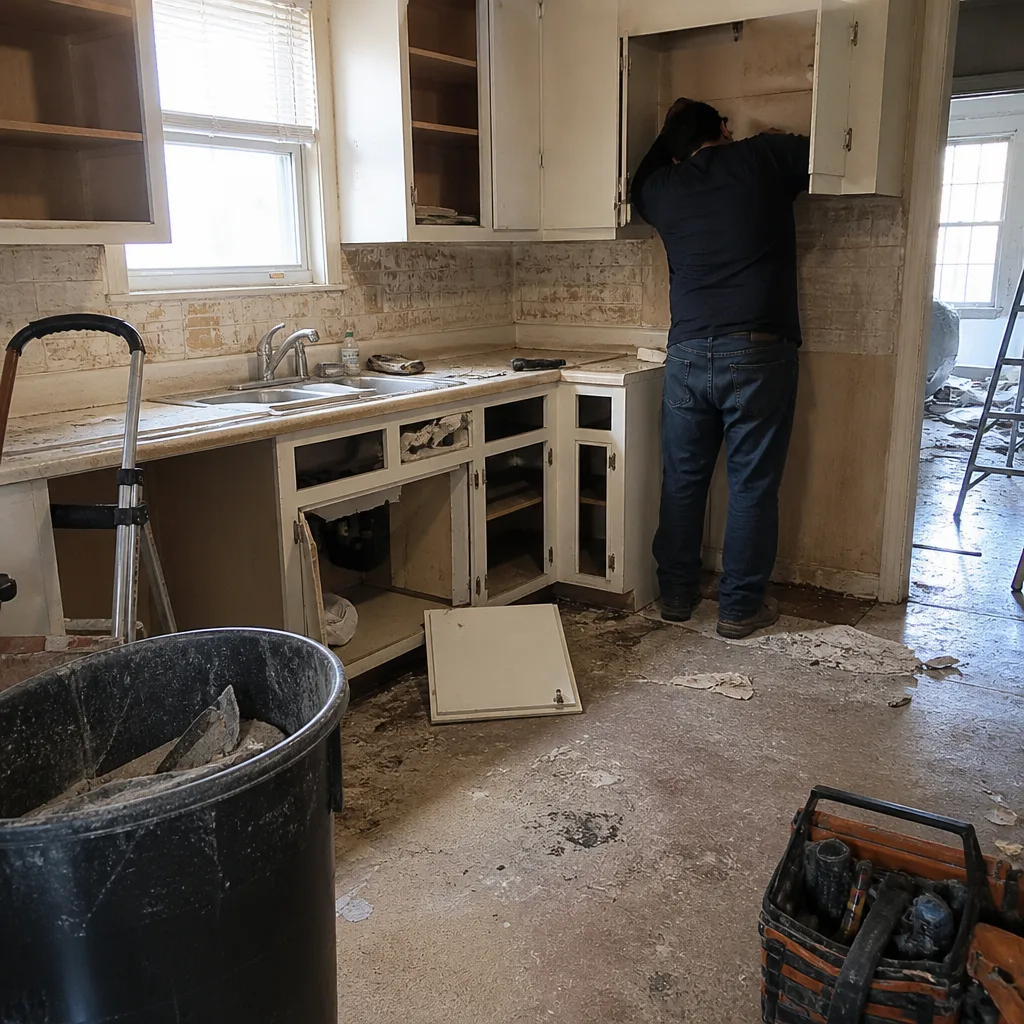 Before
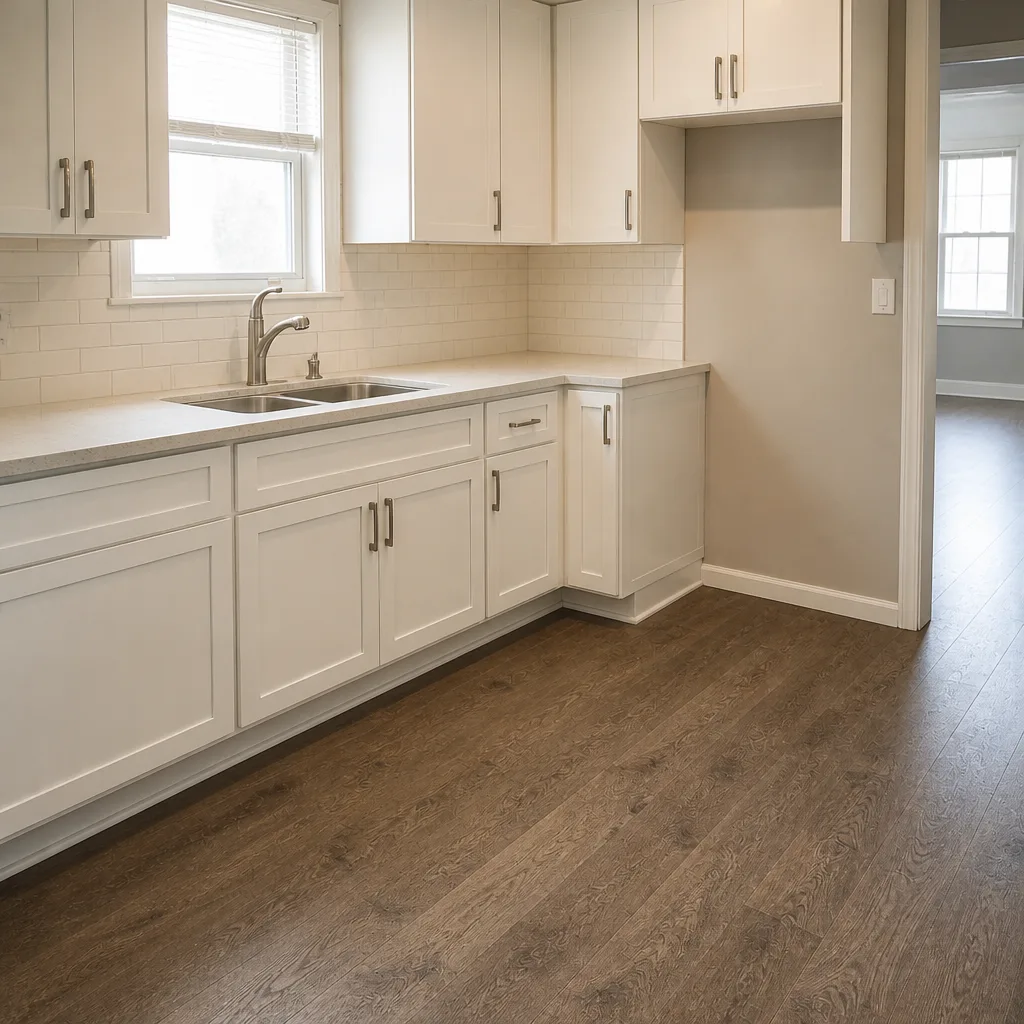 After
HVHZ Window Requirements Explained for Fort Worth, TX Homeowners
HVHZ stands for High-Velocity Hurricane Zone, and it’s a Florida building code designation that applies only to Broward and Miami-Dade counties. It has no legal force in Fort Worth, TX. No window sold or installed in Tarrant County is required to meet HVHZ standards, because no hurricane zone exists here. You’ll still see “HVHZ-rated” stamped on brochures and spec sheets in Fort Worth showrooms, which is exactly why this page exists: to separate a real Florida product category from a Texas marketing label, and to show you what actually governs window performance in a Fort Worth home. Call (855) 912-5373 if you’d rather have someone walk your specific windows with you.
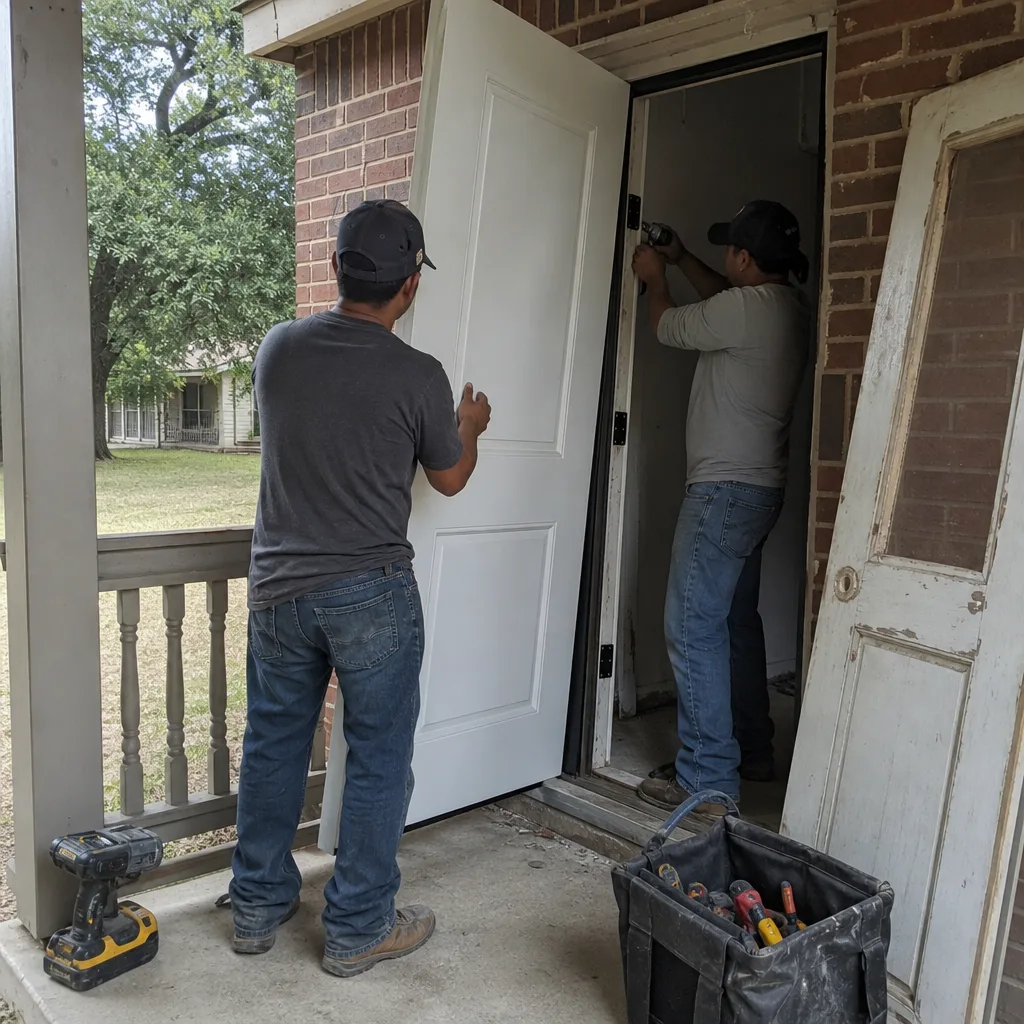
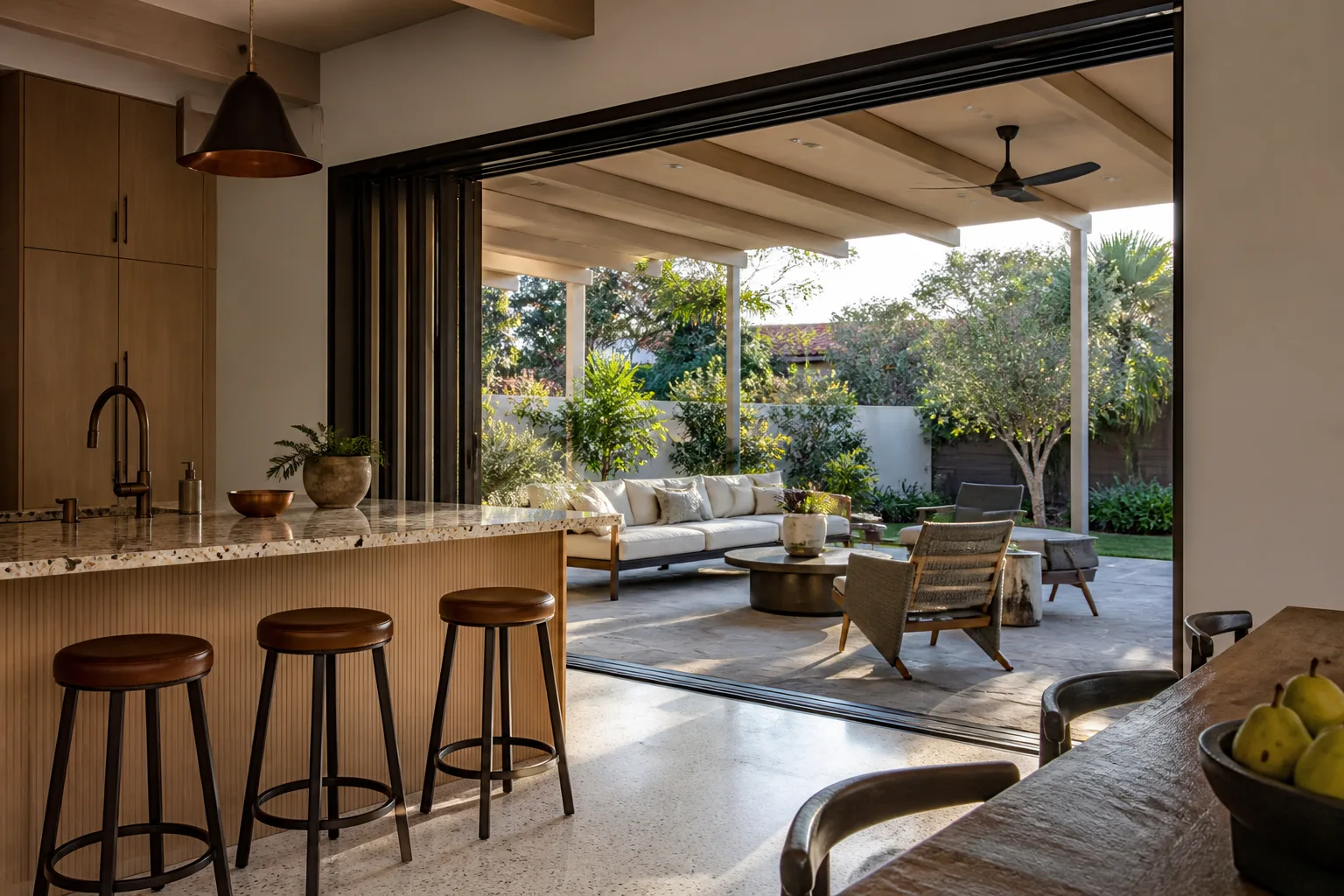
What HVHZ Actually Requires, and Why It Doesn’t Apply Here
HVHZ is the strictest residential wind and impact standard in the United States. After Hurricane Andrew tore through South Florida in 1992, Florida rewrote its building code and created the High-Velocity Hurricane Zone, a designation that today covers just Broward and Miami-Dade. Inside that zone, windows, doors and shutters must pass large-missile impact tests and severe cyclic pressure tests before they can be sold or installed. Products get certified to the Florida Building Code and carry a Notice of Acceptance. None of that testing regime is triggered by Texas law, and no Texas code official in Fort Worth inspects for it.
Here’s where it gets confusing for homeowners. Window manufacturers build to HVHZ spec because it clears the highest bar in the country, which simplifies their product lines and lets them market one label nationally. A Pella or Andersen line engineered for Florida can show up in a Fort Worth showroom with “HVHZ-rated” language on the tag. That product may be excellent. It also may carry a price premium tied to a storm threat that doesn’t exist in Tarrant County. Buying HVHZ-rated glass in Fort Worth isn’t wrong. It’s just often overbuilt for the actual threat here, and the customer pays for it.
The real Fort Worth threat isn’t hurricanes
North Texas doesn’t get hurricane-driven wind and impact. It gets something else: spring hail, straight-line wind events that tear across the open prairie, and long brutal summers that cook a west-facing window for months. Add expansive black clay soil that shifts foundations through wet and dry cycles, and a window installation in Fort Worth has more to prove against soil movement and settling than against a storm surge 1,200 miles away. The performance floor that matters here is water intrusion, wind-driven rain resistance, thermal performance and a clean, correctly flashed installation that survives foundation movement.
What Actually Governs Window Performance in Tarrant County
Fort Worth window code comes down to local adoption of the International Residential Code, with Texas-specific amendments, administered through the city’s permitting and inspections process. For a homeowner the shorthand is this: your windows must meet code-minimum structural, energy and safety performance for Fort Worth’s wind-speed design zone and pass inspection at install. That is the legal floor. The questions worth asking are the ones the code doesn’t decide for you.
A spec checklist that makes sense for a Fort Worth home
- AAMA/WDMA rating for the product’s design pressure (DP). Match the DP rating to Tarrant County’s wind zone, not to a hurricane zone. A higher-than-needed DP is fine, but you’re paying for margin you’ll rarely use.
- U-factor. In North Texas heat, a low U-factor helps cut cooling load on a west- or south-facing wall. Look at how the specific unit performs, not just the brand’s headline number.
- Solar Heat Gain Coefficient (SHGC). This is the number most Fort Worth homeowners skip. A lower SHGC keeps the summer sun from turning a west-facing living room into an oven, and it matters more to your utility bill here than an impact rating ever will.
- Installation and flashing detail. The best-rated window leaks when it’s poorly installed into a wall that moves. This is where the spec sheet stops mattering and the crew starts mattering.
- Proper documentation in the contract. Every rating above should be written into the bid, not promised verbally. Upfront pricing, no surprises means the exact product and its specs are named before you sign.
| Window scope in Fort Worth | Typical range |
|---|---|
| Window replacement (whole-home or multi-unit) | $4,500-$15,000 |
| Impact-rated window installation | $8,000-$25,000 |
Those ranges reflect Fort Worth market pricing for materials and installation together. If you’ve been quoted an “HVHZ premium” on top of them, get a second number before you commit. Call (855) 912-5373 and we’ll help you read the bid.
Why Fort Worth Homeowners Keep Hearing “HVHZ”
Fort Worth is a city that builds over its own history. Century-old bungalows in Fairmount and Ryan Place sit a few miles from brand-new tract housing pushing past Loop 820 toward Alliance. That spread matters for windows, because the same replacement conversation happens in a 1920s pier-and-beam home and a slab-on-grade build, and the products and detailing that fit one don’t fit the other. National window marketers lean on labels like HVHZ because they travel well across that spread. The label sells. It just doesn’t tell a Fort Worth homeowner what they actually need.
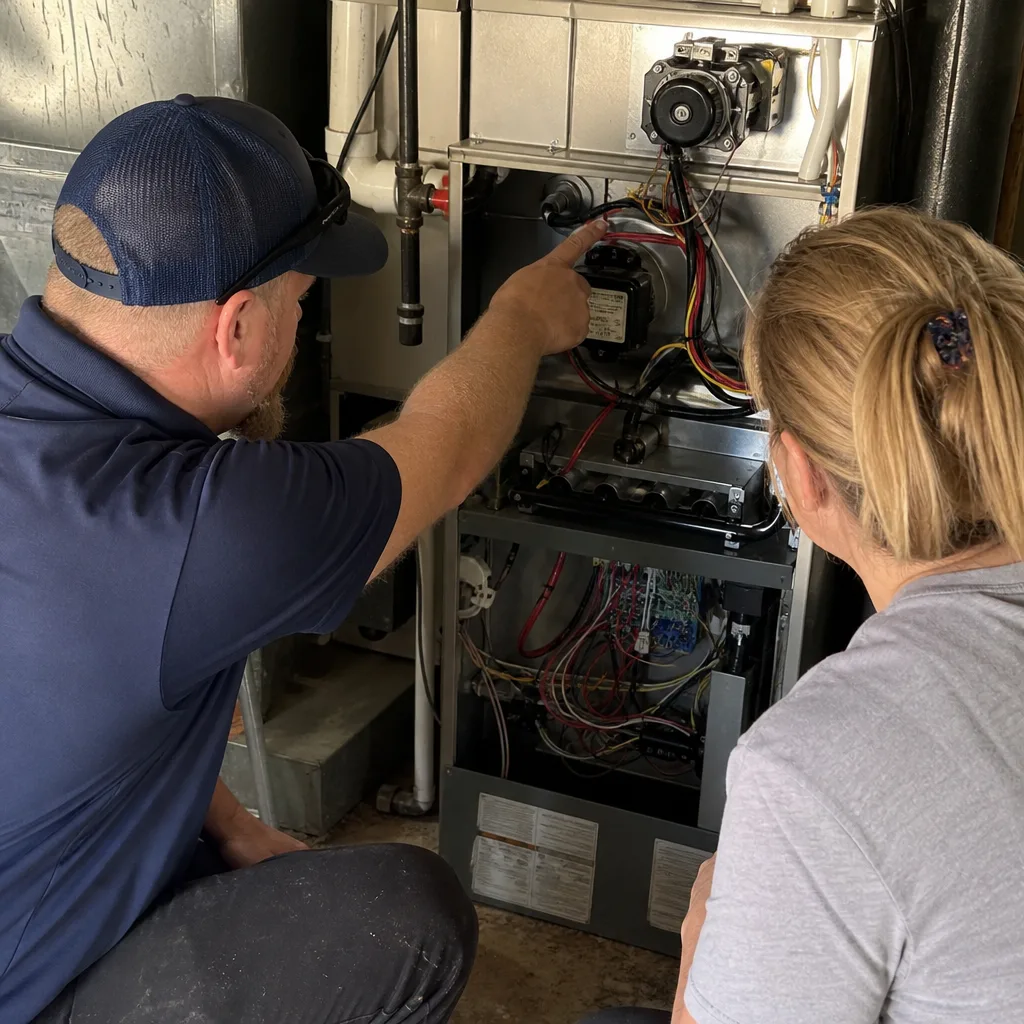
Historic-district overlays add another layer. In Fairmount, Ryan Place and the Stockyards area, a straightforward window or porch project can stall on district design review, and what passes in a new Walsh Ranch subdivision won’t pass on a 1920s block. Windows in those districts often need to match existing profiles and sightlines, which is a Fort Worth-specific constraint no national HVHZ brochure will mention.
How We Take the Certification Decoding Off Your Plate
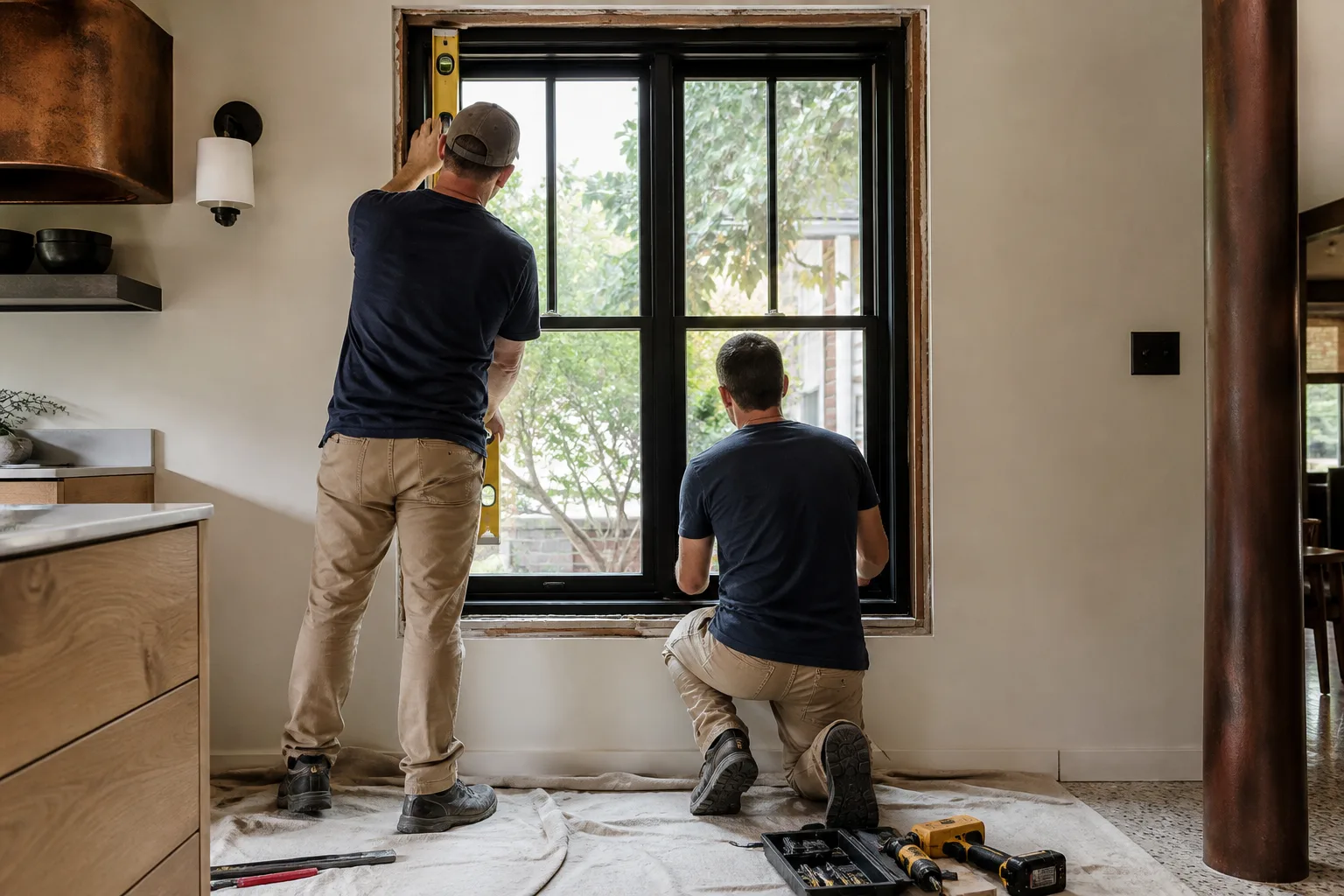
Rather than hand a Fort Worth homeowner a stack of acronyms to sort through, Groundwork Construction Co. of Fort Worth pre-selects window lines from Andersen and Marvin that meet Texas code and North Texas performance needs, then writes the actual specs into the contract. You see the product, the rating and the price in one place before work starts. Background-checked, uniformed technicians handle the installation, calls are answered by a live person 24/7, and the work is backed by our 730-Day Done Right Promise: if it’s not done right, we make it right. We also offer a free project estimate and design consult, and 0% financing for 18 months to make a whole-home window project easier to time.
If you’re planning windows alongside other exterior work, our team covers that from foundation to finish line, and you can see the full scope on our Windows & Doors page. For a broader view of what we handle across the area, our Fort Worth service area page lays it out, and you can start from our home page to see every service line.
FAQs
No. HVHZ requirements are Florida law and apply only to Broward and Miami-Dade counties, so there is no Fort Worth or Tarrant County requirement for HVHZ-rated windows. What matters here is meeting Texas code for local wind design, good energy performance (U-factor and SHGC) and a properly flashed installation that survives North Texas clay-soil movement and hail season.
Not exactly. Impact glass resists breaking on impact, and an HVHZ product is a specific, Florida-code-certified version of impact performance tested to hurricane-zone standards. Many impact-rated products sold in Fort Worth meet Texas and national performance standards without the HVHZ certification, which keeps cost down while still giving you solid hail and wind protection for the actual local threat.
Ask for the product’s AAMA/WDMA DP rating matched to Tarrant County’s wind zone, its U-factor and SHGC numbers, and the manufacturer’s written installation and flashing specification. Have all three written into your contract with the exact product line named. If a contractor can’t produce those numbers in writing, that’s your answer. Call (855) 912-5373 for a free estimate and we’ll walk through the spec sheet with you.
We can. A no-pressure assessment in Fort Worth lets us check existing glass, how the units are set and flashed, and whether they meet current code for your area. If they’re fine, we’ll tell you. If a replacement makes sense, you’ll get upfront pricing and a clear spec on the product.
Get a Straight Answer on Your Windows
If you’d rather have it looked at, Groundwork Construction Co. of Fort Worth offers a no-pressure assessment in Fort Worth. We’ll decode the labels, check your specs against what Tarrant County actually requires, and hand you a written bid with the product named. Call (855) 912-5373 for a free estimate.
Written by the team at Groundwork Construction Co. of Fort Worth, serving Fort Worth, TX.