

Free written scope consultation - allowances, timeline, and change-order rules on paper before a single trade is scheduled
Styles & brands we work with
- Kitchen remodeling
- Bathroom remodeling
- Home additions & ADU
- Roofing
- Windows & doors
- Driveway & pavers
- Fence
See the difference
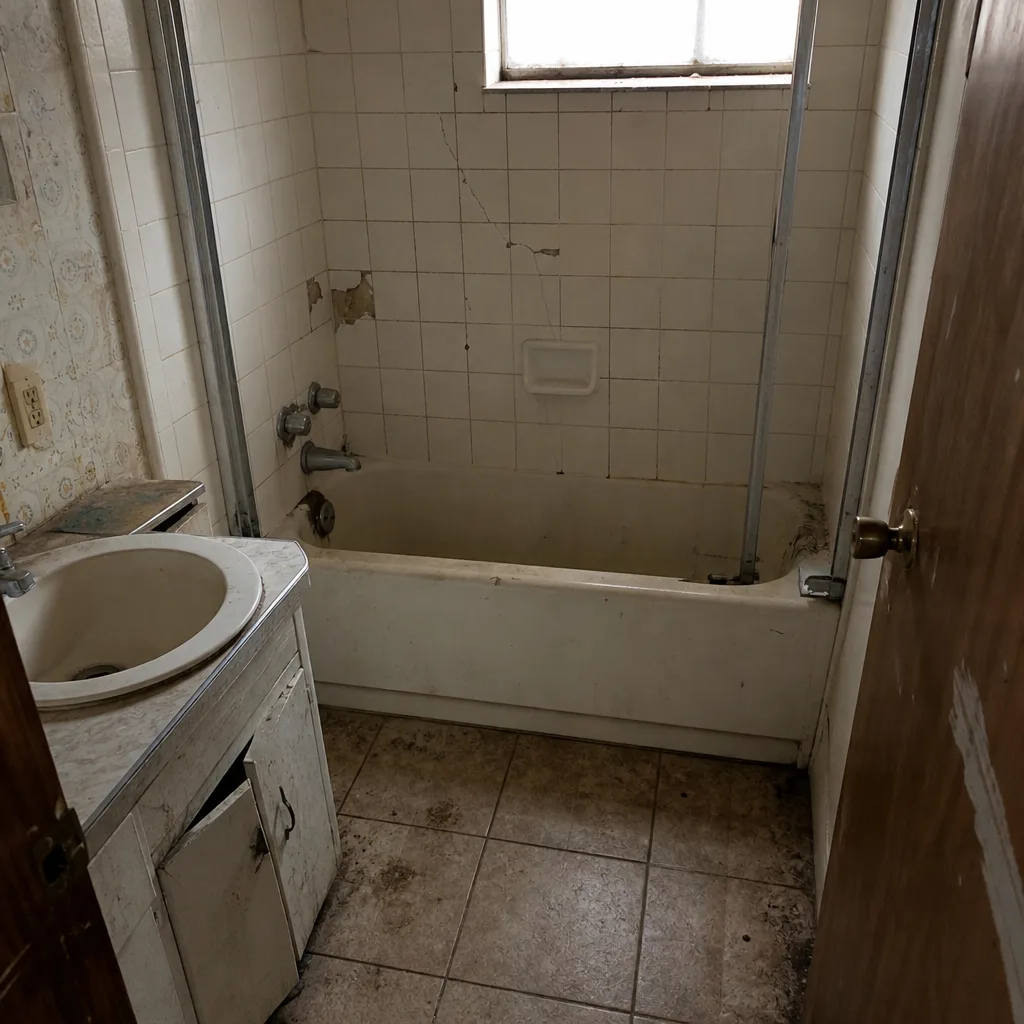 Before
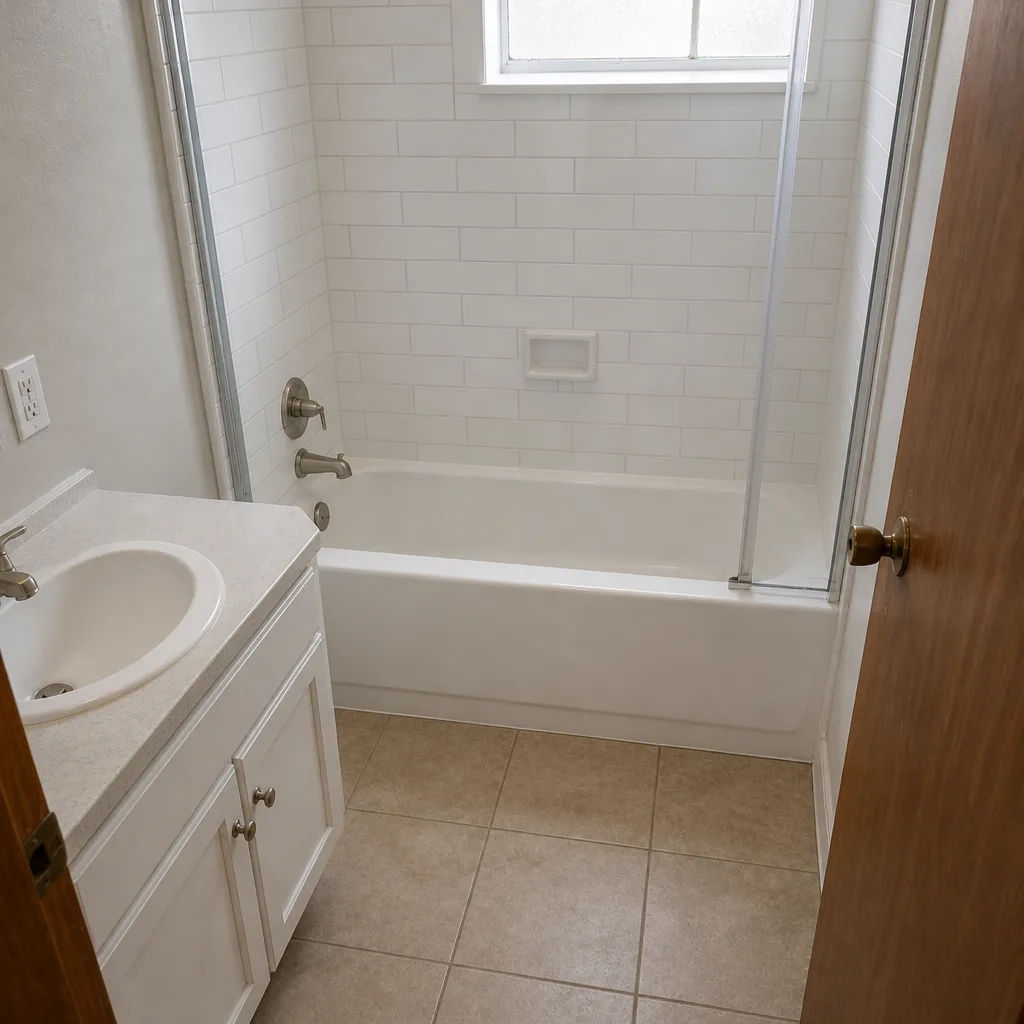 After
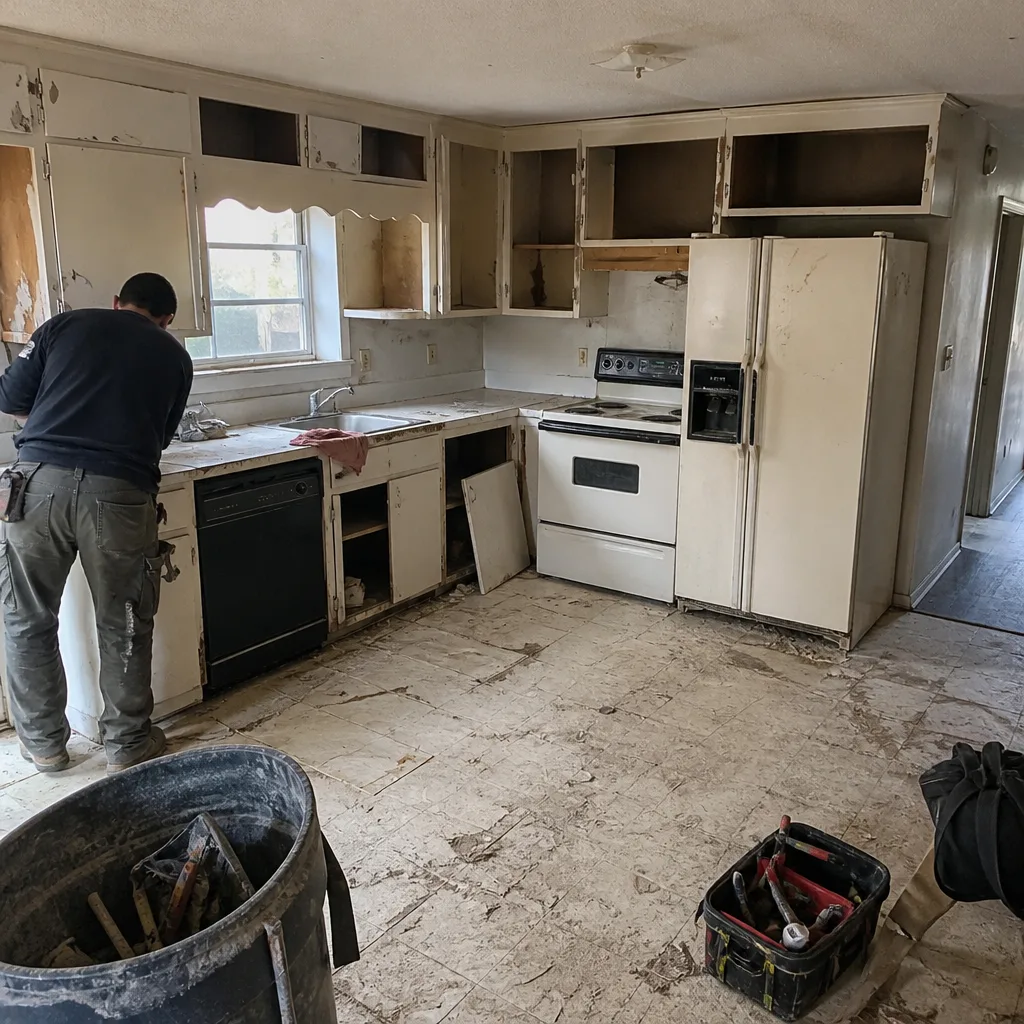 Before
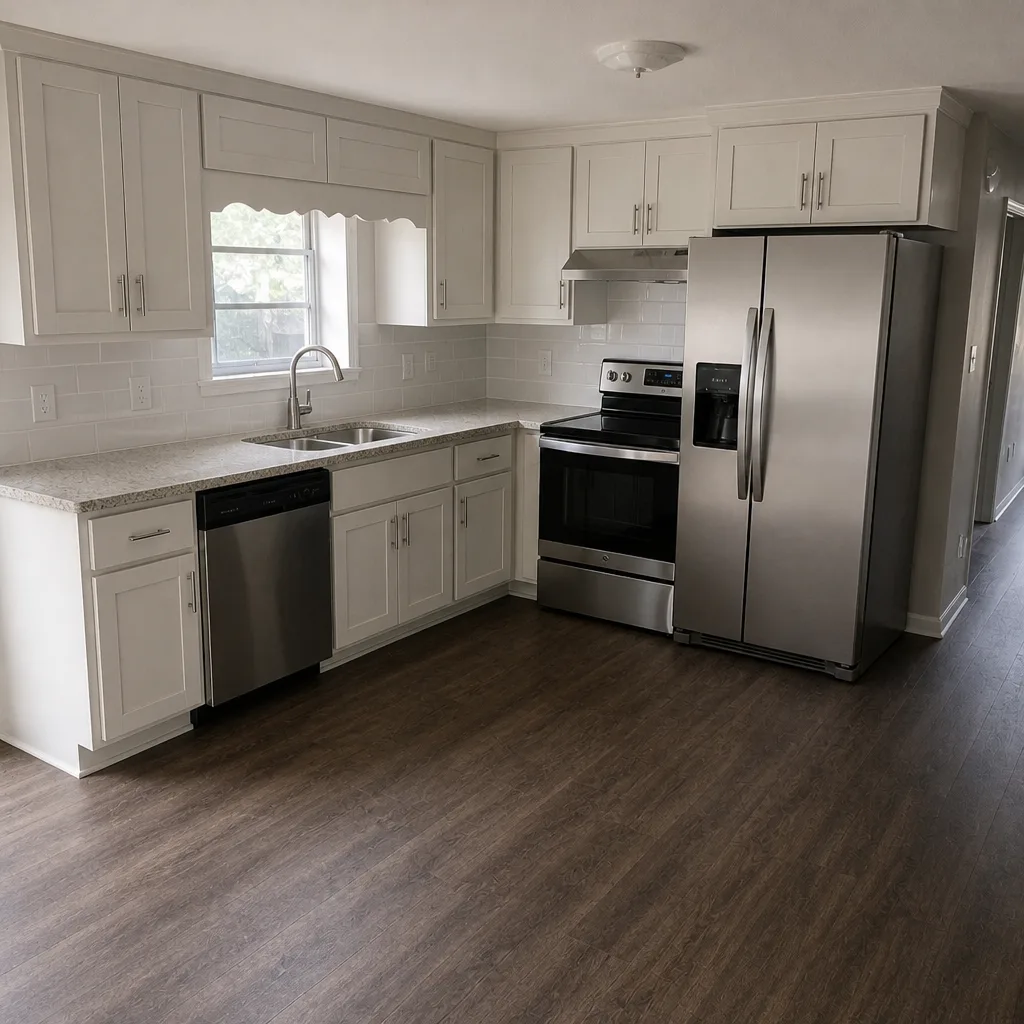 After
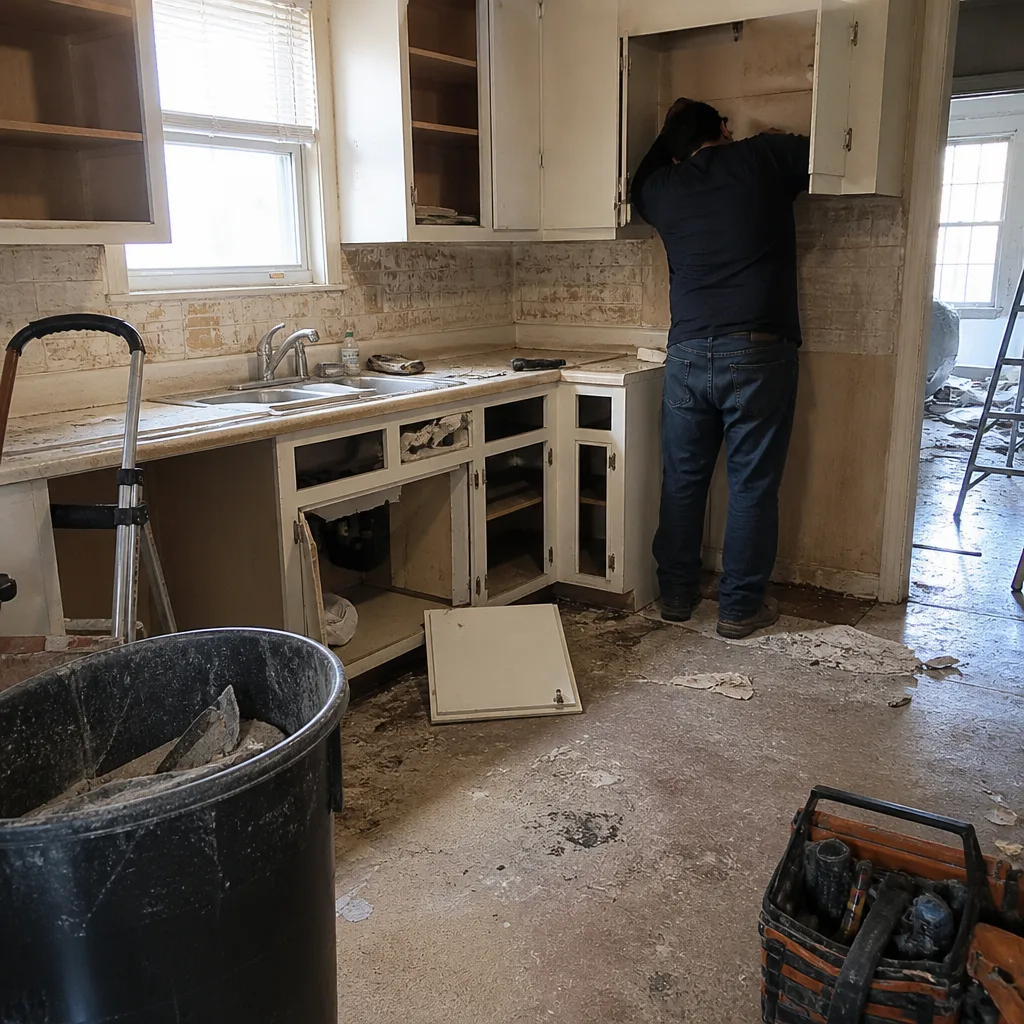 Before
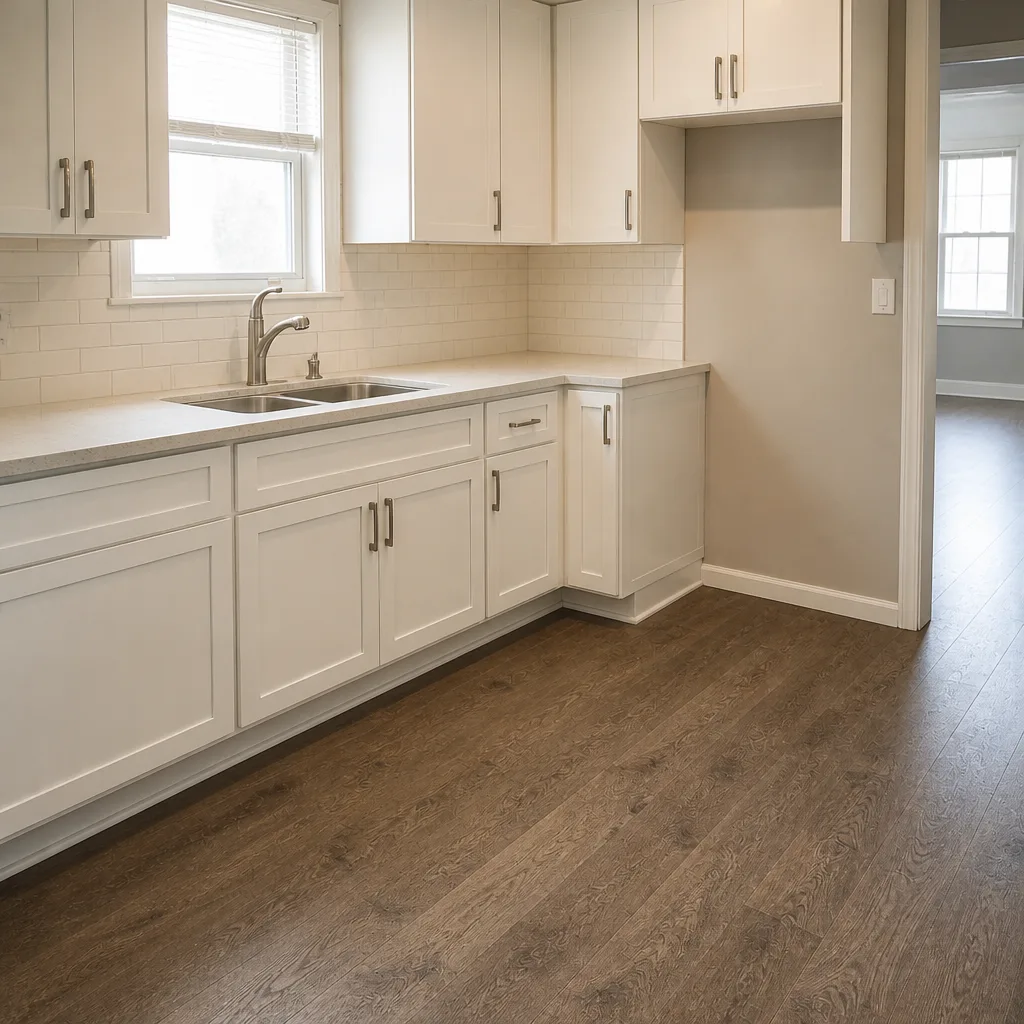 After
Choosing a general contractor in Fort Worth comes down to three questions a national checklist won’t ask: how many permits has this contractor pulled inside the city in the last two years, do they know the difference between a Fairmount pier-and-beam bungalow and a Walsh Ranch slab, and what happens when you need them back in six months. Get straight answers to those and you’ve filtered out most of the risk. Everything else is paperwork.
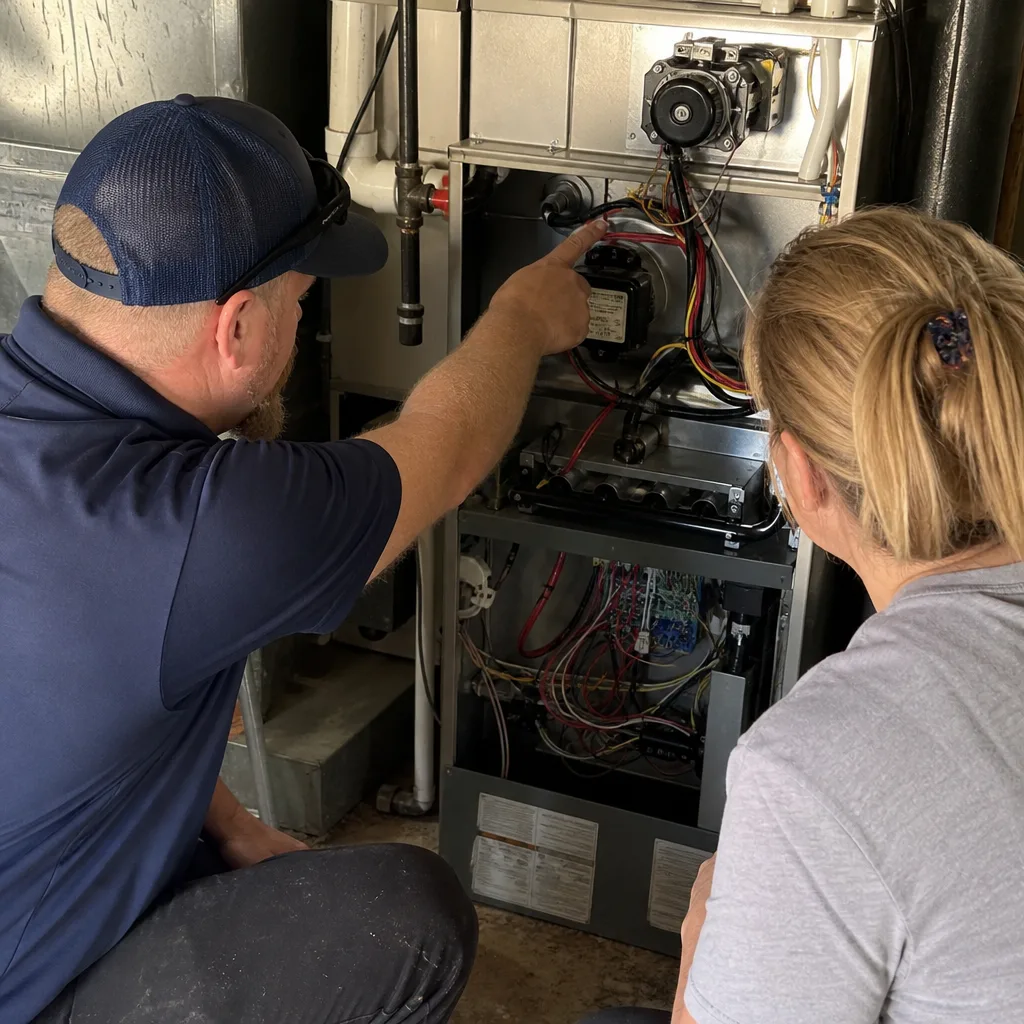
We’re Groundwork Construction Co. of Fort Worth, a full-scope construction partner for homeowners here, and we’ve watched the local contractor pool swell and shrink with every North Texas hail season. What follows is the vetting process we’d use ourselves, sized to how this city actually permits, inspects, and builds. If you’d rather short-circuit the process with a conversation, call (855) 912-5373 - a live person answers, day or night.
Why Fort Worth contractor vetting starts with the permit database
Every serious general contractor in Texas can show you a state registration. That tells you almost nothing about whether they can build on your street. Fort Worth runs its own permitting and inspection system, and the city’s permit records are searchable by address and by contractor. Pull a contractor’s name and look at the last 24 months. A crew with a clean state registration and zero Fort Worth permits is a crew that has never walked a Fort Worth inspector through a framing inspection, never dealt with a rejection on a historic bungalow block, and never had to come back and fix something because the city made them.
That single check separates local operators from everyone else. Ask the contractor directly: how many Fort Worth permits have you pulled in the last 24 months? A good one can answer in a sentence without digging. A bad one changes the subject to their national reputation.
The two-speed housing stock problem
Fort Worth builds over its own history. Century-old stockyards and Near Southside brick sit a few miles from tract housing pushing past Loop 820 toward Alliance. That means a contractor who’s excellent at one part of the city can be lost in the other. Early-1900s Craftsman and bungalow blocks in Fairmount and Ryan Place run on pier-and-beam foundations and true-dimension lumber. Settle on the west side and you’re framing on slab over expansive black clay, where the frost line is shallow and foundations are engineered for soil movement rather than freeze depth. Those are different trades, different math, and different failure modes.
Ask what they’ve done on your type of house. A contractor whose entire portfolio is slab-on-grade new construction will learn your pier-and-beam house on your dime.
The historic overlay question
If your project sits in Fairmount, Ryan Place, or around the Stockyards, design-review overlays apply, and even a porch rebuild can stall in district review. What passes in a new subdivision won’t clear a 1920s bungalow block. Ask flatly: have you pulled permits through Fort Worth historic district review before, and who did you work with? A blank look is your answer. Groundwork coordinates this routinely, and it’s the kind of thing that should be in the first bid conversation, not discovered in week three.
After a hail event, the market doubles overnight
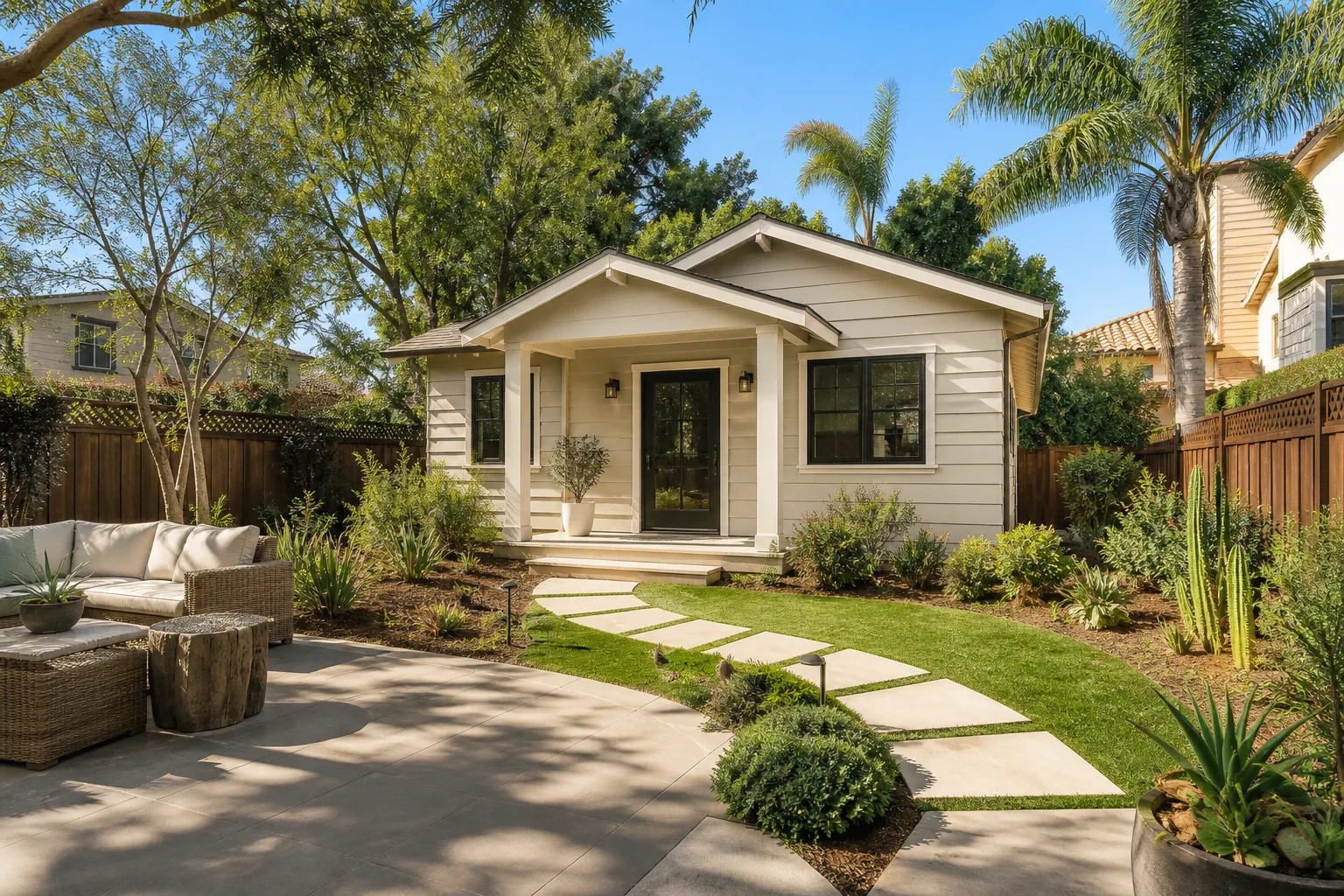
Spring hail and north-Texas straight-line wind are the defining forces on Fort Worth exteriors. Roof replacement runs $8,000-$20,000 for most homes here, roof repair $400-$1,800, and storm demand is enormous. Within days of a significant event, crews arrive from Louisiana, Oklahoma, and East Texas with no Fort Worth permit history and no intention of being here when your roof leaks next spring.
Three questions separate local accountability from drive-by opportunism:
- How many Fort Worth permits have you pulled in the last 24 months? Outside storm chasers can’t answer this without exposing themselves.
- Who is your Fort Worth inspection contact? A local operator works with city inspectors by name and knows their habits. Storm crews work with whoever answers the phone.
- What happens if I need you back in six months? Get the answer in writing, tied to a specific company, not a personal promise from a guy with an out-of-state cell number.
Those three questions, asked in that order, disqualify most of the surge before it can bid your job.
Warranty vetting: ask who backs it, not how long it runs
Warranty questions trip up more homeowners than anything else. Ask for the warranty in writing, ask which entity backs it - the contractor personally, the company, or a third-party insurer - and ask how long it runs. A one-year workmanship guarantee backed by a sole proprietor is worth roughly what that person’s address is worth in two years. A serious guarantee is longer and backed by a company that will still exist when you call.
For scale, our 730-Day Done Right Promise covers every project for two full years: if it isn’t done right, we make it right. That’s one of the longest workmanship guarantees in residential construction, and we tell you about it because that’s the standard a homeowner should hold any contractor’s warranty against. When someone offers 12 months, ask them to explain the gap between that and the standard.
Pricing transparency is the other half of vetting. Ask for an itemized bid, not a lump sum. Fort Worth ranges you should expect for the biggest categories:
| Project | Typical Fort Worth Range |
|---|---|
| Kitchen Remodel | $14,000-$45,000 |
| Bathroom Remodel | $9,000-$28,000 |
| Roof Replacement | $8,000-$20,000 |
| Window Replacement | $4,500-$15,000 |
| Home Addition | $45,000-$130,000 |
| ADU Construction | $90,000-$220,000 |
A bid wildly outside those numbers, either direction, deserves questions. Some Fort Worth homeowners bring a lump-sum bid from a storm crew and get a proper itemized estimate side by side. That comparison is usually the end of the conversation.
Crew vetting matters most on occupied-home projects
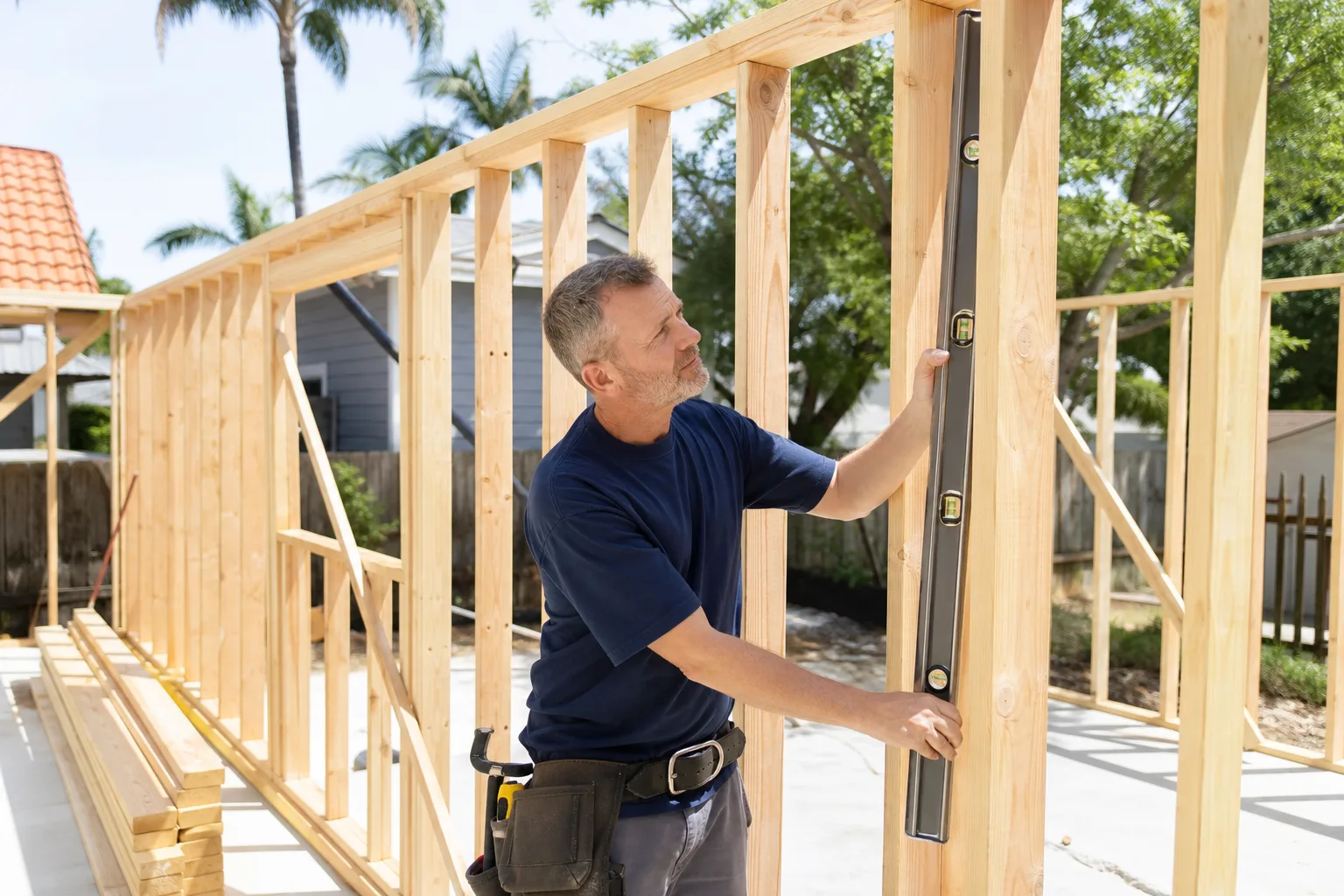
Background-checked, uniformed technicians are a risk-management decision, not just good presentation, when a crew has daily access to a home with family members inside. Ask directly whether background checks are conducted and what they cover. Our technicians are background-checked and arrive in uniform on every project, and that’s a question every homeowner should ask before letting a crew in for a two-week kitchen remodel - kitchens run $14,000-$45,000 in Fort Worth, and a small kitchen remodel $9,000-$20,000, so the crew you vet is the crew you’ll see daily.
The after-hours contact standard
A contractor who goes to voicemail during business hours goes to voicemail when you have a mid-project emergency. Ask how communication is handled after hours and during active phases - whether there’s a single point of contact, how quickly calls get returned, and who physically answers. That answer predicts the entire experience. Ours is calls answered by a live person 24/7, because a roof that blows off during a Saturday storm doesn’t wait until Monday.
Common Fort Worth vetting scenarios
These come up often enough that we could write the script:
- The storm chaser with a great price. Post-hail, out-of-state crews undercut the market by 20-30% because they carry no local overhead. Ask the three questions above before signing anything.
- The remodeler with no historic experience. A Fairmount homeowner gets bids from contractors who’ve never dealt with a design-review overlay, and the project stalls in review for weeks. Verify before you sign.
- The vague bid. A bid with no line items and no scope language is a change order waiting to happen. Request itemization.
- The disappearing warranty. A minor leak six months in that no one will return calls on. Get the warranty in writing with the backing entity named.
FAQs
Use the city’s online permit search and look up the contractor’s name and recent addresses. You want to see active Fort Worth permits pulled in the last 24 months, not a state registry listing that tells you nothing about actual city work. A contractor who can’t show recent local permits isn’t a local contractor, no matter where their registration is filed.
Ask three things: how many Fort Worth permits they’ve pulled in the last 24 months, who their Fort Worth inspection contact is, and what happens if you need them back in six months. Those questions separate local operators from storm chasers in about 90 seconds. If you’re still unsure, call (855) 912-5373 for a second opinion on any bid - estimates are free.
In Fort Worth, most kitchen remodels land between $14,000 and $45,000, with small kitchens running $9,000-$20,000, and bathrooms between $9,000 and $28,000. A bid significantly below those ranges should raise questions about scope, permits, and warranty. Call (855) 912-5373 for an itemized estimate you can compare against anything else you’ve received.
Anywhere from 12 months to a few years, which is exactly why you need the number in writing and the backing entity named. A one-year guarantee from a sole proprietor is not the same instrument as a multi-year company-backed guarantee. Our 730-Day Done Right Promise runs two full years and is the benchmark we’d suggest holding any bid against.
Get a straight answer before you sign anything
If you’d rather have a contractor walk through the vetting with you - the permit history, the housing type, the warranty, the pricing - Groundwork Construction Co. of Fort Worth offers a no-pressure assessment anywhere in Fort Worth. Live person answers 24/7, upfront pricing, and a written guarantee behind every project. Call (855) 912-5373.
Written by the team at Groundwork Construction Co. of Fort Worth, serving Fort Worth, TX.