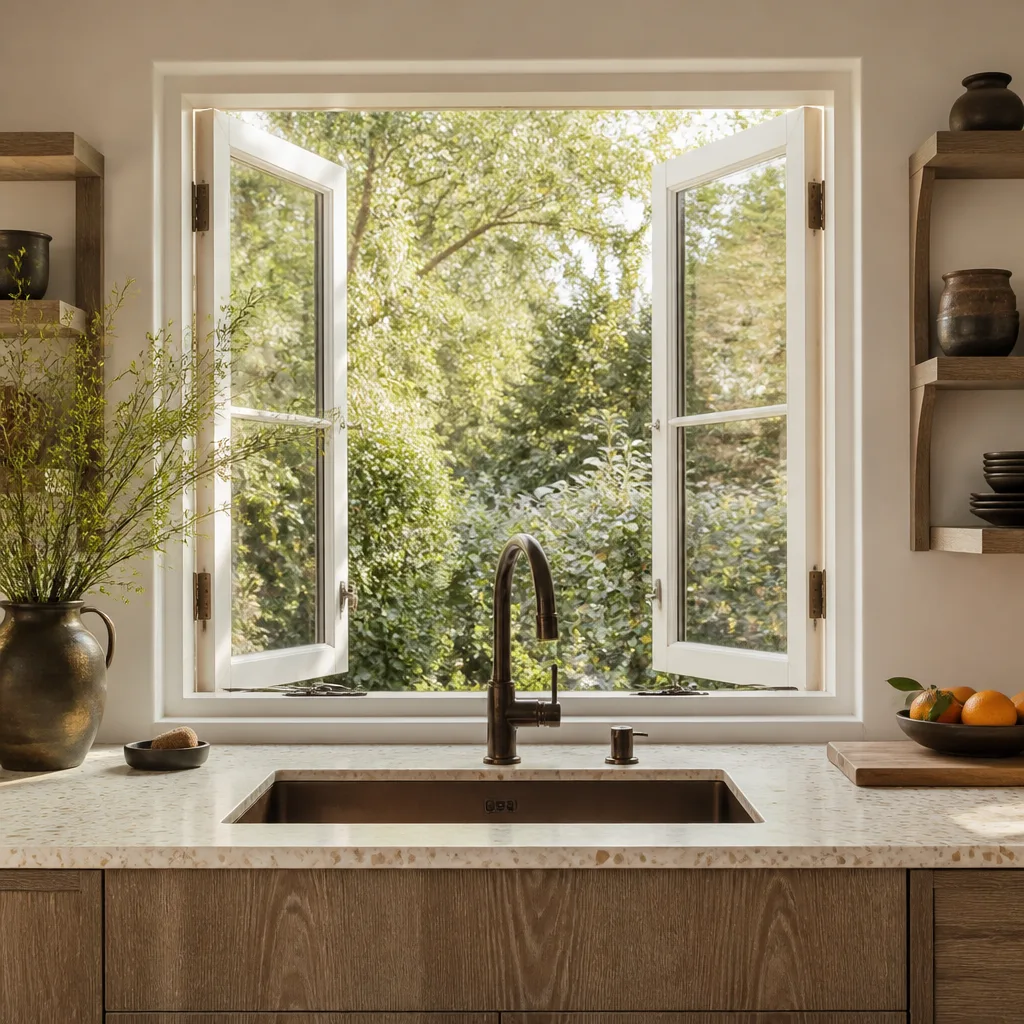
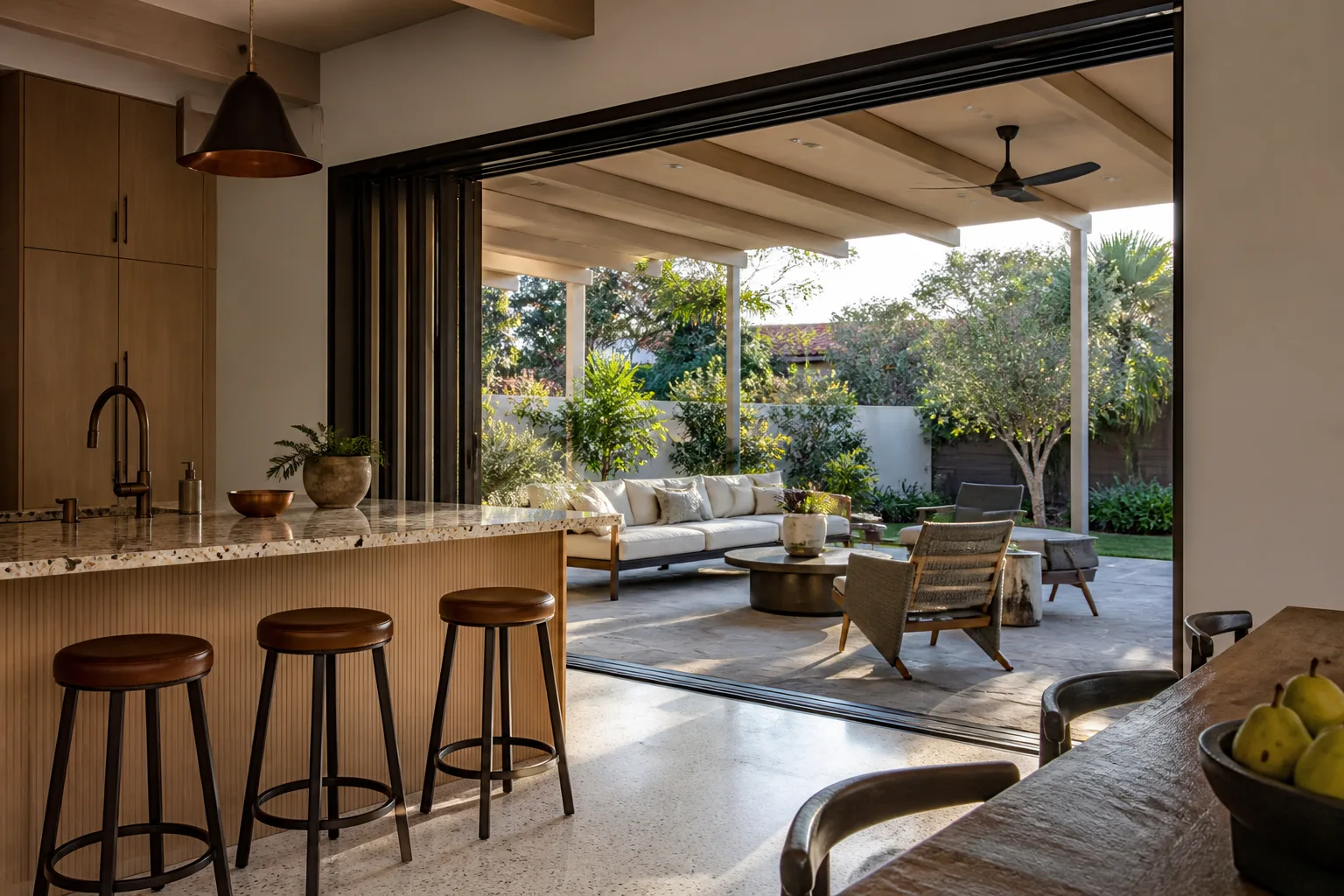
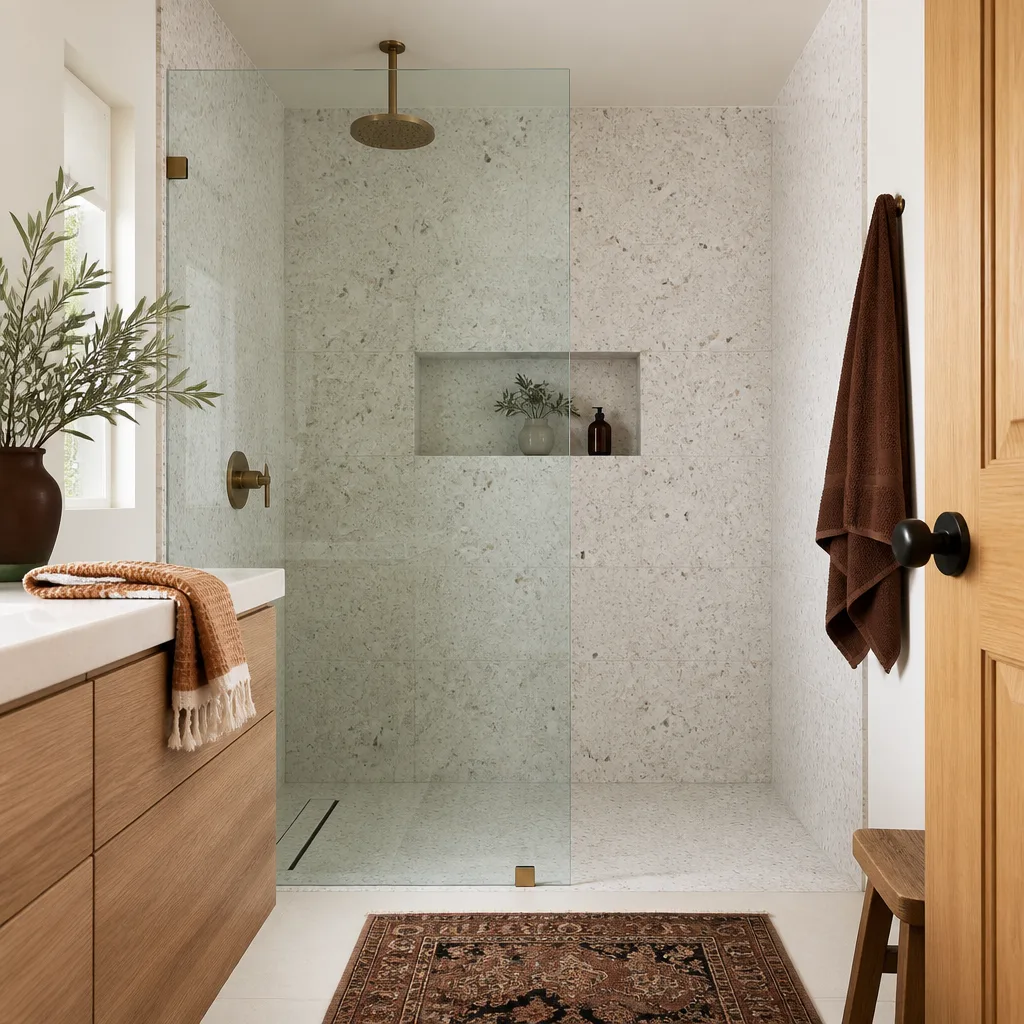
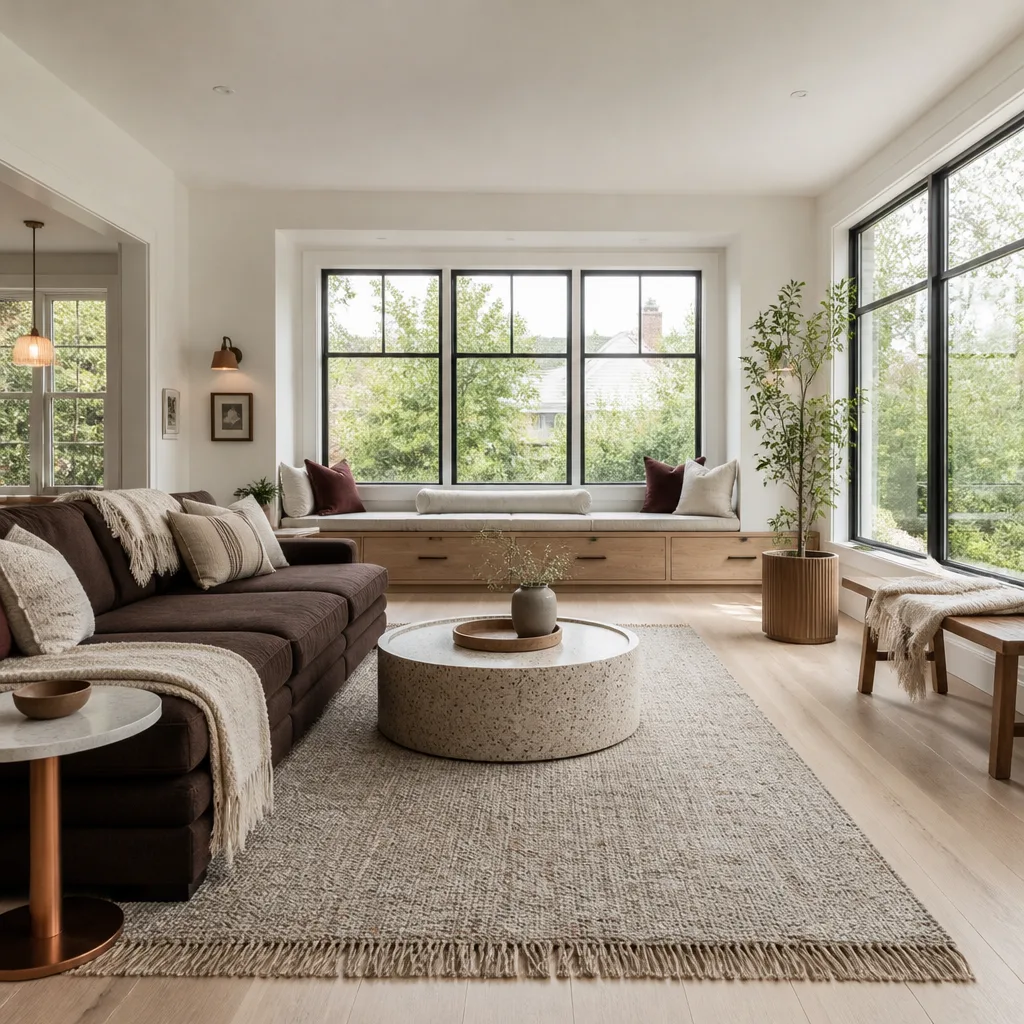
Free written scope consultation - allowances, timeline, and change-order rules on paper before a single trade is scheduled
Styles & brands we work with
- Kitchen remodeling
- Bathroom remodeling
- Home additions & ADU
- Roofing
- Windows & doors
- Driveway & pavers
- Fence
See the difference
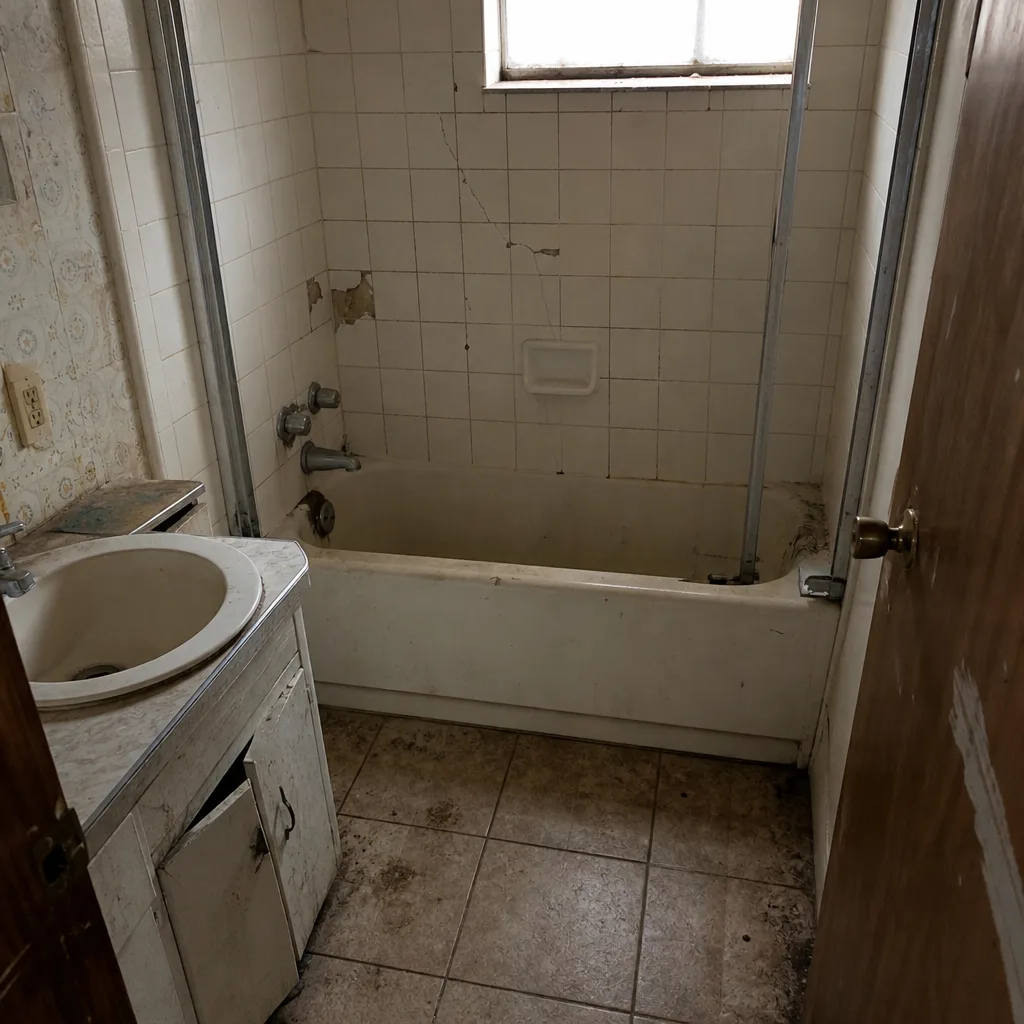 Before
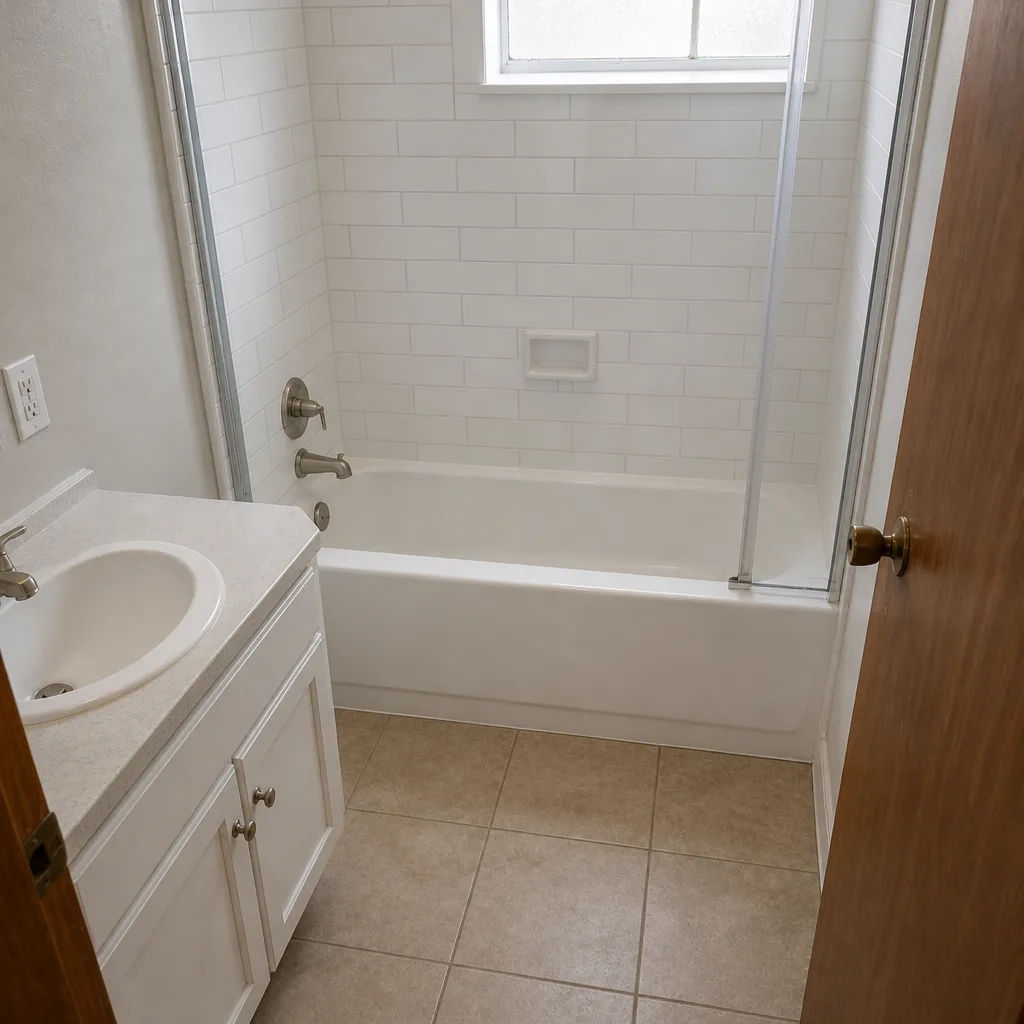 After
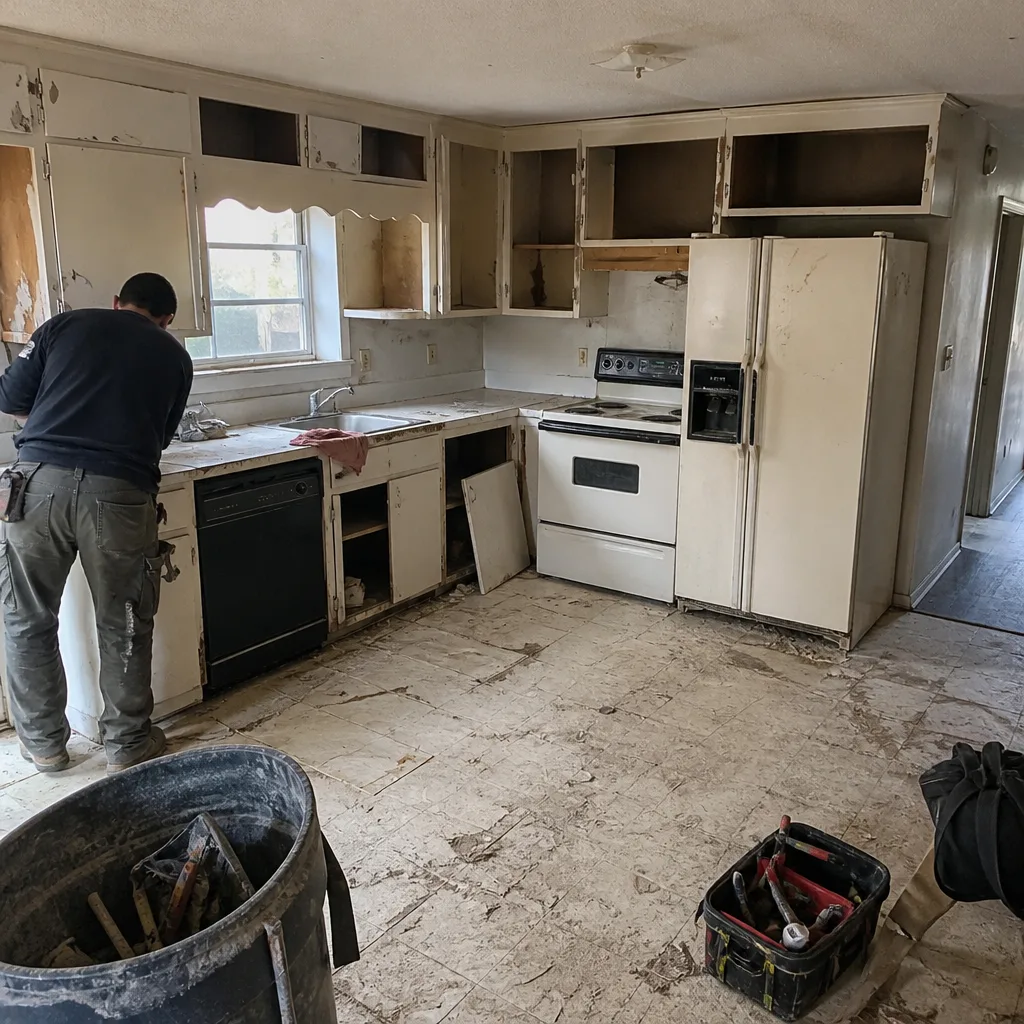 Before
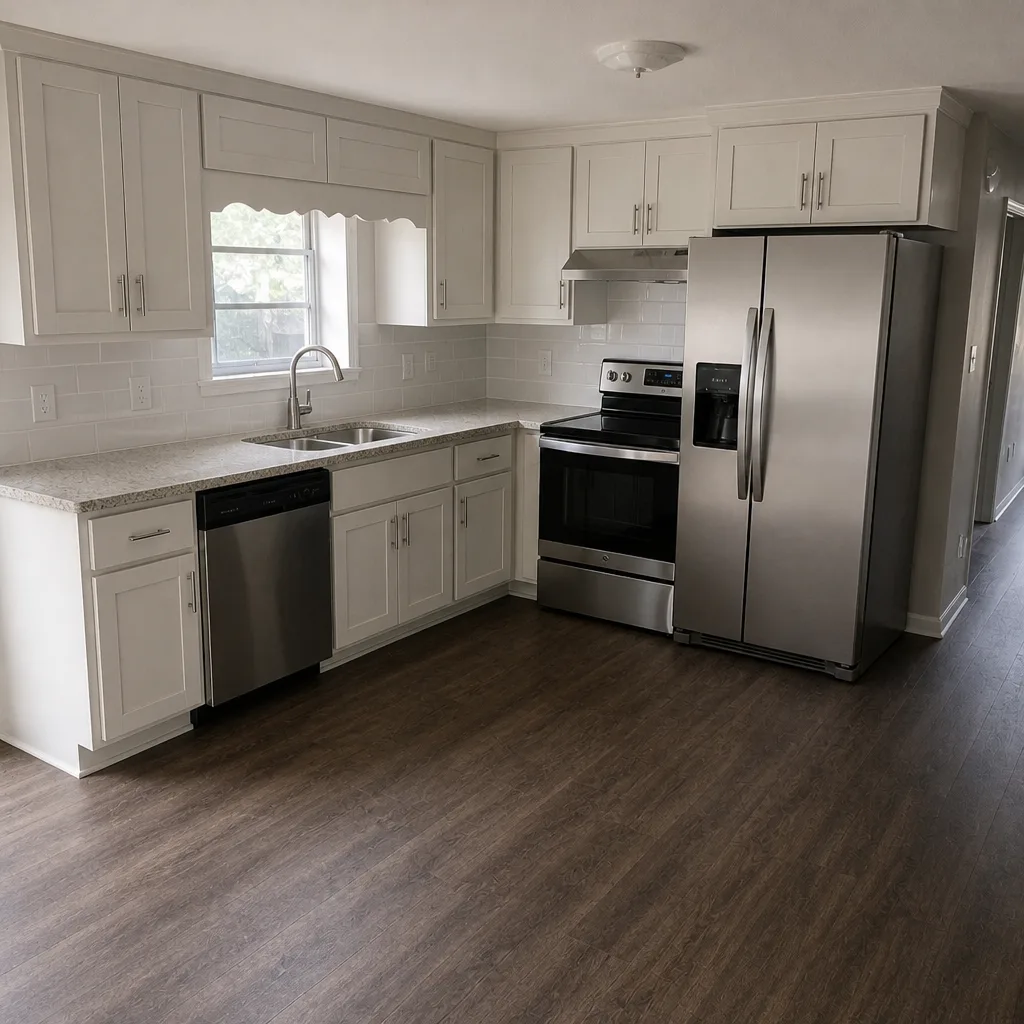 After
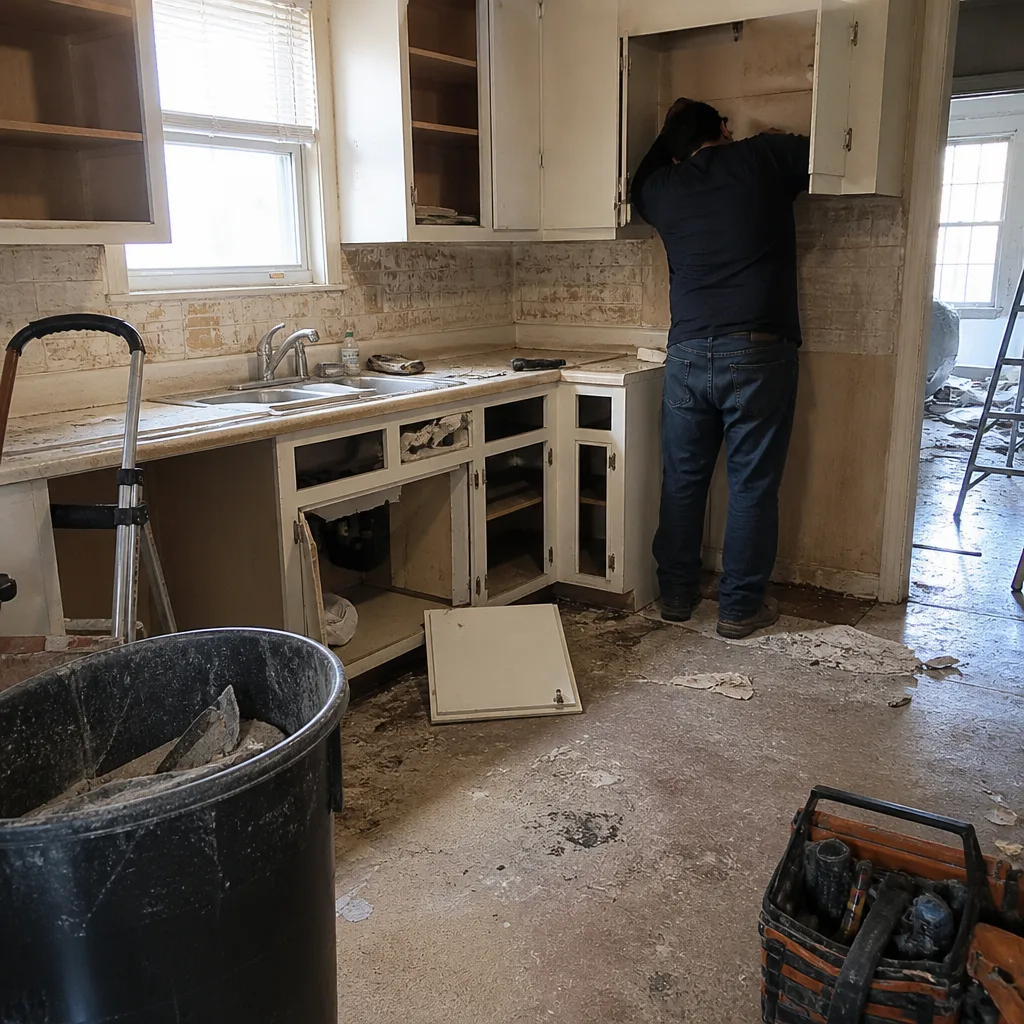 Before
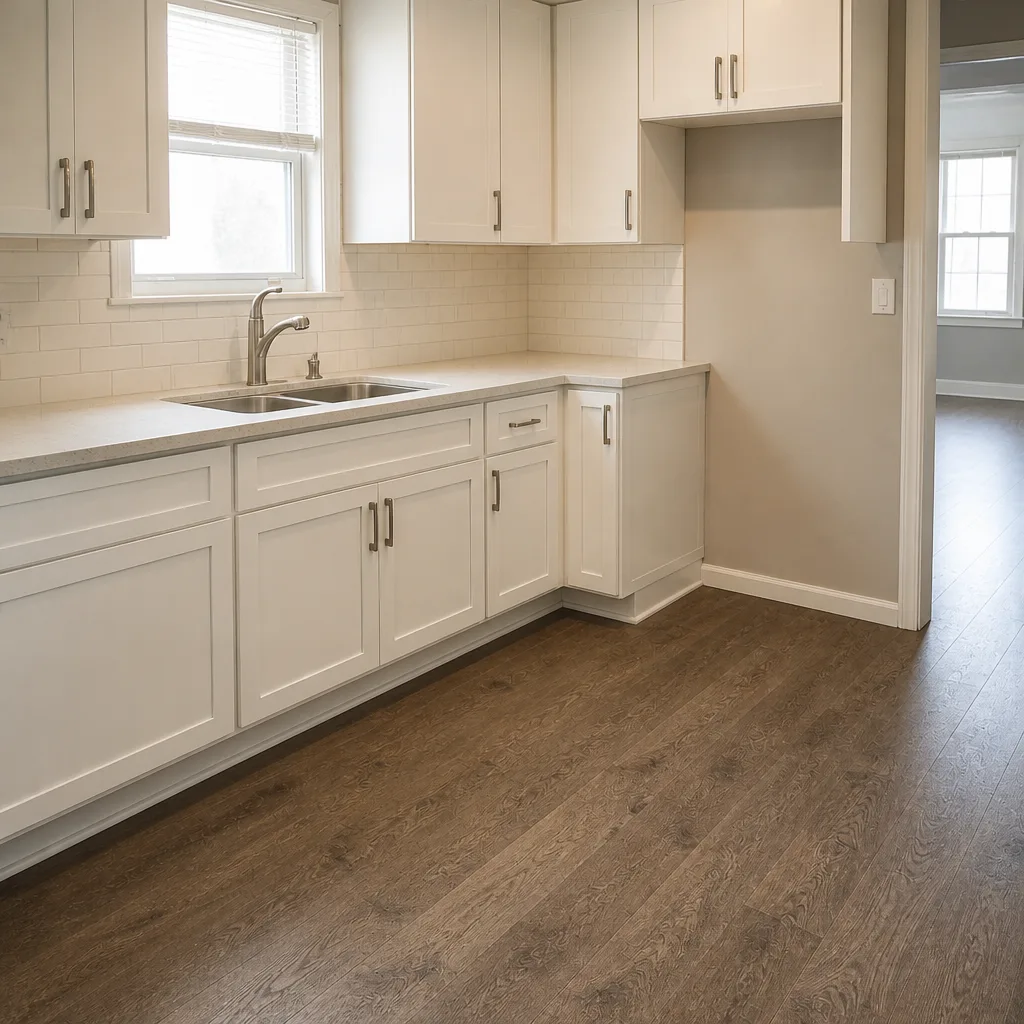 After
Double Hung vs Casement Windows in Fort Worth: Which One Actually Holds Up?
Choose casement windows unless your Fort Worth home sits in a historic district with a design-review overlay, in which case double-hungs may be your only approved option. That’s the short answer, and it surprises people who’ve been told this is an aesthetics decision. It isn’t. It’s an air-infiltration and soil-movement question. Casements pull the sash into the frame gasket and hold it there under lateral wind pressure; double-hungs rely on compression weatherstripping that fights gravity and a channel that binds when a wall racks. Call (855) 912-5373 and we’ll tell you which one your address calls for.
Why This Decision Plays Out Differently in Fort Worth
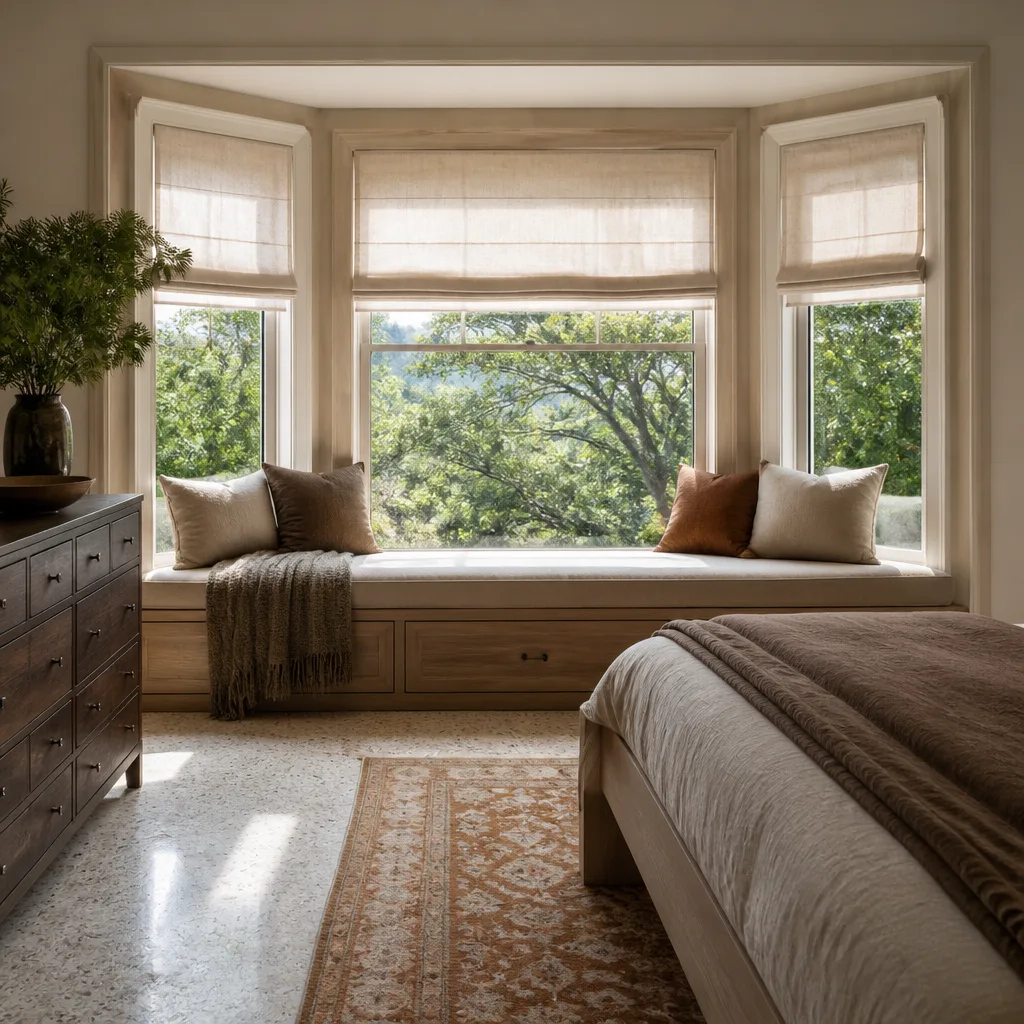
When a spring derecho pushes 70 mph straight-line wind against a house in Ryan Place or Fairmount, a double-hung’s sash channel is working against gravity. The weatherstripping compresses, but the sash can lift slightly, rattle, and leak air at the meeting rail. A casement’s crank mechanism pulls the sash into the frame gasket and seats it there. The harder the wind pushes, the tighter the seal gets on the windward side.
That matters here more than in most of the country because North Texas’s primary storm threat isn’t a named hurricane. It’s straight-line wind and hail out of spring supercells. We install impact-rated and high-DP units across Tarrant County for exactly this reason, and casements consistently achieve higher air-tightness ratings under lateral pressure in the product tiers we work with.
We also have the issue of clay. The expansive black clay soils under Fort Worth move seasonally, and piers on older houses move with them. Walls rack a little. On a pier-and-beam bungalow in Fairmount, a double-hung sash channel can bind so badly after a few wet-dry cycles that the window simply won’t open. Casement hardware handles a small out-of-square opening without sticking. That’s not a cosmetic difference. It’s the difference between a window you operate and one you don’t.
The Comparison, Side by Side
| Factor | Double Hung | Casement |
|---|---|---|
| Air-tightness under wind | Compression seals; sash can lift and leak | Sash pulls into gasket; seal tightens with pressure |
| Soil movement tolerance | Channel binds when walls rack | Accommodates minor out-of-square openings |
| Cooling-season performance (south/west) | Higher infiltration load | Lower infiltration load, less AC strain |
| Historic-district approval | Historically appropriate for Craftsman bungalows | Often fails design review |
| Ventilation | Top-down / bottom-up flexibility | Full openable area |
| Screen and maintenance | Screen fixed on exterior | Screens on the interior side |
Fort Worth’s Long Cooling Season Favors Casements on South and West Walls
Fort Worth logs more than 200 days above 80°F in a typical year. That’s a cooling season, not a stretch of heat. On south and west elevations, where the afternoon sun loads the wall for hours, the infiltration load on windows becomes a real line item on your electric bill.
Tighter seals mean less outside air pulled into the AC return. That’s why we steer homeowners toward Andersen’s 400 Series casement units, which carry some of the highest NFRC ratings available in the product tier we install. Pella is a solid second option in the same range. If a house has west-facing bedrooms with a double-hung jam that rattles in wind, swapping those specific openings to casements often does more for comfort than replacing the whole house.
When Double-Hungs Are the Right Call
If your address sits in one of Fort Worth’s historic districts with a design-review overlay, casements may not clear the district. The Fairmount, Ryan Place, and Stockyards-area blocks carry review requirements, and crews pulling permits here learn quickly that what passes in Walsh Ranch won’t pass inspection on a 1920s bungalow block.
For those homes, double-hungs are the historically appropriate choice. Full stop. A Craftsman bungalow with vinyl casements on the front elevation may be functionally superior and still get rejected at review. Don’t budget for a window you can’t install.
Double-hungs also make sense on side and rear elevations where aesthetics are less scrutinized and you want the top-down ventilation flexibility. Some homeowners prefer that operation, and it’s a reasonable preference.
What the Decision Costs in Fort Worth
Window replacement here typically runs $4,500 to $15,000 for a whole-house scope, and impact-rated installation runs $8,000 to $25,000 depending on count and glazing. The double-hung-versus-casement choice itself has only a modest price gap in comparable product tiers; the larger driver is frame condition, glazing package, and how many openings need full-frame versus sash-only work.
- Window replacement (whole house): $4,500-$15,000
- Impact-rated windows: $8,000-$25,000
We give upfront pricing. The number you see is the number you pay, and projects over $10,000 get $1,000 off. We also offer 0% financing for 18 months.
How Our Crews Approach It
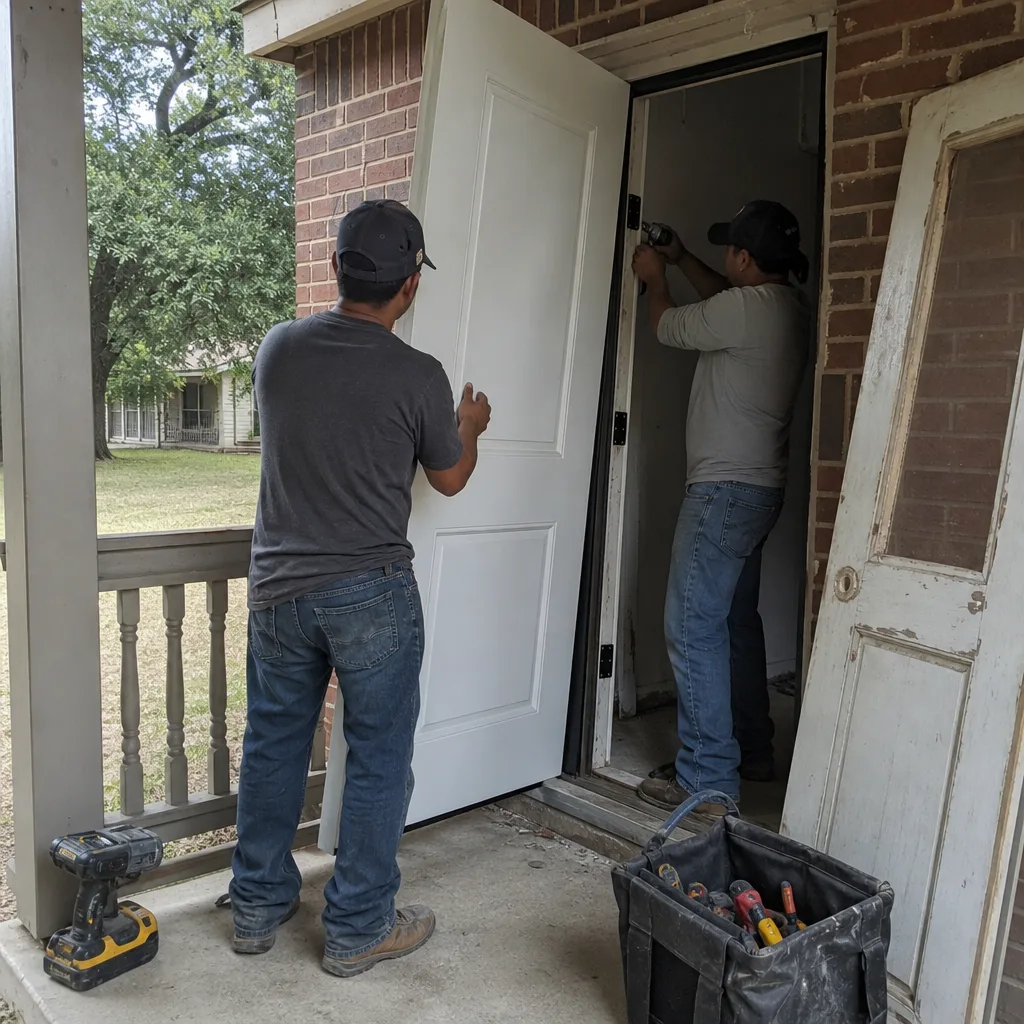
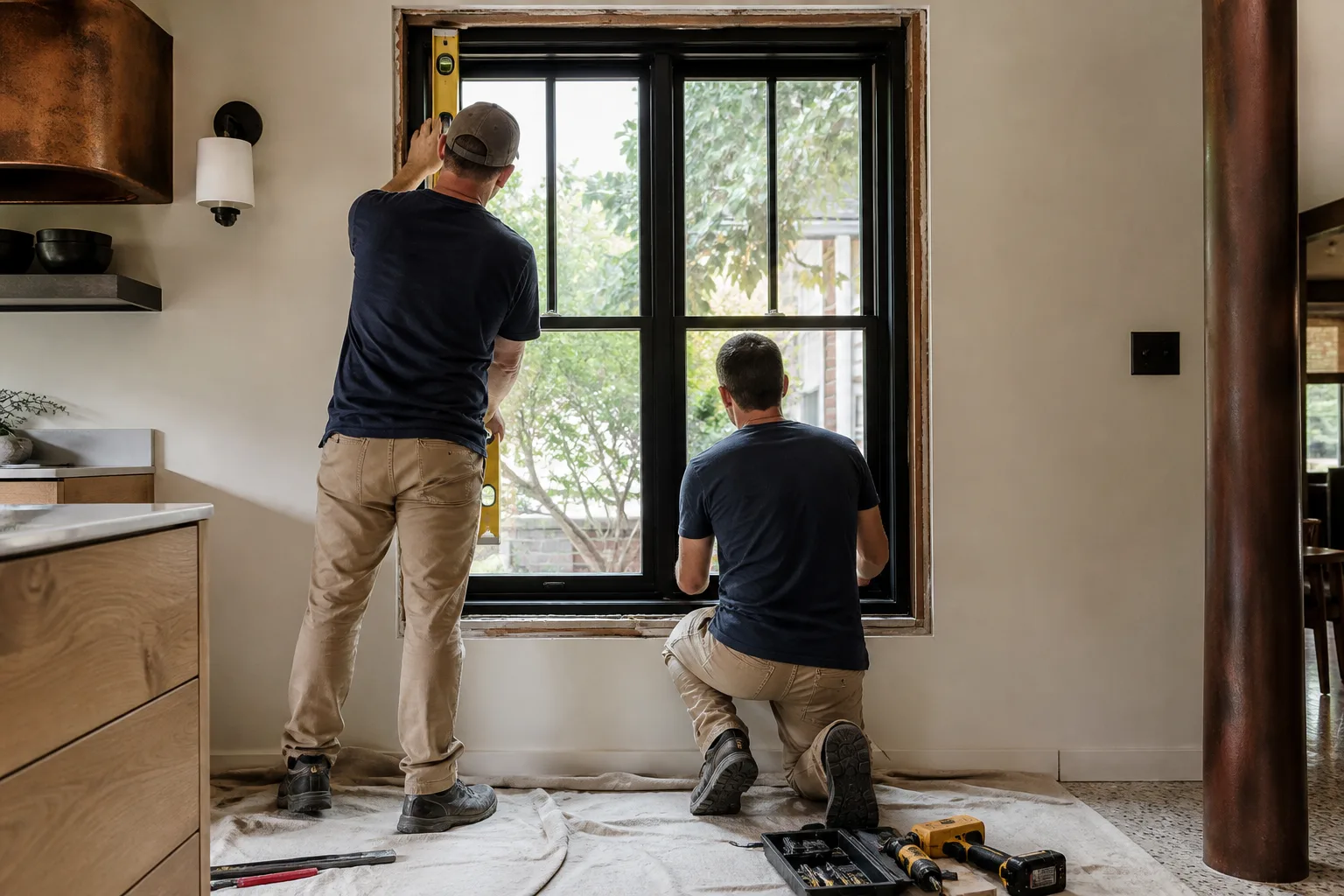
One detail that separates a good window install from a bad one: how the crew handles the openings themselves. On a 1920s Fairmount pier-and-beam, the rough opening is likely out of square before anyone touches it. Shimming and squaring is the work, and casement hardware is more forgiving of what you find behind the trim.
Our background-checked, uniformed technicians have up to 12 years of experience and carry both sash-replacement and full-frame casement capabilities. You’re not pushed into one product family because that’s the only thing a particular crew knows how to install. We walk the opening, measure against the actual frame condition, and recommend what fits.
Every project is covered by the 730-Day Done Right Promise: if it isn’t done right, we make it right. Combined with Andersen and Pella on the window line and GAF and Owens Corning on roofing, you get a single contractor for the exterior work across our full scope. That matters when window and roofline met in the storm.
Common Fort Worth Scenarios
- Fairmount pier-and-beam bungalow, badly binding double-hungs: Start with the hardware, evaluate whether the rough opening has racked, and check the design-review overlay before specifying casements.
- Newer tract home in the northwest near Loop 820: No historic overlay, higher wind exposure, so casements on south and west elevations are a strong fit.
- Mid-century brick ranch on the east side: Solid slab, less racking, but the long west wall takes afternoon heat. A casement upgrade there often pays off in comfort before it pays off in bill savings.
- Walsh Ranch custom build with wind-rated requirements: Impact-rated casements on the exposed elevations, standard double-hungs where the code and the architecture allow it.
If you want to see how window work fits into a broader exterior scope, see our Windows & Doors page.
FAQs
In most cases, yes. Casements seal tighter against North Texas straight-line wind events and handle minor frame racking from clay-soil movement better than double-hungs. The exception is a home in a historic district with a design-review overlay, where double-hungs may be required regardless of performance. Call (855) 912-5373 for a free assessment.
Whole-house window replacement typically runs $4,500 to $15,000, and impact-rated installation runs $8,000 to $25,000. The double-hung-versus-casement decision itself is a modest price difference; frame condition and glazing package drive the total. Call (855) 912-5373 for an upfront quote.
Often, yes. If the frame is sound and the issue is a failed balance, broken sash cord, or binding channel, a sash-and-hardware repair can keep the window working. If the wall has racked or the weatherstripping has failed, replacement is the better spend. We’ll tell you which you’re looking at before quoting either.
Yes, on south and west elevations where infiltration load is highest. Tighter gaskets and higher NFRC ratings in the Andersen 400 Series and Pella product lines reduce air pulled into the AC return. The savings show up, but the comfort difference is usually what homeowners notice first.
Ready to Decide?
If you’d rather have it looked at, Groundwork Construction Co. of Fort Worth offers a no-pressure assessment in Fort Worth. We’ll walk the openings, check the frame condition, and tell you which product fits your house and your neighborhood. Call (855) 912-5373.
Written by the team at Groundwork Construction Co. of Fort Worth, serving Fort Worth, TX.