
Free written scope consultation - allowances, timeline, and change-order rules on paper before a single trade is scheduled
Styles & brands we work with
- Kitchen remodeling
- Bathroom remodeling
- Home additions & ADU
- Roofing
- Windows & doors
- Driveway & pavers
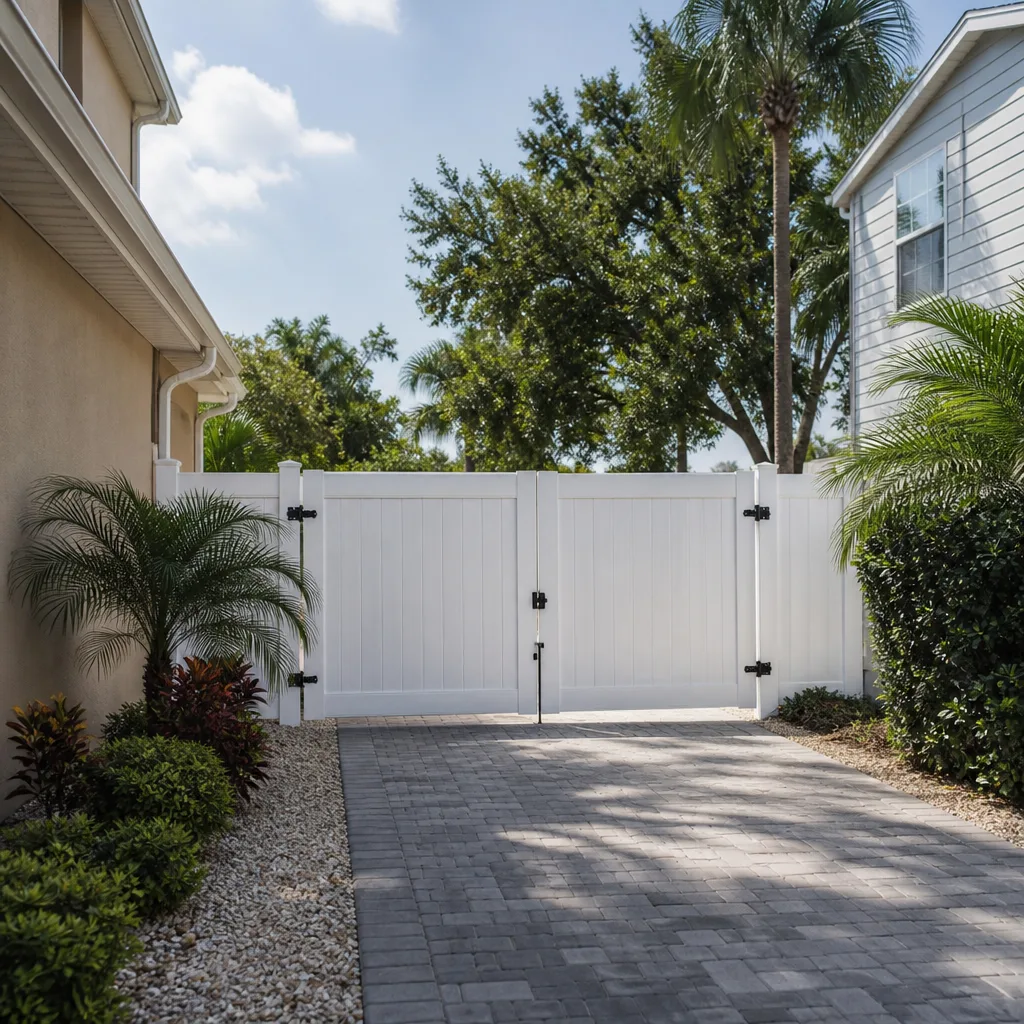
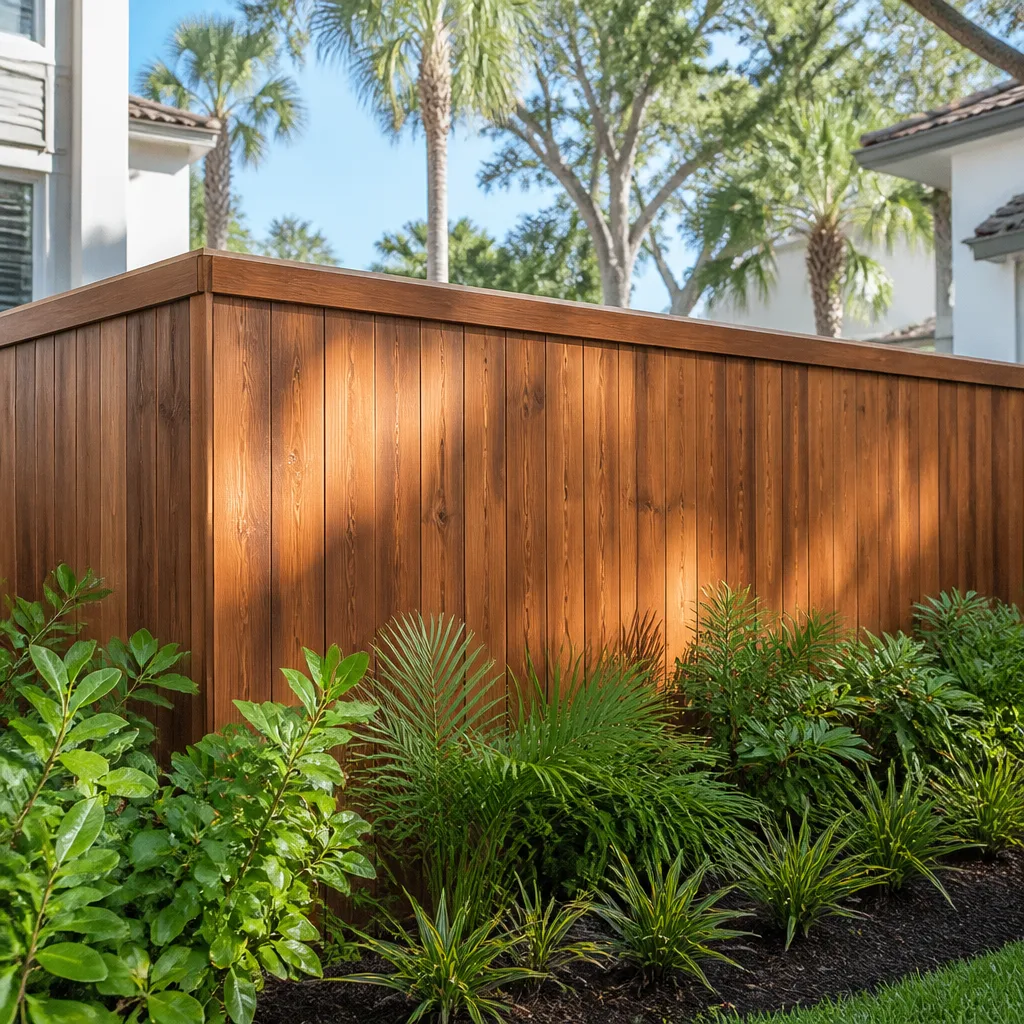
- Fence
See the difference
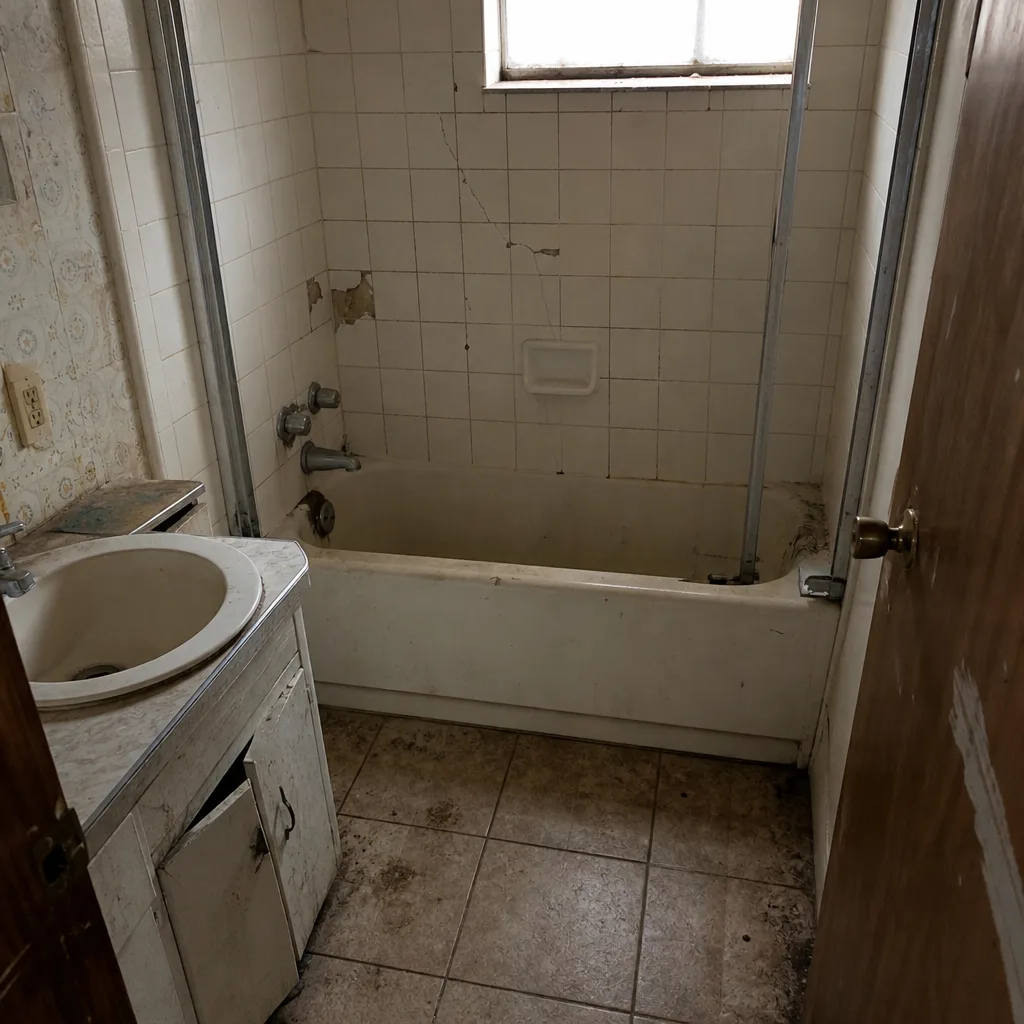 Before
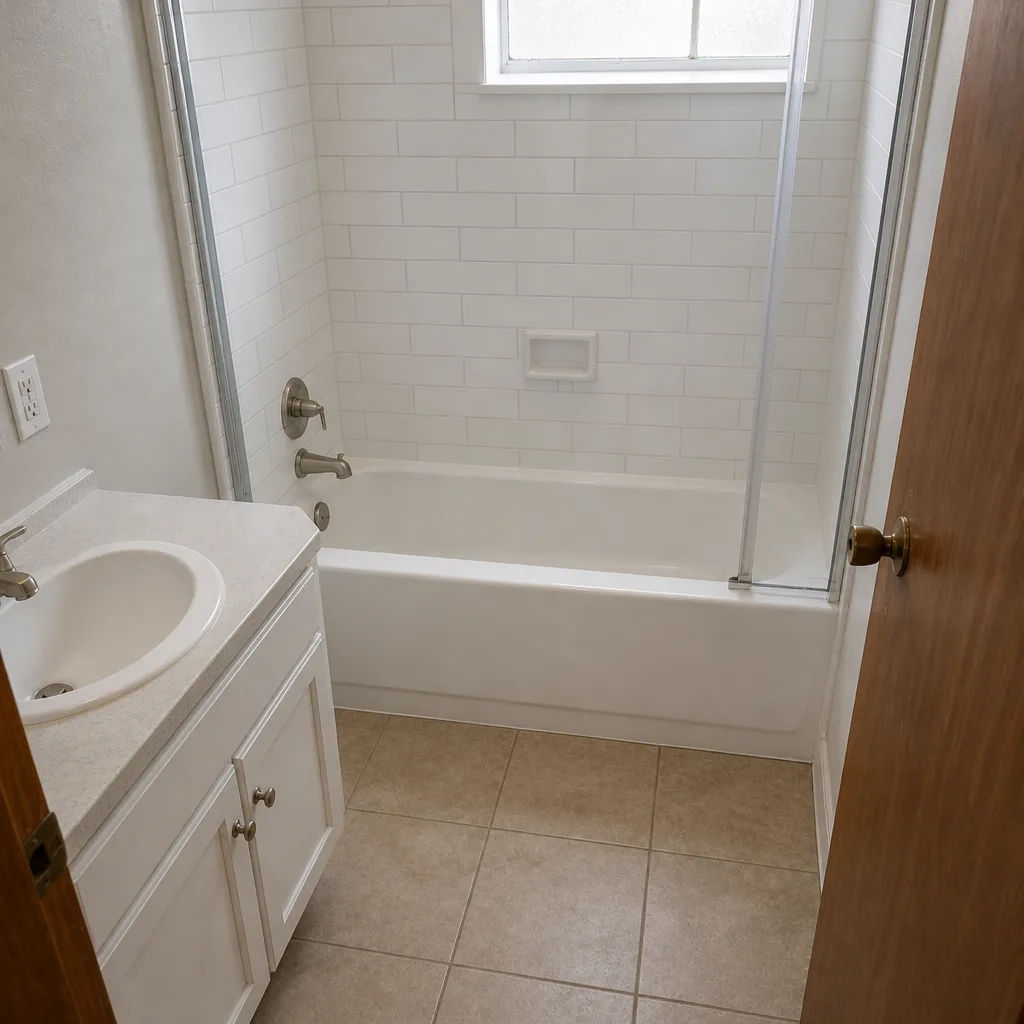 After
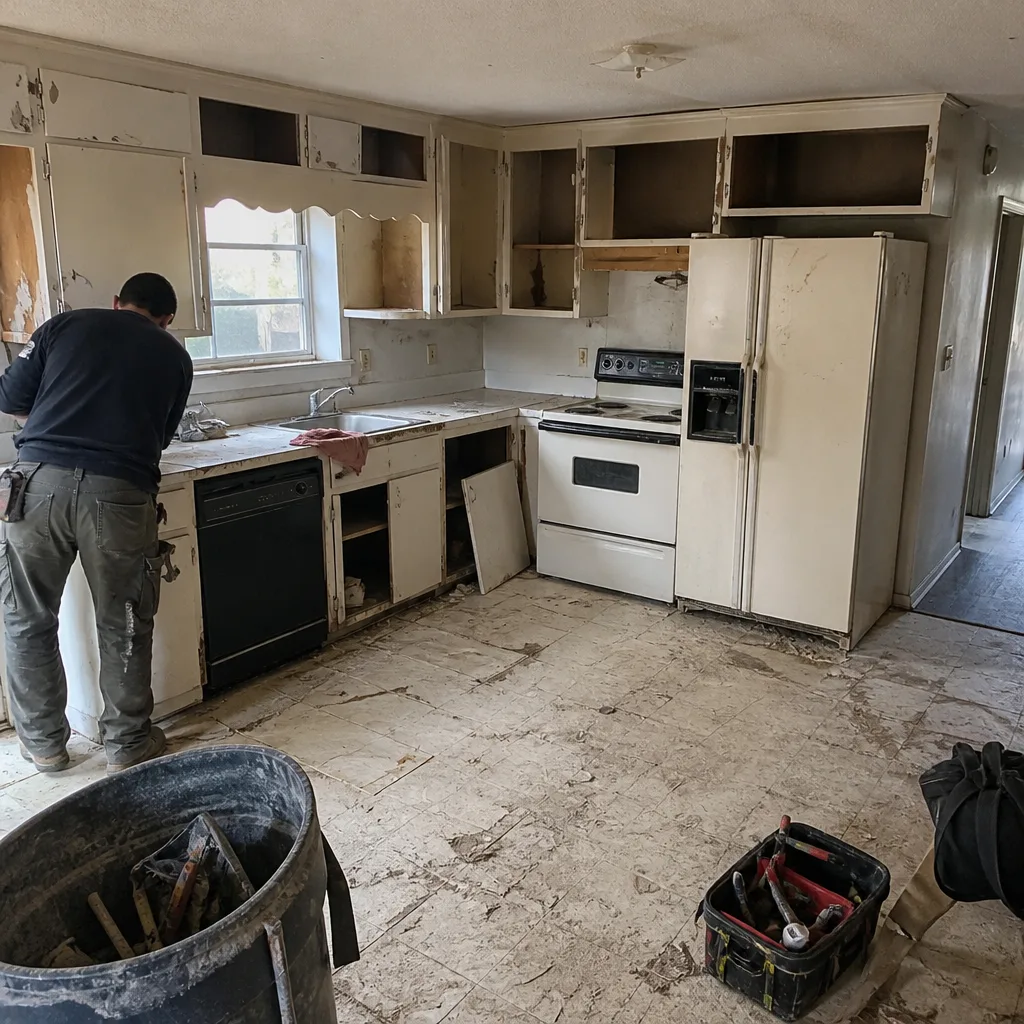 Before
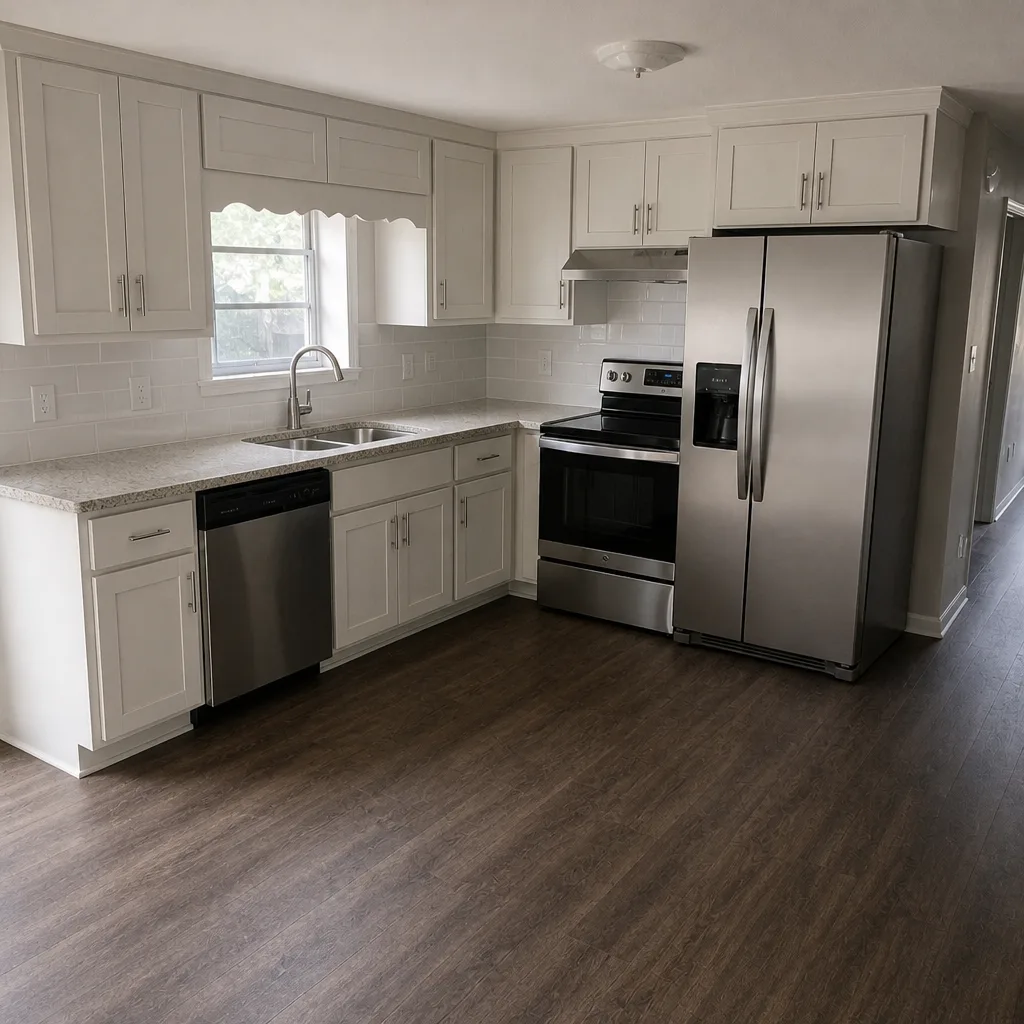 After
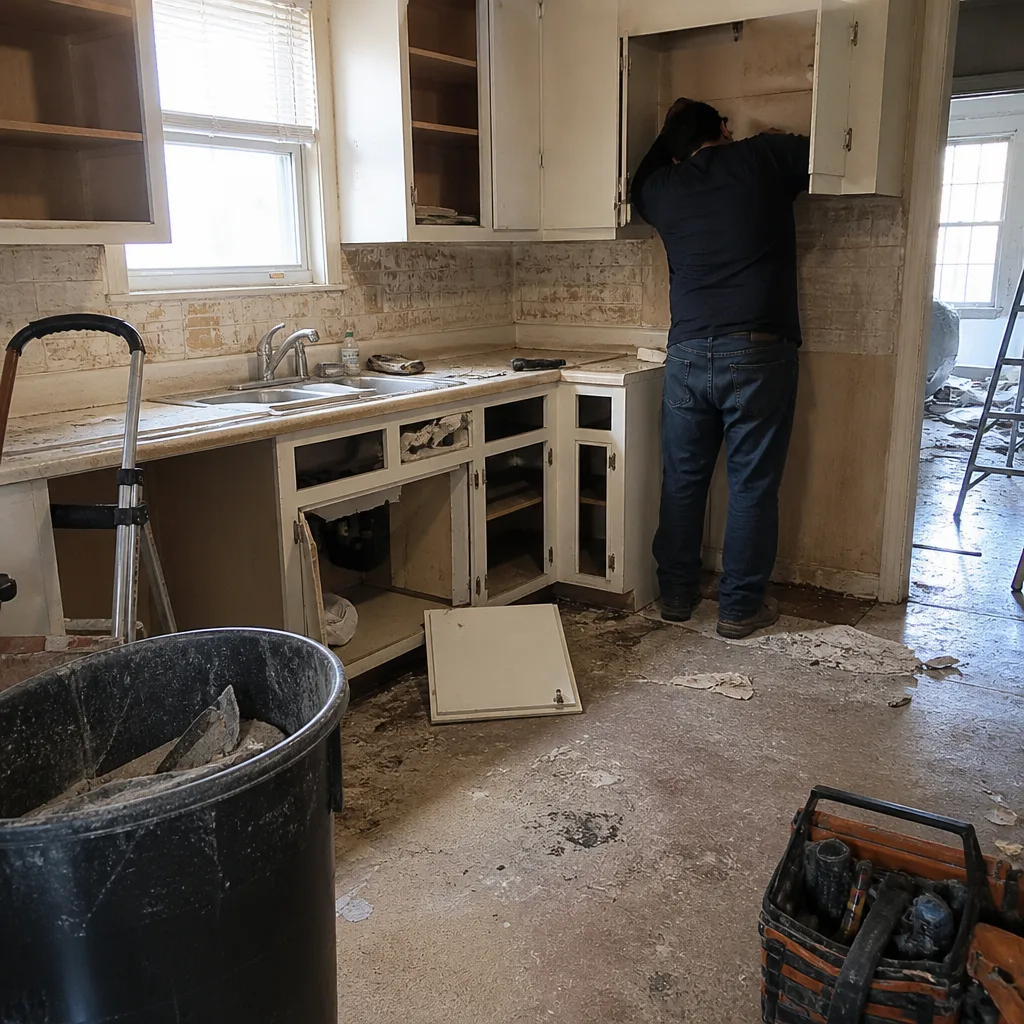 Before
 After
Do You Need a Permit to Build a Fence in Fort Worth? It Depends on Your Address
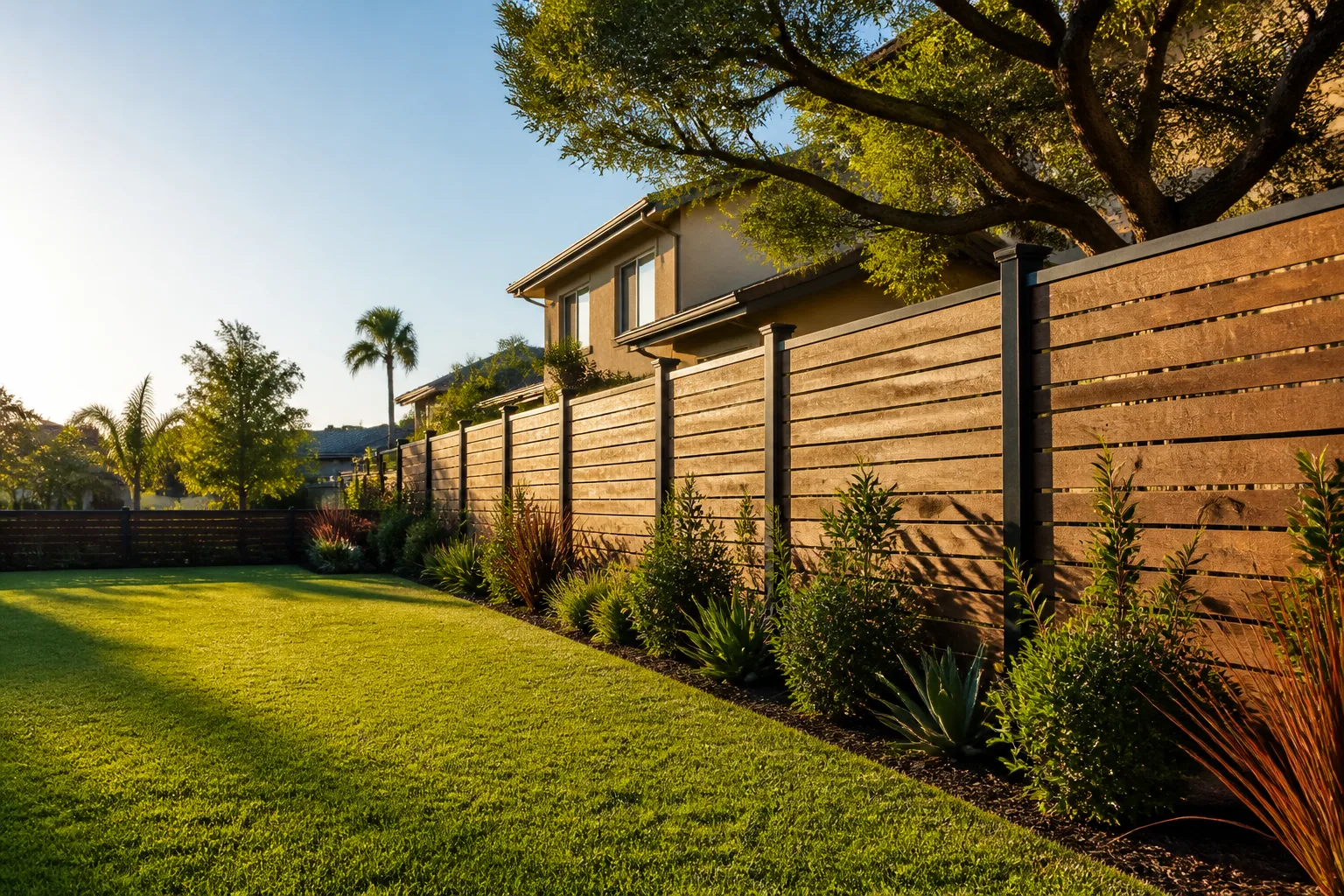
The short answer: in most standard Fort Worth residential zones, a fence under 6 feet tall does not require a building permit. But that single answer will get some homeowners into a stop-work order and leave others perfectly fine, because Fort Worth’s rules aren’t one standard. They divide by zoning district, flood-plain status, corner-lot sight lines, historic overlay, and HOA jurisdiction. A 6-foot cedar privacy fence can go up with zero paperwork in a Walsh Ranch subdivision and stall for 60 days in a Fairmount historic review, same city, same material, opposite outcomes. If you want a straight read on your specific address before anyone digs a post hole, call Groundwork Construction Co. of Fort Worth at (855) 912-5373. Estimates are free, and we pull permits as standard practice, not as an upsell.
Key Takeaways
- Fences under 6 feet in standard residential zones usually skip the building permit.
- Historic overlays (Fairmount, Ryan Place, Stockyards) require Certificate of Appropriateness review before any fence visible from the street.
- HOA architectural review in master-planned communities runs parallel to city review, and passing one doesn’t mean passing the other.
- Shared property lines require a survey or recorded plat check before installation.
- Flood-plain zones and corner-lot sight triangles carry their own separate requirements.
What we see on the ground in Fort Worth is a city building over its own history at two speeds. Century-old bungalow blocks in Fairmount and Ryan Place sit a few miles from greenfield sprawl pushing past Loop 820 toward Alliance and Walsh Ranch. On one street a crew is matching true-dimension lumber on a 1920s porch; two miles away they’re framing slab-on-grade new construction. The permit path for a fence changes just as fast between those addresses.
Fort Worth’s Tiered Fence Permit Structure, Laid Out
Here’s how the tiers actually break down for a fence in Fort Worth, in the order that trips people up.
| Scenario | Permit / Review Path |
|---|---|
| Standard residential zone, fence under 6 ft | Typically no building permit required |
| Fence 6 ft or taller in most residential zones | Building permit and inspection required |
| Flood-plain zone | Separate floodplain review before installation |
| Corner lot with sight-triangle restriction | Height and placement review at the corner |
| Historic overlay (Fairmount, Ryan Place, Stockyards) | Certificate of Appropriateness from design review |
| HOA subdivision (Walsh Ranch, Alliance corridor) | Architectural review committee approval, parallel to city |
Two of those rows are where we spend most of our time with homeowners who already got the national answer from a Google search and assumed it applied. It didn’t. Zoning and height are the starting point, not the finish line.
Fence installation in Fort Worth realistically runs $3,500-$9,000 for a typical residential job, and vinyl runs $3,500-$9,000 while aluminum sits at $4,000-$10,000. Permit fees and any historic or HOA review costs are a separate line item on top of that, which is another reason to know the rules before you pick a material.
The Historic Overlay Is Where Fence Projects Stall
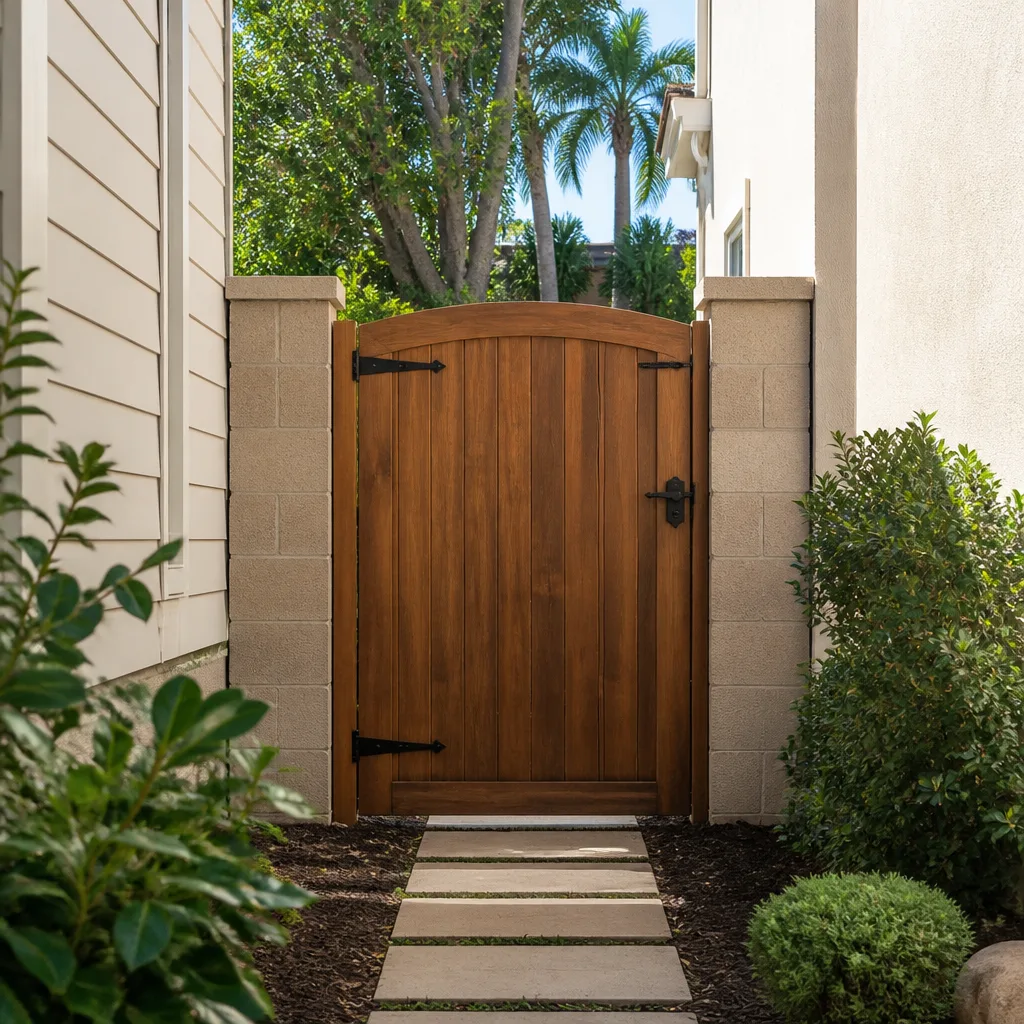
Fairmount and Ryan Place carry design-review overlays, and so does the Stockyards area. Inside those boundaries, any fence visible from the street needs a Certificate of Appropriateness, and that approval covers material type, color, and height. Not just “is it wood” but which wood, what stain, and how tall.
A contractor who hasn’t pulled permits inside those zones will submit a design, get it bounced, resubmit, and burn 6-8 weeks in re-review before a single panel goes up. We’ve watched jobs sit through two cycles because the first submittal used a fence profile the district had already rejected. The review board knows what it wants; the trick is knowing it before you submit.
This is the same story that plays out on porch rebuilds and exteriors in those blocks. What flies in a new subdivision won’t pass in a 1920s bungalow block, and a fence is no exception. If you’re planning broader exterior work alongside the fence, our Fence Installation team handles the permit side as a matter of course, and it’s worth reading through Fence Installation in Fort Worth for the material and layout side of the same decision.
HOA Review and City Review Are Two Different Gauges
Walsh Ranch and most of the Alliance-corridor subdivisions have architectural review committees with their own rules on height, material, and color. Those committees run parallel to the city. You can clear Fort Worth review cleanly and still get a letter from the HOA telling you the fence has to come down, because cedar isn’t on their approved palette or 6 feet is their ceiling, not yours.
Before a single post goes in, check both. In our experience the HOA review is often the slower of the two because committee meetings only happen on a schedule. A crew that shows up and starts setting posts on a Saturday before the committee has signed off is setting you up for a rebuild. We don’t start until both gates are open.
Shared Property Lines, Surveys, and the Neighbor Problem
Fort Worth requires a property survey or recorded plat verification before any fence goes on a shared property line. This is not red tape; boundary fence disputes are among the most common construction complaints filed with the city. The classic version: a homeowner installs a fence 18 inches onto the neighbor’s side, and three years later the neighbor sells and the survey comes out.
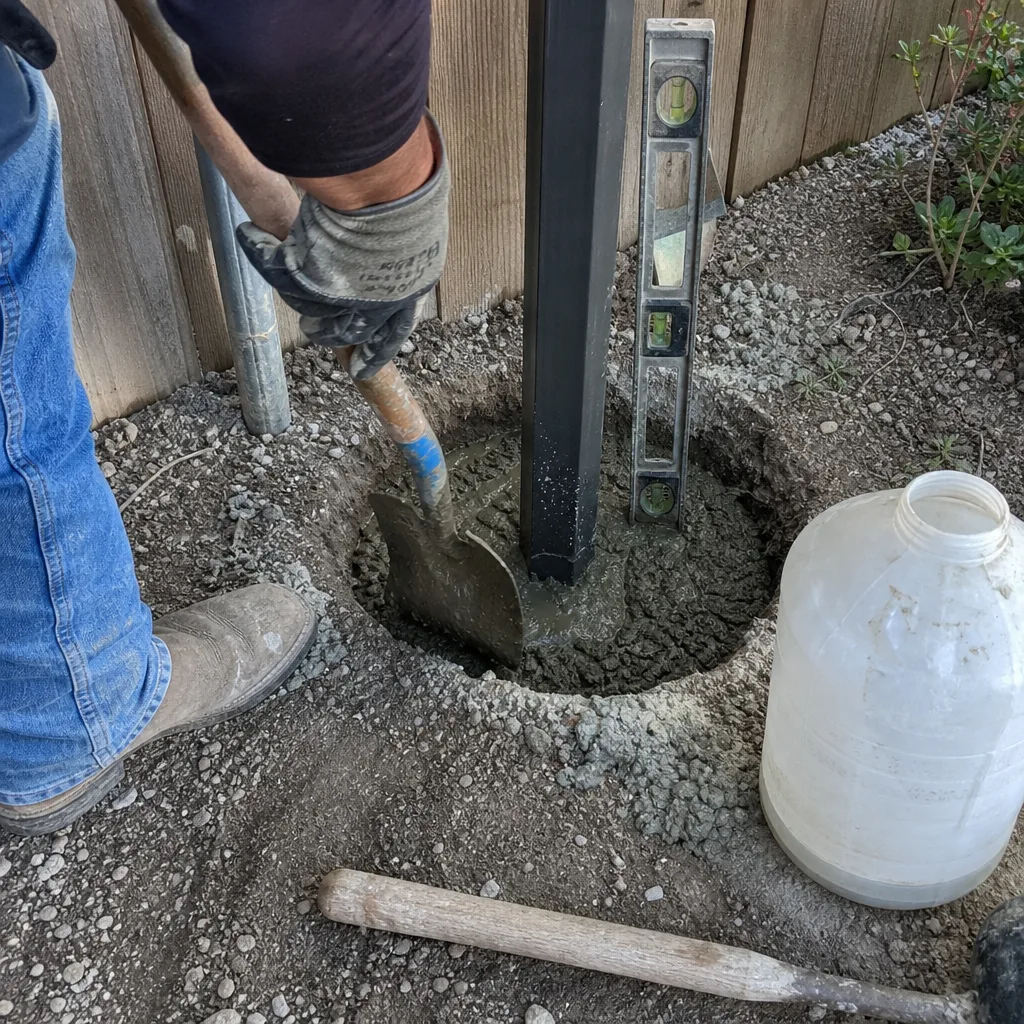
Get the plat or a current survey before we touch the line. If the boundary is unclear, we flag it and wait. That single step saves more arguments than any other part of the job. The north Texas black clay matters here too. Post depth and concrete matter because soil movement shifts a fence line over time just as it shifts a foundation, and a fence set shallow will lean off plumb within a season or two of a wet spring.
Why Permitted Work Is In Your Interest, Not Just Ours
The 730-Day Done Right Promise covers work built to code. That’s a plain statement, not fine print. If a fence was installed without the review it needed, the guarantee doesn’t have a leg to stand on, and neither does your position if the city asks for it to be corrected. Permitted work protects you, and it makes the guarantee real.
Groundwork Construction Co. of Fort Worth sends background-checked, uniformed technicians on every job, and our crews pull permits as standard procedure because we know the Fort Worth review landscape street by street. Our technicians have up to 12 years of experience, and the company is backed by a 730-Day Done Right Promise, live-person phone coverage around the clock, and no-hassle upfront pricing. We use GAF and CertainTeed products across our exterior work, and every job runs from foundation to finish line with one point of contact.
Common Local Scenarios We See
- A Fairmount homeowner wants a 6-foot privacy fence along the street. It needs a Certificate of Appropriateness first, and the material and stain have to match district review.
- A Walsh Ranch homeowner clears city review, then finds the HOA wants a different color and a lower height. Two approvals before one post.
- A corner lot in a standard residential zone wants 6 feet. Sight-triangle rules shorten the corner run.
- A shared property-line fence with no recent survey. We hold until the plat is verified.
FAQs
Usually not, as long as you’re in a standard residential zone with no flood-plain or historic overlay. Height is the first check, but it isn’t the only one, and a 5-foot fence in Fairmount still needs design review. Call (855) 912-5373 with your address and we’ll tell you which tier applies.
Plan on 6 to 8 weeks for a Certificate of Appropriateness in Fairmount or Ryan Place, and longer if the first submittal gets bounced. The review covers material, color, and height, so a rejected profile means a second cycle. Call us for a read before you submit.
Yes. City permitting and HOA architectural review are separate tracks, and clearing one means nothing to the other. Walsh Ranch and Alliance-corridor communities run their own committees with their own rules. Call (855) 912-5373 and we’ll walk both tracks with you.
You can face a stop-work order, a required correction, and a warranty that won’t cover work built outside code. The 730-Day Done Right Promise depends on code-compliant work. Call us first and we’ll get it set up correctly from the start.
If you’d rather have your address checked against the actual rules than guess, Groundwork Construction Co. of Fort Worth offers a free, no-pressure assessment in Fort Worth. One call sorts out the permit tier, the HOA question, and the survey. Call (855) 912-5373. You’ll reach a live person, and we’ll tell you straight what your fence needs.
Written by the team at Groundwork Construction Co. of Fort Worth, serving Fort Worth, TX.