Free written scope consultation - allowances, timeline, and change-order rules on paper before a single trade is scheduled
Styles & brands we work with
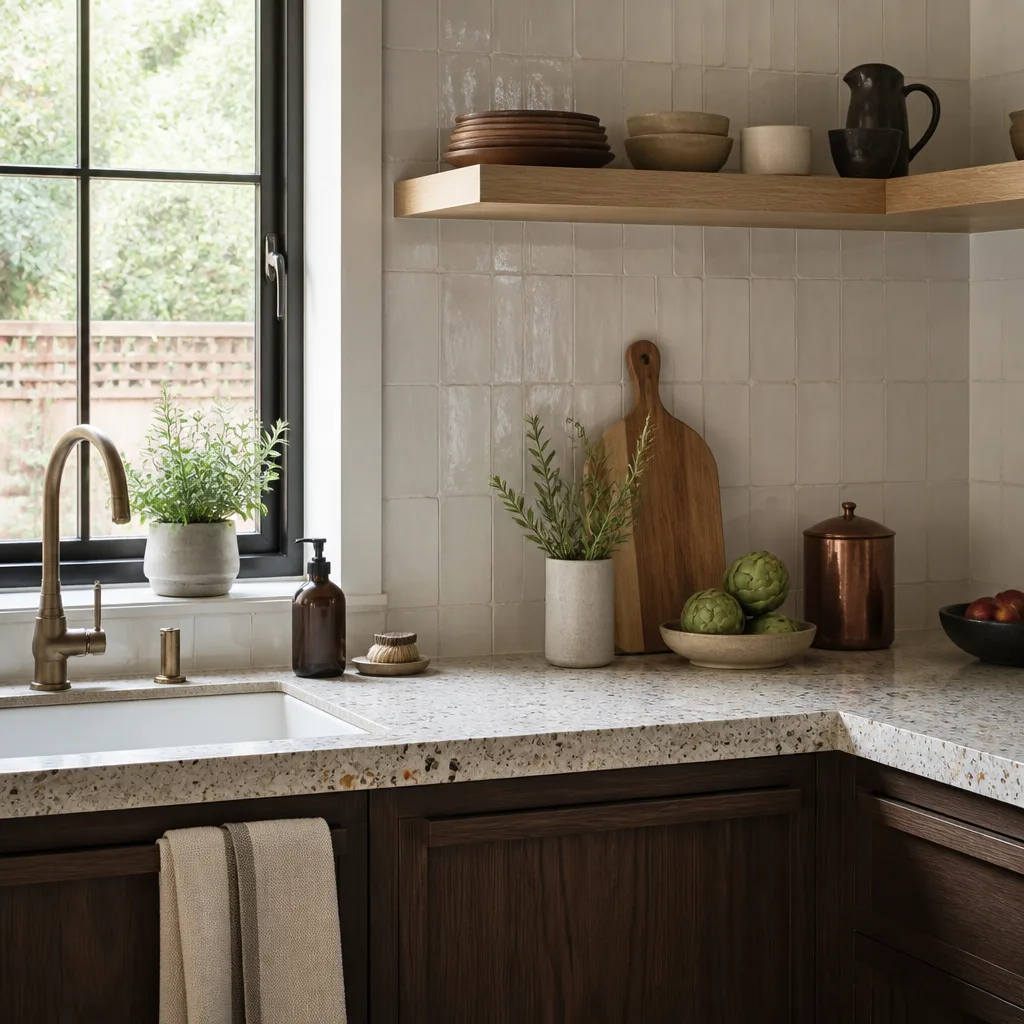
- Kitchen remodeling
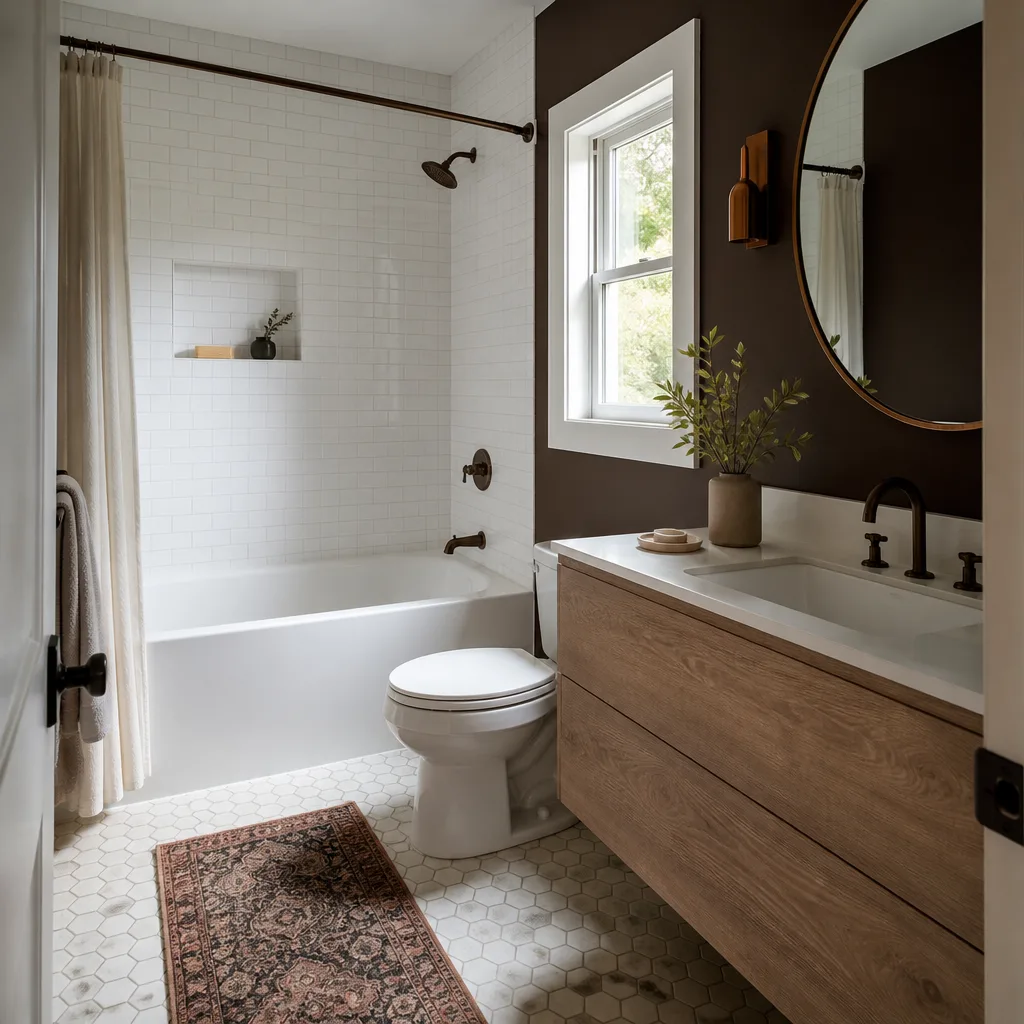
- Bathroom remodeling
- Home additions & ADU
- Roofing
- Windows & doors
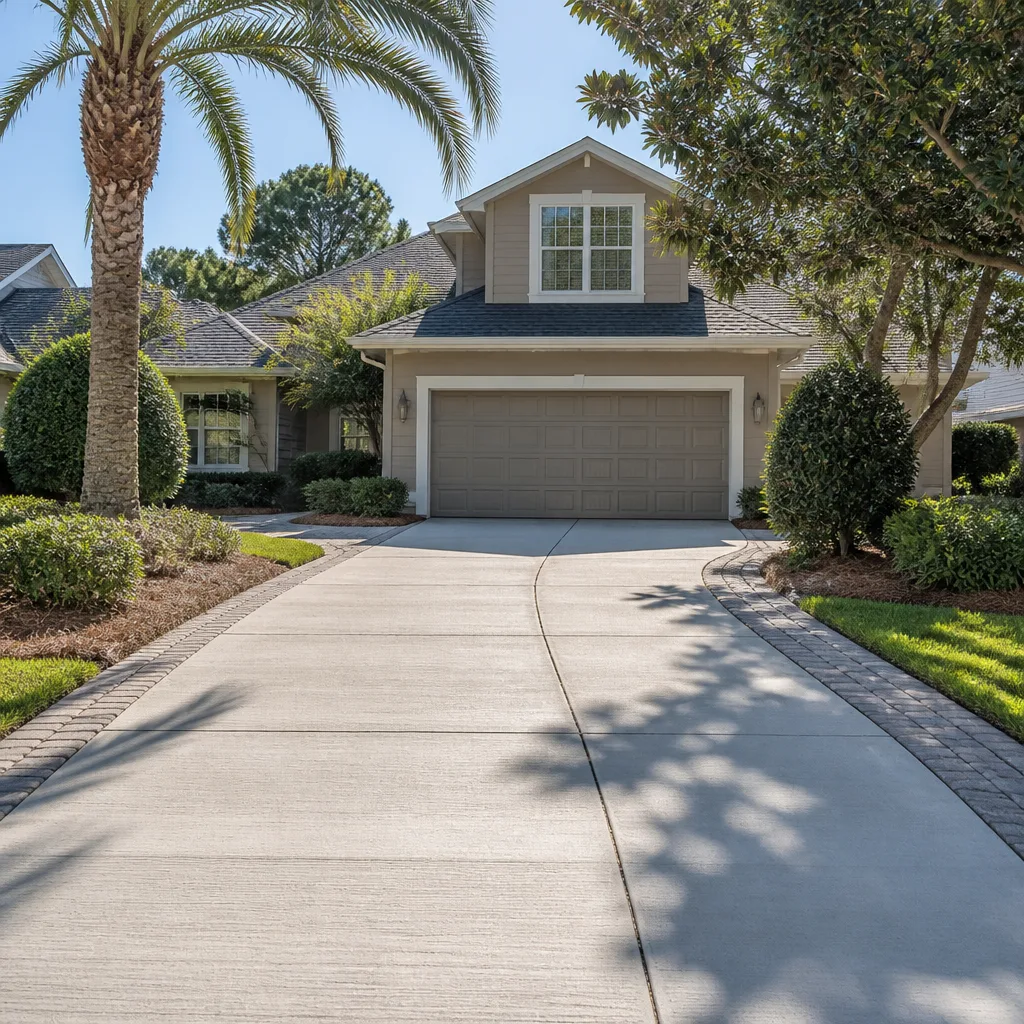
- Driveway & pavers
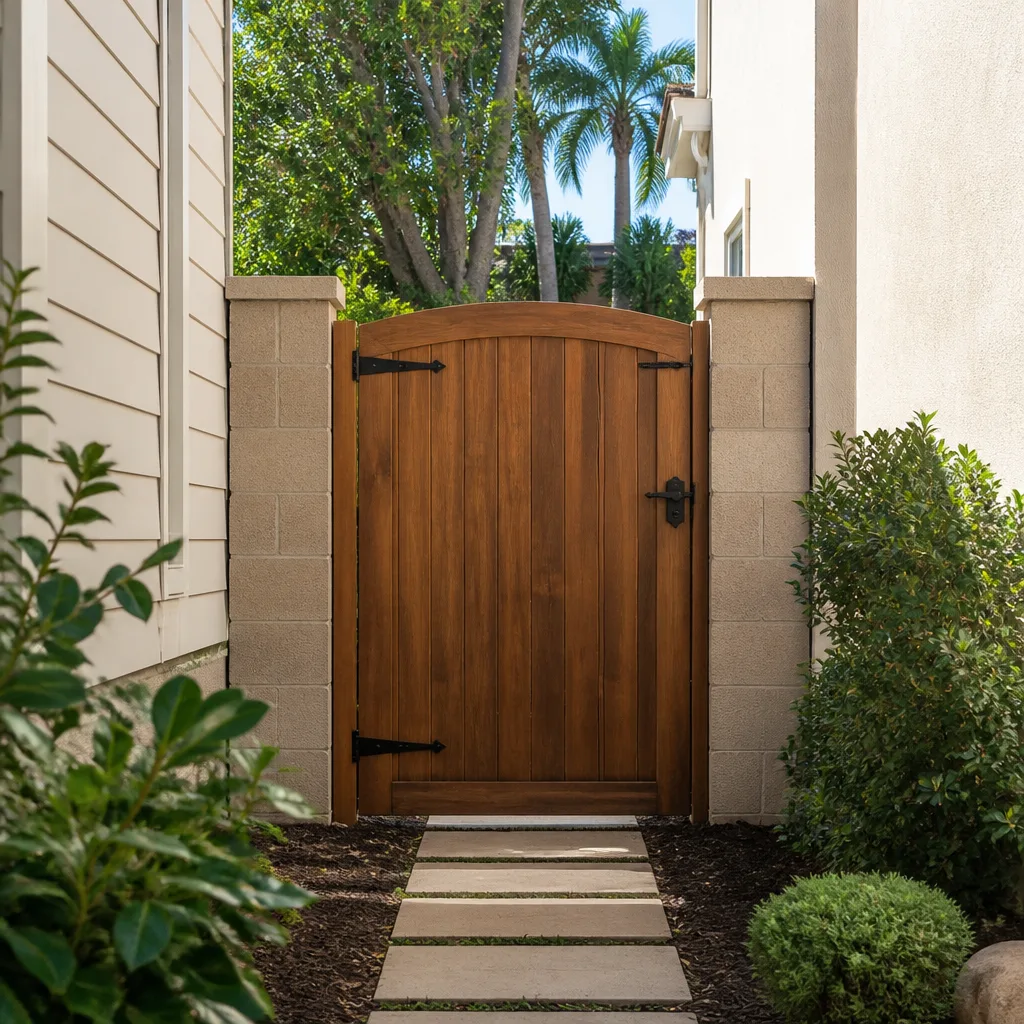
- Fence
See the difference
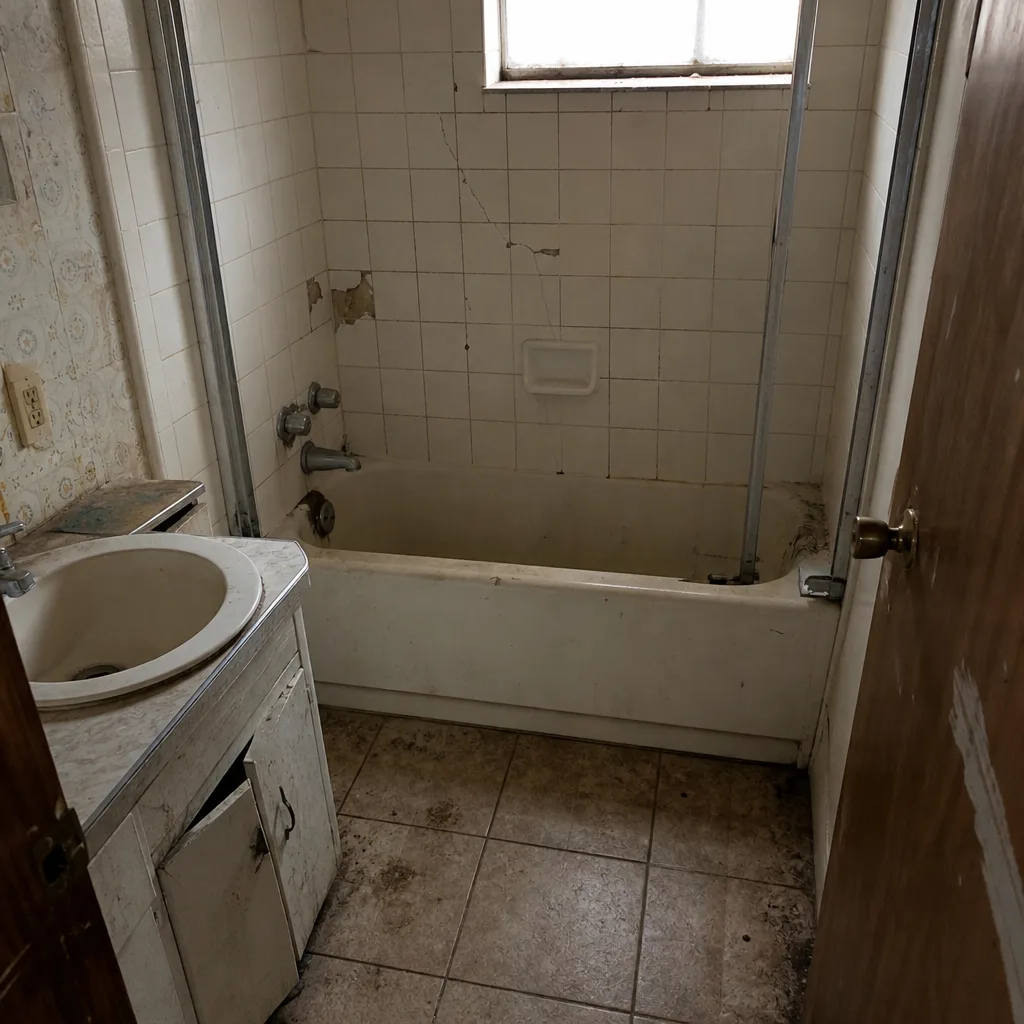 Before
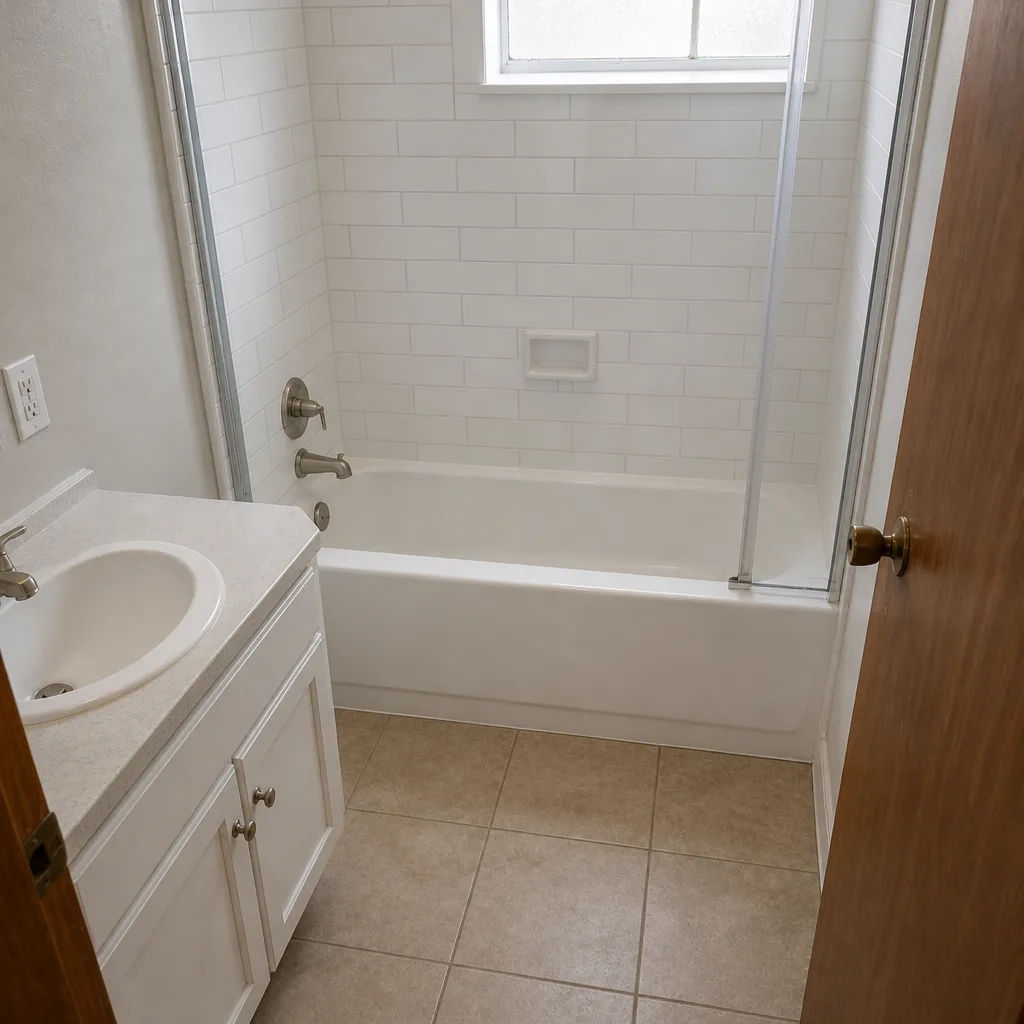 After
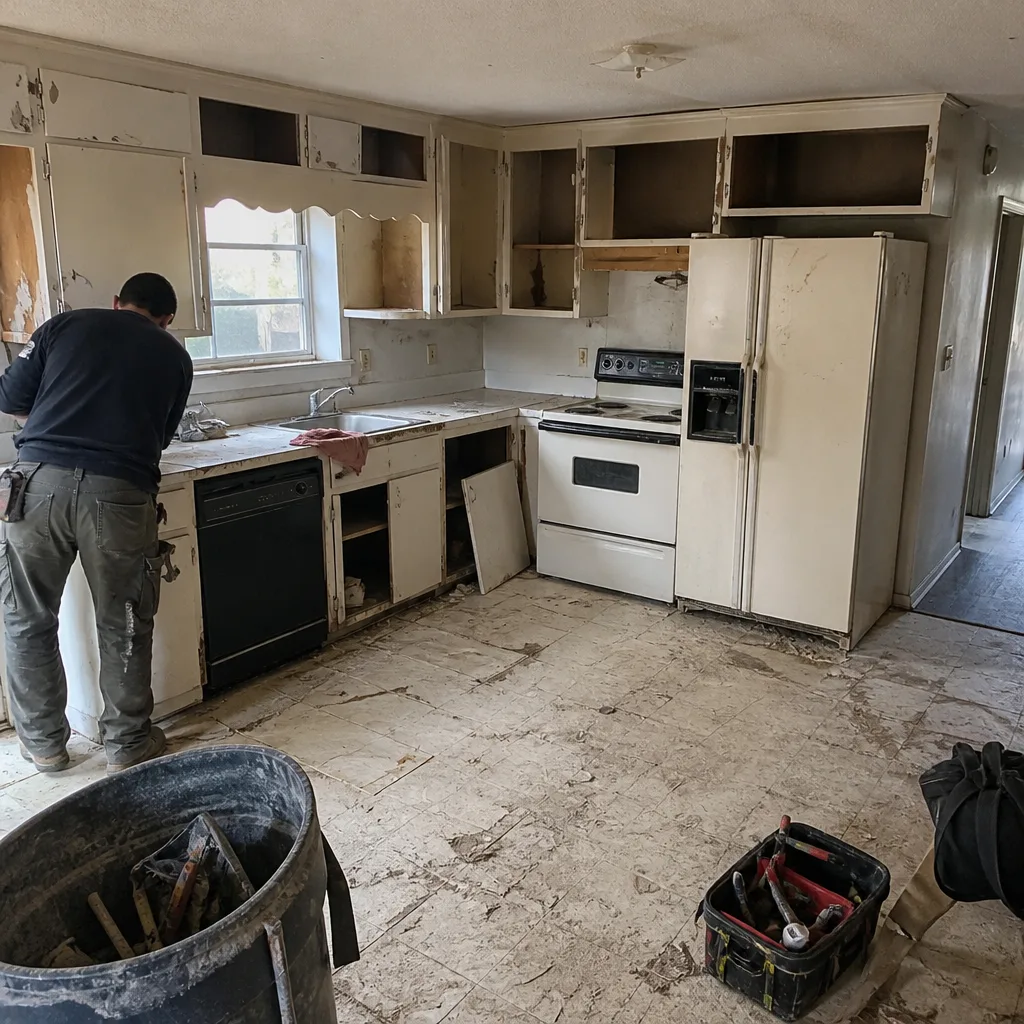 Before
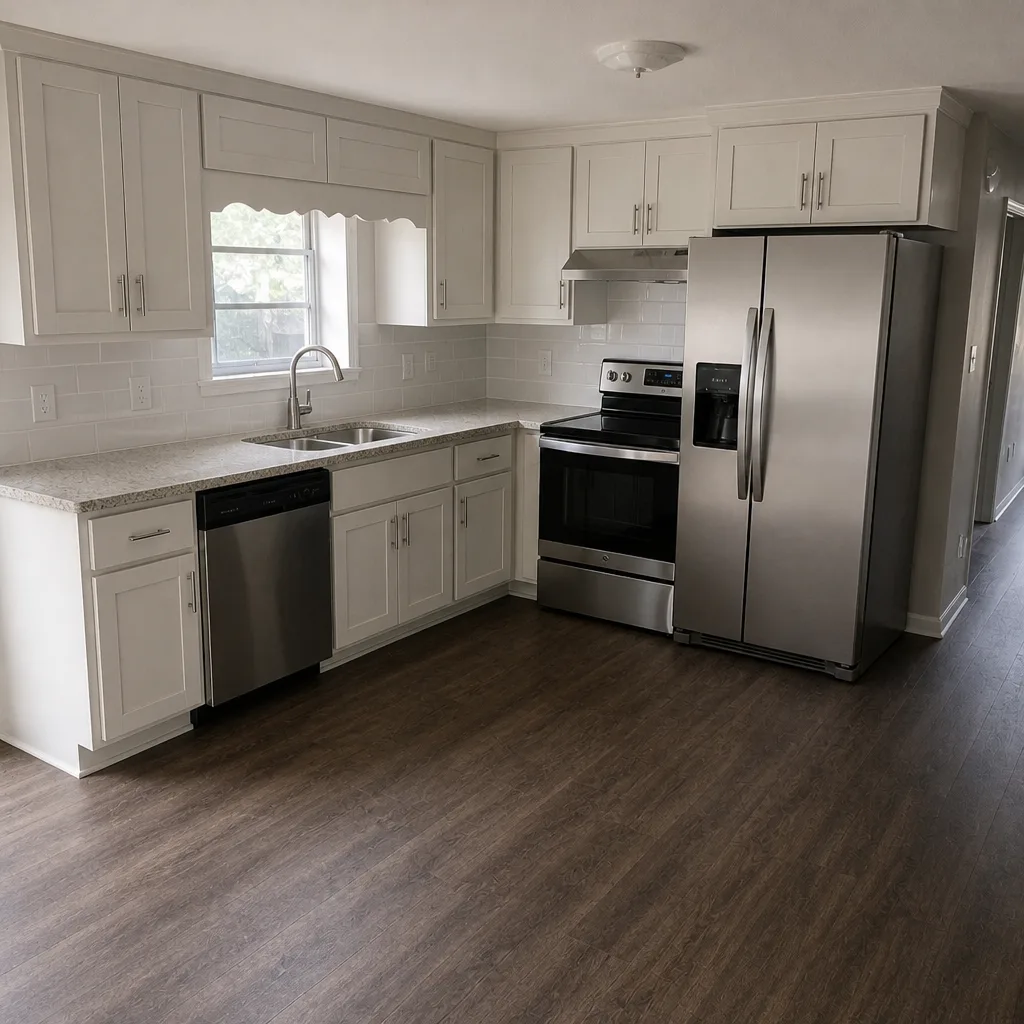 After
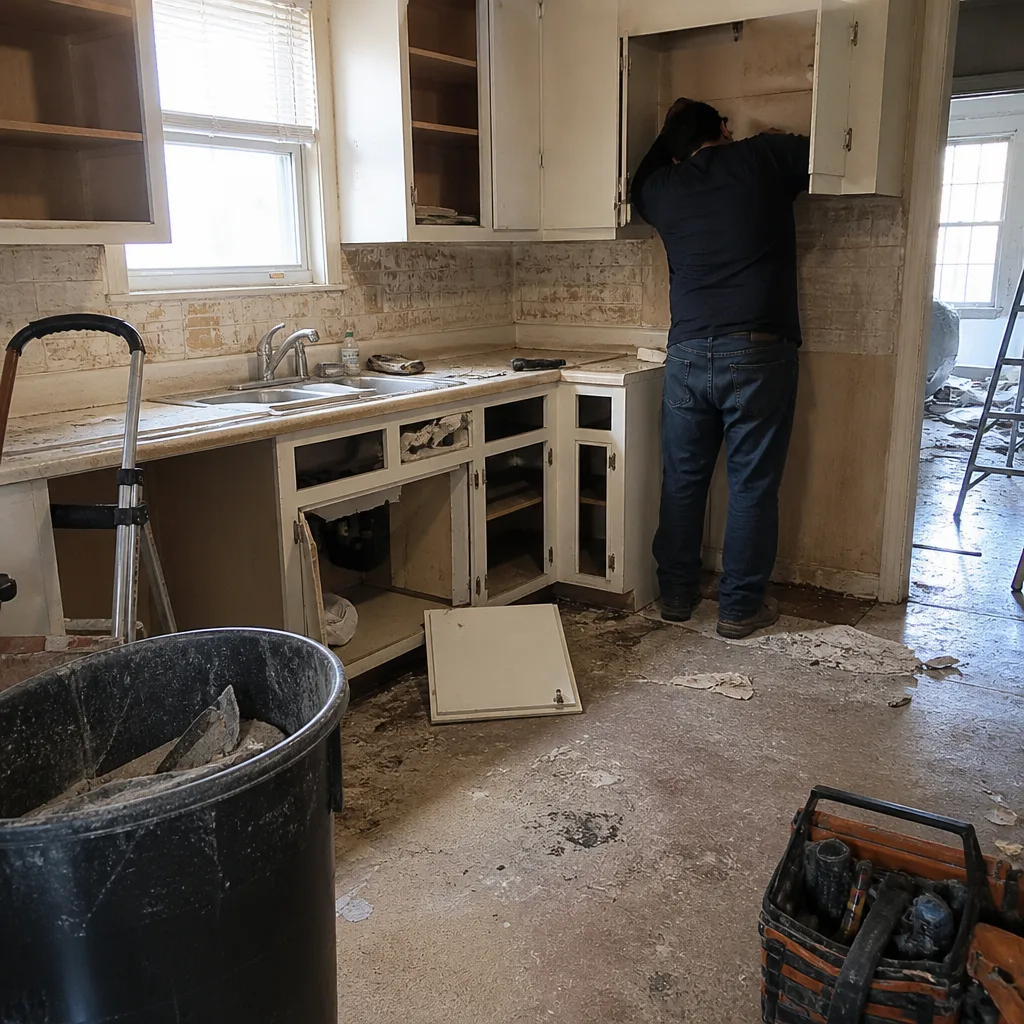 Before
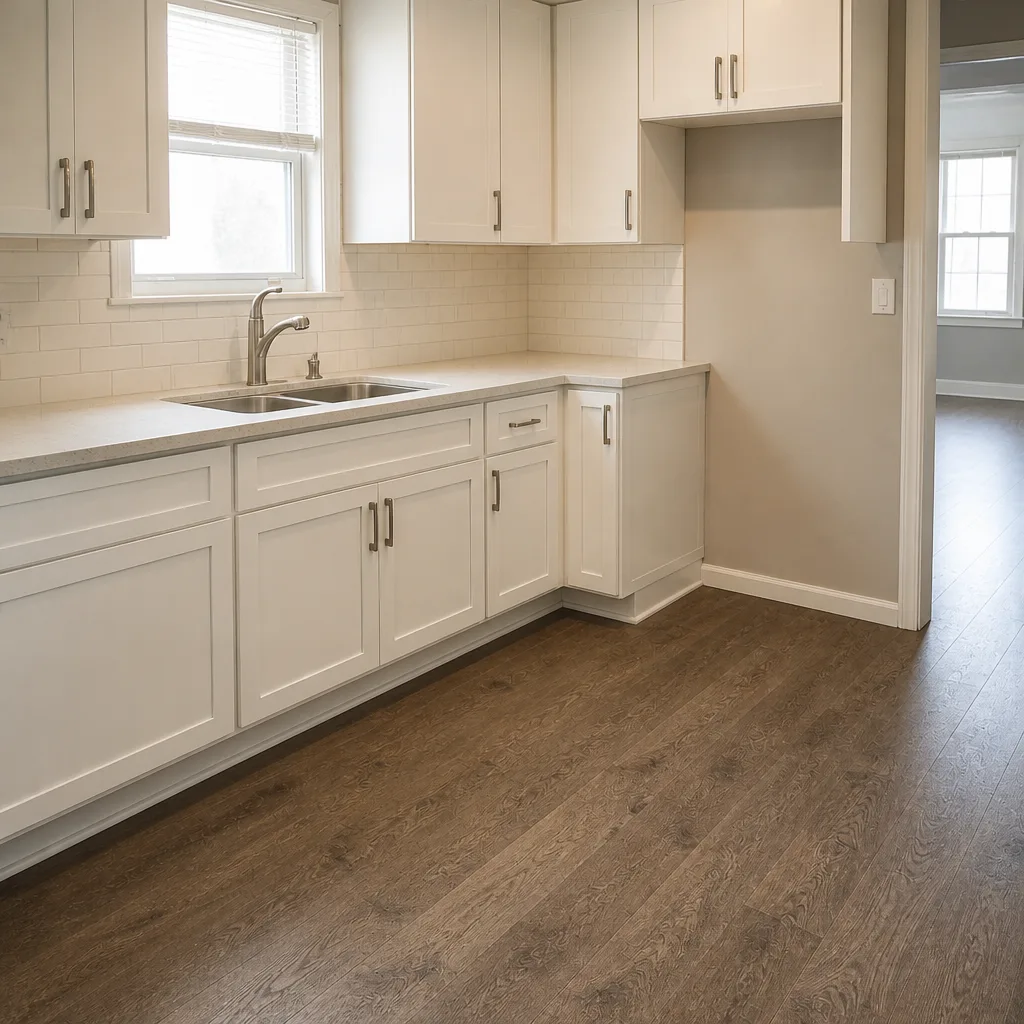 After
The Best Roofing Material in Fort Worth, TX: Choose Class 4 Architectural Shingles Unless Your Address Sits in a Historic District
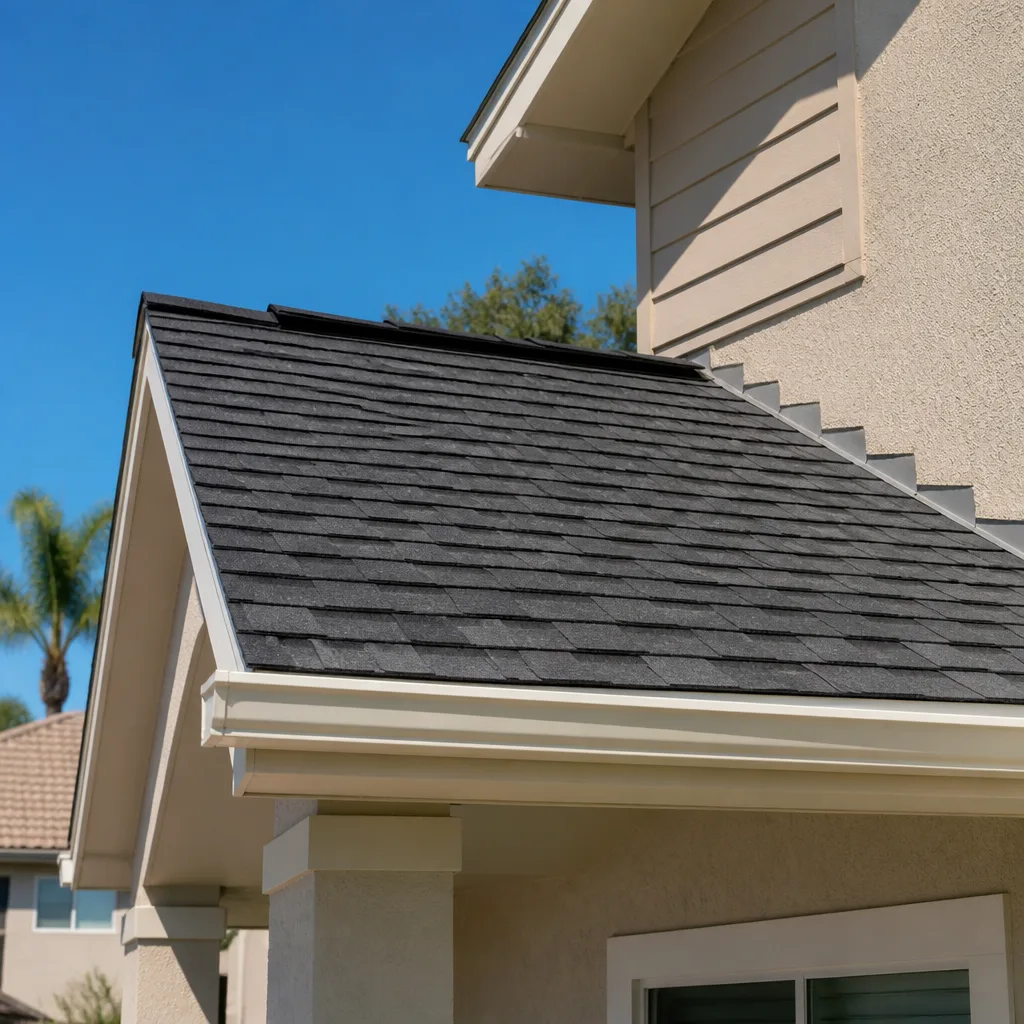
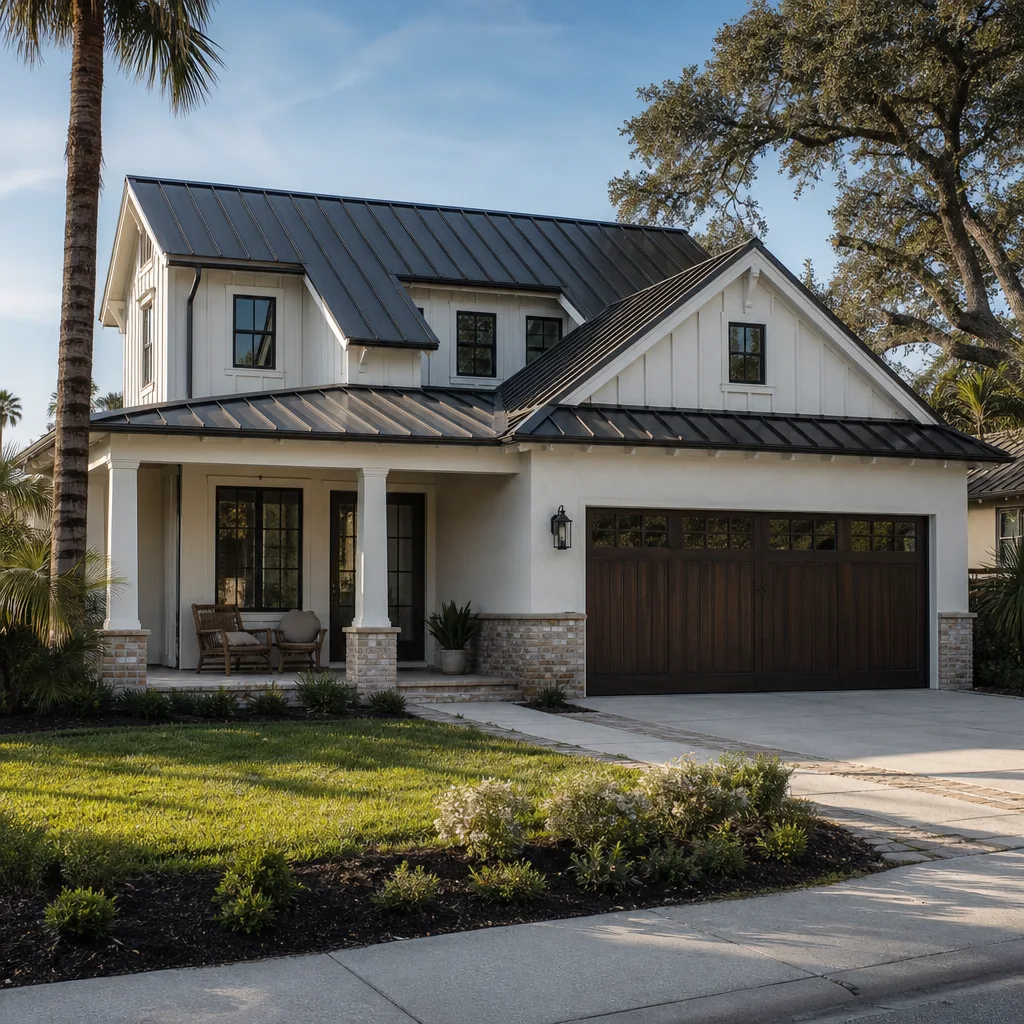
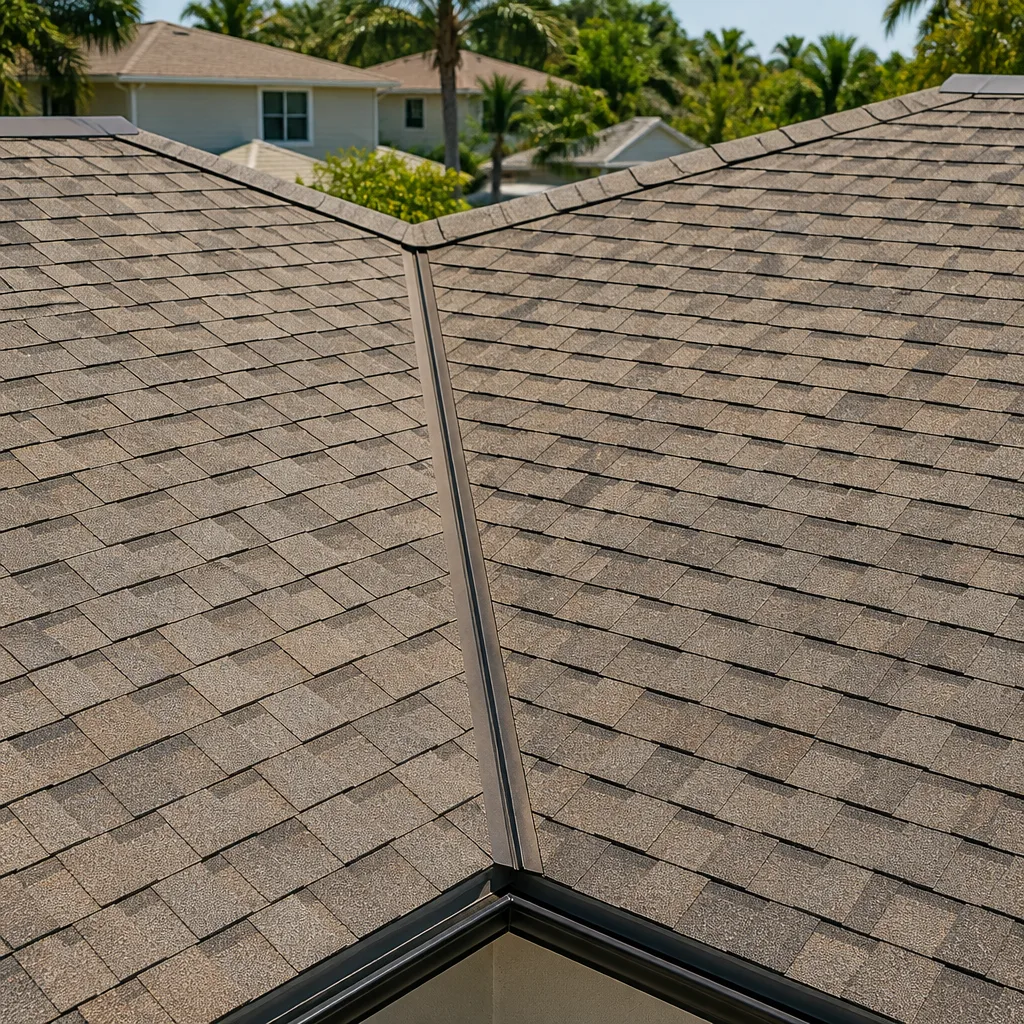
For most Fort Worth homes, the best roofing material is a Class 4 impact-resistant architectural shingle – GAF Timberline HDZ or Owens Corning Duration – because it absorbs North Texas hail, earns insurance discounts, and costs $8,000-$20,000 on a typical roof replacement. Choose standing-seam metal ($15,000-$40,000) if you’re staying in the house long enough to outlast two shingle roofs. And choose synthetic slate or shake instead if your home sits inside a design-review overlay like Fairmount, Ryan Place, or Mistletoe Heights. Call (855) 912-5373 for a free estimate on any of the three.
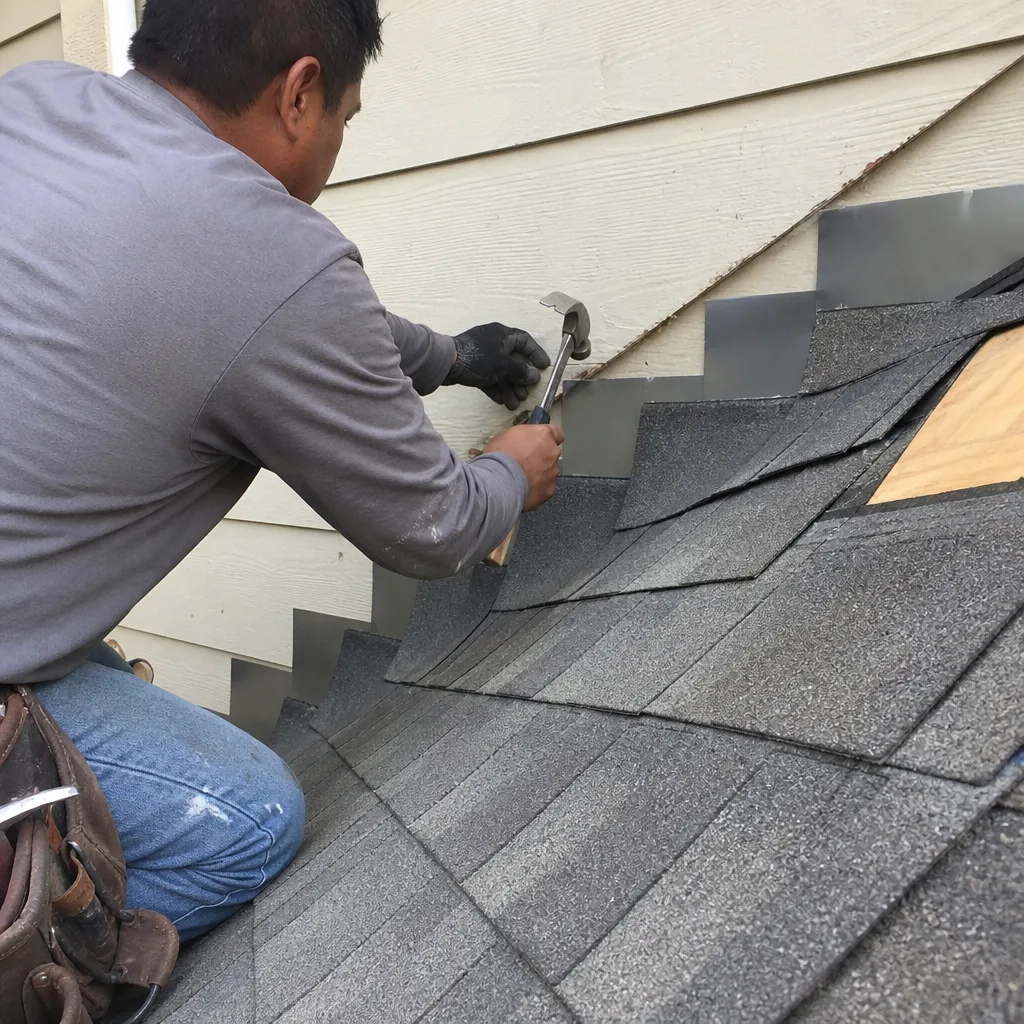
Key Takeaways
- Class 4 impact shingles are the default answer for slab-built homes from Benbrook to Keller.
- Historic overlays hard-limit material and color choices on 1920s stock.
- Pier-and-beam homes flex with black clay soil cycles, which rules out rigid tile.
- Cool-roof ratings cut peak attic temps 20-30°F in a climate where the AC runs most of the year.
Tell a Fairmount bungalow owner that metal roofing is “the best” and watch the Historic Preservation Officer reject the permit. That’s the trap in every ranked list you’ll find online. There is no universal best roofing material. There’s the best material for a specific house, a specific address, and a specific set of exposures. In Fort Worth, that decision splits immediately on two axes most guides never touch: whether the home is inside a design-review overlay, and whether it’s a pier-and-beam house that moves seasonally or a slab-on-grade tract home that doesn’t.
Why Your Fort Worth Address Decides the Material Before Anything Else
Fort Worth is a two-speed city. Century-old Stockyards and Near Southside brick sit a few miles from master-planned sprawl pushing past Loop 820 toward Alliance and Walsh Ranch. That split shows up directly on the roof. In the older neighborhoods – Fairmount, Ryan Place, Mistletoe Heights, and the Stockyards area – your material has to pass a design review before it passes your own budget. In a new northwest subdivision, the roof is a pure performance and cost decision with no one looking over your shoulder.
Here’s what that means in practice. Fairmount and Ryan Place carry preservation overlays that often require roofing to match the original profile and color palette of the period. Standing-seam metal can sometimes be approved if it reads as a low-profile period roof. Exposed-fastener metal – the paneled agricultural look – usually won’t. On a 1920s Craftsman, synthetic slate or synthetic shake is often the only modern material that clears review while giving you a lifespan far beyond the original wood shake. We’ve watched straightforward porch rebuilds stall for weeks on a district review, so roofing material for these blocks gets decided early, in writing, before anyone orders product.
Outside the overlay, the question flips to mechanics. The older Fort Worth stock in Fairmount and Ryan Place is pier-and-beam with true-dimension lumber, and those homes flex more with the region’s expansive black clay soil moisture cycles than slab homes do. That movement matters for your roof. Rigid clay or concrete tile is a riskier pick on a house that shifts seasonally – you get more cracked tiles over time. Dimensional architectural shingles and metal with floating-clip systems handle that flex far better because they move with the deck instead of fighting it.
The Decision Tree: Which Material Fits Your Fort Worth House?
Use the exposure and construction type of your home to narrow the field, not a generic ranking. Most homeowners land in one of these three buckets.
- Historic overlay home (Fairmount, Ryan Place, Mistletoe Heights): Synthetic slate or shake, or an approvable low-profile standing-seam metal. Get design approval locked before you commit to a product.
- Older pier-and-beam stock outside an overlay: Dimensional architectural shingles or a floating-clip metal system. Skip rigid tile – the seasonal flex will crack it.
- Slab-on-grade tract or custom home (Keller, Benbrook, north-side subdivisions): Class 4 impact-resistant architectural shingles. This is the value and performance sweet spot for hail country.
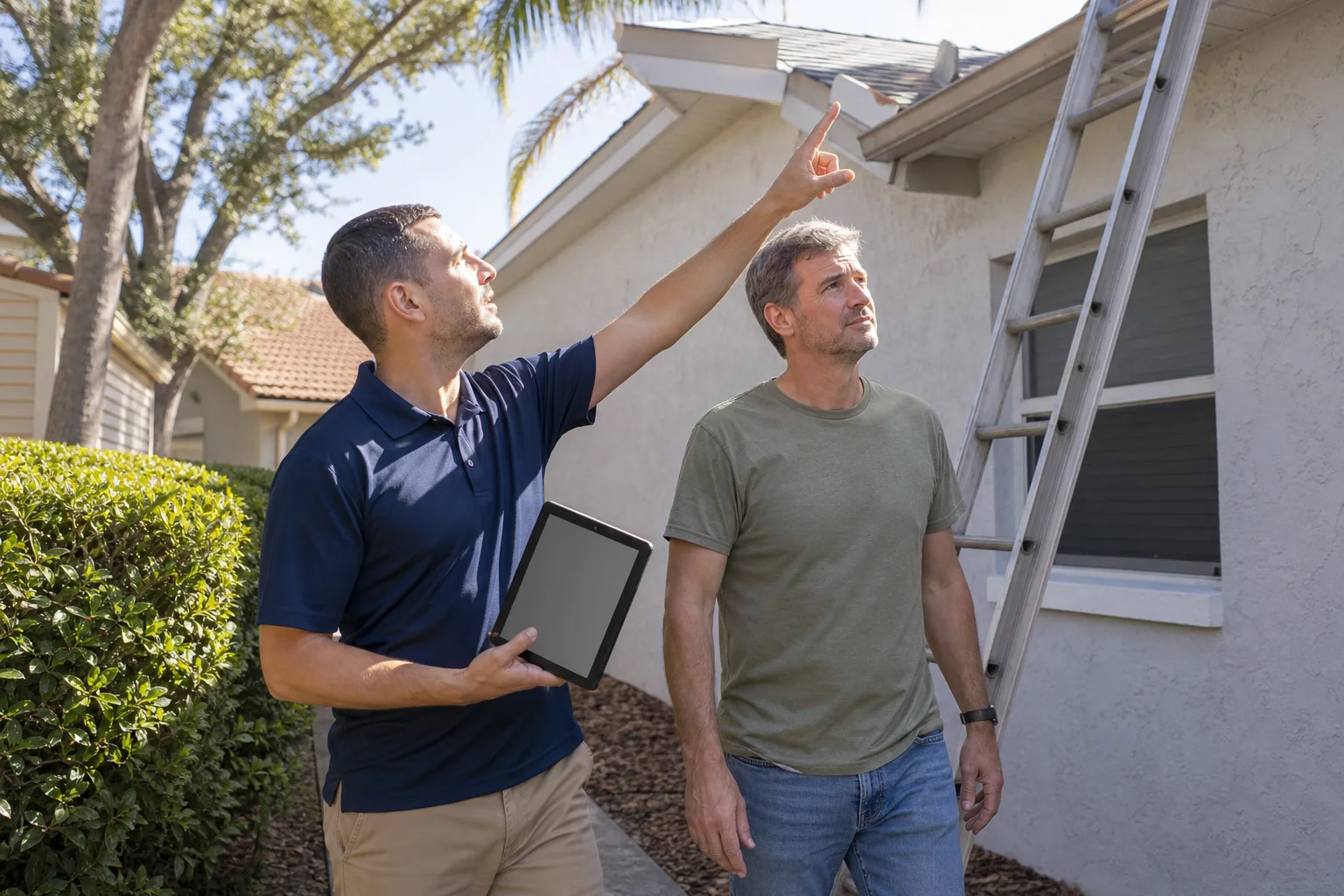
Whichever bucket you’re in, our Roofing team walks the deck and the attic before recommending a product, because venting and deck condition change the answer too.
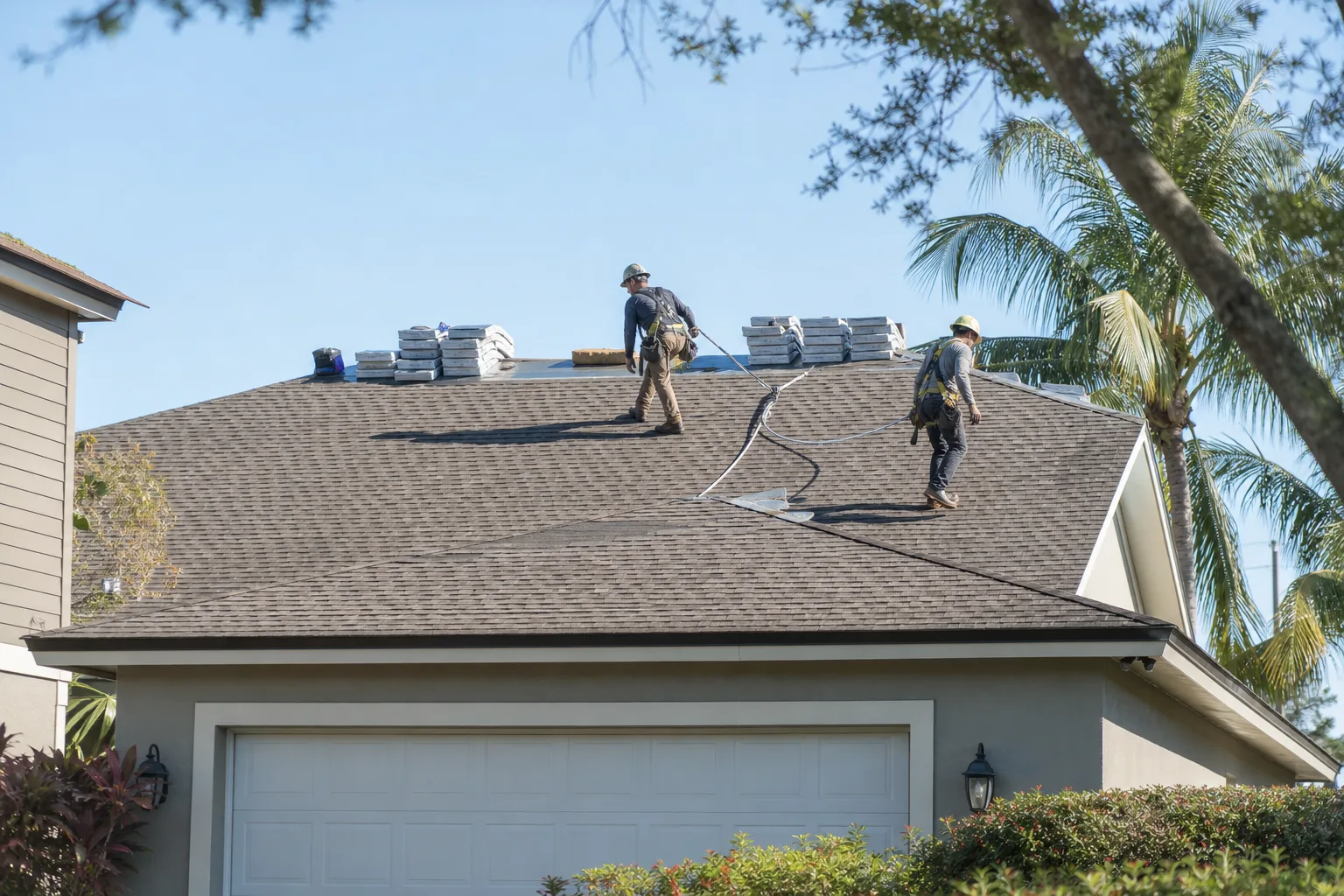
How Much Does Each Roofing Material Cost in Fort Worth?
Material choice swings the price more than labor does in this market. These are the ranges we quote across Fort Worth, and the number you see is the number you pay.
| Material / Service | Typical Fort Worth Range |
|---|---|
| Architectural shingle roof replacement | $8,000-$20,000 |
| Standing-seam metal roof | $15,000-$40,000 |
| Roof repair (any material) | $400-$1,800 |
| Tile roof repair | $600-$2,500 |
A full replacement on a standard Fort Worth home usually lands in the $8,000-$20,000 band, and metal runs roughly double that because the material and detailing cost more up front. That gap is where the “best” question gets honest: metal typically outlasts two shingle roofs, so it wins on cost-per-year if you’re staying put long enough. If you’re moving in five years, Class 4 shingles usually make more financial sense, and the insurance discount tilts it further.
Those hail discounts are real and worth asking about. Class 4 impact-resistant shingles can qualify your policy for a premium credit, and we pull your carrier’s impact-rating documentation at the time of estimate so there’s no guessing later. Every project is backed by our 730-Day Done Right Promise – if it’s not done right, we make it right – and we offer 0% financing for 18 months plus $1,000 off projects over $10,000 to make the bigger-ticket choices easier to reach.
Energy Performance: The Roofing ROI Most Guides Skip
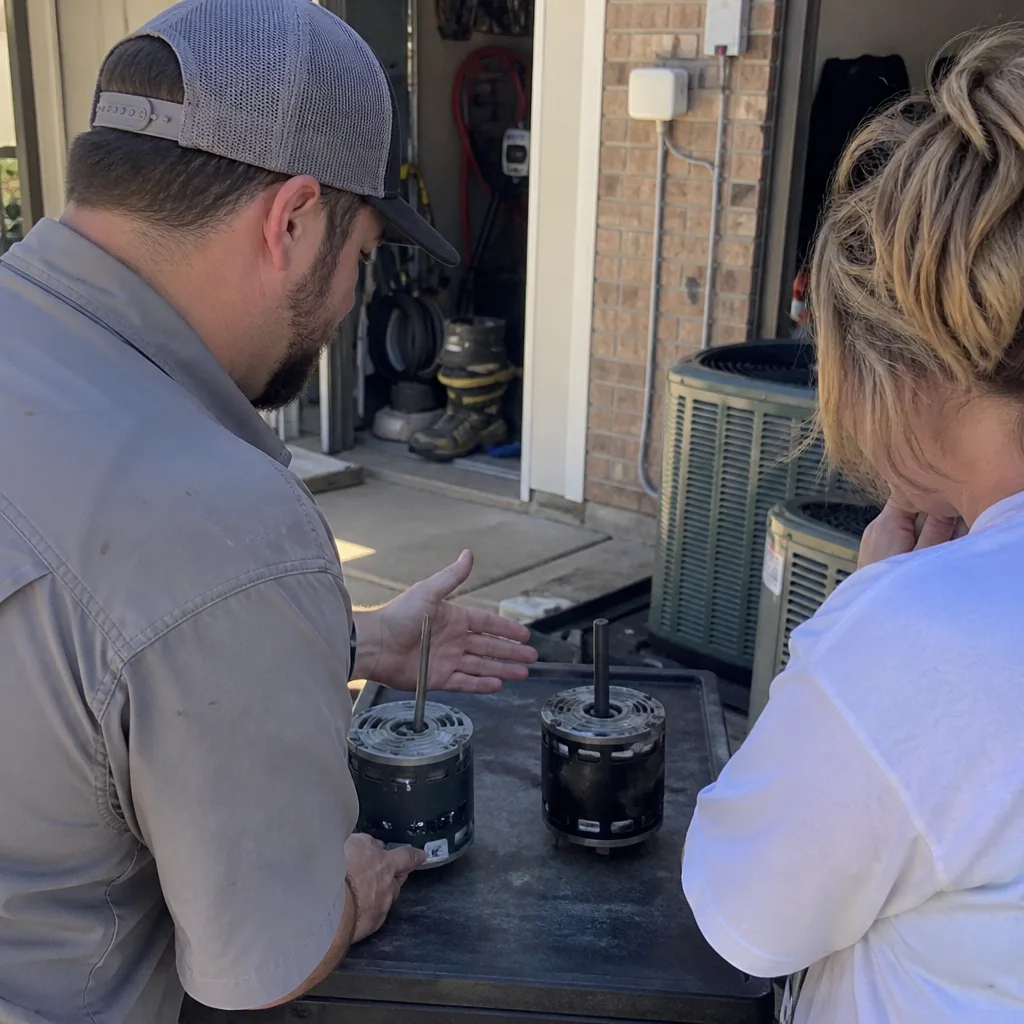
Cool-roof ratings matter more in Fort Worth than in most markets. A light-colored metal or tile roof that carries a cool-roof rating can reduce peak attic temperatures by 20-30°F, and in a climate where the AC runs 7-8 months a year, that translates to measurable cooling savings. That calculation belongs in any honest “best material” answer. It doesn’t automatically make the lightest, most reflective roof the winner – a dark architectural shingle can still be the right call on a shaded historic home – but it has to be part of the math on a sun-baked slab house.
Pair that with the region’s hail and straight-line wind events and the case sharpens. Impact-rated shingles absorb hail without the surface bruising that leads to early failures. We install both GAF and Owens Corning lines and can show you the impact ratings side by side, so you’re choosing a vetted product the crew is trained on and the guarantee actually backs, not whatever a distributor happened to have in stock.
Why a Curated Material Line Changes the “Best” Answer
A roof is only as good as the material and the hands that install it. We keep a curated portfolio of top-tier brands so the “best” question gets answered with accountability attached – the products we recommend are the products our technicians are trained on and stand behind in writing. Our technicians have up to 12 years of experience, and they arrive background-checked and in uniform on every job. Calls are answered by a live person 24/7, and we don’t disappear after the final walkthrough. You can see who we are and how we work on our home page.
For most Fort Worth homeowners, that curated line means the real decision is between Class 4 shingles, synthetic slate or shake, and standing-seam metal – not a catalog of two hundred SKUs. Narrowing the field is the helpful part. We’re a Fort Worth company connecting homeowners with independent local pros across roofing and the trades that surround it, and our job is to get you to the right material for your address, then back it with real workmanship. If you want to see how this plays out block by block, our Fort Worth service area page is a good start.
FAQs
For most homes on slab-on-grade construction in Fort Worth, a Class 4 impact-resistant architectural shingle (GAF Timberline HDZ or Owens Corning Duration) is the best all-around pick – strong hail protection, insurance-discount eligibility, and an $8,000-$20,000 replacement range. Historic-district homes need synthetic slate or shake to pass design review, and long-horizon owners may prefer standing-seam metal. Call (855) 912-5373 for a free estimate.
Sometimes – low-profile standing-seam metal can be approved in Fort Worth’s historic overlays, but exposed-fastener metal usually won’t pass the district review, and color and profile must match the period. Synthetic slate or shake is often the safer path on a 1920s Craftsman. We help you confirm approval before you order product. Call (855) 912-5373 to start.
It’s worth it if you plan to stay in the home long enough to outlast two shingle roofs, since standing-seam metal typically runs $15,000-$40,000 versus $8,000-$20,000 for architectural shingles but lasts far longer. If you’re moving within a few years, Class 4 shingles usually win on value. Call (855) 912-5373 for an exact quote – estimates are free.
Yes – upgrading to a Class 4 impact-resistant shingle is worth it in Fort Worth’s hail zone, because it resists hail bruising and may qualify your insurance for a premium discount. We pull your carrier’s impact-rating documentation at the time of estimate. Call (855) 912-5373 to see what your roof qualifies for.
If you’d rather have your roof looked at by someone who’ll give you a straight read on the right material for your address, Groundwork Construction Co. of Fort Worth offers a no-pressure assessment in Fort Worth – call (855) 912-5373.
Written by the team at Groundwork Construction Co. of Fort Worth, serving Fort Worth, TX.