
Free written scope consultation - allowances, timeline, and change-order rules on paper before a single trade is scheduled
Styles & brands we work with
- Kitchen remodeling
- Bathroom remodeling
- Home additions & ADU
- Roofing
- Windows & doors
- Driveway & pavers
- Fence
See the difference
 Before
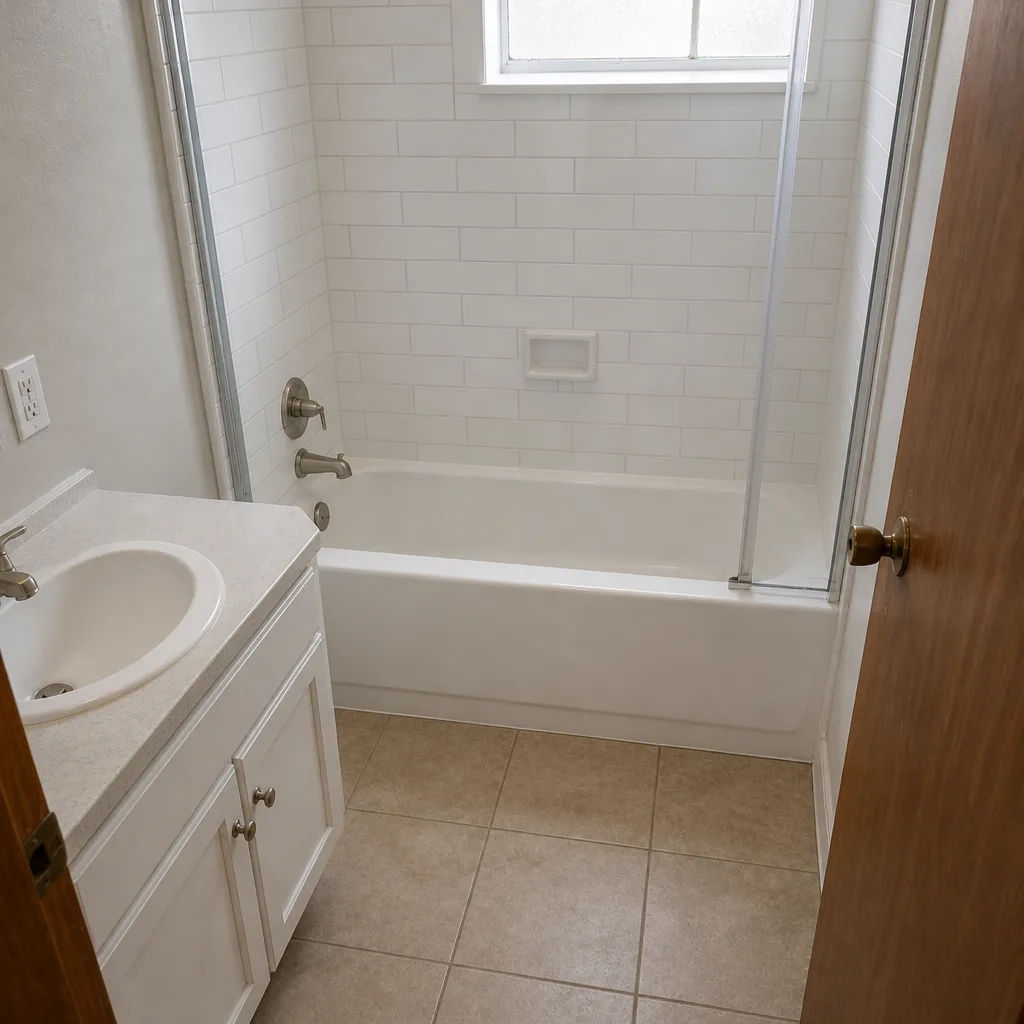 After
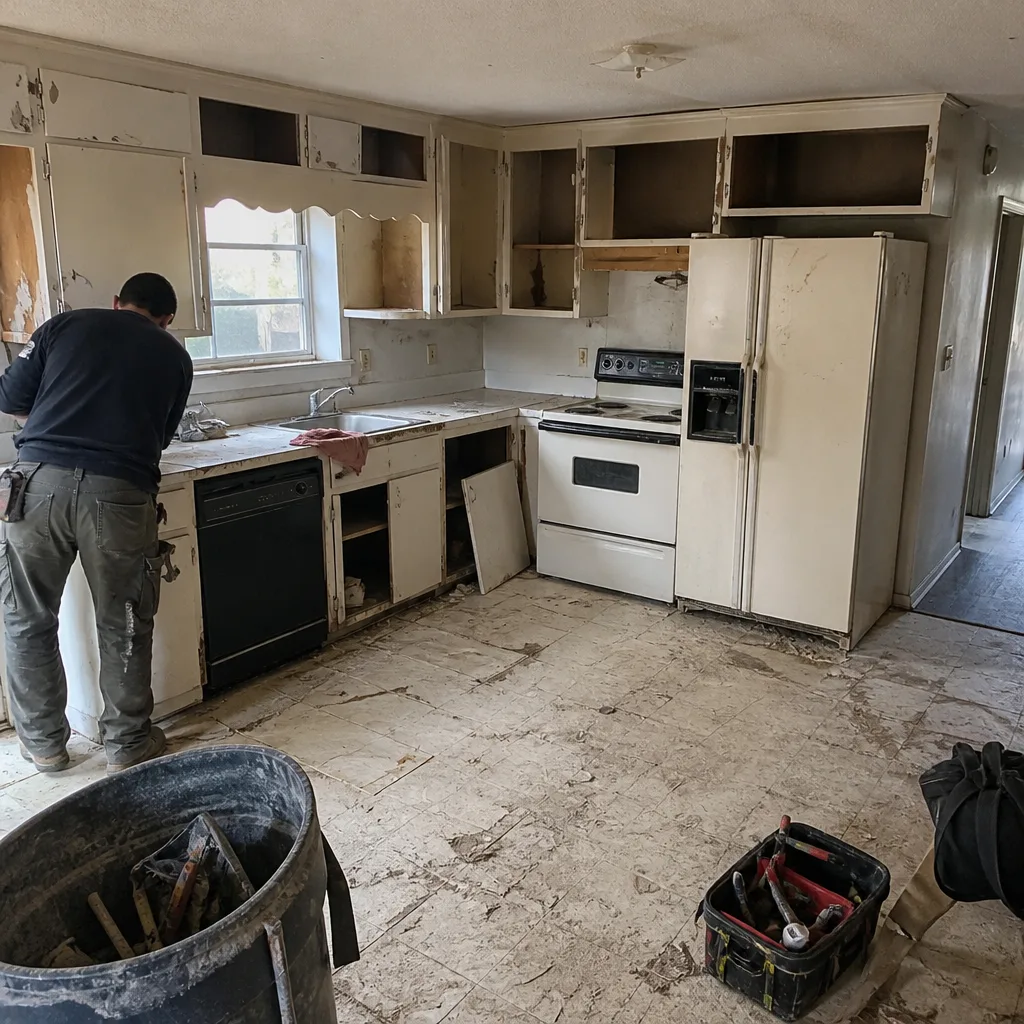 Before
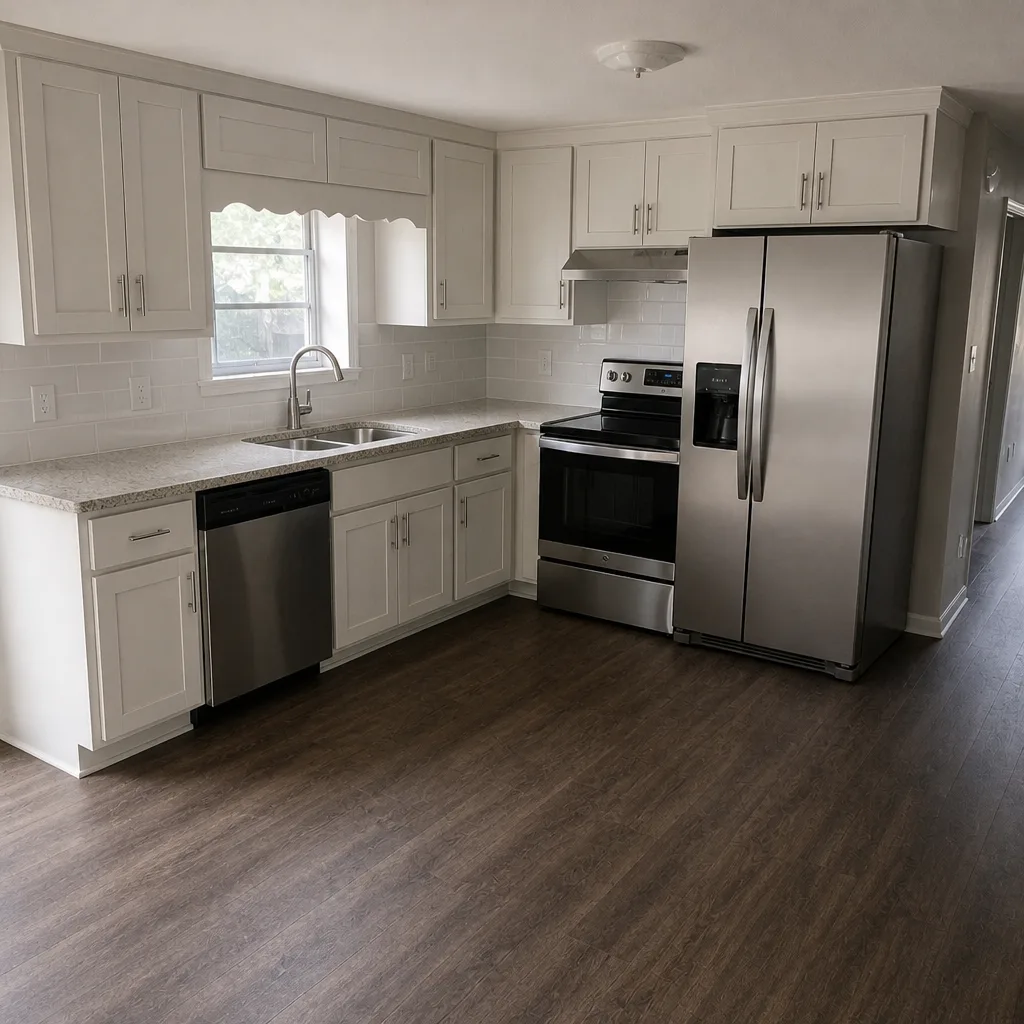 After
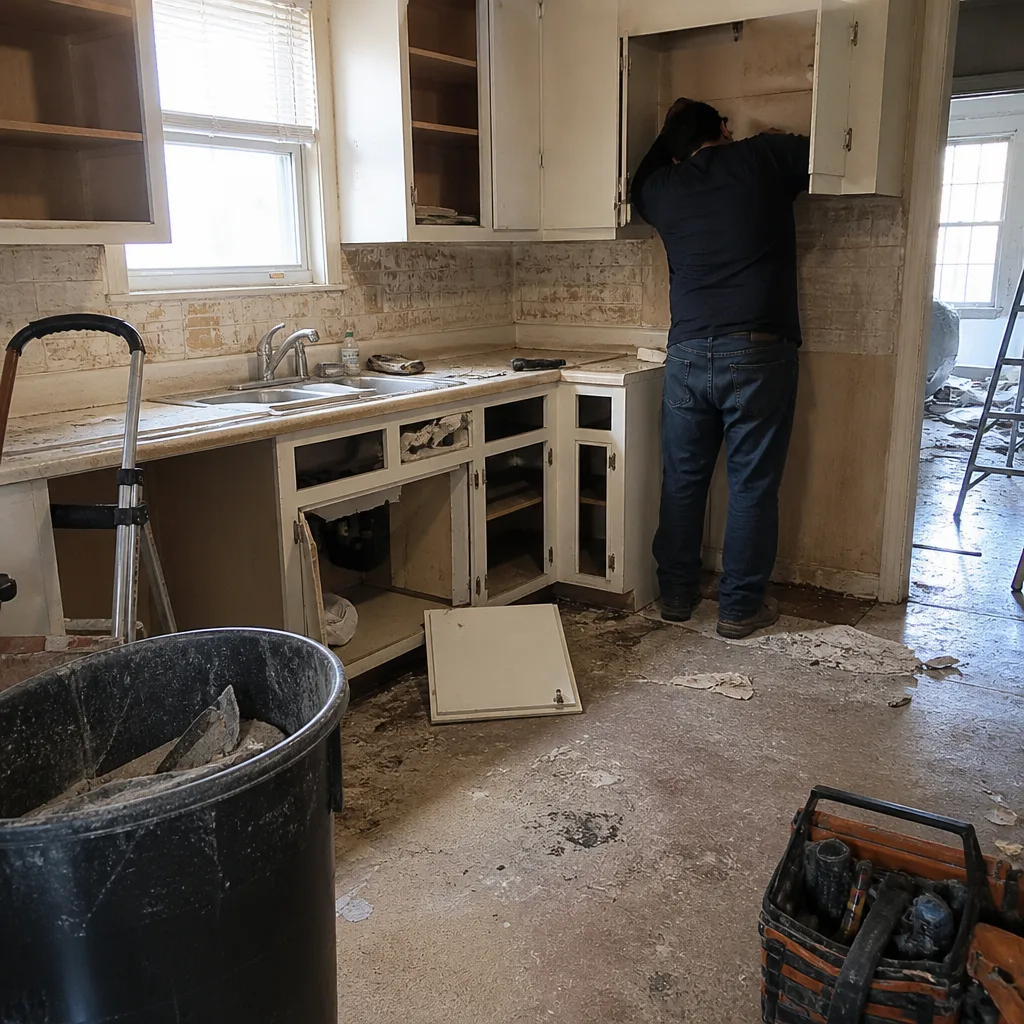 Before
 After
Aluminum vs Wrought Iron Fence in Fort Worth: Which One Belongs on Your Property?
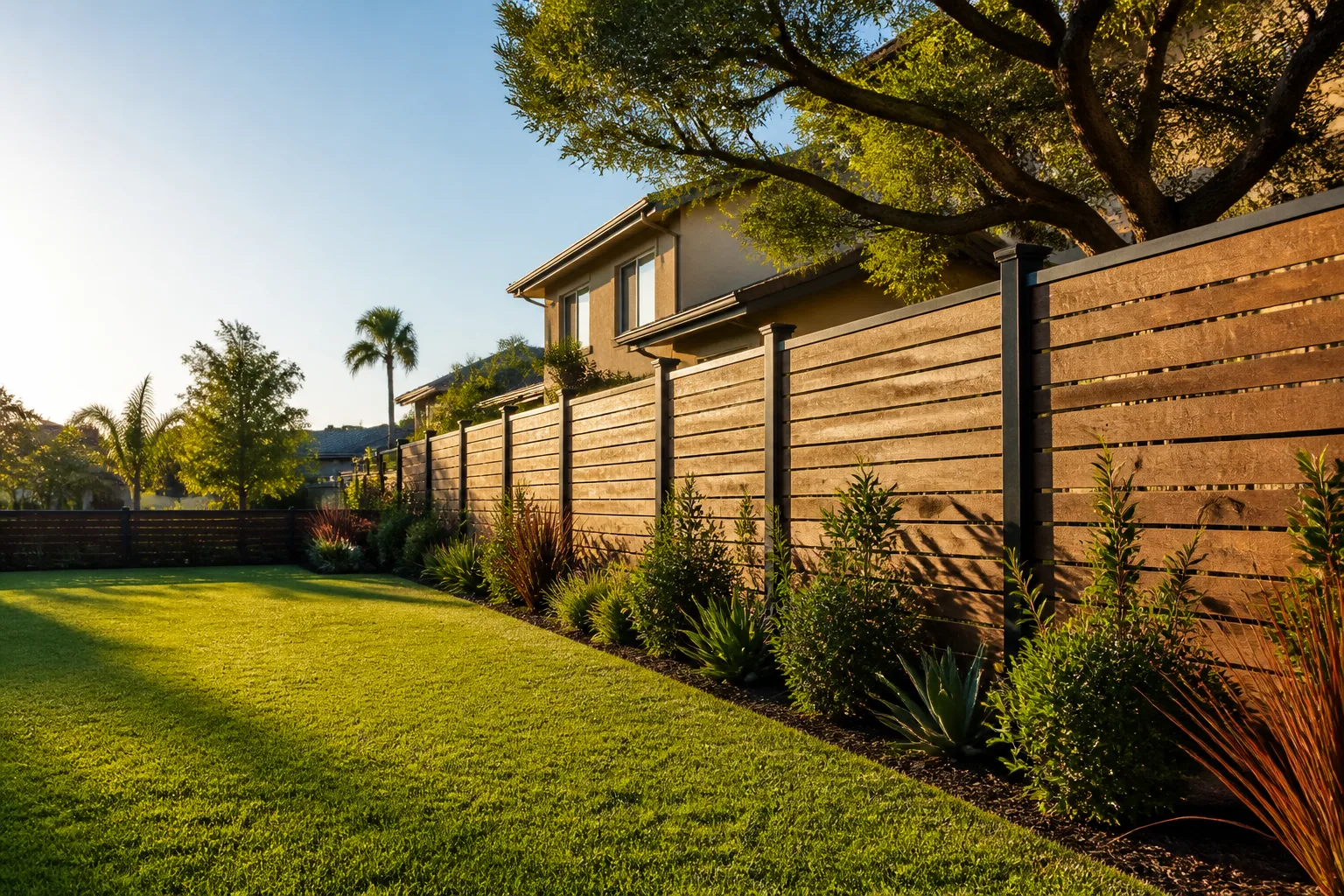
Choose aluminum if you want a maintenance-free ornamental fence and your property sits outside a historic overlay district. Choose true wrought iron if your home is inside the Stockyards corridor, Ryan Place, or Fairmount, where a preservation officer or appraiser reads the material as part of the architecture itself. That price spread between the two runs $4,000-$10,000 for aluminum and $3,500-$9,000 for a basic iron run in Fort Worth, but the number that matters more is what the fence does to your property’s standing. Call (855) 912-5373 and we’ll walk the property with you before you commit to either material.
Why Fort Worth Is a Harder Comparison Than the National Guides Suggest
Most aluminum-versus-iron write-ups get written for a generic suburb. Fort Worth doesn’t cooperate with that. The city keeps building over its own history: century-old stockyards, Near Southside brick warehouses, and 1920s bungalow blocks in Ryan Place sit a few miles from greenfield sprawl pushing past Loop 820. That two-speed reality shapes fence decisions in ways a national article never touches.
Here’s what that means in practice. In Fairmount, Ryan Place, and the Stockyards area, design-review overlays govern exterior work. A wrought-iron fence with hand-forged pickets and visible joinery reads as authentic to a preservation reviewer. A cast or extruded aluminum lookalike often doesn’t, and that difference can decide whether a Certificate of Appropriateness clears or stalls. Outside those districts, on newer lots in the northwest and far west, the same aluminum fence is the smarter investment, because nobody is grading it against 1910 ironwork.
That’s the crux of it. Fort Worth has two different fence questions depending on which side of the overlay line your property falls on.
What Actually Separates the Two Materials
The appearance gap nobody admits
Real wrought iron is worked by hand. Picket profiles vary. The texture shows the hammer and the forge. You can feel the weight in a single picket, and the joinery is welded and mechanically fastened, not stamped from a single extrusion.
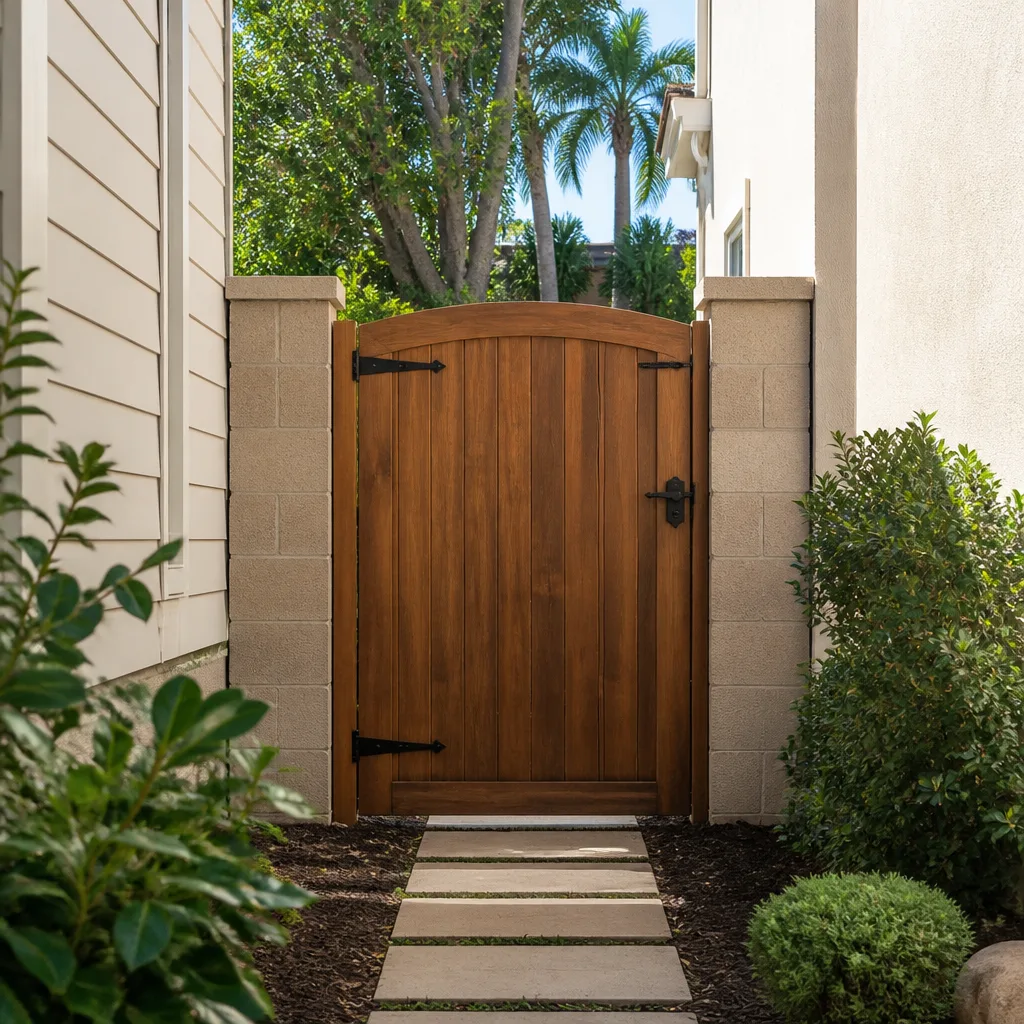
Aluminum fence is extruded, then powder-coated. High-end product gets close to the wrought-iron silhouette, but at profile level, the difference is visible up close. In a historic district, “close” is what matters, because a design reviewer walks the fence line with you.
The maintenance math in North Texas
This is where aluminum wins most of the time, and it’s why we recommend it outside historic overlays. Wrought iron in this climate needs repainting every 5-7 years, driven by UV intensity and the humidity cycling that swings through North Texas spring and fall. Every chip or scratch invites rust treatment, and untreated rust creeps into the weld joints.
Aluminum’s factory powder coat holds up with nothing more than an occasional rinse. Over 20 years, that maintenance spread usually tips total cost of ownership toward aluminum, sometimes by several thousand dollars. The material cost is comparable; the labor over two decades is not.
The weight-and-soil problem
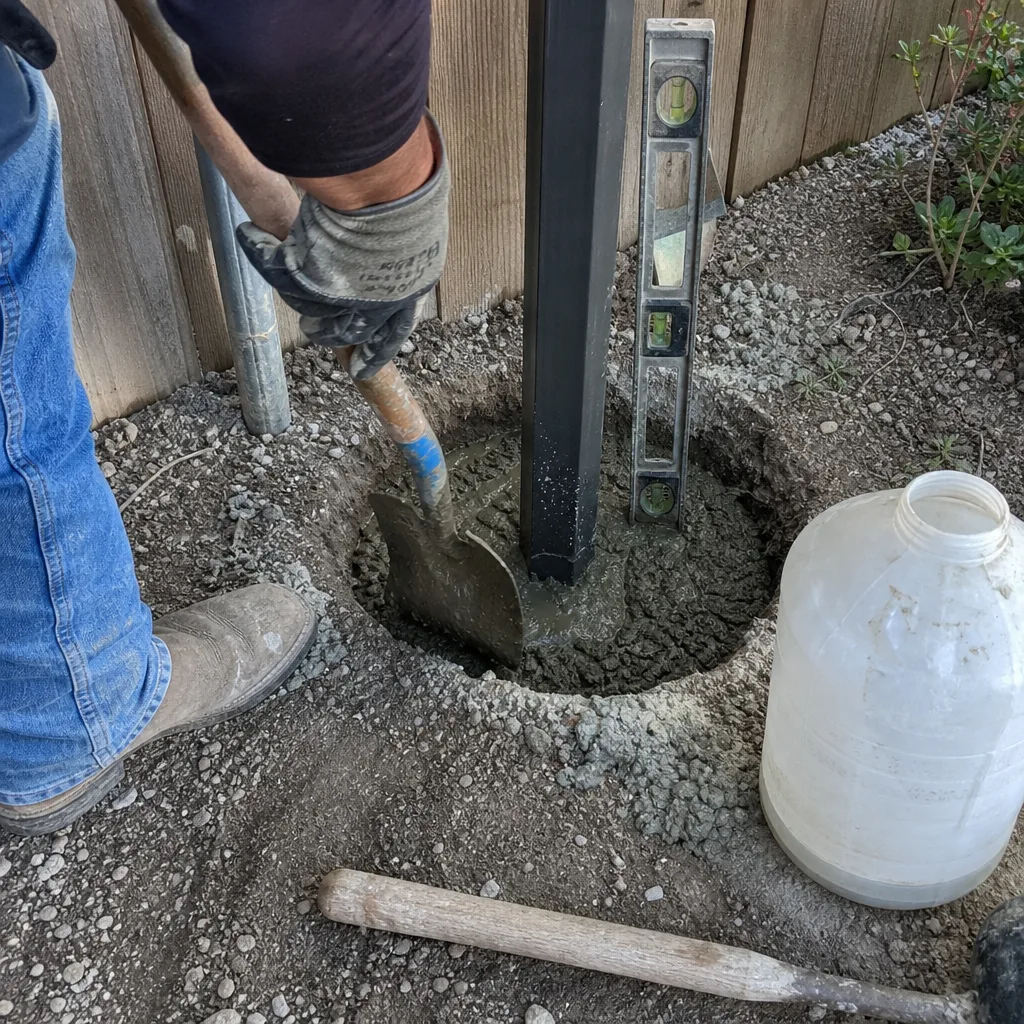
Wrought iron is heavy per linear foot, and that weight has to go somewhere. On Fort Worth’s expansive black clay, post footings for iron need to be engineered for that load or the fence starts leaning within a few seasons. Aluminum’s lighter profile reduces footing demand, which cuts installation cost and reduces soil-heave risk. We’ve watched too many iron fences in older Fort Worth neighborhoods drift out of plumb because a contractor used footing specs meant for vinyl on a wrought-iron run.
The resale and appraisal angle
In zip codes where wrought iron is the established visual standard, aluminum substitution can register as a downgrade in a comparative market analysis. That’s not a marketing claim; it’s what shows up when an appraiser compares your property against neighbors in the same historic district. In those neighborhoods, the wrought-iron premium is usually a recoverable investment. Two streets over, outside the overlay, the same premium recovers nothing.
Side-by-Side Comparison for Fort Worth Properties
| Factor | Aluminum | Wrought Iron |
|---|---|---|
| Typical installed range | $4,000-$10,000 | $3,500-$9,000 (basic iron run) |
| Repaint cycle in North Texas | None (powder coat) | Every 5-7 years |
| Rust risk on chips and scratches | Low | High - treat immediately |
| Weight and footing demand on expansive clay | Lighter - lower footing cost | Heavier - engineered footings needed |
| Historic overlay compatibility | Often denied | Generally approved |
| Appraisal signal in Ryan Place / Stockyards | Can read as a downgrade | Reinforces the architecture |
How We Handle the Material Spec Before the Quote
Here’s where most fence projects go wrong in Fort Worth: a homeowner gets three quotes, and nobody asks about the fabricator or the coating spec until install day. We’d rather that conversation happen before you sign.
- We build the material spec against established ornamental fabricators, not commodity suppliers. That’s how the difference between a Bufftech picket profile and a cut-rate extrusion actually shows up in the quote.
- We confirm whether your lot sits inside a design-review overlay before we price the job, so we don’t hand you a quote for a fence that will fail district review.
- We size footings to the material, particularly on the black clay lots where soil movement is a real force and not a theory.
- Every install carries our 730-Day Done Right Promise: if it’s not done right, we make it right. On custom metalwork, that guarantee only means something if the material spec was correct from the start.
Our technicians have up to 12 years of experience on ornamental and boundary fence work, and every crew arrives background-checked and in uniform. We also answer calls with a live person 24/7, so a question about a leaning post or a chipped coating doesn’t sit in a voicemail box over a weekend. For more detail on how we handle fence projects across the metroplex, see Fence Installation and our full Fence Installation in Fort Worth page.
How Much Does Aluminum vs Wrought Iron Fence Cost in Fort Worth?
For a typical residential run, aluminum in Fort Worth runs $4,000-$10,000 installed, and true wrought iron runs $3,500-$9,000 for a basic run, driven by picket count, height, gate count, and finish. A detailed ornate wrought-iron section with decorative scrollwork pushes past that upper number quickly. Aluminum’s cost sits in the material and coating; iron’s cost sits in the labor of hand-forging and welding. Factor in that North Texas iron needs a repaint every 5-7 years, plus rust treatment at every chip, and the 20-year ownership math usually lines up with aluminum unless the neighborhood itself demands iron.
We offer no-hassle upfront pricing, a free project estimate and design consult, 0% financing for 18 months, and $1,000 off projects over $10,000. Call (855) 912-5373 for an exact quote on your fence line.
FAQs
Sometimes, but not usually for properties inside the Fairmount, Ryan Place, or Stockyards design-review overlays, where hand-worked wrought iron matches the established visual standard and aluminum often reads as an imitation. The reviewer is comparing your fence to the homes around it, not to a national catalog. If your property sits inside an overlay, we look at the material spec with the review criteria in hand before we write a quote.
Every 5-7 years for most properties here, driven by North Texas UV and the humidity cycling through spring and fall. Between repaints, every chip or scratch needs spot treatment or rust spreads into the weld joints. Aluminum’s powder coat holds in the same climate with a rinse and the occasional wipe-down, and that’s the single biggest reason we recommend it outside historic districts.
Yes, in zip codes where iron is the neighborhood standard and an appraiser will read aluminum as a downgrade. In those Fort Worth neighborhoods, the material premium tends to recover at resale because it reinforces the architecture the property is valued on. Outside those districts, aluminum’s easier footing demands and near-zero maintenance usually win on pure economics. Call (855) 912-5373 and we’ll walk you through which side of that line your property falls on.
Yes. Wrought iron’s weight per linear foot demands engineered footings on this region’s expansive black clay, or the fence will lean within a few seasons. Aluminum’s lighter profile reduces that footing demand, which is one reason the installed cost gap closes faster than people expect. We size footings to the material and the lot, because the soil here moves whether or not your footer was designed for it.
Ready to Decide?
The right material depends on where your property sits in Fort Worth and what your neighborhood demands. If you’d rather have it looked at, Groundwork Construction Co. of Fort Worth offers a no-pressure assessment in Fort Worth: call (855) 912-5373. Free estimate, upfront pricing, and a fence spec that holds up to review.
Written by the team at Groundwork Construction Co. of Fort Worth, serving Fort Worth, TX.