Free written scope consultation - allowances, timeline, and change-order rules on paper before a single trade is scheduled
Styles & brands we work with
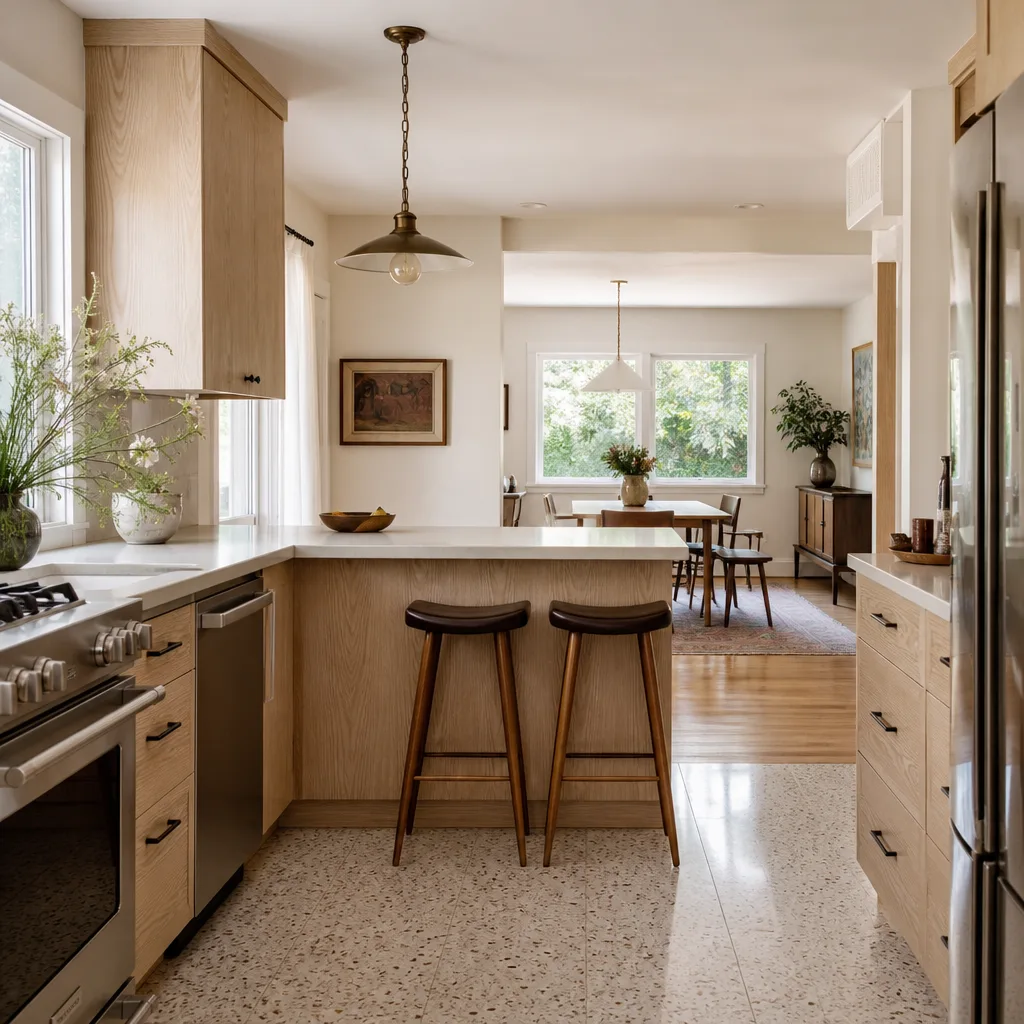
- Kitchen remodeling
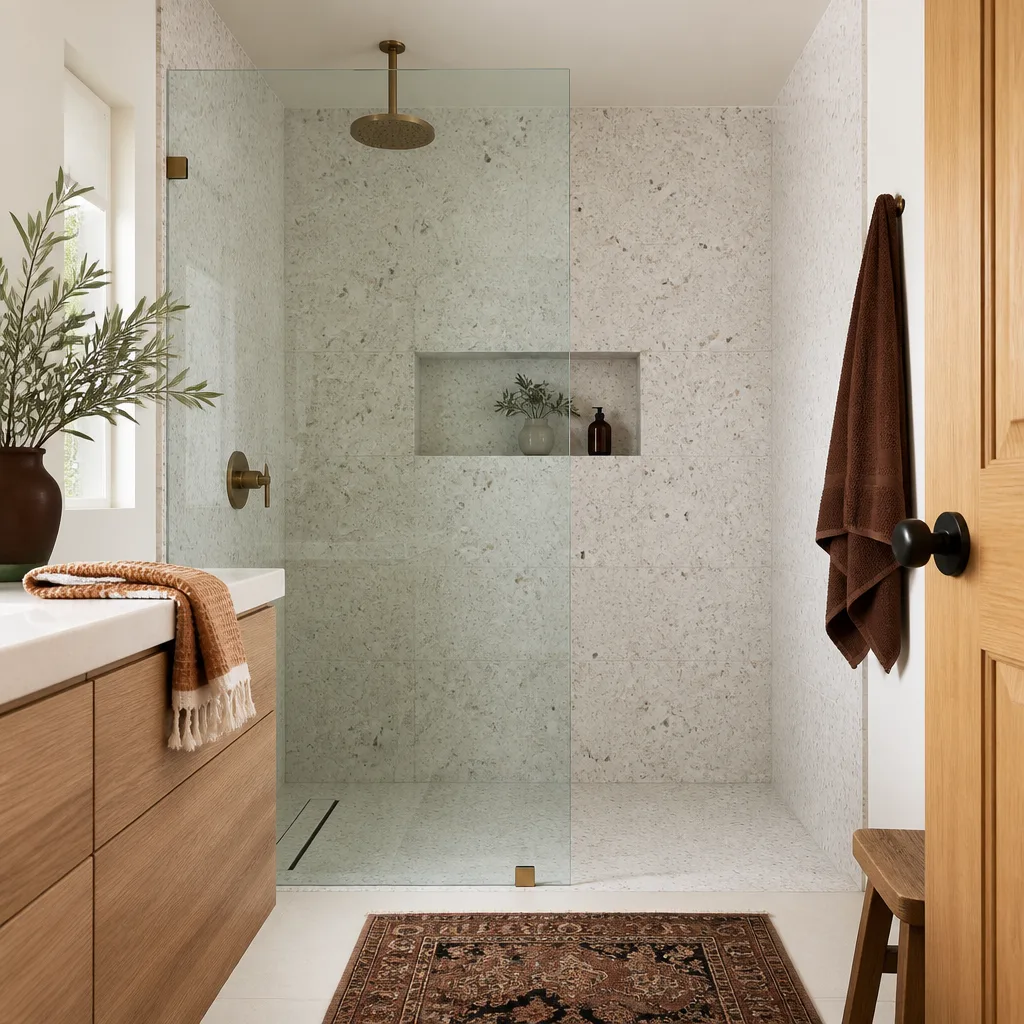
- Bathroom remodeling
- Home additions & ADU
- Roofing
- Windows & doors
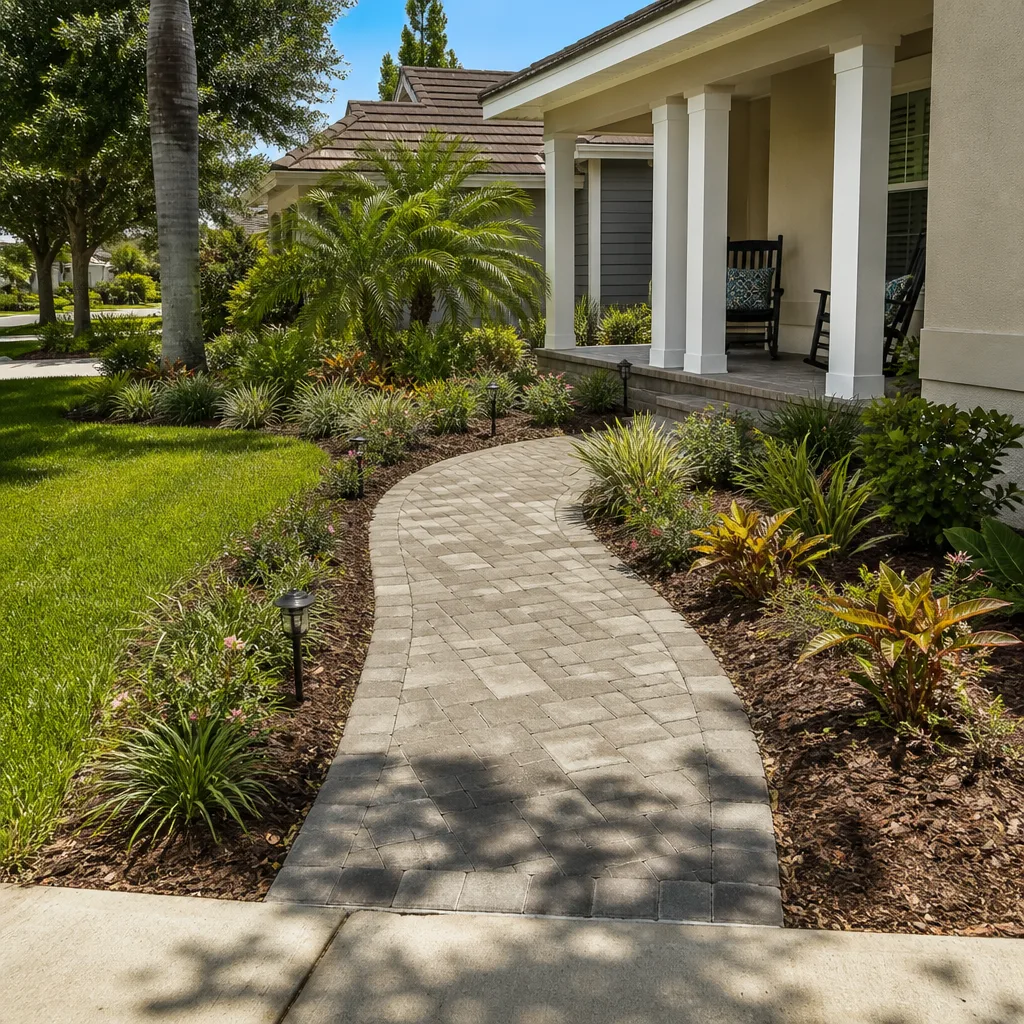
- Driveway & pavers
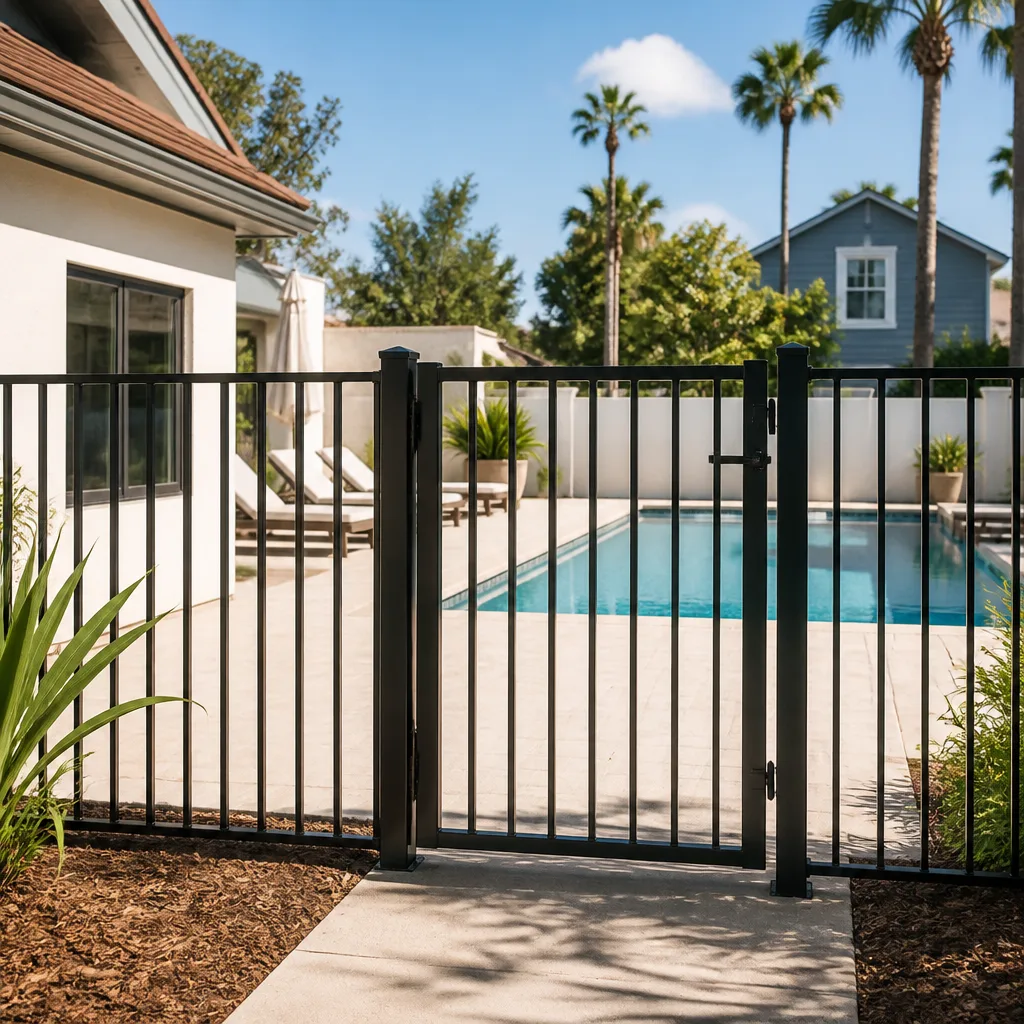
- Fence
See the difference
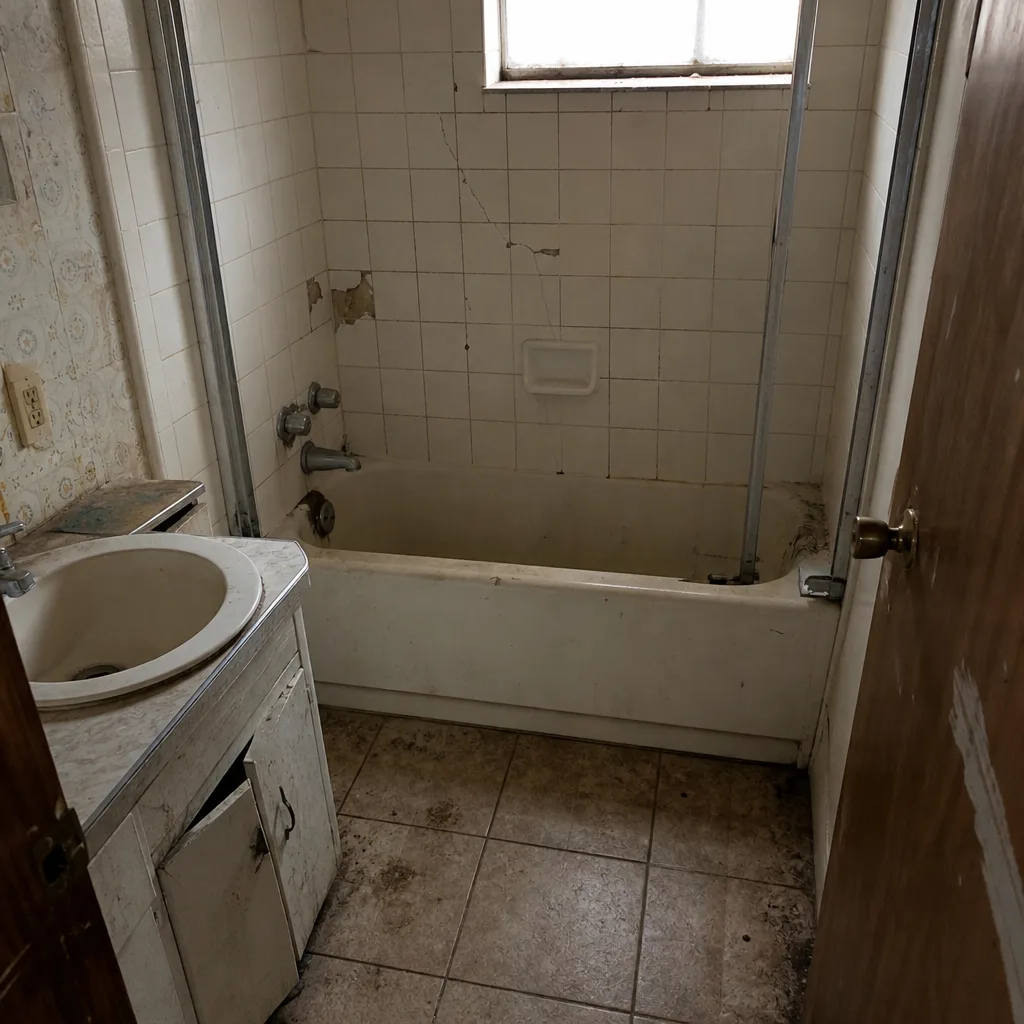 Before
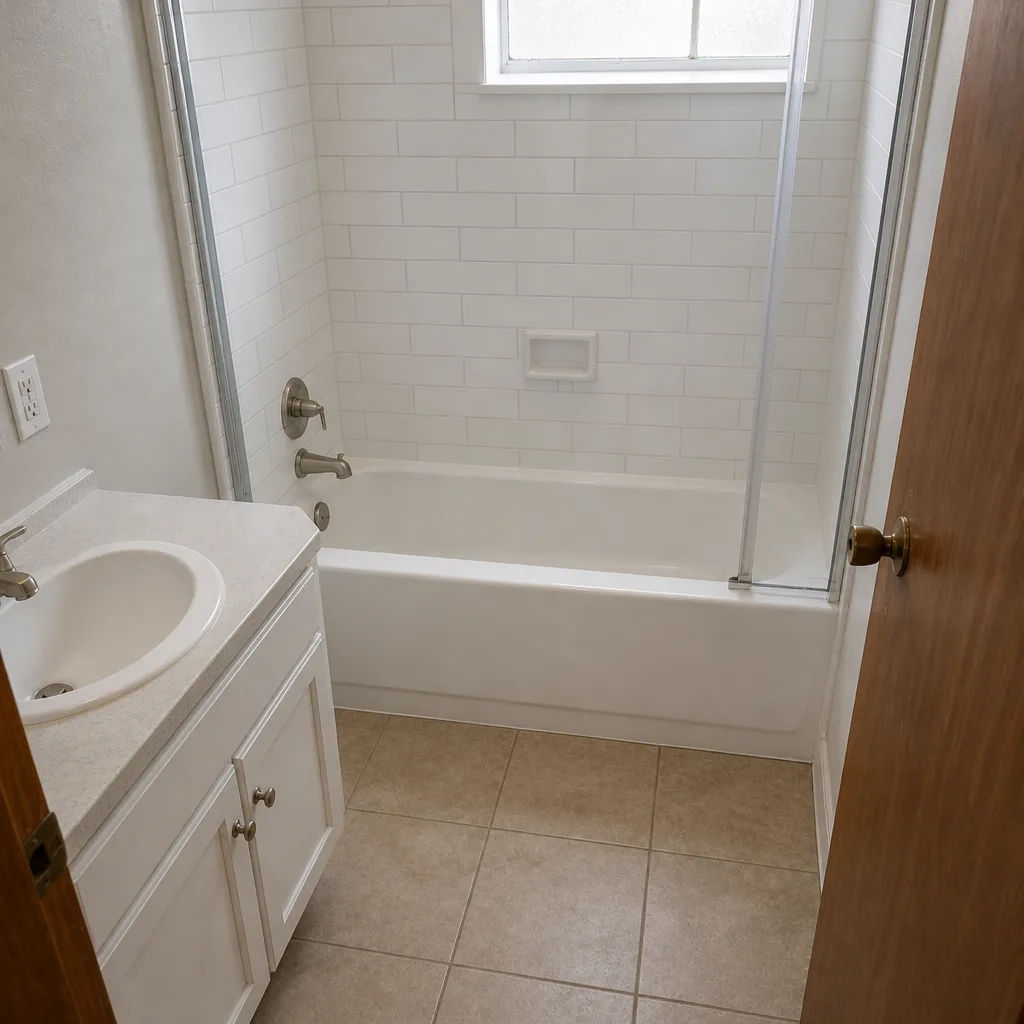 After
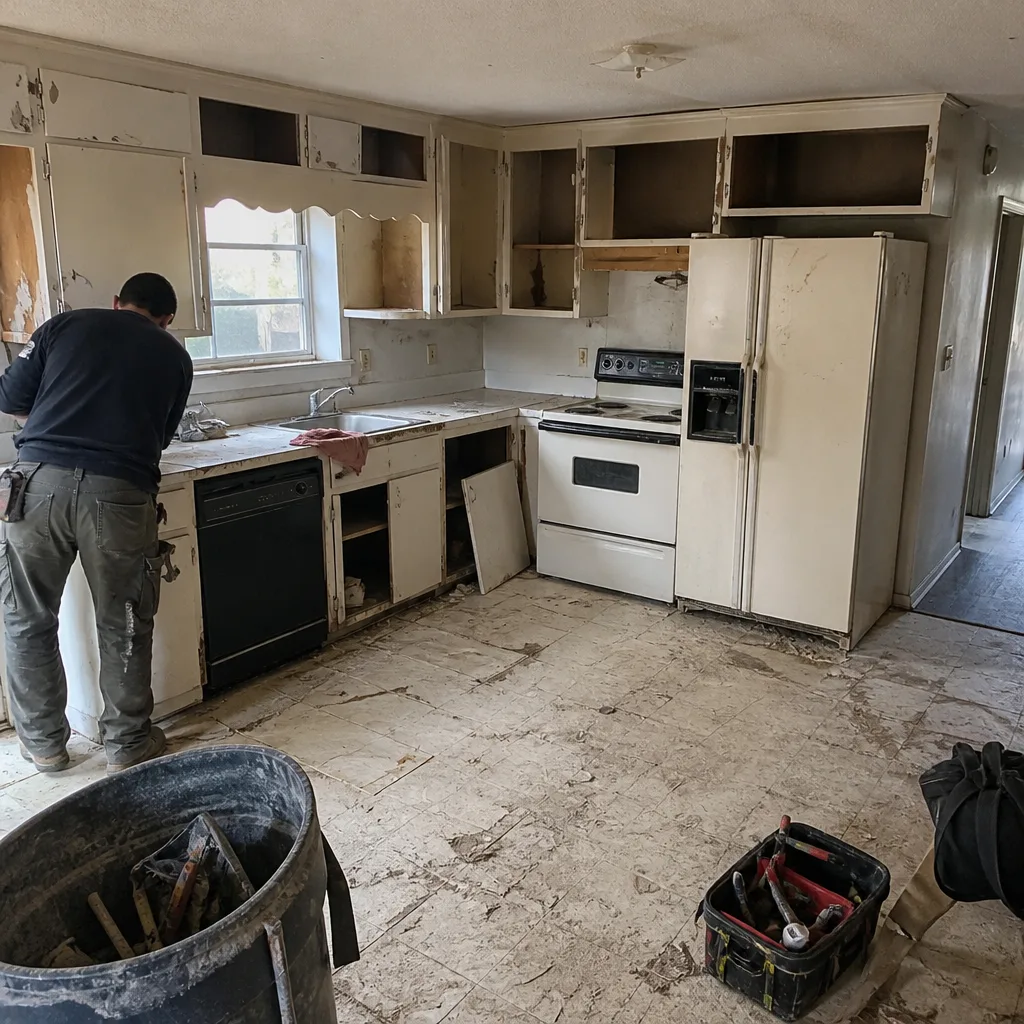 Before
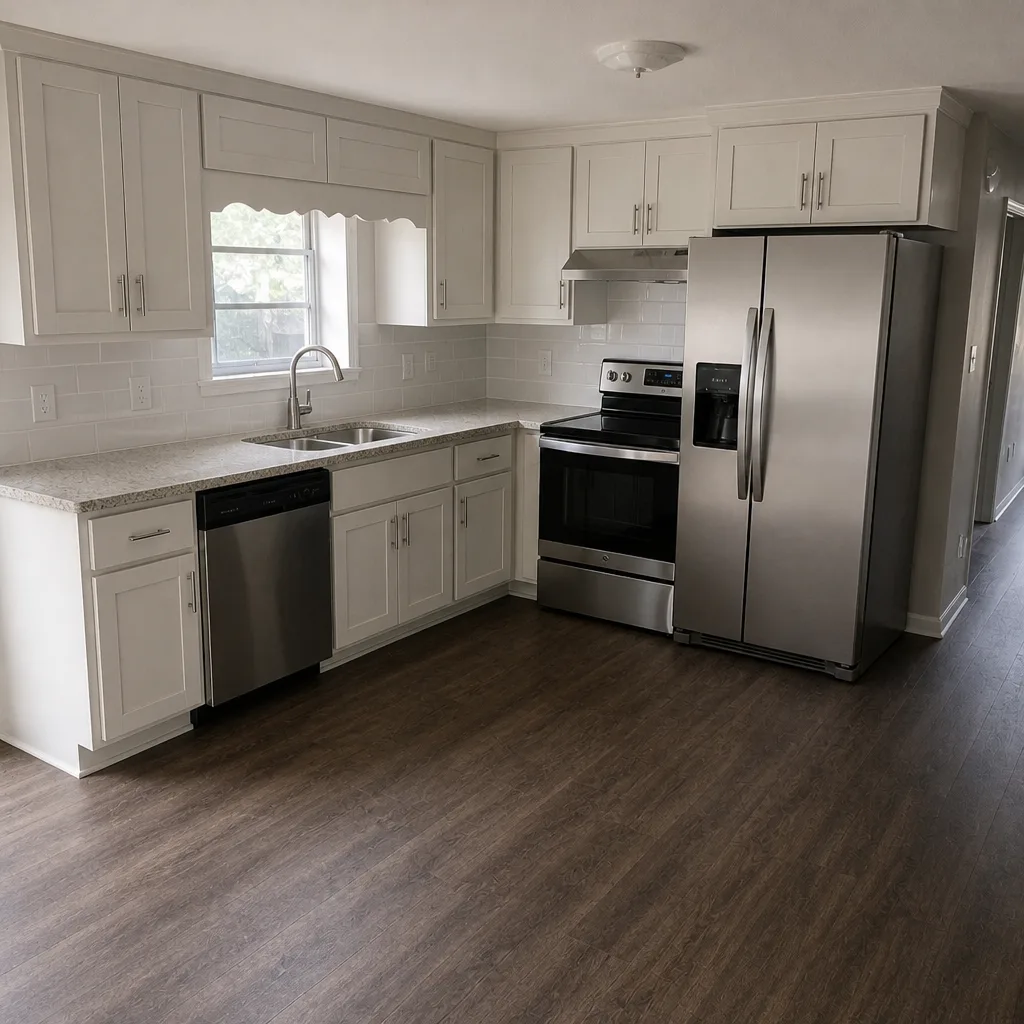 After
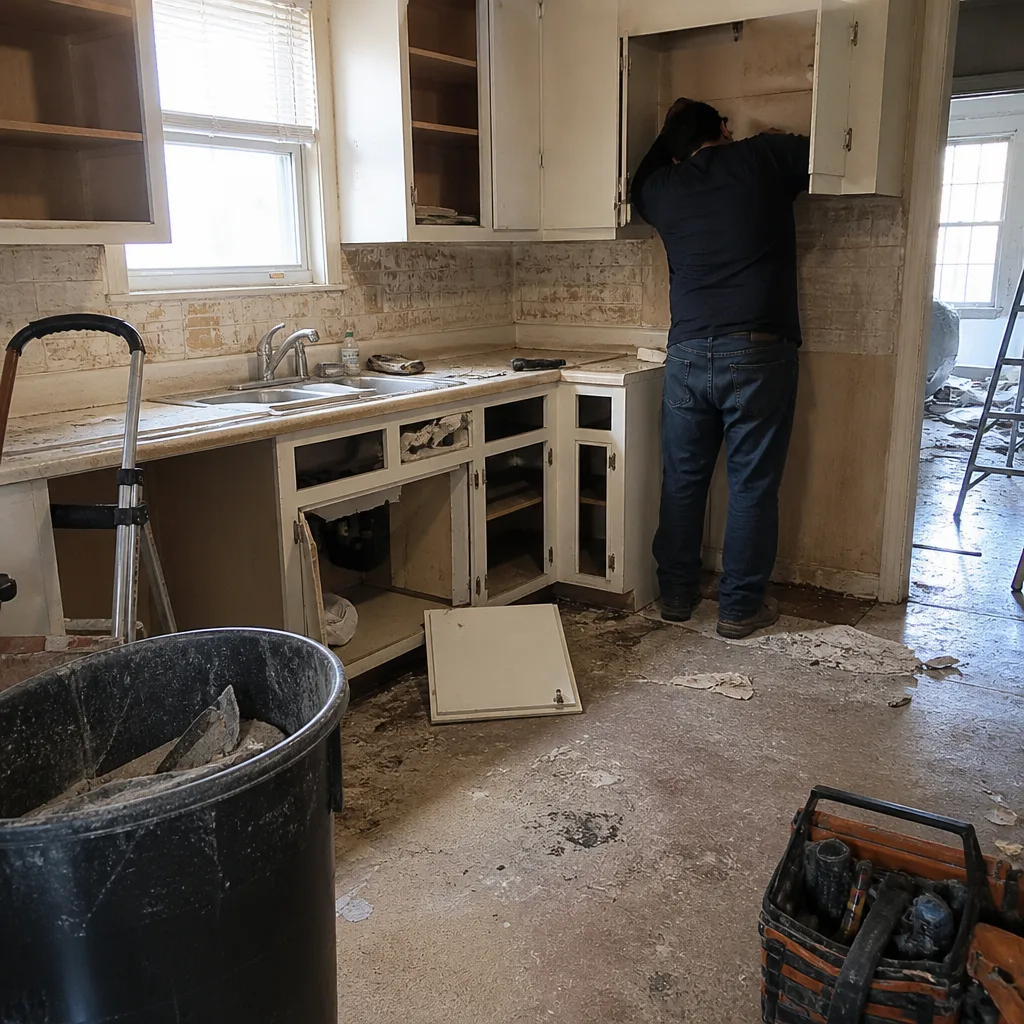 Before
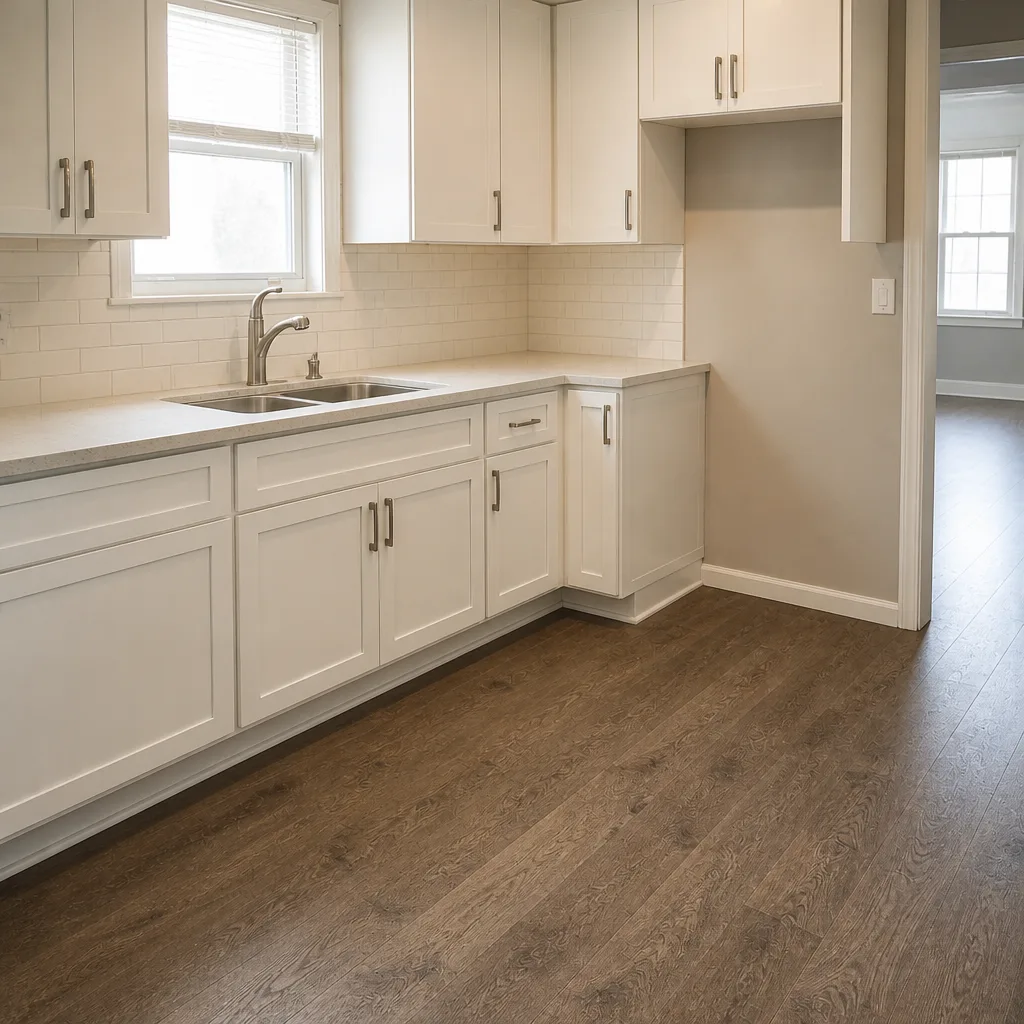 After
Prefab ADU vs Custom Built ADU in Fort Worth: Which One Survives Your Lot?
Choose custom-built unless your lot is flat, already graded, free of deed restrictions, and your prefab manufacturer will engineer to Fort Worth’s expansive clay. For most homeowners here, that’s not the case. The prefab-vs-custom question isn’t really about budget or speed – it’s about whether your dirt, your setbacks, and your subdivision rules will accept a manufactured box at all. In Fort Worth, they often won’t without costly workarounds. We build ADUs across Fort Worth and we’ll tell you plainly when prefab makes sense and when it doesn’t. Call (855) 912-5373 and we’ll talk through your lot before you sign anything.
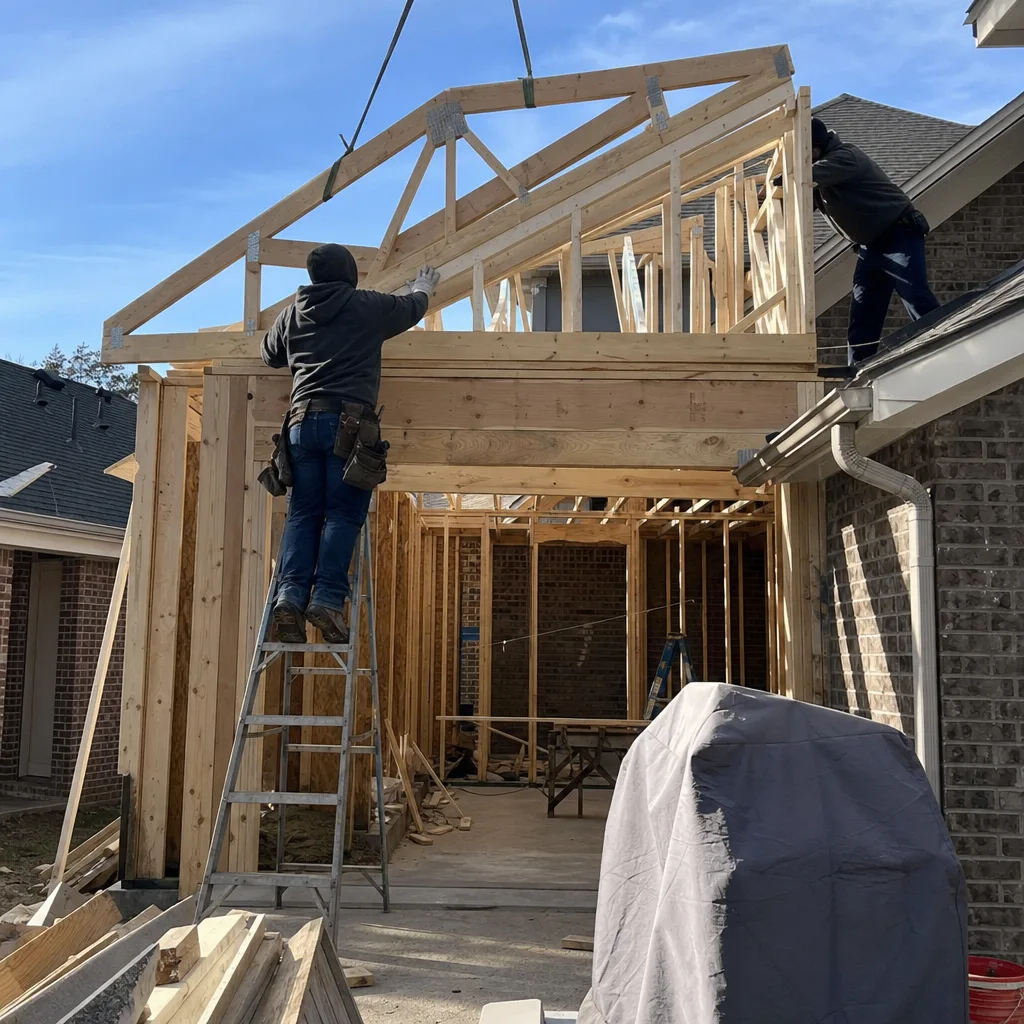
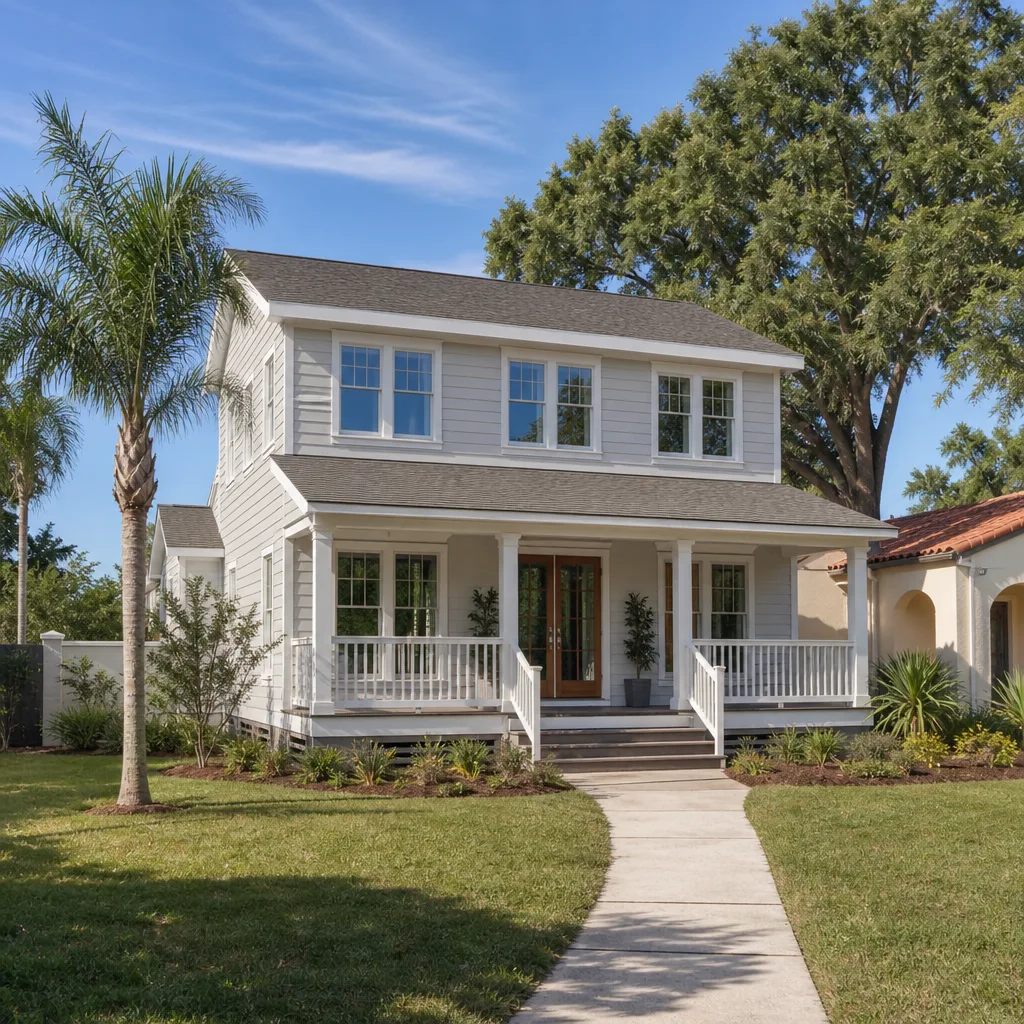
Why Fort Worth Soil Quietly Kills the Prefab Cost Advantage
Fort Worth sits on expansive black clay. In a dry summer it shrinks and pulls; after a wet spring it swells and pushes. A standard prefab ADU arrives designed for a level, compacted pad or a simple chassis foundation – and that assumption doesn’t hold here. Within a couple of seasons, movement on an underbuilt foundation shows up as cracked drywall, sticking doors, and a warranty claim the manufacturer points at the site, and the site contractor points back at the manufacturer.
The frost line in North Texas is shallow, so foundations here are engineered around soil movement, not freeze depth. That means an engineered slab or a pier-and-beam system sized to your specific lot. Most prefab manufacturers don’t design to that spec. So you end up paying for a custom foundation either way – which erases one of the biggest headline savings prefab vendors advertise. What’s left of the cost gap is smaller than the brochure suggests.
Older inner-loop blocks make it worse. In Fairmount and Ryan Place, the housing stock is early-1900s Craftsman and bungalow on pier-and-beam with true-dimension lumber, and lot grades are rarely uniform. A prefab unit dropped on an irregular grade needs shimming, re-grading, and drainage work that no factory accounts for. This is where the “cheap prefab” math falls apart fast.
Deed Restrictions in Northwest Fort Worth Subdivisions
Here’s the part most comparison guides skip: in fast-growing northwest Fort Worth, the rules can disqualify a prefab box before you ever pull a permit. Master-planned communities out toward Walsh Ranch and the Alliance corridor frequently cap accessory-structure square footage, dictate exterior materials, and set roofline pitch and siding requirements that a standard manufactured unit won’t meet without modification.
- Square footage caps that shrink your unit below the size that actually rents.
- Exterior material rules – masonry, siding type, and finish standards a prefab shell doesn’t match.
- Roofline and height limits that a boxy modular profile violates outright.
- Design-review overlays in historic districts like Fairmount, Ryan Place, and the Stockyards area that can stall even a straightforward build on district review.
Modifying a prefab to clear those hurdles means custom siding, a modified roof, and engineering letters – costs that eat the savings and slow the schedule. A custom build designs to your subdivision’s rules from the first drawing. If you’re weighing the full scope of an addition, our Home Additions & ADU in Fort Worth page walks through how we scope a build against local deed restrictions.
The Real Fort Worth Permit Timeline: Prefab Isn’t as Fast as Advertised
Prefab vendors love the “2 to 3 weeks” number. That’s the factory lead time on the box, not your project. In Fort Worth, a prefab ADU still needs a full site permit, utility connection inspections, and a Tarrant County setback review. Add foundation engineering, delivery scheduling, and crane placement, and the realistic path is 6 to 10 weeks – sometimes longer if a design overlay is involved. A custom build runs a longer design-and-permit arc, but you’re not stacking a factory schedule on top of a site schedule and waiting for both to line up.
On accountability: prefab manufacturers typically carry a 1-year structural warranty tied to the factory, which leaves you holding split liability between the manufacturer and whoever set the unit. Our work is covered by the 730-Day Done Right Promise – if it’s not done right, we make it right – from a single contractor who owns the whole build, foundation to finish line. No finger-pointing between two parties. That contrast matters more than any line-item discount.
Fort Worth Cost Per Square Foot: Prefab vs Custom
Here’s how the two routes land in the Fort Worth market. The numbers reflect what we see on real lots with real soil and real deed restrictions – not brochure pricing.
| Item | Prefab ADU | Custom-Built ADU |
|---|---|---|
| Typical project range | $90,000-$220,000 | $90,000-$220,000 |
| Foundation | Usually custom-engineered anyway | Engineered to your lot |
| Deed-restriction compliance | Costly modifications, or disqualified | Designed to the rules |
| Realistic permit-to-finish timeline | 6-10 weeks | Design + permit + build arc |
| Warranty structure | ~1-year factory structural, split liability | 730-Day Done Right Promise, single party |
| Appraised value & rental income | Lower in most neighborhoods | Higher, especially inner-loop |
On cost per square foot, both land in the $90,000-$220,000 total range for a full unit. But custom builds hold higher appraised value and stronger rental income in tight-supply inner-loop neighborhoods like Ryan Place and Fairmount, where lot premiums are highest. That resale and rent advantage is where custom earns its money back. Pair that with no-hassle upfront pricing and 0% financing for 18 months plus $1,000 off projects over $10,000, and the financial picture gets clearer. If your project also touches the main house, our home page covers the full range of what we build.
Common Scenarios We See Across Fort Worth
Fairmount bungalow with an irregular pier-and-beam grade: prefab usually needs re-grading and drainage work; custom designs to the slope from day one.
Walsh Ranch or Alliance-area lot with a strict design overlay: prefab box often non-compliant on materials and roofline; custom gets designed to the deed restrictions before the first permit is filed.
Ryan Place lot with rental upside: custom-built unit commands stronger rent and appraises higher, so the cost gap closes over a few years of income.
Groundwork Construction Co. of Fort Worth handles the foundation, framing, finish work, and permit coordination with background-checked, uniformed technicians, and a live person answers your call 24/7.
FAQs
Not by much once you account for Fort Worth’s clay soils. Both routes land in the $90,000-$220,000 total range for a full unit, and prefab usually still needs a custom-engineered foundation here, which eats the headline savings. Call (855) 912-5373 for an exact quote – estimates are free.
Yes, and it almost always has to be custom-engineered. Fort Worth’s expansive black clay moves enough season to season that a standard prefab chassis foundation won’t hold up, so an engineered slab or pier-and-beam is required regardless of which route you choose.
They can. Subdivisions like Walsh Ranch and communities along the Alliance corridor often cap accessory-structure square footage and dictate exterior materials and rooflines that a standard prefab box won’t meet without costly modifications. We check your deed restrictions before anything is ordered – call (855) 912-5373 to start that review.
Sometimes, because a prefab still needs a full site permit, utility inspections, and a Tarrant County setback review, which typically runs 6 to 10 weeks – not the 2 to 3 weeks vendors quote. A custom build has a longer design arc, but there’s no factory schedule stacked on top of the site schedule. Call (855) 912-5373 and we’ll give you a realistic timeline for your lot.
Ready to Sort Out Your Lot Before You Commit?
If you’d rather have it looked at, Groundwork Construction Co. of Fort Worth offers a no-pressure assessment in Fort Worth – we’ll check your soil, setbacks, and deed restrictions and tell you honestly which route fits. Call (855) 912-5373 for a free estimate.
Written by the team at Groundwork Construction Co. of Fort Worth, serving Fort Worth, TX.