Free written scope consultation - allowances, timeline, and change-order rules on paper before a single trade is scheduled
Styles & brands we work with
- Kitchen remodeling
- Bathroom remodeling
- Home additions & ADU
- Roofing
- Windows & doors
- Driveway & pavers
- Fence
See the difference
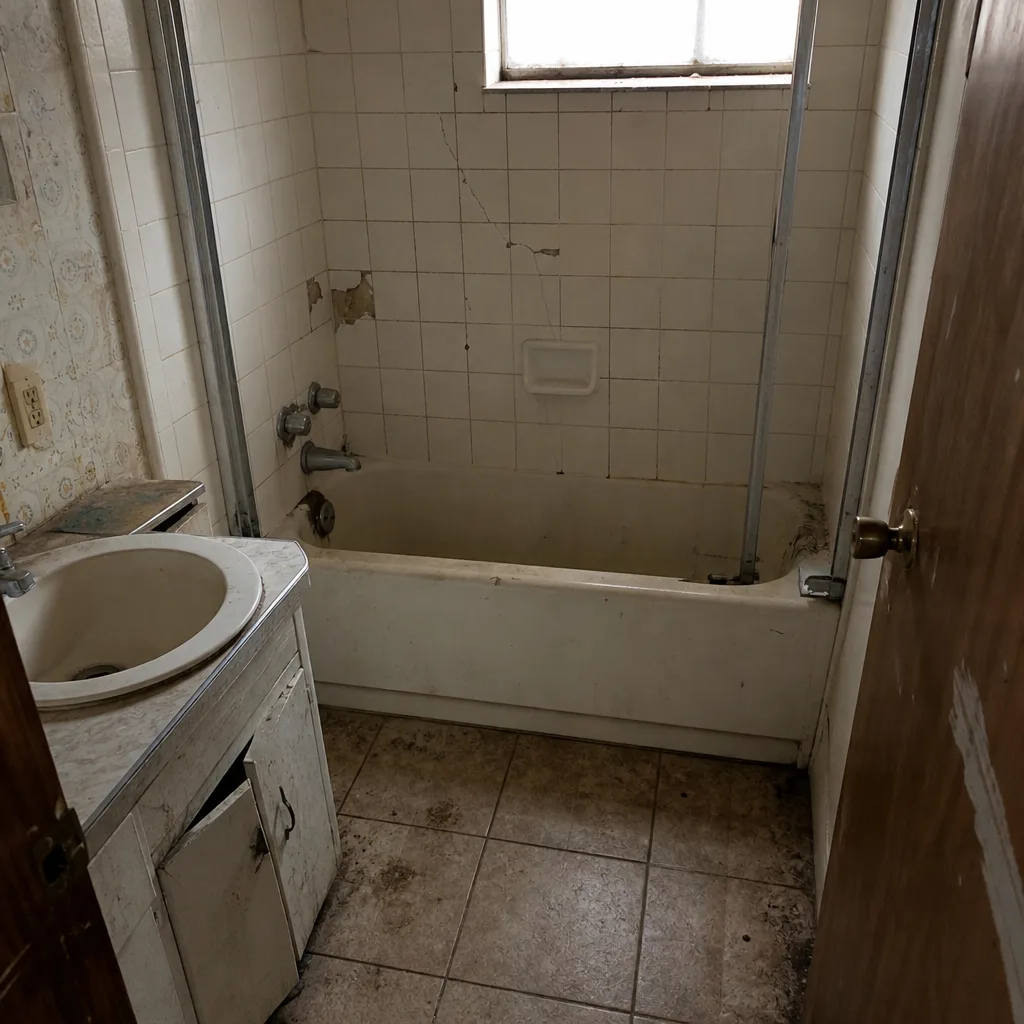 Before
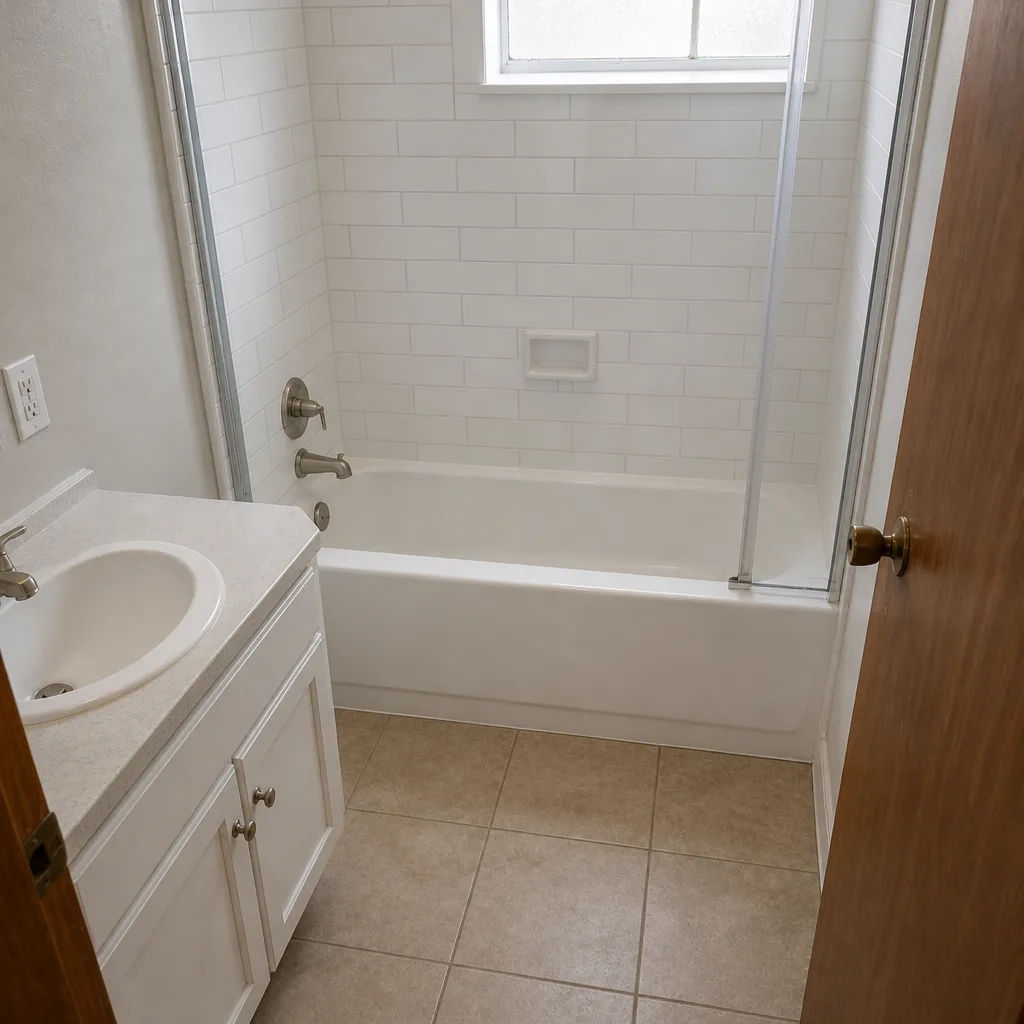 After
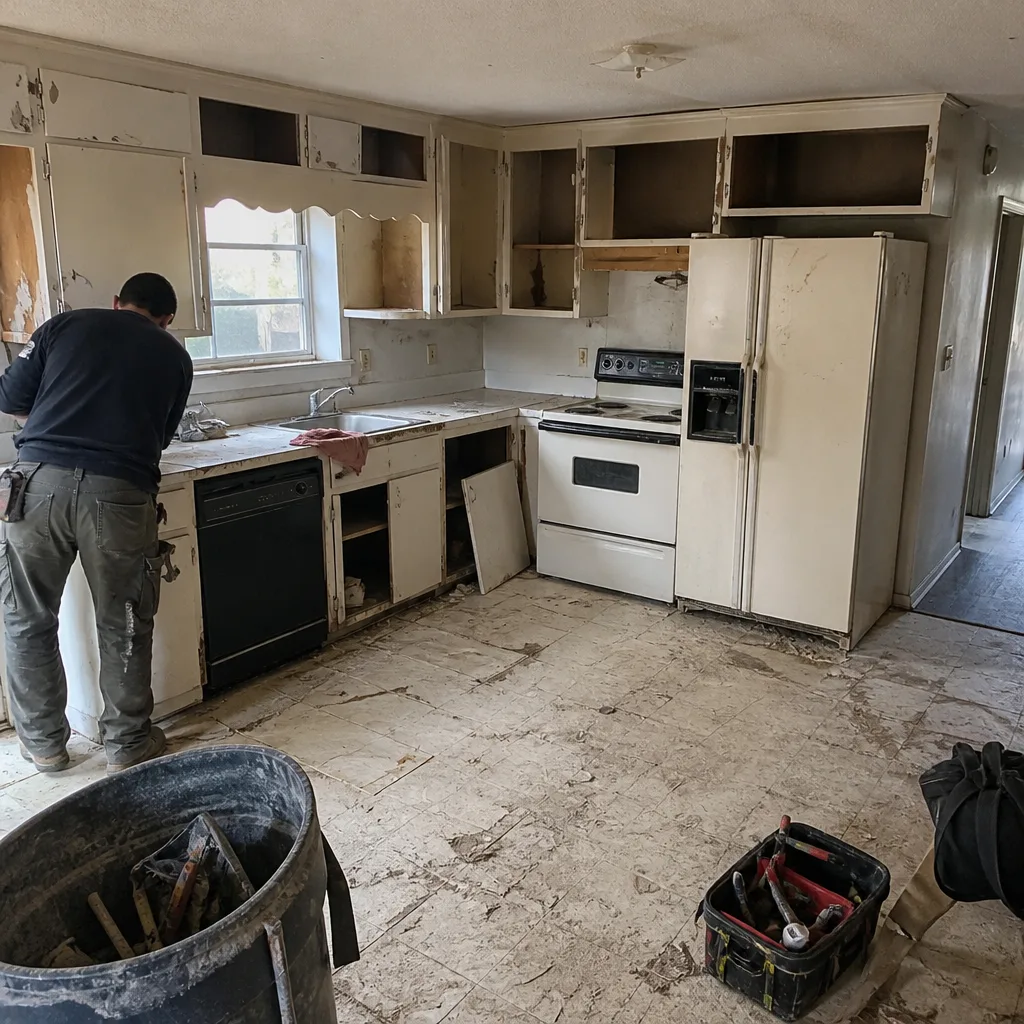 Before
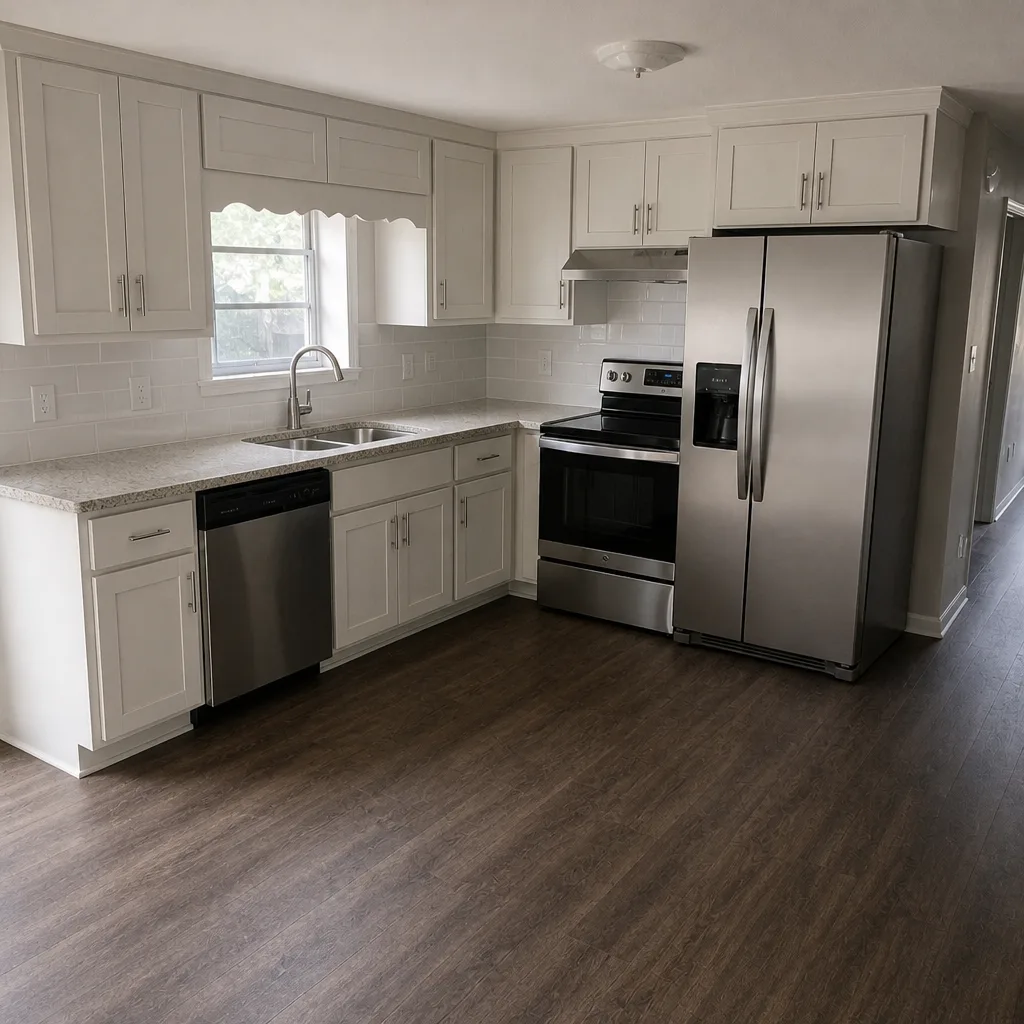 After
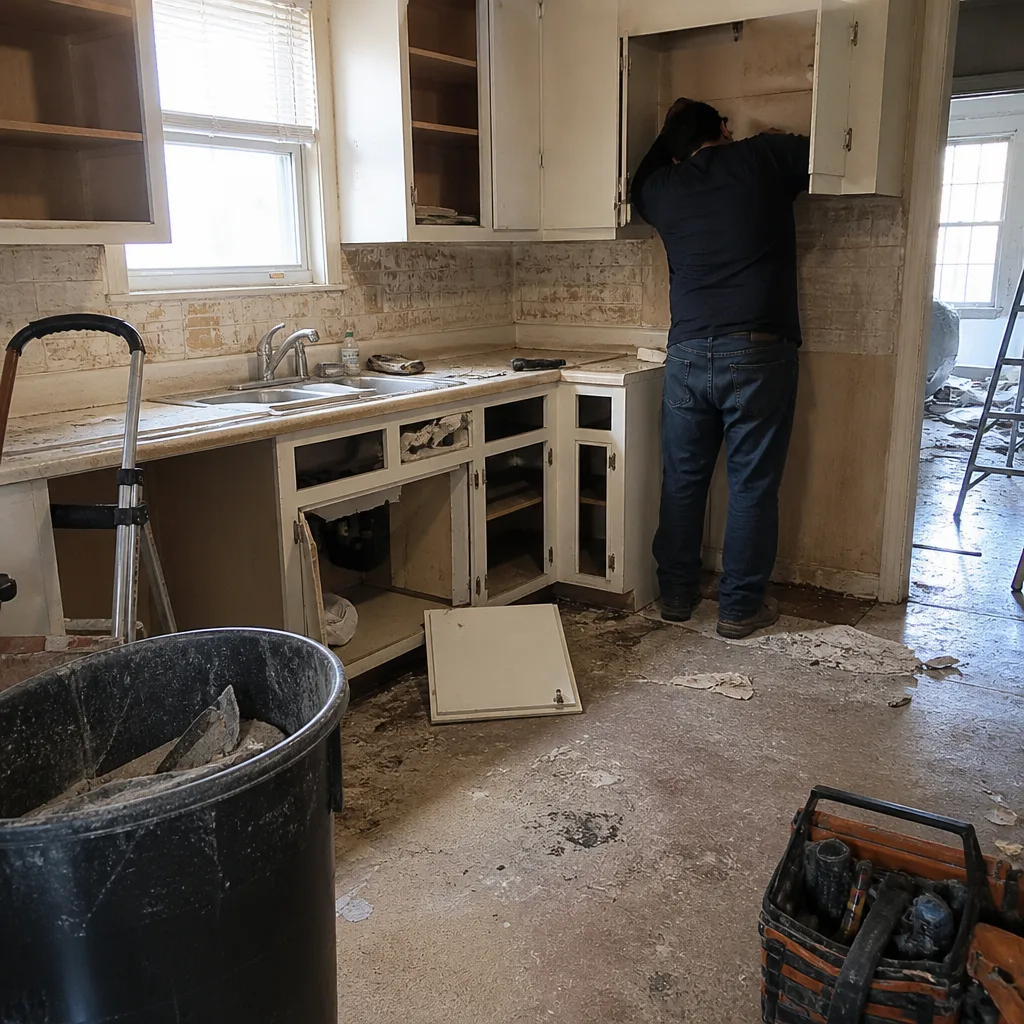 Before
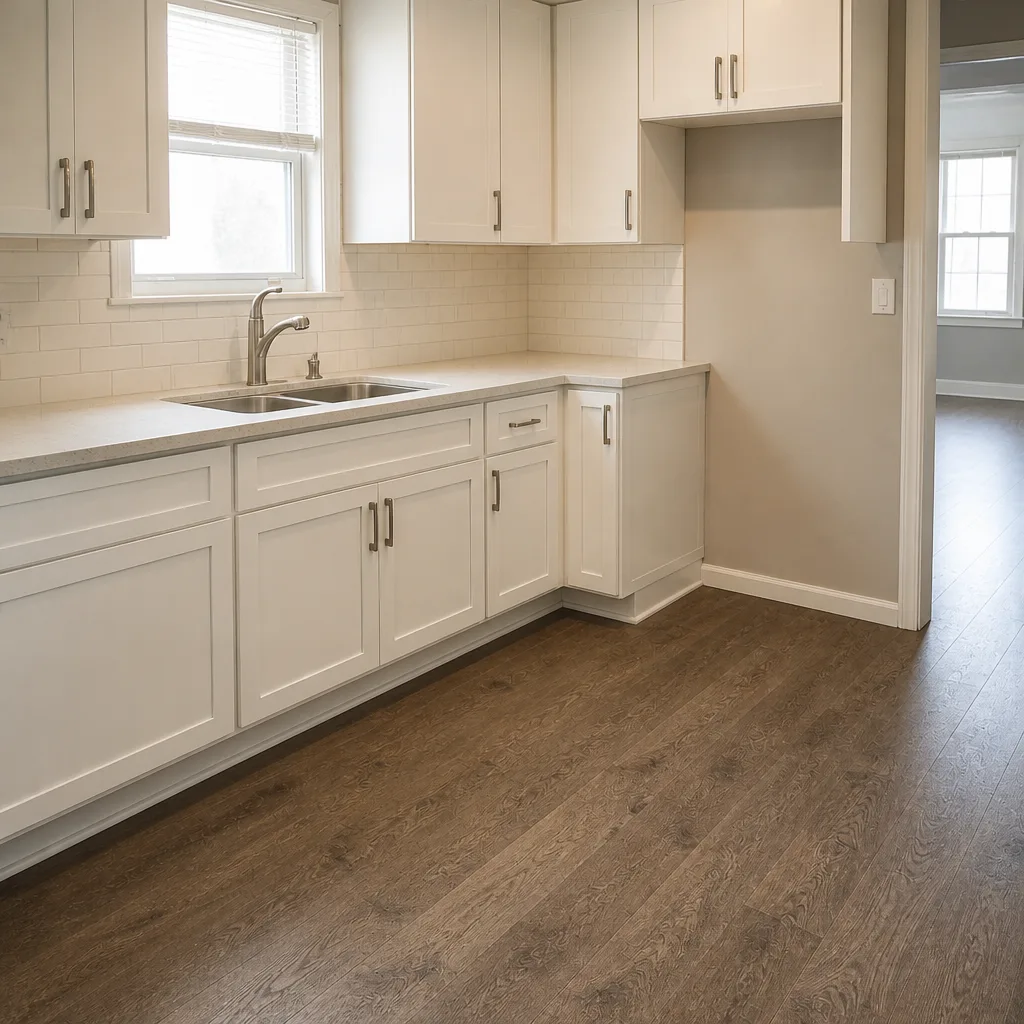 After
Pavers vs Concrete Driveway in Fort Worth, TX: Which Holds Up to Black Clay?
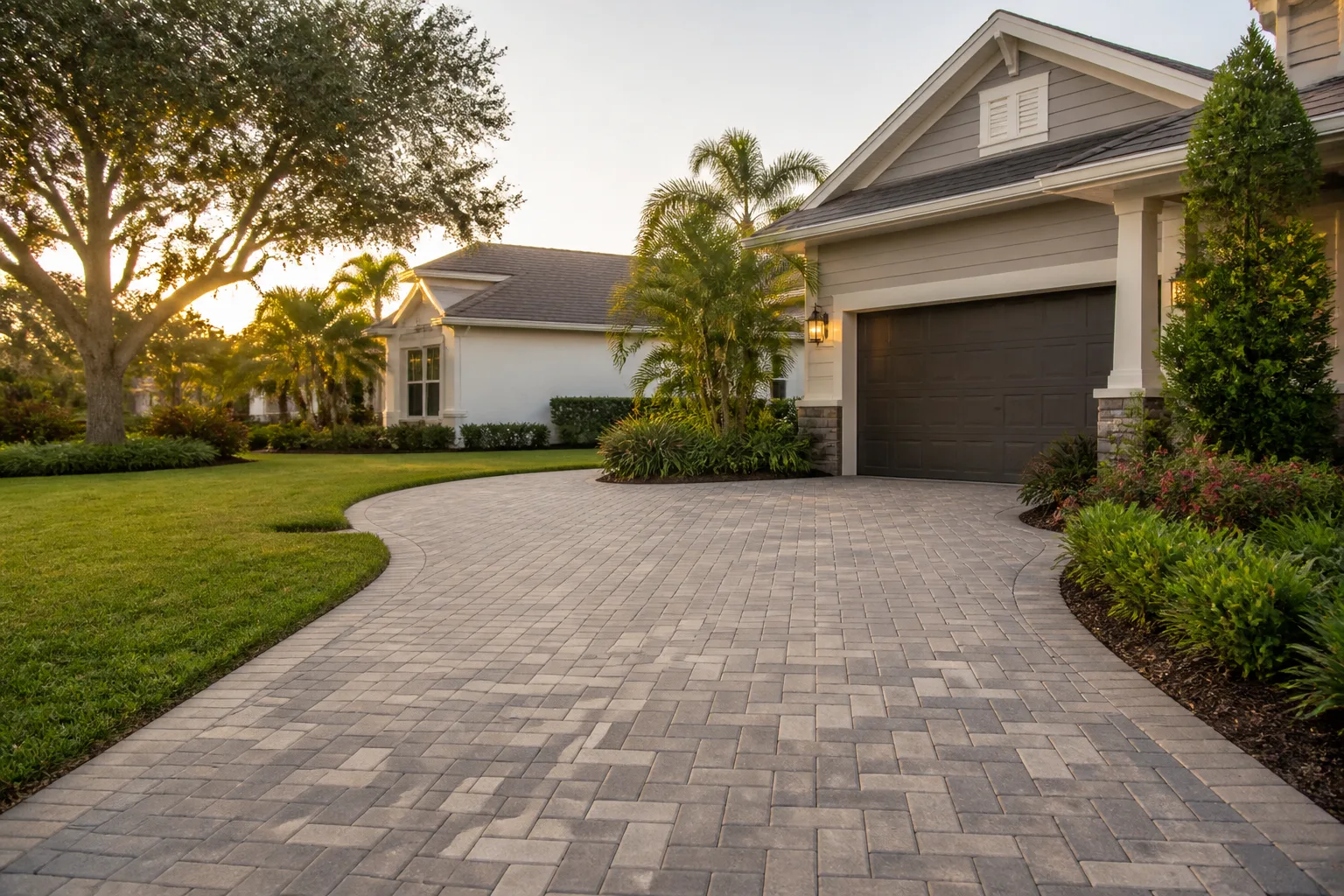
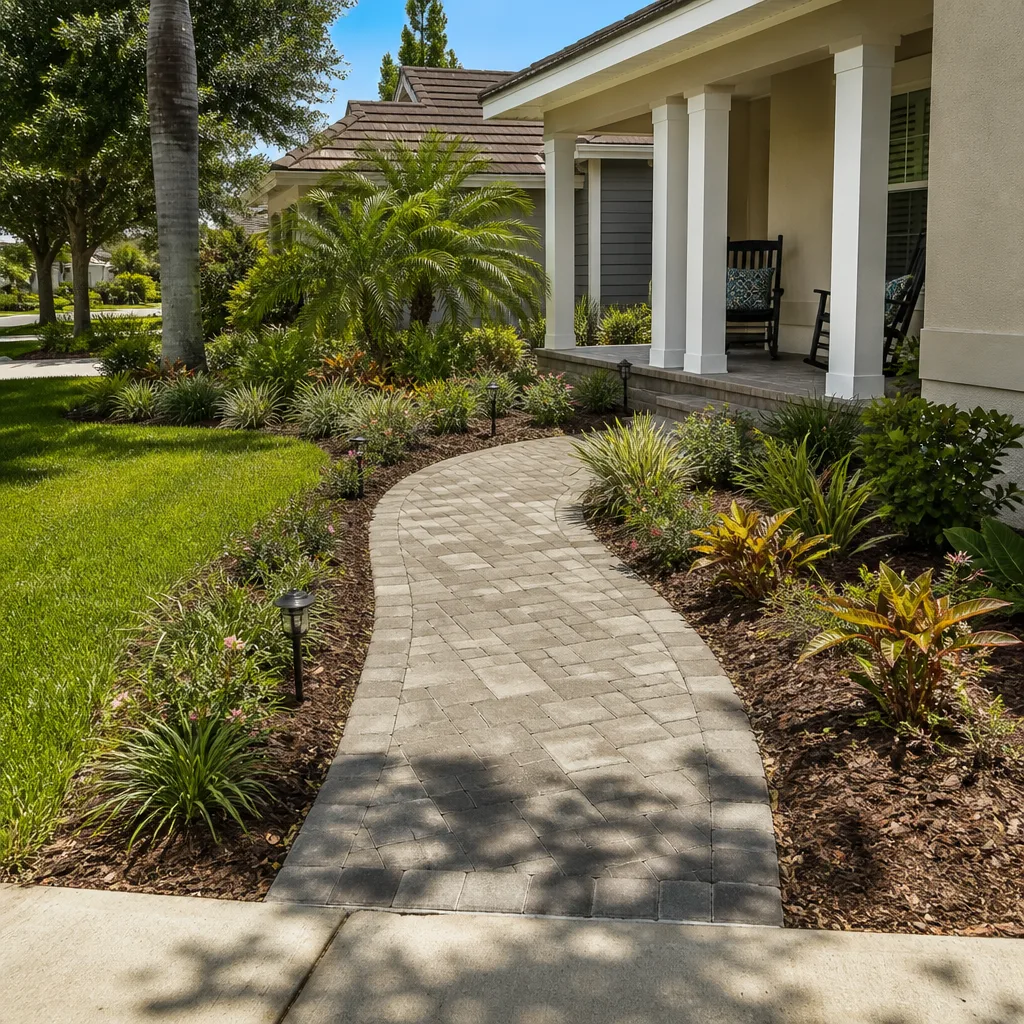
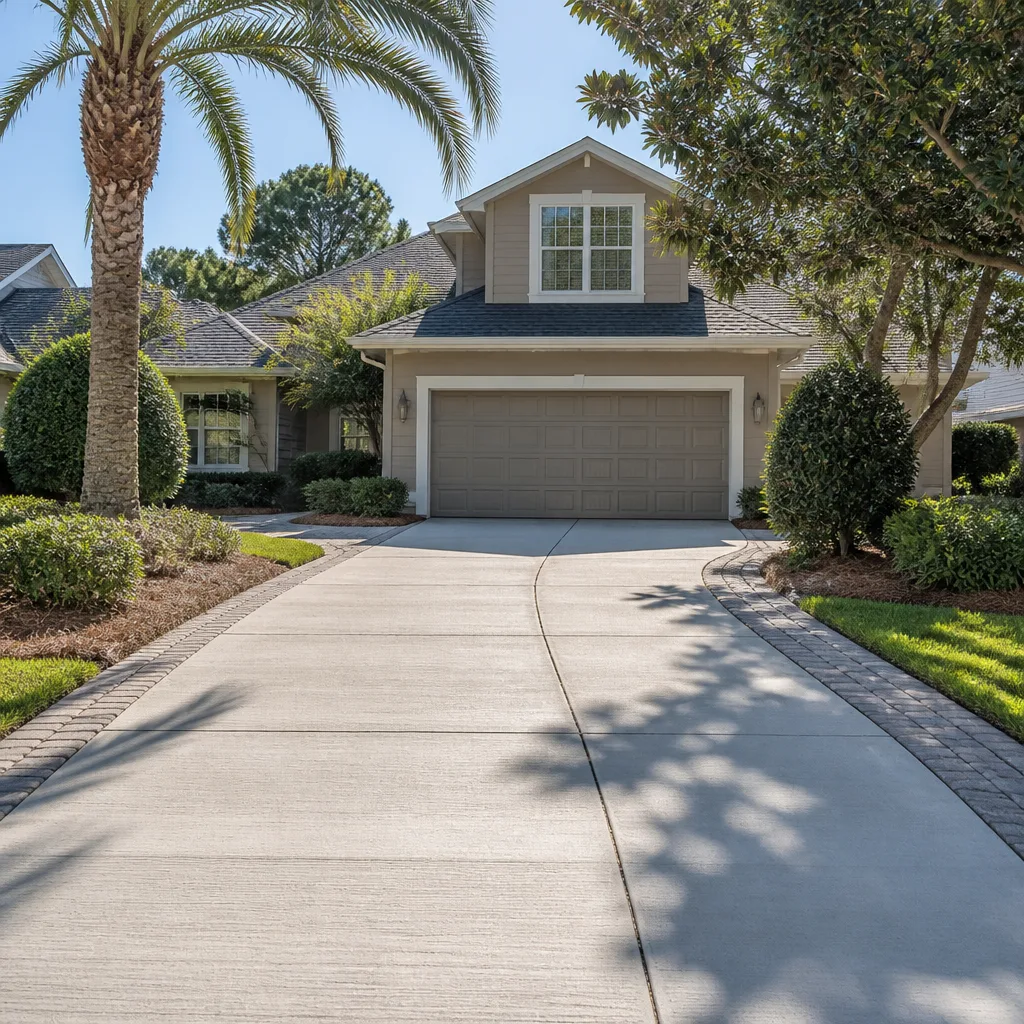
Choose pavers unless your budget simply can’t stretch to them. A paver driveway handles Fort Worth’s expansive black clay soil better than a poured concrete slab, because individually set units flex and redistribute soil movement instead of fighting it. Concrete is cheaper up front, but in Fort Worth’s wet-dry swing it cracks, and those cracks come back. If you’re weighing the two, call Groundwork Construction Co. of Fort Worth at (855) 912-5373 for a free estimate and a straight answer on your particular lot.
Why Fort Worth Soil Changes the Whole Calculation
A monolithic concrete slab here is essentially a rigid lid sitting on a surface that never stops moving. That’s the piece most paver-vs-concrete comparisons skip, and it’s the piece that matters most in North Texas. Fort Worth’s black clay swells and shrinks dramatically through wet springs and hard summers, and a single poured slab spanning a standard two-car driveway gives all that movement nowhere to go except into a crack. Pavers are jointed by design. Dozens of small gaps share the load, so when the ground heaves, the driveway absorbs it instead of splitting.
That difference shows up across the region’s housing stock, which ranges from pier-and-beam Craftsman bungalows in Fairmount and Ryan Place to slab-on-grade tract builds pushing toward Alliance. On a lot with heavy clay, the driveway is often the first hard surface to reveal what the soil is doing underneath.
What “Flexing” Actually Means for a Fort Worth Driveway
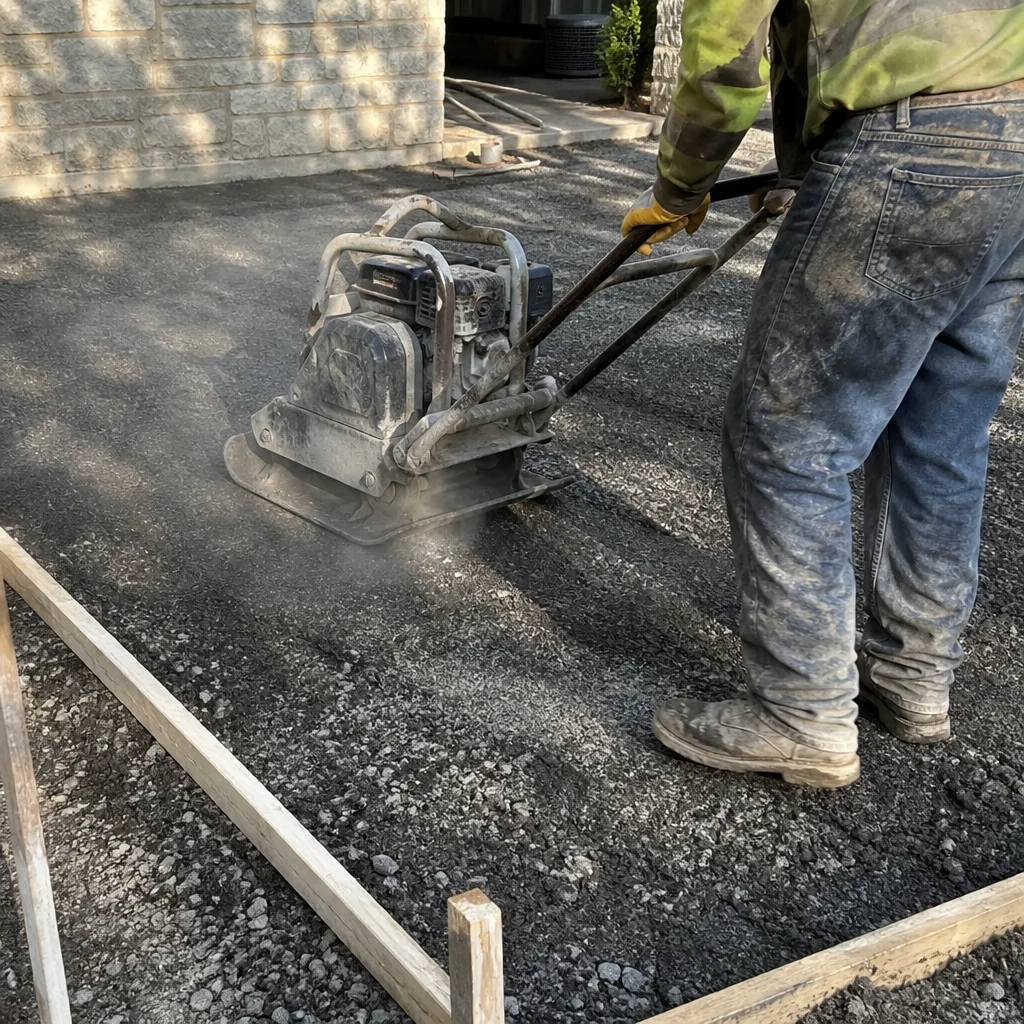
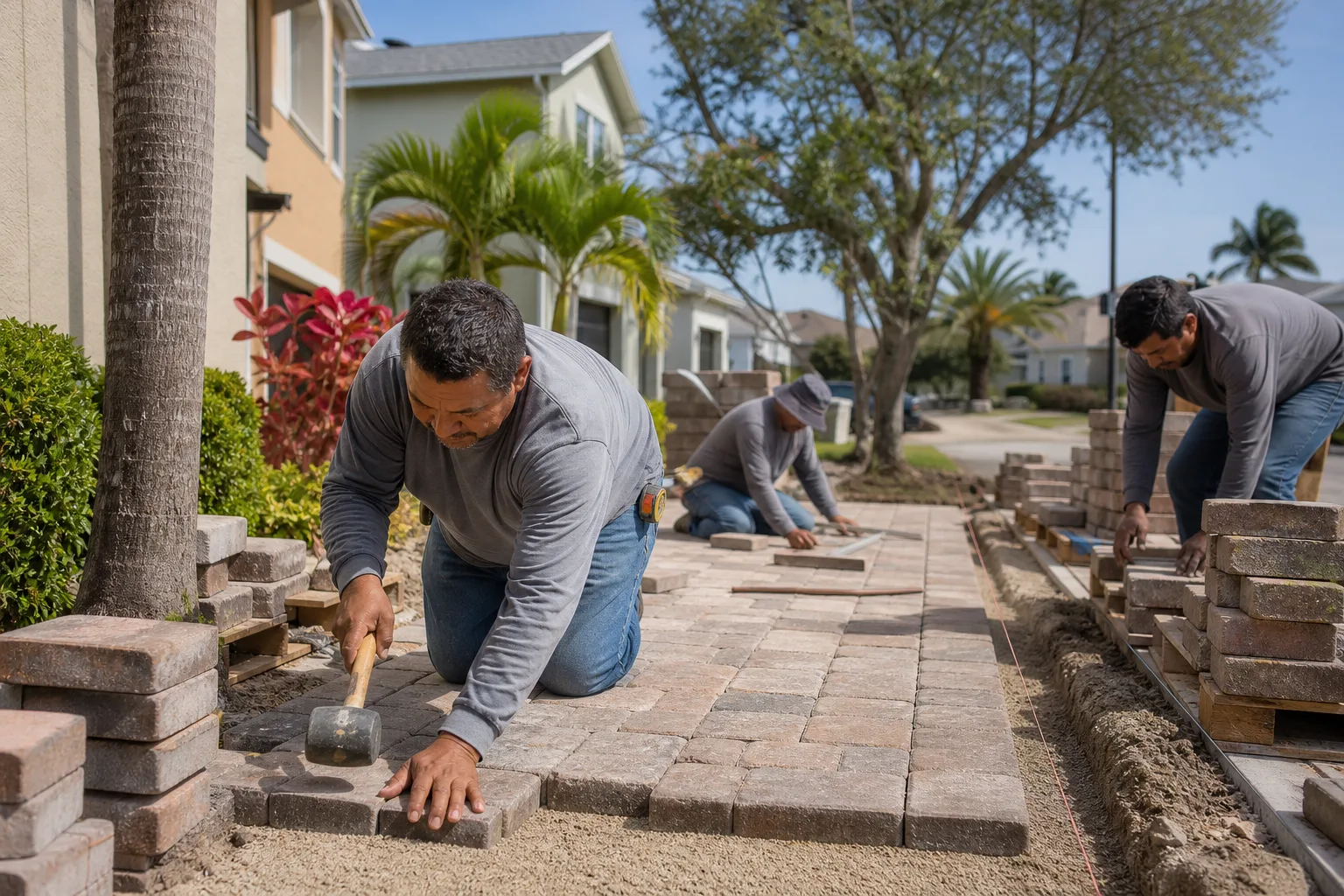
The flex only pays off if the bedding sand layer is managed correctly through the seasons. Set pavers on a proper compacted base with the right sand bed and they move as a system. Skip the base prep and even pavers will rut and shift. This is where workmanship separates a driveway that lasts from one that looks good for two summers. Our technicians bring up to 12 years of experience, and our crews know that in Fort Worth the base work is the job – the pretty top layer is the easy part.
Point Repair: The Advantage You’ll Notice After a Wet Winter
When one section of a Fort Worth driveway heaves after a soaking spring, pavers let you pull and re-set the affected units. No saw-cutting, no patching, no scar. With concrete, any repair is a visible patch, and the structural integrity around it is already compromised. A crack that gets filled in March often reopens by the next freeze-thaw cycle.
- Pavers: lift the affected units, correct the base, re-set the same material. Repair blends in.
- Concrete: saw-cut, remove, pour a patch. The seam is permanent and the surrounding slab keeps moving.
- The clay factor: because Fort Worth clay moves seasonally, the section that heaved once will likely heave again. Point repair makes that a small job instead of a slab replacement.
If your current driveway is failing, replacing it with a jointed system is worth pricing against another concrete pour. You can see how we handle the full scope on our Driveway & Pavers page.
Cost Comparison: What You’ll Actually Pay in Fort Worth
Concrete typically runs $1 to $2 less per square foot installed, but in Fort Worth’s climate it carries a higher long-term maintenance cost because crack repairs recur. Here’s how the numbers look for a standard project:
| Project | Fort Worth Price Range |
|---|---|
| Paver driveway installation | $7,000-$18,000 |
| Concrete driveway installation | $4,500-$12,000 |
| Driveway replacement | $5,000-$14,000 |
| Driveway sealing | $250-$700 |
Over ten years, the total cost of ownership often narrows. Add up recurrent concrete crack repairs, patching, and the eventual slab replacement that clay movement forces, and the gap between the two closes fast. Pavers cost more up front; they don’t keep charging you.
Where the Budget Reality Sits
Upfront pricing means the number you see is the number you pay, and we put financing on the table so a larger driveway doesn’t stall the project. We offer 0% financing for 18 months and $1,000 off projects over $10,000. That’s how a paver driveway becomes reachable without pretending it costs the same as concrete.
Historic Districts: When Concrete Won’t Pass Review
In Fairmount, Ryan Place, and around the Stockyards, design-review overlays shape what you can build, and driveway material falls inside that review. Homeowners in these districts are sometimes required to use materials that complement the period character of the block. Pavers in a period-appropriate style frequently satisfy Historic Preservation Officer review when plain concrete does not. If you’re renovating a 1920s bungalow, the wrong driveway can stall a permit; the right one clears it. It’s one more reason the material decision is a local one.
Materials, Partners, and What We Stand Behind
Groundwork Construction Co. of Fort Worth sources pavers from curated suppliers and sets them over a base built for clay. Concrete, when it’s the right call, is poured with proper reinforcement and control joints placed for our soil conditions. We work with established material makers like Oldcastle and Quikrete so the units and mixes hold up to North Texas heat and moisture.
Installation is backed by our 730-Day Done Right Promise – one of the longest workmanship guarantees in residential construction. If the bedding layer settles and units shift within the first two years, we correct it at no charge. Built to last, backed in writing. From foundation to finish line, that’s the standard across every project.
When Concrete Is the Better Choice
We guide, we don’t pressure. Concrete makes sense if you want the lowest possible upfront number, if your lot has stable, well-drained soil with minimal clay movement, or if a simple utility-grade surface fits the property. It’s also fine for a short-horizon plan where a future replacement is expected anyway. For most Fort Worth homeowners planning to stay, though, the jointed system wins on total cost and repair ease.
Key Takeaways
- Fort Worth’s black clay moves seasonally; pavers flex, concrete cracks.
- Concrete is $1-$2 cheaper per square foot installed but costs more in recurring repairs.
- Pavers allow invisible point repair; concrete patches are permanent.
- Fairmount and Ryan Place historic overlays often favor period pavers over plain concrete.
- Every install is covered by the 730-Day Done Right Promise.
FAQs
Yes, for most Fort Worth homeowners planning to stay long term. The higher upfront cost is offset by point repair instead of slab replacement and by pavers tolerating clay movement that cracks concrete. Call (855) 912-5373 for an exact quote – estimates are free.
In Fort Worth, a paver driveway runs $7,000-$18,000 installed, while concrete runs $4,500-$12,000. The paver premium buys you flex and easier repairs on our clay soil. Call (855) 912-5373 to price your specific driveway.
Yes. We pull and re-set the affected units without saw-cutting or patching, so the repair blends into the surrounding driveway. That’s the core advantage over concrete in Fort Worth’s moving soil.
Sometimes. Design-review overlays in Fairmount and Ryan Place can call for materials that complement the neighborhood’s period character, and pavers often pass where plain concrete doesn’t. Call (855) 912-5373 and we’ll walk your property’s requirements with you.
Free Estimate in Fort Worth
If you’d rather have it looked at than guess, Groundwork Construction Co. of Fort Worth offers a no-pressure assessment in Fort Worth. We’ll check your soil, your slope, and your block’s overlay rules, then give you honest upfront pricing. Call (855) 912-5373 – a live person answers, 24/7. Explore our full home services while you’re at it.
Written by the team at Groundwork Construction Co. of Fort Worth, serving Fort Worth, TX.