

Free written scope consultation - allowances, timeline, and change-order rules on paper before a single trade is scheduled
Styles & brands we work with
- Kitchen remodeling
- Bathroom remodeling
- Home additions & ADU
- Roofing
- Windows & doors
- Driveway & pavers
- Fence
See the difference
 Before
 After
 Before
 After
 Before
 After
Vinyl vs Aluminum Fence in Fort Worth: Which One Survives This Climate?
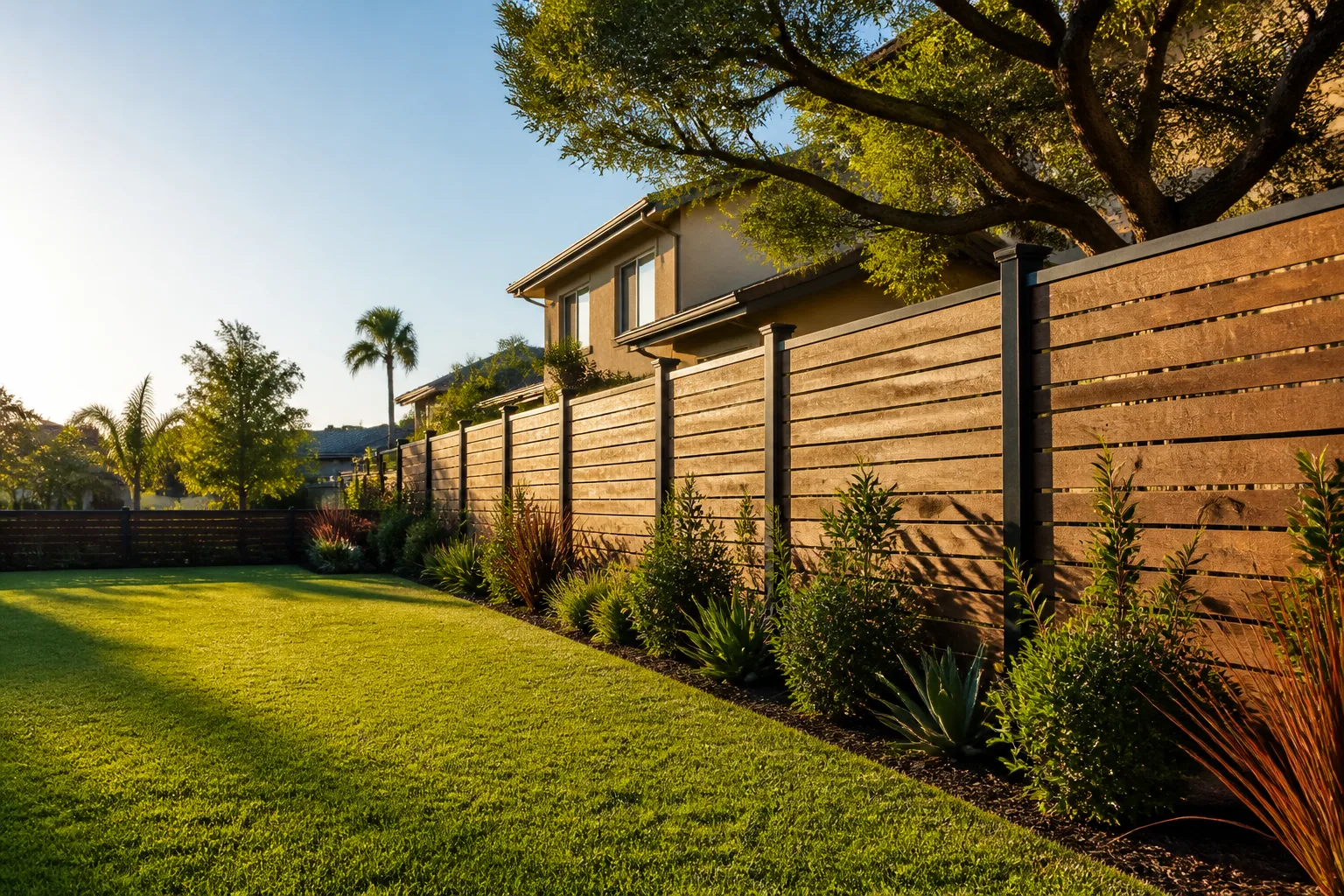
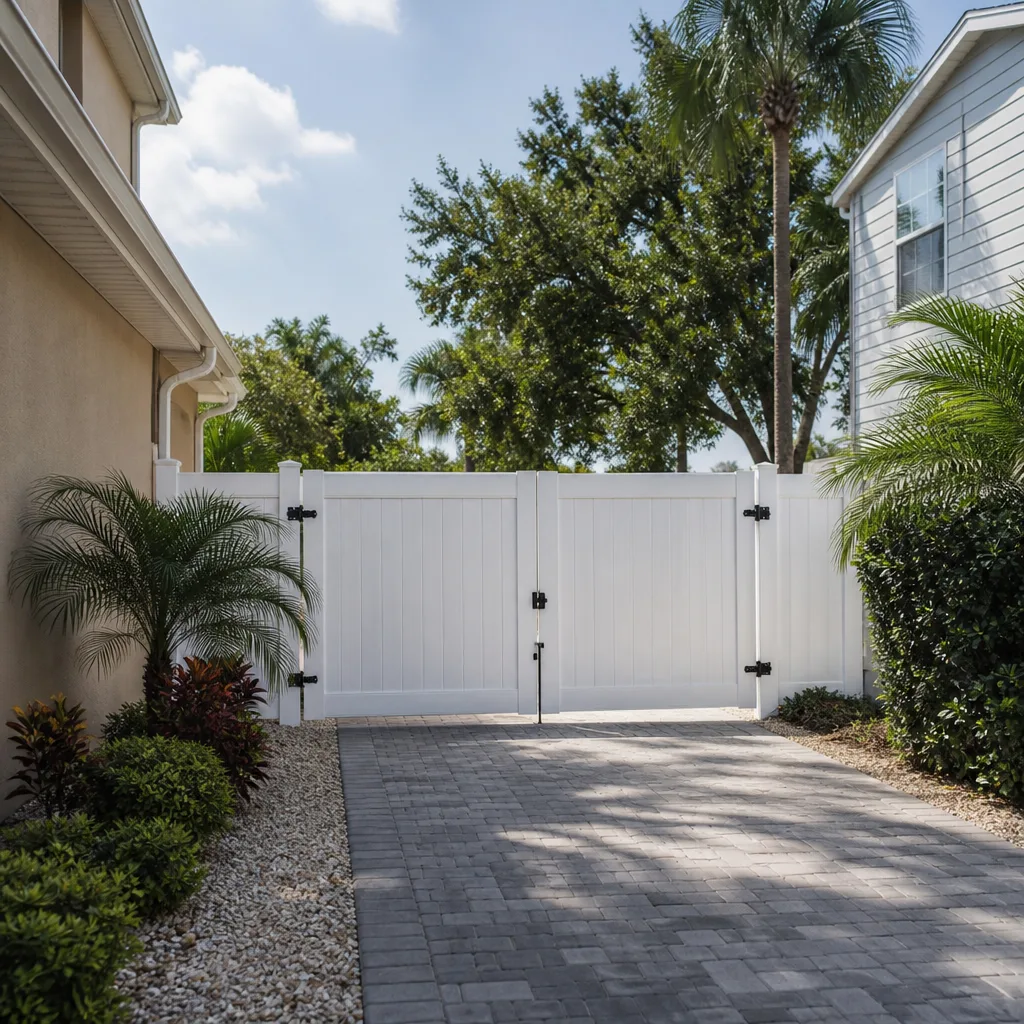
Choose aluminum if your fence line is exposed to open sky and hail, sits in a front-yard area your HOA regulates, or you want a fence that can be repaired panel-by-panel after a storm. Choose vinyl if you’re fencing a backyard with tree cover, want a fully non-metal post system in Fort Worth’s black clay, and prefer privacy over ornament. Both are sold as low-maintenance. They fail in completely different ways here, and the failure mode you’re more likely to hit should drive the decision. Call (855) 912-5373 for a free estimate and we’ll walk your property before you commit either way.
Two Different Enemies: Sun Beats Up Vinyl, Hail Beats Up Aluminum
Fort Worth had four named hail events in the last 24 months. If your aluminum fence sits in the open and your neighbor’s vinyl fence catches the same storm, you’re making two very different insurance calls the next morning.
Aluminum’s enemy is impact. Hail and the straight-line wind events that roll through North Texas bend pickets, crush top rails, and knock ornamental finials loose. It looks bad. It rarely compromises the structure. A bent aluminum section still stands, still latches, still does its job until you decide to fix it on your schedule.
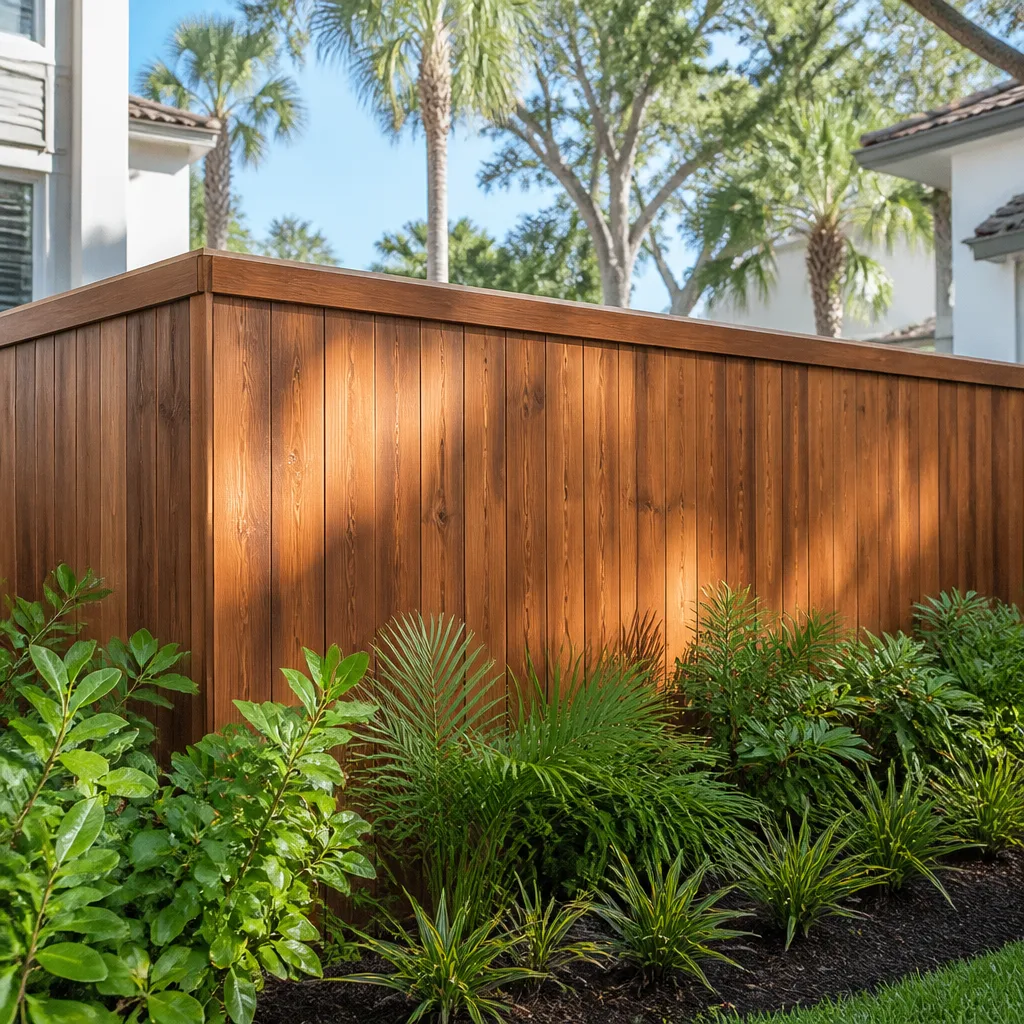
Vinyl’s enemy is sustained UV and thermal cycling. Fort Worth summers push past 100°F for weeks, and every one of those days expands and contracts the panel against its posts. Over years, that shows up as chalky discoloration on south- and west-facing runs, and eventually as expansion-stress cracking at the panel edges and post inserts. The fence doesn’t fail dramatically. It fades and crazes, which is arguably worse because you look at it every day.
How each one fails in Fort Worth specifically
| Failure mode | Vinyl | Aluminum |
|---|---|---|
| Primary threat here | UV fading, thermal expansion cracking | Hail dents, bent pickets, crushed top rails |
| When it shows up | Gradual, over 5-10 years of summers | Immediately after a named hail event |
| Structural impact | Usually cosmetic until cracking spreads | Rarely structural; mostly visual |
| Repair difficulty | Hard: color matching gets harder with age | Straightforward: standard profiles replace by panel |
| Post system | Fully non-metal, immune to steel corrosion | Steel core in aluminum sleeve |
The Repair Story Is Where These Two Diverge
Here’s the part most comparison articles skip. Aluminum fence damage from hail is typically panel-by-panel replaceable using standard profiles. You swap the bent section, the new piece matches, and the repair disappears into the run. That’s a real advantage in a metro that averages 2 to 4 significant hail events a year.
Vinyl is harder. UV fading affects the entire fence visually, not one panel. Color-matched replacement panels from the original manufacturer become increasingly unavailable after 7 to 10 years, and a fresh white panel bolted next to a sun-yellowed ten-year-old run looks worse than the damage you were trying to hide. Homeowners discover this the hard way when a single cracked panel turns into a partial re-fence.
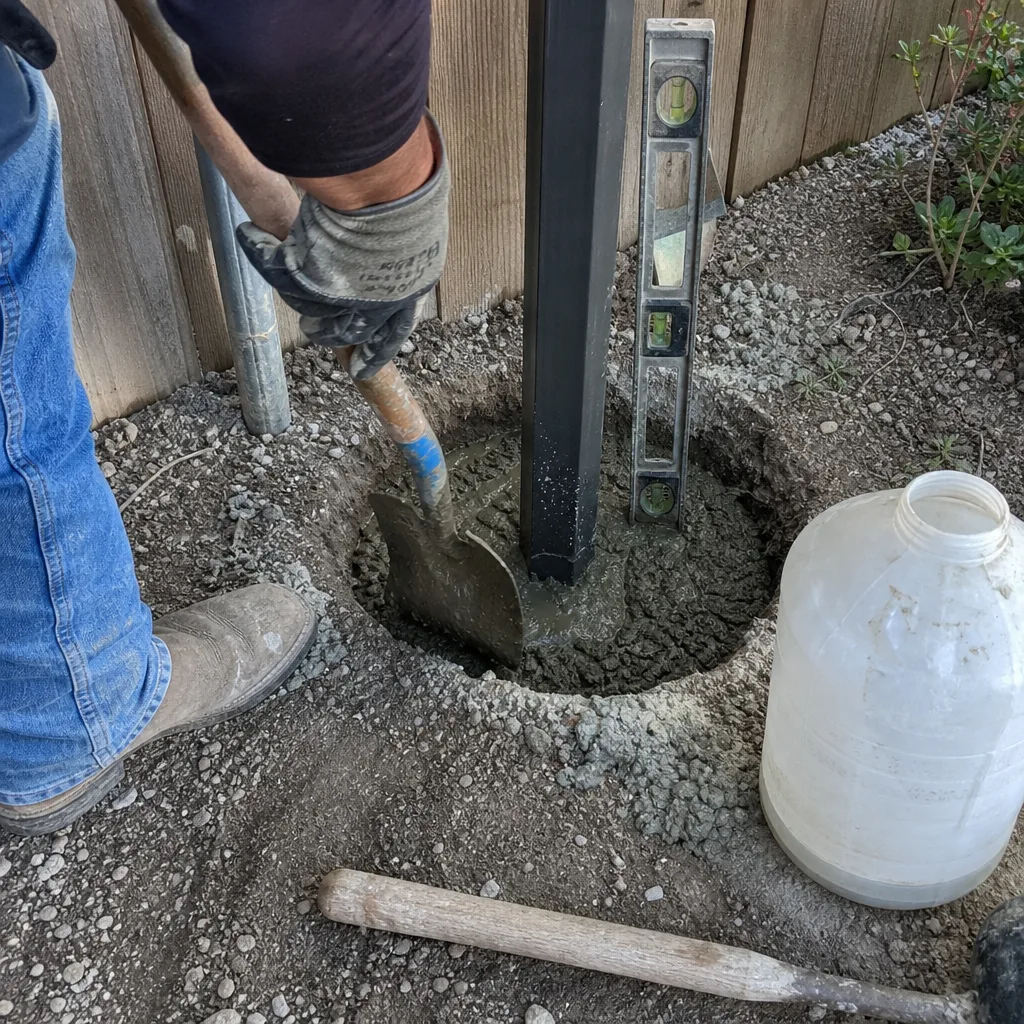
The one place vinyl wins outright is the post. Aluminum systems typically use a steel-core post wrapped in an aluminum sleeve. If that sleeve seal fails, the steel core is vulnerable to corrosion in Fort Worth’s moisture-holding clay zone, especially in direct-burial applications. Vinyl posts are fully non-metal and immune to that specific failure. In our expansive black clay soils, where moisture swings move the ground under a fence line all season, that’s a genuine point for vinyl.
Your HOA May Have Already Made the Decision
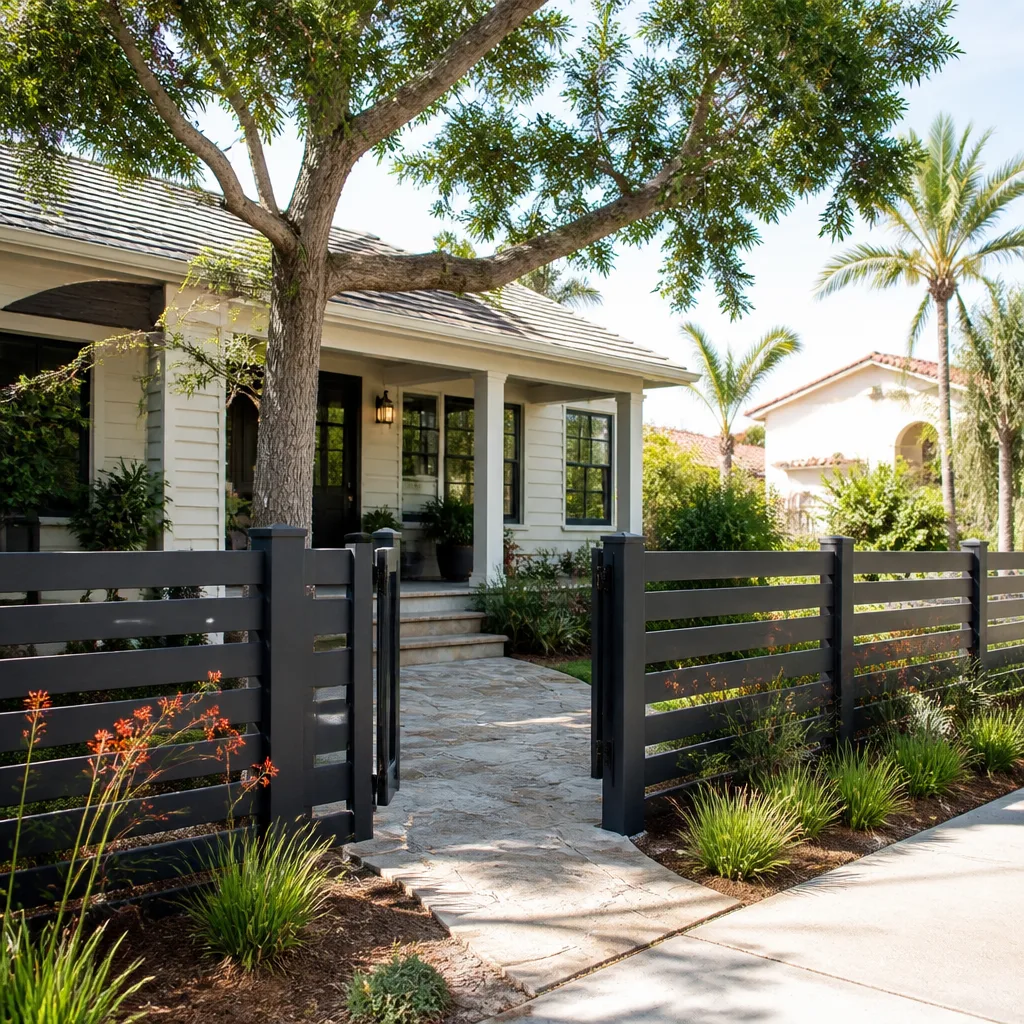
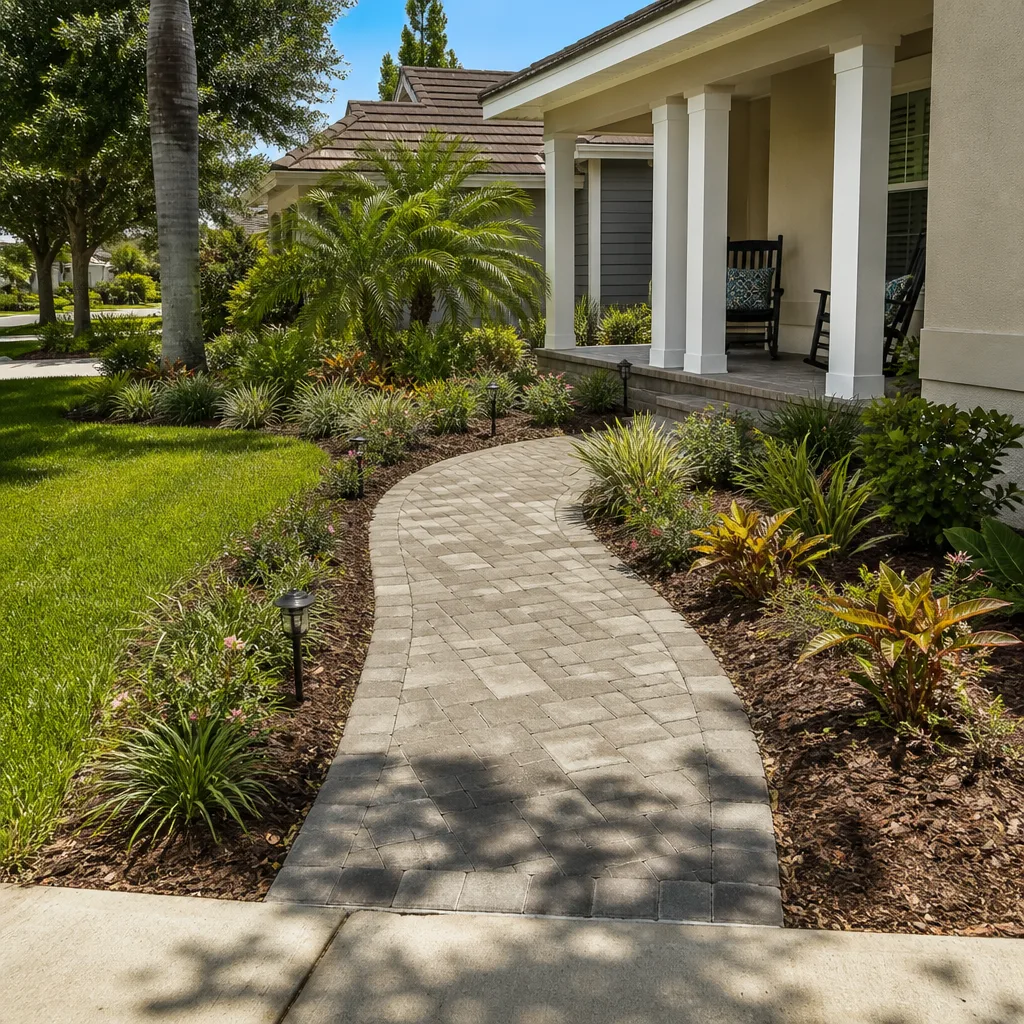
Many newer subdivisions pushing northwest toward Alliance and Walsh Ranch write design guidelines that specify ornamental aluminum, not vinyl, for front-yard and side-street-visible fencing. If you’re in one of those neighborhoods, the comparison is academic for your front line. Read your CC&Rs before you shop. It’s a five-minute check that saves a five-figure mistake.
Older blocks are the opposite. In Fairmount and Ryan Place, design-review overlays govern exterior work, and a fence that’s fine in a 2015 tract build can stall in front of a district review on a 1920s bungalow lot. We’ve learned to ask about overlay status before we quote a single panel. Fort Worth still builds new while patching up the old, and fence rules follow the same two-speed logic.
What It Costs to Fence in Fort Worth
Fence installation in Fort Worth runs about $3,500-$9,000 for vinyl and $4,000-$10,000 for aluminum, depending on linear feet, height, gates, and post setting. Vinyl is usually modestly cheaper up front. Aluminum earns its premium back in repairability if you get hit.
But the honest comparison is a 10-year cost projection, not a one-day quote. A cheaper vinyl run that fades by year eight and can’t be color-matched may cost more to live with than an aluminum run that takes a hail dent in year three and gets a single replacement panel. We build that 10-year projection into our project consultations so you’re not making a 20-year decision off a one-day number. Upfront pricing, no surprises. You can see how we scope the whole category on our Fence Installation page, and read the full local breakdown at Fence Installation in Fort Worth.
Quick recommendation by scenario
- Open backyard, no tree cover, hail-prone: aluminum. Accept the dents, fix them by panel.
- Front or side-yard line with HOA design rules: check the CC&Rs first; aluminum is often mandatory.
- Backyard privacy behind a mature canopy: vinyl is a fair call, and its non-metal posts suit the clay.
- Direct-burial posts in shifting soil: vinyl’s all-plastic post avoids the steel-core corrosion risk.
- You want the longest service life per dollar: weigh the 10-year repair math, not just day-one price.
Why Homeowners Bring This Decision to Groundwork
Groundwork Construction Co. of Fort Worth handles fence installation as one of seven core service lines, alongside roofing, windows, and driveways. We bring a curated set of verified brand partners to every trade, and our technicians have up to 12 years of experience setting posts in this clay. Every project is covered by our 730-Day Done Right Promise: if it’s not done right, we make it right. Calls are answered by a live person, 24/7, so a question about a bent picket doesn’t wait until Monday. Technicians are background-checked and arrive in uniform. Estimates are free, and we offer $1,000 off projects over $10,000 plus 0% financing for 18 months if you’re fencing a larger property.
The materials here aren’t guesswork. When we spec roofing or exterior hard goods nearby, we lean on partners like GAF and CertainTeed, and we apply the same brand discipline to fence components. Built to last, backed in writing. Start from our home page if you want the full scope of what we do.
FAQs
Aluminum holds up better against Fort Worth’s hail, while vinyl holds up better against the sun and against clay-soil post corrosion. There’s no universal winner: it depends on whether your fence line is more exposed to hail impact or to sustained UV and soil moisture. Sun and thermal cycling wear vinyl; hail dents aluminum.
No. Hail typically bends pickets and crushes top rails, which is a cosmetic problem you can fix panel-by-panel with standard profiles. The structure usually holds. That repairability is aluminum’s biggest edge in a metro that averages 2 to 4 significant hail events a year. Call (855) 912-5373 and we’ll assess the damage for free.
Because Fort Worth summers push past 100°F for weeks, and every hot day expands and contracts the panel against its posts until UV chalk and expansion-stress cracks appear. The fading hits the whole run, not one panel, and color-matched replacements get scarce after 7 to 10 years. That’s why a partial vinyl repair often looks worse than leaving it.
Often, yes, especially in newer northwest Fort Worth subdivisions heading toward Alliance and Walsh Ranch that specify ornamental aluminum for front and side-street-visible fencing. Read your CC&Rs before you buy. Call (855) 912-5373 and we’ll help you interpret the guidelines during a free estimate.
Get the Decision Right the First Time
If you’d rather have it looked at, Groundwork Construction Co. of Fort Worth offers a no-pressure assessment in Fort Worth. We’ll walk your fence line, check the exposure and soil, review your HOA rules, and hand you a 10-year cost picture instead of a one-day pitch. Call (855) 912-5373 for a free estimate, and let’s get it right before the next storm.
Written by the team at Groundwork Construction Co. of Fort Worth, serving Fort Worth, TX.


